Professor Ho glossary
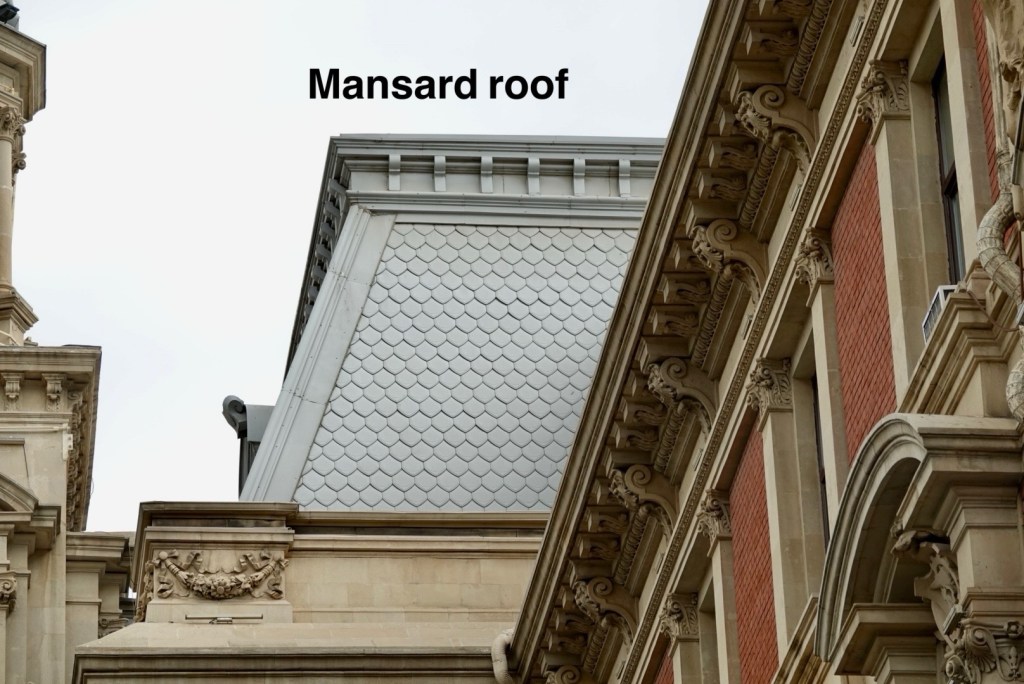
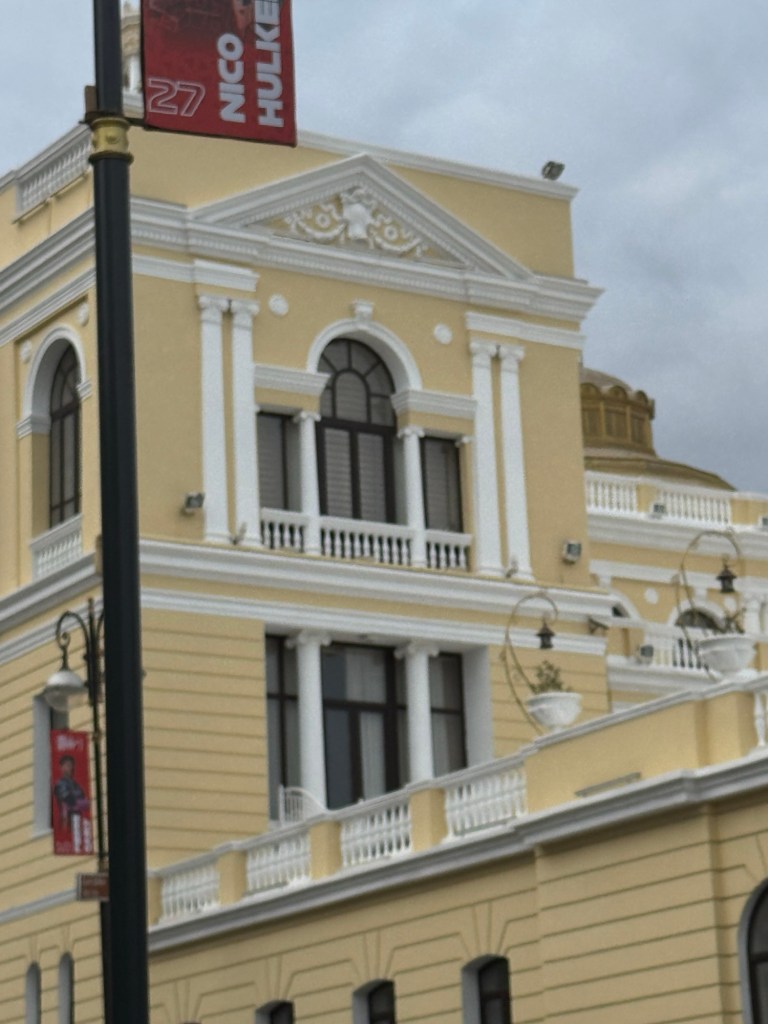
We can recognise a French building by the typical roof: Mansard roof
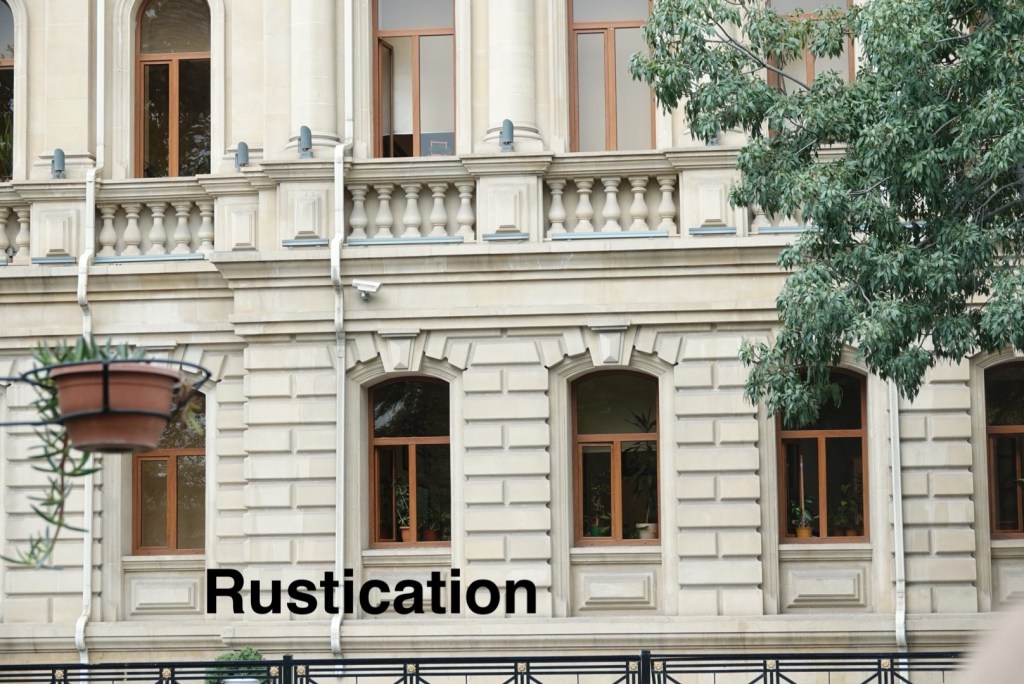
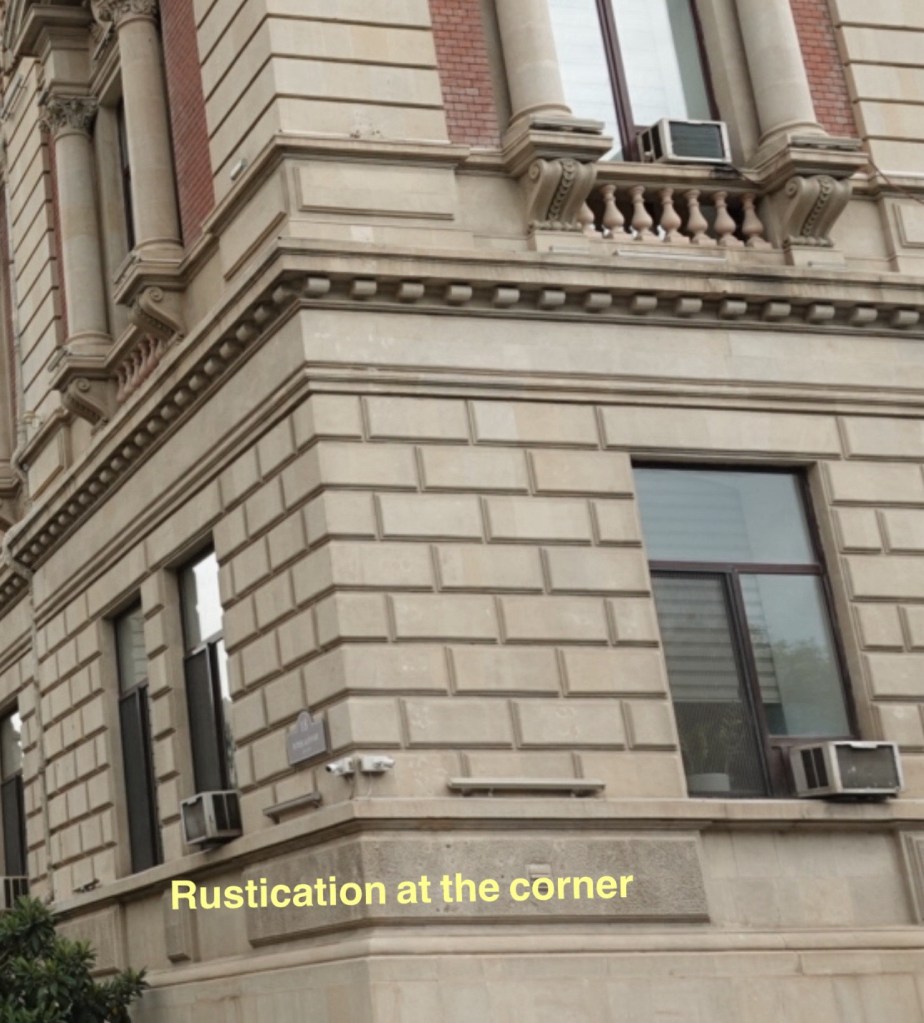
Rustication: trimming of the edges of the stone plate to make the main body stand out. At the corners we see only a single stone plate.
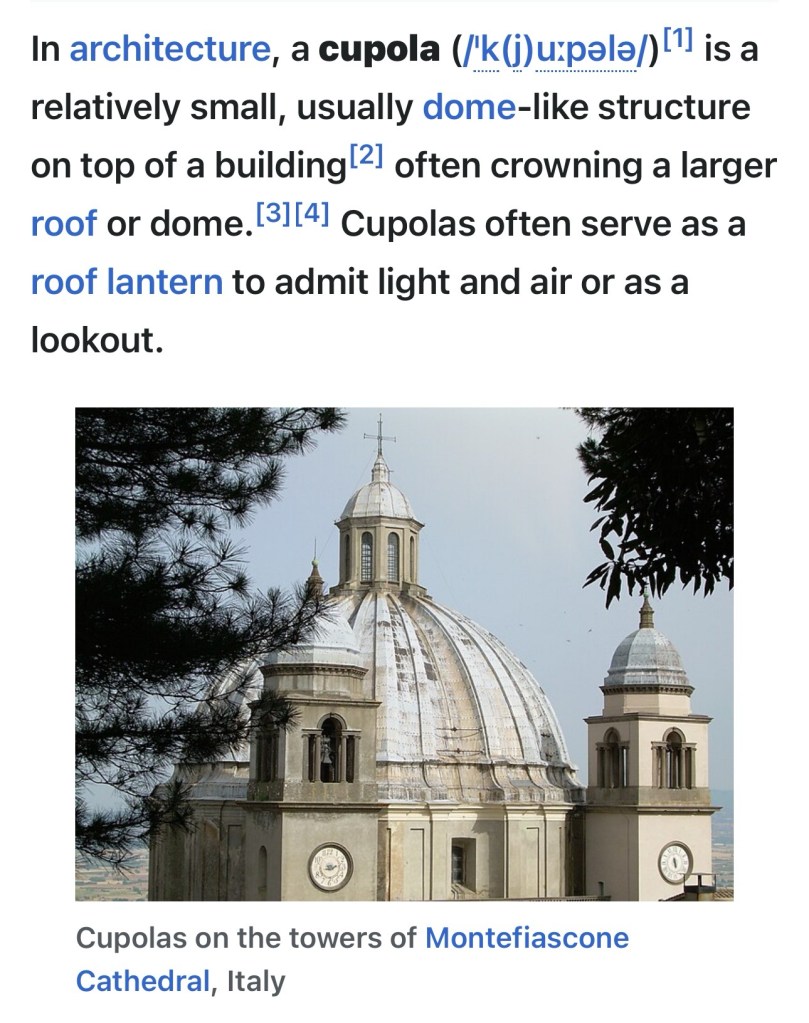
Dome cupola
Pendentives: to fit a circular dome on a
square building we have to use pendentives.

Pendentives are the places to look for decorations but in this old palace they are just blank.
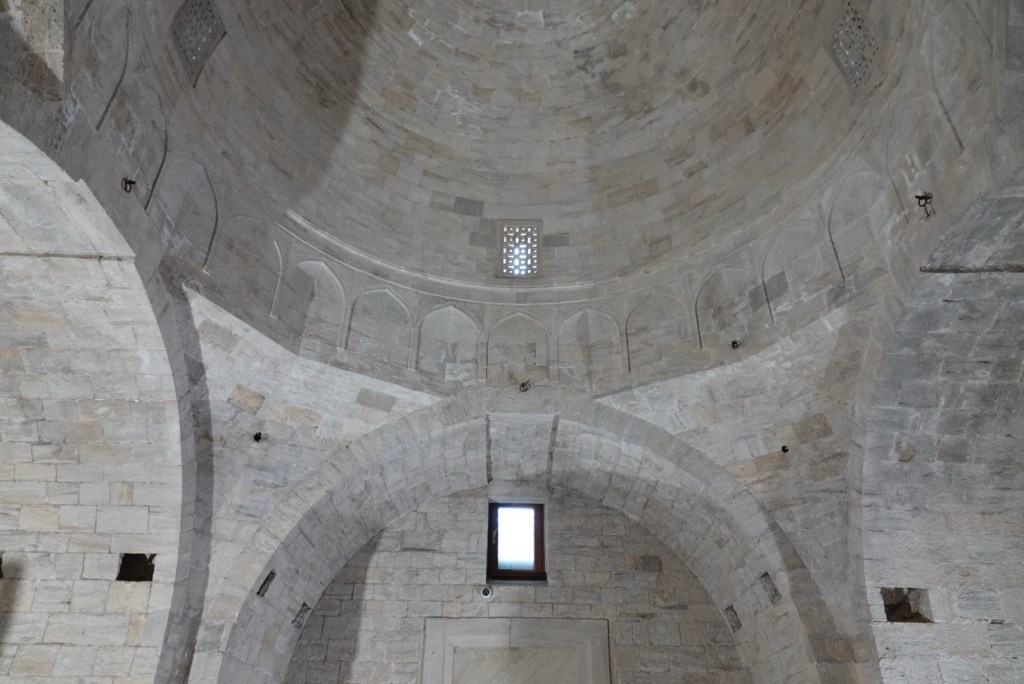
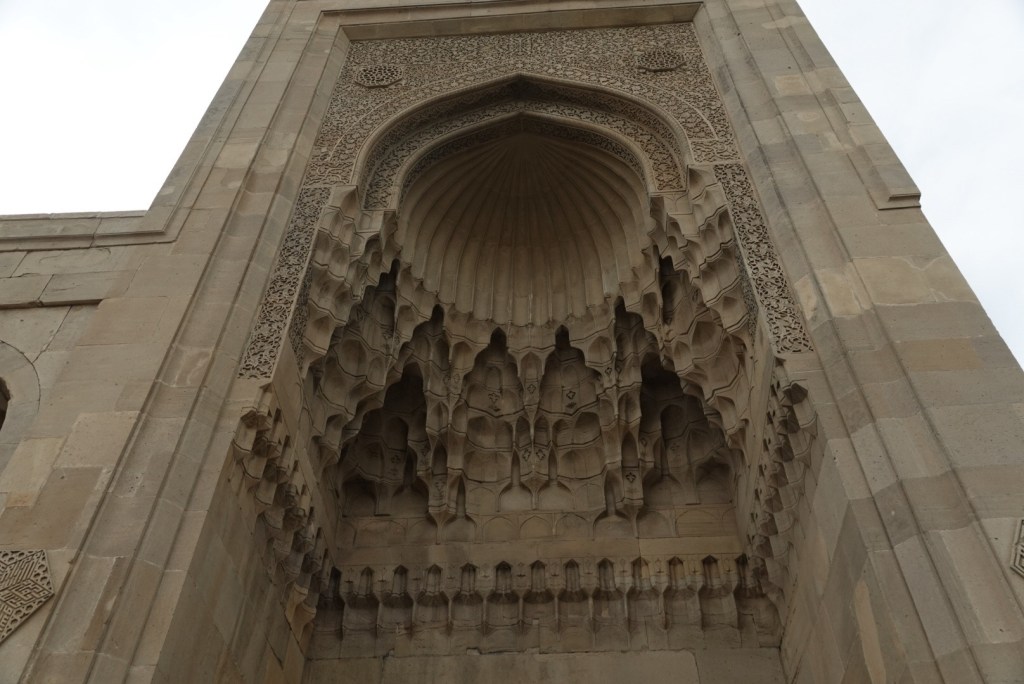
Muqarnas: general term for decorations on the roof and wall
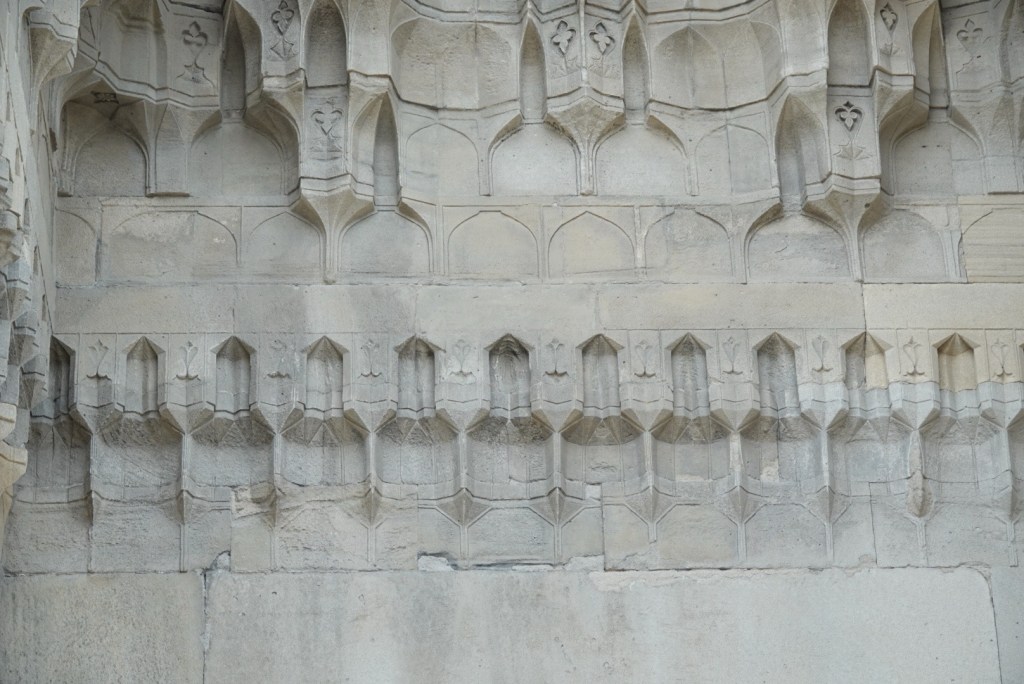
Dress stones and rough stones. The stone wall here is thick and consists of the surface smooth stones where rustication applies and beneath it is the rough stones. In the old palace there is a damaged wall exposing the inner rough stones.
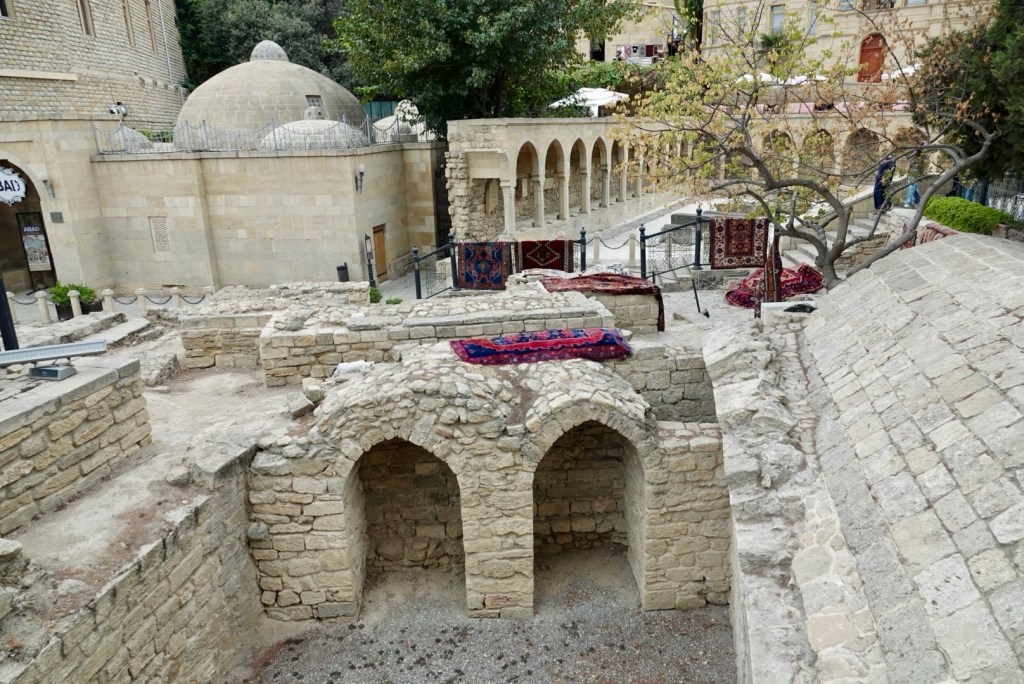
Palladio window: is a style where you see two shorter windows besides the main window
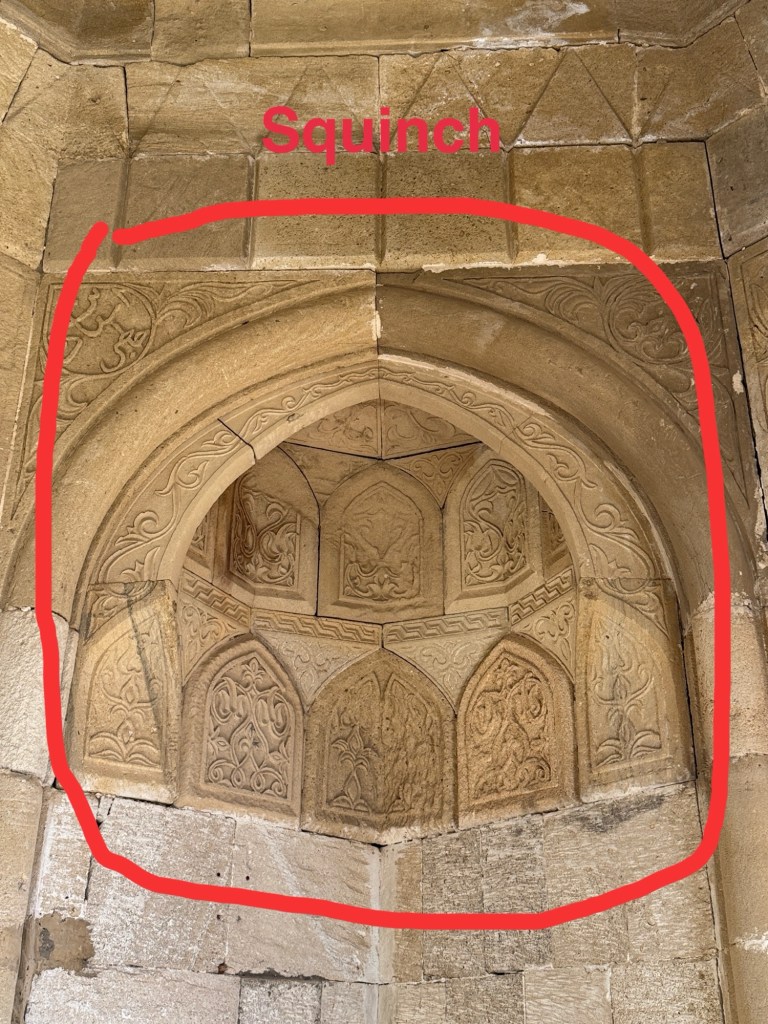
Squinch
To fit a circular dome on a square building we need pendentives, so pendentives are triangles that go around the corners of a square room. Squinches are arch-like structures that go around the corners and make a dome shape. Both are designed to spread the weight of the dome to the wall
Renaissance architecture
Rebirth of the classical culture to replace
medieval Gothic style
Revival of ancient Roman form
column, arch, vault and dome
Functional – Palladianism by Andrea Palladio
To impress – Baroque and Rococo
Modern 摩登Architecture
Zaha Hadid, the cultural centre Heydar Aliyev Centre Baku
Lines in form of curve
Fluidity of form and space
Things and people move as time moves
時代巨輪
Space defined by slanted partition ( not
even wall).
She also designed the new Beijing
Daxing Airport and Goungdong Opera
House
For the cultural centre in Baku it was not very successful. Designing and building a structure involves several steps:
Perception
Detailing, specification of materials
Construction
Maintenance
Because of the curved lines of the centre, choosing a suitable material is difficult. For the workers it is also do build and maintain
The Greek temple we saw has 6 pillars in the front (where we saw the Pediment). Number of pillars at the front can be 4,6,and 8. The pillars number at the side varies. They are Ionic pillars which can be recognised by the characteristics capital.
Barcelona pavilion
The building has become a seminal icon of modernist twentieth-century architecture, comprising symmetry, open-plan spaces, precise proportion and minimalist design.
Decoration is a sin
Deconstructionism
A postmodern architectural movement
fragmentation of the constructed
building
Absence of obvious harmony, continuity,
or symmetry.
Mirarvi Cafe
Show case of Soviet Modernism
Shell architecture
Flower like
Parabolic curve
Pure pursuit of modernism
For some Soviet buildings that we saw in Georgia and Armenia they are rather ugly and hence the term Brutalism is used. Though Brutalist architecture emerged in the 50s in UK .
Two concepts in buildings
Cave typology
Traditional architecture, room after room
Embraced by elements from inside
Safe
Tree house typology
Higher up above ground
More exposed
More natural lighting
More interaction with the environment
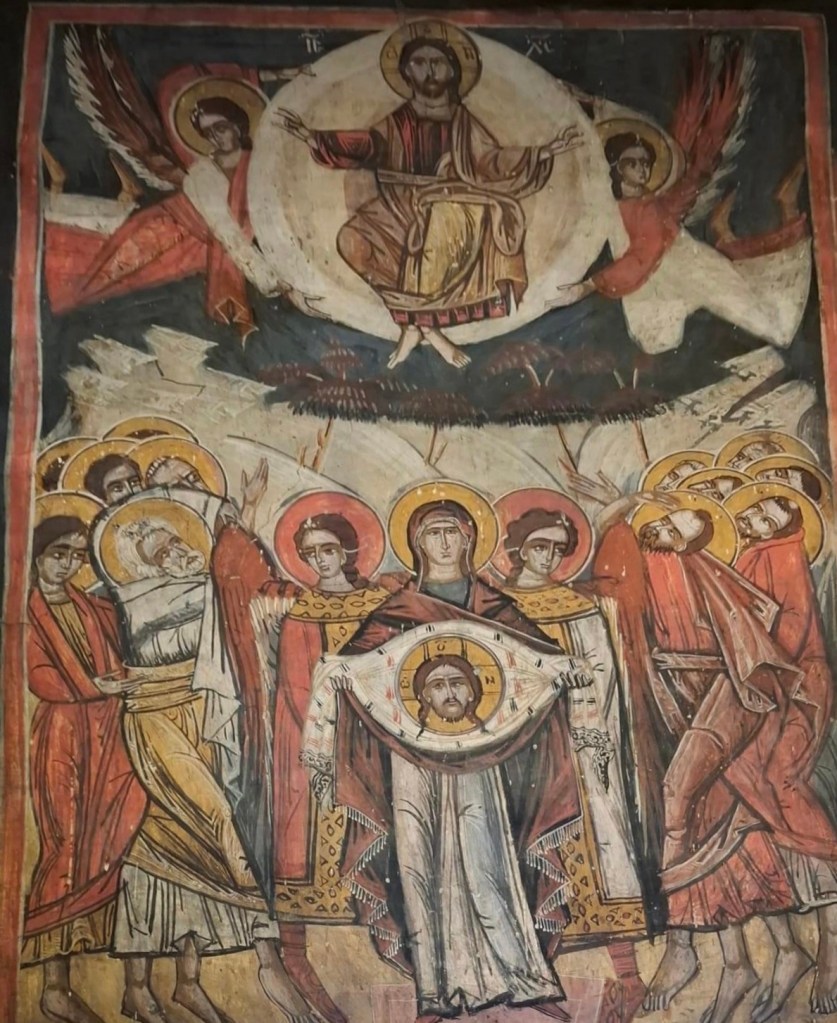
Christ Pantocrator (Christ in Victory, omnipotent Lord of the universe)

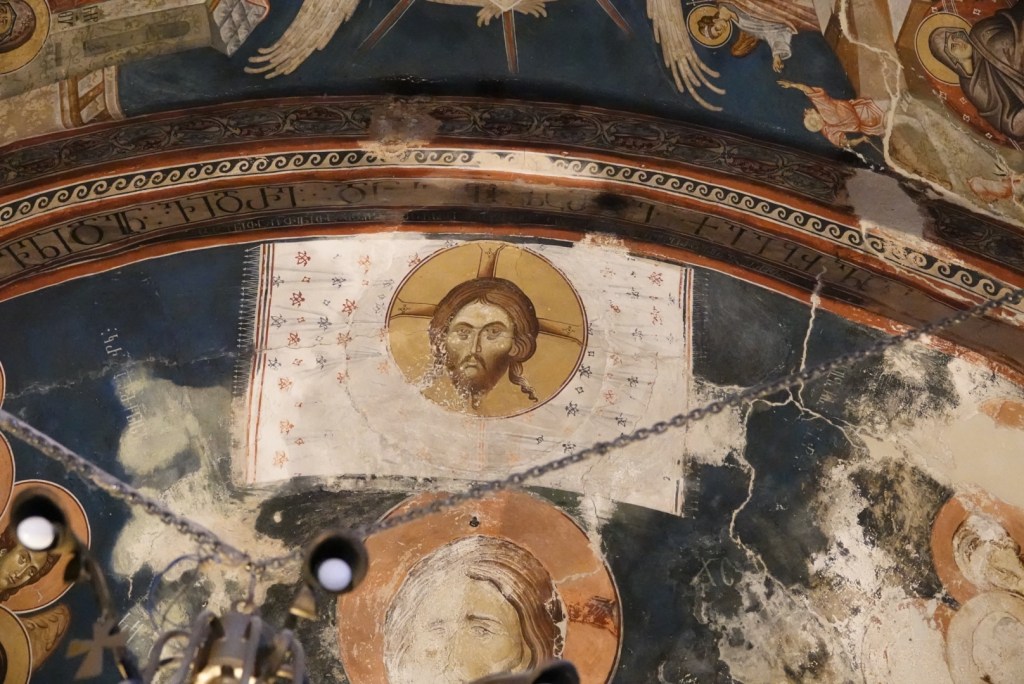
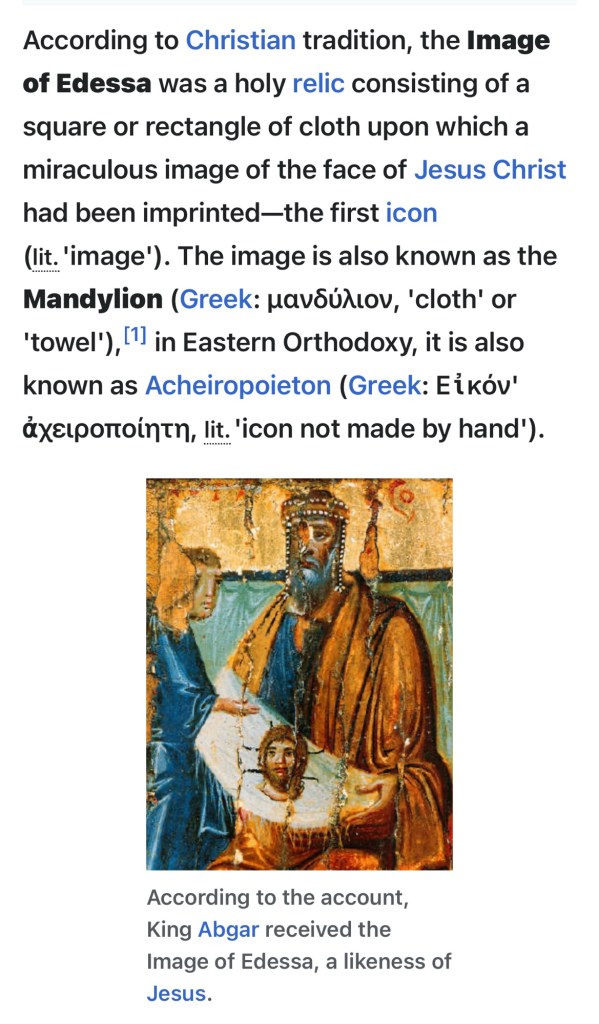
Mandylion
It refers to a small cloth bearing Jesus face. We saw one in the Ubisi monastery, just above the Christ Pantocrator.
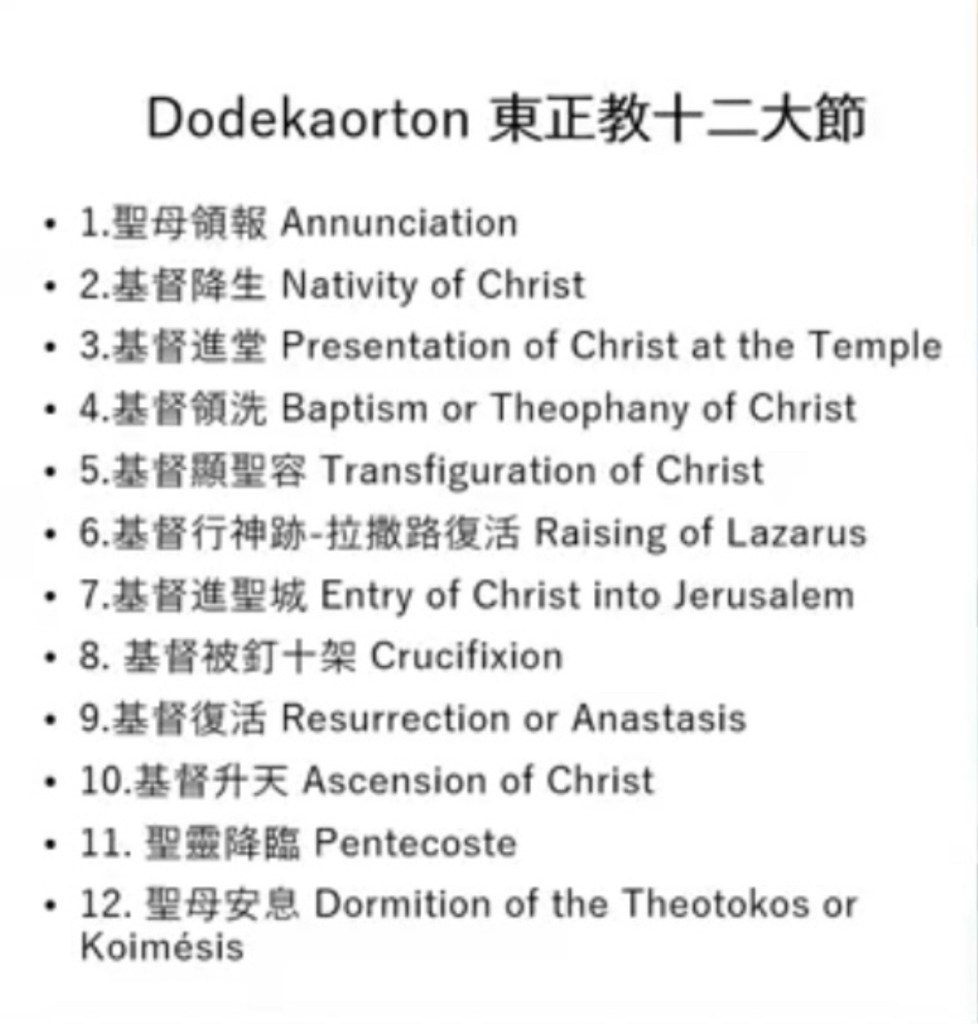
Many frescoes and murals in the church described the Dodekaoton:
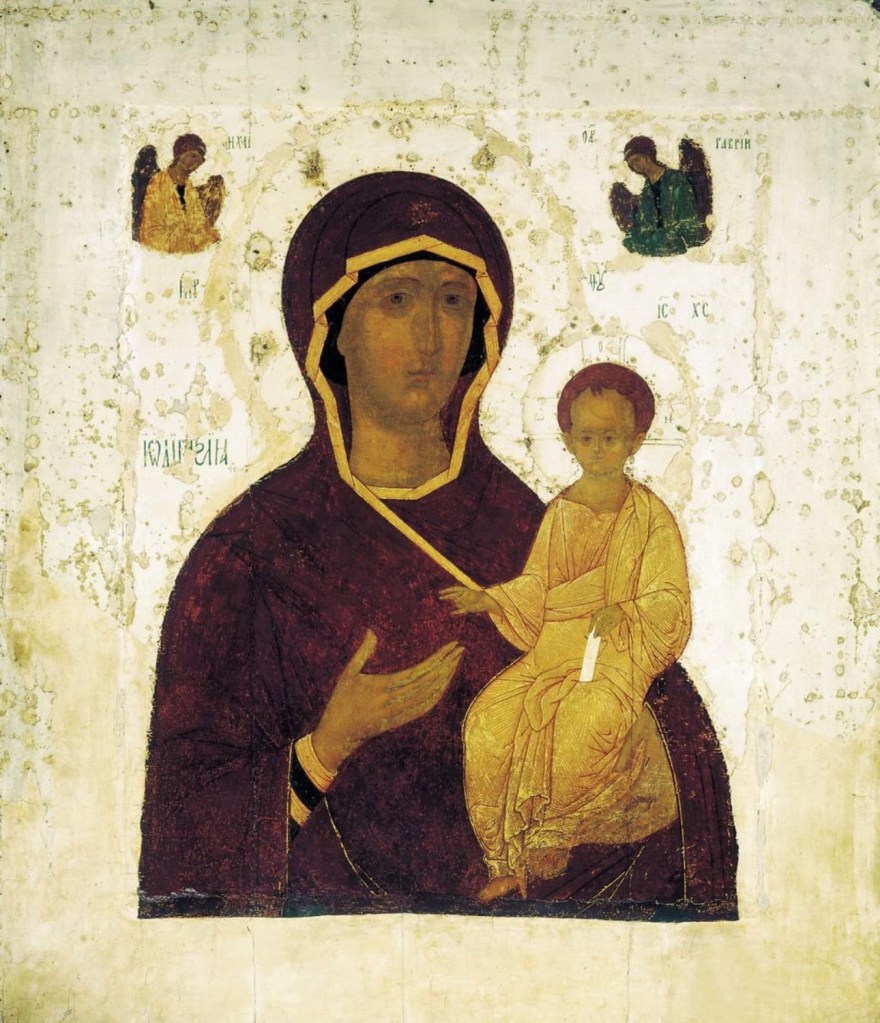
Hodegetria (Mary and infant Jesus)
Mary carrying Jesus, hand pointing to Jesus as the source of salvation for humankind.
Theotokos (Mother of God)
Or bearer of god. Mary just a surrogate mother? Jesus changed from human to god or divine from the very beginning?
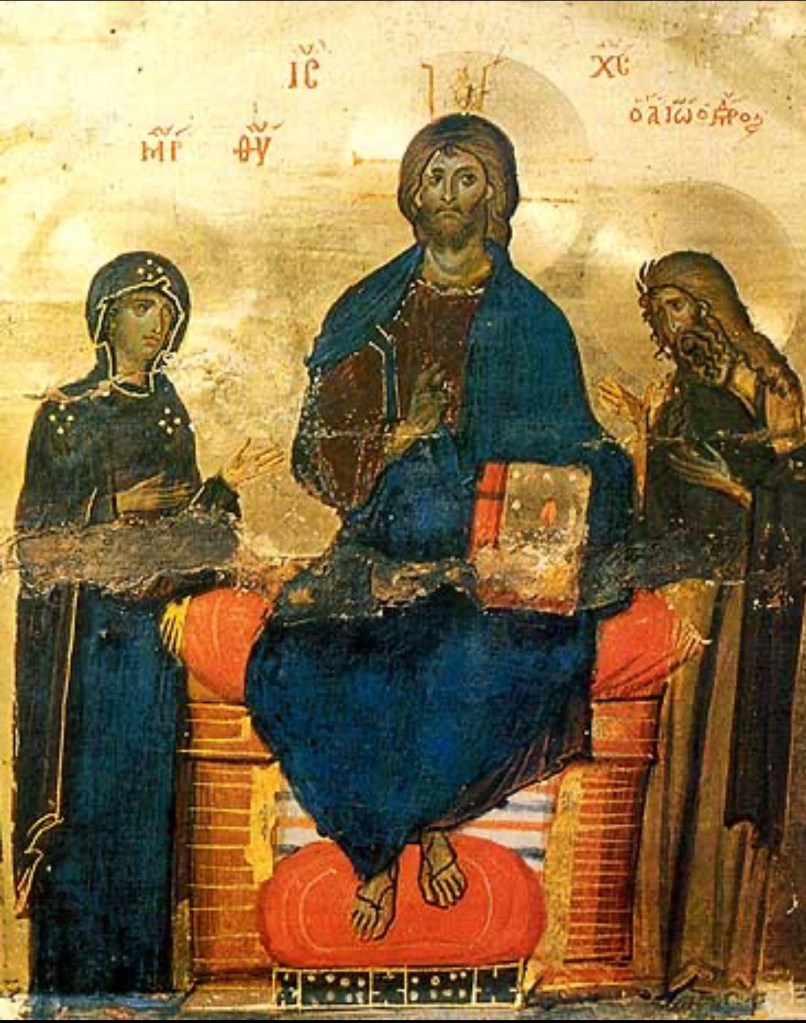
Deesis – Christ in Majesty is flanked by Theotokos and St John the Baptist, both in supplication
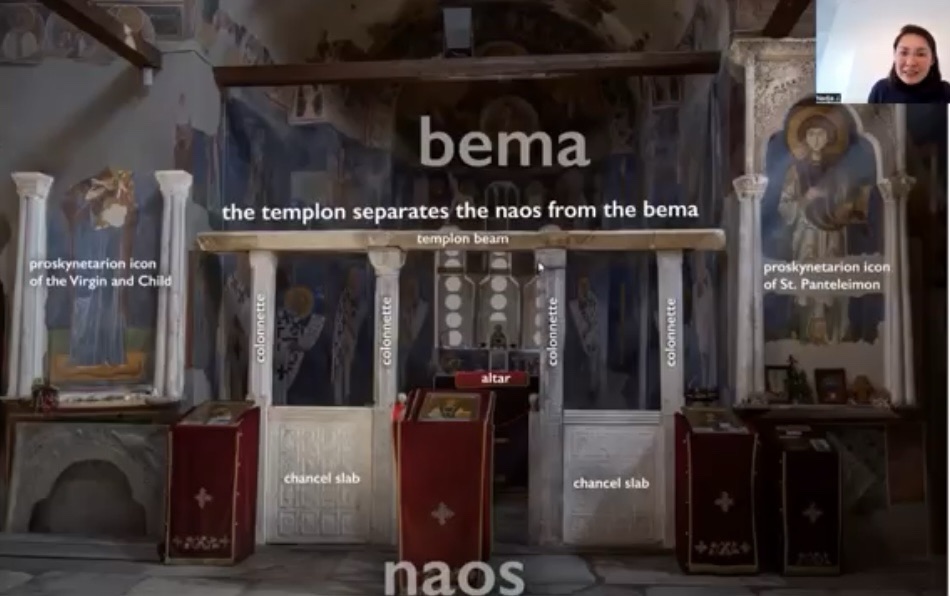
Iconstasis– the screen in the church separating the nave of the church from the holy of holies. iconostasis is also called the templon in Byzantine architecture
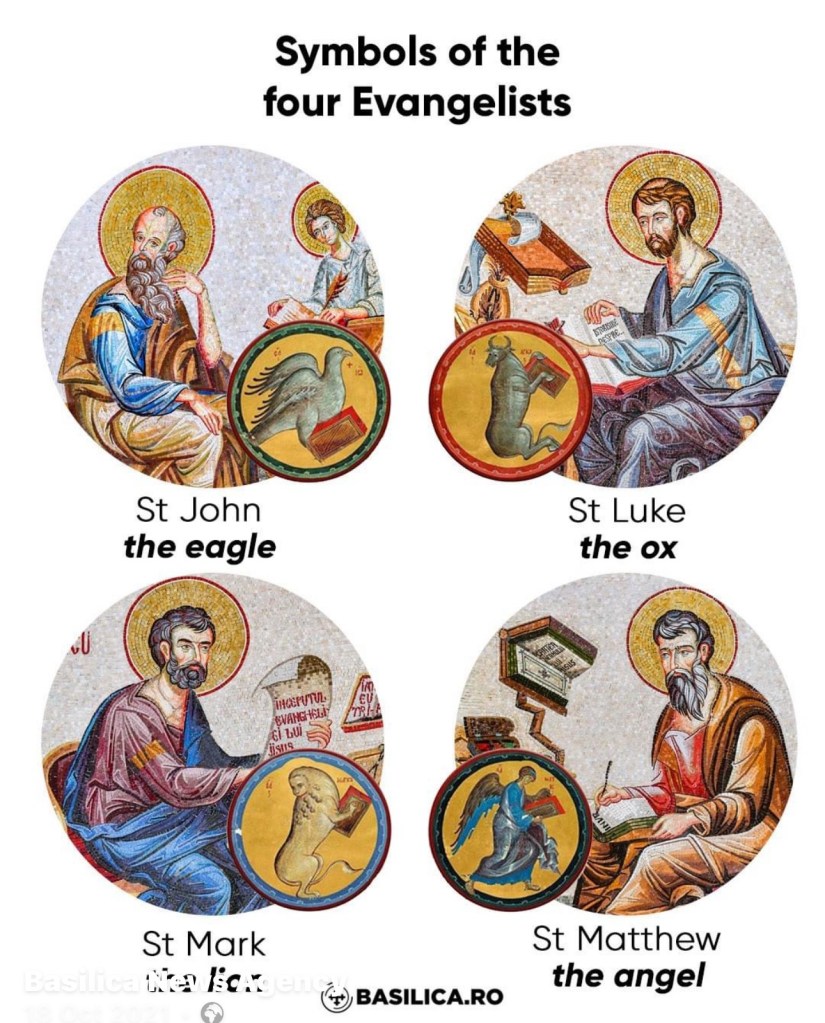
Four evangelists
St Mark (Lion), St Luke (Ox), St Matthew (Angel), St John (Eagle
Orthodox Church
Constantine declared Christianity in 333
Then in 1054 the European Christian church was divided into two major branches: the Western Roman Catholic Church and the Eastern Orthodox Church. This split is known as the Great Schism, or sometimes the “East-West Schism” or the “Schism of 1054.” Then there was further split of the Orthodox to Oriental Orthodox. These are Coptic, Armenian, Syriac, Ethiopian.

The Autocephalous and Autonomous Orthodox Churches are those churches with self government. Some examples are Georgia, Moscow, Romania and Antioch.
Each church is self governing and the highest ranking is the Archbishop (patriarch, or metropolitan), reports to no higher authority.
The dioceses is ruled by bishop.
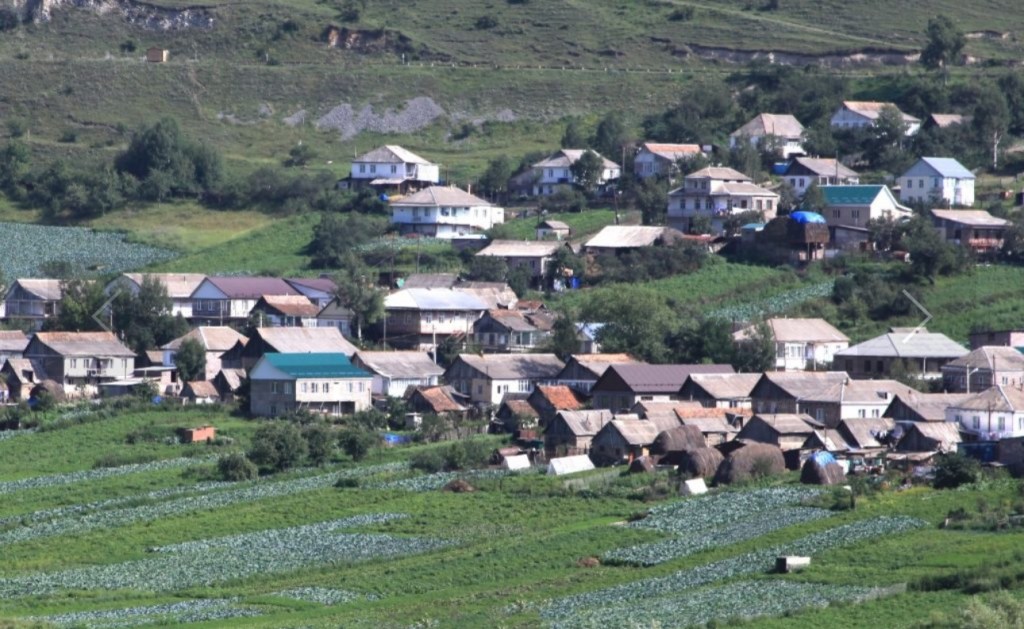
Molokans is a spiritual Christian group originating from Russia. Tsarist authorities began to send them to Caucuses since 1802. Now there are many Molokan villages in Lori and Lake Seven. They don’t have church ( can have meeting halls) and don’t worship idols, just pray and read Bible. Molokan comes from the word “milk” which they’re allowed to drink during fasting. (Armenian orthodox drink only water, eat fruit n veg during fasting.)
Armenian cross
A cross with floral elements. Armenian believe that adopting christianity is not the end. It is just beginning and one will mature and bloom afterwards, hence all the flowers symbols.
Khachkar or khatchkar
Also known as Armenian cross stones, is like a stele, 石碑,commonly seen in Chinese Buddha arts. So it is basically a memorial stele bearing a cross, and often with additional motifs such as rosettes, interlaces, and botanical motifs. It is used in many occasions like marriages and deaths but not for births.
An important example is seen in the Haghpat Monastery:
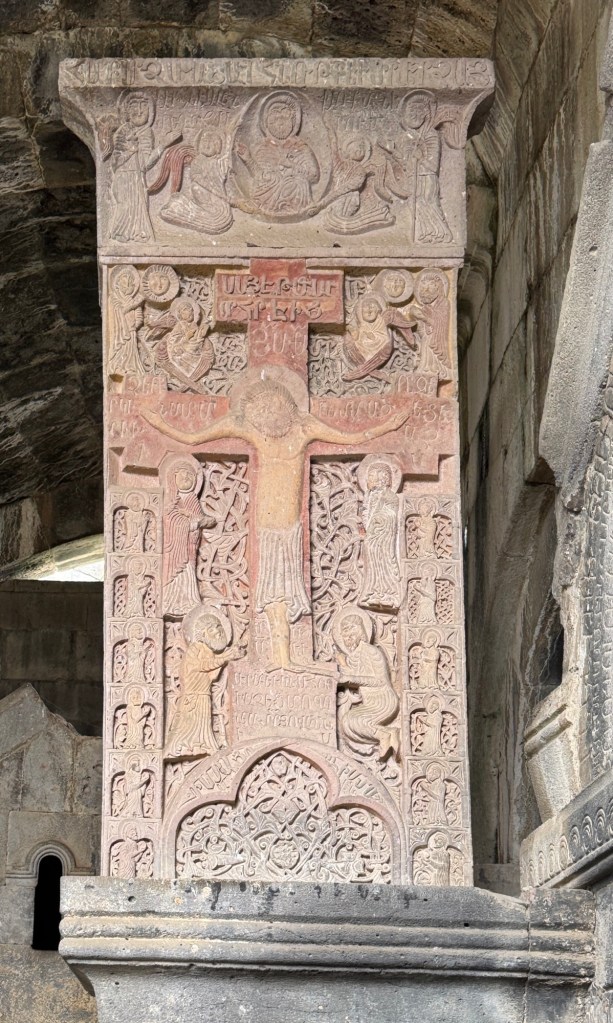
This showed the scene of Jesus crucifixion. On his side was Mary and John. At his feet were the two thieves Dismas and Gestas . Above Jesus head were two Seraphim ( singular is Seraph, 6 winged angels, the highest rank in angel). Above the main stele is again Jesus with Michael and Gabriel (larger ones, the smaller one were ordinary angels).
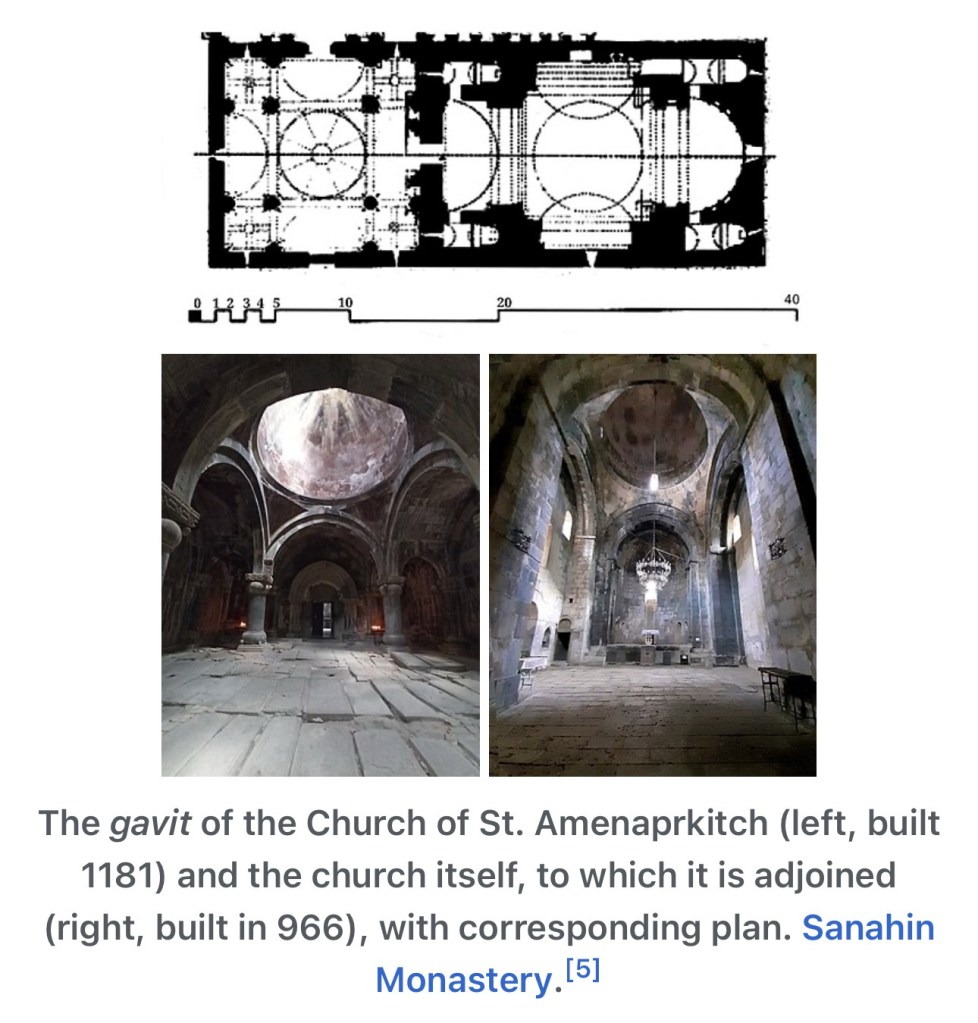
Gavit
Is a mausoleum added to the entrance of a monastery so at its west end. All churches and monasteries in Armenia face east – worship of the Sun God (Mithras). So when one goes into the church one has to step on the tomb stones. Armenian think if you step on the tombstone you will read about the life of the dead and remember them.
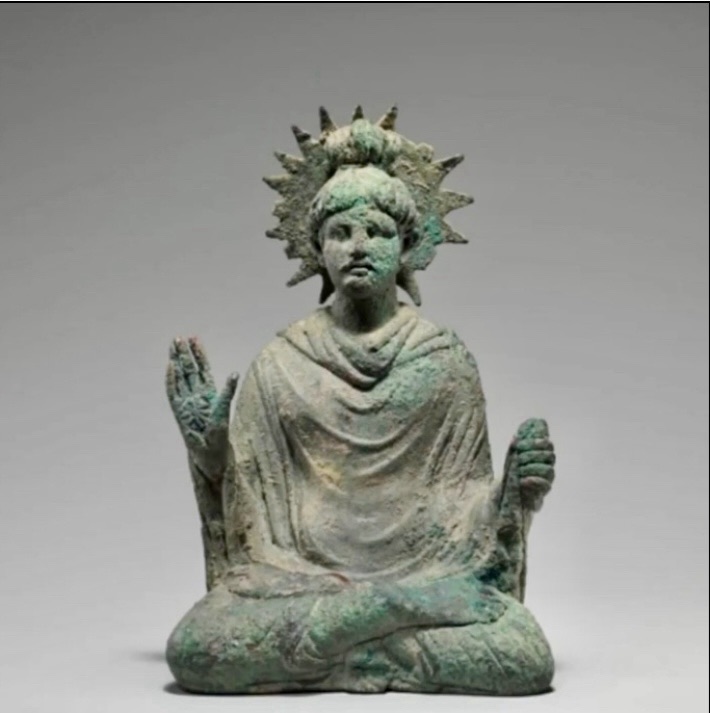
For Mithras most think that it is from Persia but Armenian say they are even earlier. It has vast influence in Central Asia and in early China too. 光明祟拜。Not to bother you too much but if you see this Buddha statue you will understand
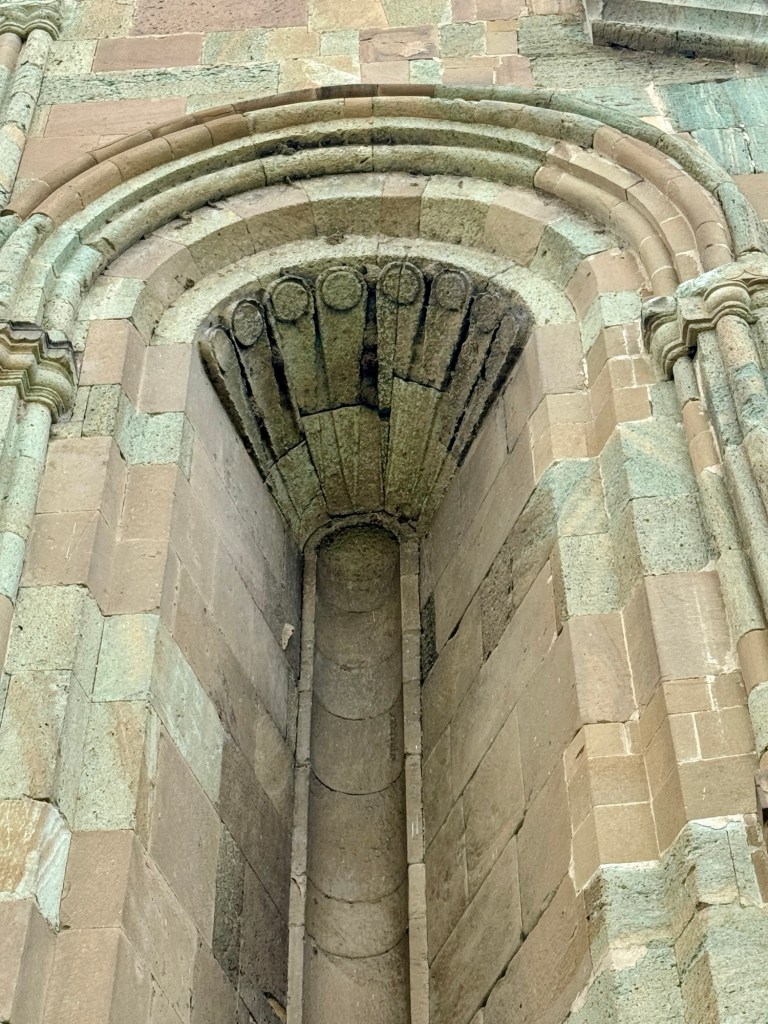
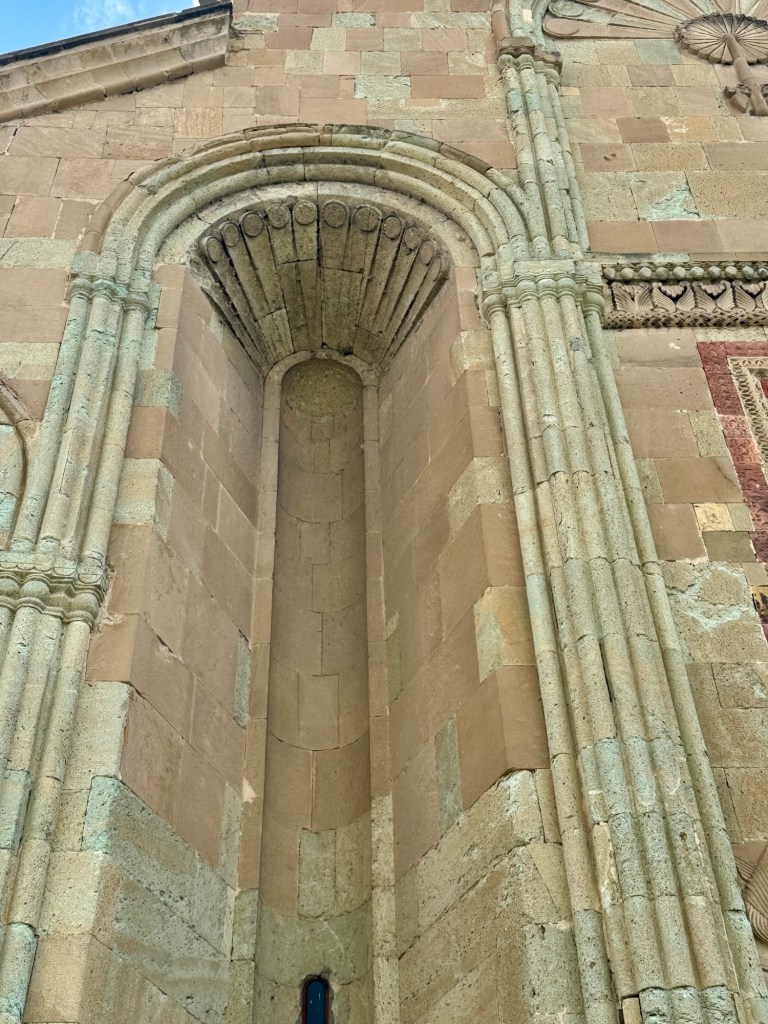
45 degree niches in Armenia is a unique feature. Some are smooth while some have engraved peacock feathers at the top. Most have 12 but some only have 8.
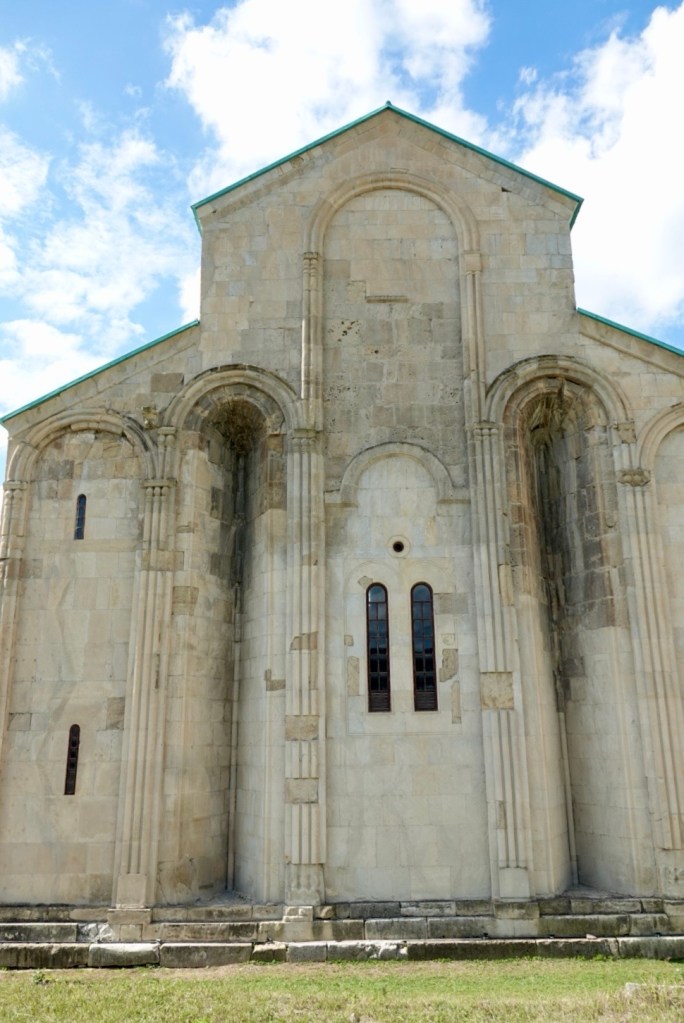
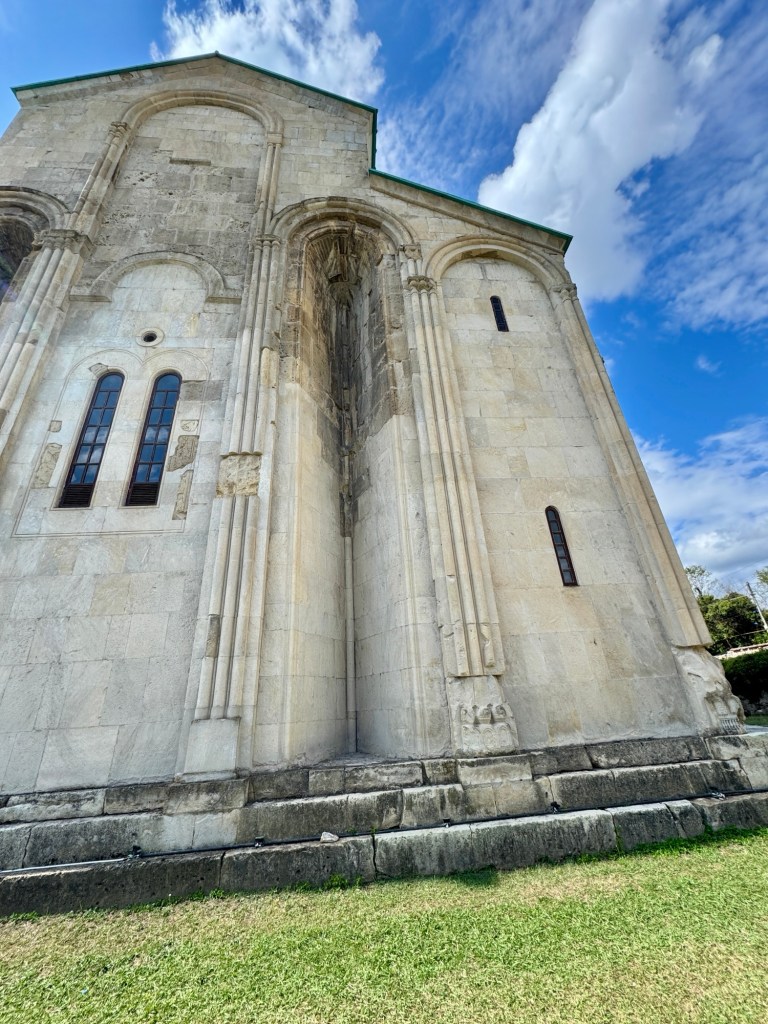
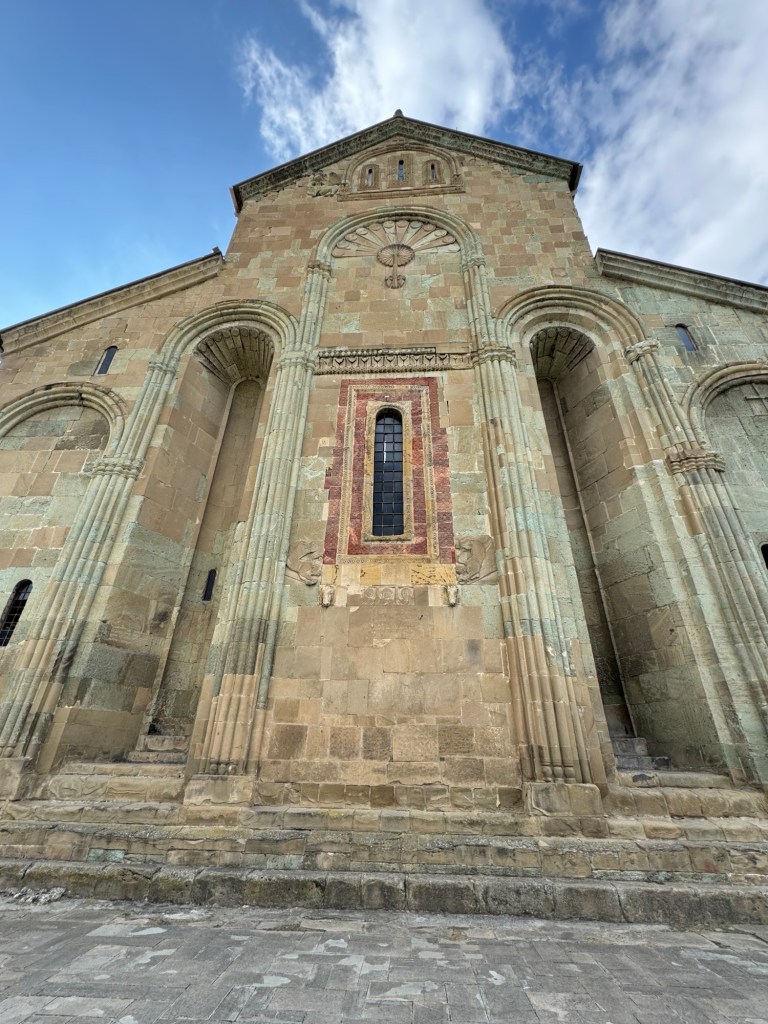
Brief notes of Greek Columns
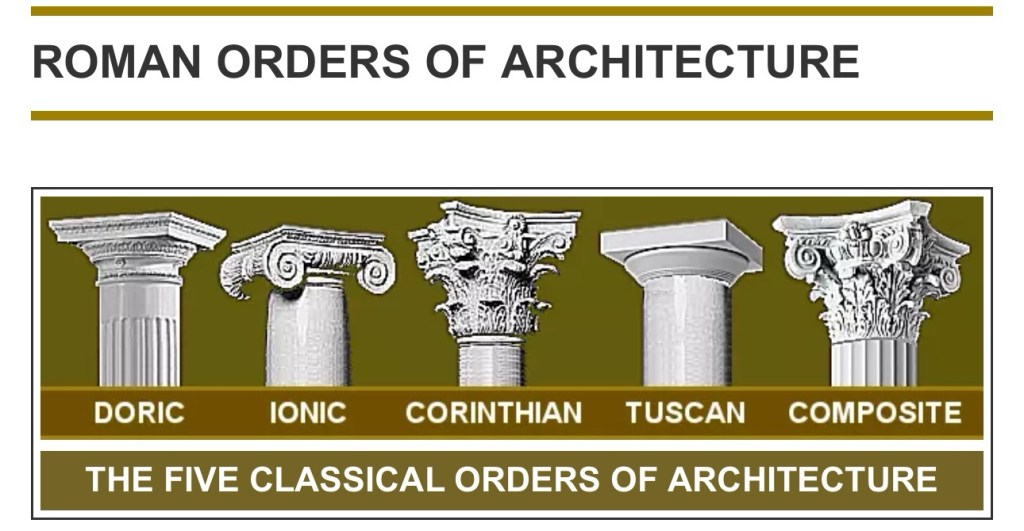
Basically 3 orders: Doric. Ionic and Corinthian. Then more complicated ones are Composite and the very simple ones are Tuscan
The Greek temple we saw has 6 pillars in the front (where we saw the Pediment). Number of pillars at the front can be 4,6,and 8. The pillars number at the side varies. They are Ionic pillars which can be recognised by the characteristics capital
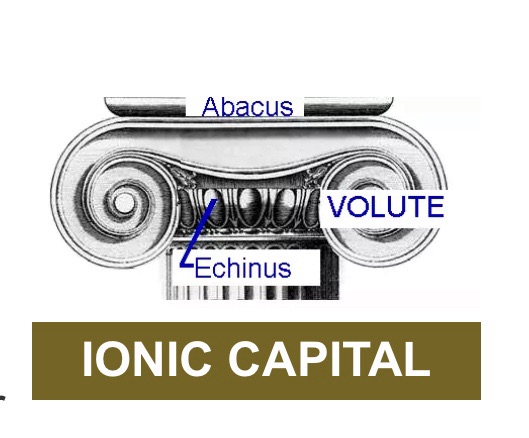
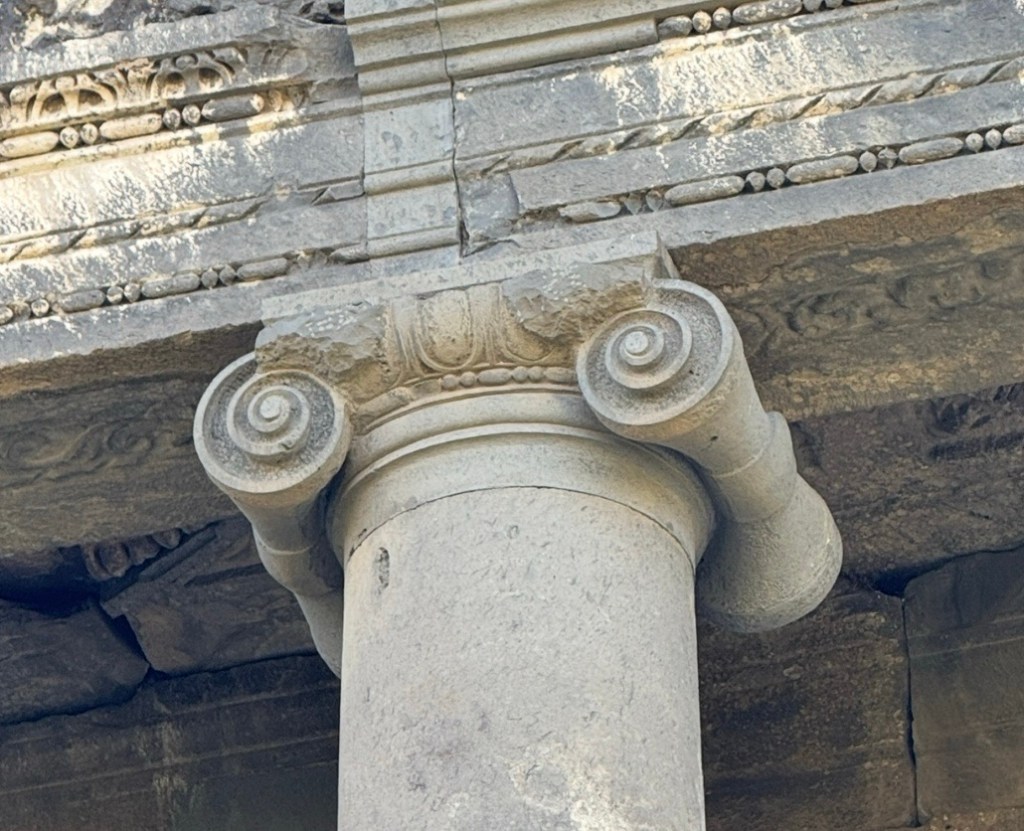
They are not concentric circles but in a spiral form called Volute. For Ionic pillars the height of the column is 8 times the base circumference. Other orders have different measurements. The reason why the bottom of the column shaft is used as the basis of measurement because very often columns are tapered so that the top of the column shaft is narrower than the bottom, a process called entasis.
Tuff is a type of rock made of volcanic ash. It is a relatively soft rock, so has been used for construction since ancient times. Because of the varying percentage of carbon and sulphur tuff can be pink, brown, orange, and almost black in colour.
Tuff is often erroneously called tufa in guidebooks and in television programs but tufa is in fact a form of limestone.
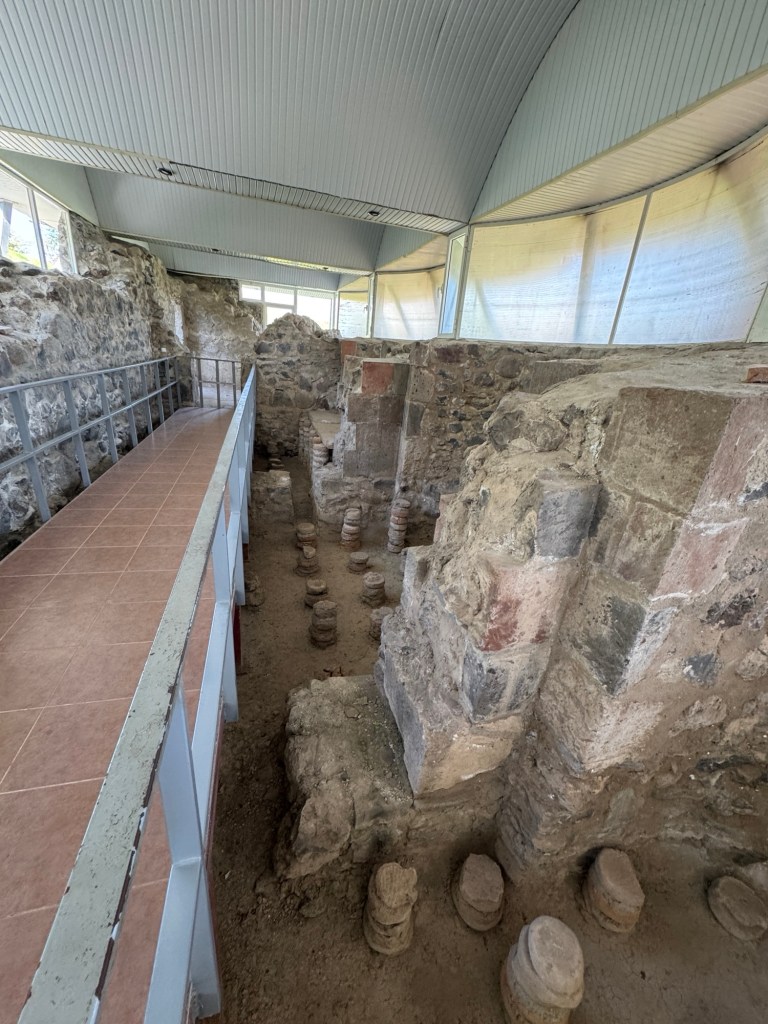
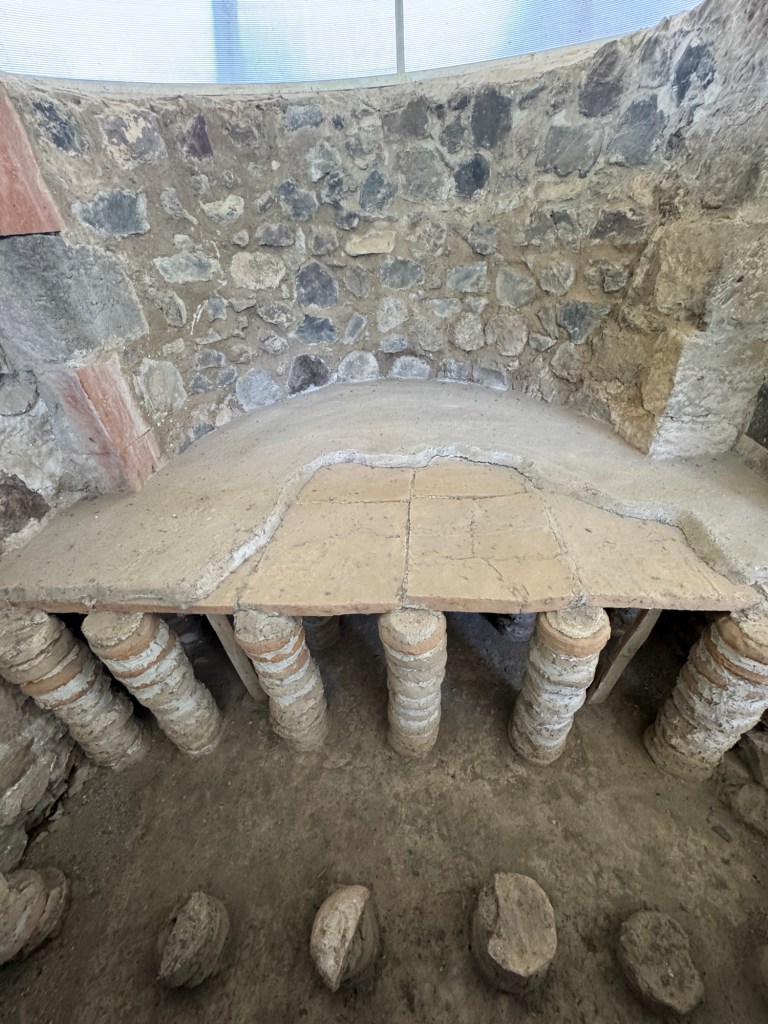
Thermal mass. The bath we saw near the Greek temple had water heated from one side and then flow to the other side. Beneath the floor were stacks of clay cakes made into pillars for support. They also have a high thermal mass to absorb heat. The bath closer to the hot water source is hottest while the furthest end is coolest, so there is a choice for different temperatures.
 India mythology