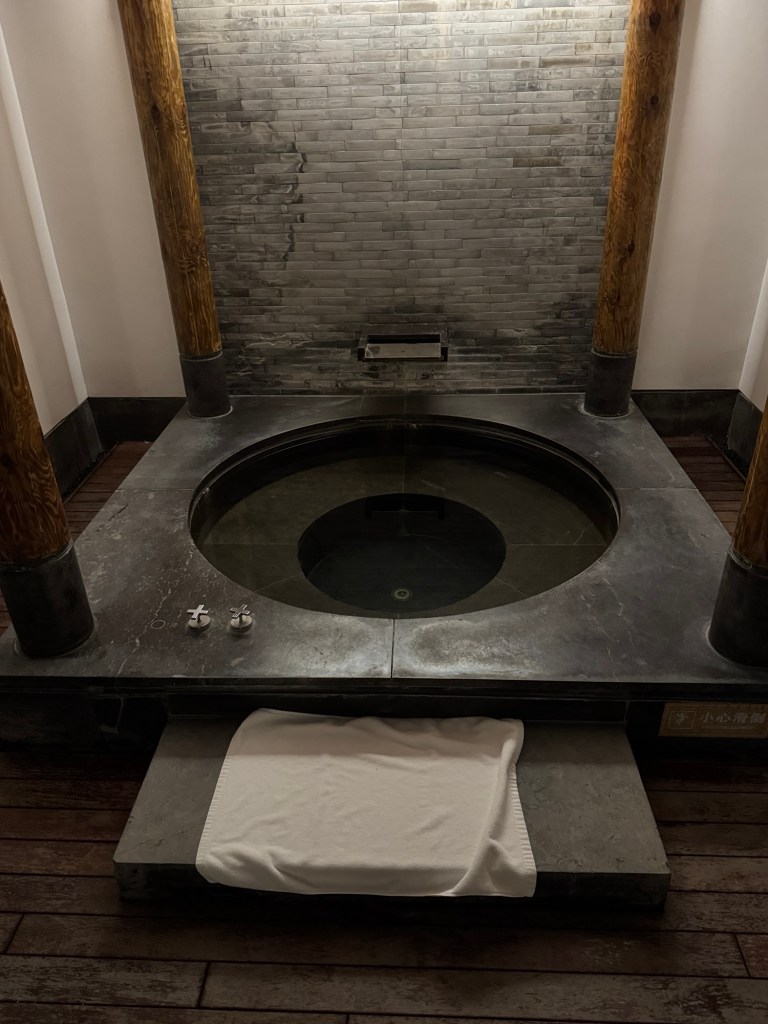
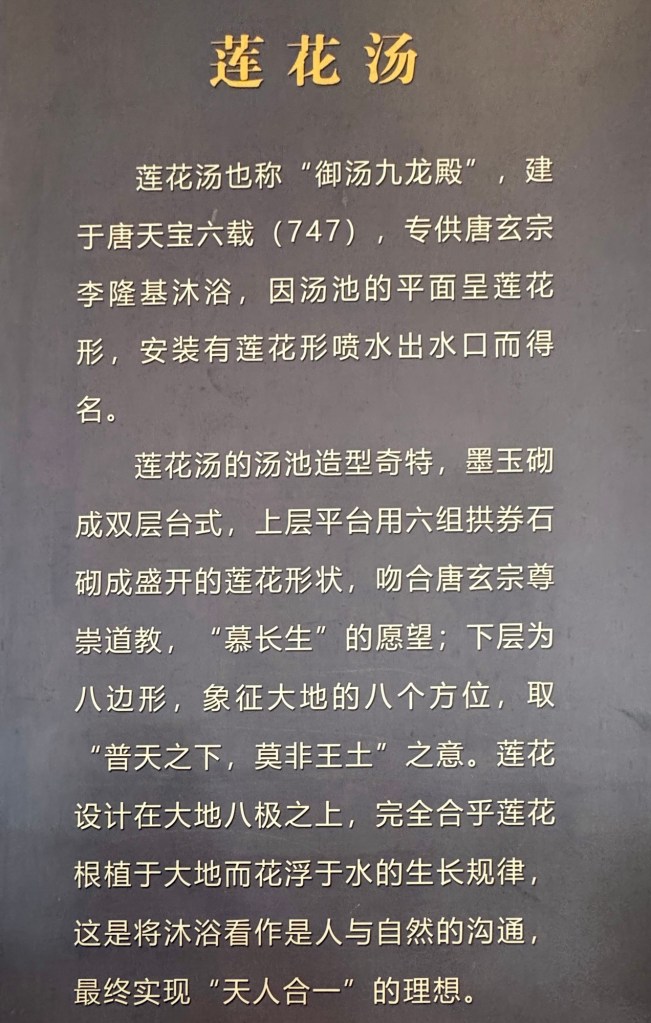
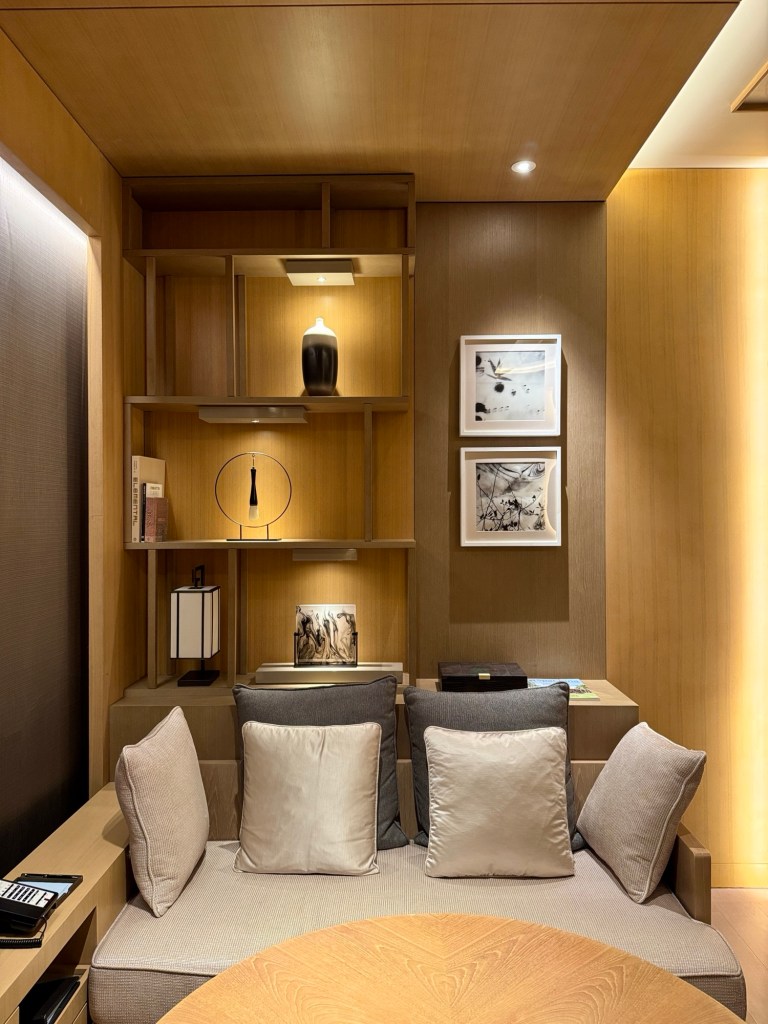
All of the group checked in today from different places. The 華清御湯 hotel is situated right inside the 華清池 so we were given a badge pass for venturing in and out by ourselves. I arrived in the early afternoon and after checking in immediately rushed to the 碑林博物館。Lucky could have two and a half hours because it closed at 6:30. Just managed to take all photos of the Buddhism arts and stone carving from Han and Tang , very impressive.The hotel is very luxurious but in a rather subtle manner. All rooms are bungalows so spread out in a large area and we travel within the complex by buggy. Every room has its private onsen.
Outdoor onsen in my own yard, 👍🏼
Day two 25/9 Thursday
We went to the see the Terracotta Warrior with specialist who is responsible for many excavations, repair and maintenance.
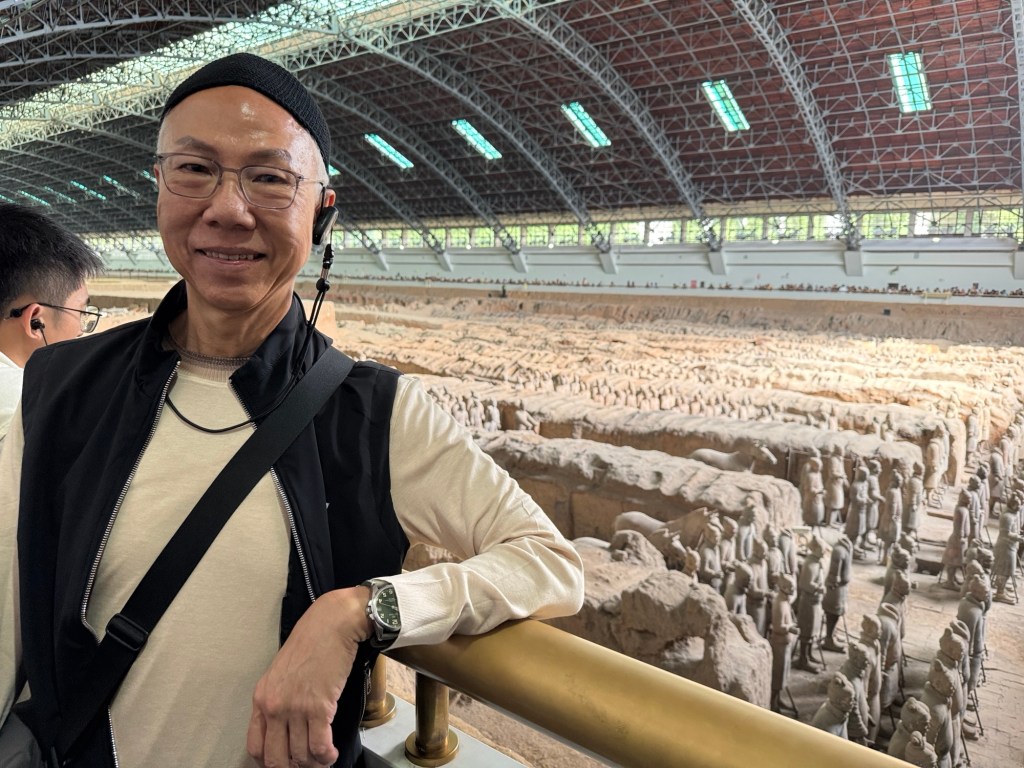
Doing things all tourist enjoy
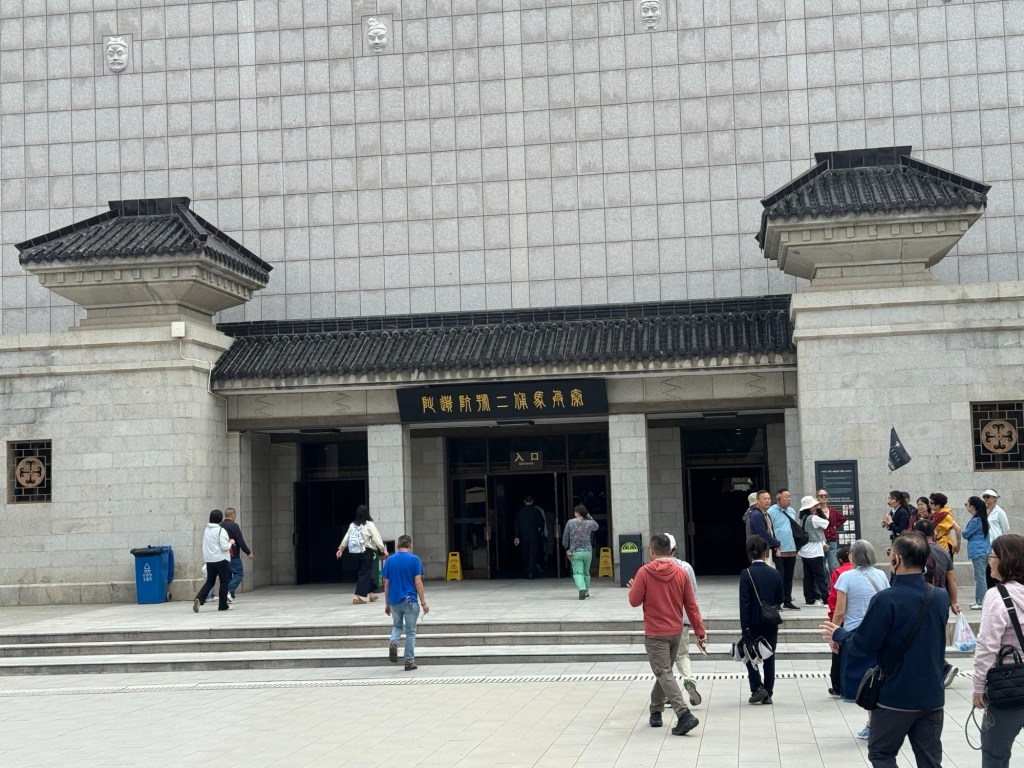
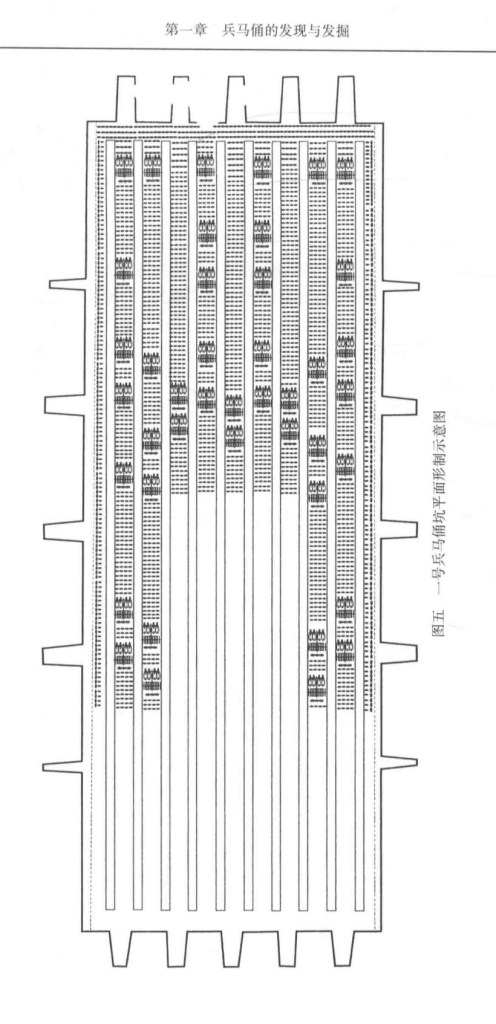
This is pit one which I have been twice before. First time was in the early 80s when the tourist car could drive up to the door of the Pit (only one at that time) and no park surrounding it and no electric car was necessary. Second time came with some experts and we could walk down close to the terracotta but of course not allowed to take photos. Now nobody can go down.
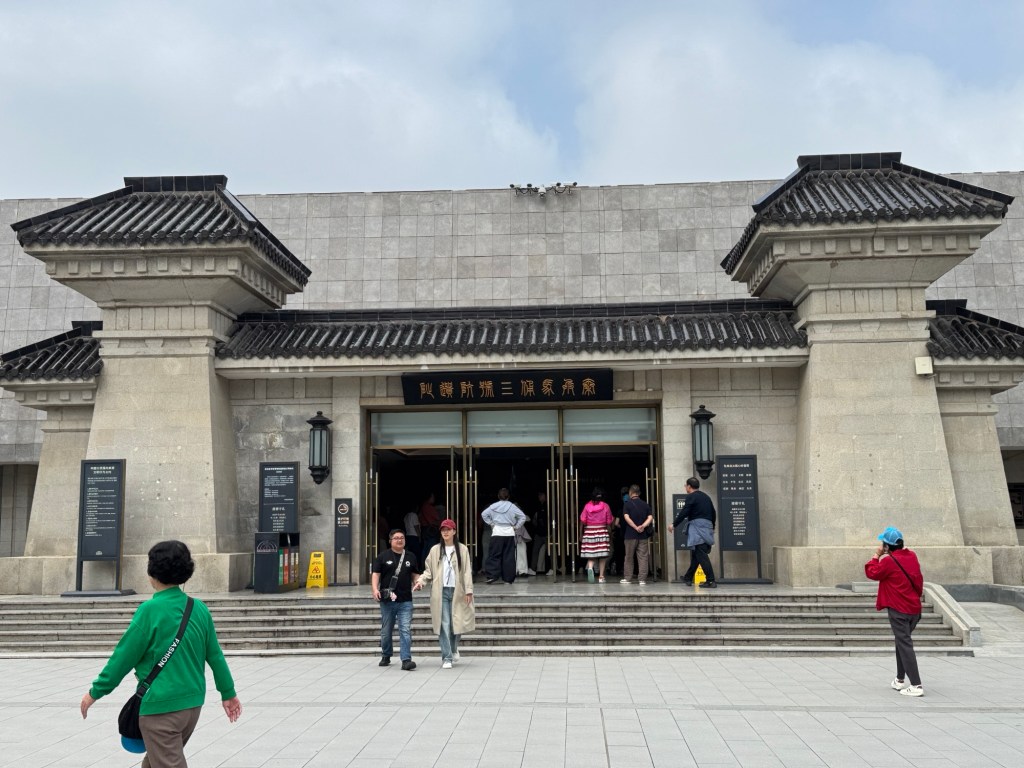
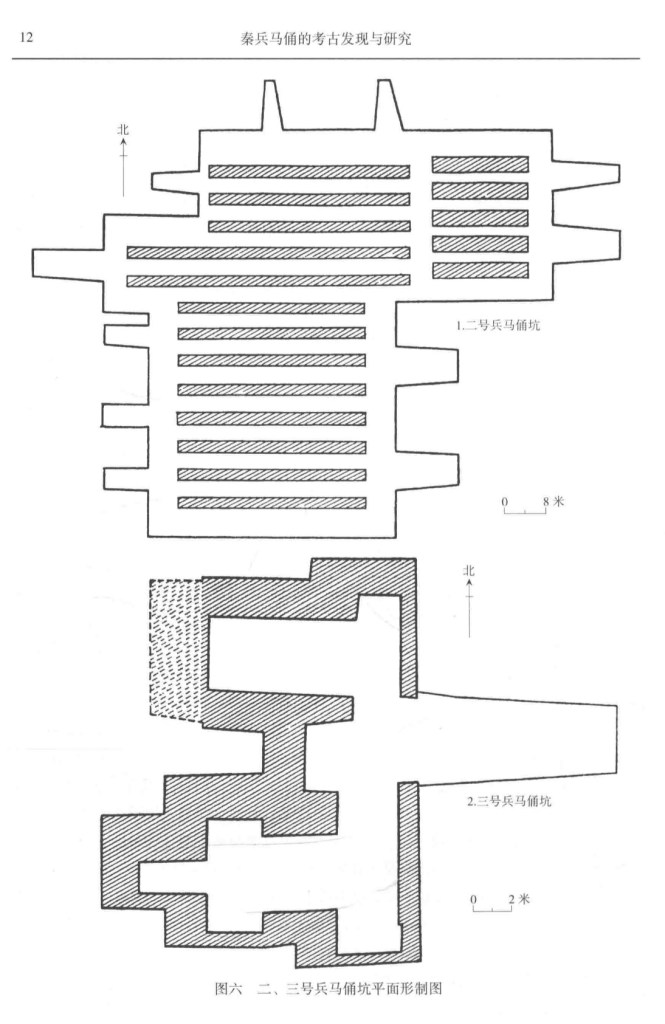
Pit 2 and 3 are new to me but they are much smaller and not much excavation and repair done.
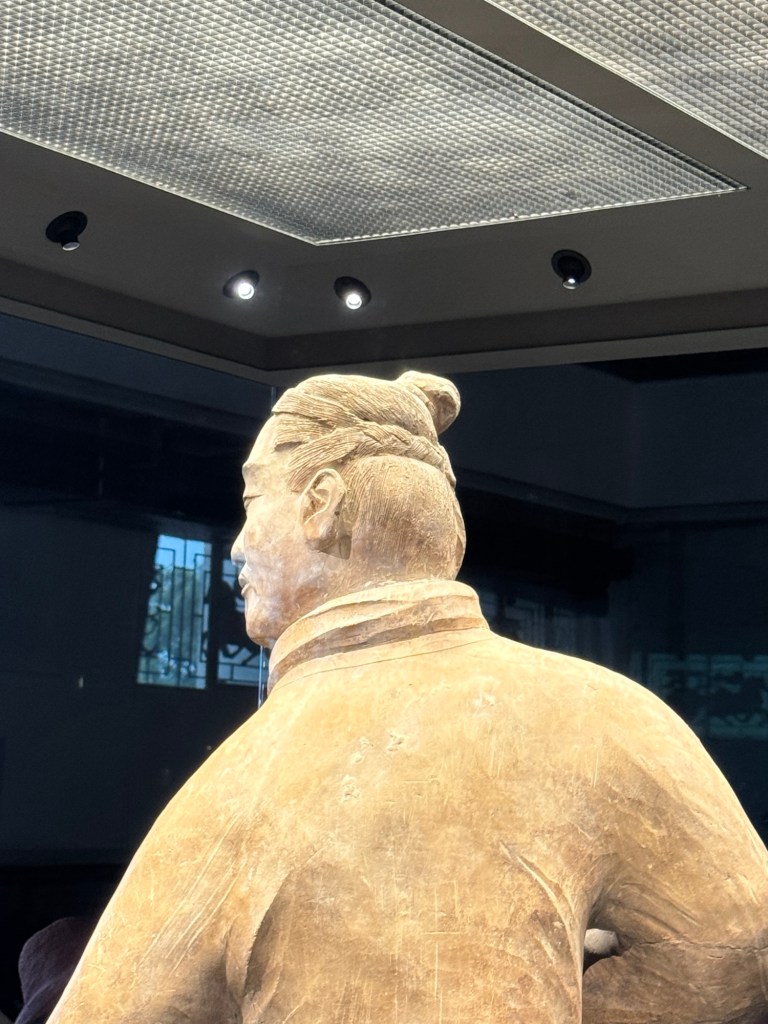
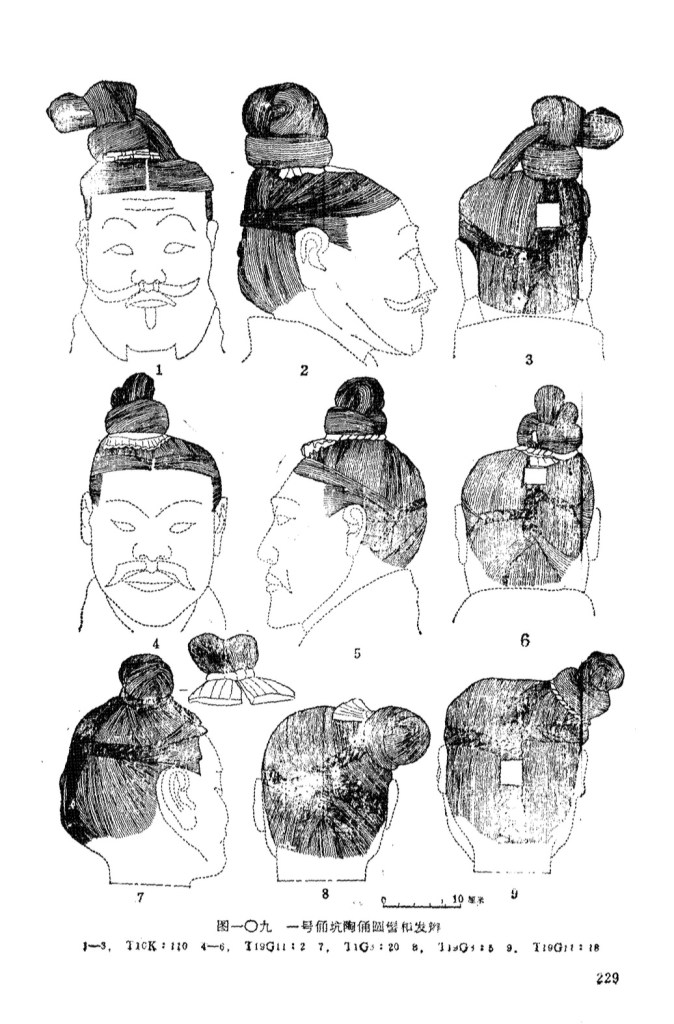
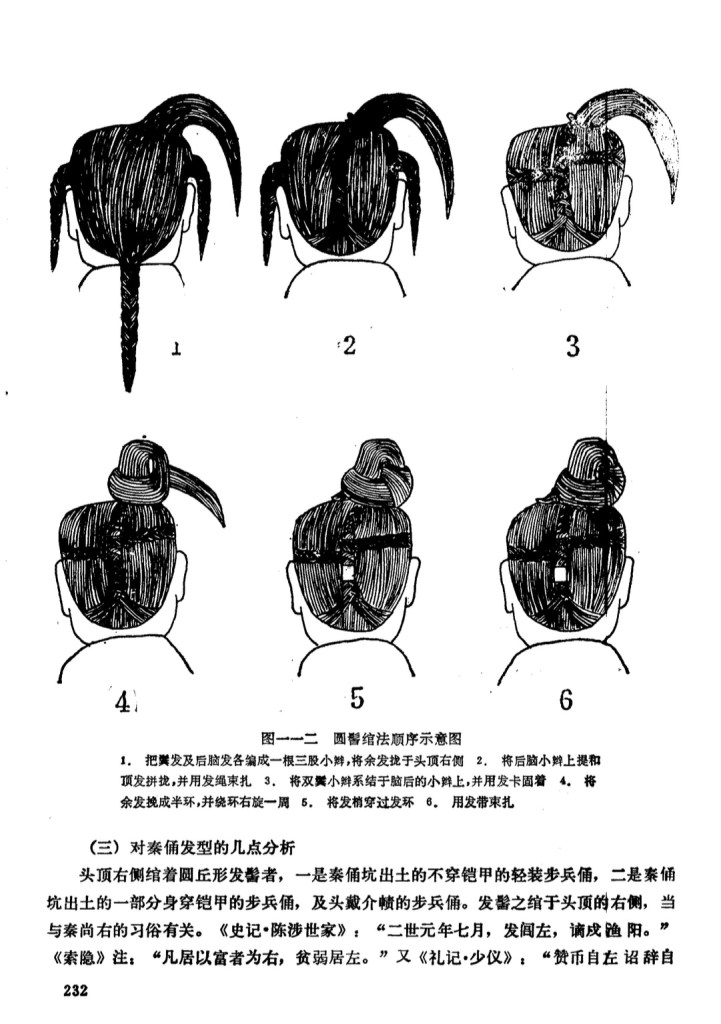
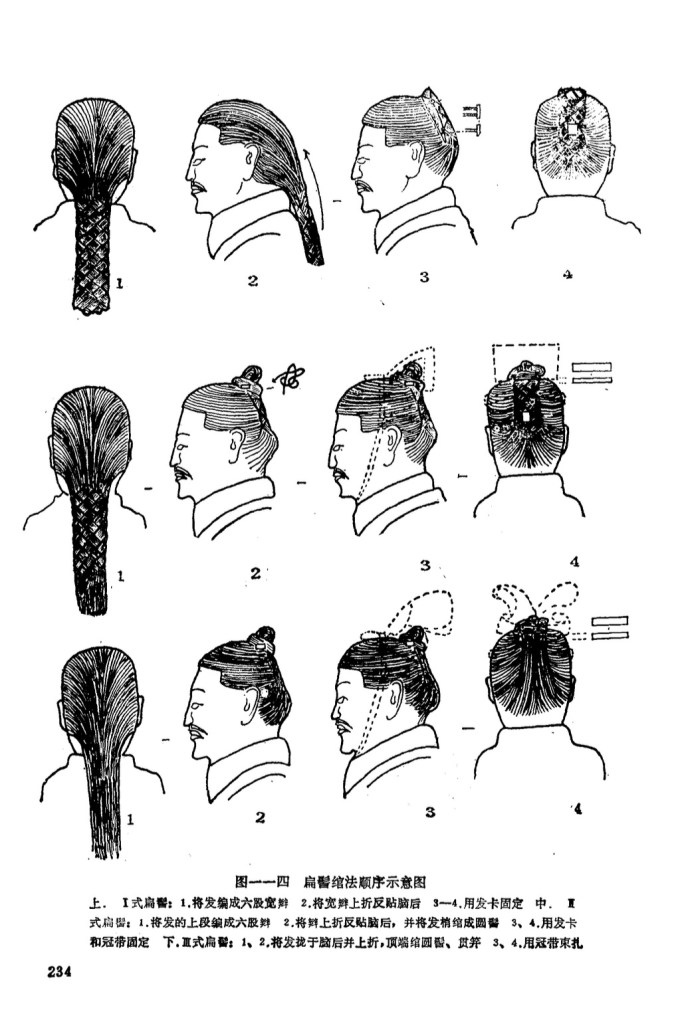
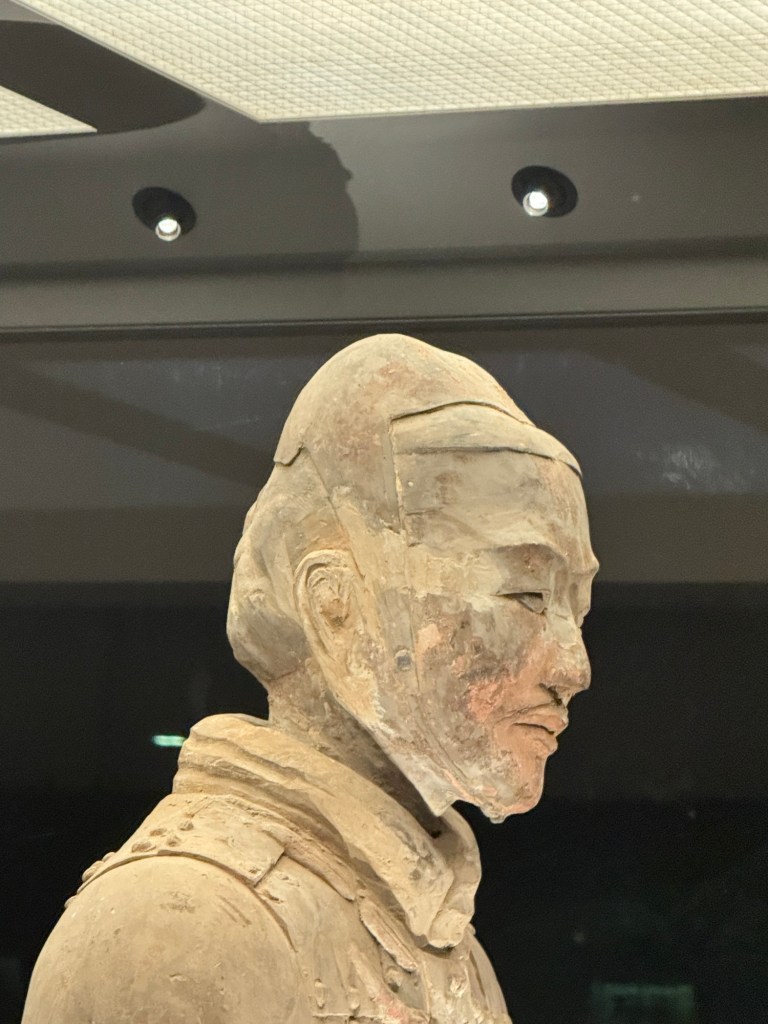
Hair style
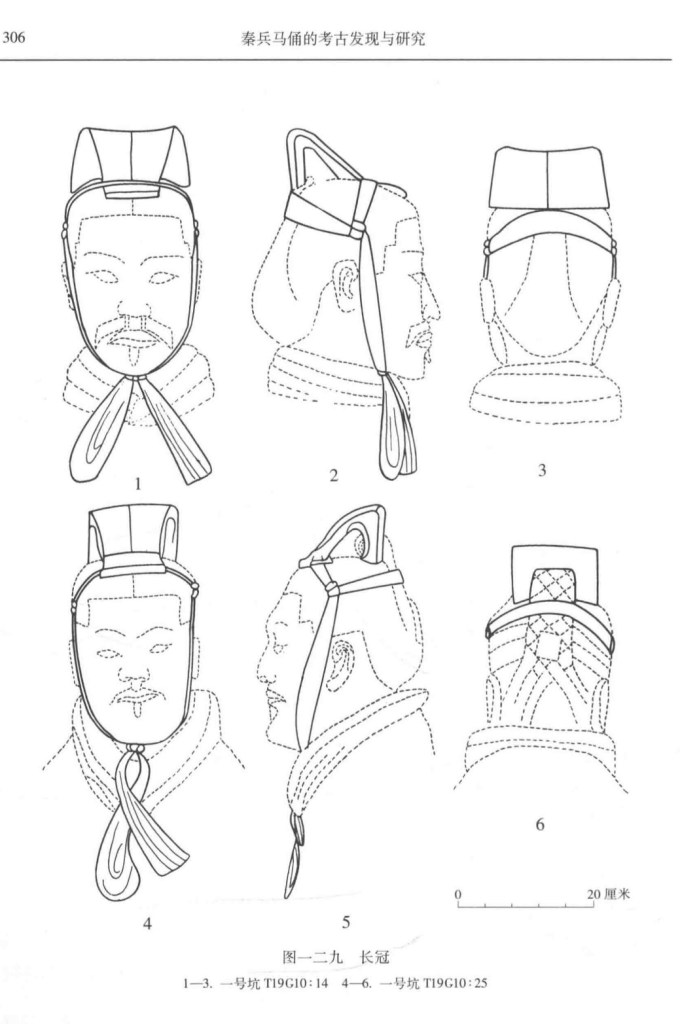
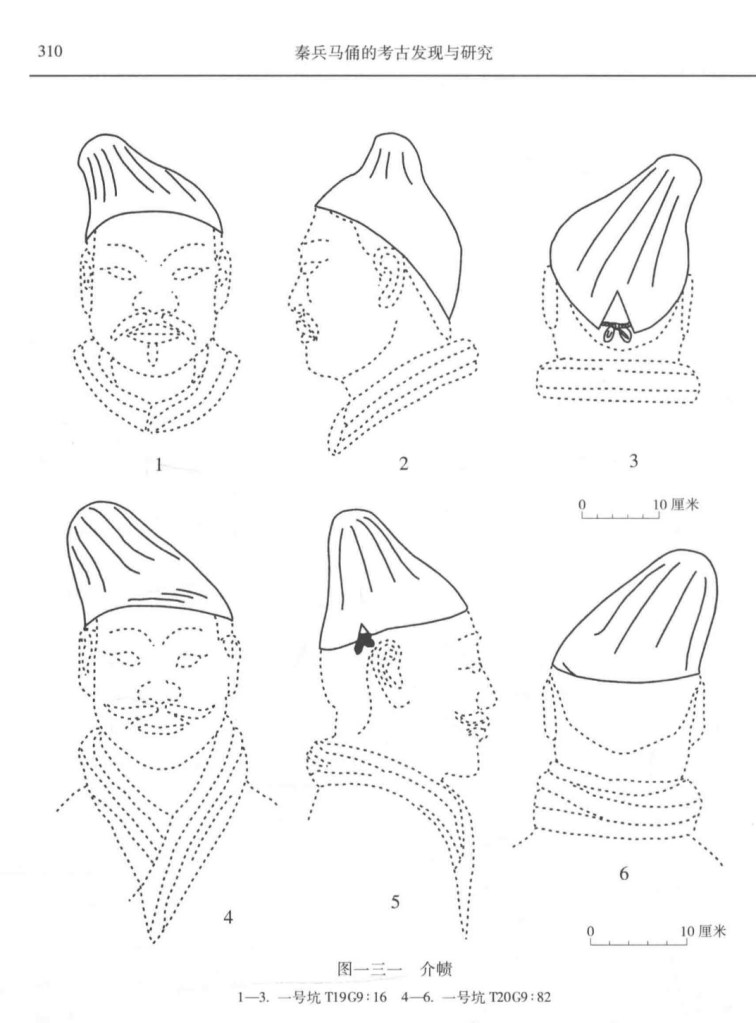
Head gear
Soldiers riding on hoarse back had this tight hat so that it wouldn’t fall off in action 鶡冠 is a hat using the bird’s feathers for decoration but later developed to a bird’ shape since Tang Dynasty
Leg wrapping. It was used by the People Liberation Army when they had to walk for a long distance. Now should be replaced by pressure socks I suppose.
They wore short pens with their legs tied up
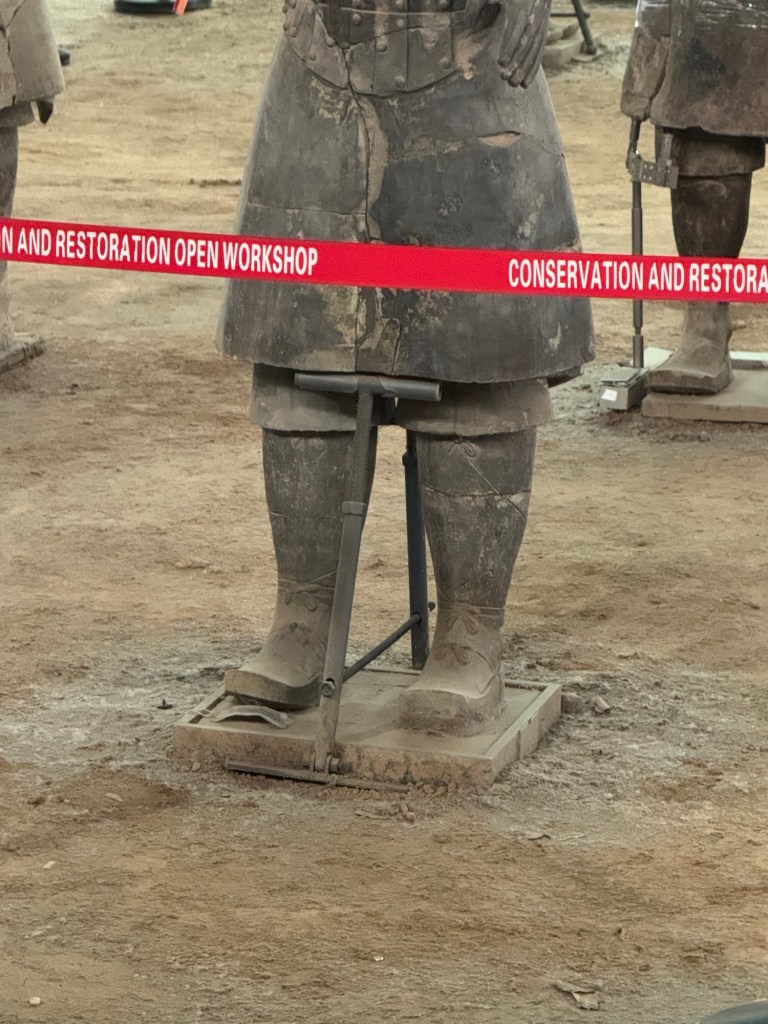
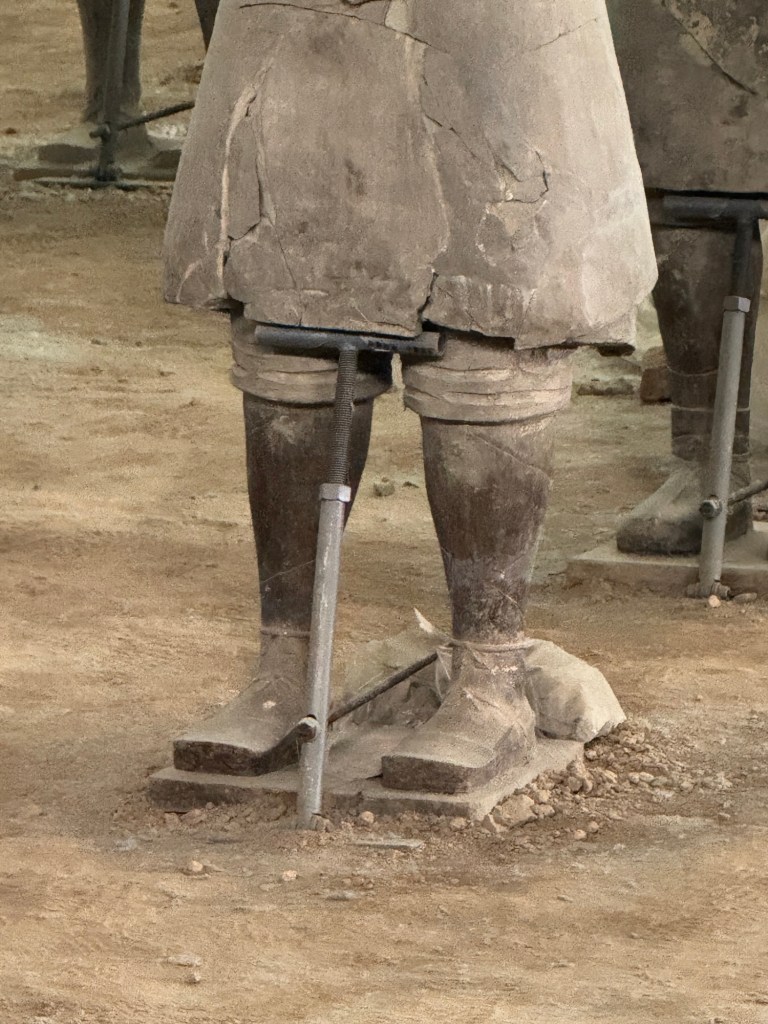
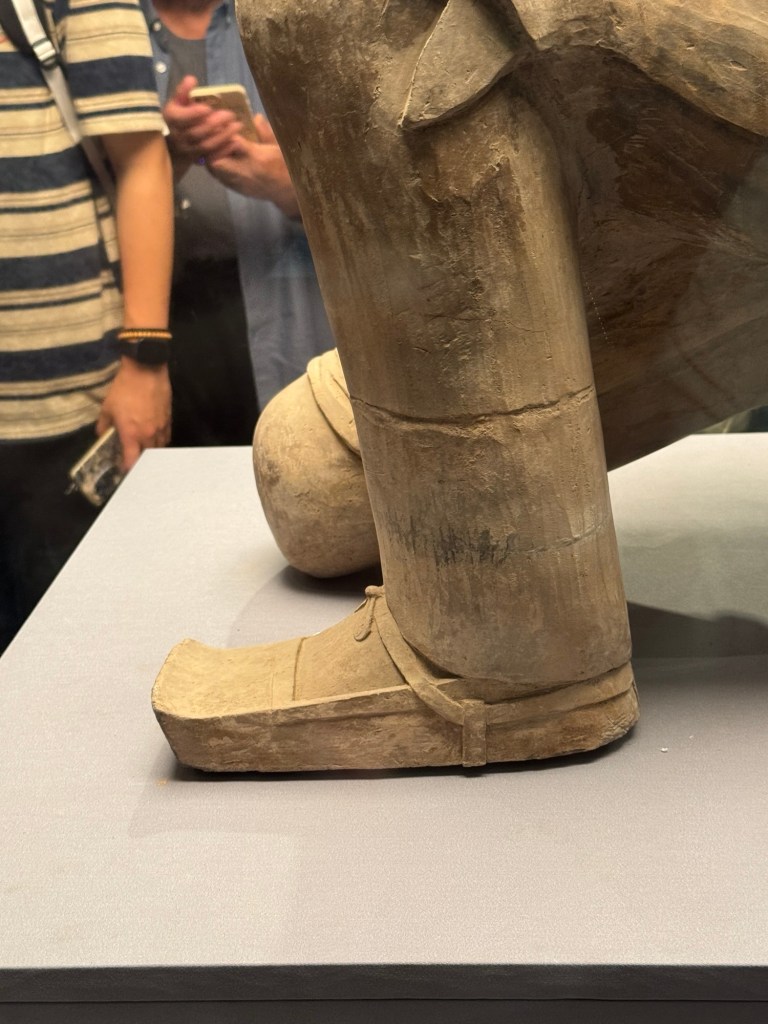
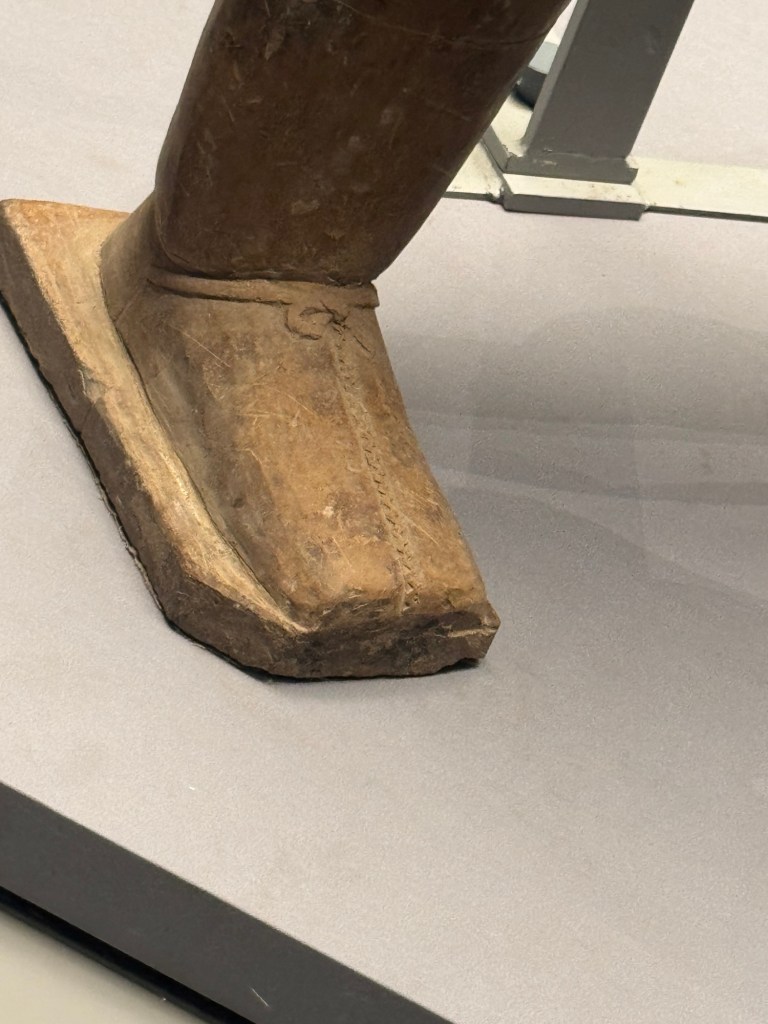
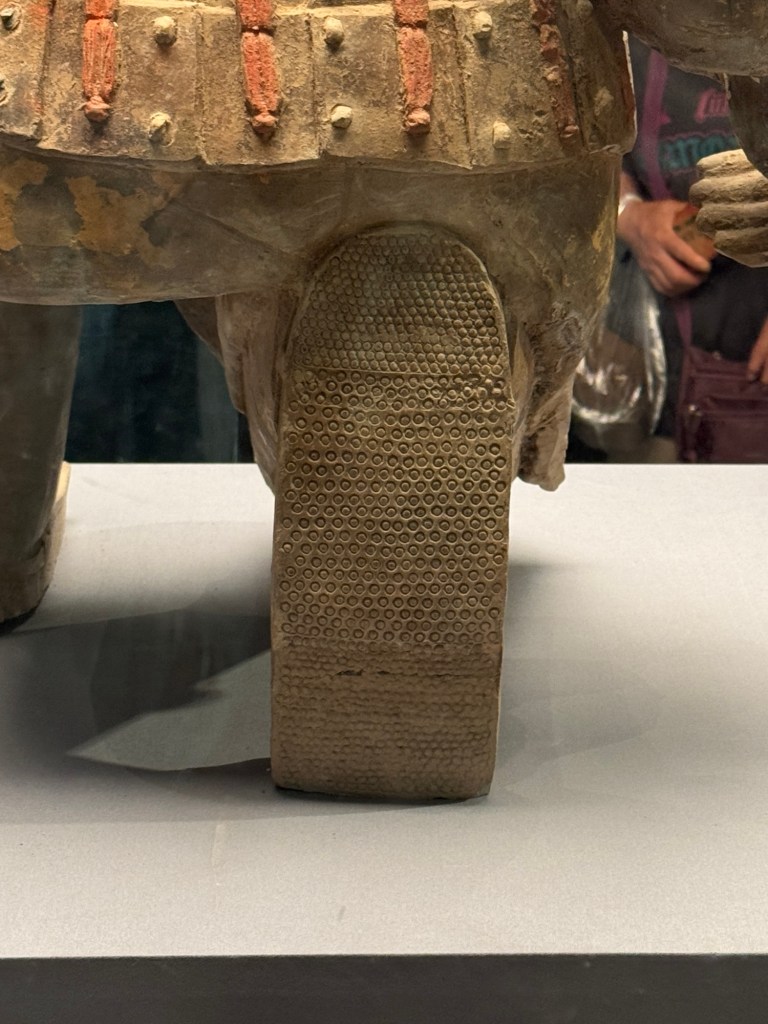
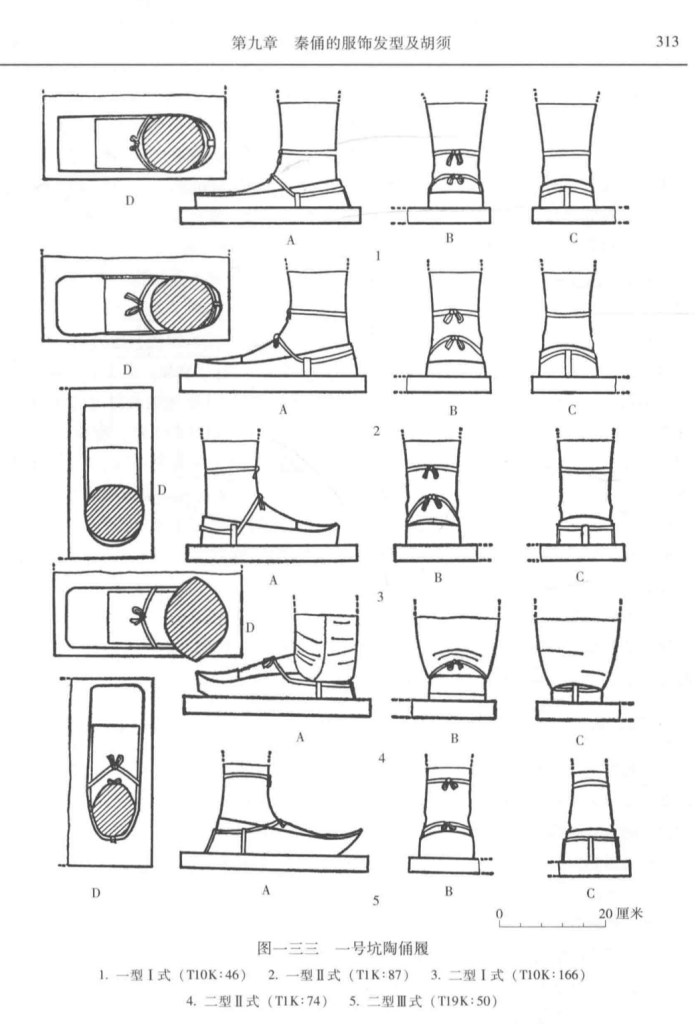
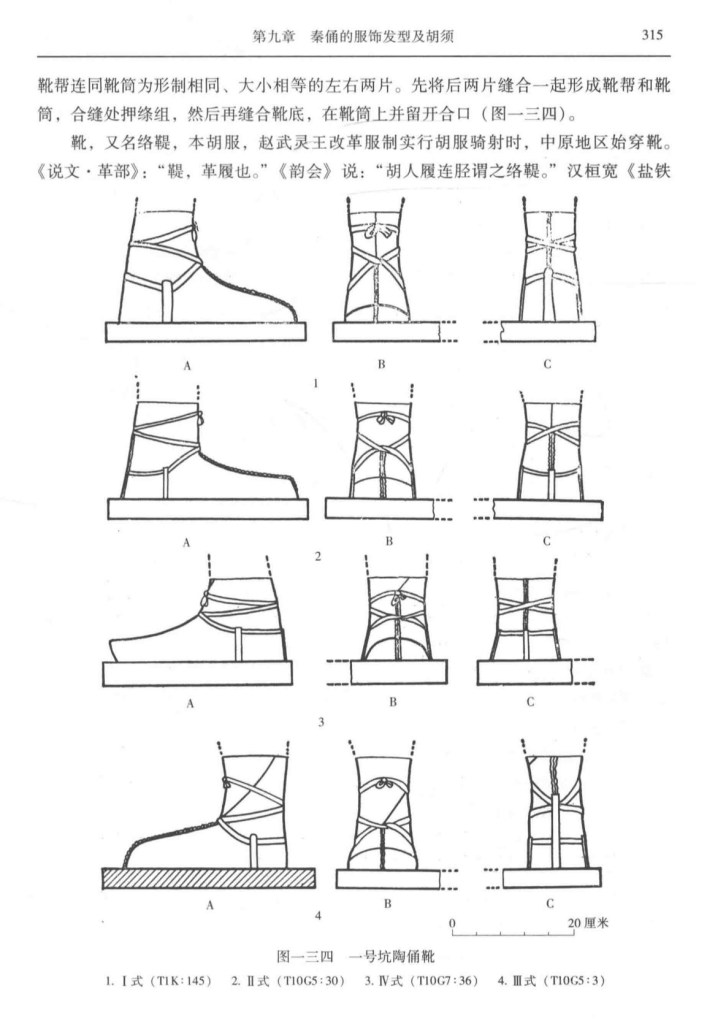
Shoes
The square thing is for support of the terracotta, not part op the shoeThe front of the shoe curled upA half knelling soldier revealed the sole of the shoe for us. Look very contemporary.
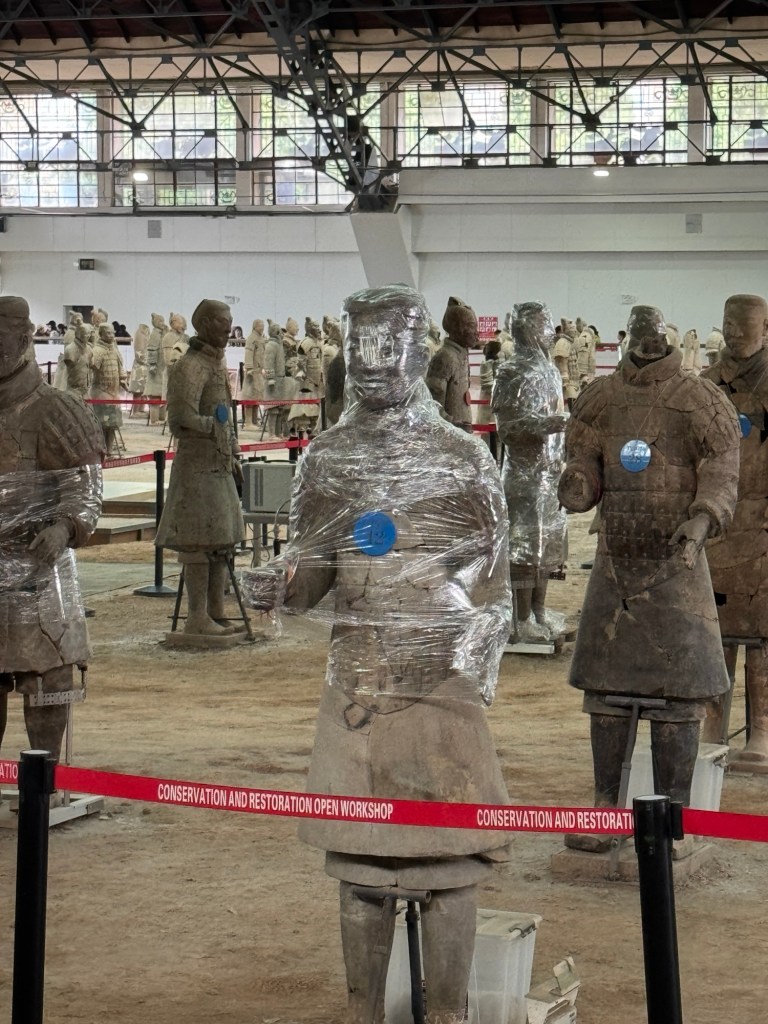
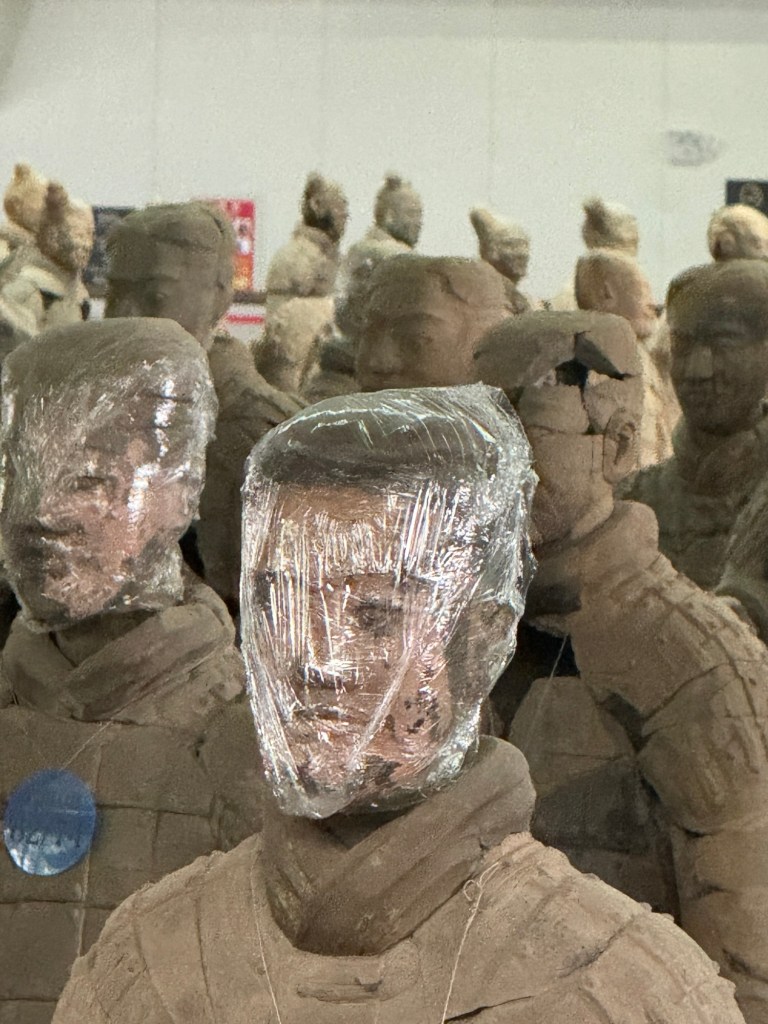
Colour of the terracotta. Actually all of them were coloured but most were lost throughout these years. In the past even when coloured ones were discovered they soon lost the colour once exposed. Now they have a laboratory in place and technology to keep and we are shown some coloured ones
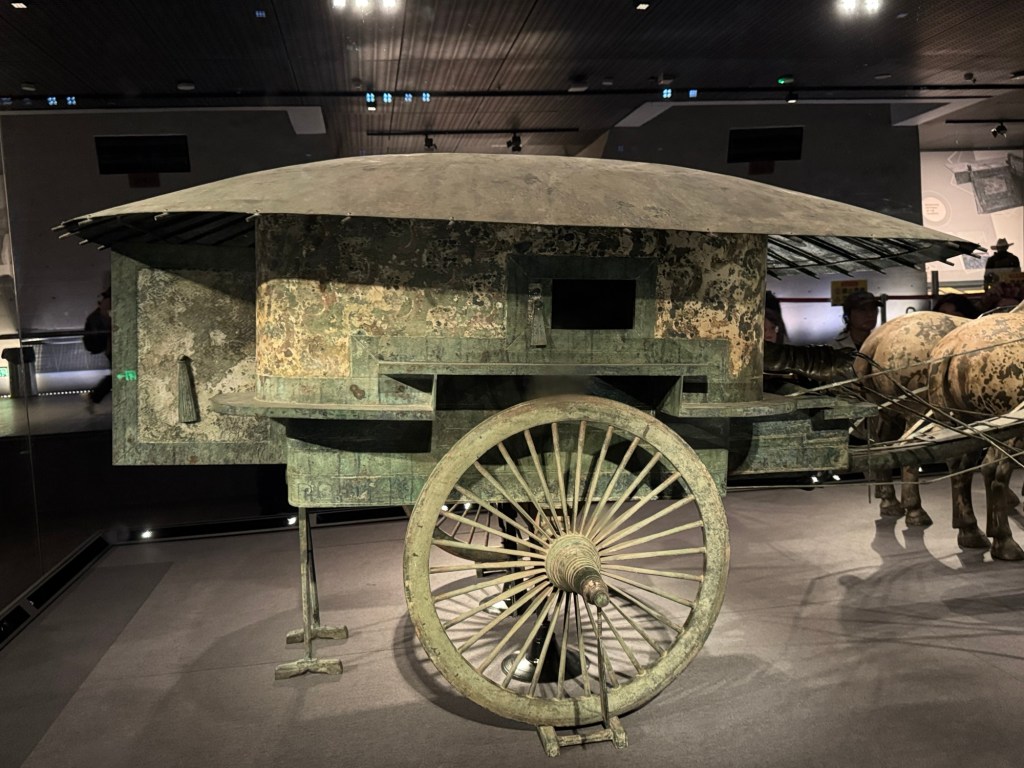
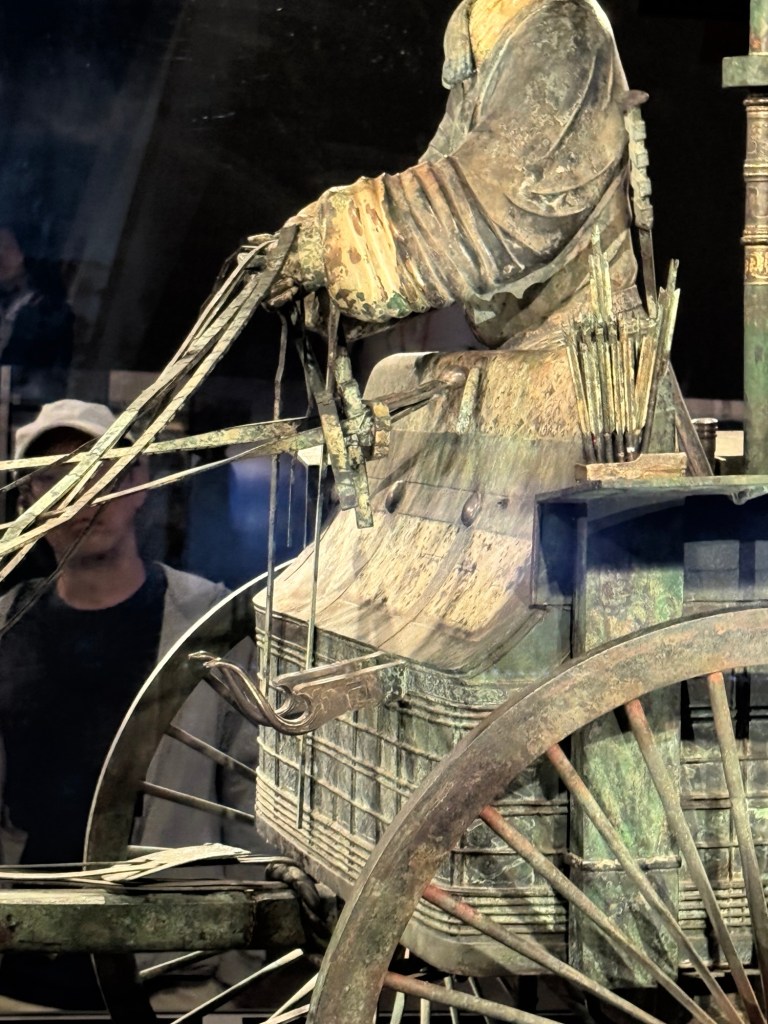
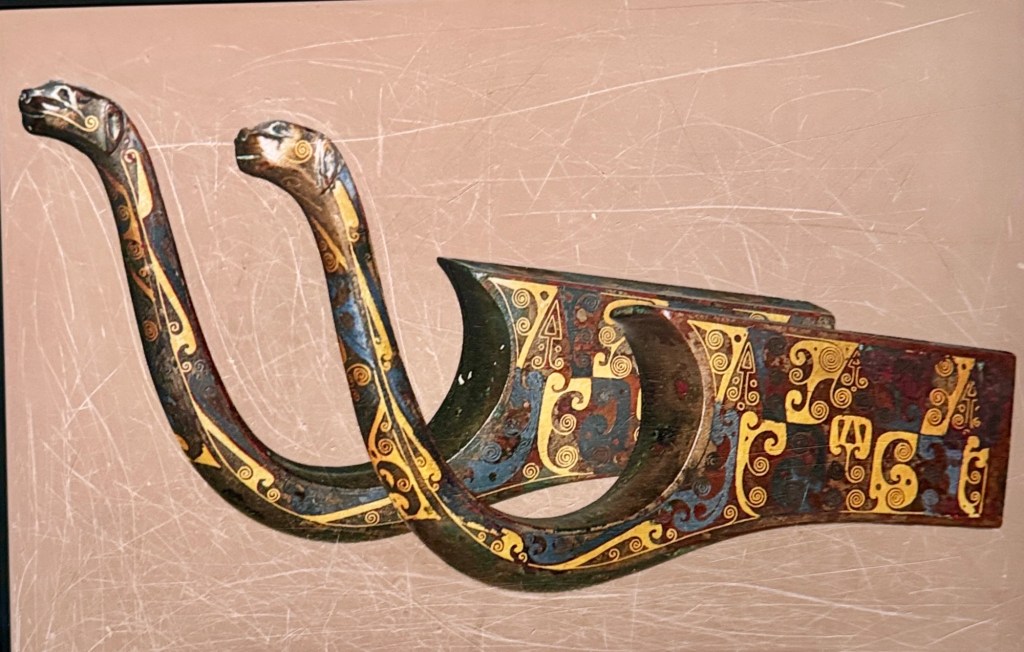
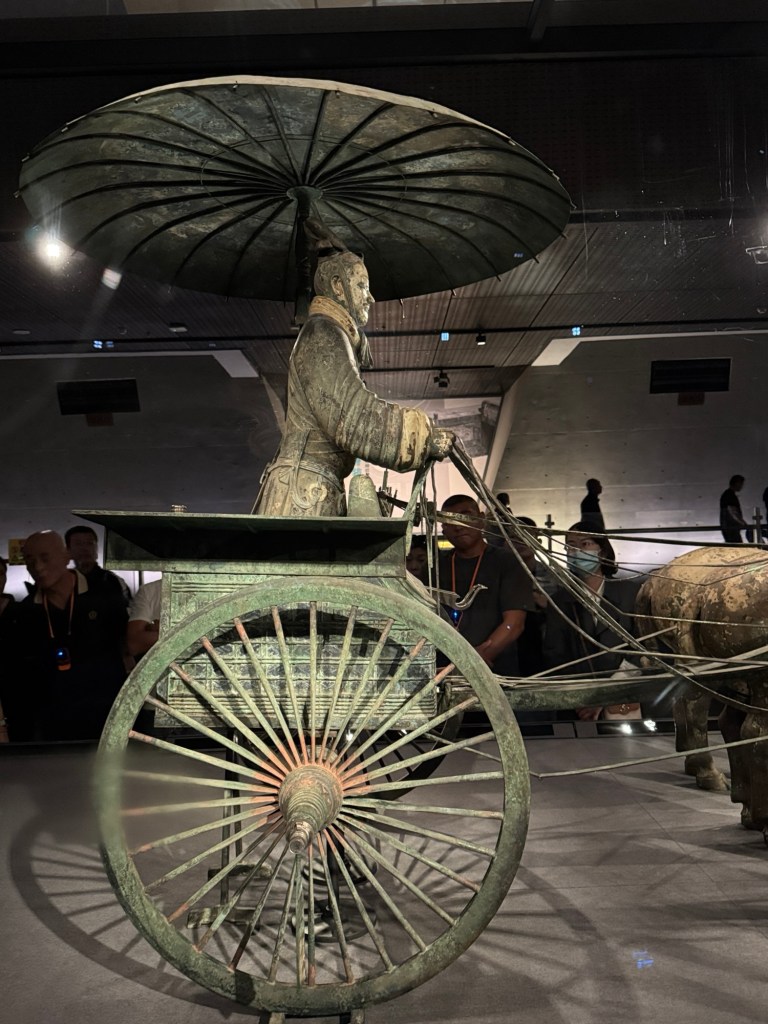
Then we saw the chariots and Tiger explained some of the interesting details with us, eye opening
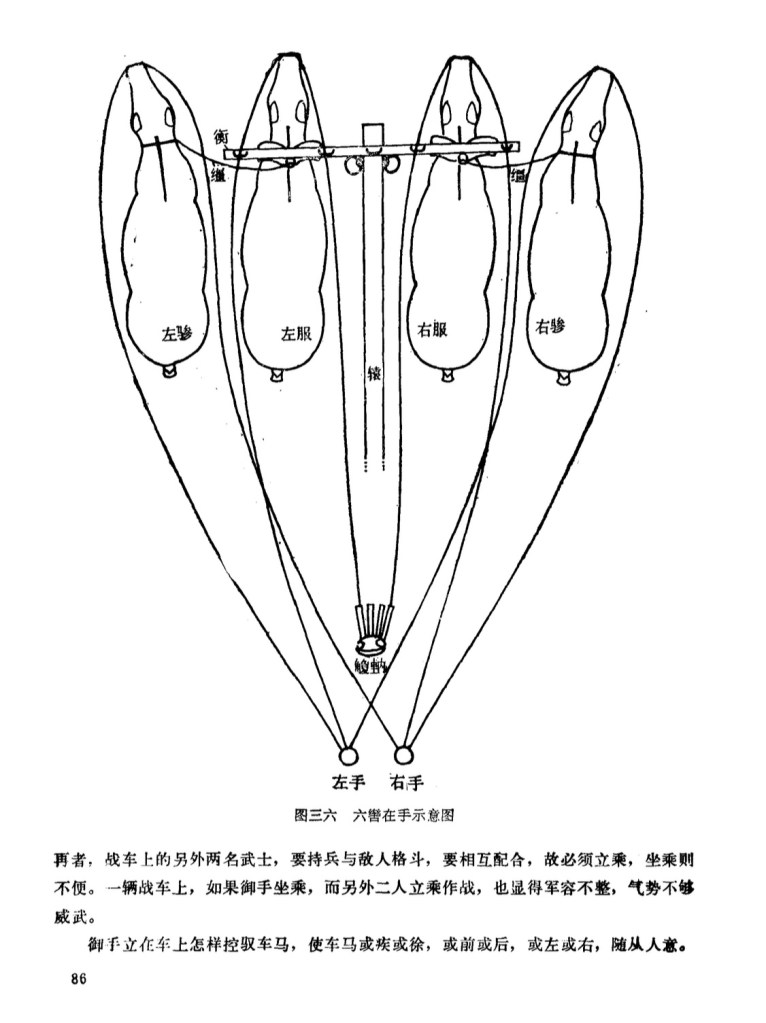
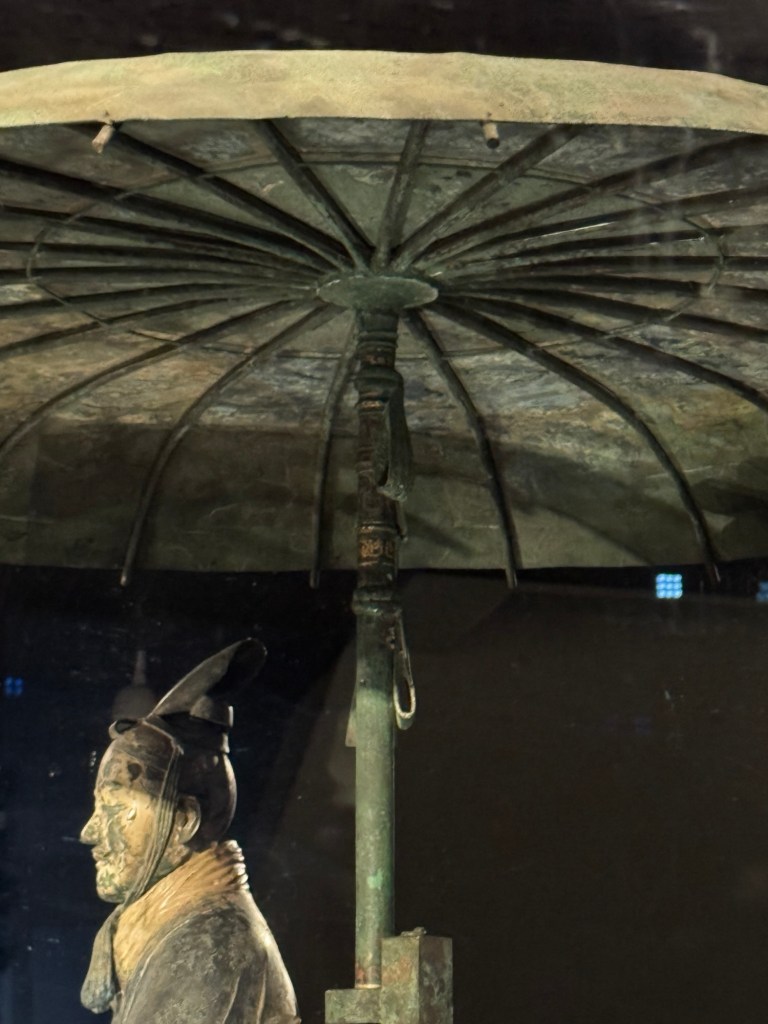
See the stopping device for the wheel and chariot? For the first time we know how they parked the chariot The metal thing projected out was for the driver to support the bow while he inserted the arrow. Then he could pick up, aimed and shoot. For other shooters they just used the ground for support in loading their arrows.This device can be so beautiful 六轡在手 is a term originally referred to a good chariot driver who by holding the six strings from the 4 horses is in good command. Then it extends to mean that a man can control any situation well. But when we look closer 4 horses should have 8 strings, not 6.This shows the 2 strings from the central 2 horses are fixed to the chariot so the driver only need to hold 6 strings only.This show the joint of the umbrella so that it an be removed from the chariot. But the umbrella cannot be folded up like now. The cloth can be removed and the small projected rods of the skeleton of the umbrella can be disassembled individually for storage. This is 纛, or the army banner. Only one of the four horses wore it. Farewell to the king Qin
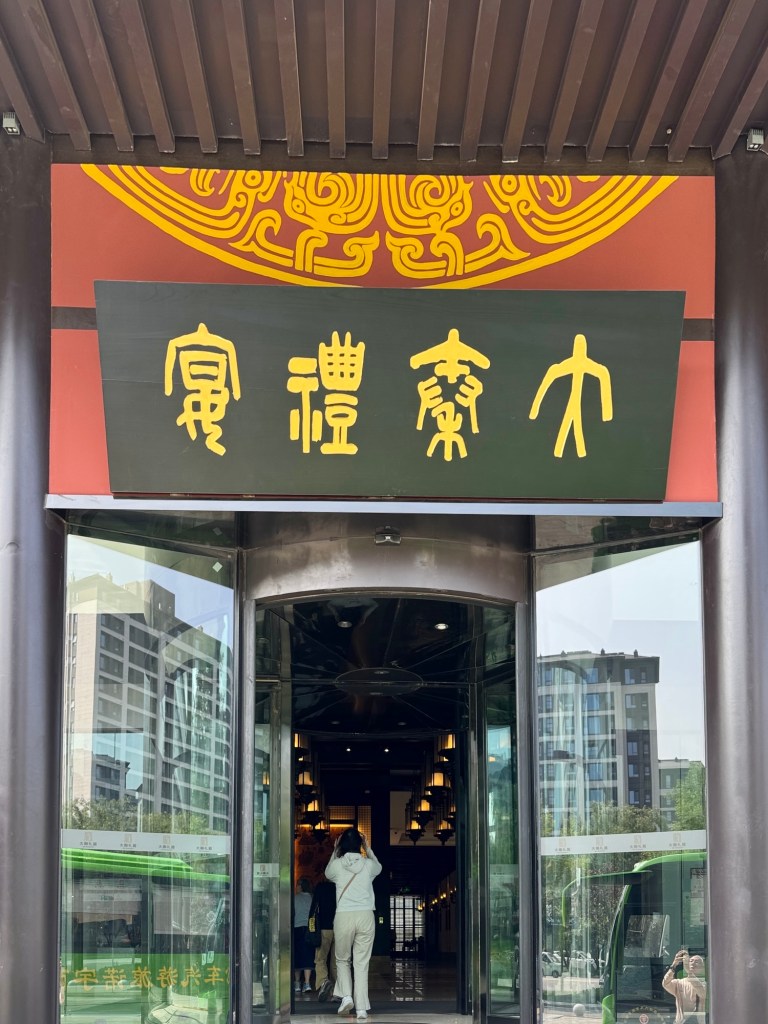
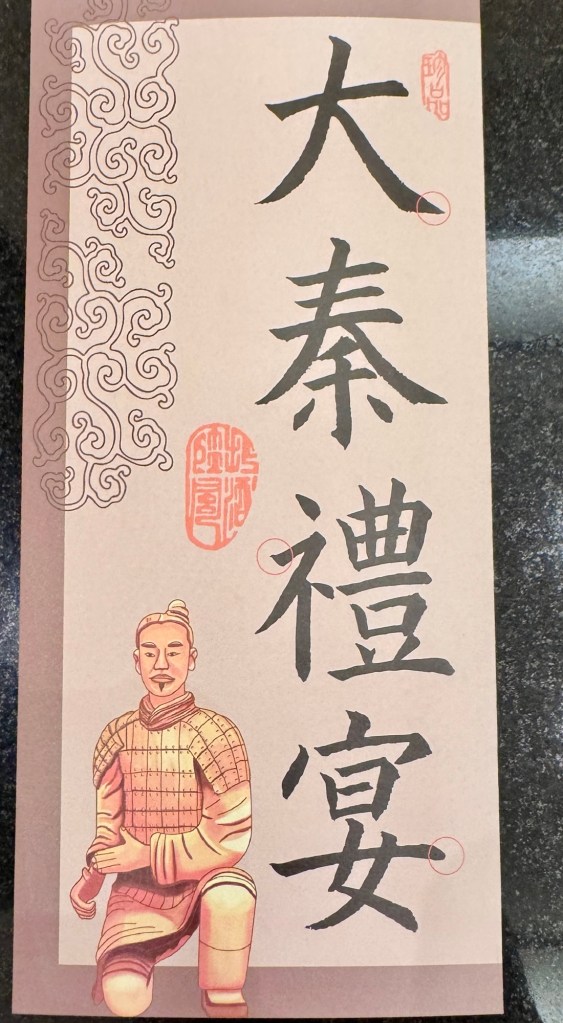
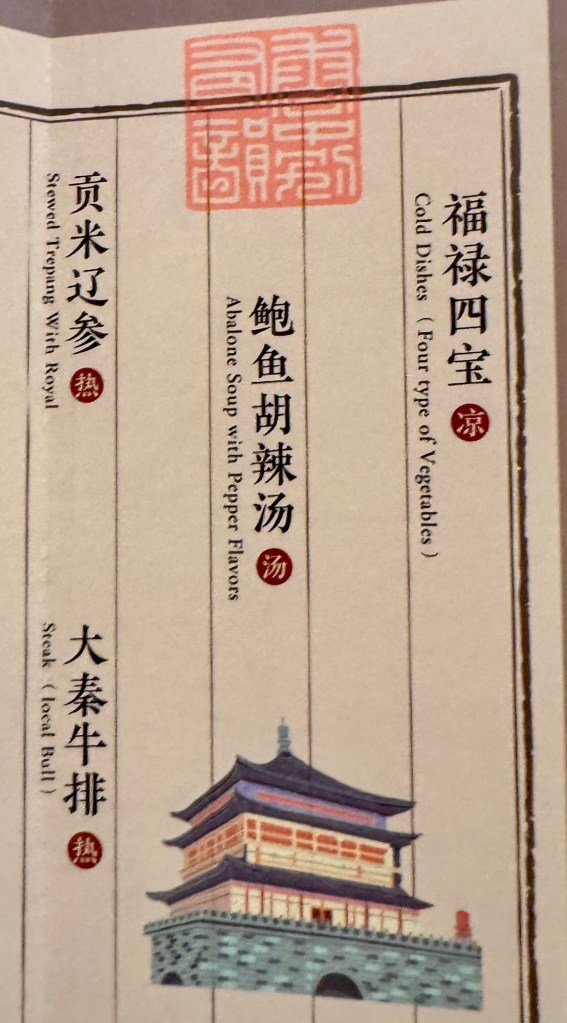
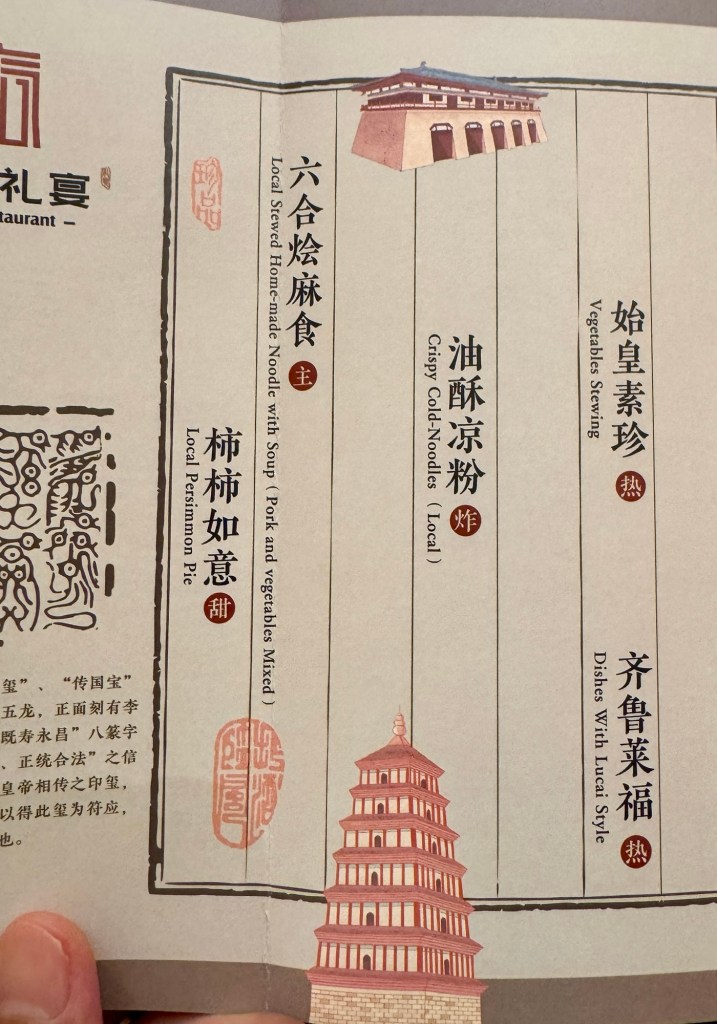
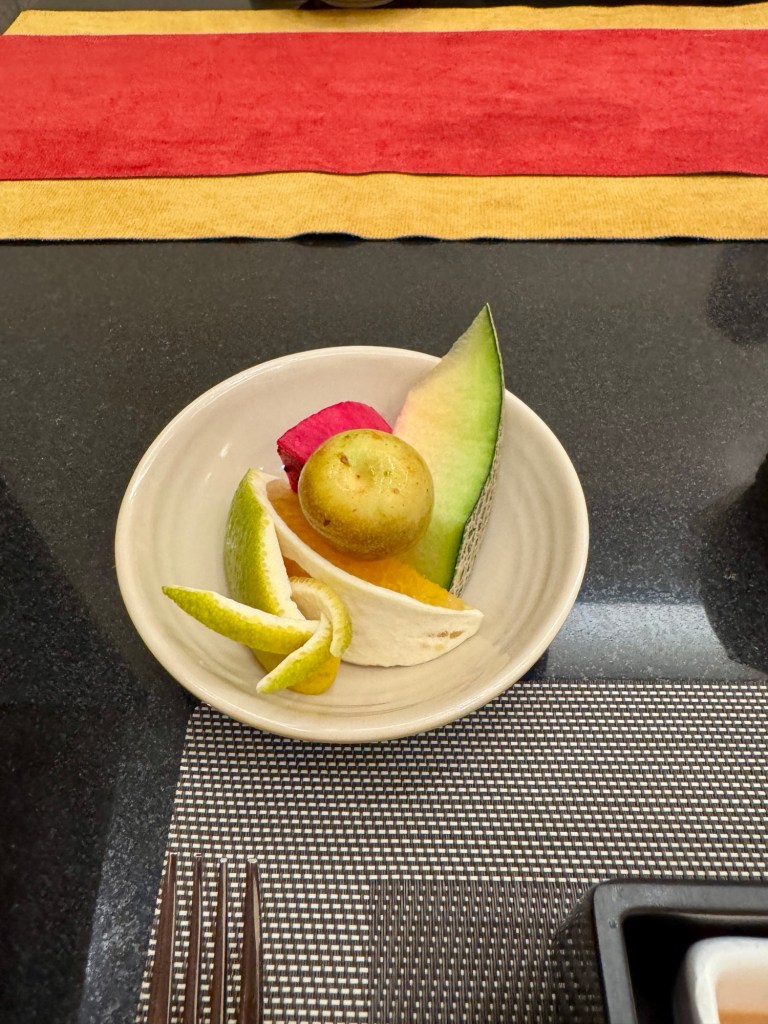
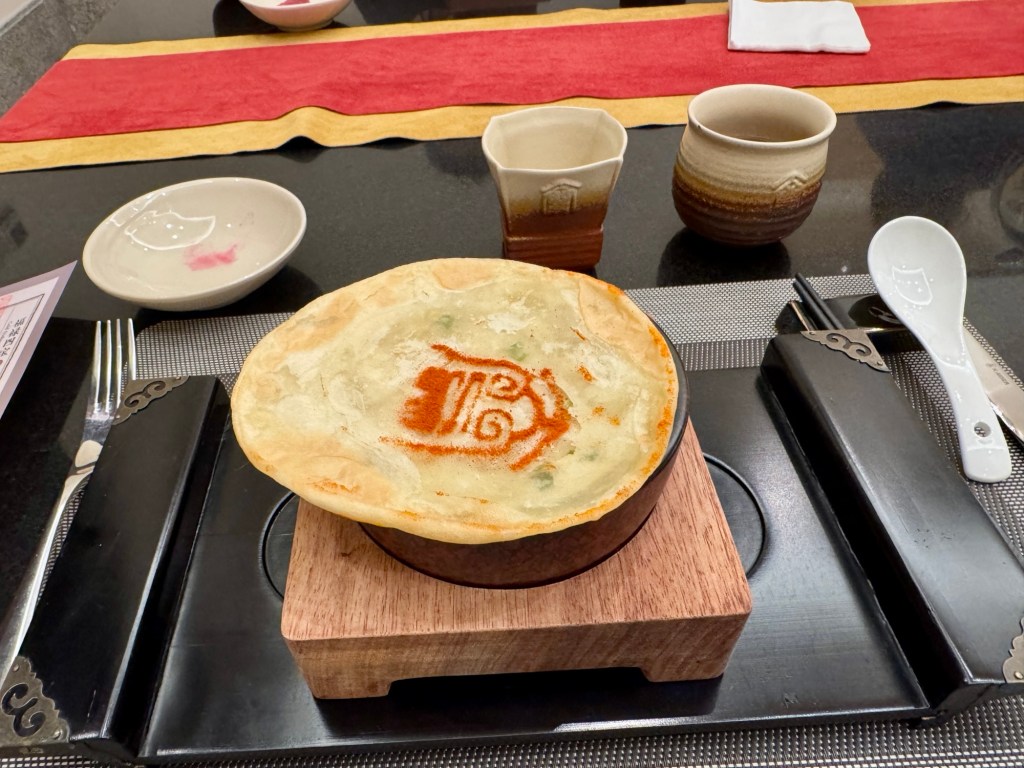
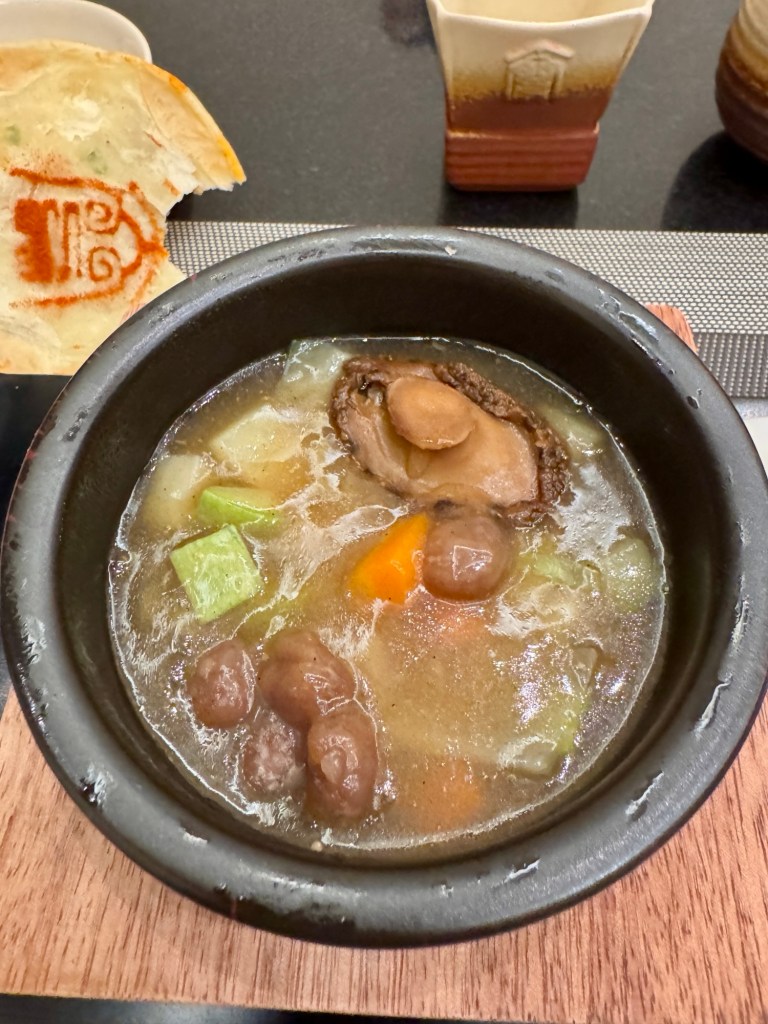
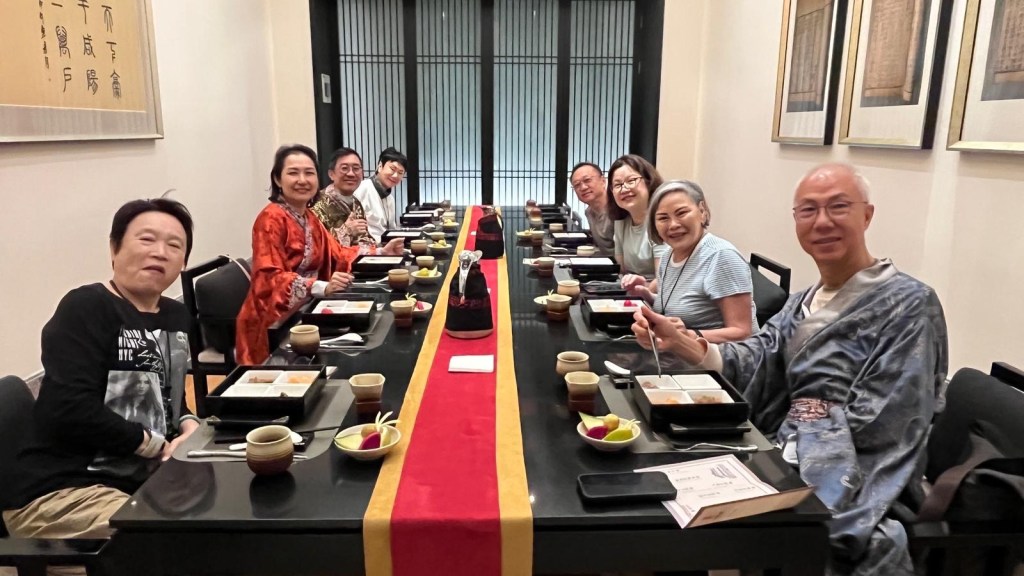
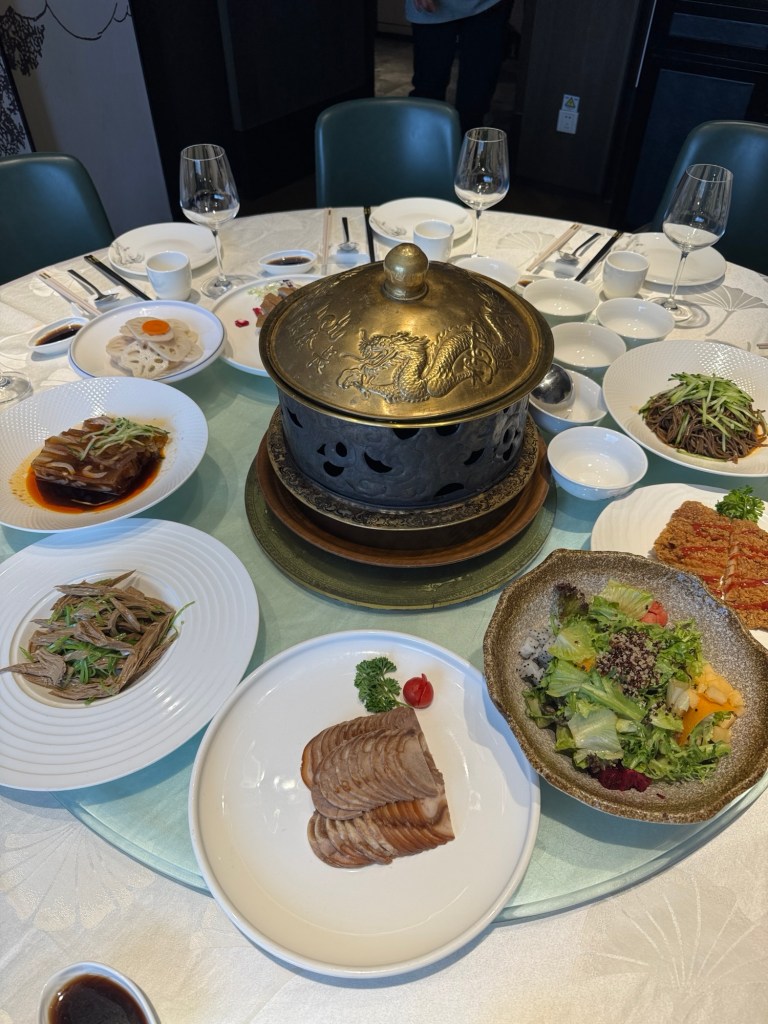
After that we went to lunch in a restaurant with a meal supposed to be in Qin style.
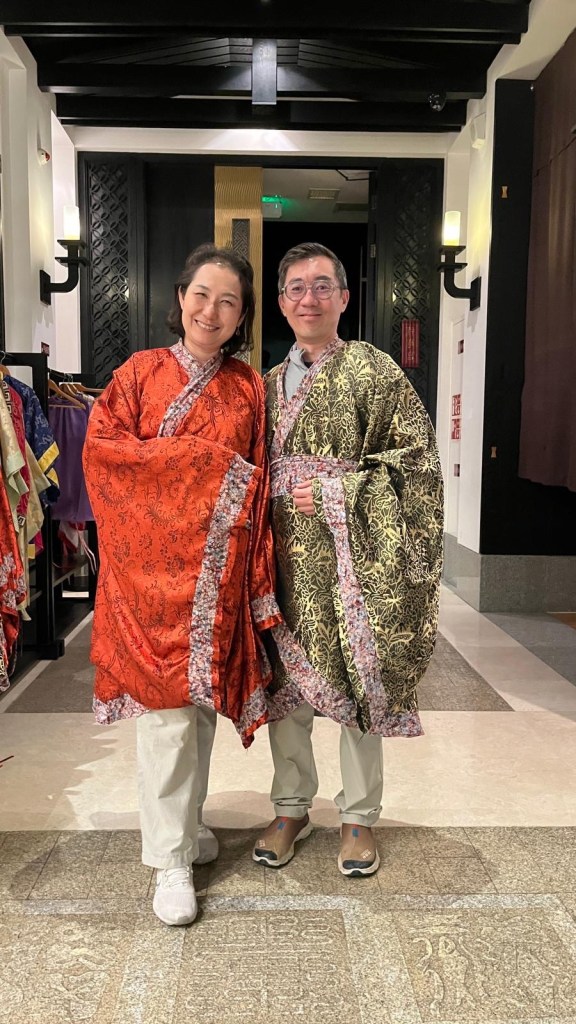
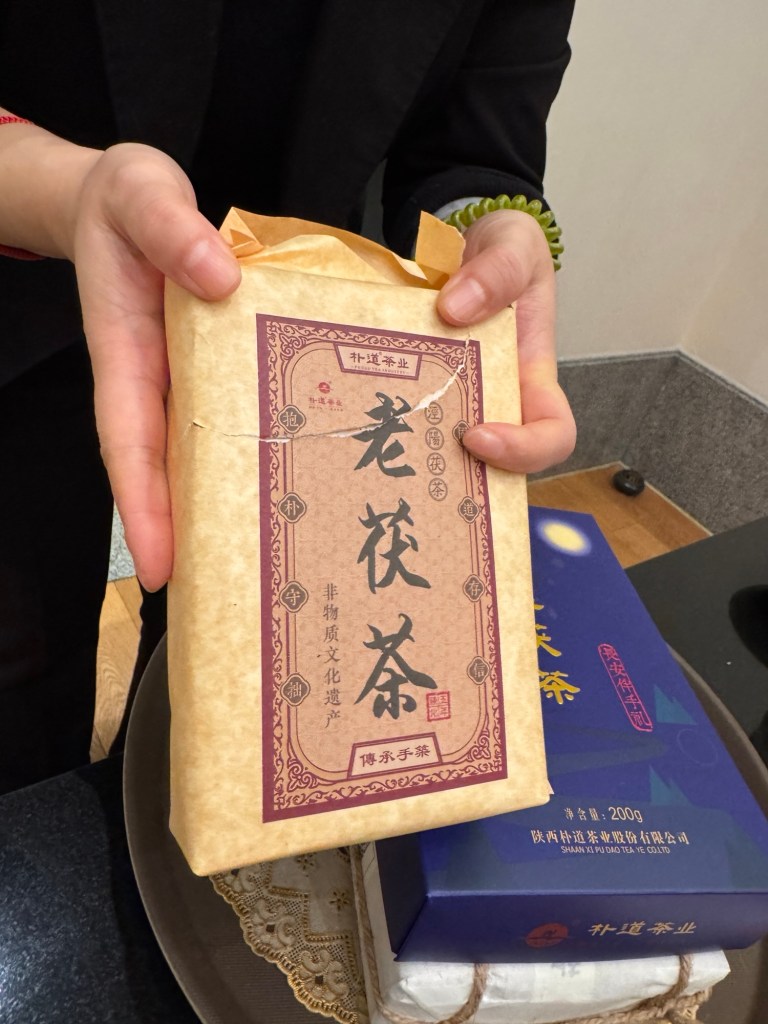
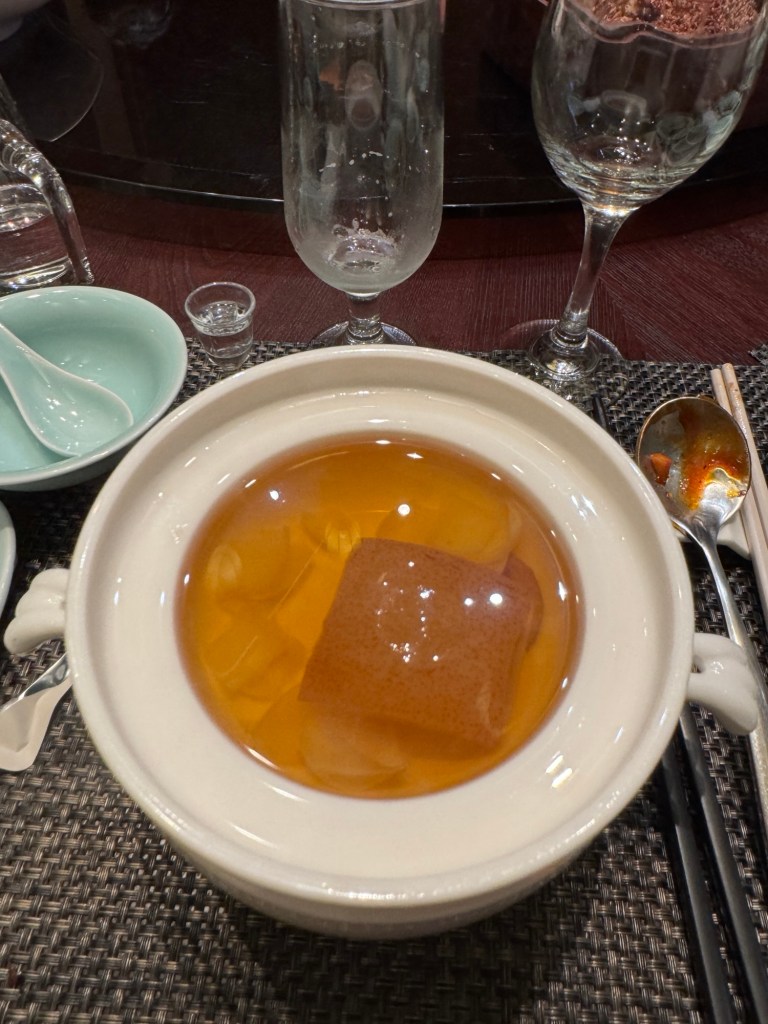
I like this photo so happened to catch Pennie and CL 向左走向右走 (anyone saw that movie?)Shaanxi chant to announce the start of the mealQin dressHerbal brown tea
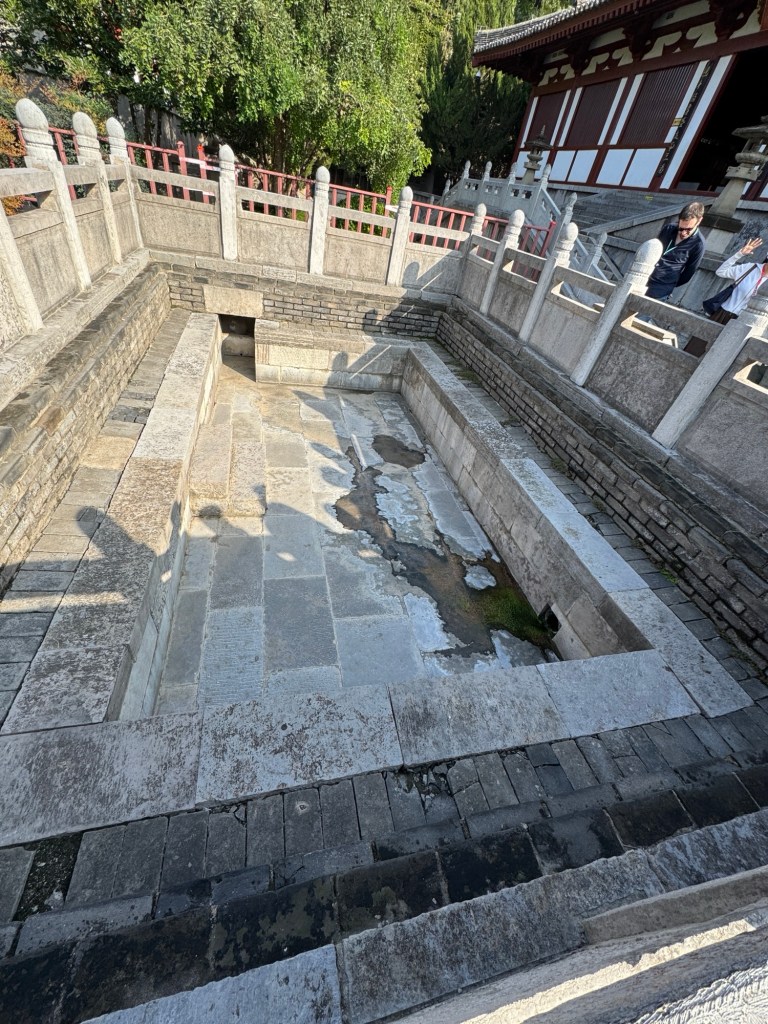
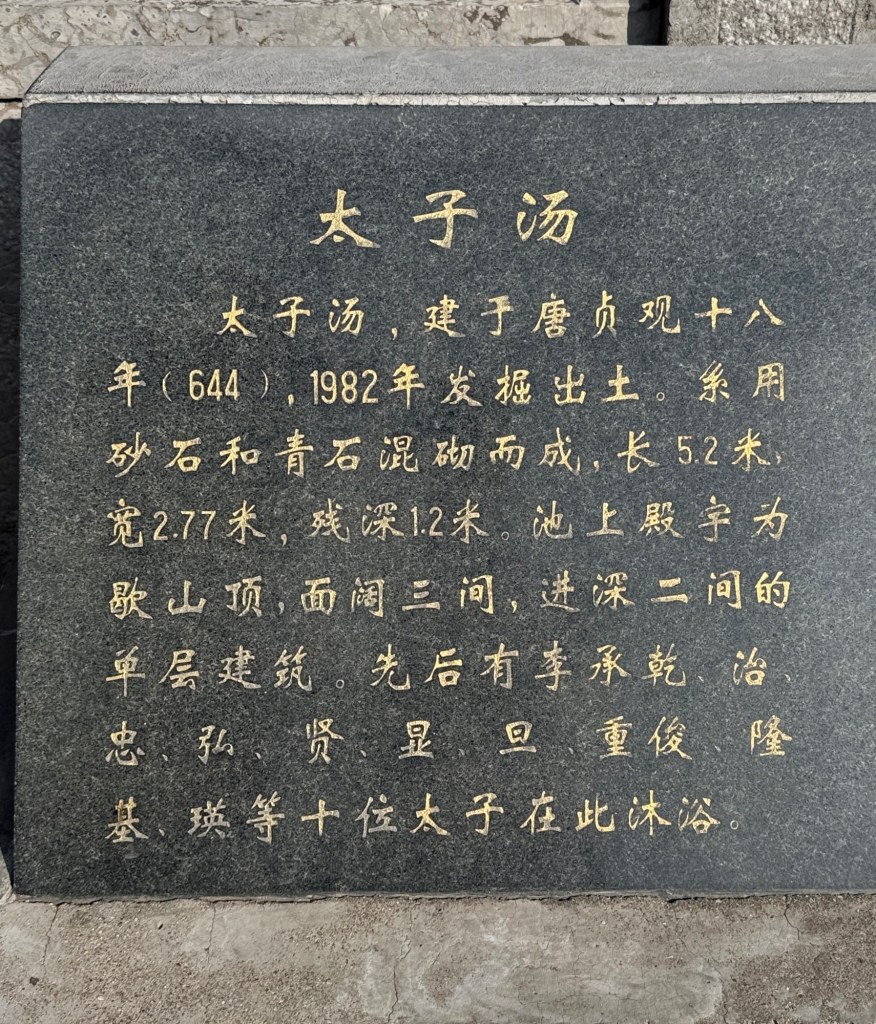
In the afternoon we went back to our hotel to tour the 華清池。 We travelled around by the buggy so very convenient
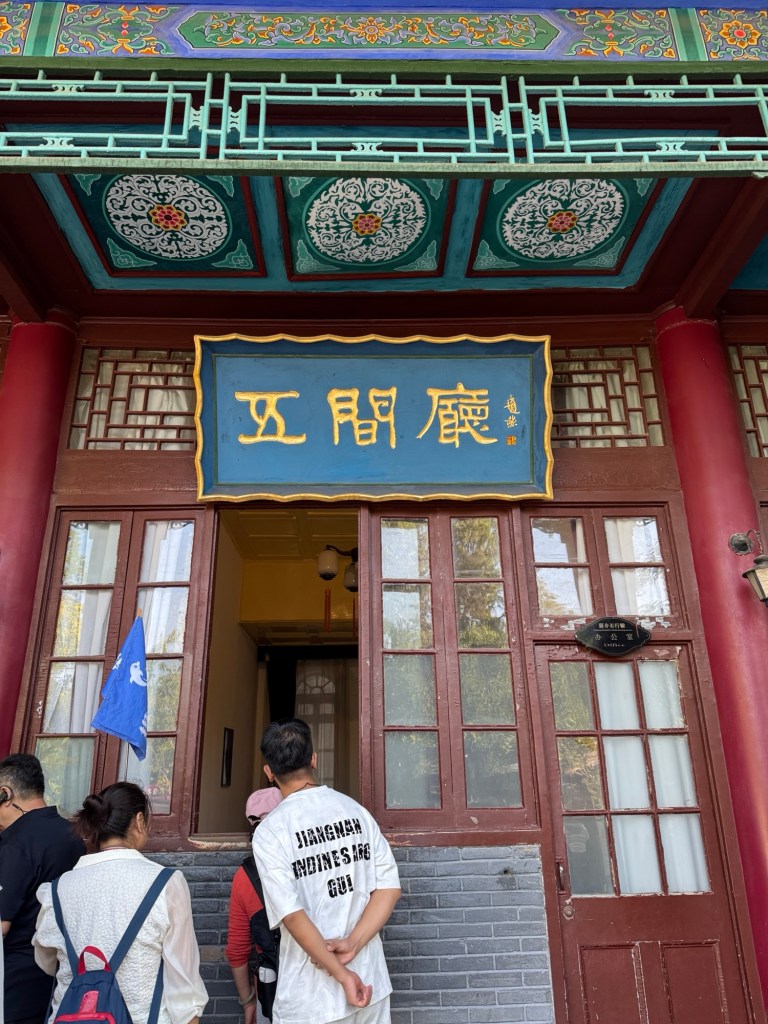
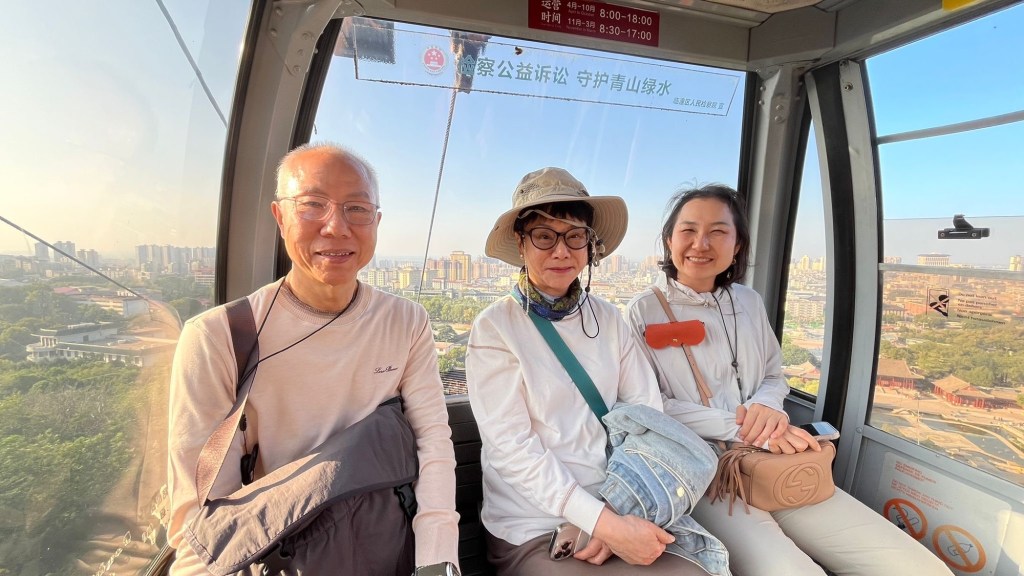
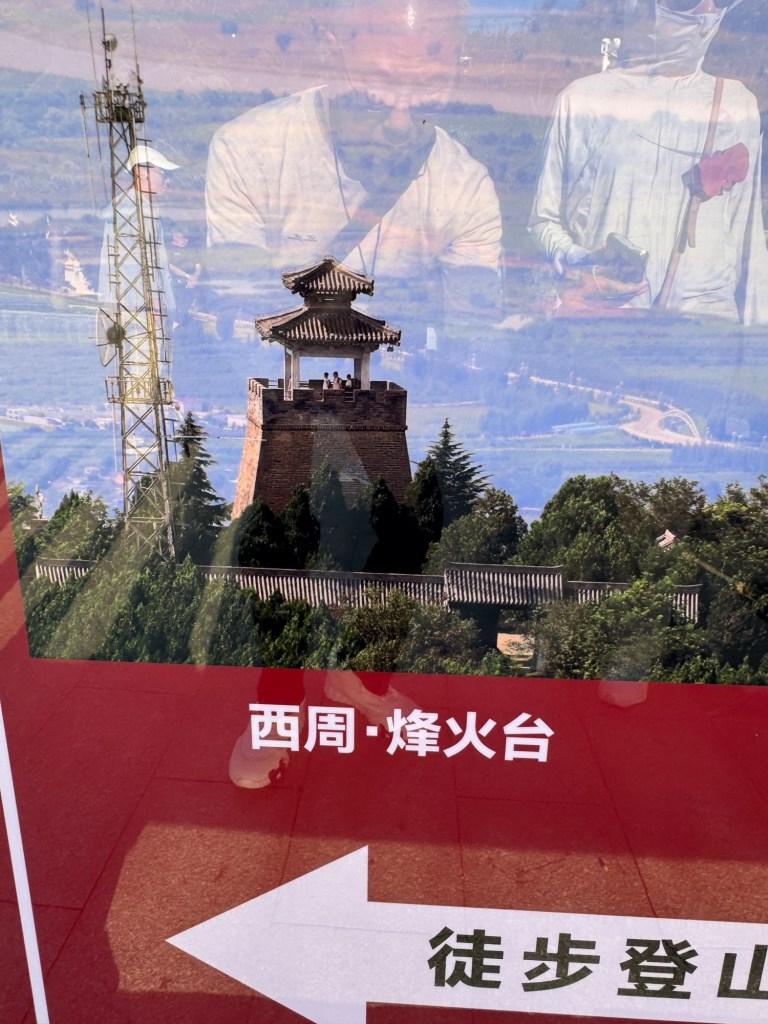
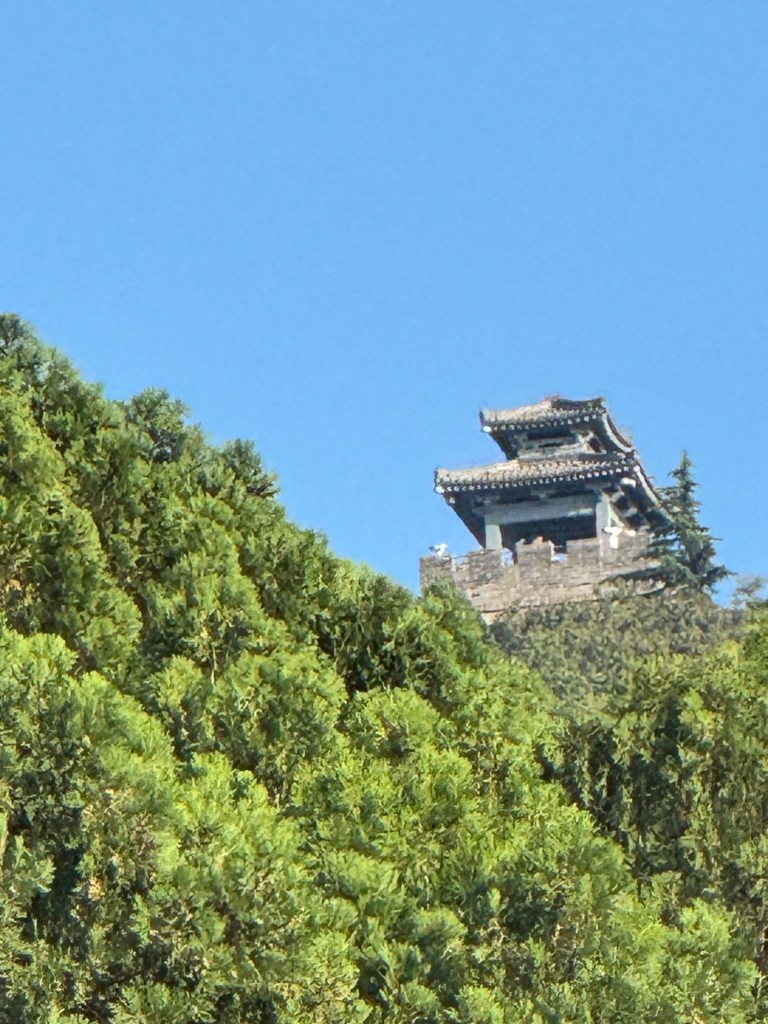
This was the place where Chiang Kai-shek 蔣介石 stayed before he was captured by the communist in the Xian Incident 西安事變The bullet hole in the window is still here Cable car up the 驪山,which literally mean Mount Beautiful HorseWow Beacon Tower from West Chow, 春秋時代,well before Confucius, probably oldest one in China. This tower is of course rebuilt in the ruin but it is too far up the mountain beyond the reach of cable carJust zoom in for a look . Wonder if it was the one the emperor set up false alarm to please his concubine,the famous 烽火戲諸侯。
We had dinner in the park’s only restaurant where we also had breakfast here. Afterwards we watched the show Song of Everlasting Sorrow 長恨歌 in the park. We had the best tickets so we didn’t have to queue up. It was a full house show with lots of special effects like most Chinese outdoor shows, very impressive.
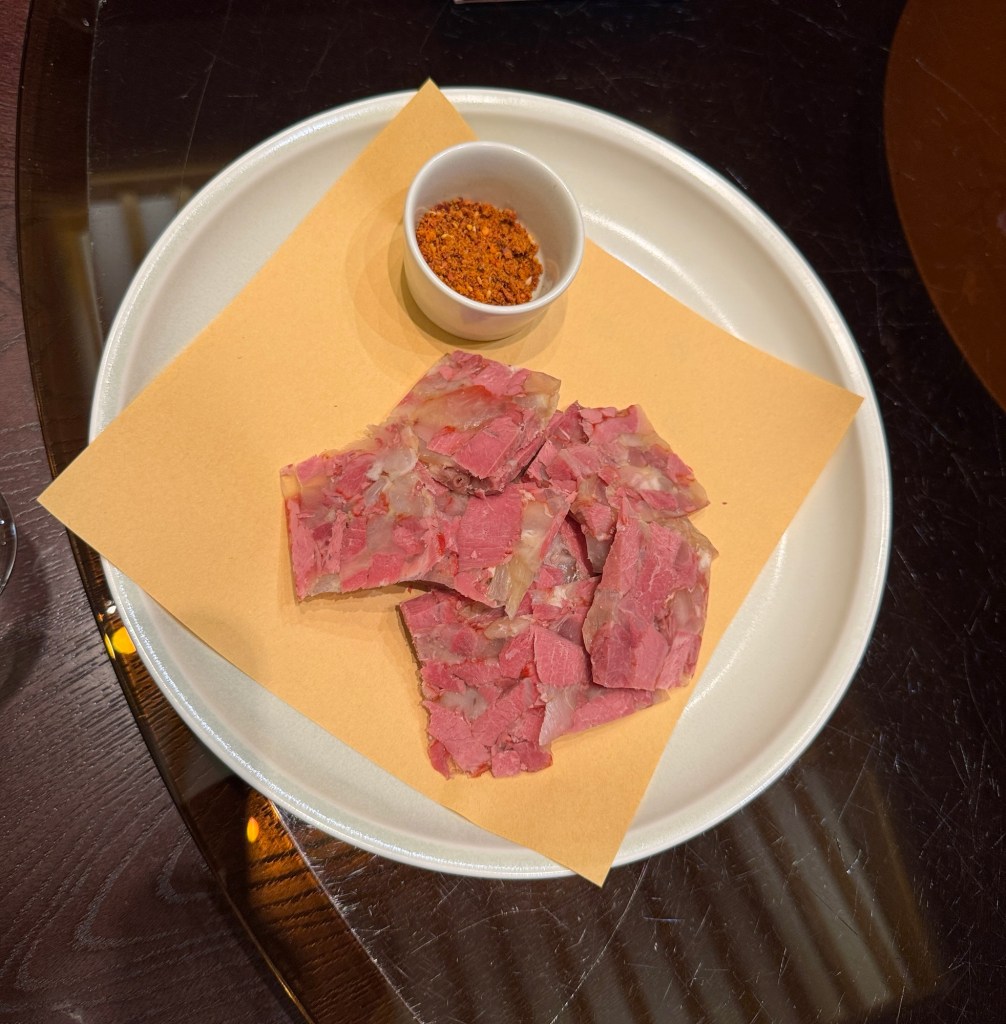
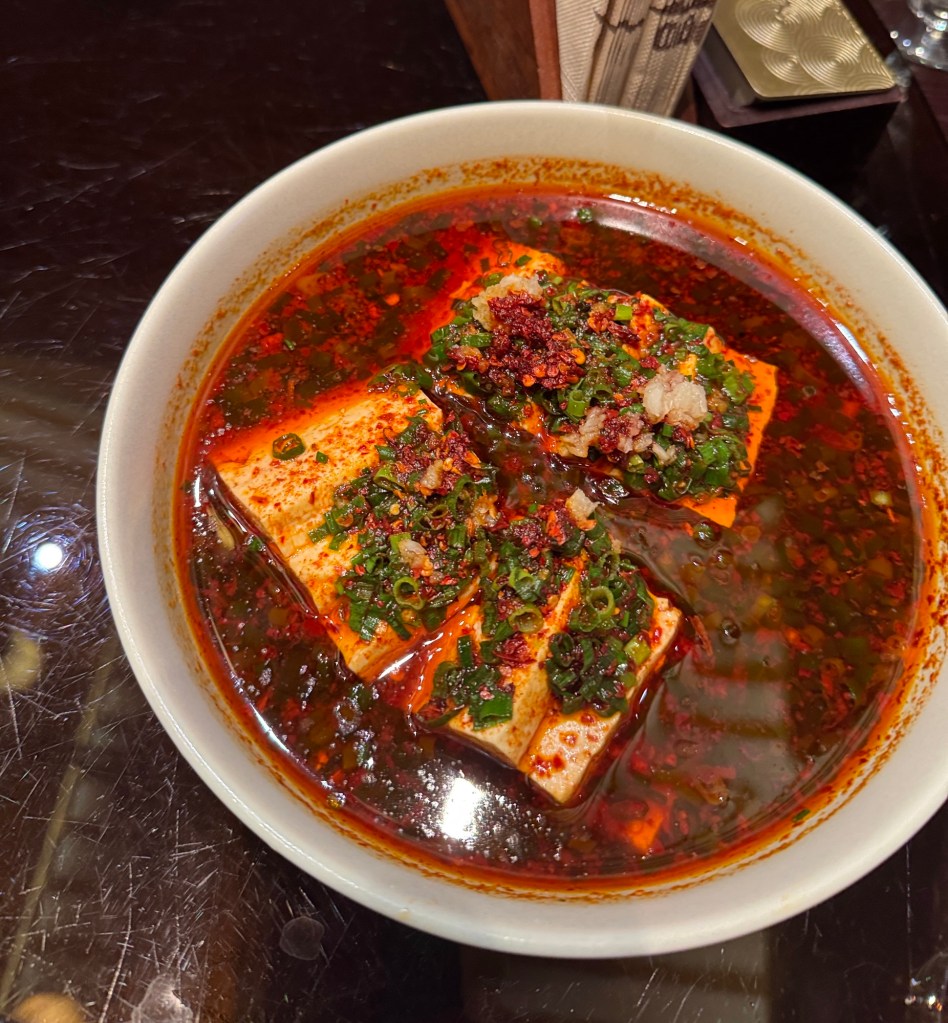
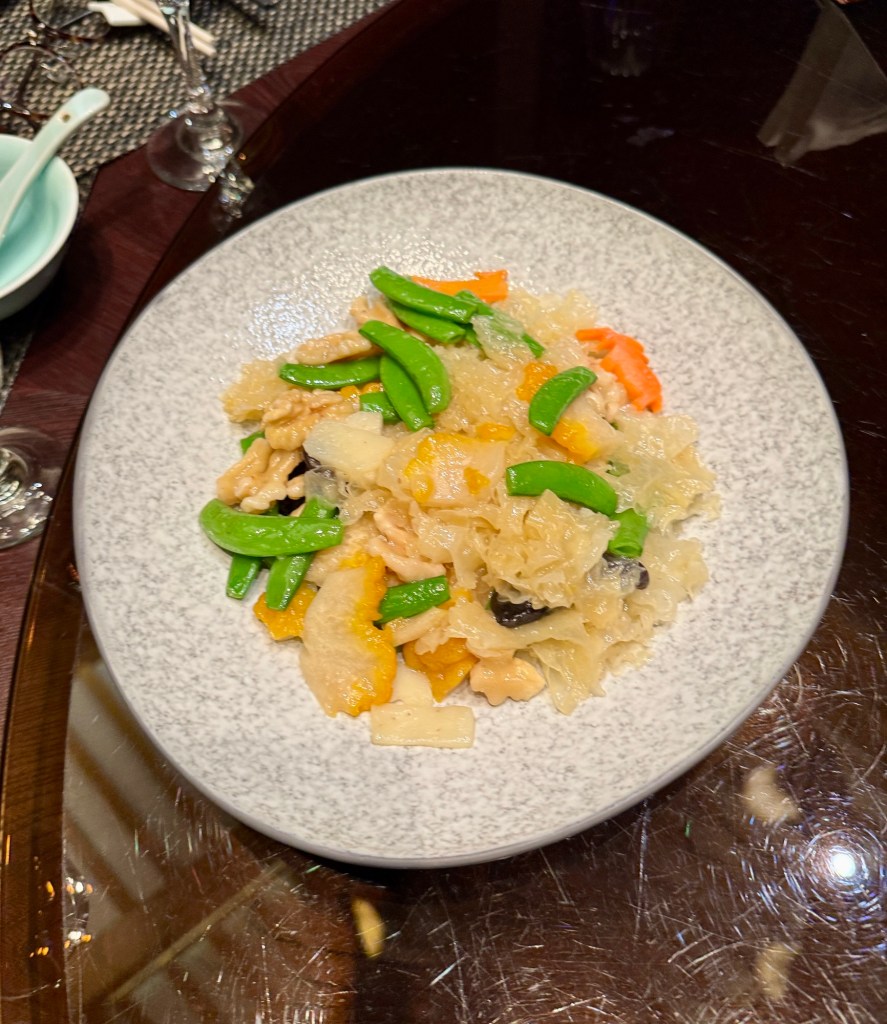
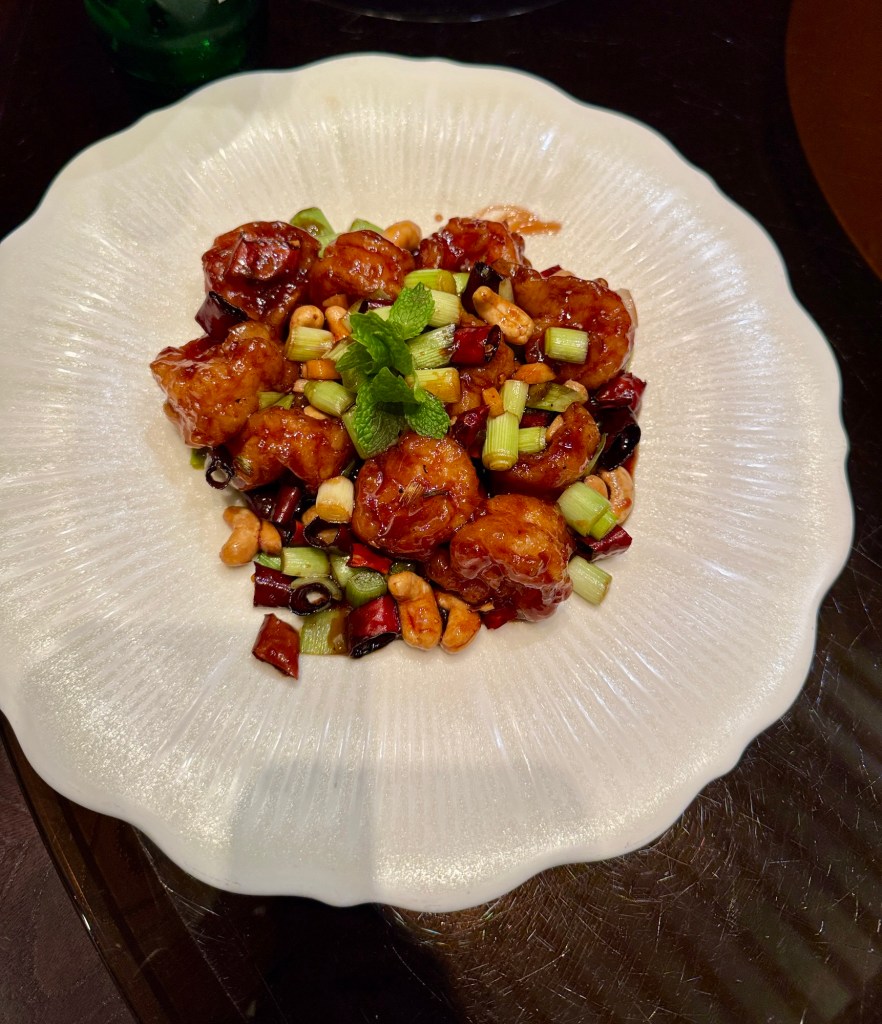
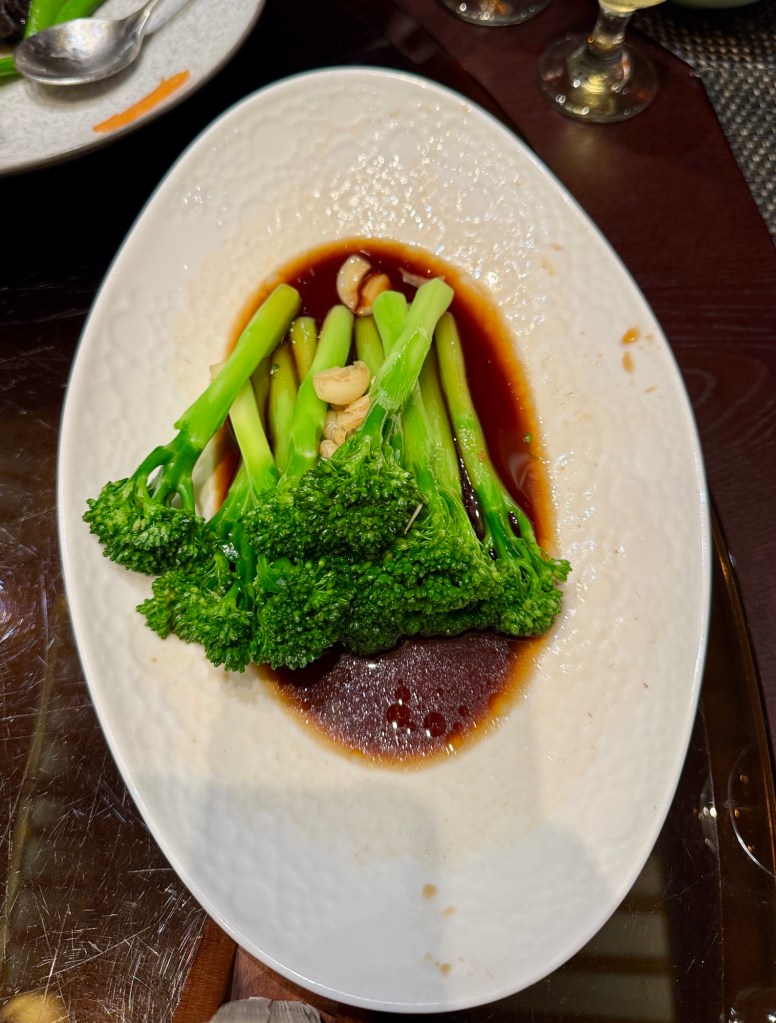
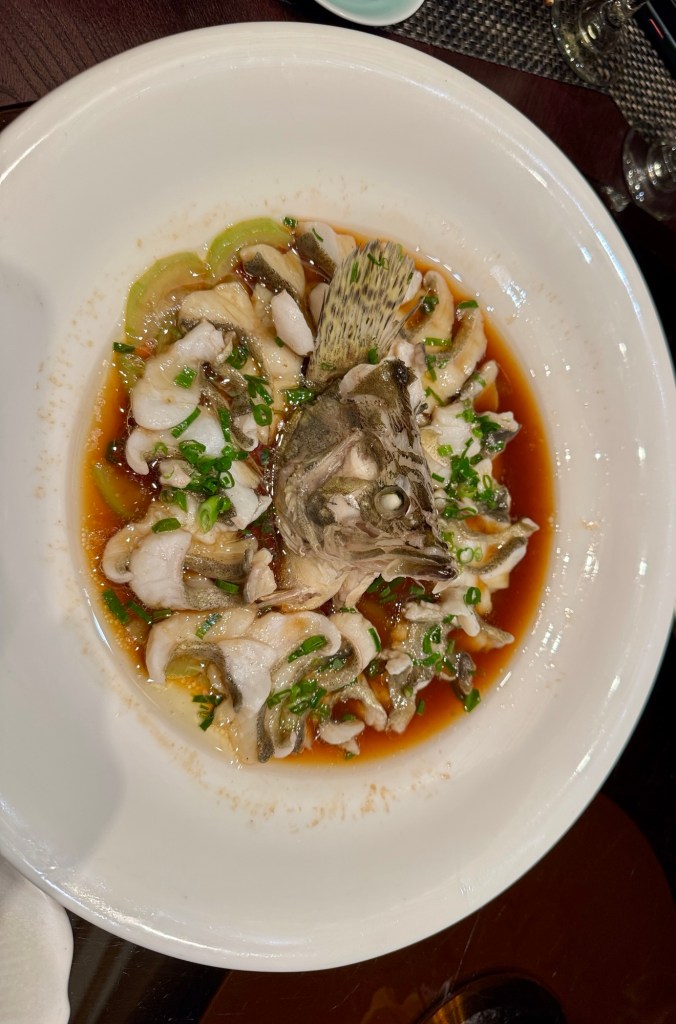
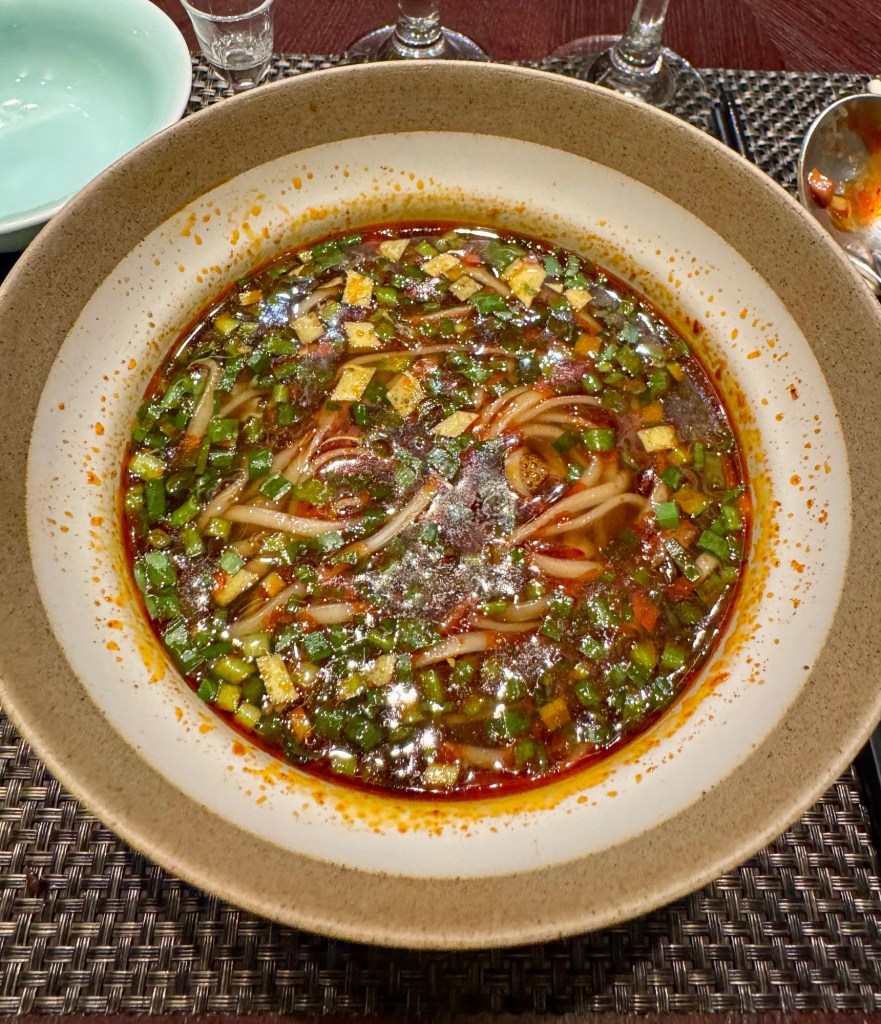
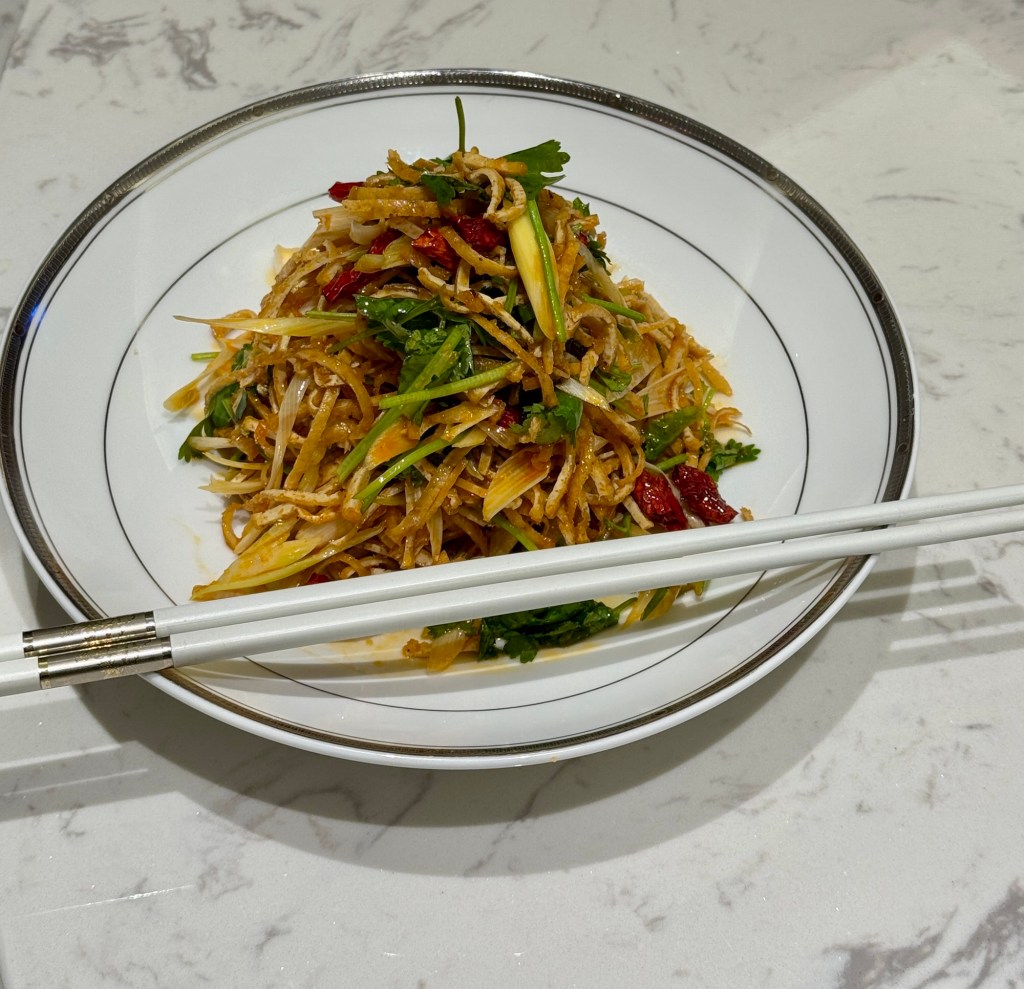
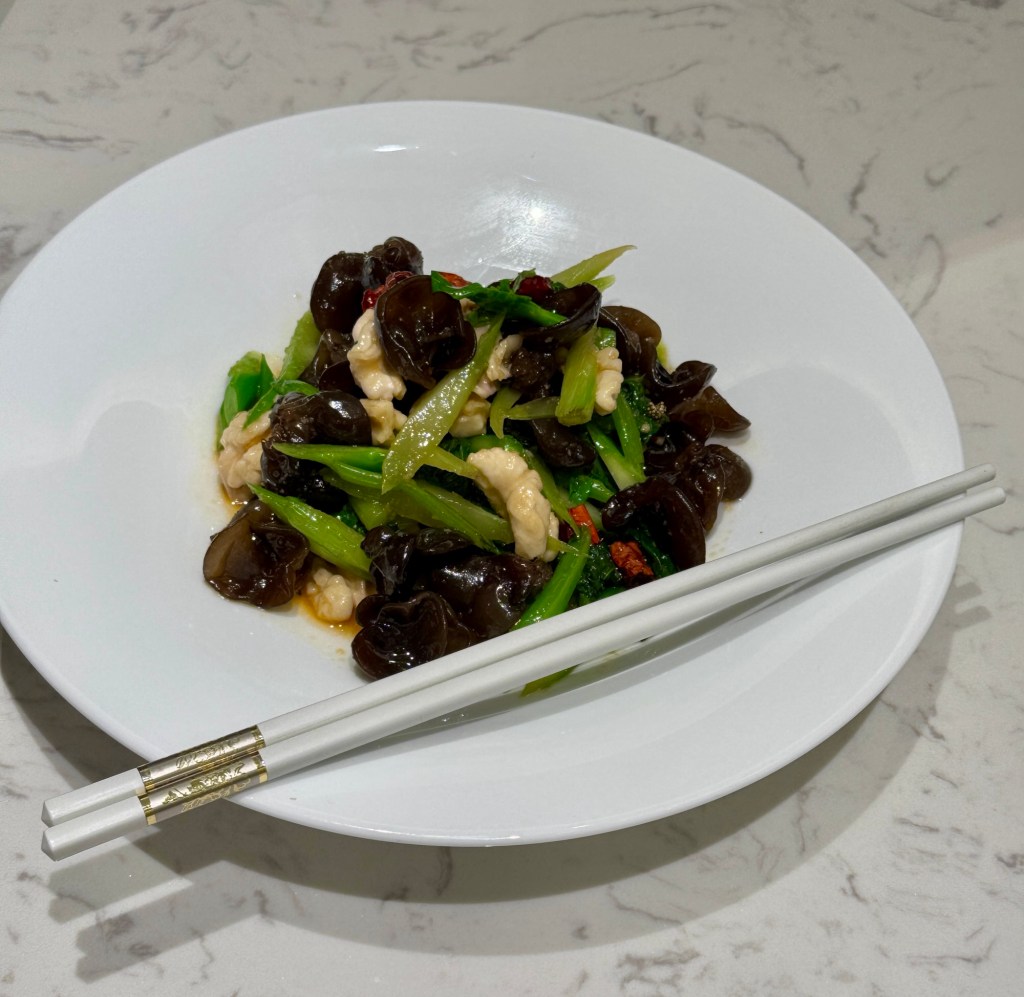
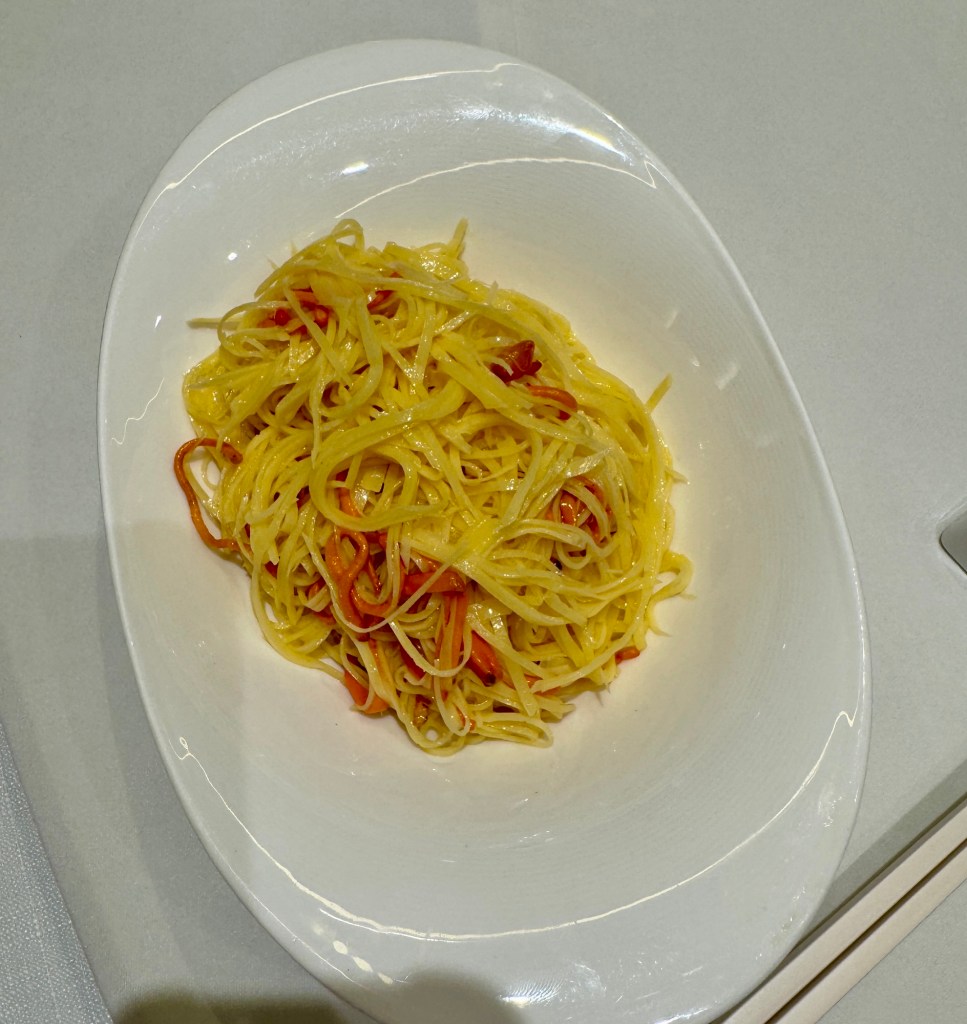
Cold beer embedded in beef jelly 牛肉凍Nice tofu not that spicy ShrimpsThis chicken is nice, not as spicy as the lookSteamed Garoupa , of course nothing close to HKNoodles Actually we had similar desert sent to our room every night The grand outdoor show
Day 3 Friday 26/9
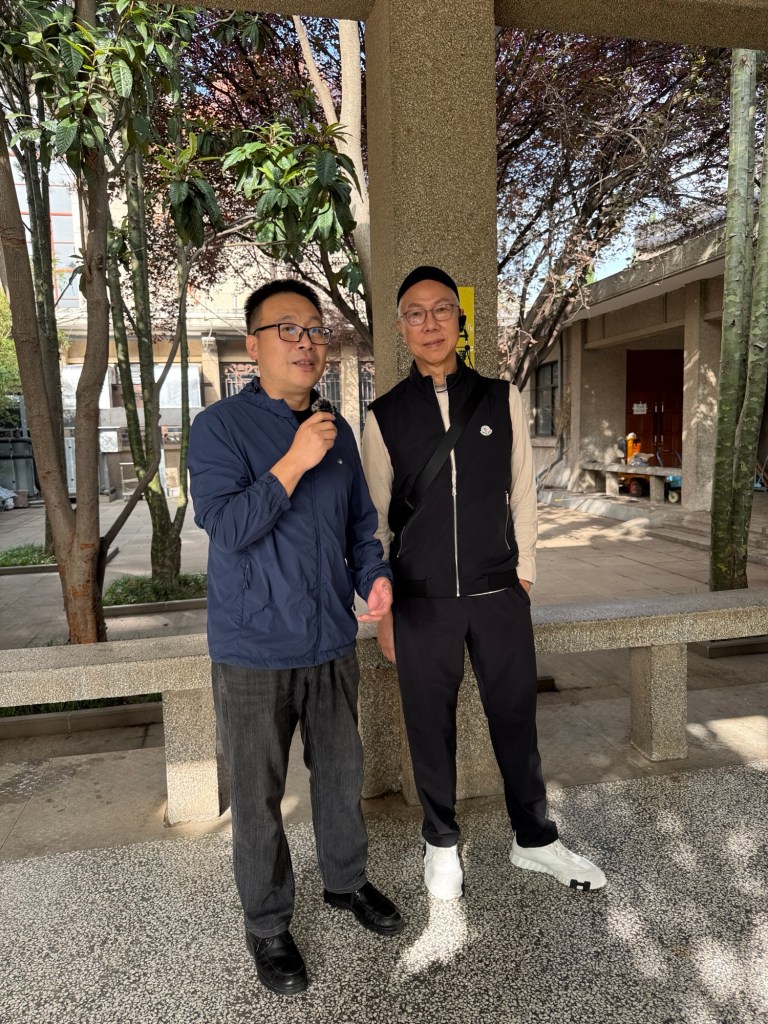
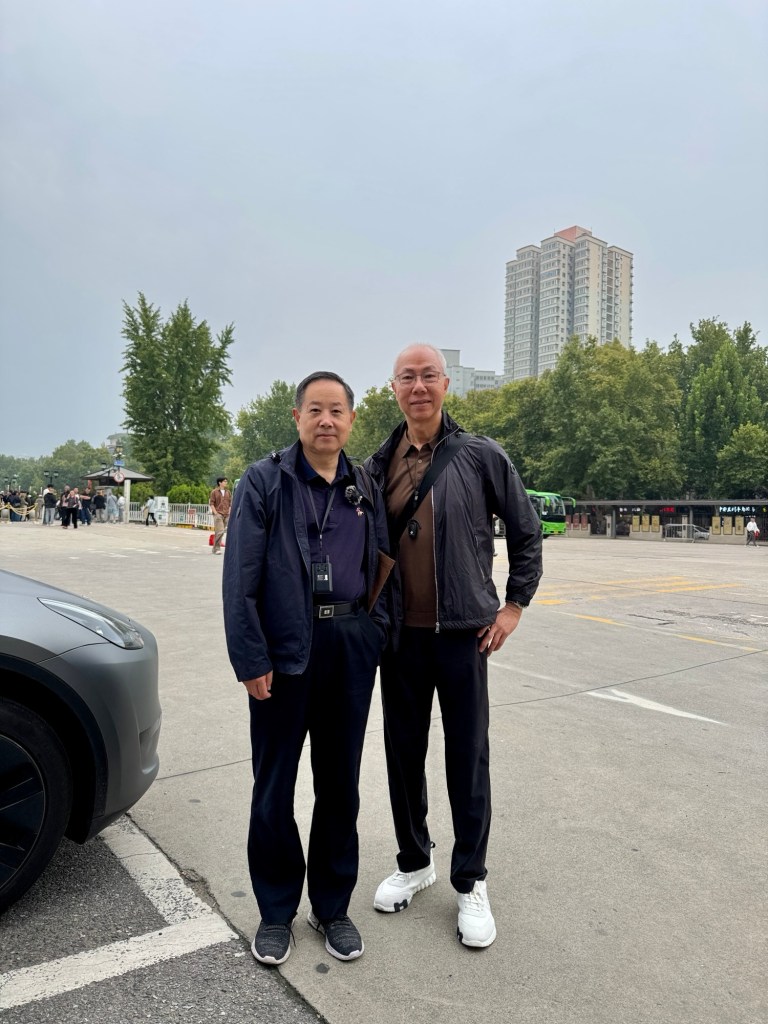
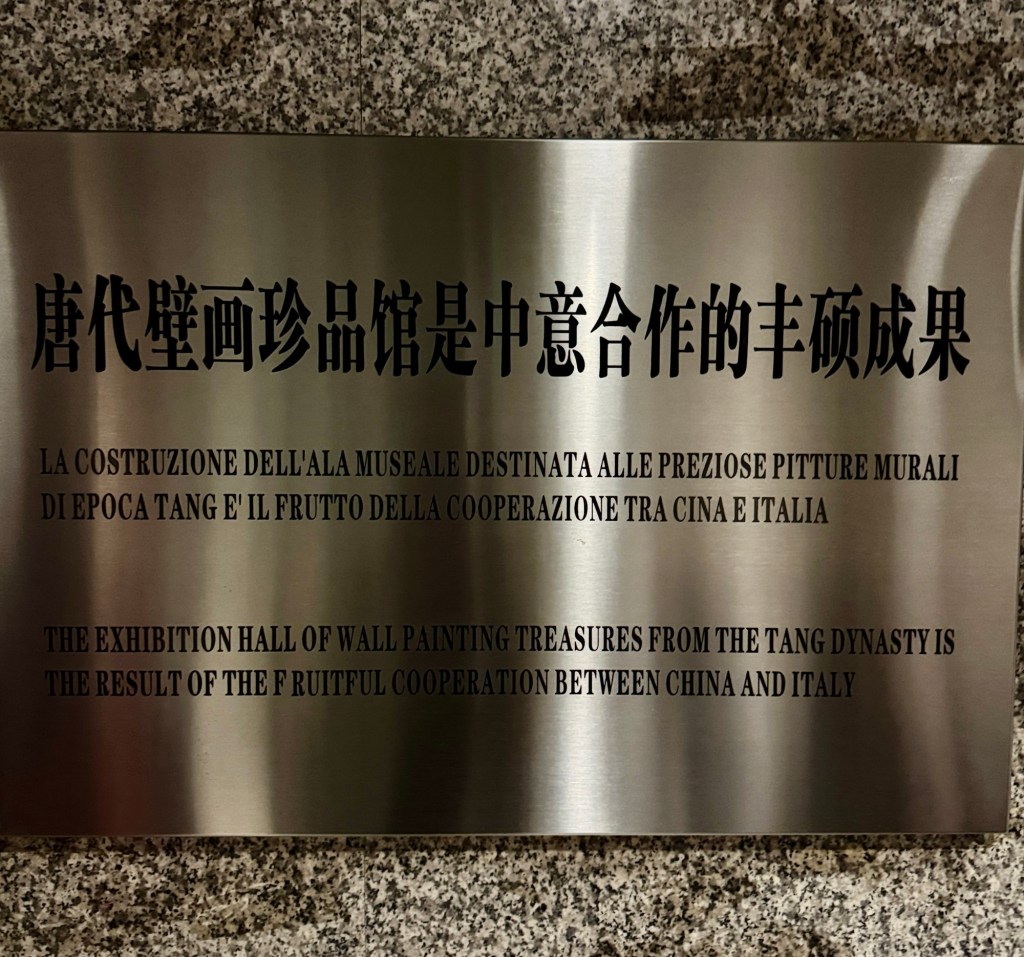
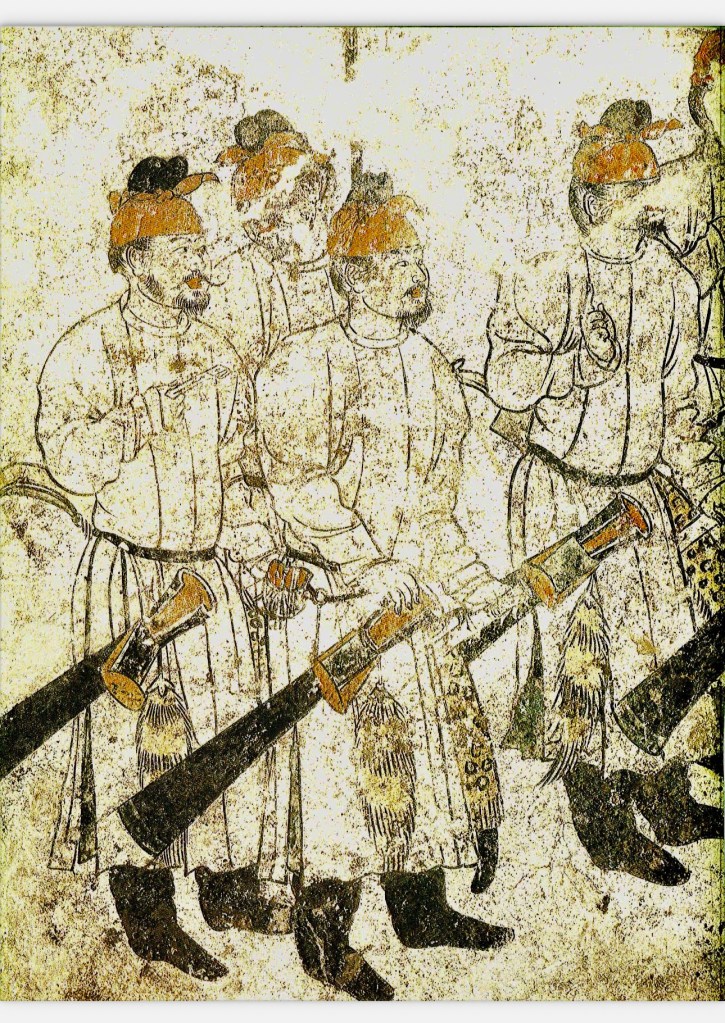
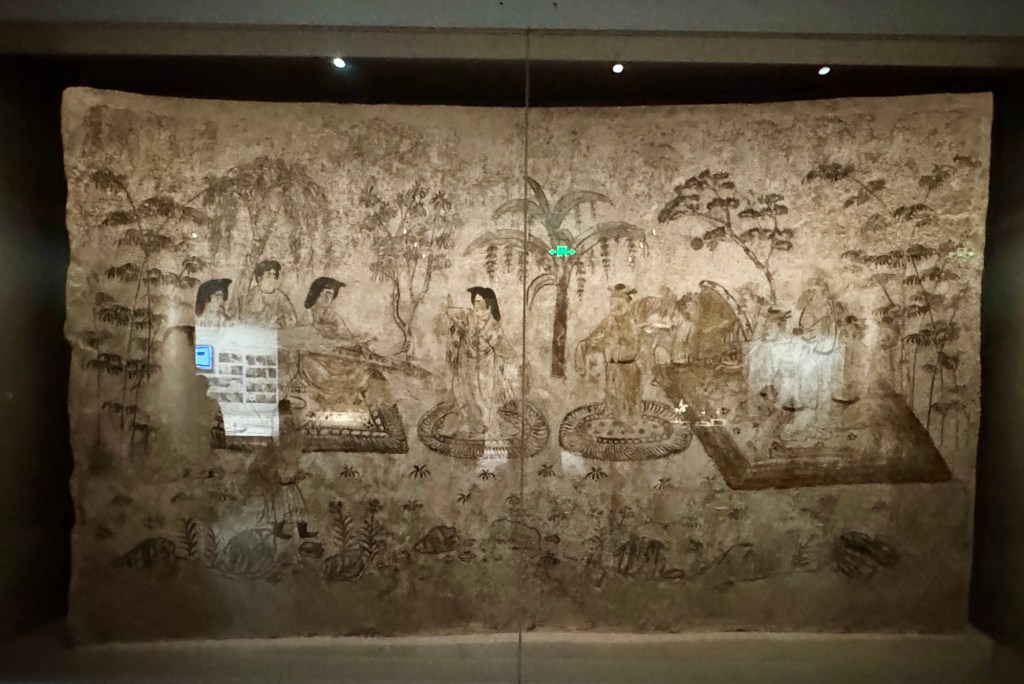
In the morning we went to the Xian History Museum which is now in high demand. Booking on line is difficult and we have to follow the time slot strictly, even with the expert like Master Wang 王建岐老師. We arrived 20 minutes earlier but still could not go in earlier but luckily when the time came we could enter by jumping the queue. Master Wang is the retired head of the Tang Murals and he was the one who received Bill Clinton when he visited the Tang Murals. The translator at the time was Tiger, our local guy. Tiger said in order to translate for Clinton he spent 2 weeks with Master Wang to study the murals. Clinton saw the murals for 40 minutes .
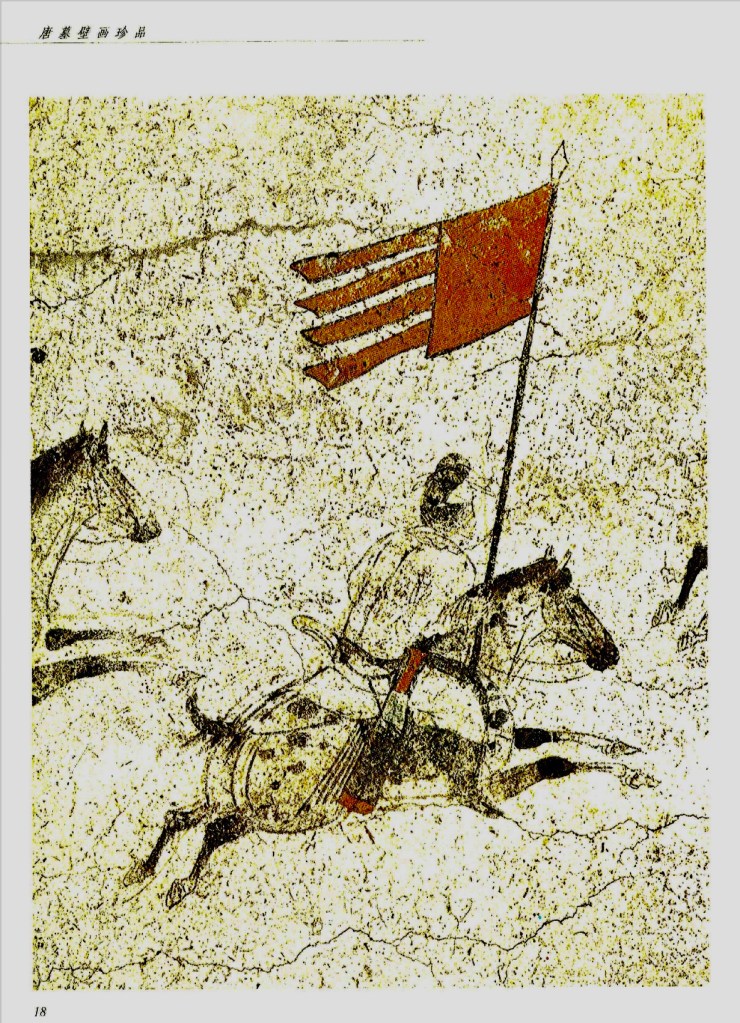
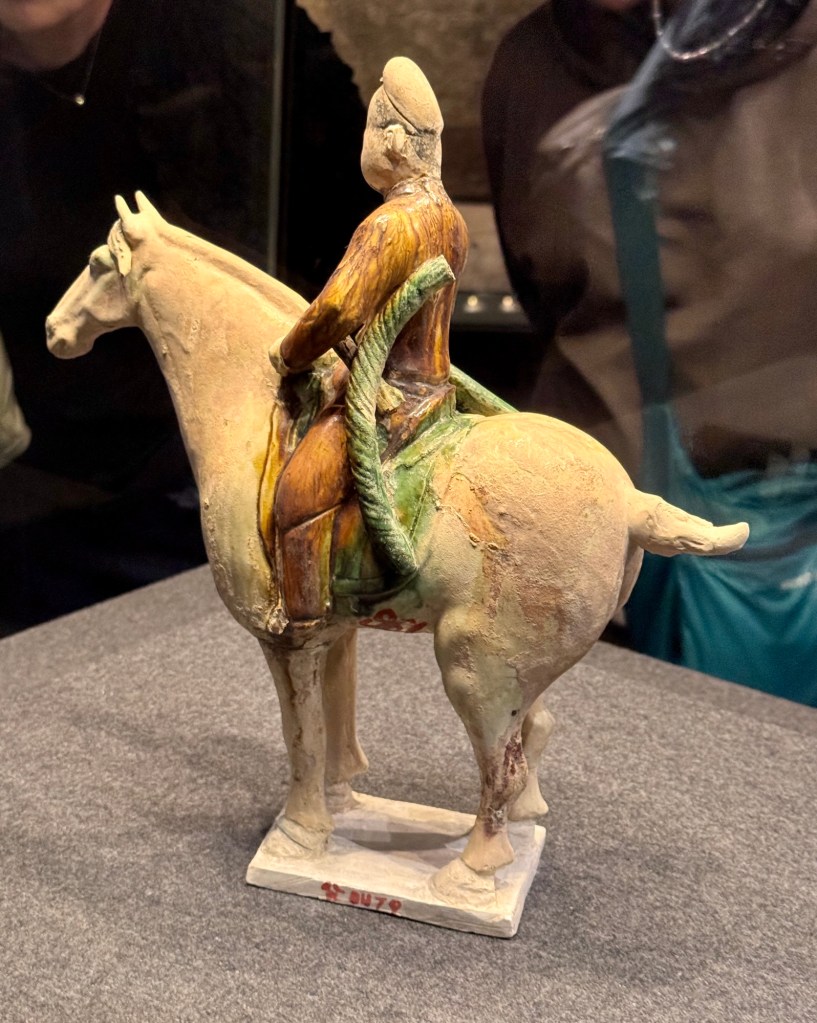
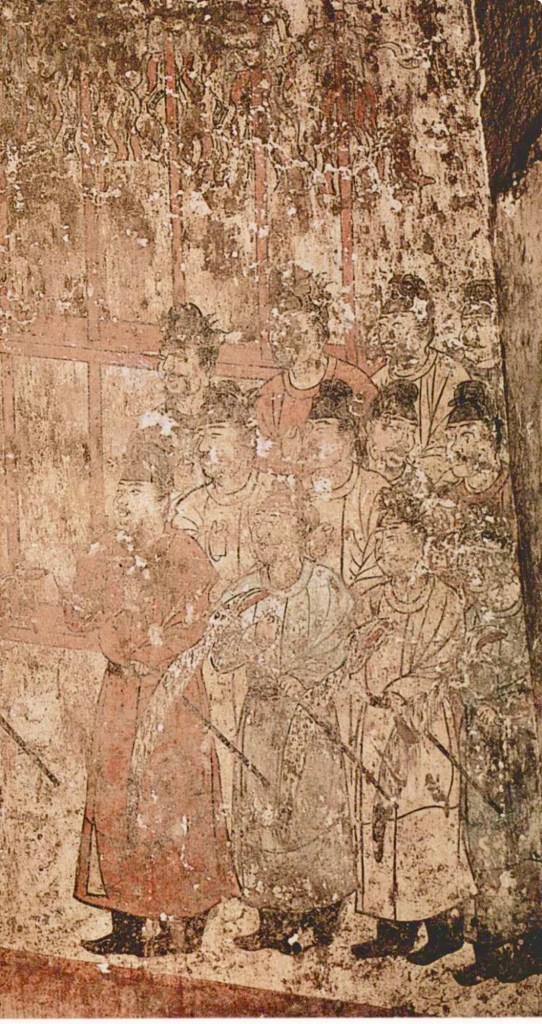
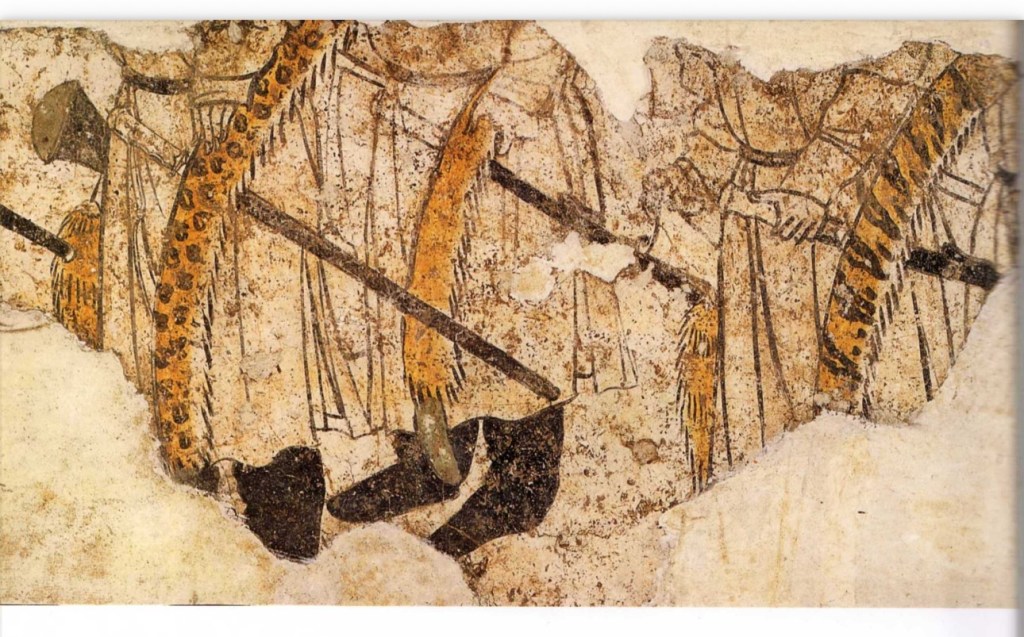
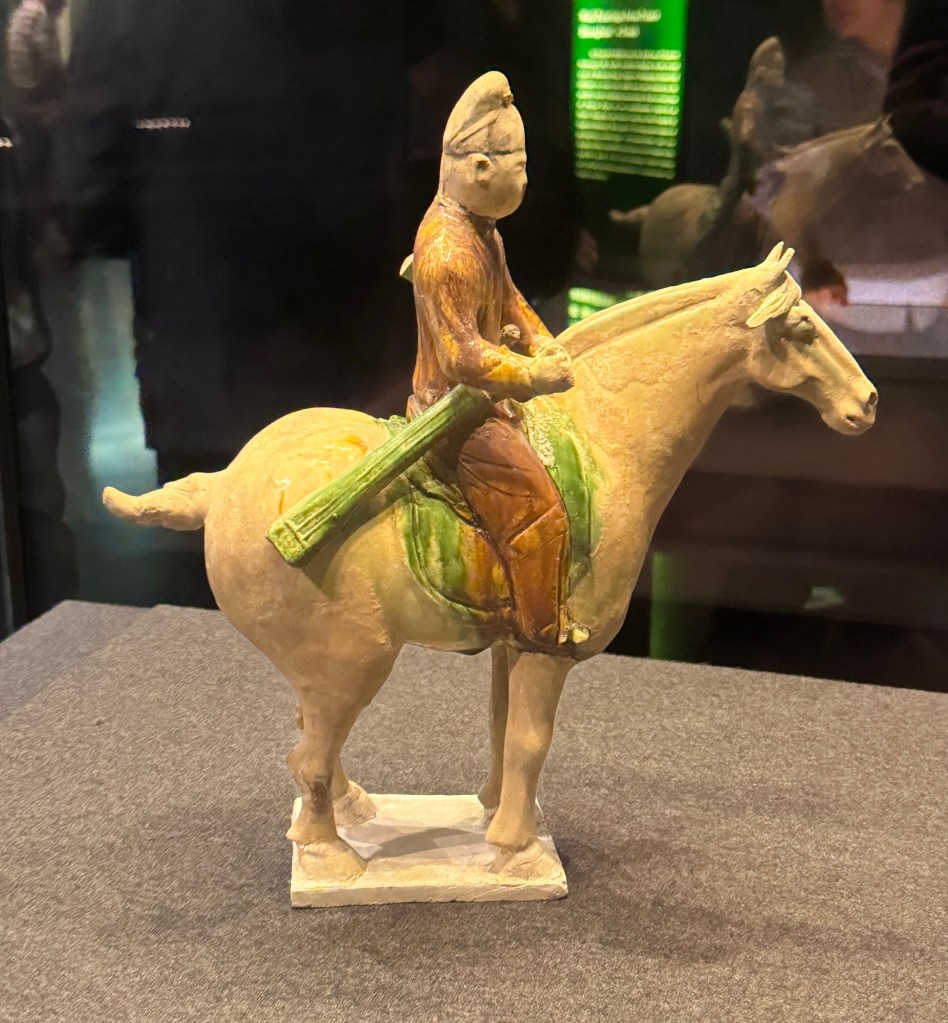
While waiting to get in, a picture of Master WangIn the beginning Master Wang worked with the Italian for moving the murals to the museum, repair and maintenance. In the murals no photo taken was allowed so I took a picture of this one showing a horse with spots 花班馬. It was a horse from Central Asia we called 西域It is like this in the muralsBow bag worn on the left side of the soldier The bow bag in the murals revealed that they were made with tiger or leopard peltA better view from another source. Tiger and leopard pelt are well shownBag for the arrows in right hand sideArrow bags in the murals Nine beauties 九美圖
When we looked at the stunning murals some were not clearly seen, after all they were over a thousand years old. But when Master Wang used a torch to light them up suddenly all the details appeared. No one can use a torch in this section except him, what an experience!
After finishing the main murals Master Wang took us to a small room not opened to the public and showed us the famous murals from 韓休墓。 We could take pictures because we were the only visitors here. But the glass shelves were highly light reflecting and the lighting was not optimal. Anyway it was better seen with our eyes. On the right is the ensemble from Sogdian and on the left is Chinese. In the middle there are two dancer, a Sogdian man and a Chinese woman. They were dancing 胡旋舞 on the small round carpet. It is a constant swirling dance and both man and woman can dance 胡旋舞。Another dance 胡騰舞is only for man because it involves a lot of jumping around and required a lot of power. Here both dancer can dance on a small carpet so it must be 胡旋舞
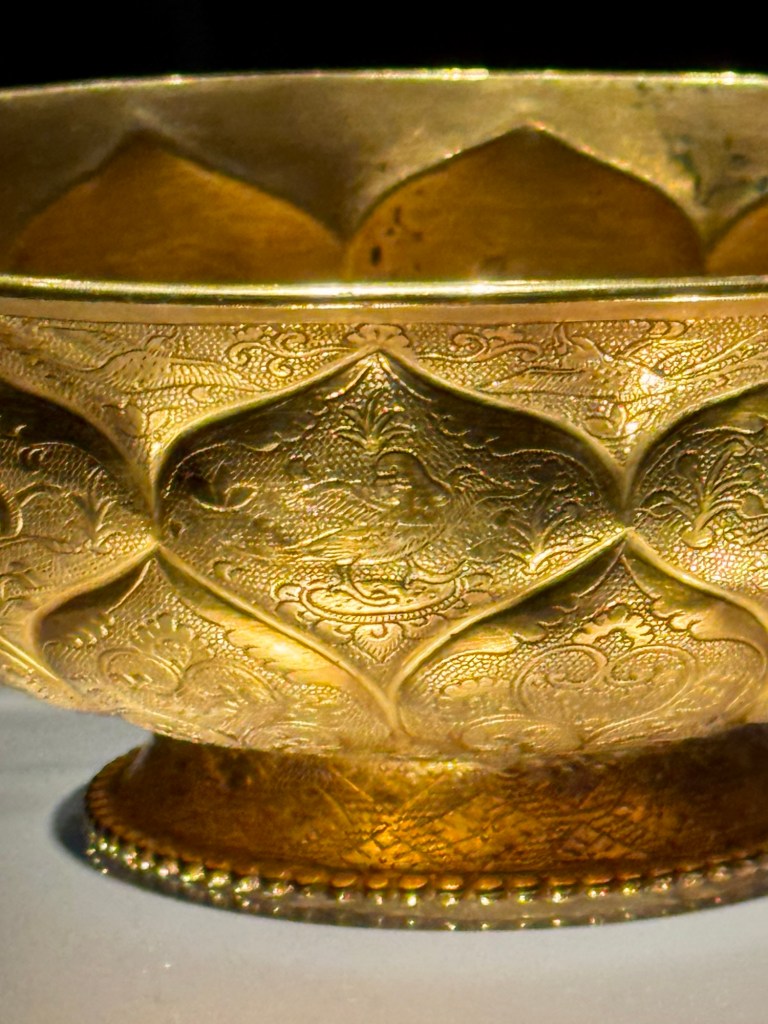
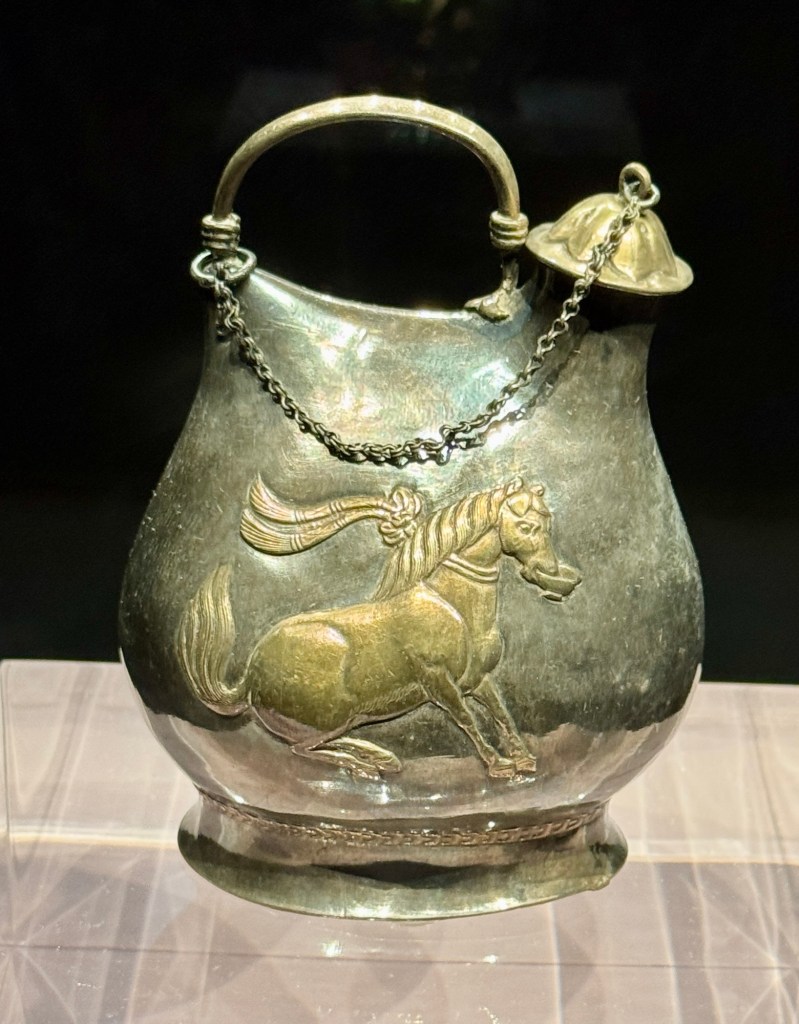
Some of the must see items in the museum
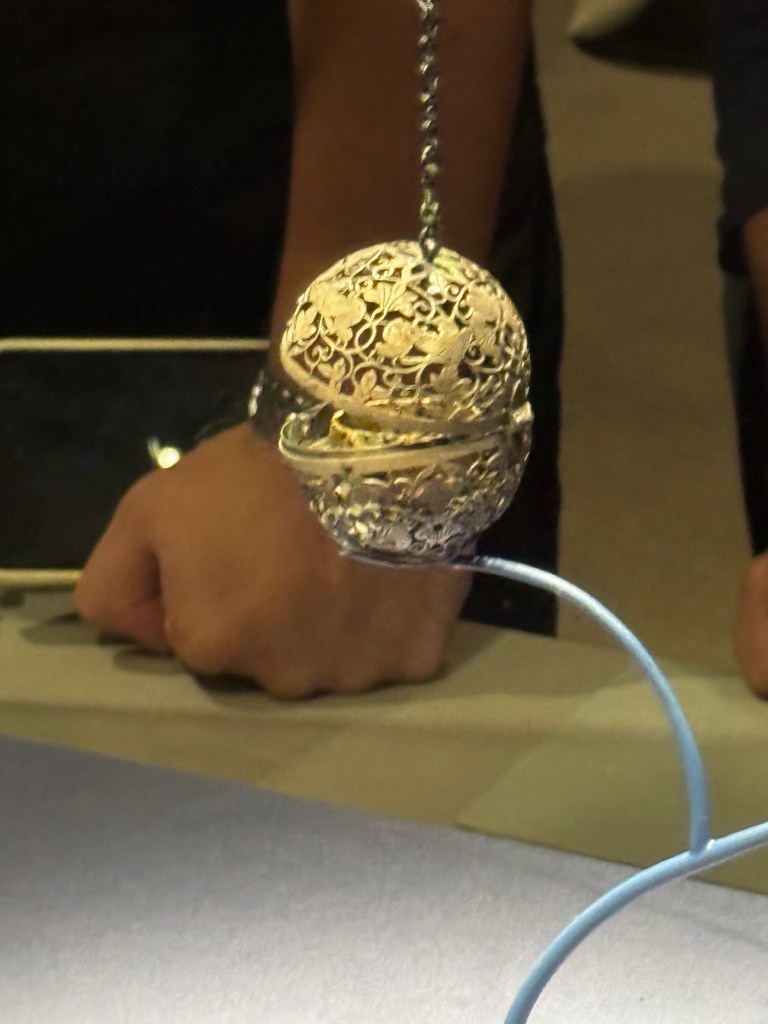
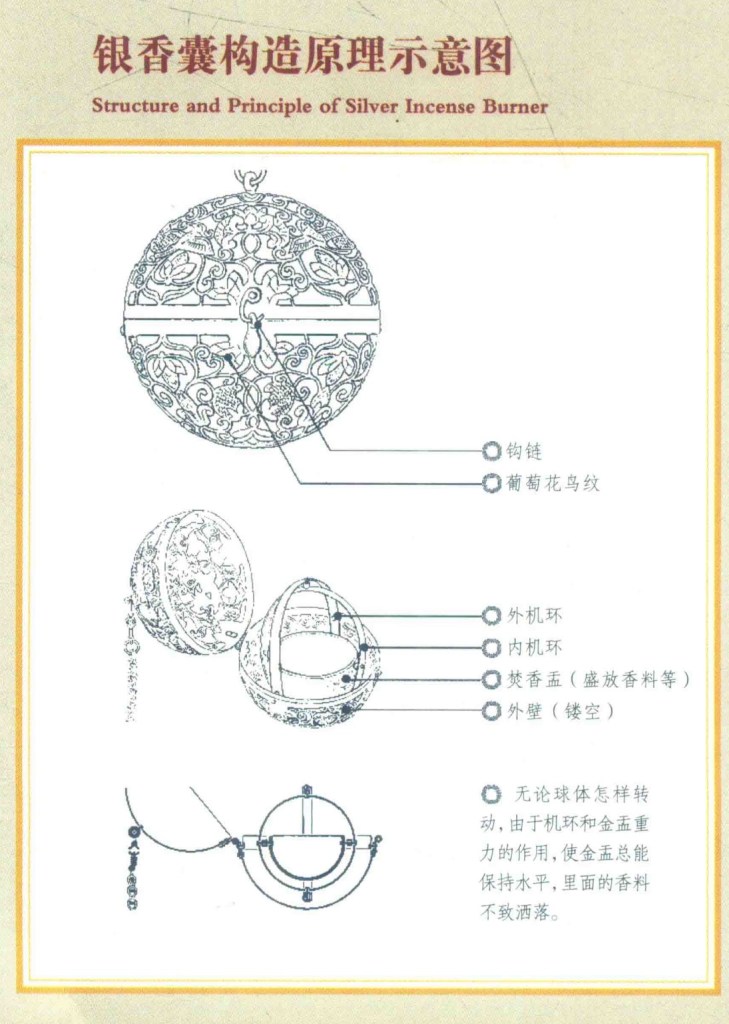
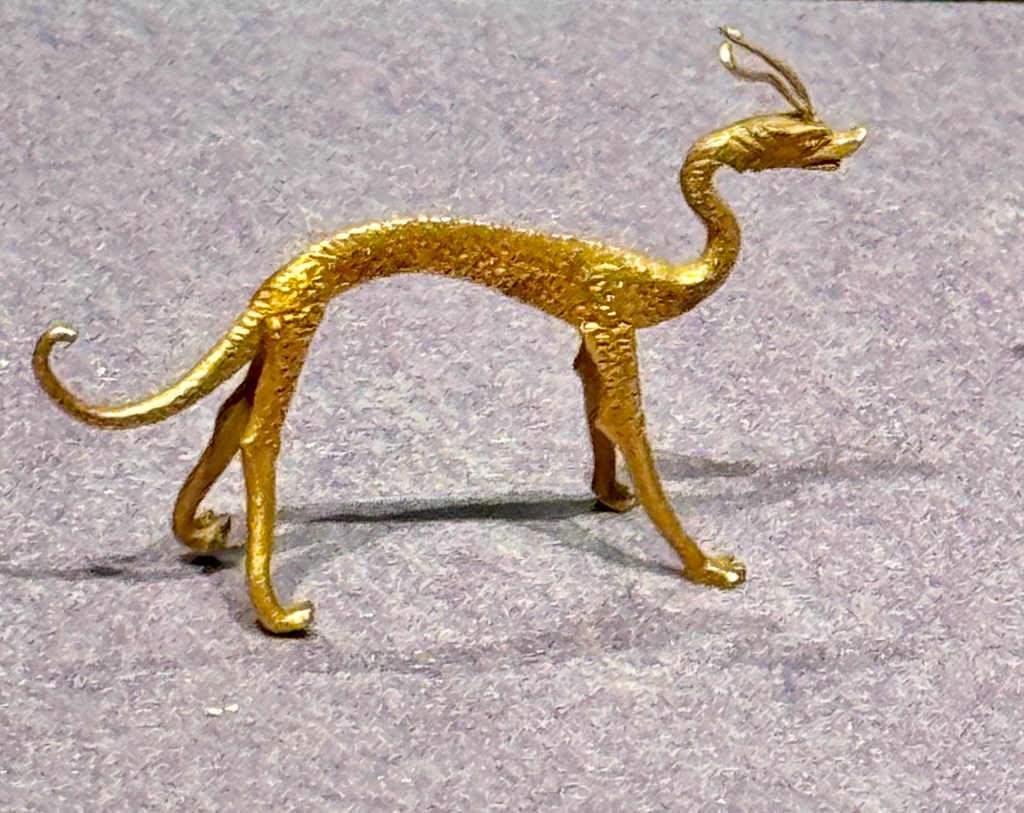
Typical extravagant Tang style gold bowlGold and silver drinking cup, the two flat wings at the rim help them to float on water so it can be used in 曲水流觴 A game by for intellectuals where this cup 觴 floats on a stream and when it stop in front of you, you have to drink it and make up a poem on the spot.This silver and gold bottle imitates a water bottle used by the nomadic people. There are many similar works but this one is among the highest grade national treasure that is not allowed to leave China. Because it is unique in showing a dancing horse holding a cup in its mouth. On the birthday of the emperor the horse performed a dance by itself. After finishing the dance it will hand over the cup to the emperor as a birthday gift. The music was known as Toasted Cup Tune 傾杯曲。This is a kind of drinking cup known as Rhyton 來通杯 originally from Persia. This one is rare because it is made of 瑪瑙 agate. Tiger said Rhyton has another purpose because it cannot stand on its own on a table so when one is offered a drink one has to finish it 乾杯!This is the famous incense burner which can be carried safely by a person and no matter how she move the burning incense would not leak out. The inner sphere containing the incense can rotate freely on its own so it is motion proof.Running dragon is unique in Tang. These 6 tiny dragons are all made of gold about 3 cm long but the details shows the fine craftsmanship. Why make it so small? Probably it is used in the Taoism ceremony known as 投龍簡 . This dragon together with the prayer notes ( in stone or jade) are thrown to the mountain or river hoping their wish might come true.
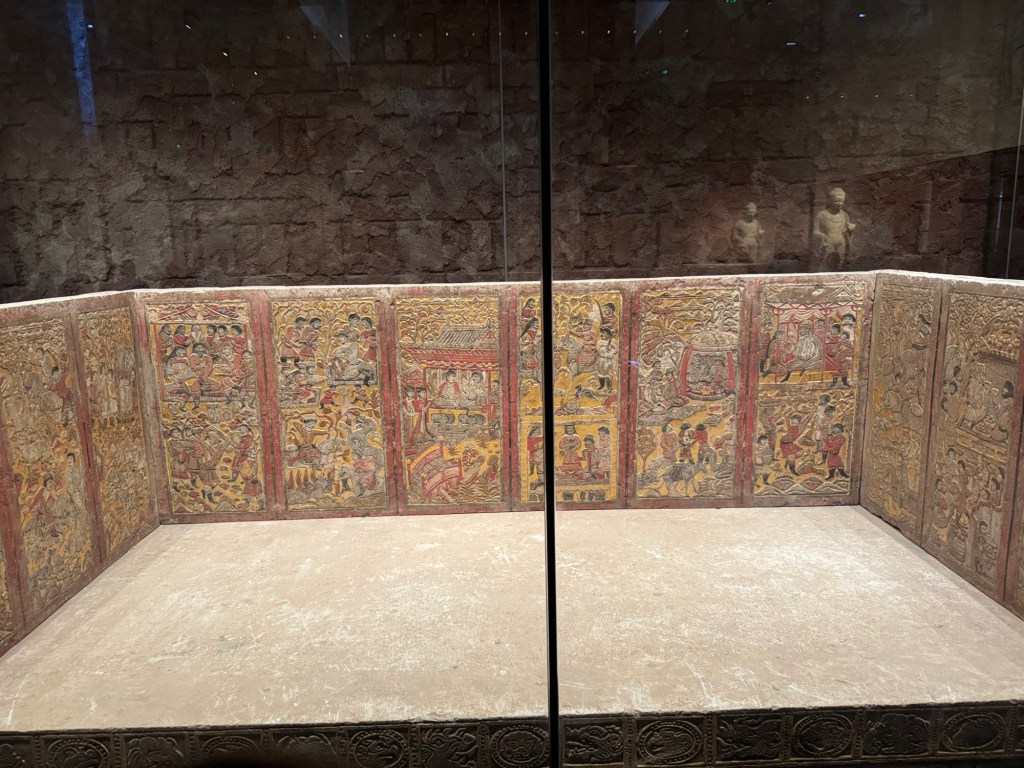
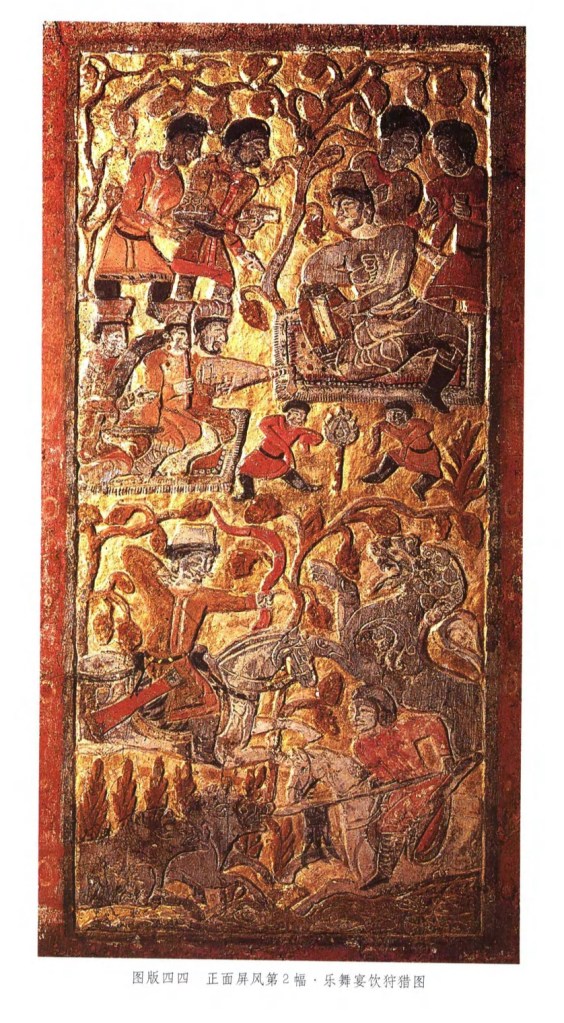
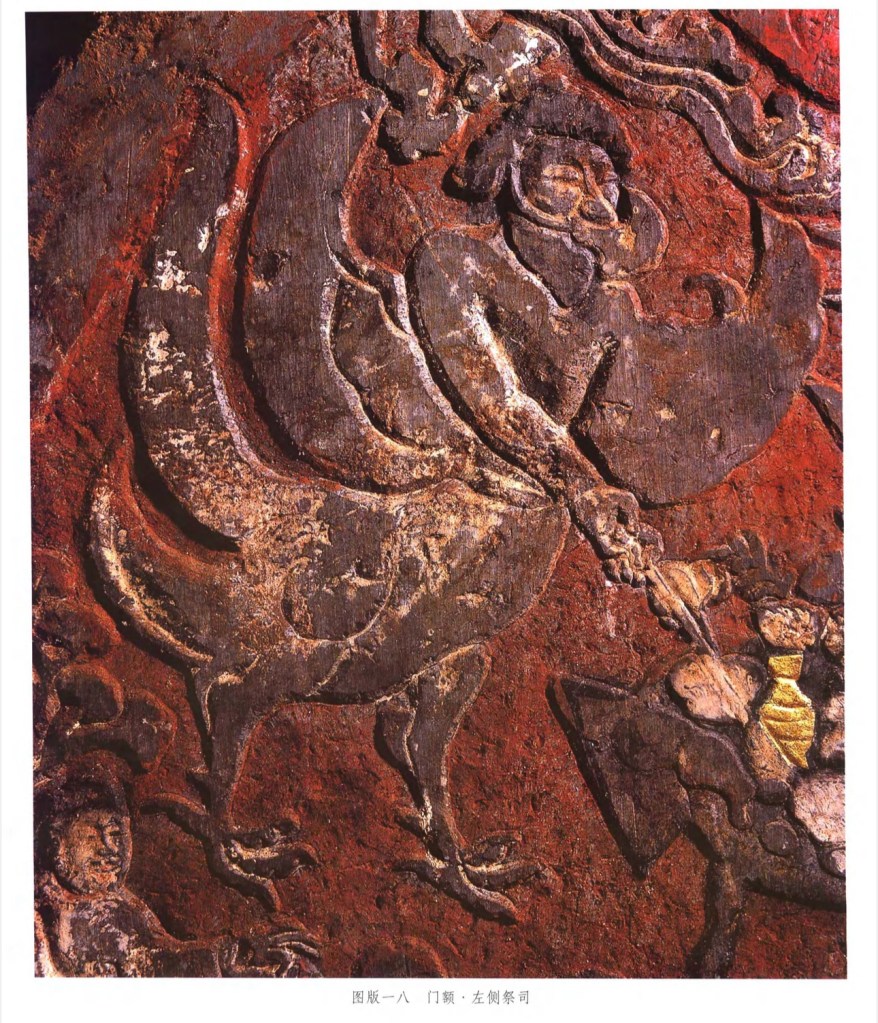
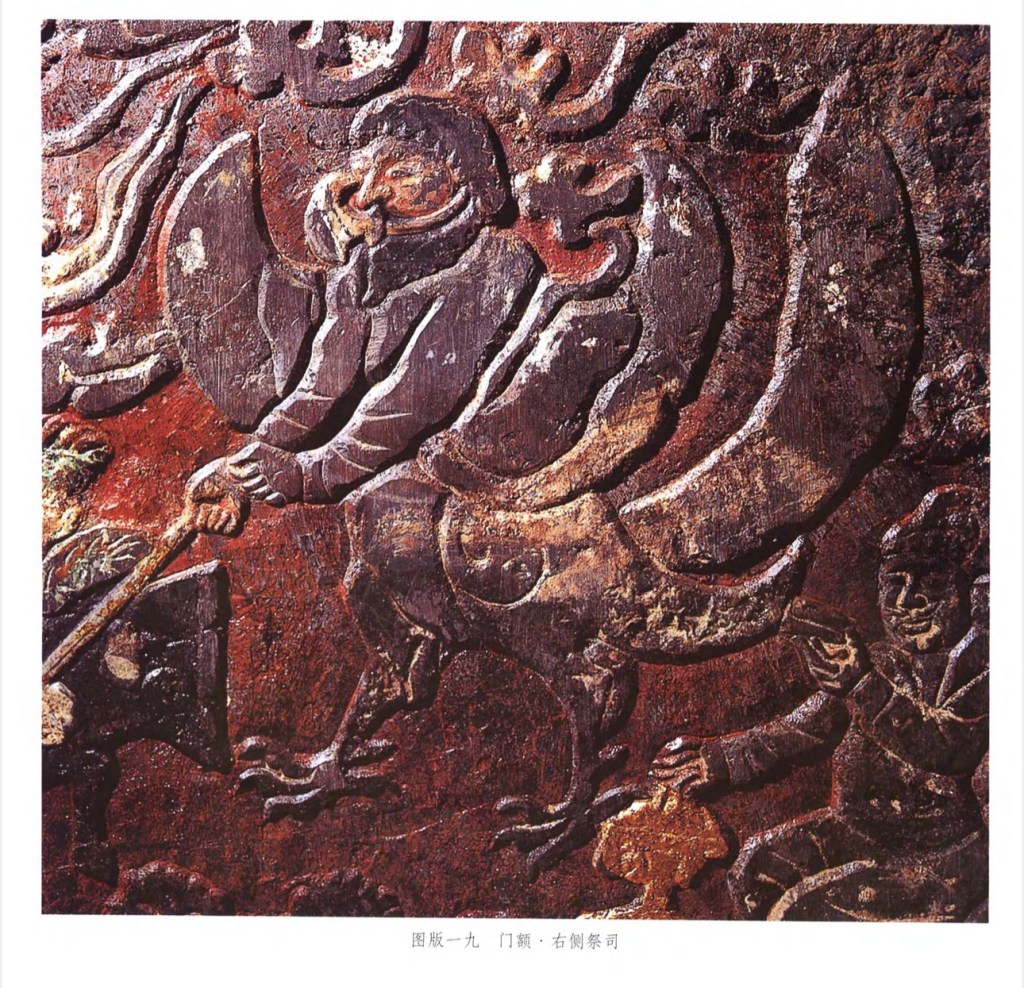
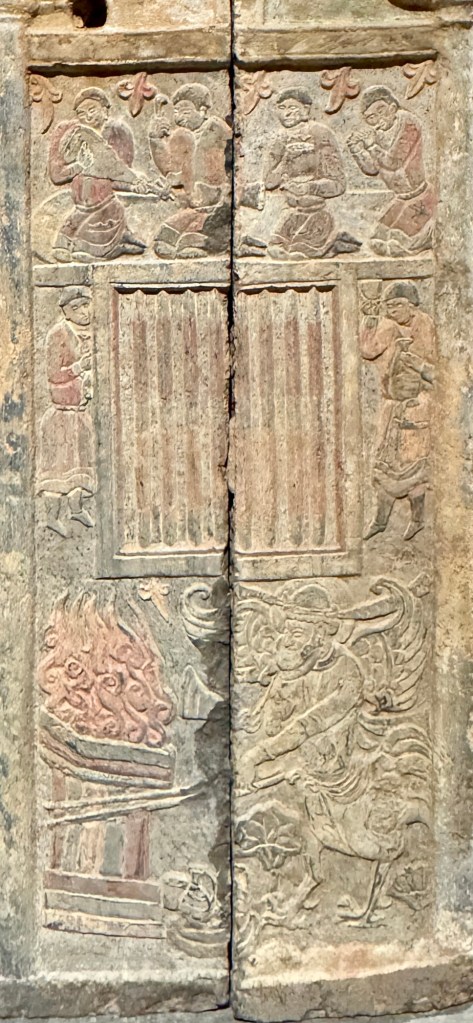
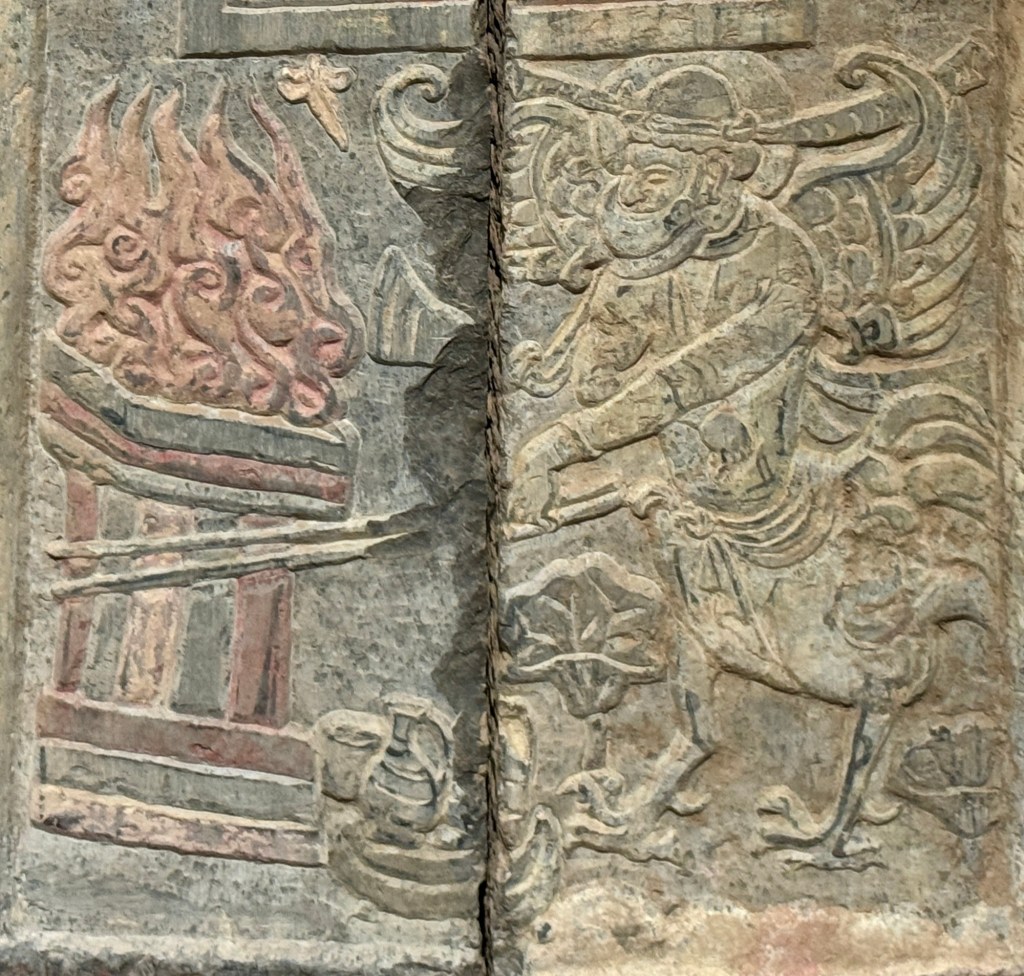
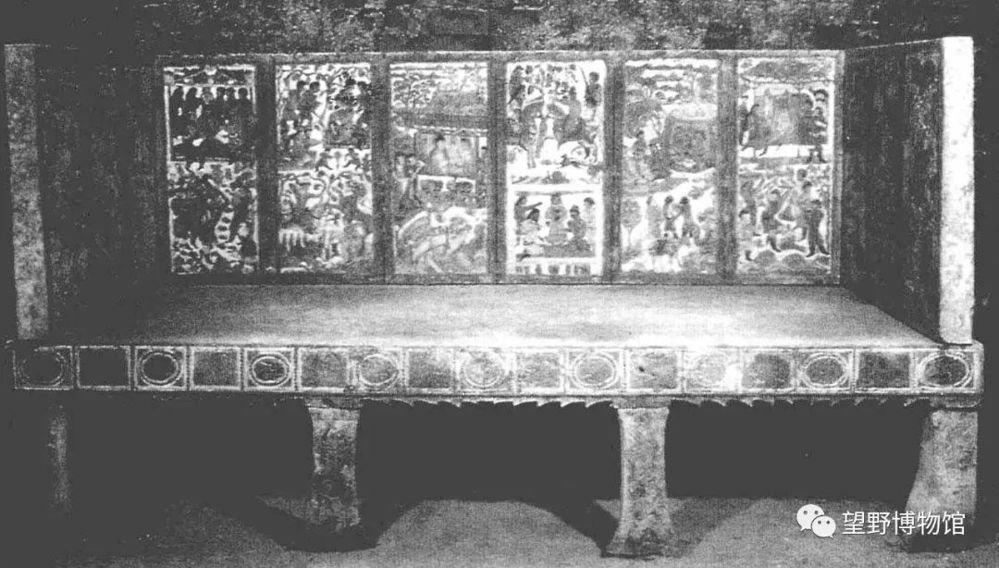
There is an unexpected jewel in this museum – the 北周安伽𦻒,a Sogdian tomb bed from the North Zhou kingdom in North and South Dynasty. In China there are 7/8 Sogdian graves excavated so far. All have carving showing the life of the owner in Persian style and all have the tale telling Zoroastrian priest attending the fire alter.
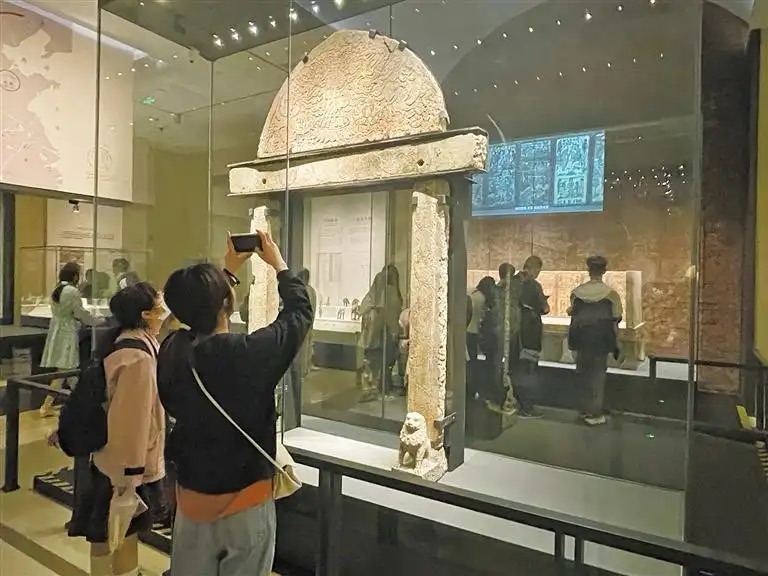
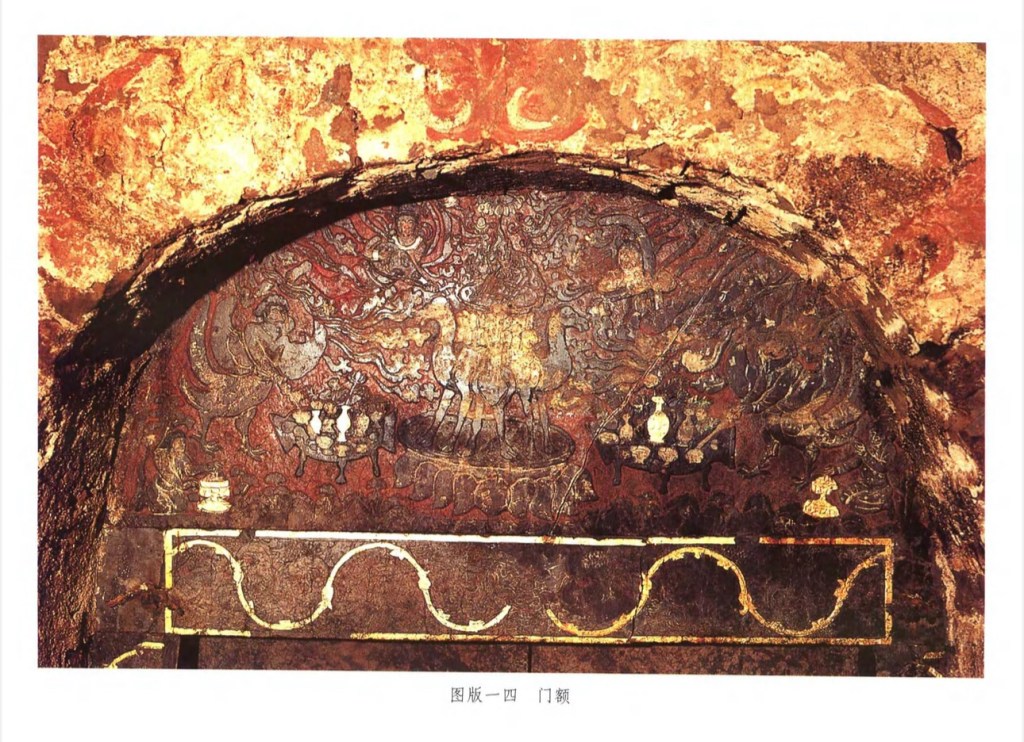
At the top there is a feasting scene. The owner is drinking and servants serving. Below is a hunting scene. The one on a horse is shooting something behind him by turning around. This is influenced by Persia and known as the Parthian Shot. However the Zoroastrian priest is not shown in the coffin chamber but above the door on the semicircular thing. But in the moment only the coffin chamber is exhibitedHereThe Priest is usually half human half bird wearing mask to prevent contamination of the holy fire by their breath. They also hold an iron rod for attending the alter
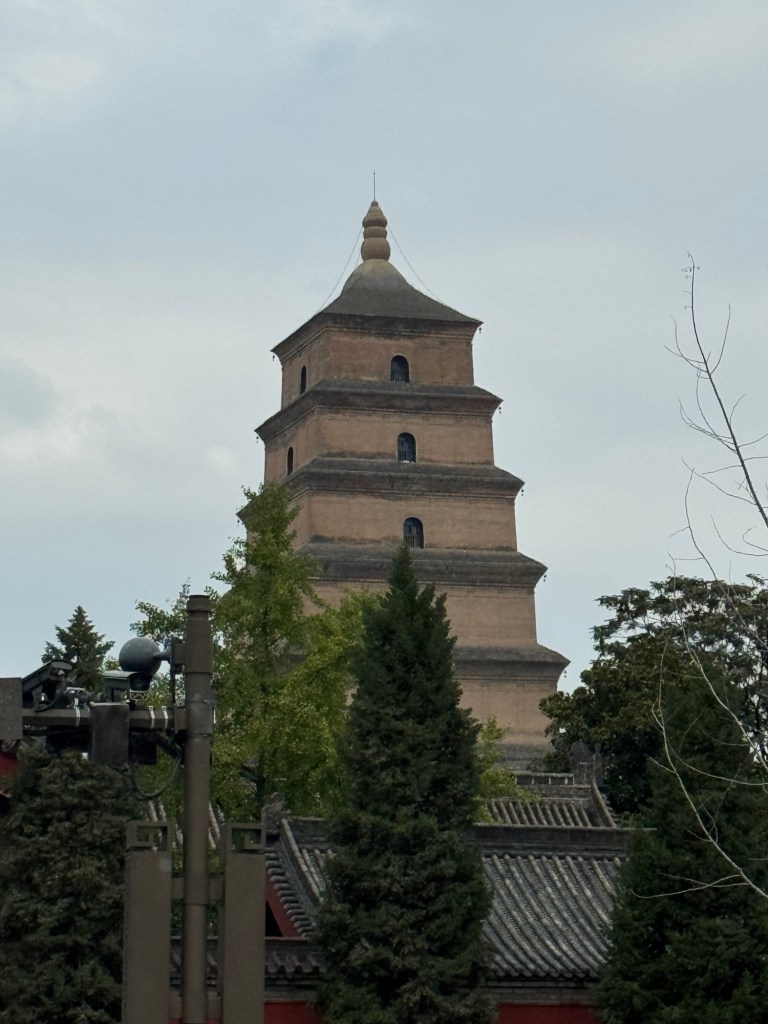
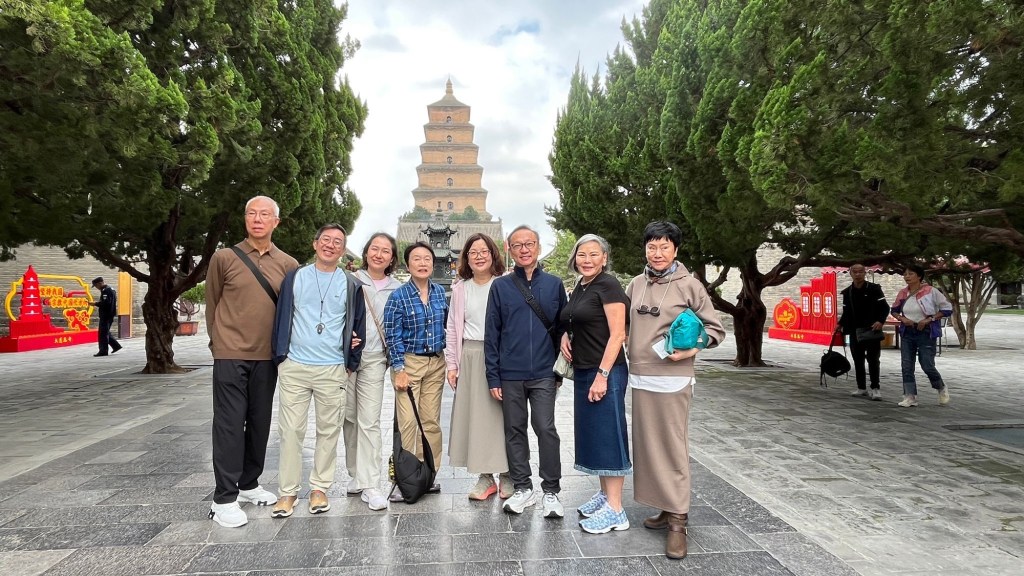
Master Wang is so enthusiastic and energetic. We started the museum tour from 10:30 and ended at almost 3:00. Everyone was exhaustedso we just had a simple noodle lunch in a mall near our next stop – the big goose pagoda. The big goose pagoda was build to store the sutra brought back from India by 玄奘法師 Xuanzang the Tripitaka. However this one was rebuilt in the Ming Dynasty. It kept the typical square pagoda from Tang but the tapering shape from base to top was too much. The small goose pagoda is more typical. Many of us managed to climb up, not easy after the long morning session!
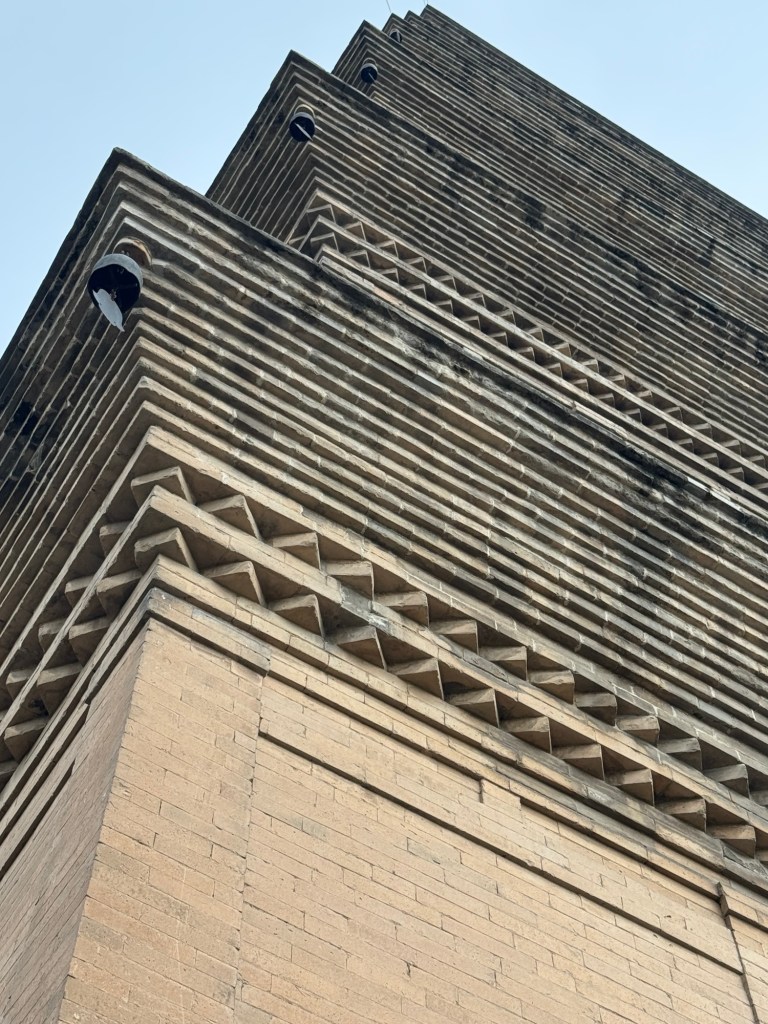
This Ming rebuilt followed the Tang style of building the eaves 疊澀出簷。The eaves or the slanting part of the roof was supported by splaying layers of bricks from below, typical of Sui and Tang style View from the top
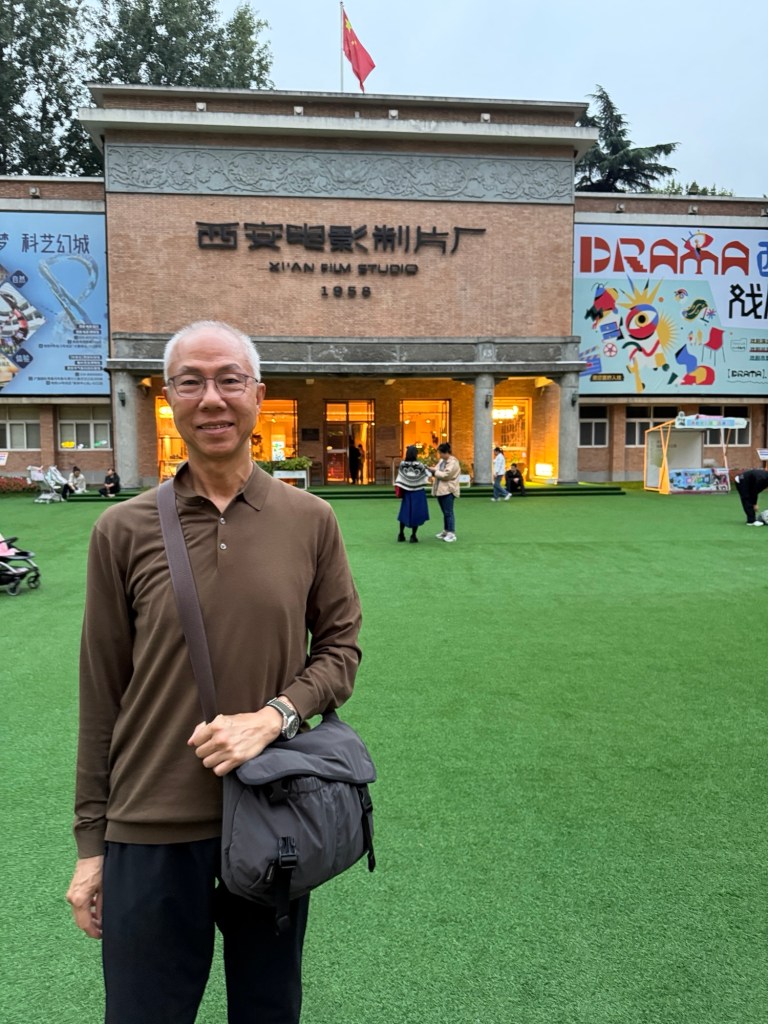
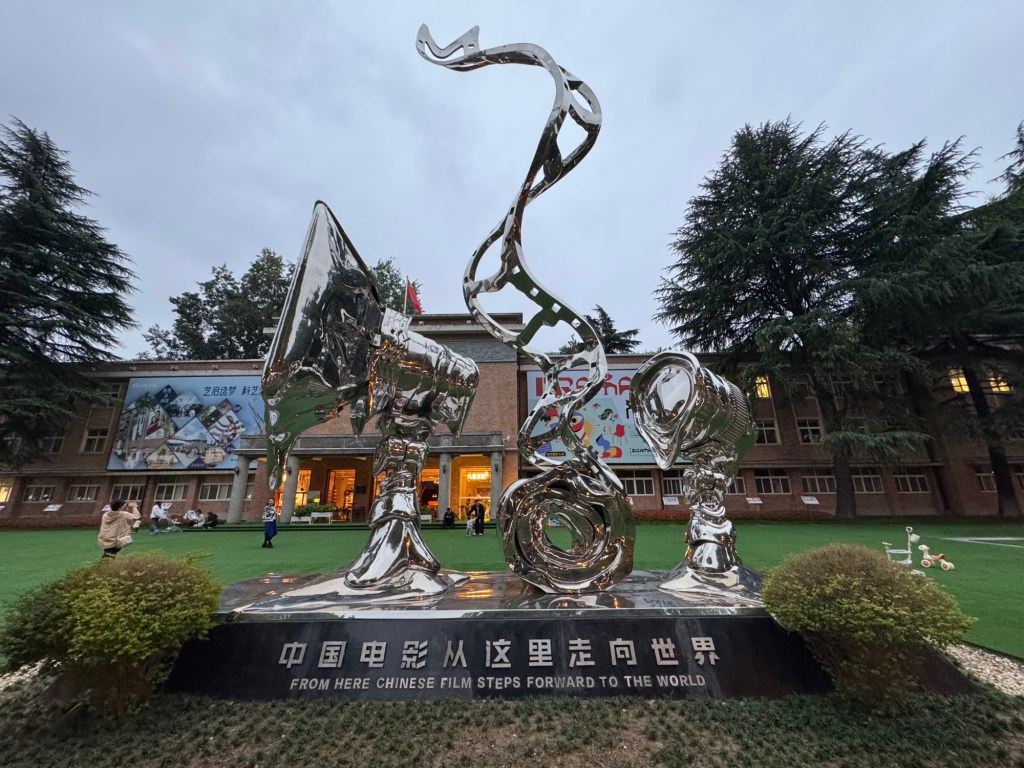
Near by we came across the Xian Film Studio where 張藝謀 (great director) first worked here.
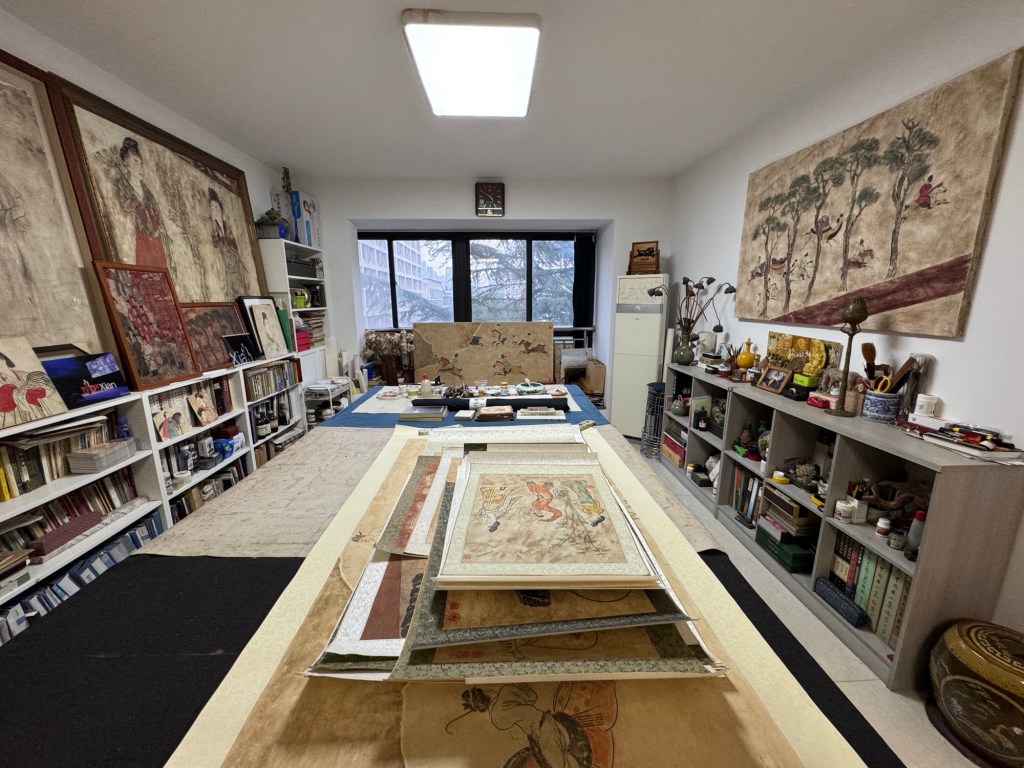
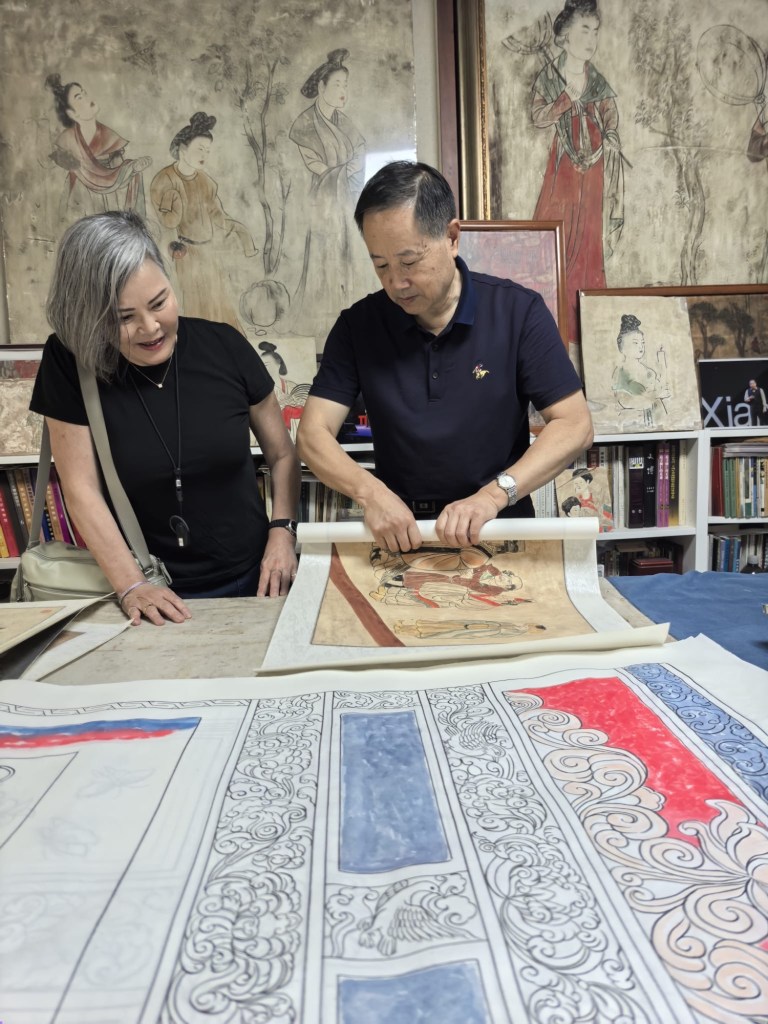
After lunch we went to Master Wang’s private studio in a local residential block, given to him after retirement. Some of us bought his paintings from the murals. A few museums have bought his paintings too
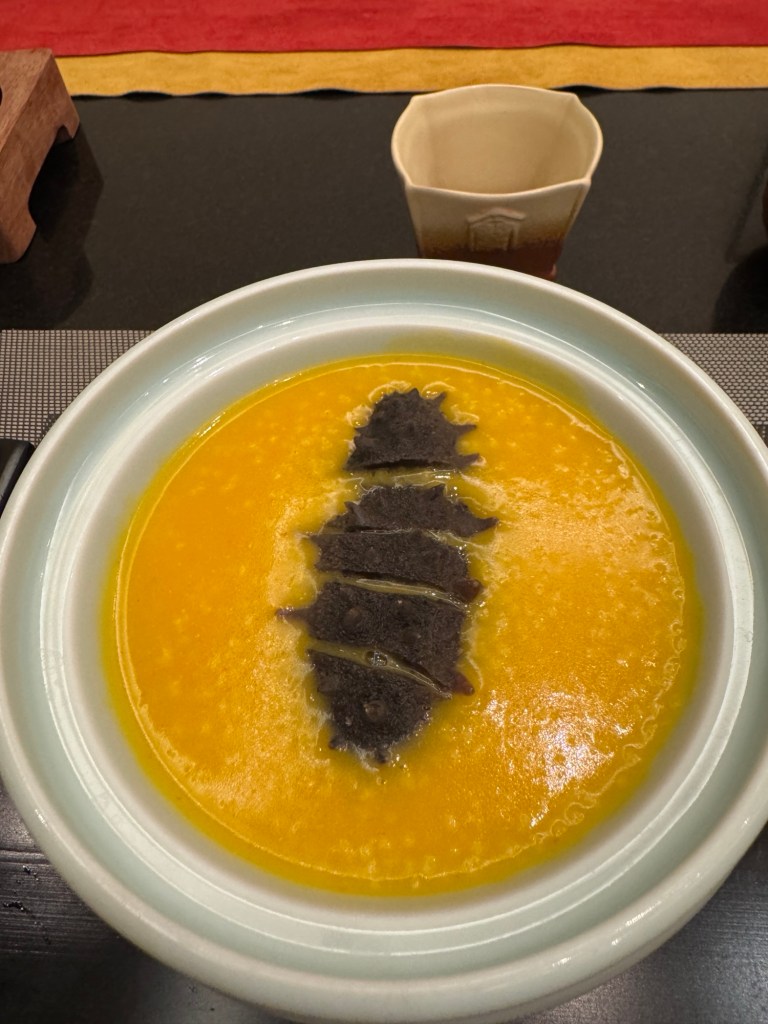
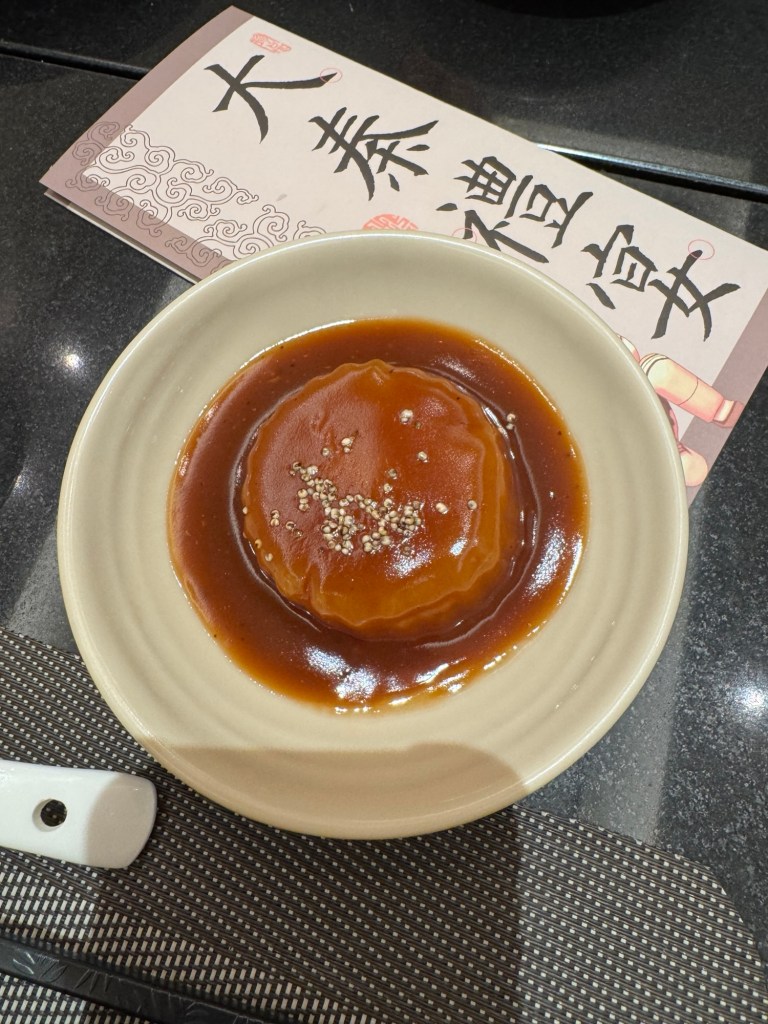
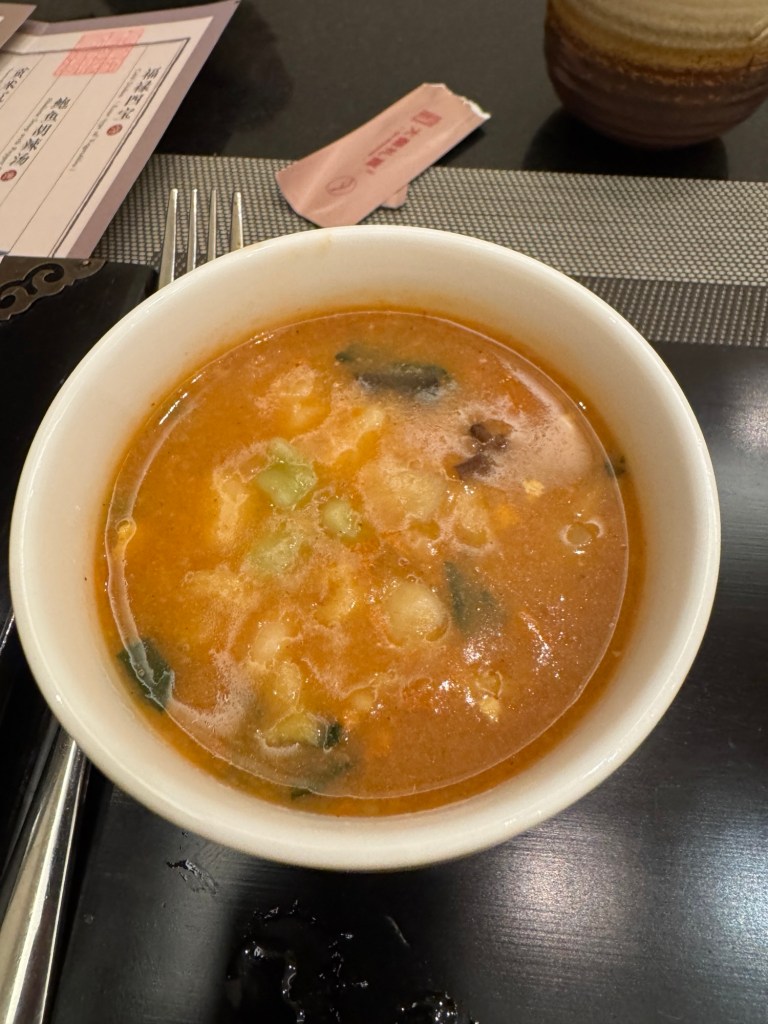
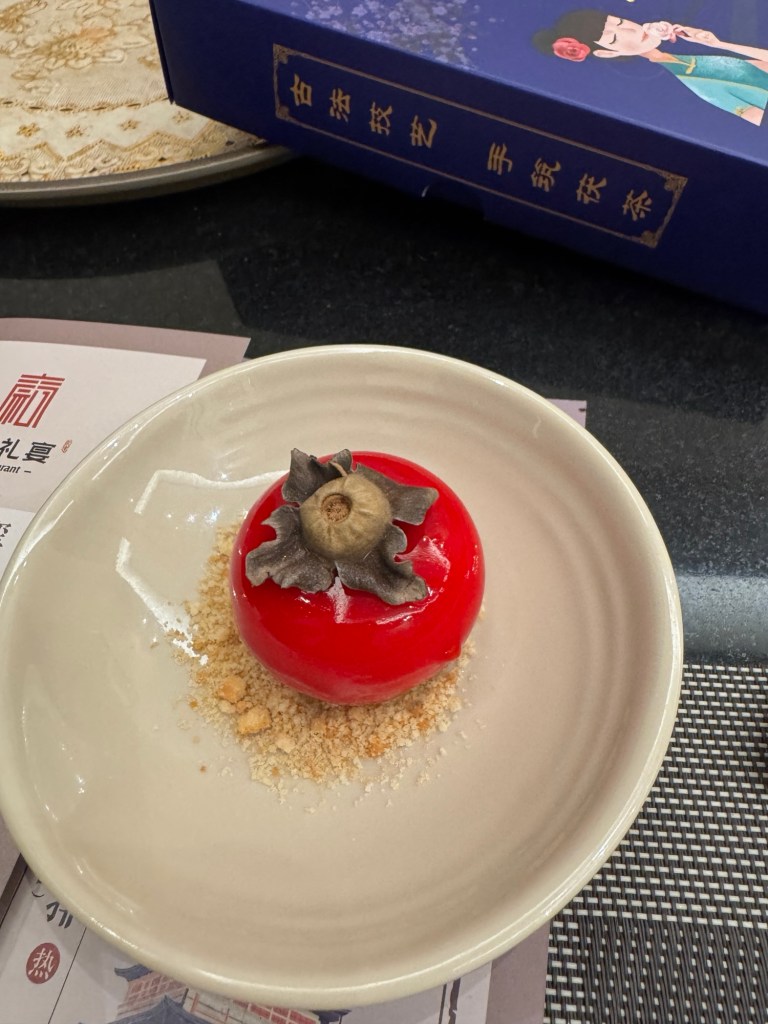
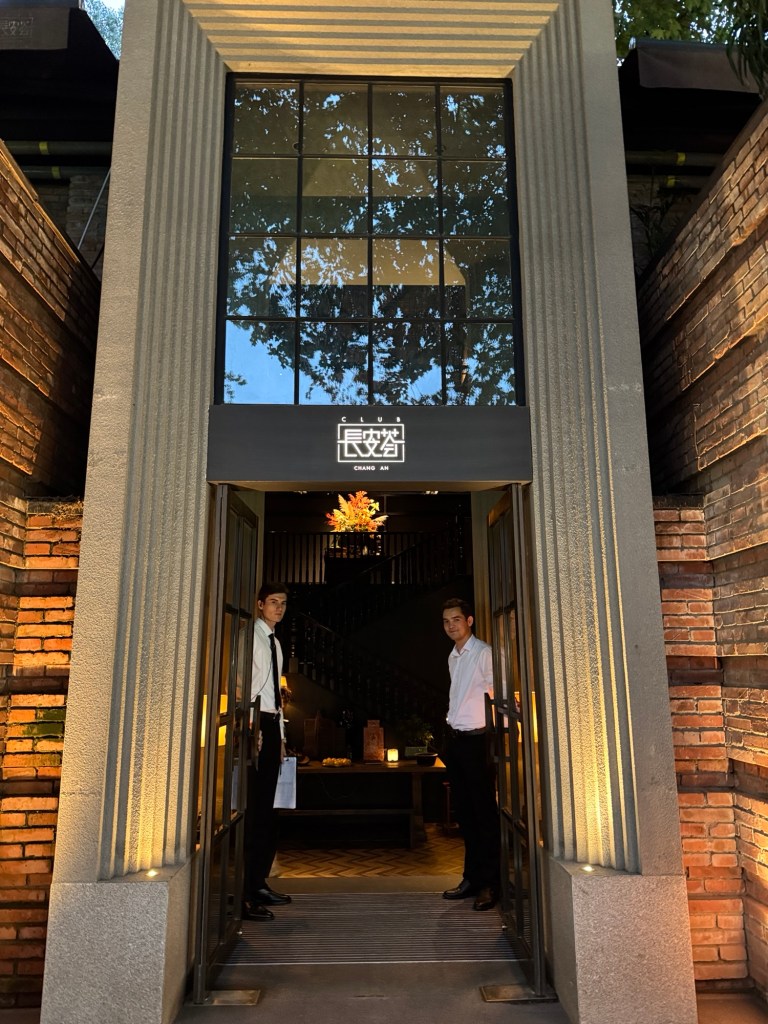
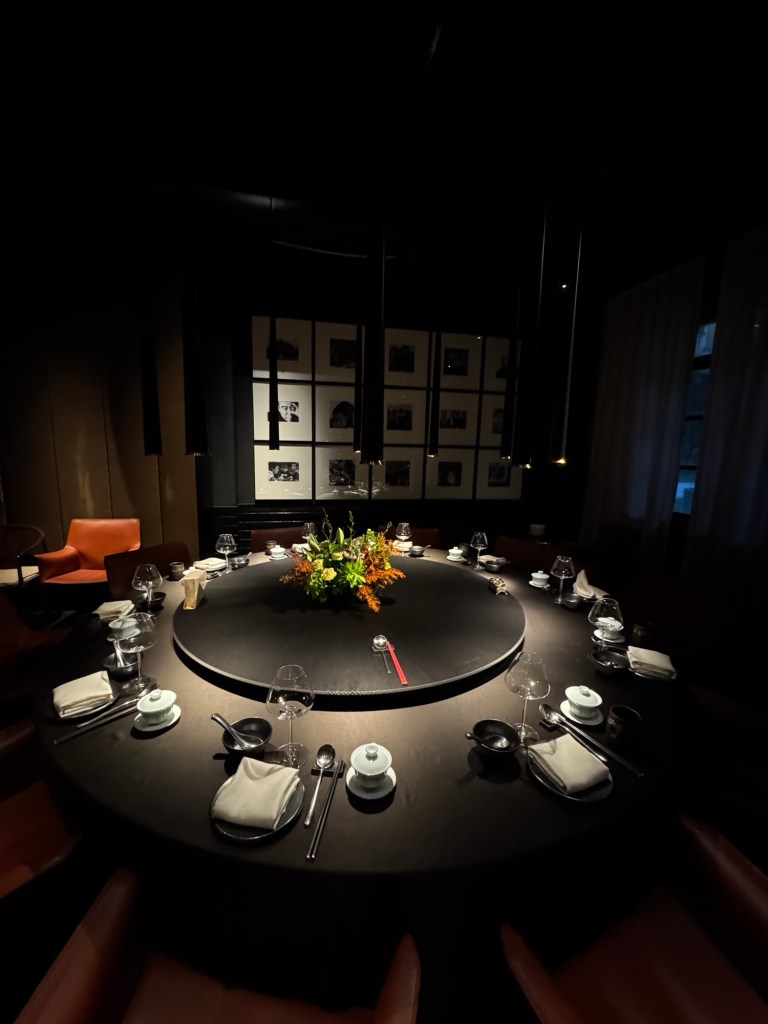
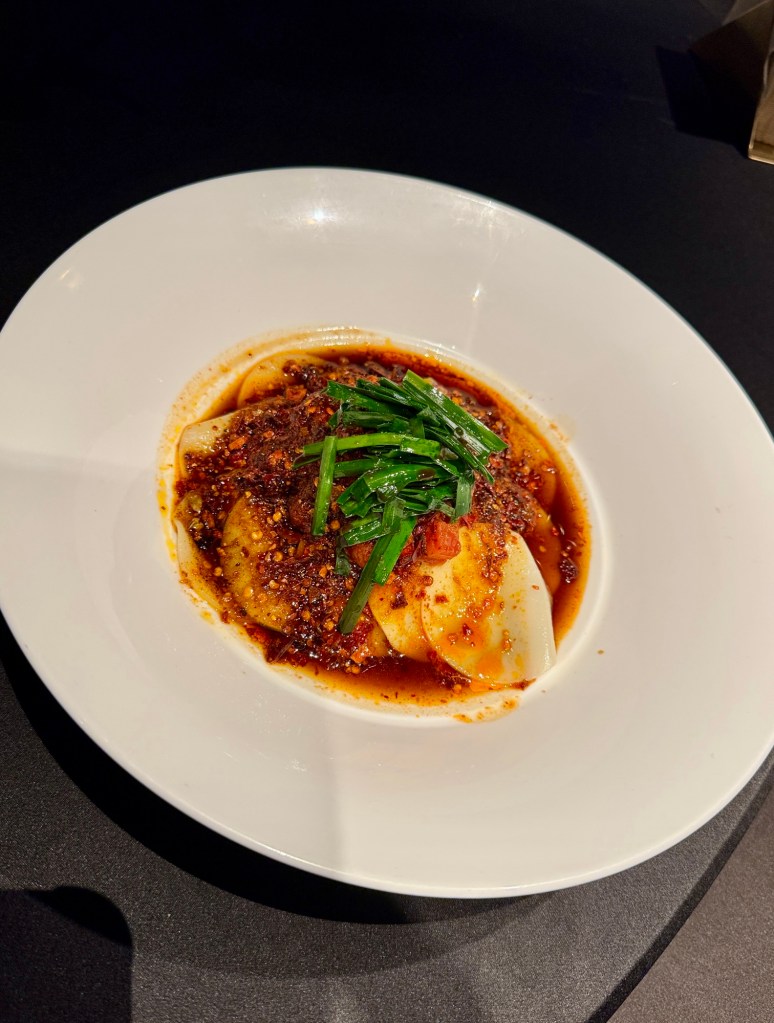
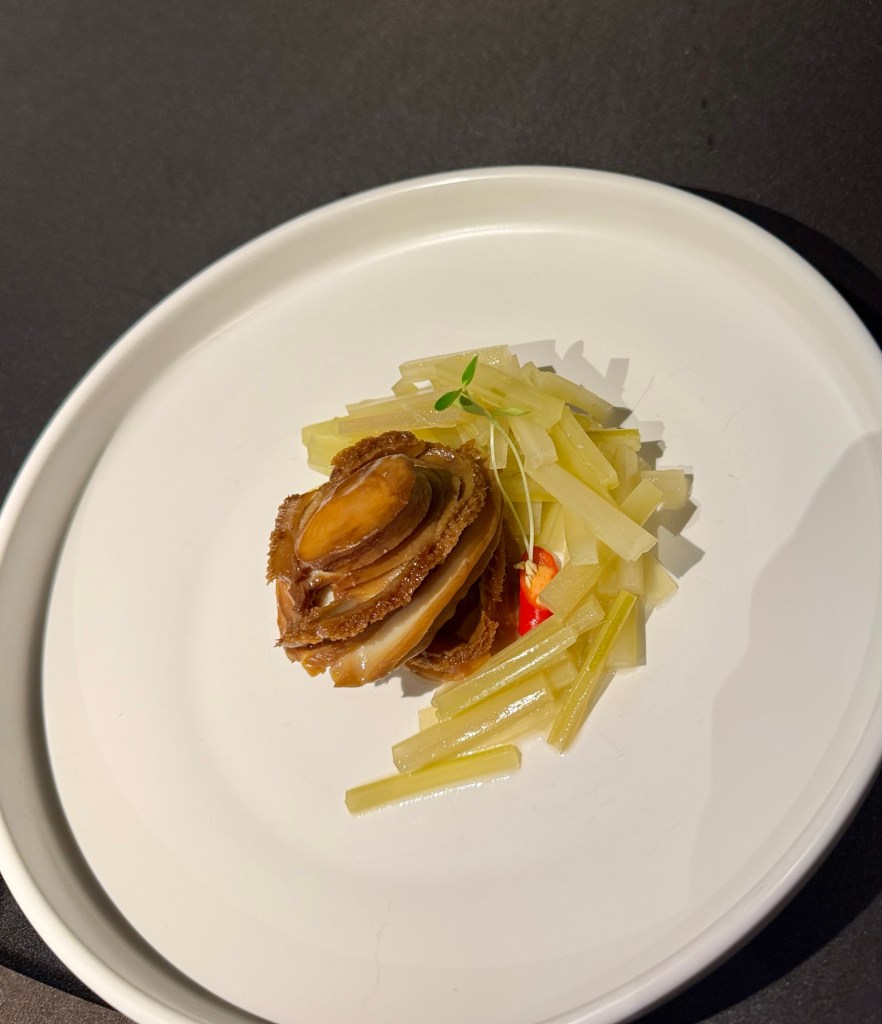
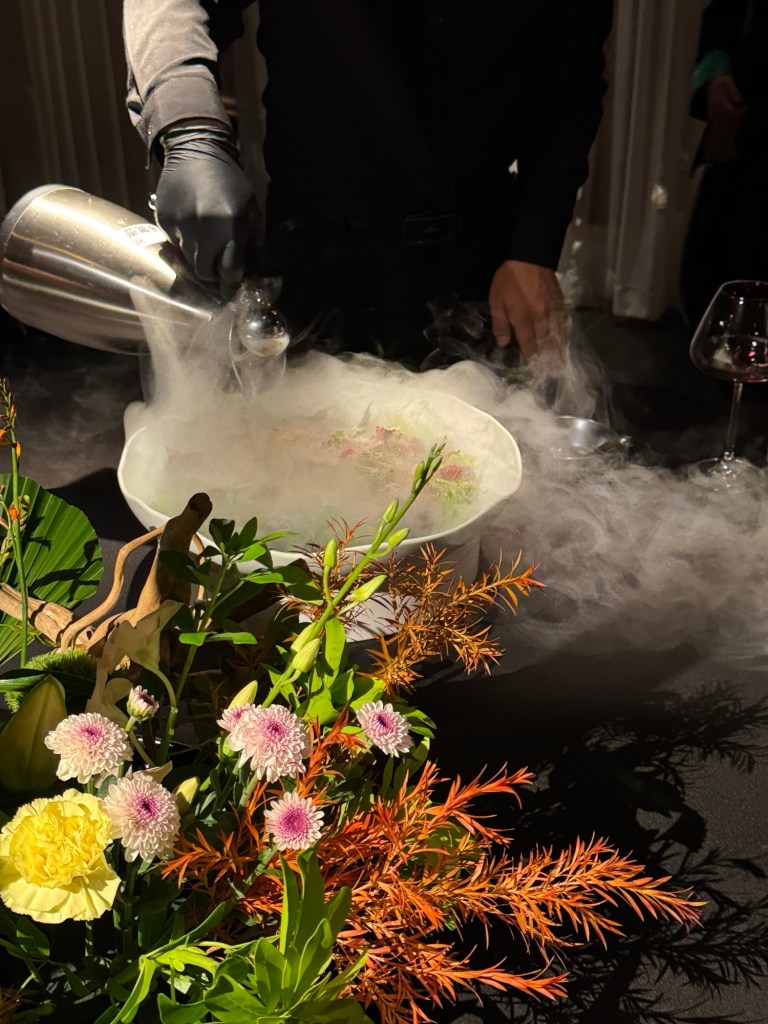
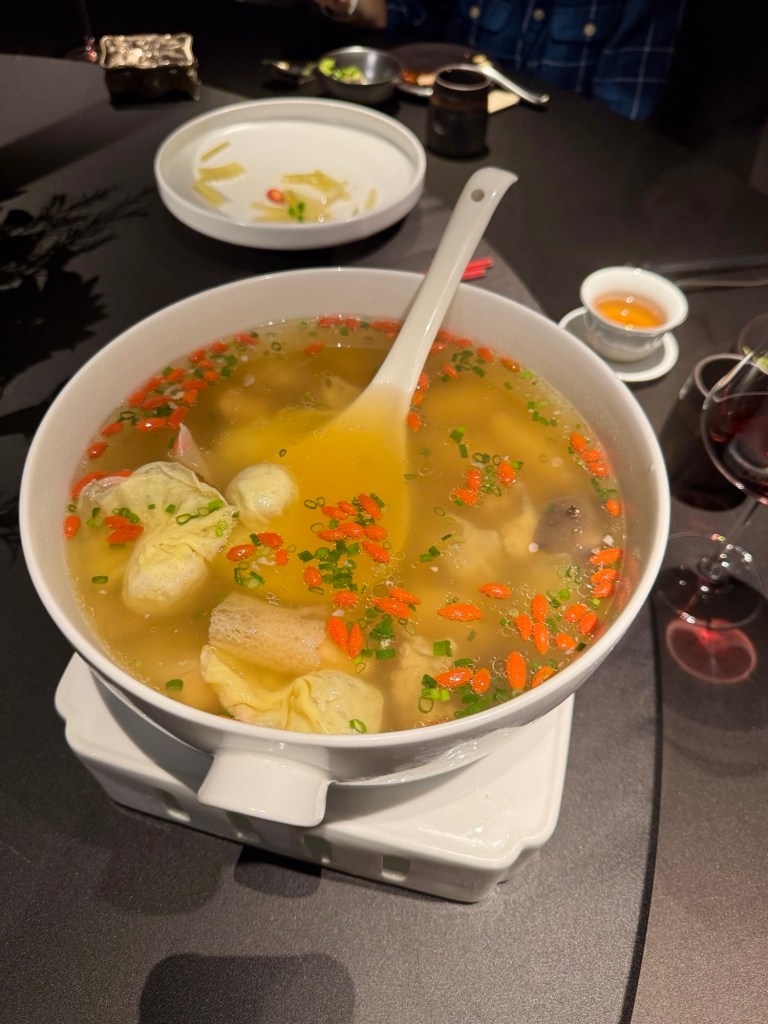
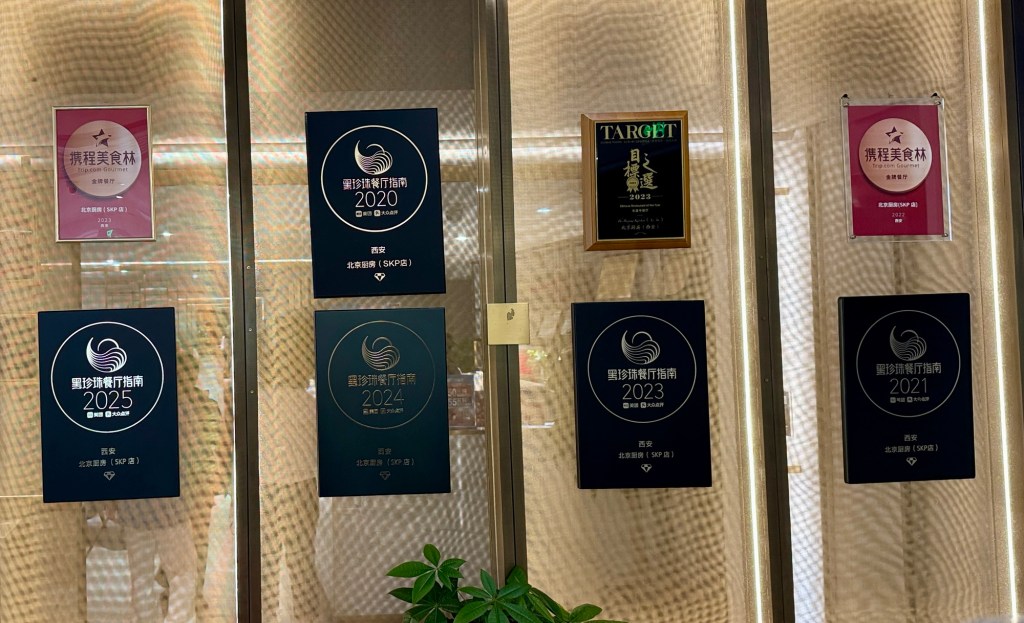
After a long day we have dinner in 長安薈,supposed to be a black pearl restaurant. In China black pearl is equivalent to Michelin Star. The presentation and the environment is good, but in the typical pleasing the 鬼佬 style (pleasing the foreigners). Food is just so so
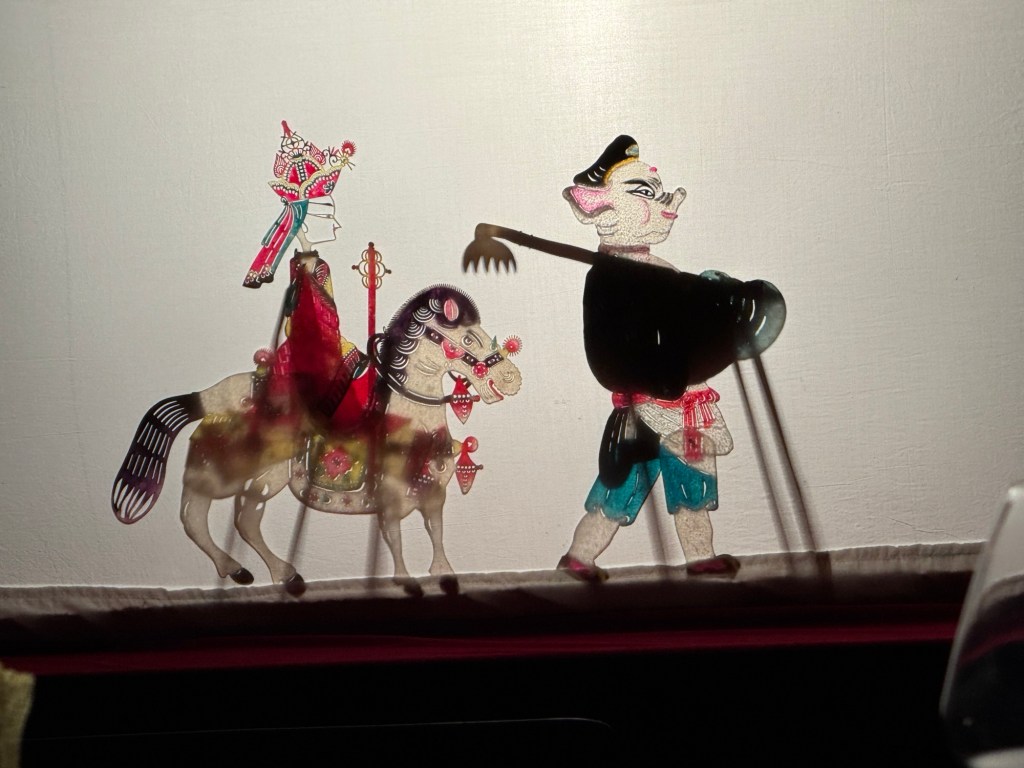
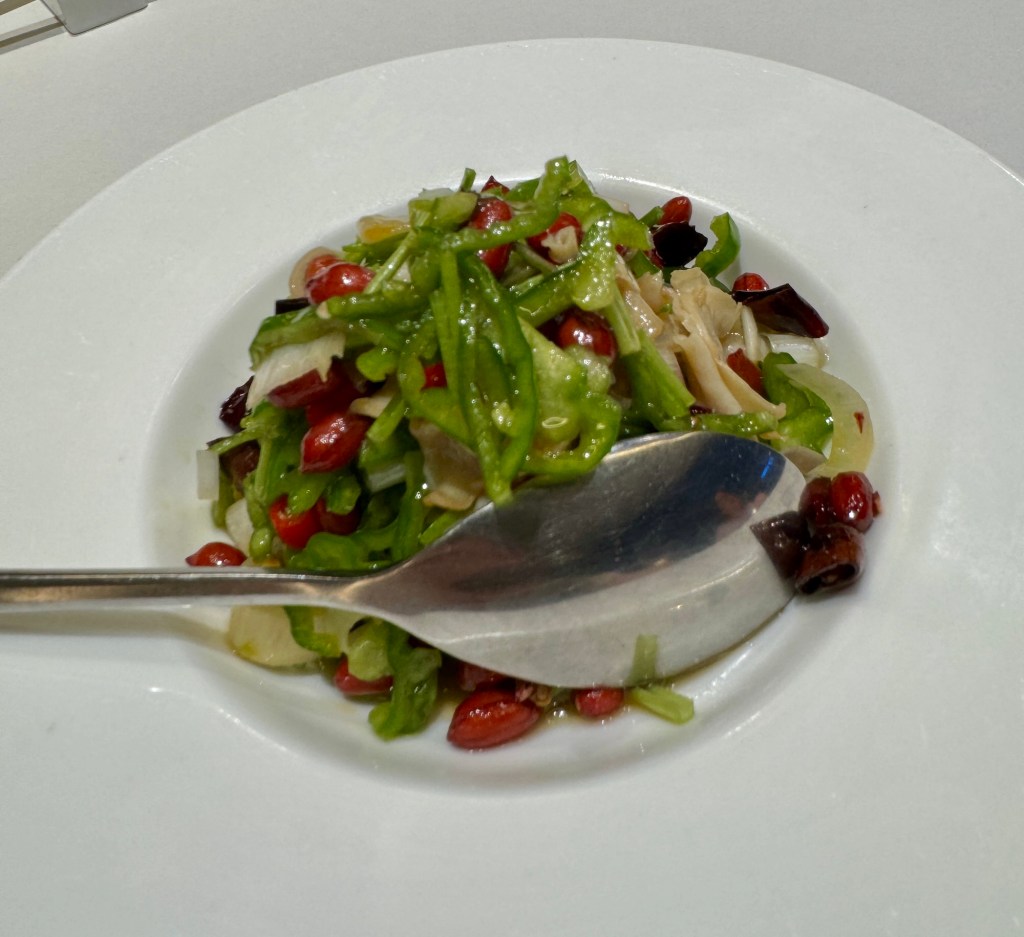
Before the meal we had a short performance of the local Shaanxi puppet show 皮影戲,孫悟空三打白骨精Pouring dry ice over salad and advised us to eat 5 minutes laterThe salad is nice but don’t see the necessity of adding dry ice The chief worked by our table, burning the candy floss over the beef rib, again merely for a showBut the rib was not tender at allThe waiter said it was longevity fish? Looked good but ….,,,
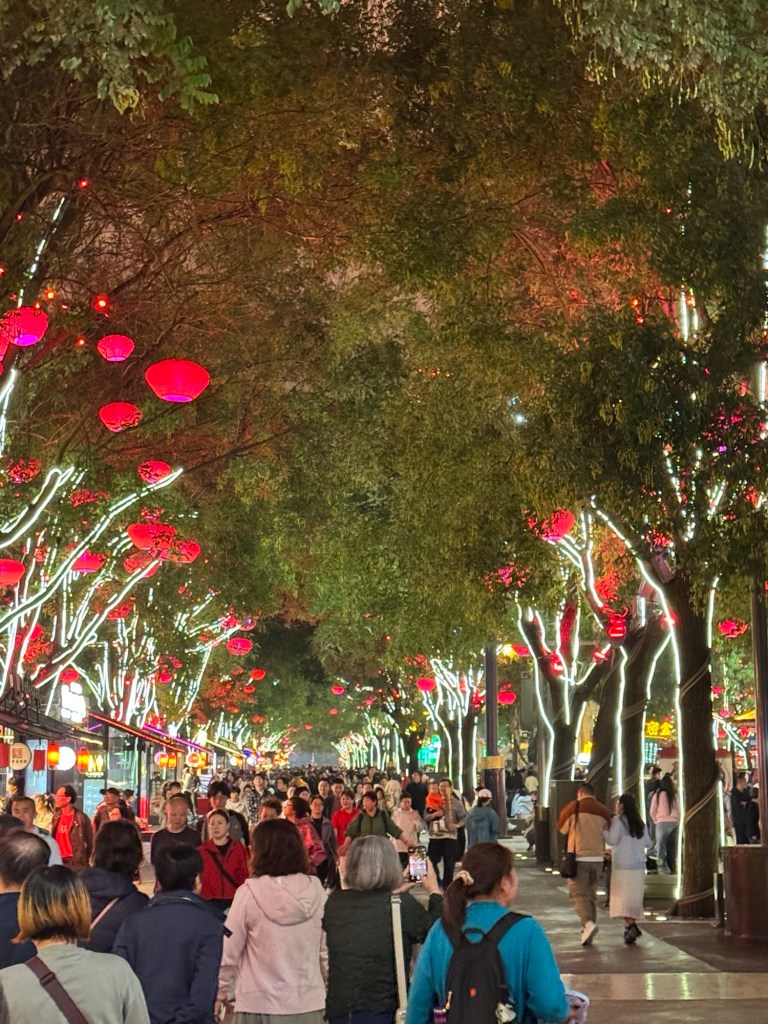
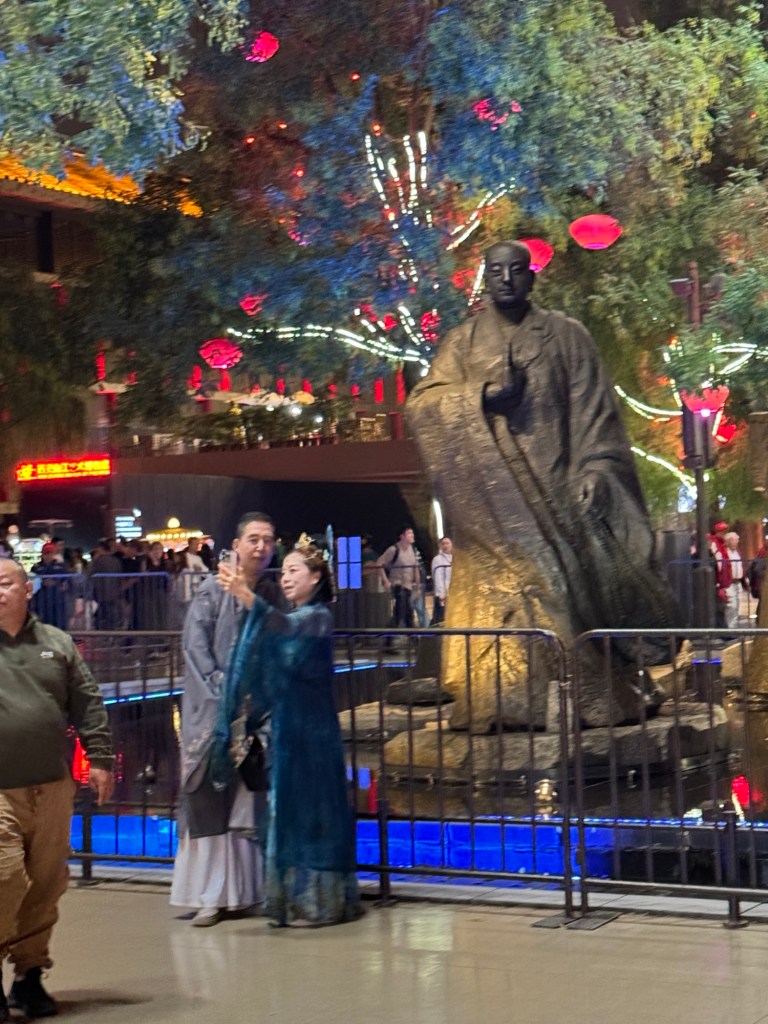
After dinner we went for a short walk in the 大唐不夜街,The Tang Vibrant Night Street. Some of us don’t like it but may be we were all tired. I found it quite interesting especially for a first visit. Seeing people boldly dressed up in Tang clothing and walked around is quite entertaining.
Night life is fading in many cities across the world after Covid but here is full of people, how amazing.
Then we checked in at the Ritz Carlton hotel. Our guide had already done everything for us and our luggage was already in our room, how nice. Ritz Carlton is good and sophisticated, nice.
Day 4 Saturday 27/9
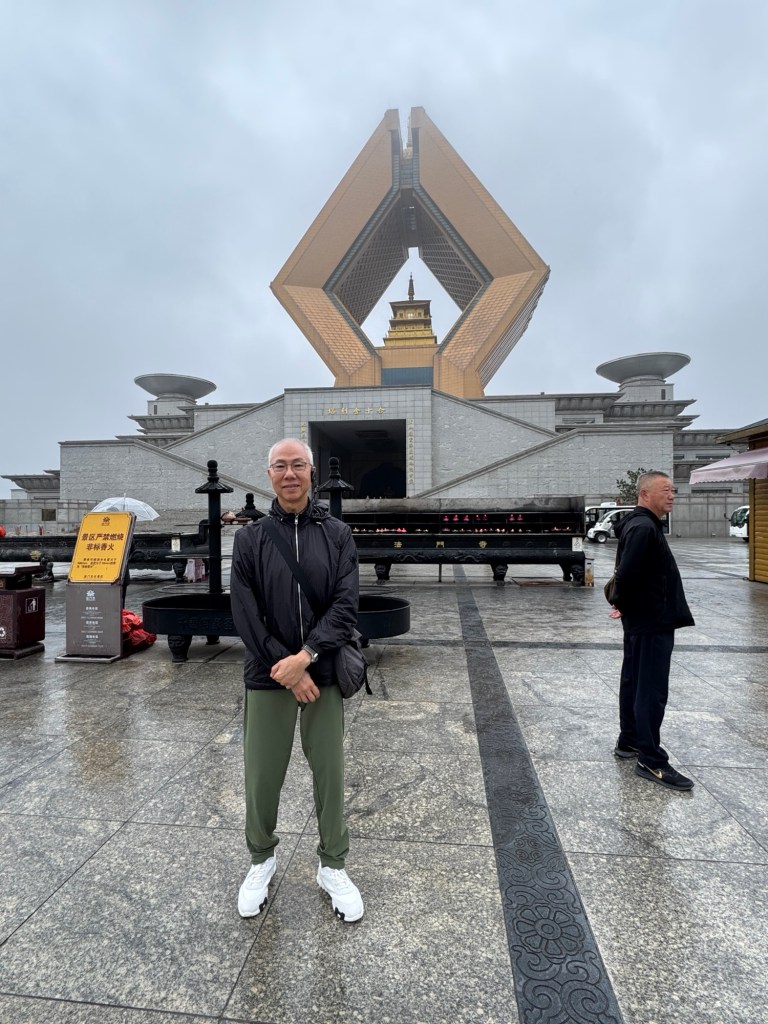
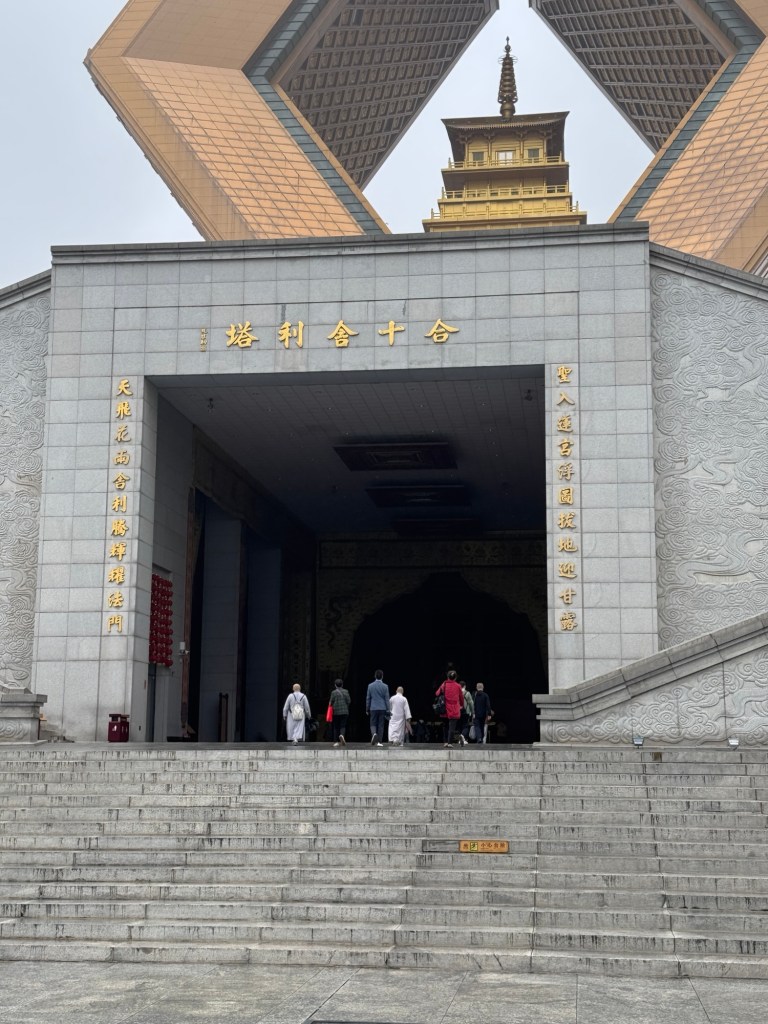
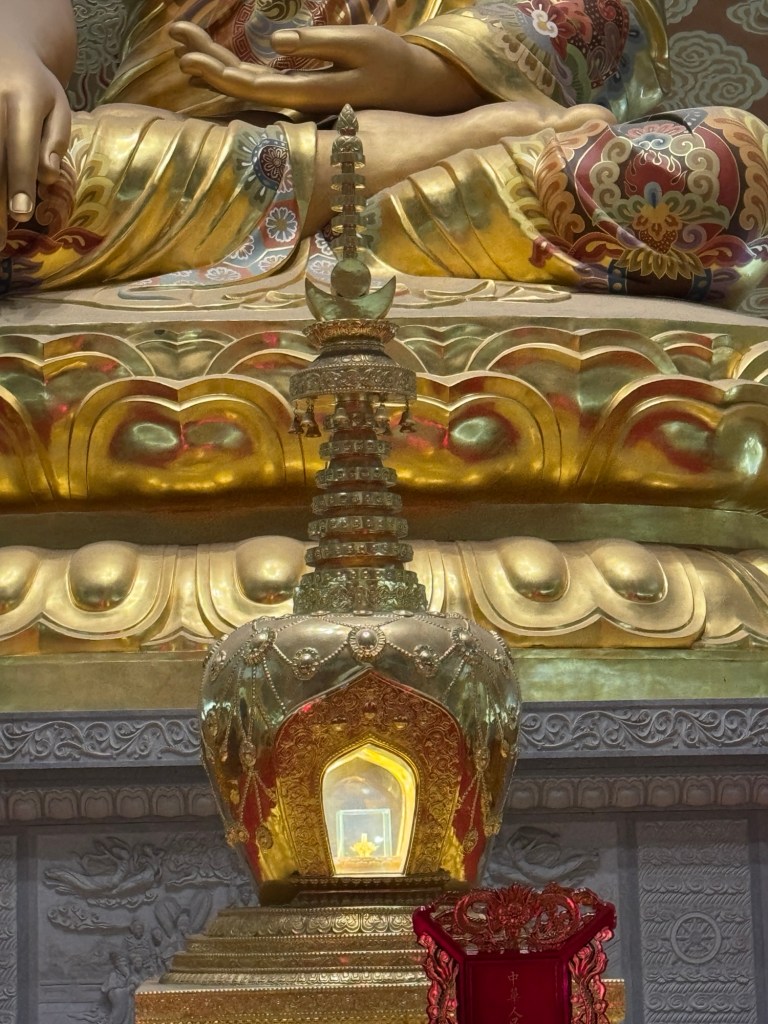
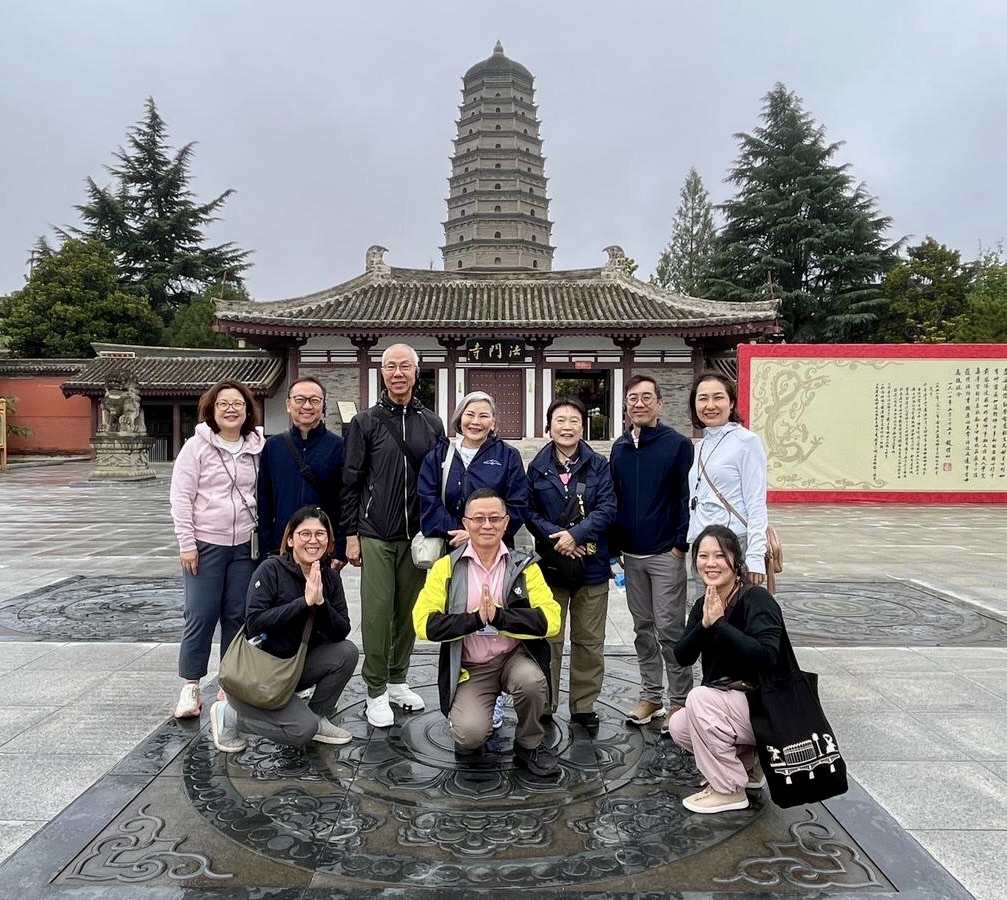
In the morning we went all the way to 寶雞 to see the Famen Temple 法門寺,or the temple for the gate of Dharma. Normally new temples is not my cup of tea. I have seen pictures of it and not impressed at all. However pictures cannot show the grandness and vastness of Famen Temple. I was in awe when I saw it. It is huge but its simplicity is impressive, not as jarring as in the photos. The bone relic 舍利 of a hand bone from Shakyamuni was shown up that day so wewere lucky. The bone relic will not be on display on first and fifteenth of the lunar month plus other Buddhist festivals.
This signifies the palms together preying posture 合什 so it is called 合什舍利塔舍利塔 Bone relic pagodaThere are 3 types of 舍利: 真身舍利 real bone relics which includes unburnt pieces of bone, like this hand bone and crystals formed after cremation (some people thought this is the only bone relics) . 影舍利 shadow bone relics, usually referred to jewellery. In Famen Temple one replica of the hand bone made with jade looks exactly like the real one. Because the real bone relics are too precious so sometimes they use substitute for worship. 法身舍利 Dharma bone relics. They use sutra 佛經 to to represent bone relics. The reason for using shadow and Dharma bone relics is a practical issue. Pagoda is a tomb in Buddhism so have to put something to be burrowed.When people build more and more pagoda, obviously there are not enough real bone relics to burrow so they use jewellery and sutra.
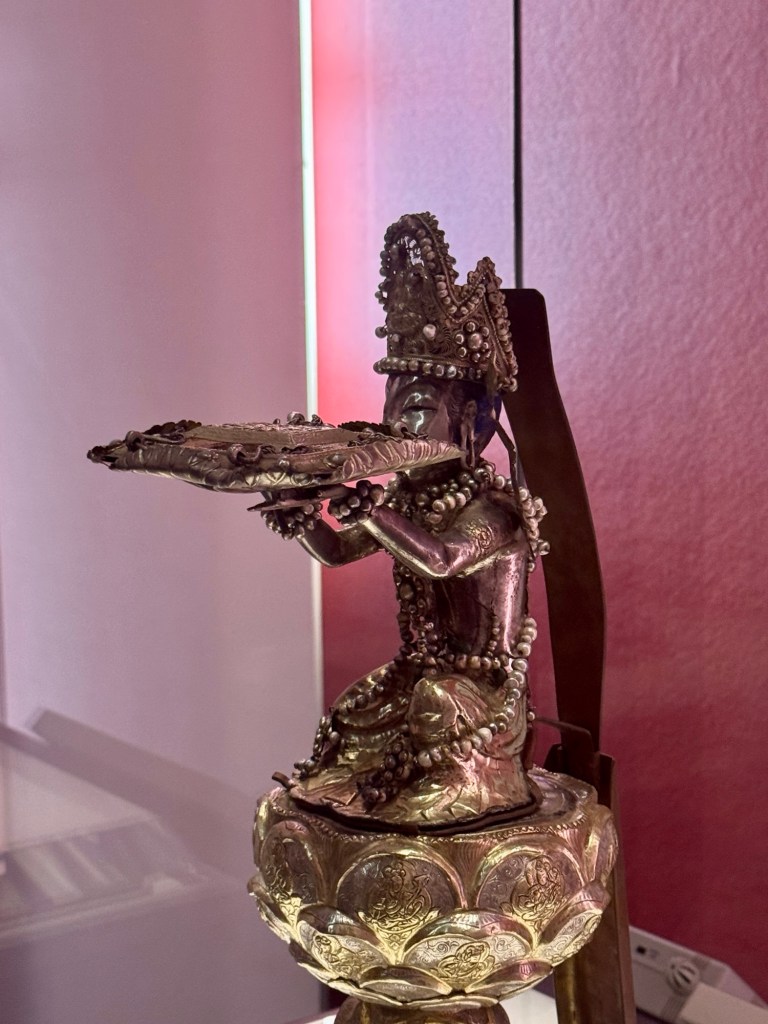
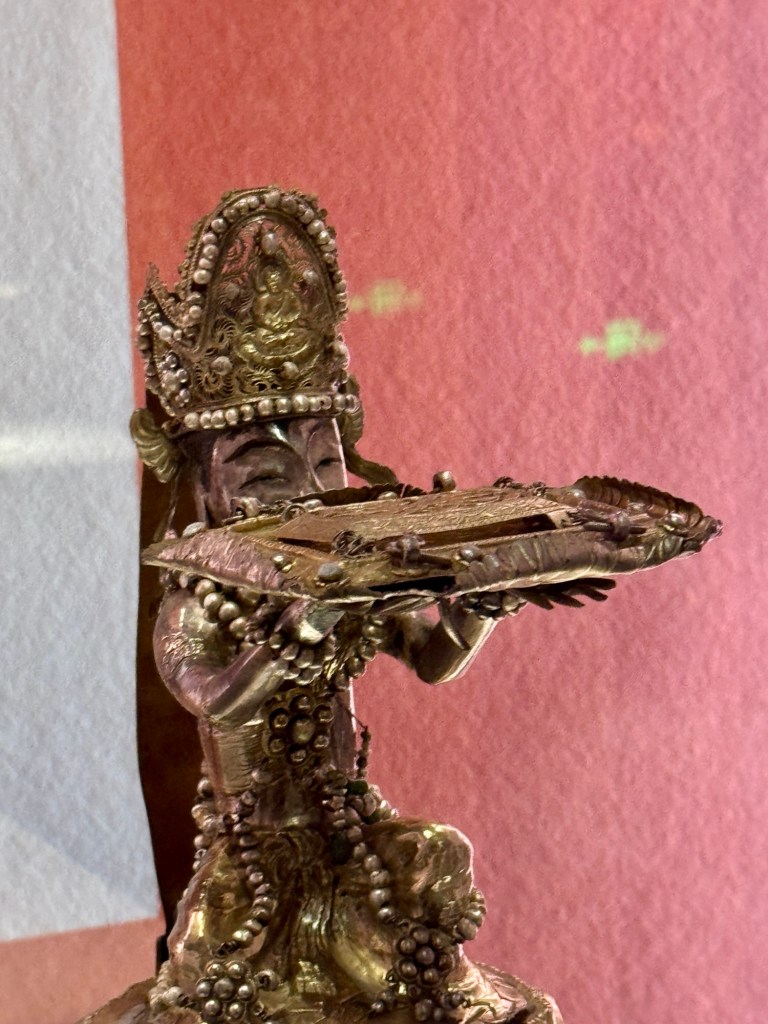
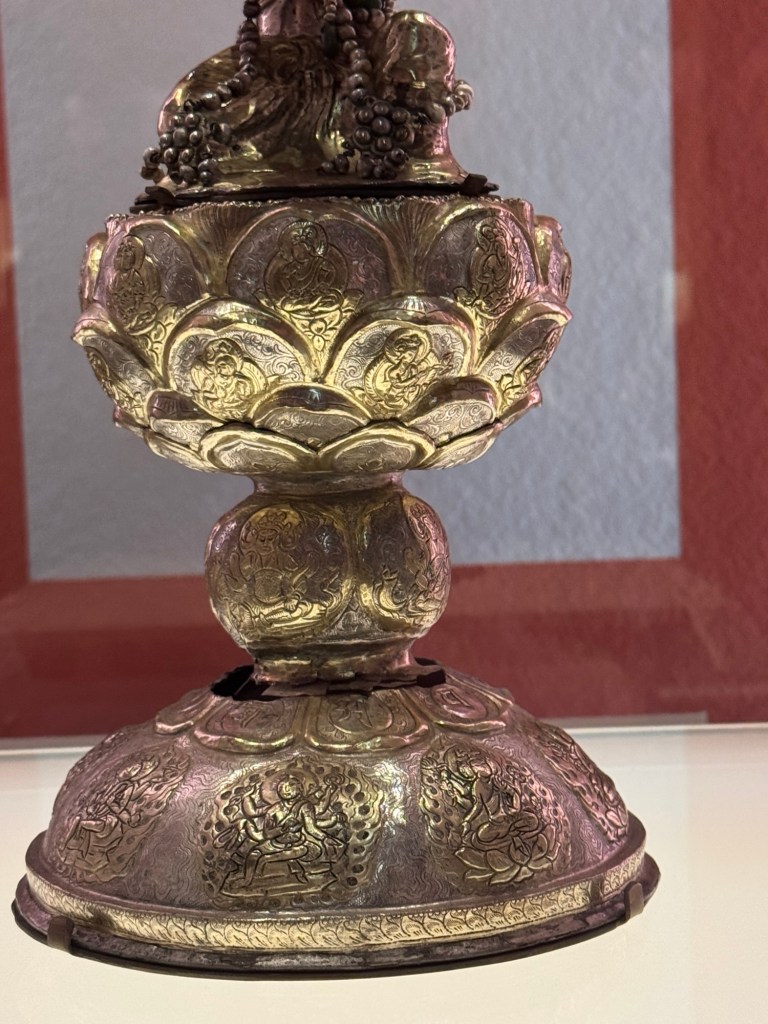
Then we visited the museum but disappointingly the several 舍利函were not displayed. 舍利函 is a series of boxes for the bone relics. All are extravagantly carved and can be gold, silver, ivory or glass etc. Anyway we were lucky too to saw a good one – the gilded silver Budhisattva holding the real bone relics.
Each lotus leaf is well decorated
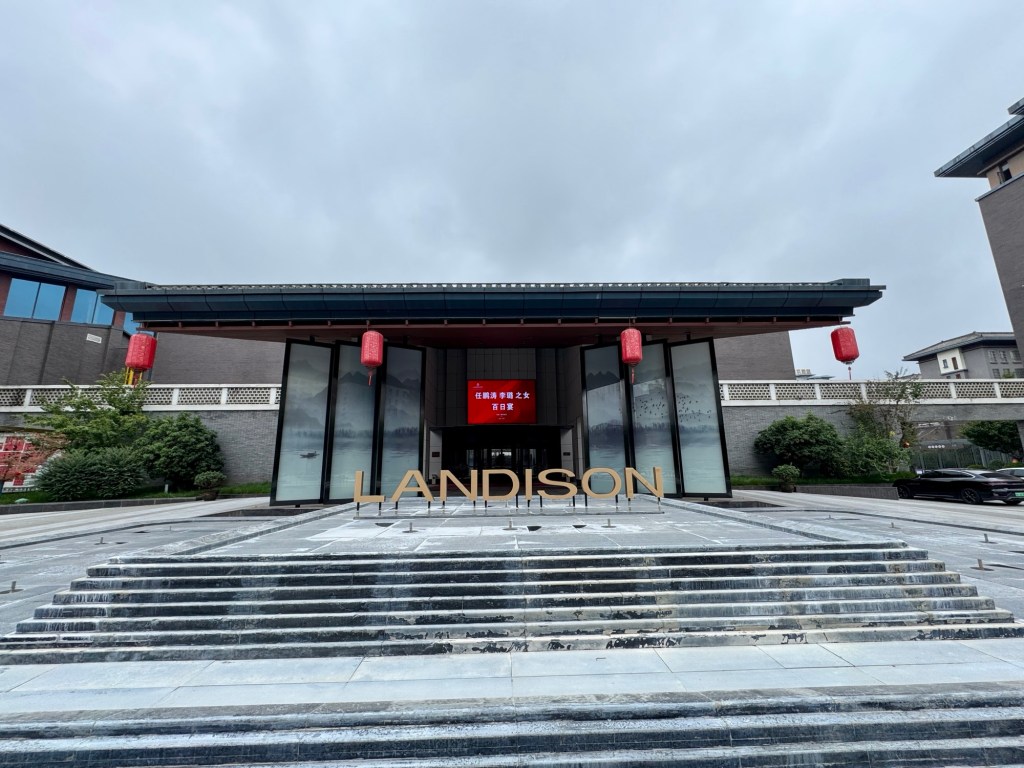
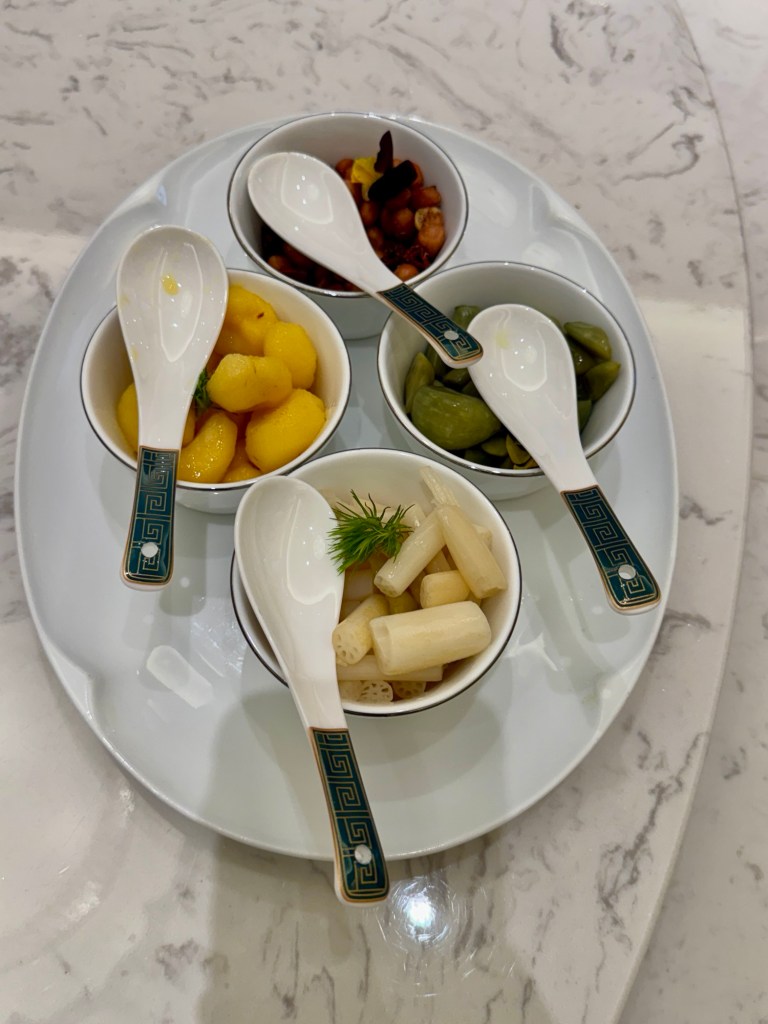
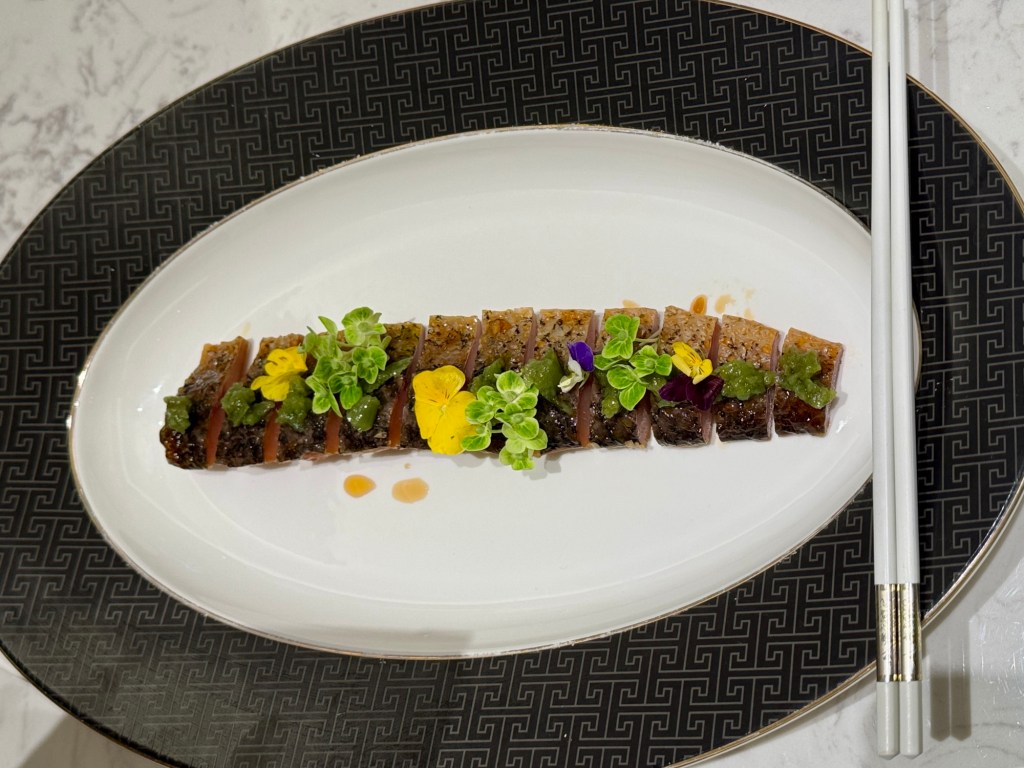
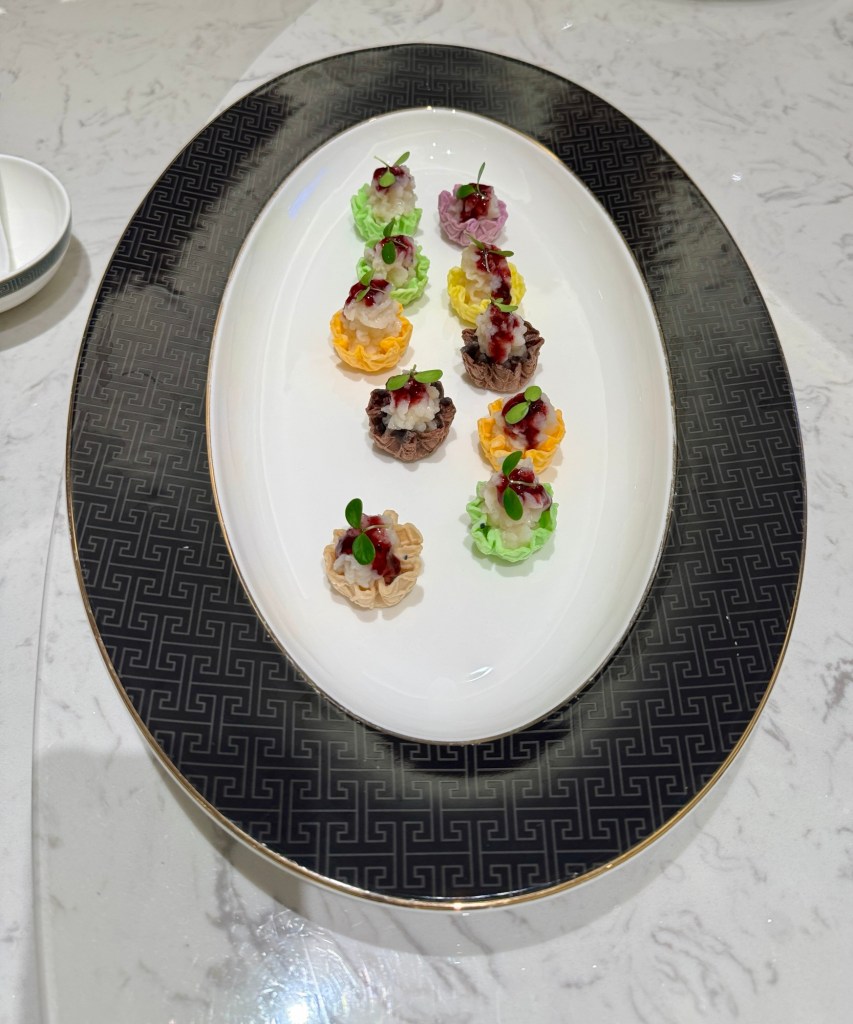
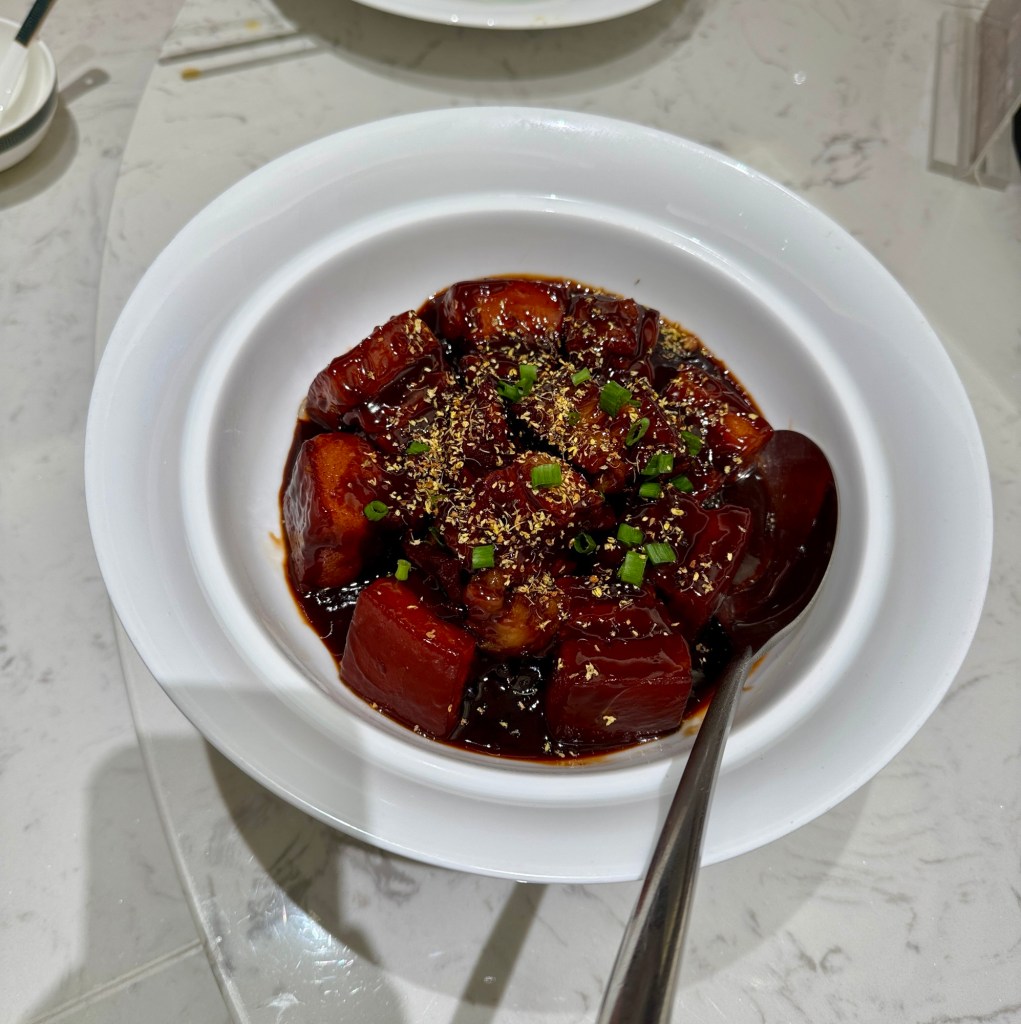
We went to a good restaurant for lunch at the Landison Hot Spring Hotel where some celebrities have come before. Food is good and better than the black pearl last night
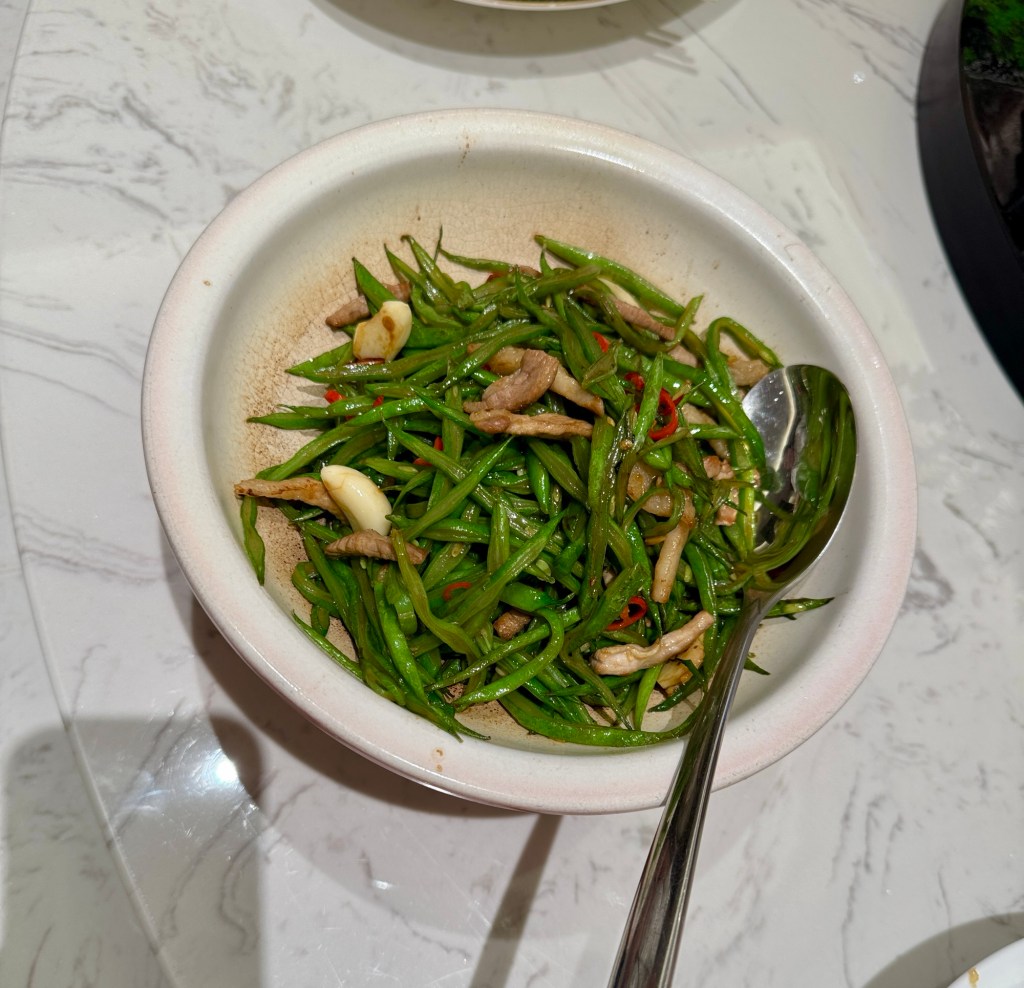
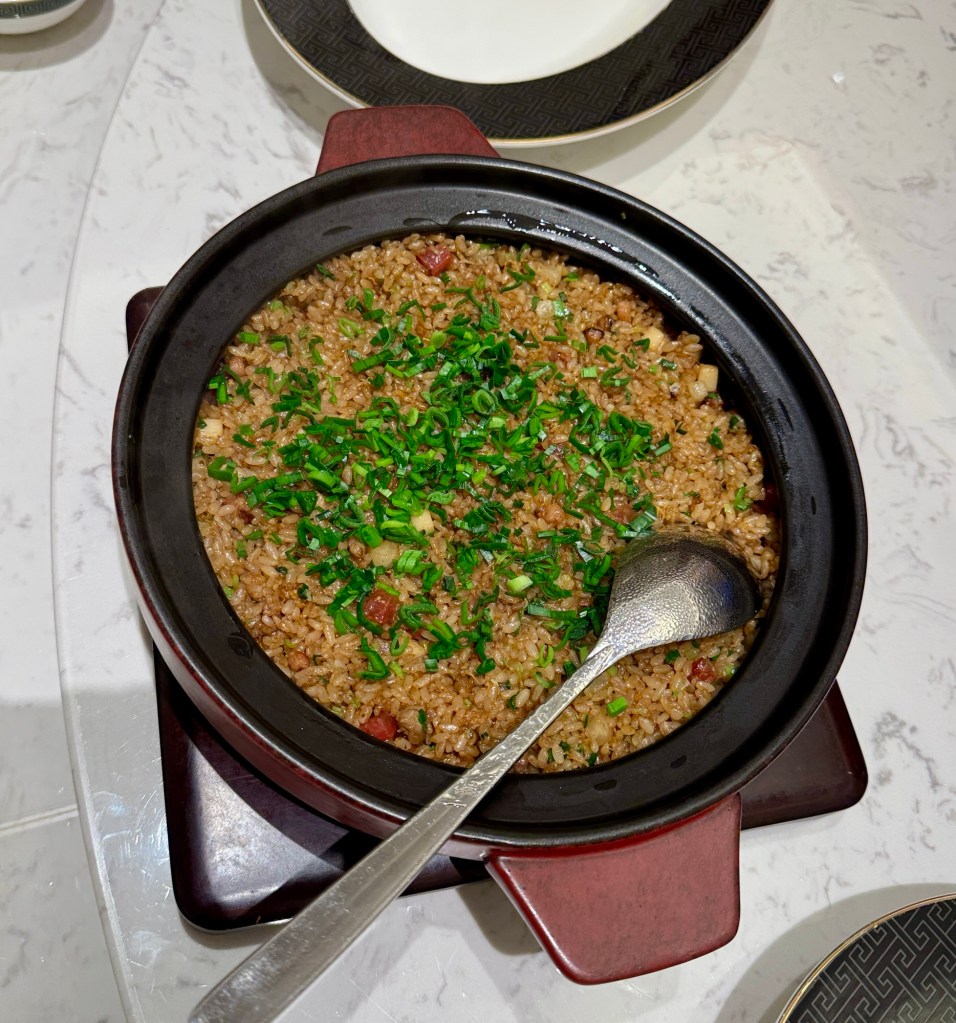
This pork 紅燒肉 is so good that we manado finish it all
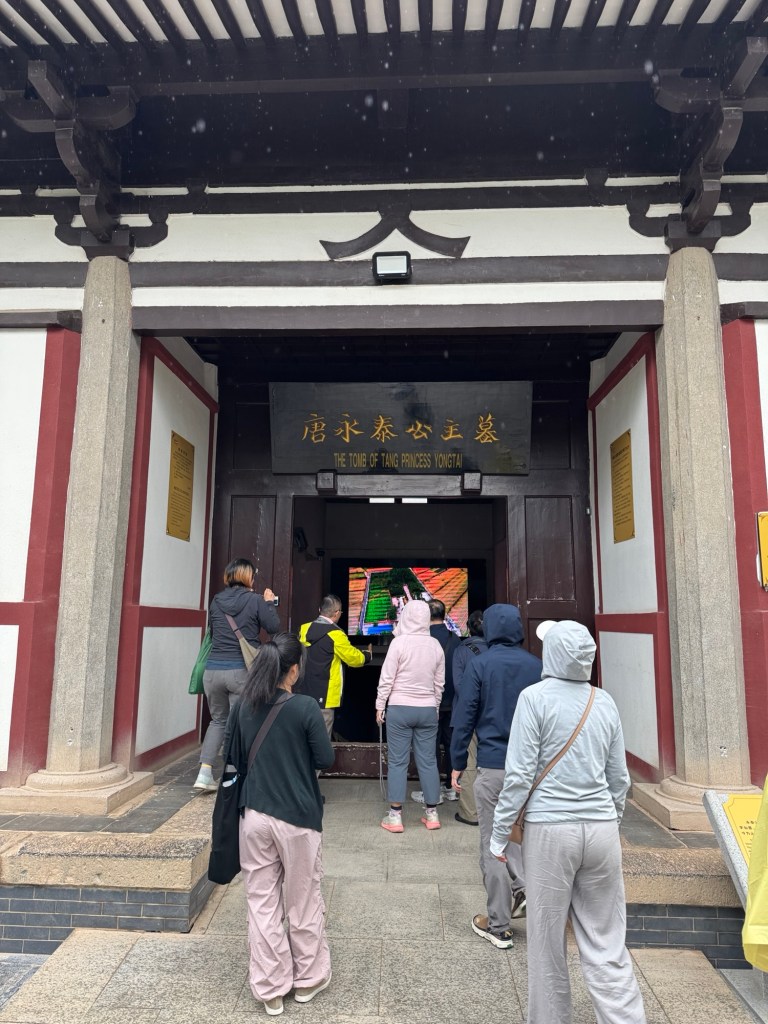
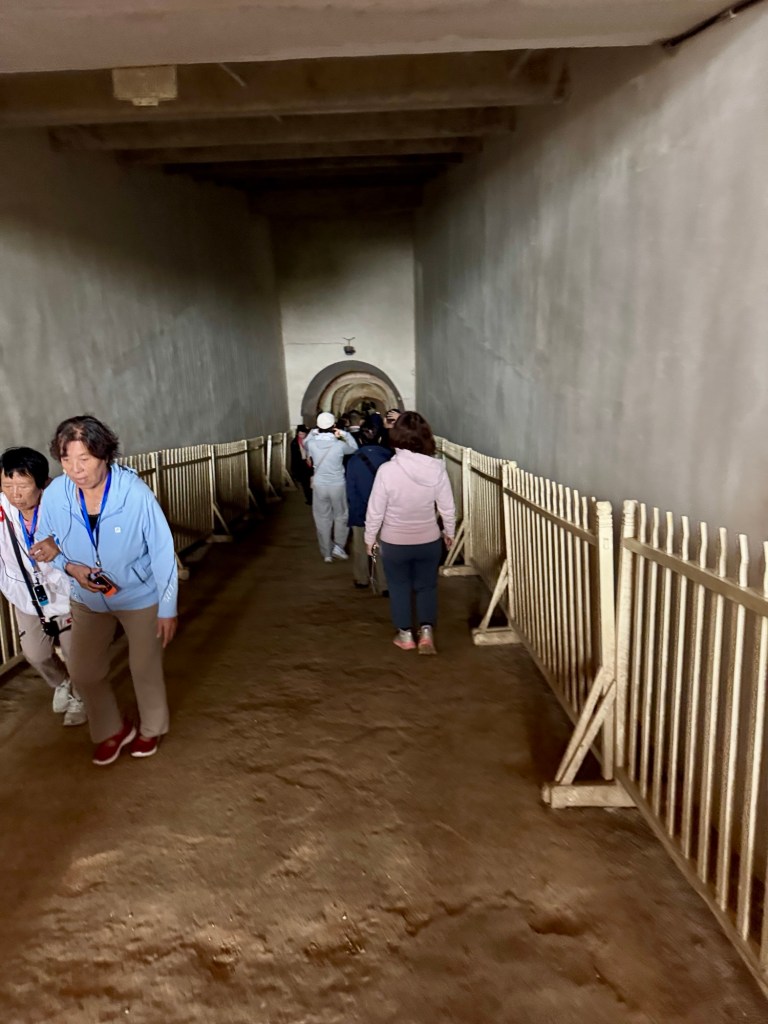
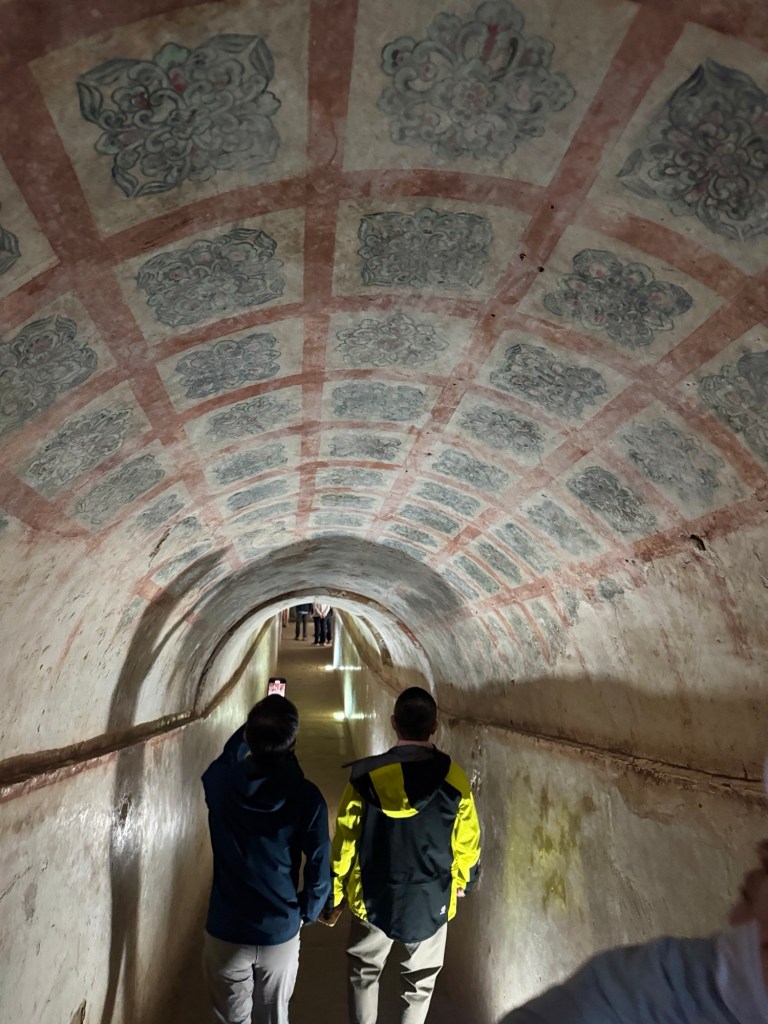
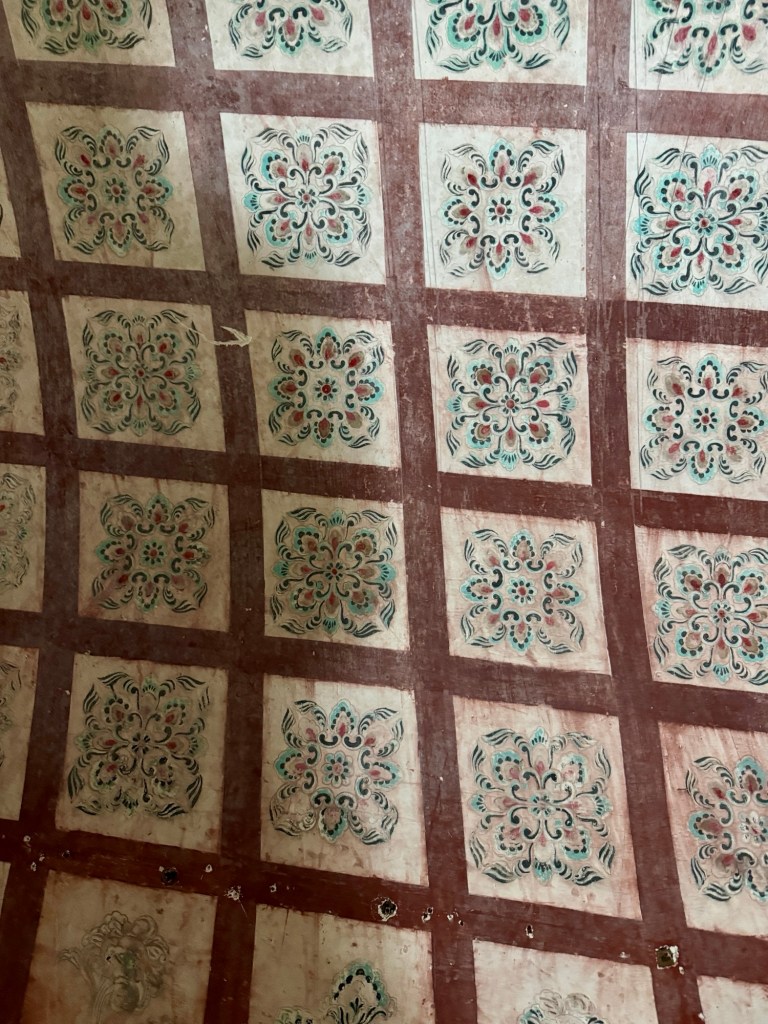
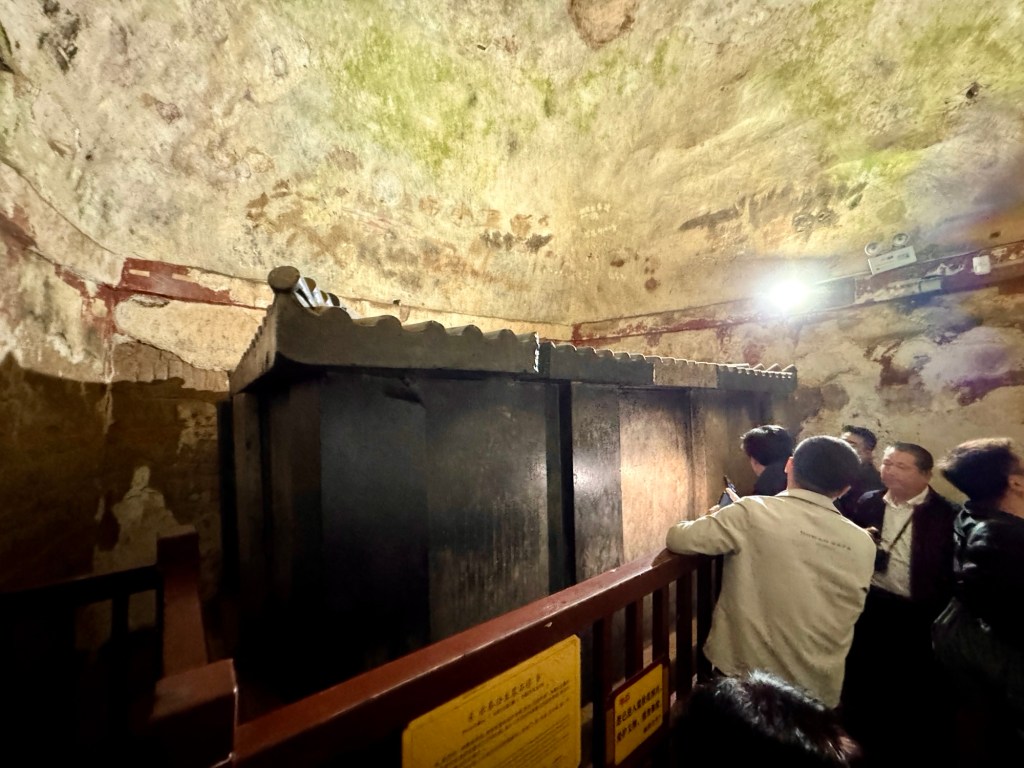
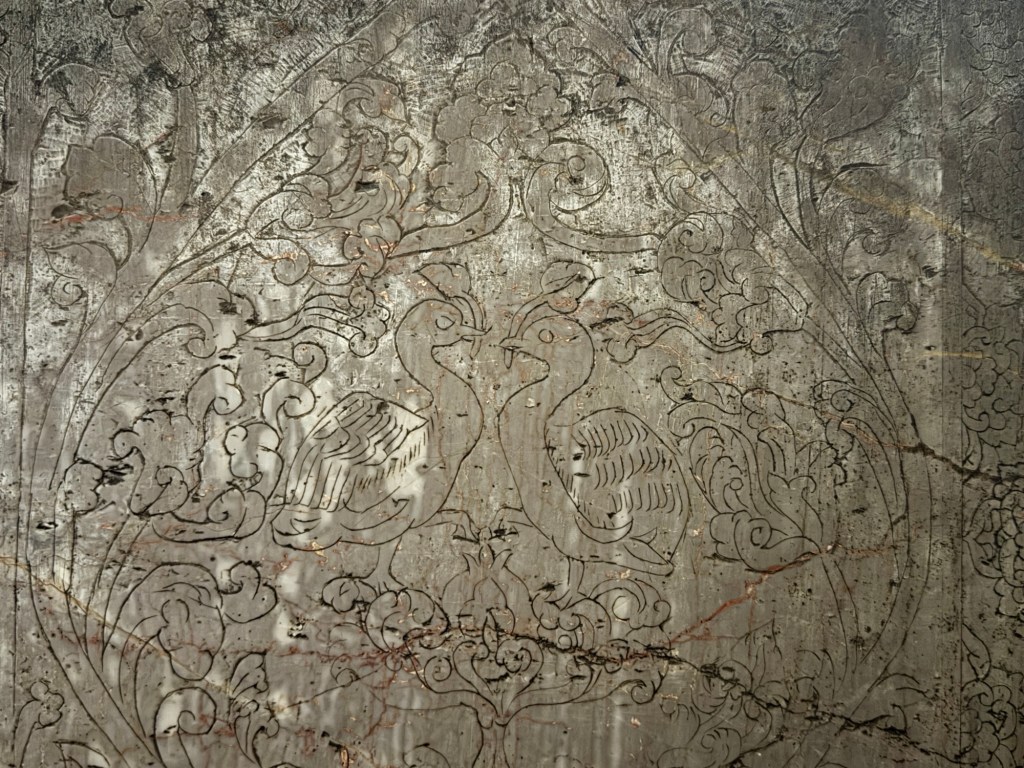
After lunch we went to the 乾堎 complex where there were several tombs. Our bus was not allowed and we had to use the bus of the site. First we went to 永泰公主墓,tomb of Princess Yongtai. Nearly all murals were removed and placed in the museum. The stone coffin and a little mural were left here
Although all murals are gone but is still useful to walk down to the tomb to appreciate the actual shape and size of the tombThis sketch is from another grave but similar to the Yongytai Princess grave above. The picture showed that we were walking down the slanting road into the grave before reaching the series of patios 天井 These are original murals not removed The stone coffin Fine carving 陰刻 on the stone coffin
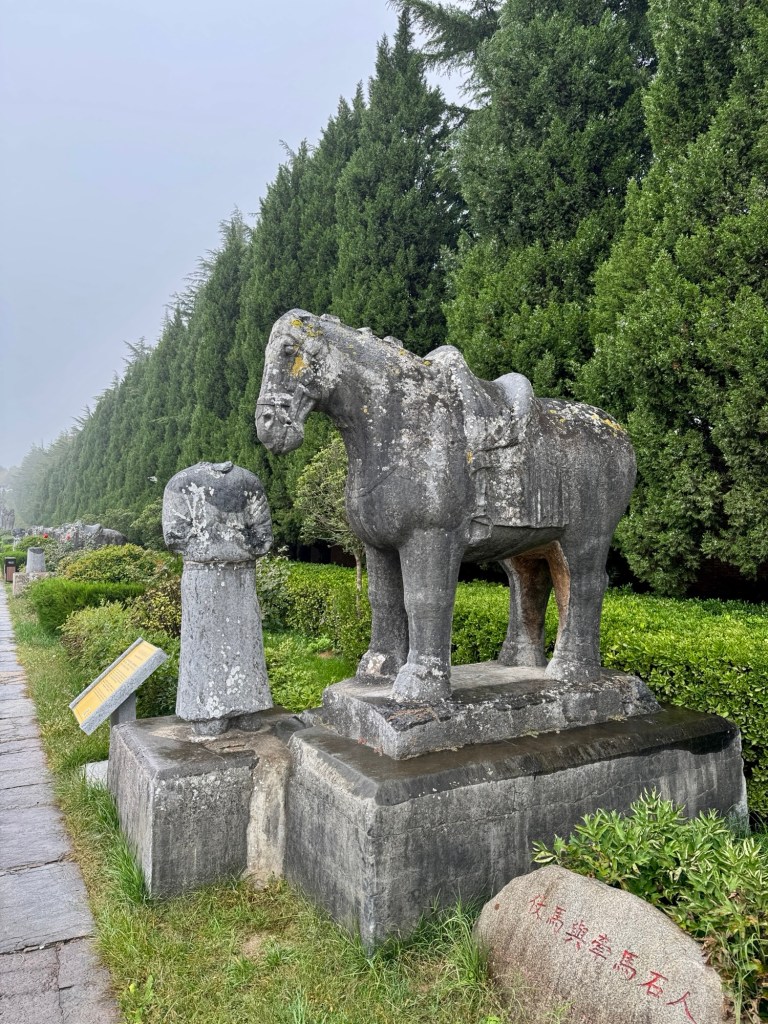
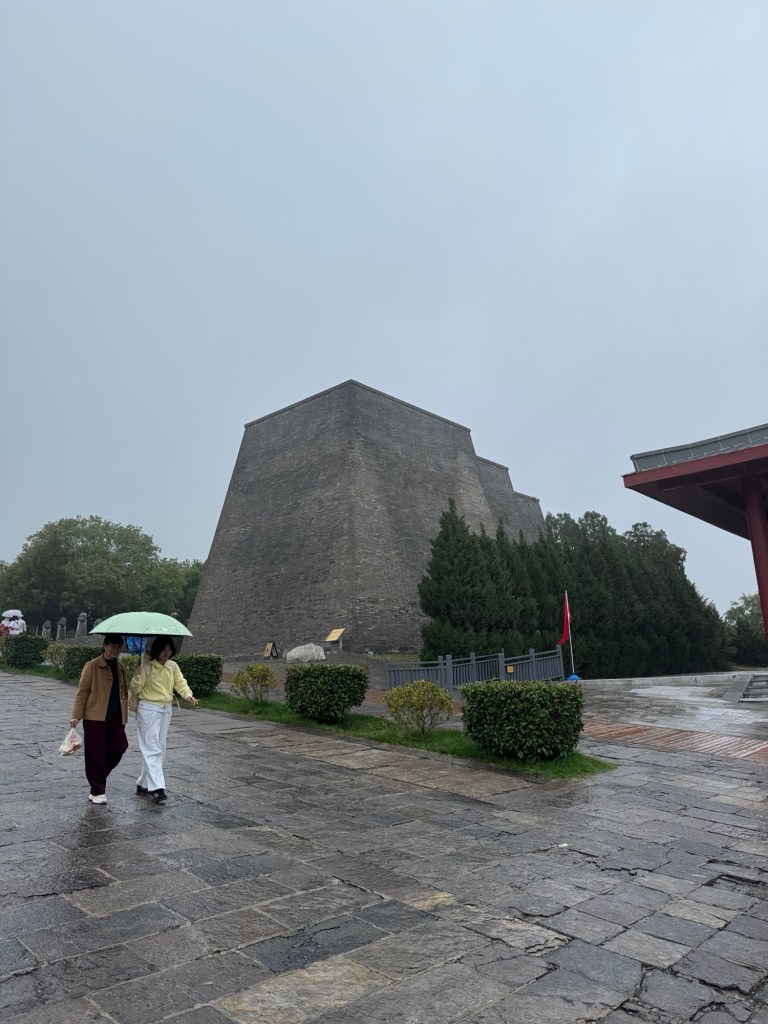
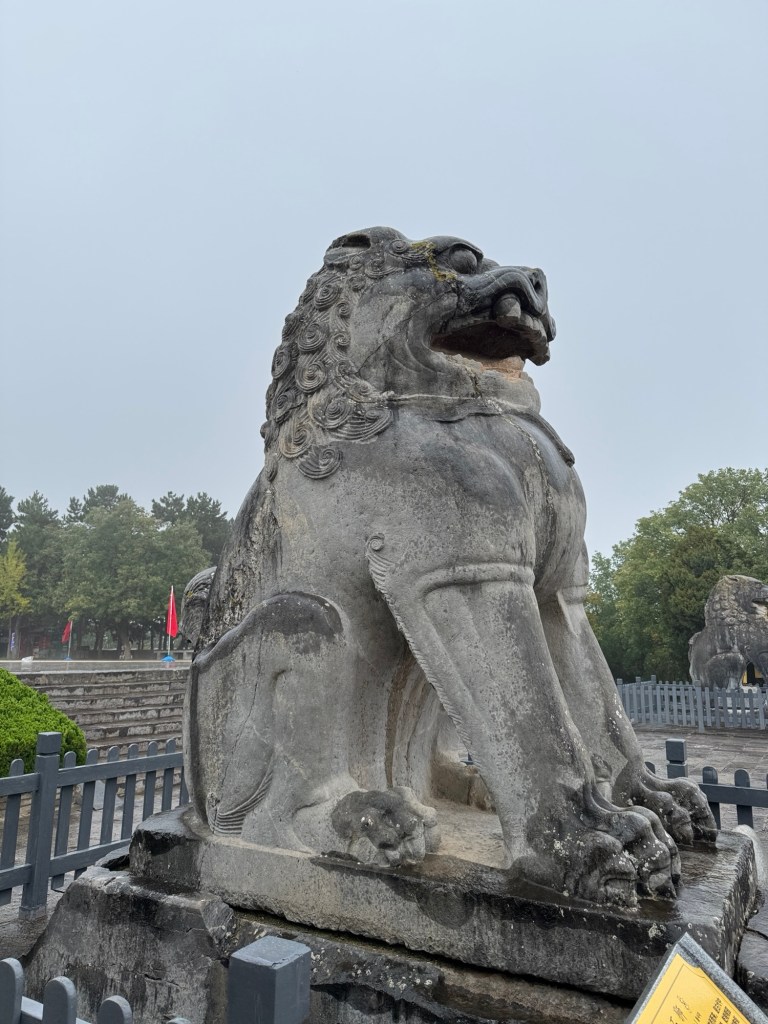
Then we visited the 乾堎,Empress Wu and her husband’s 武則天及唐高宗李治之合葬墓。We walked up the Divine path 神道 which was lined by huge stone statues on both sides.
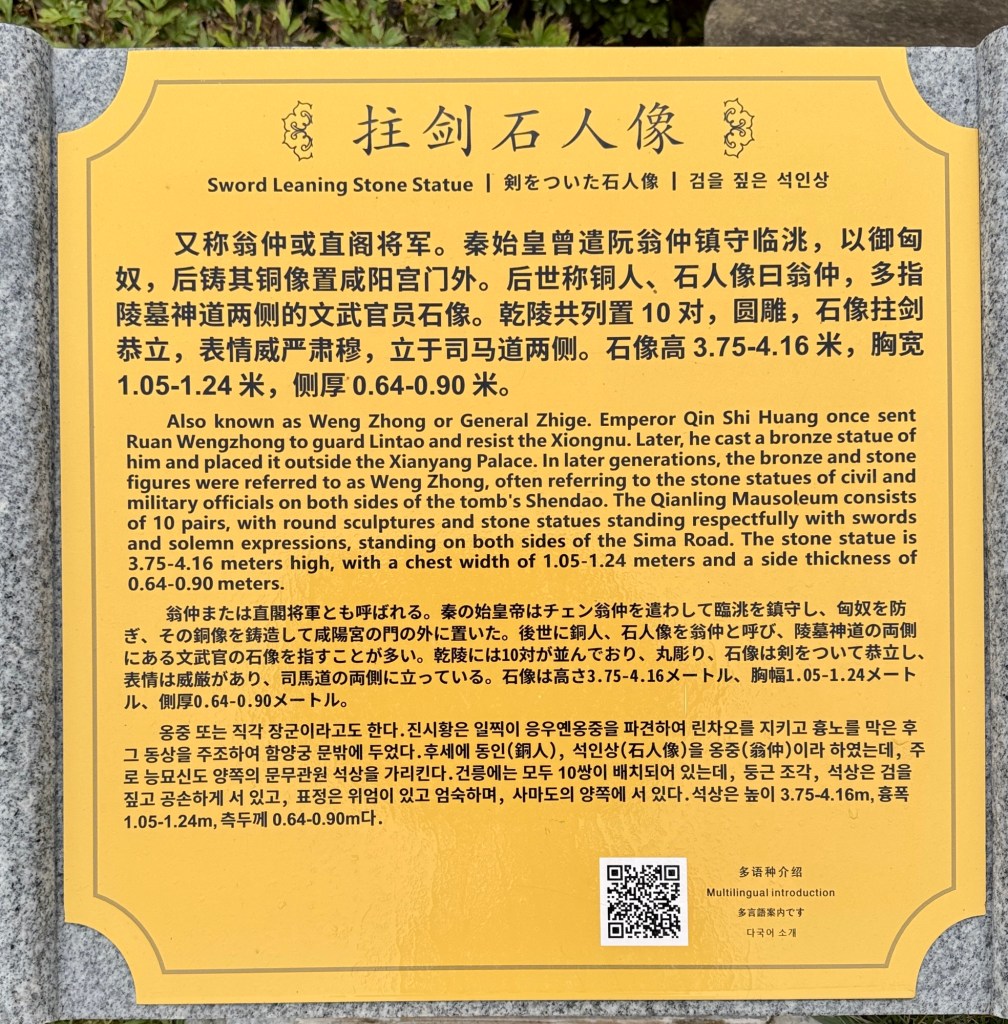
This 翁仲 is interesting, initially used in guarding graves. Then in the Sung Dynasty people started to make a miniature of it from jade and wore it to protect oneself. I have one given to me by a senior doctor friend after he passed away. It is probably from the Qing Dynasty 👇
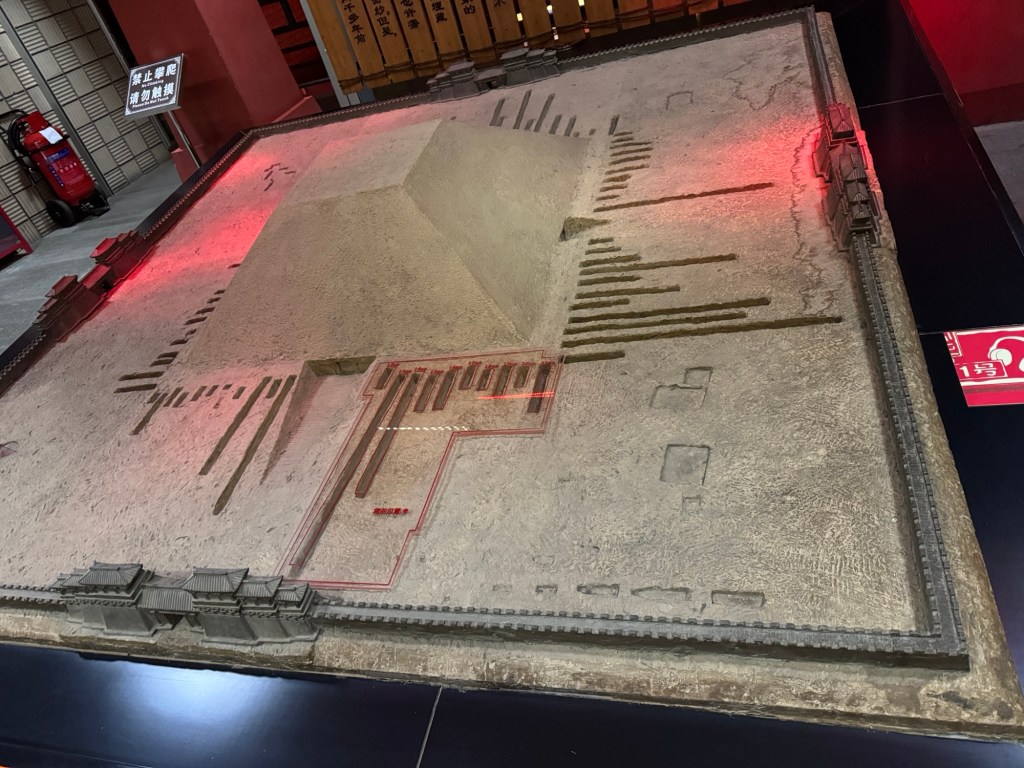
The main grave was not excavated but we could see something down below after passing through the guard towers 闕
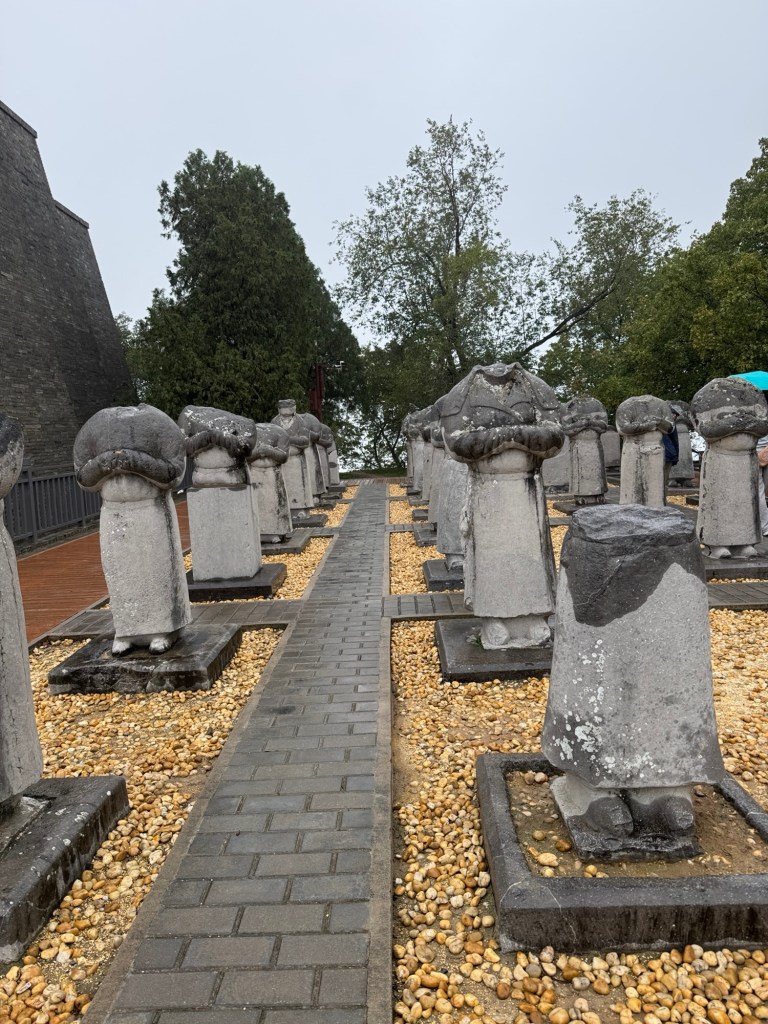
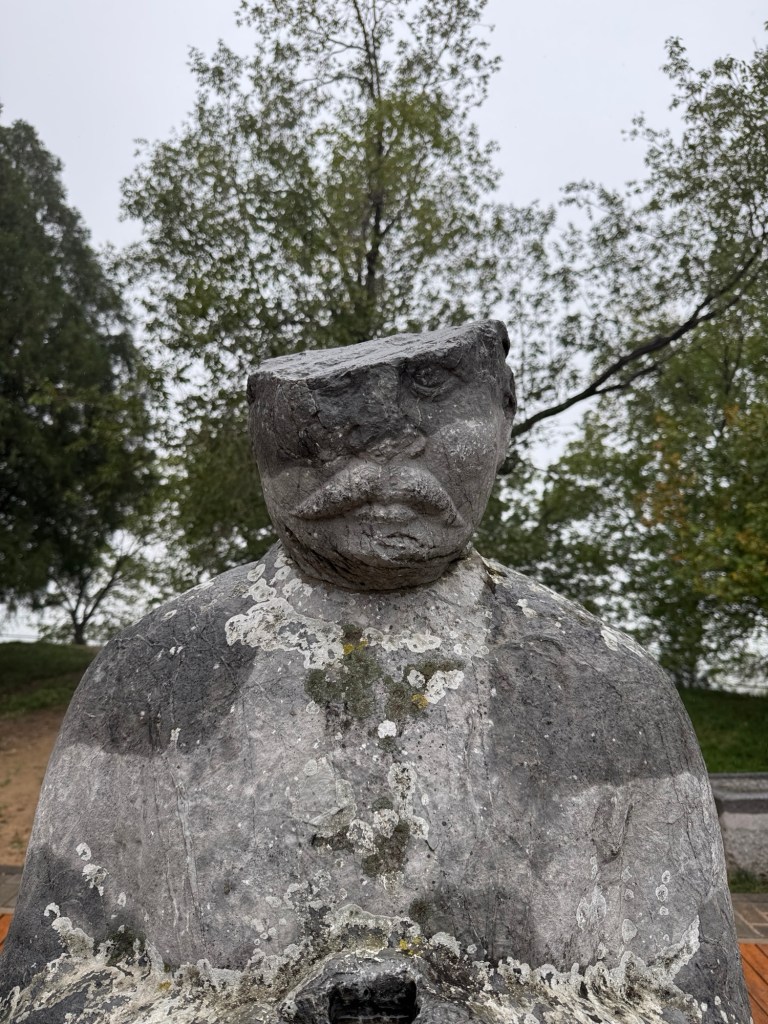
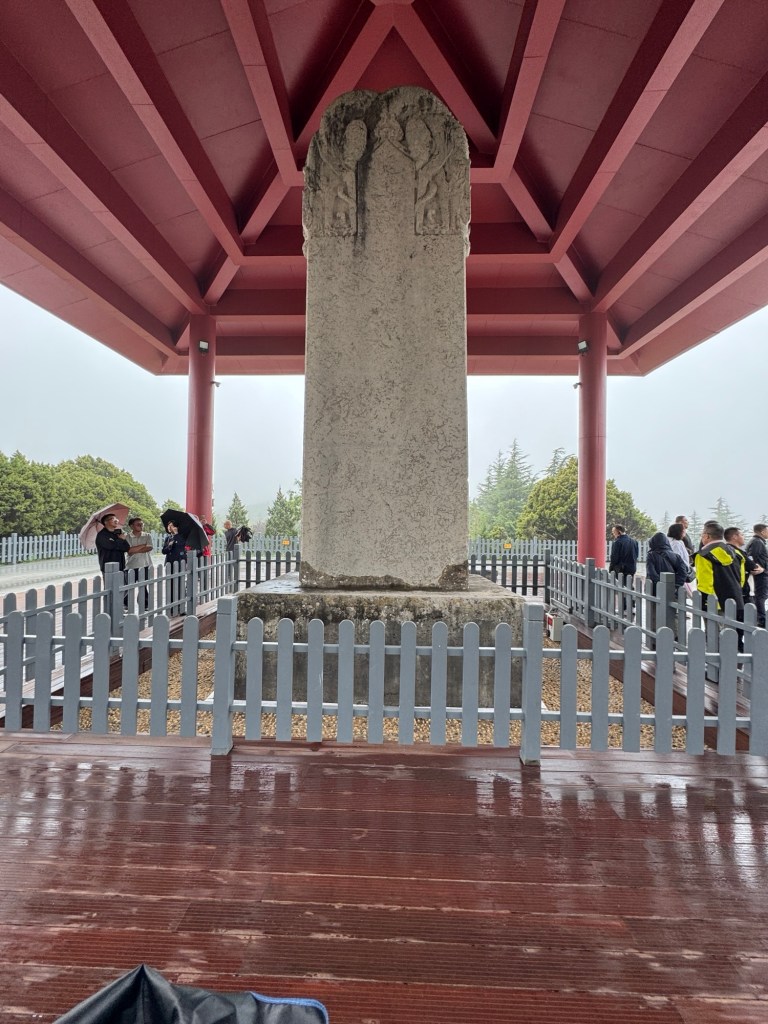
Remains of the guard tower on both sides after 神道.Each 闕 consists of 3 towers, the highest grade. This is the main attraction, stone statues of 61 foreigners who came to attend Empress Wu funeral。 Nearly all of them lost their head, supposedly due to earthquake because the neck is thinner so easier to break.This one had an intact neck無字碑 Stele with no words. People said Empress Wu left it blank and let people to comment on her on their free will
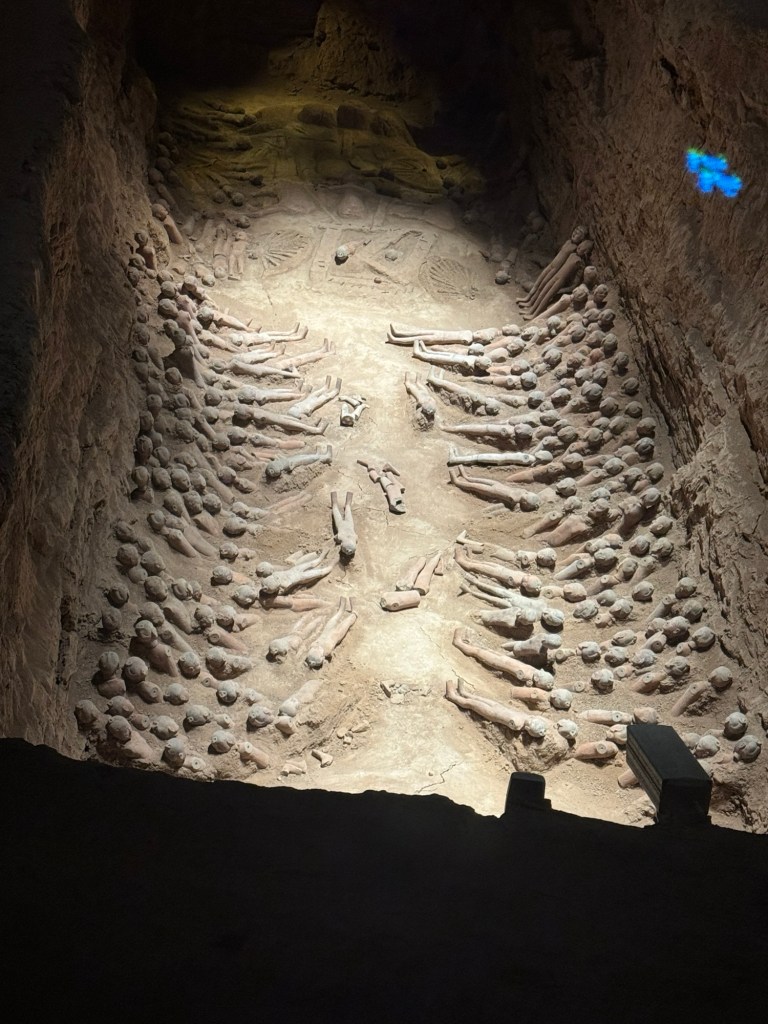
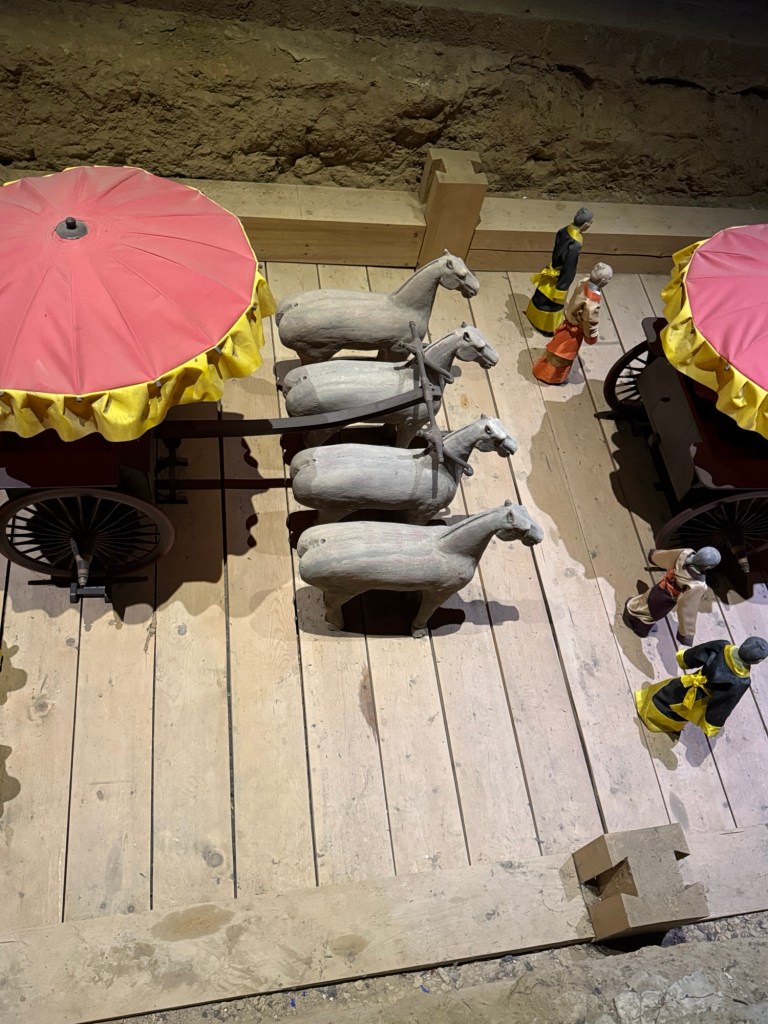
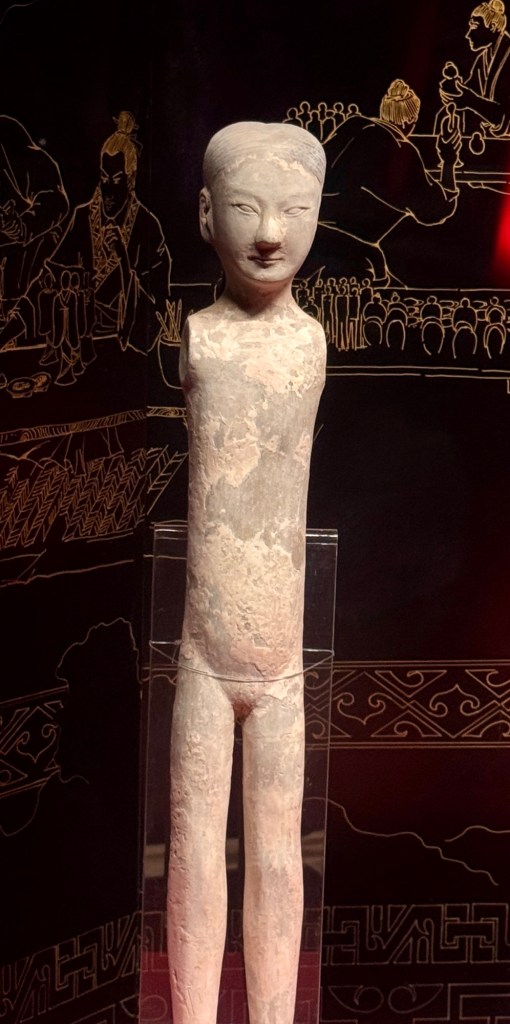
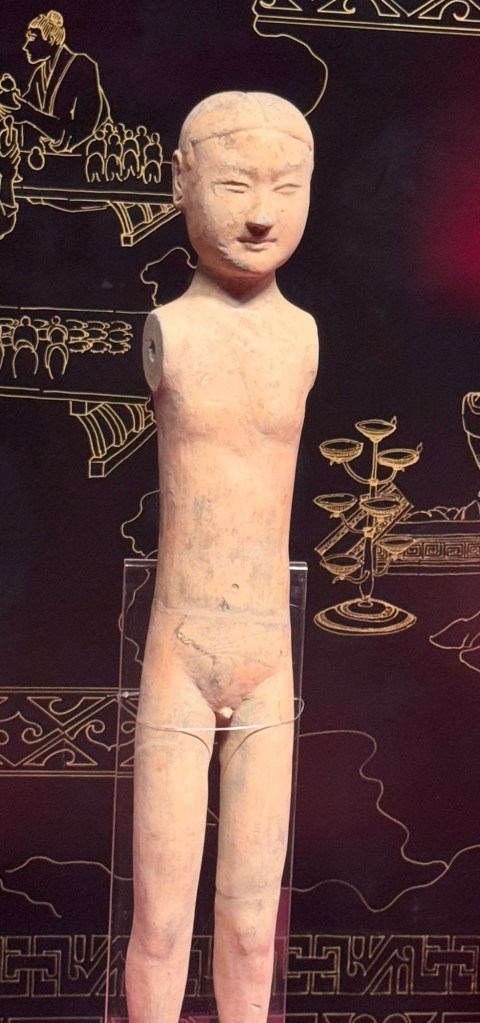
Then we went to a Han tomb 陽堎 There were many small terracotta who wore clothes made from real cloth so after 2000 years they became naked. Their upper limbs were made of wood so gone too.
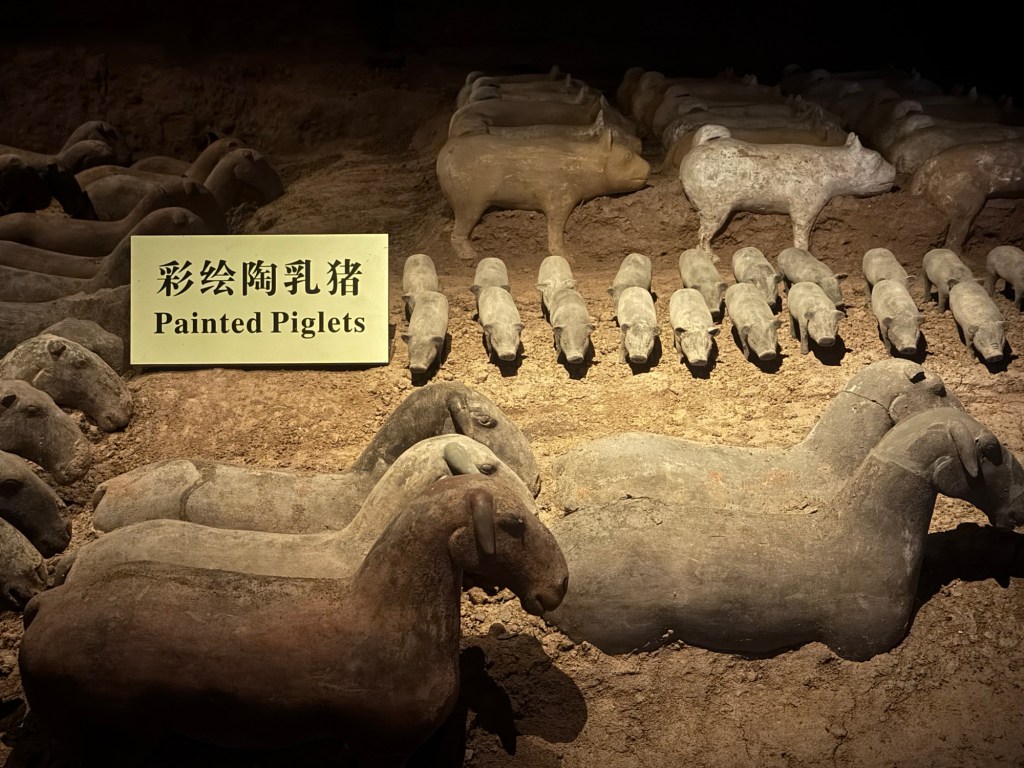
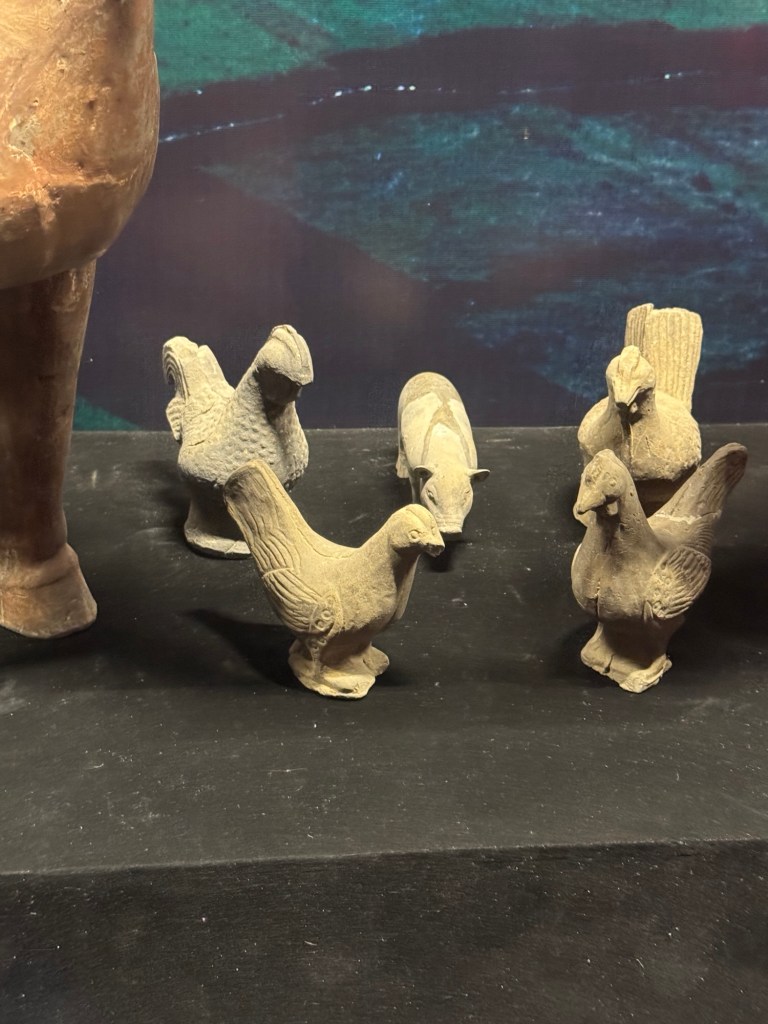
Terracotta were arranged in rows like the one in Qin. Again only a small part marked in red was excavated. Most parts were still untouched Male terracotta Sheep and piglets for foodPigs of course Dogs for food Not to miss the chicken Female terracotta Terracotta of a eunuchs, in Han only testicles were removed but at least in Qing the penis was also removed too.
Because of the long day we all had dinner in the hotelby ourselves.
Day 5 Sunday 28/9
We started the day with a visit to the Xian Stele Forest Museum 碑林博物館。Originally it would be Mater Wang’s wife 劉老師 talk to us but she had a foot injury requiring surgery. So again it was Master Wang guided us. He lived in this complex when he was young and could tell us some trees were planted by his grandfather and father. How interesting!
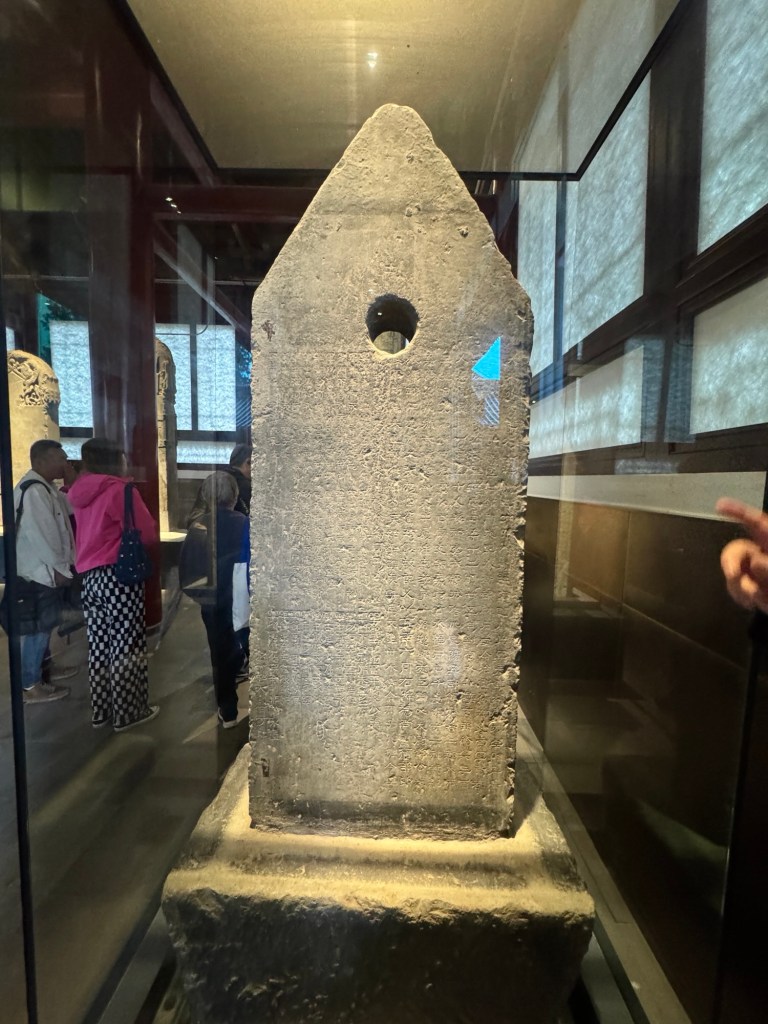
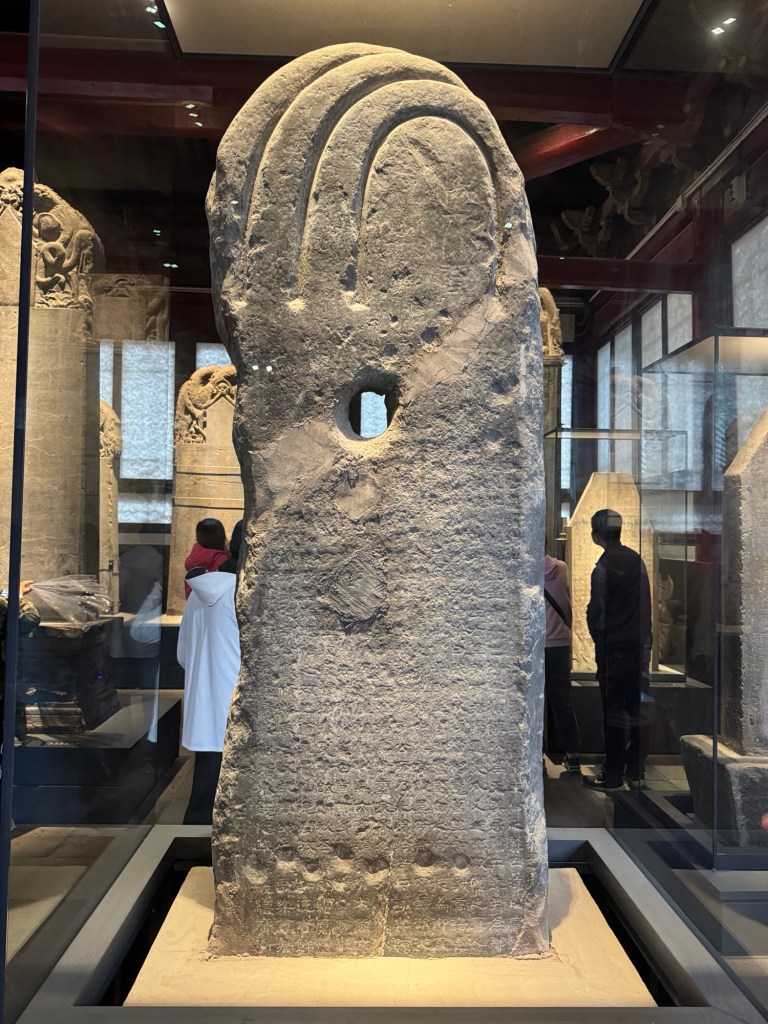
Don’t skip this one at the entrance of Stele Forest 大廈 Bactria is an important place in archaeology. It’s cultural was before Gandhara . This place is now described as BMAC Bactria Marginana Archeological Complex. Is is now Central Asia Turkmenistan. BMAC influenced Gandhara and then Gandhara influenced China.Many of us were interested in this one because we all want our children and grandchildren to be good in schoolThe large hole in the stele was 碑穿 stele perforation. Steles were originally used for burial purposes. They were arranged serially on top of the grave. Ropes were then passed through the perforations to make a leverage system to lower the heavy stone coffin to the grave. Later even when the steles were for votive purposes, people still kept the holes. It became obsolete after the North and South Dynasty. The above 2 steles were from East Han and the 16 kingdom period, all before North and South Dynasty
I know nothing about calligraphy so mainly focus on the stone carvings
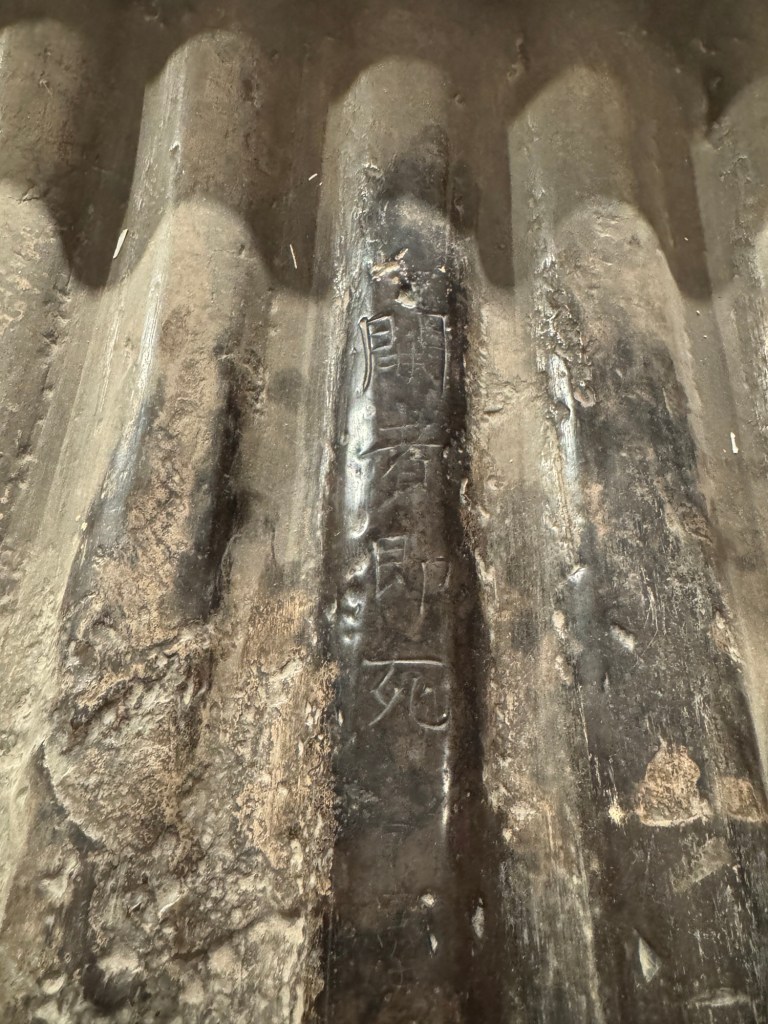
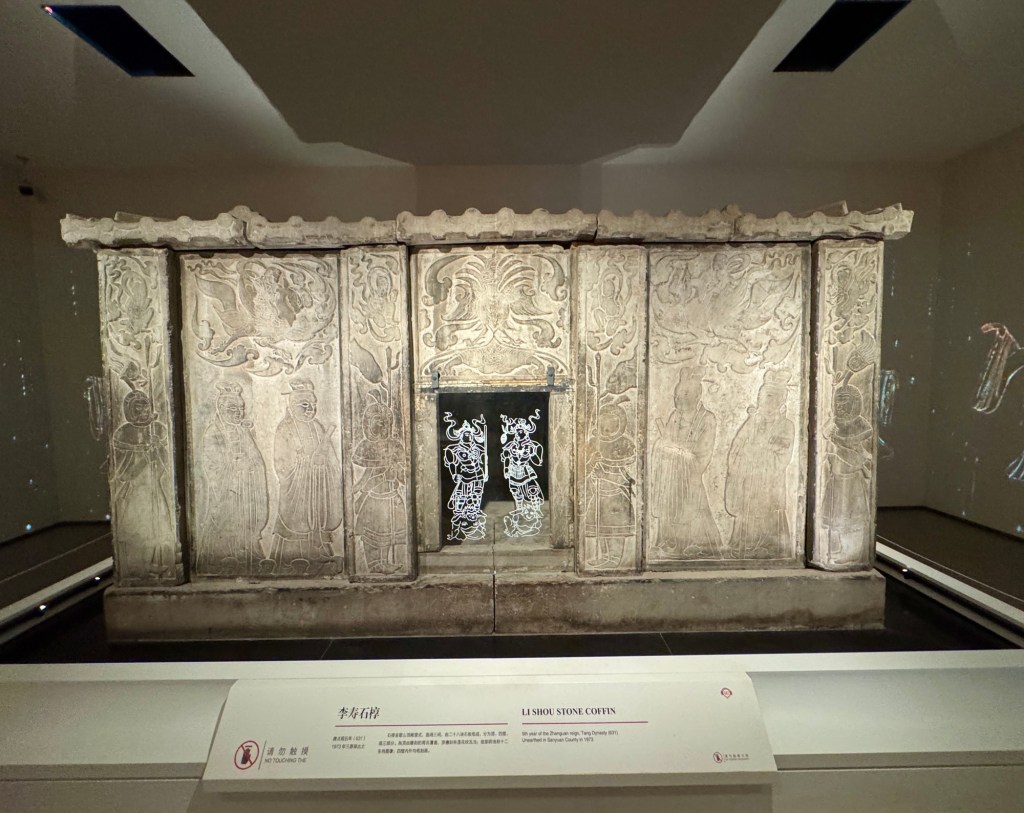
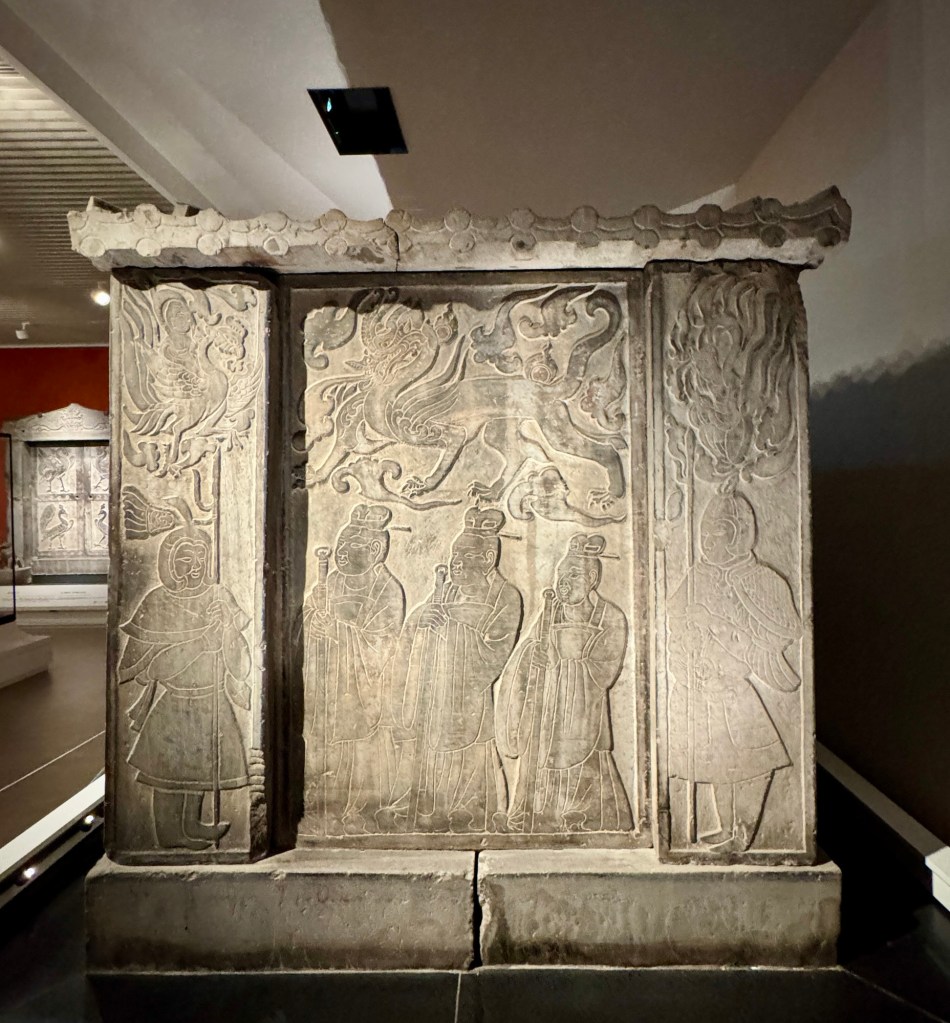
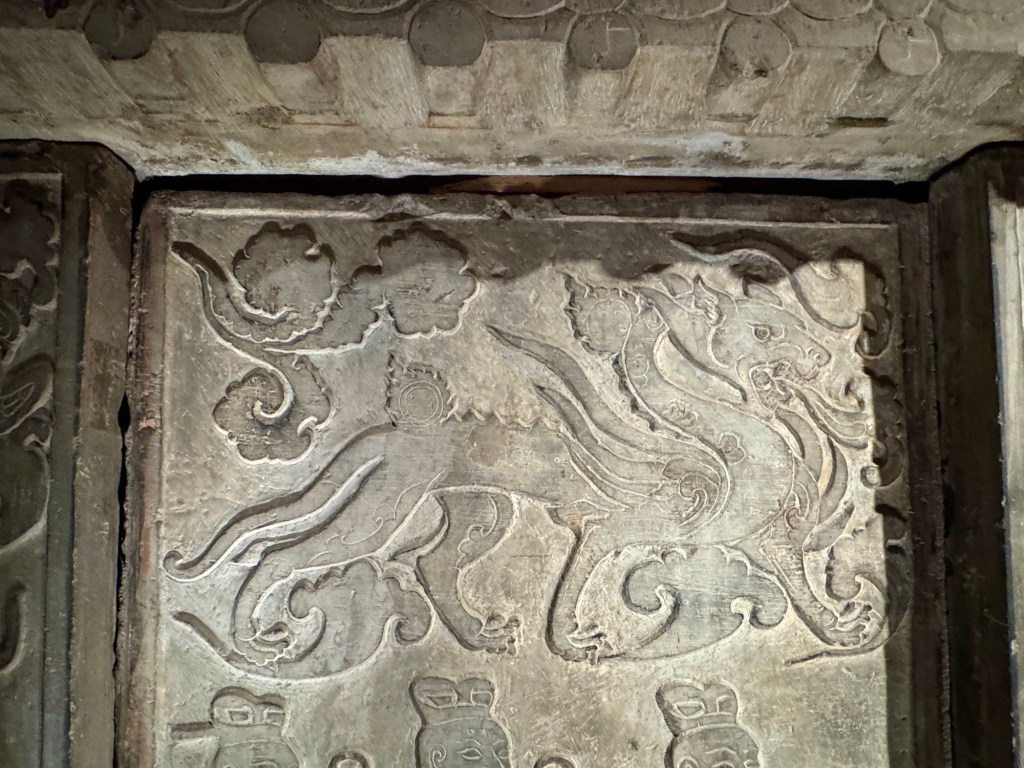
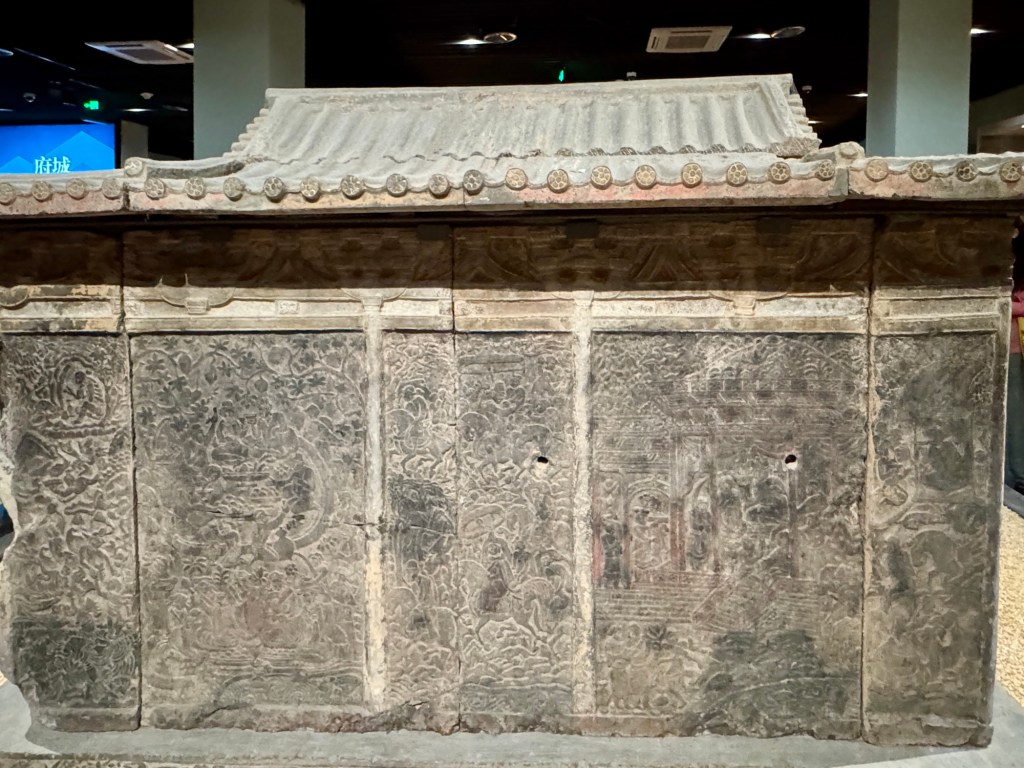
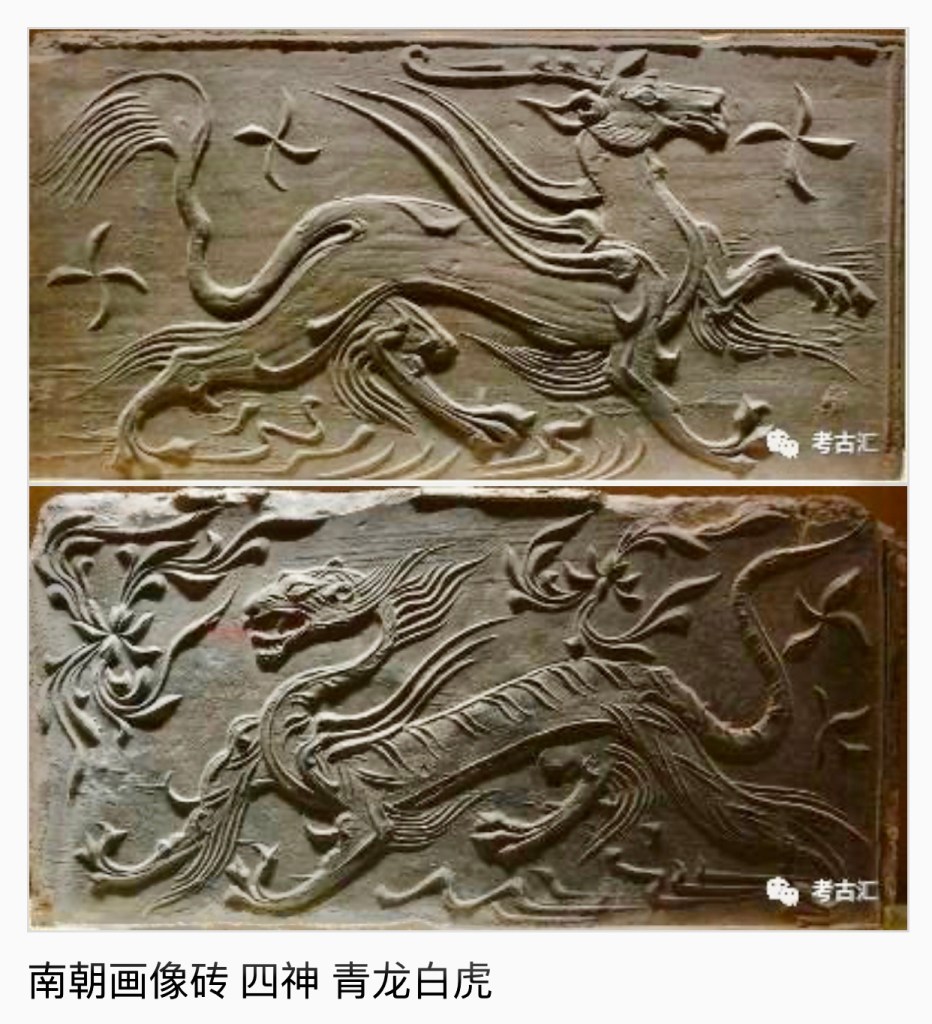
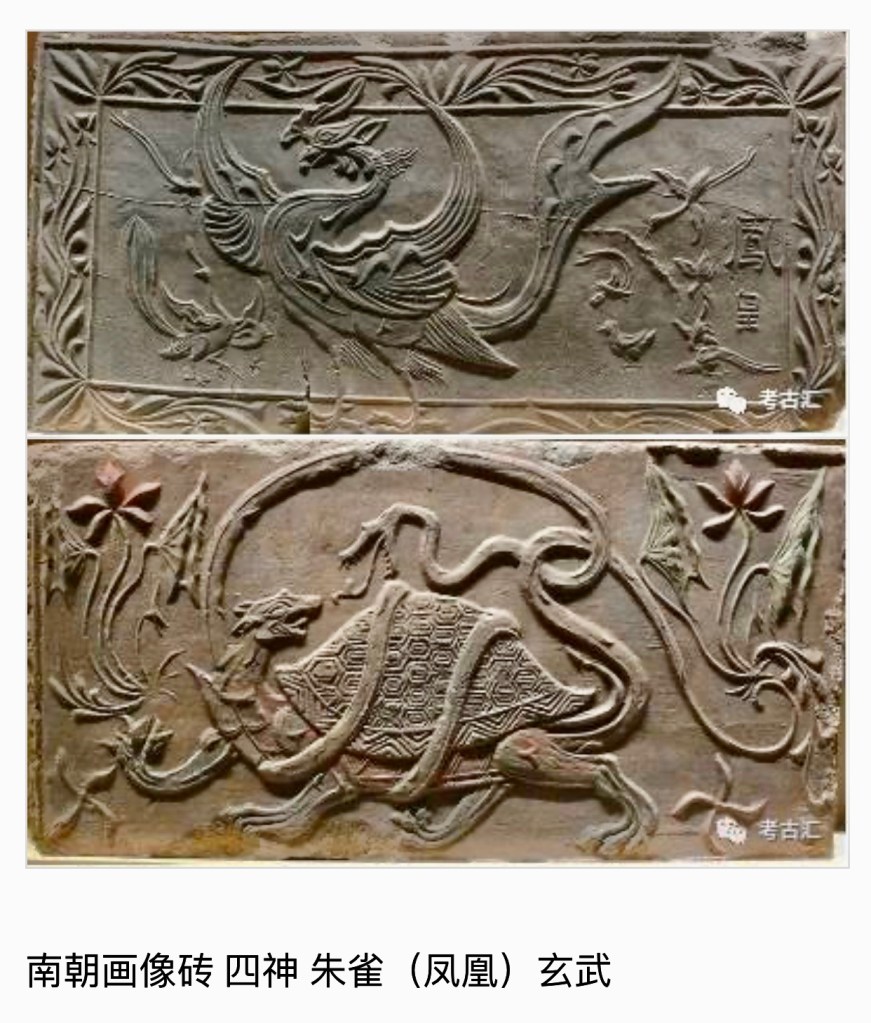
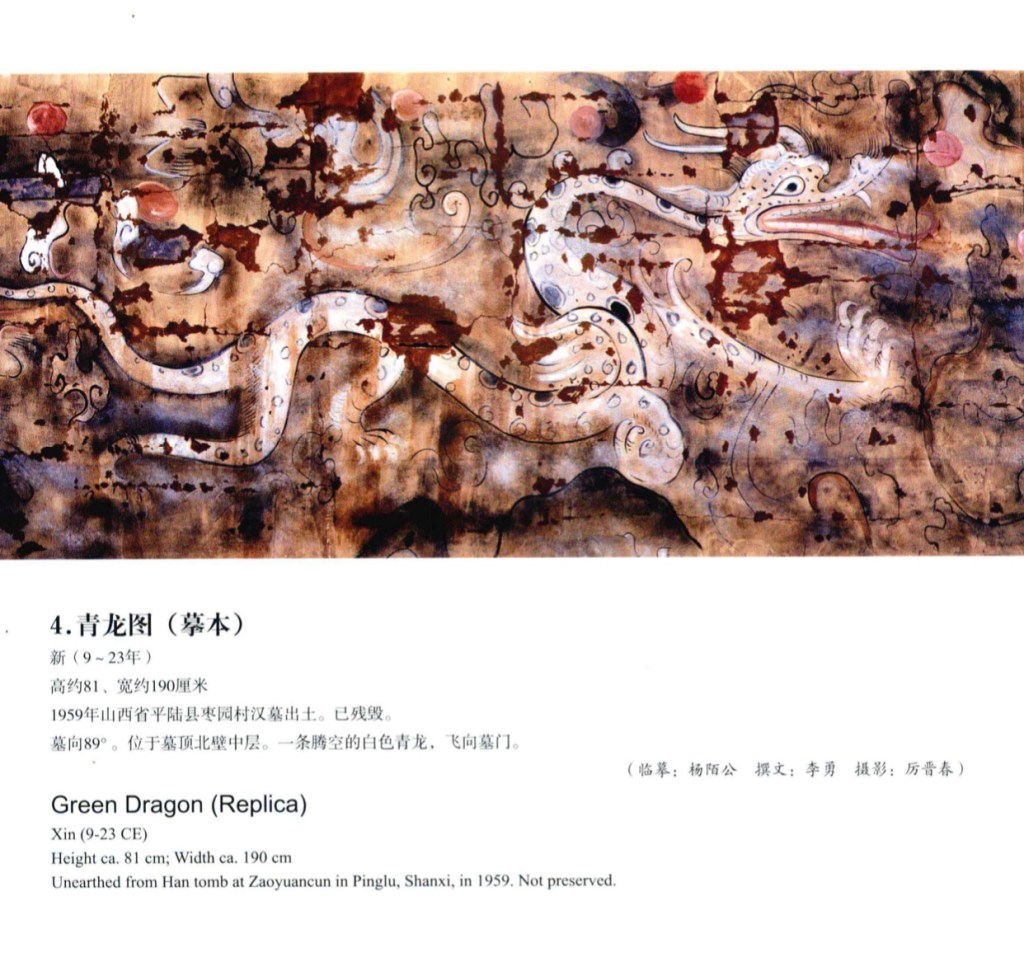
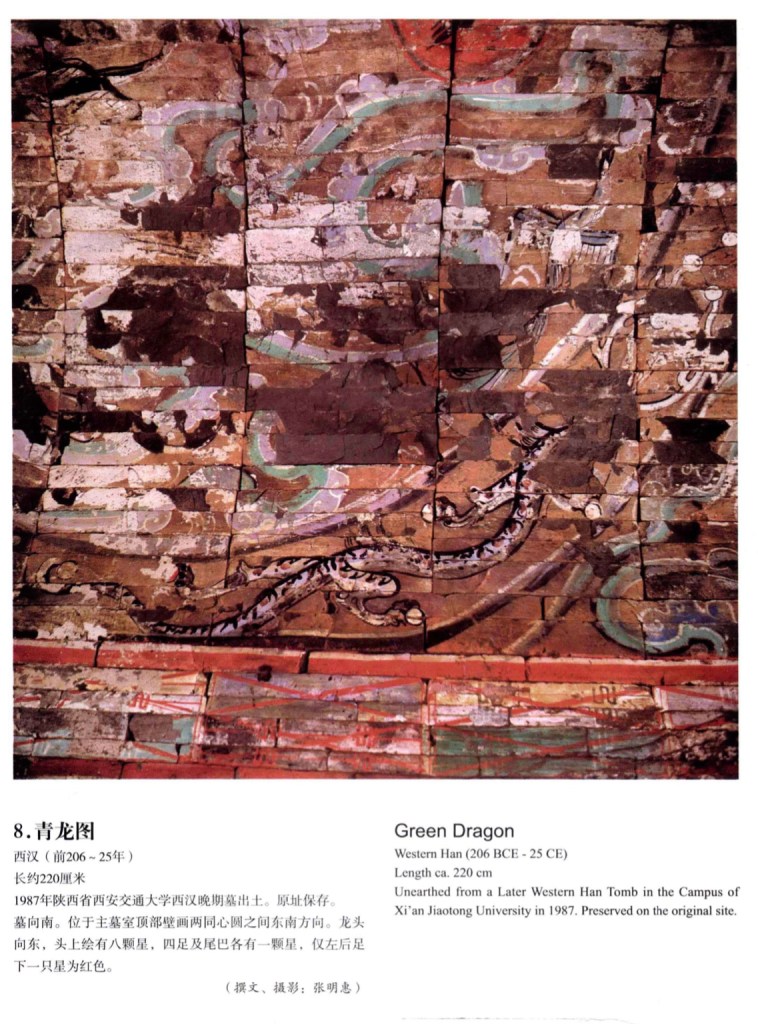
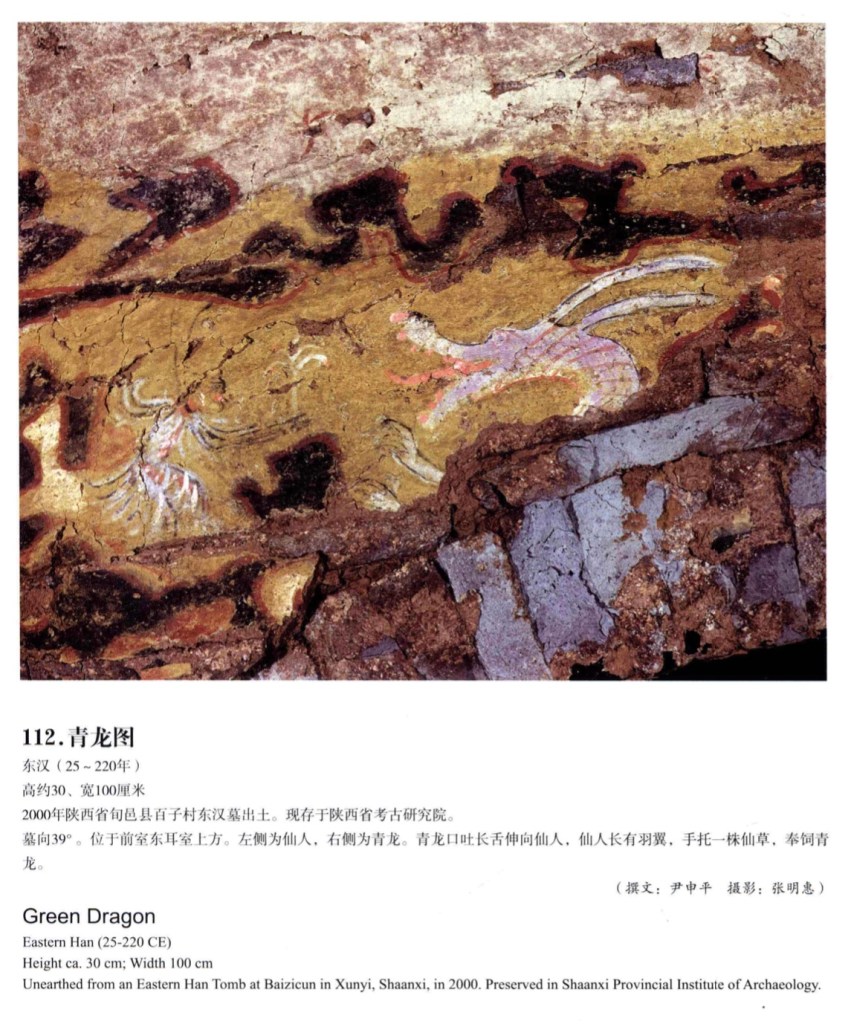
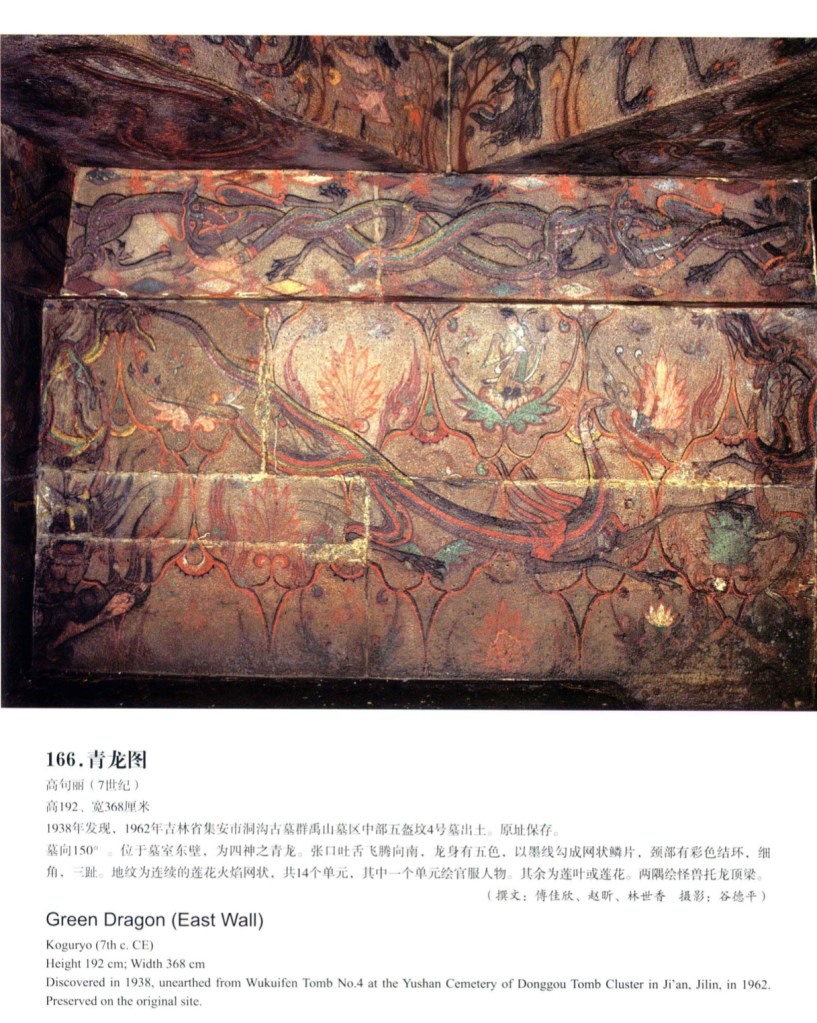
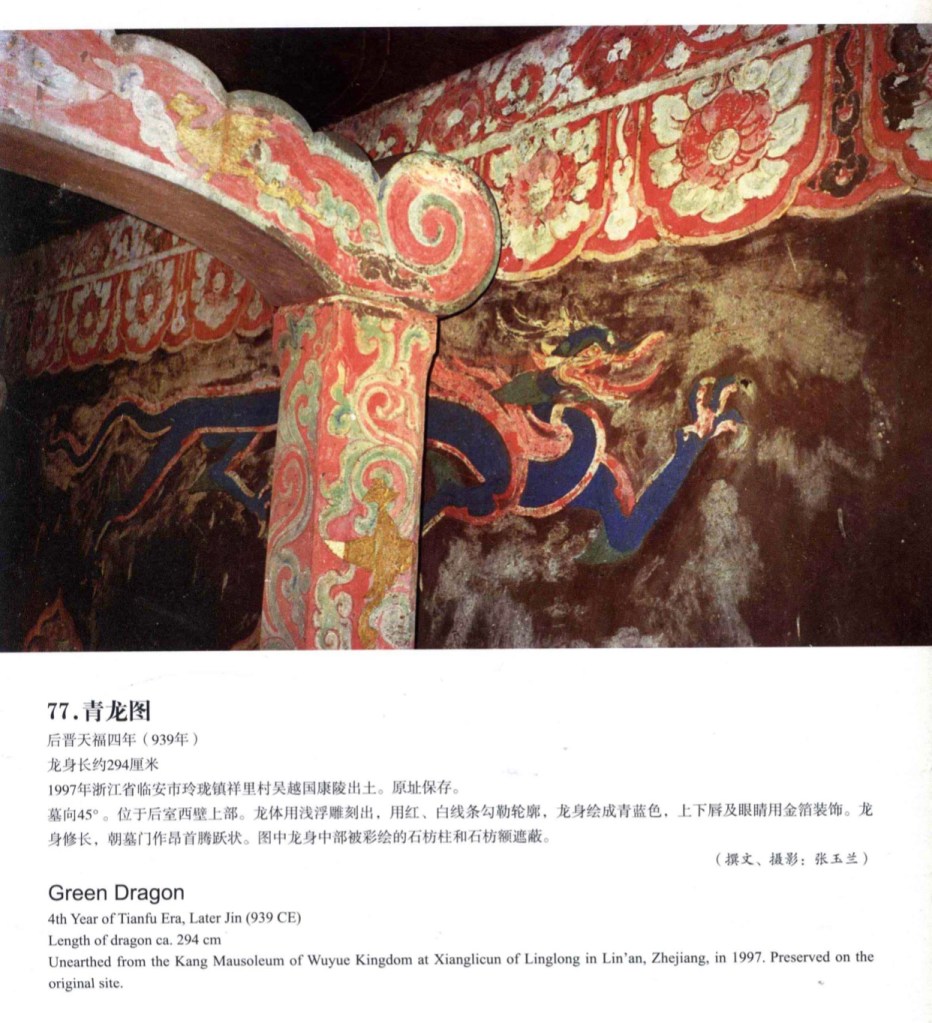
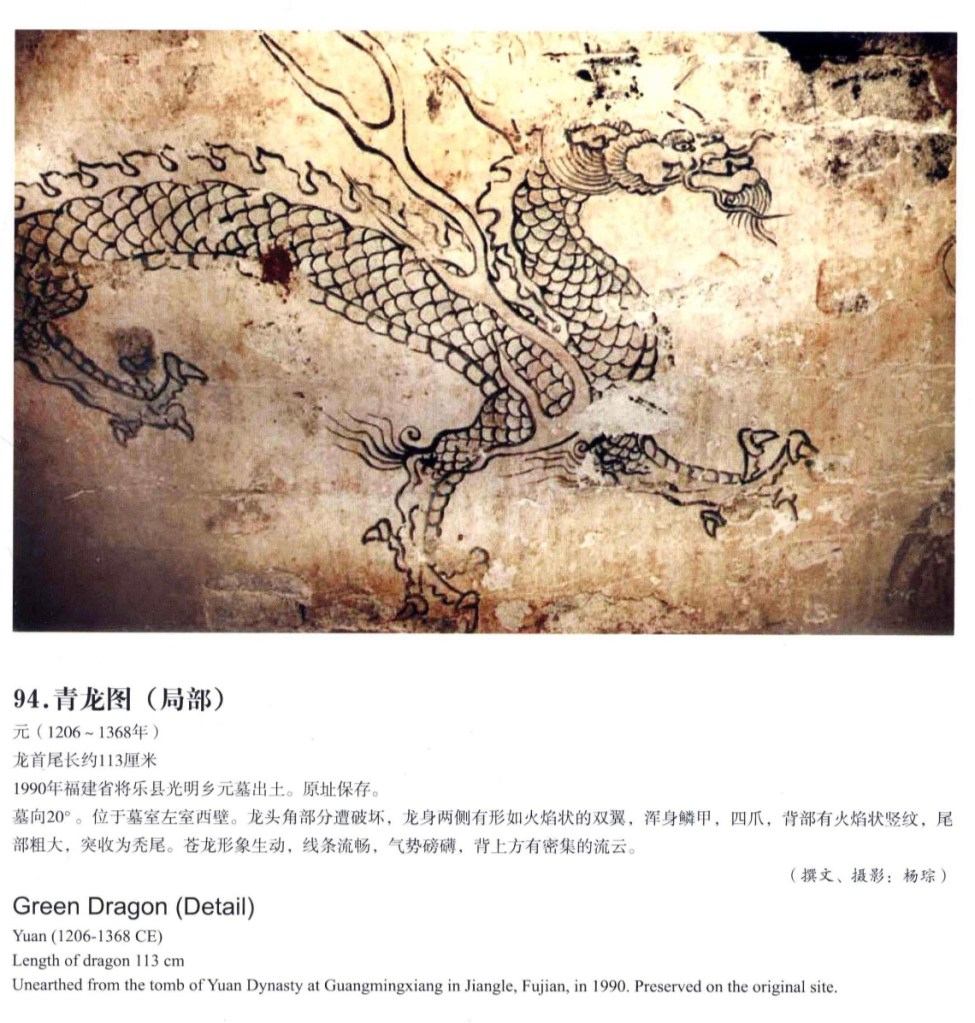
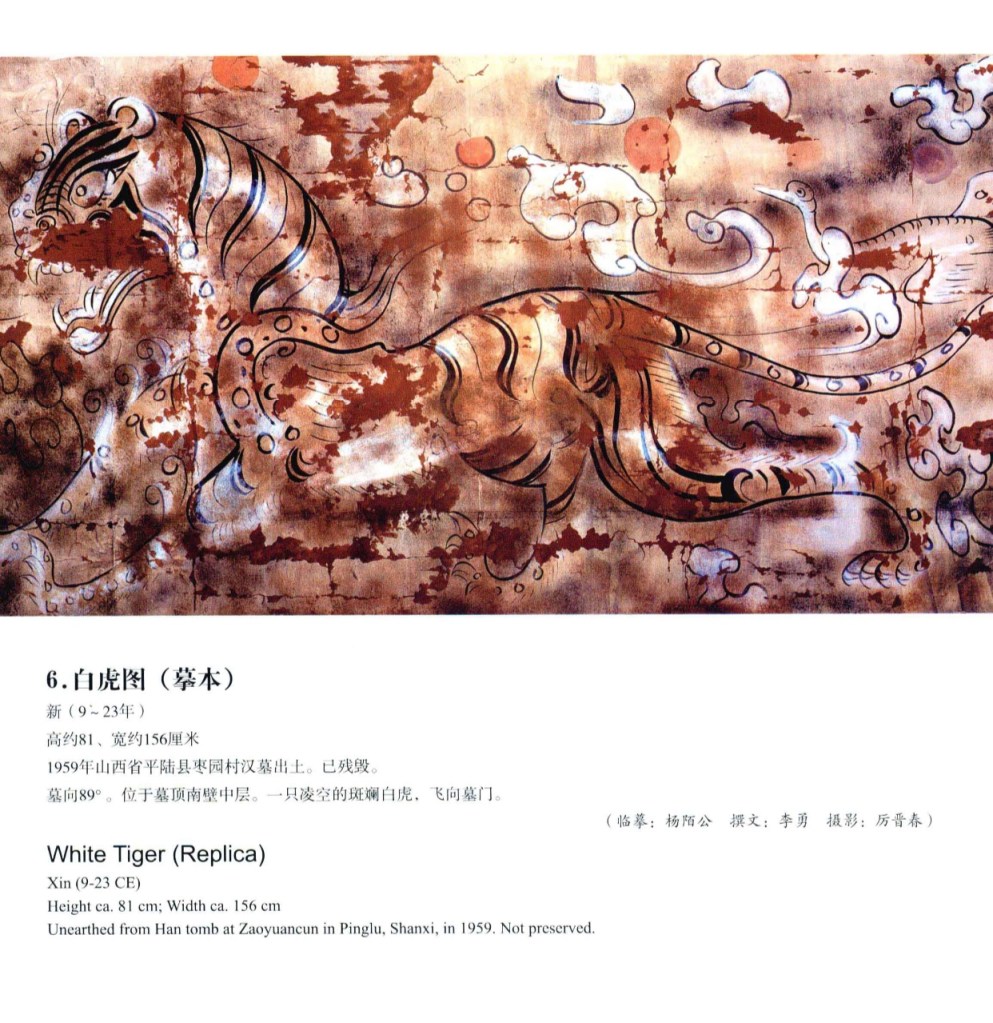
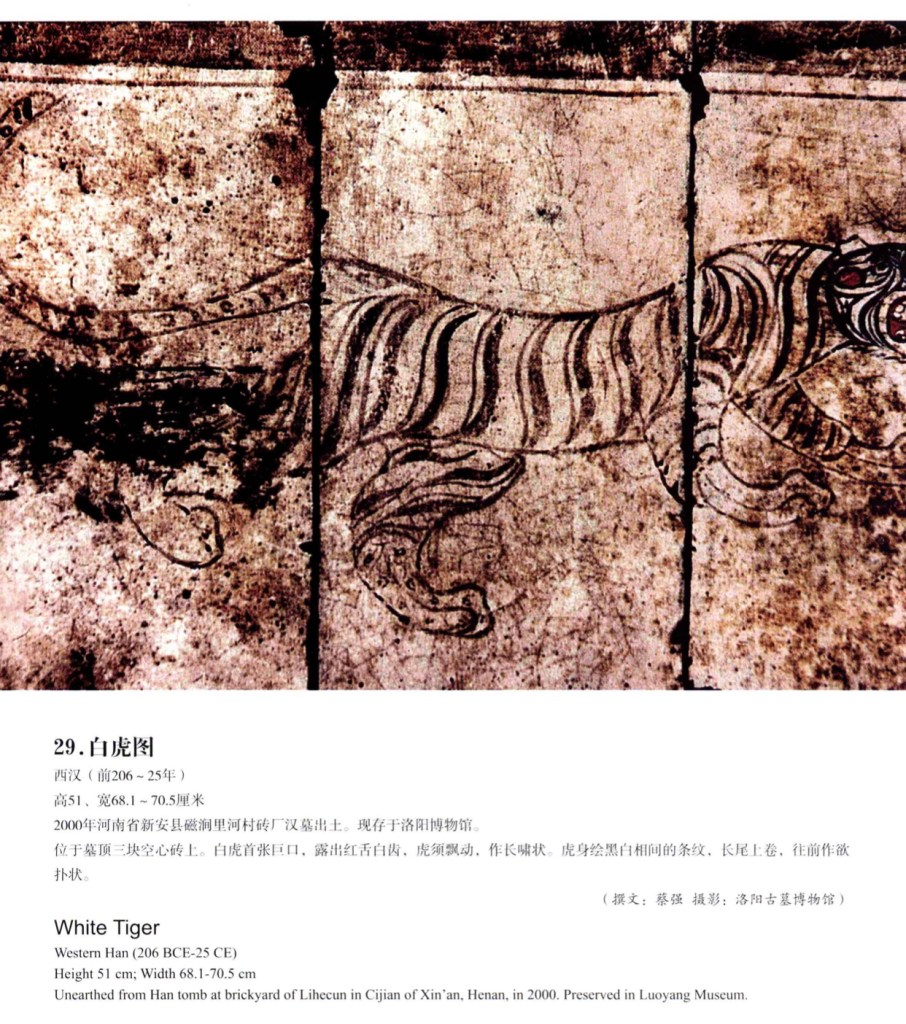
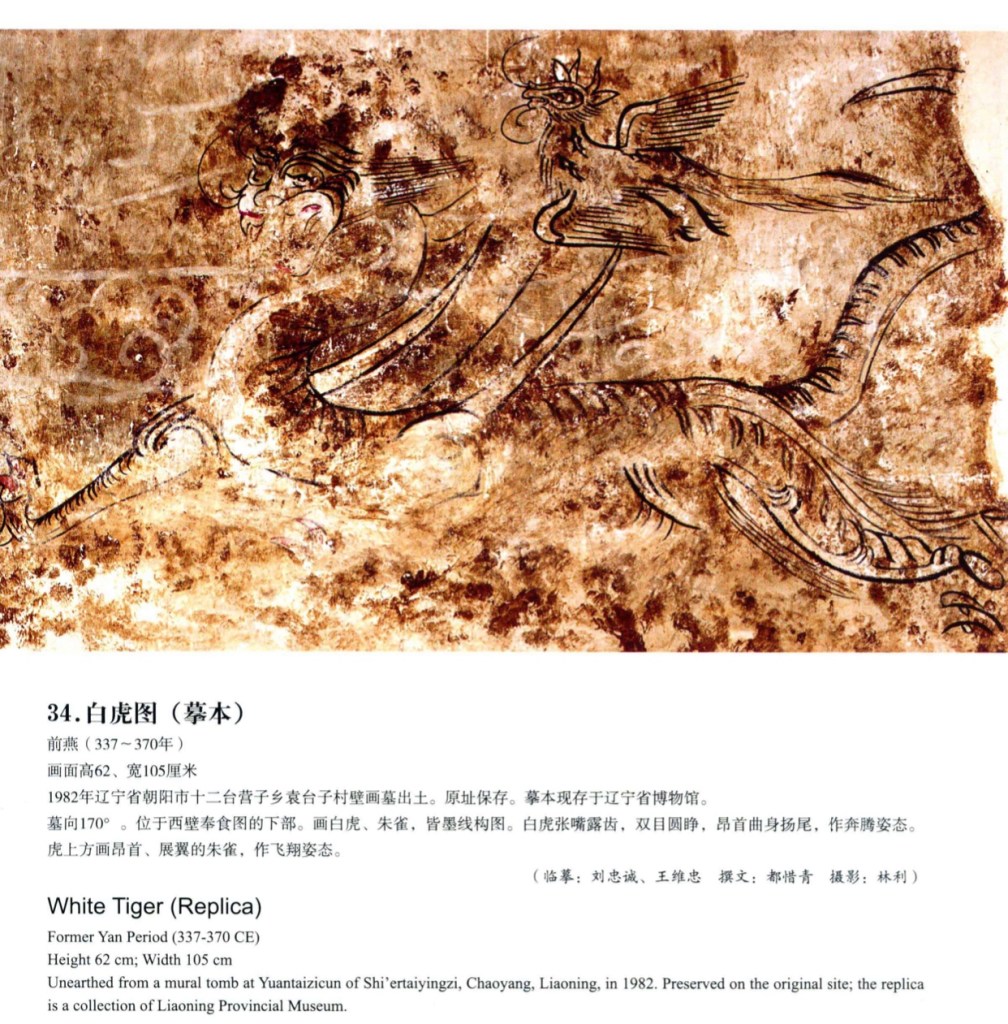
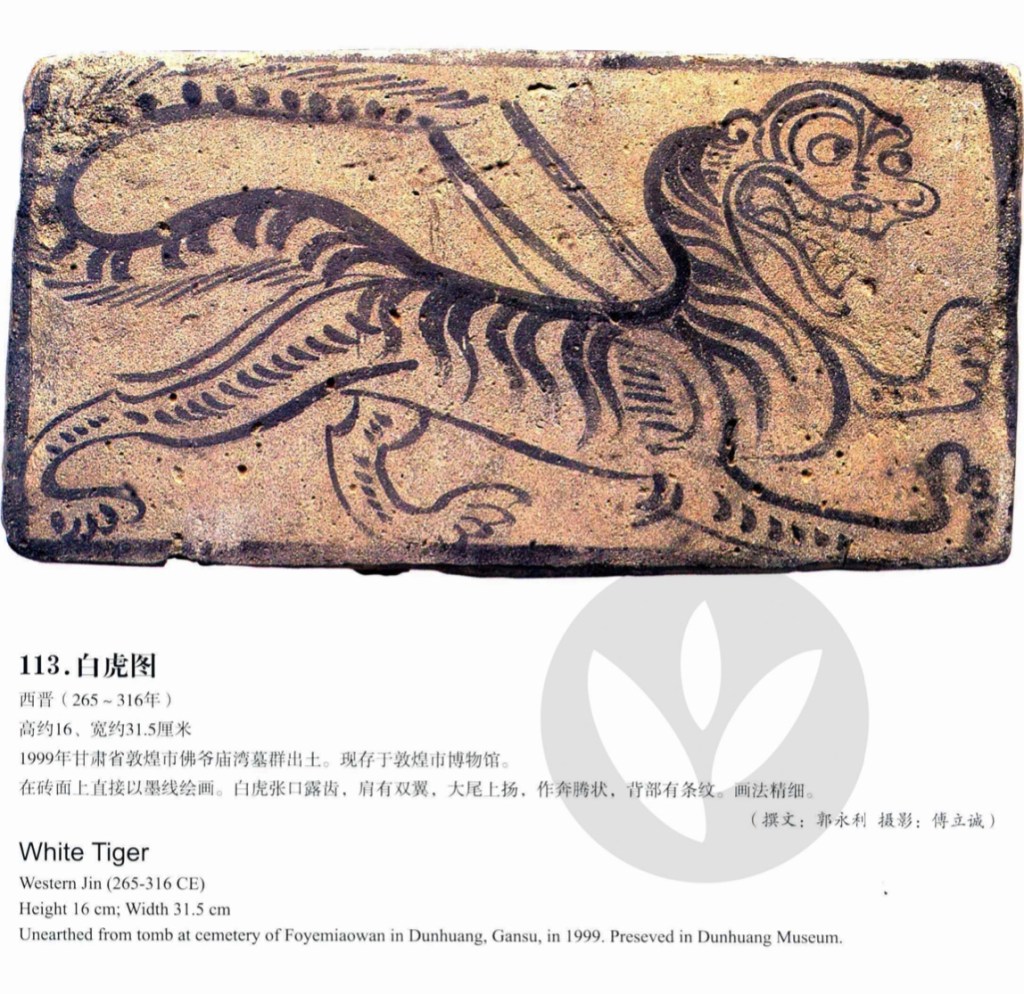
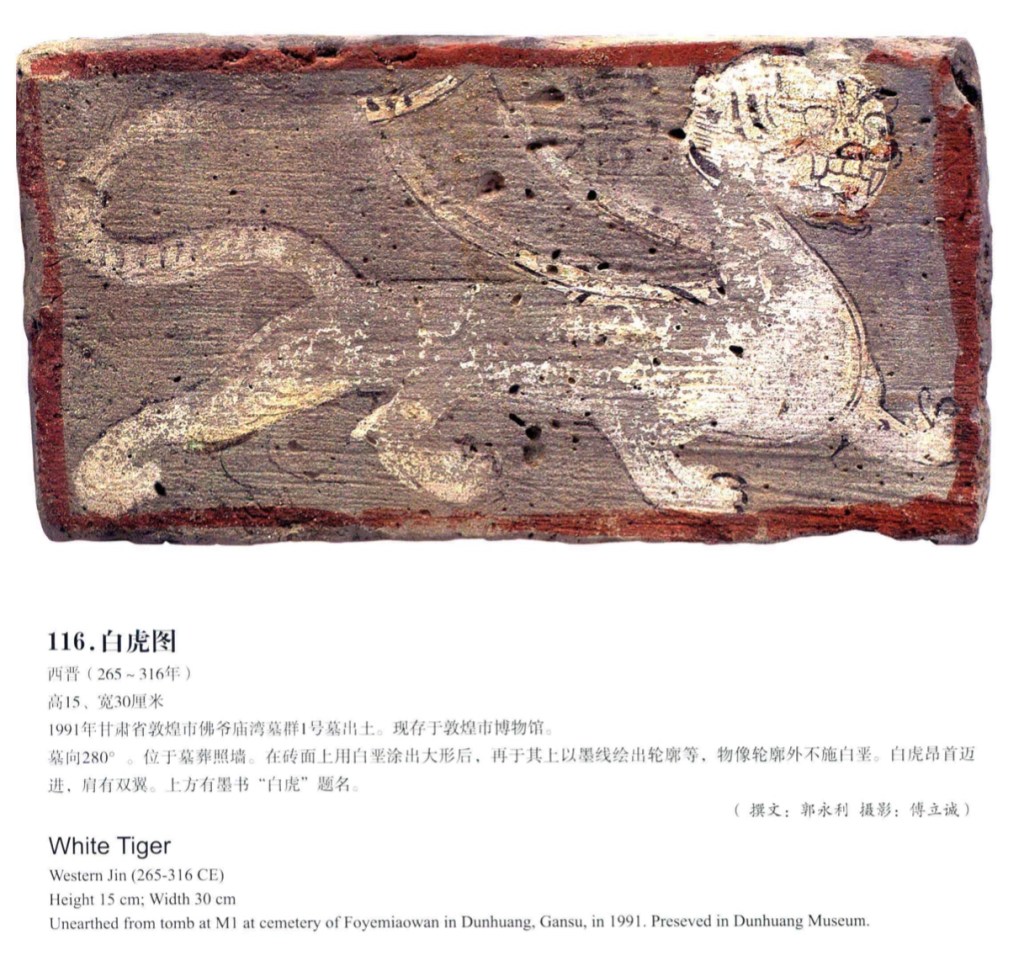
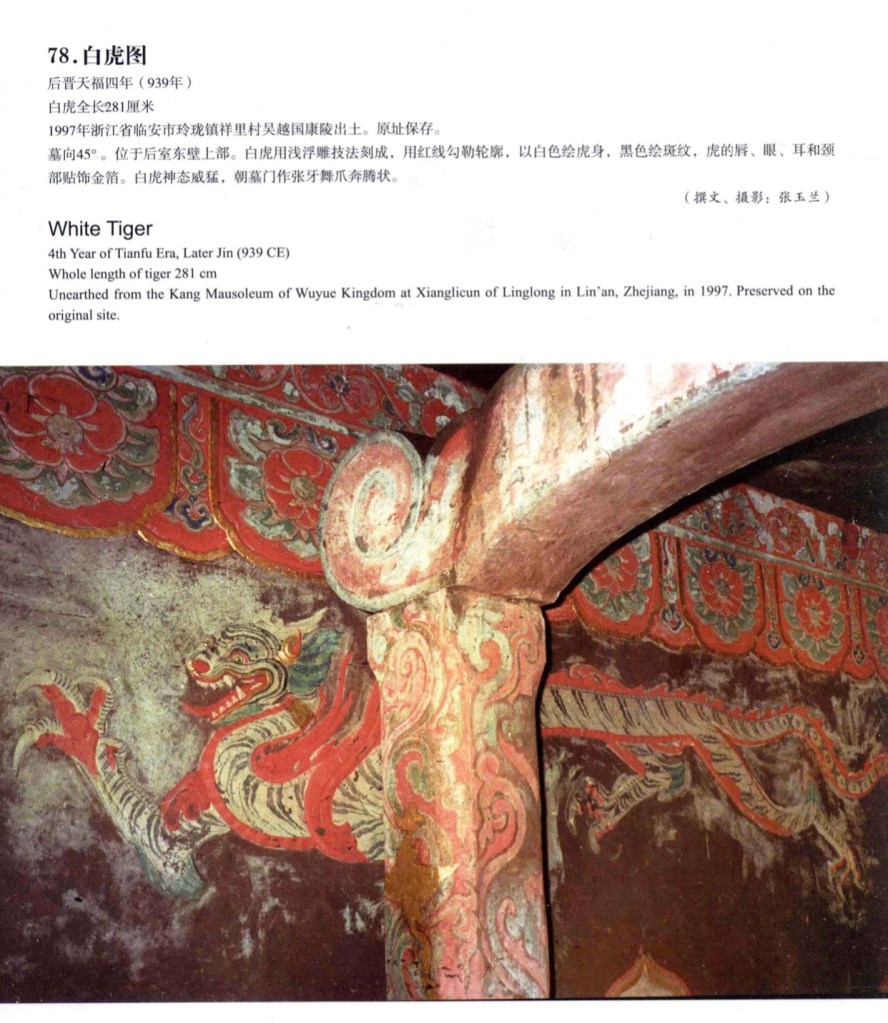
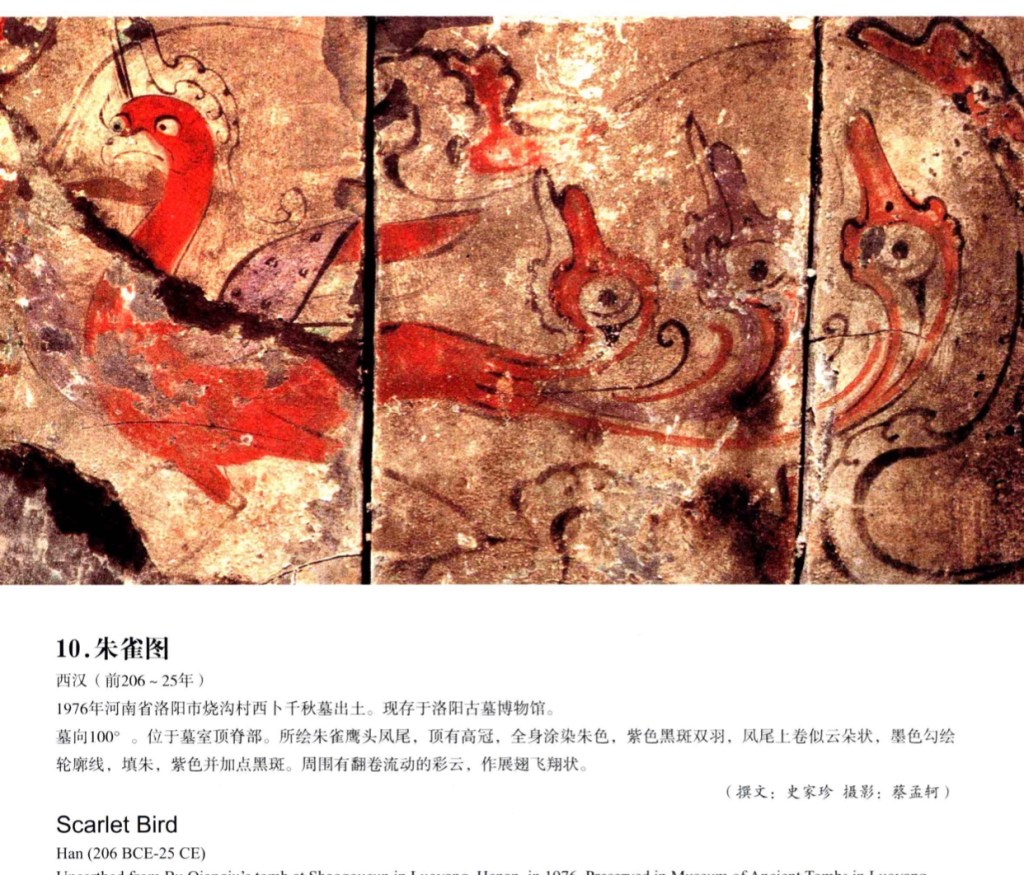
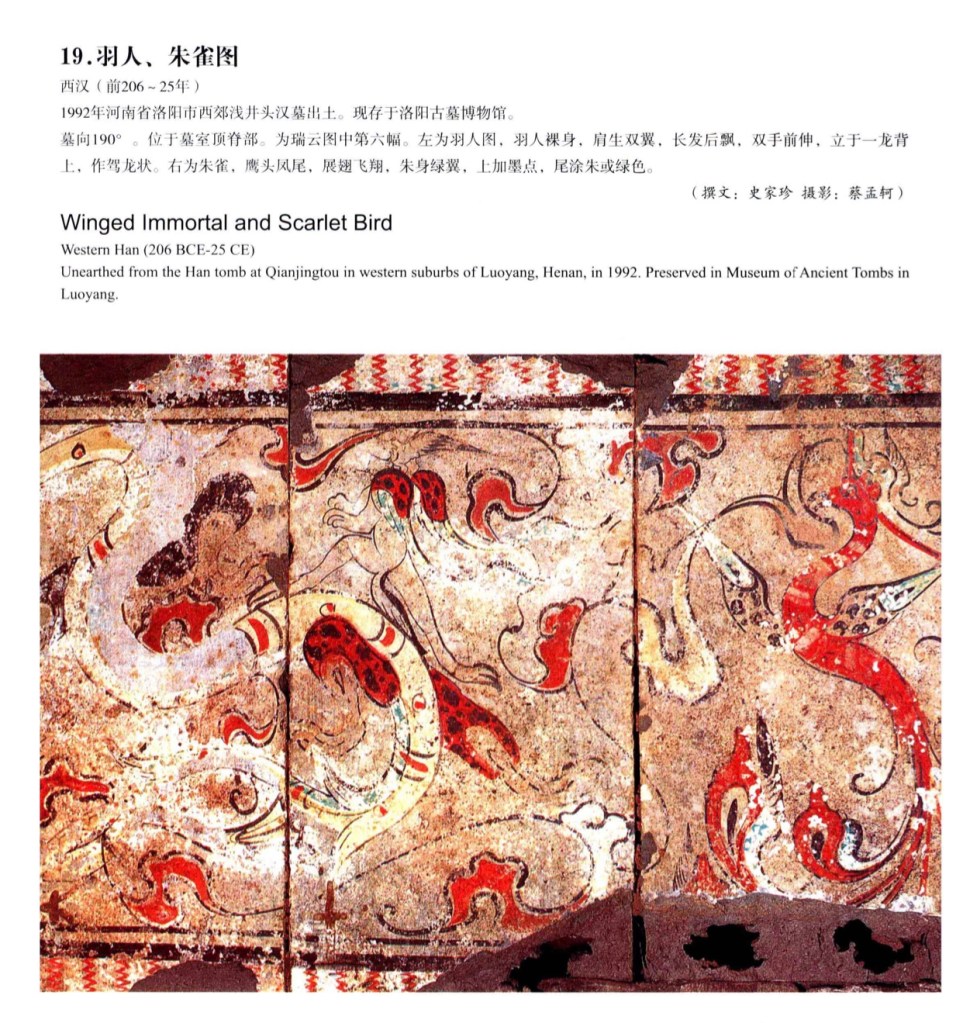
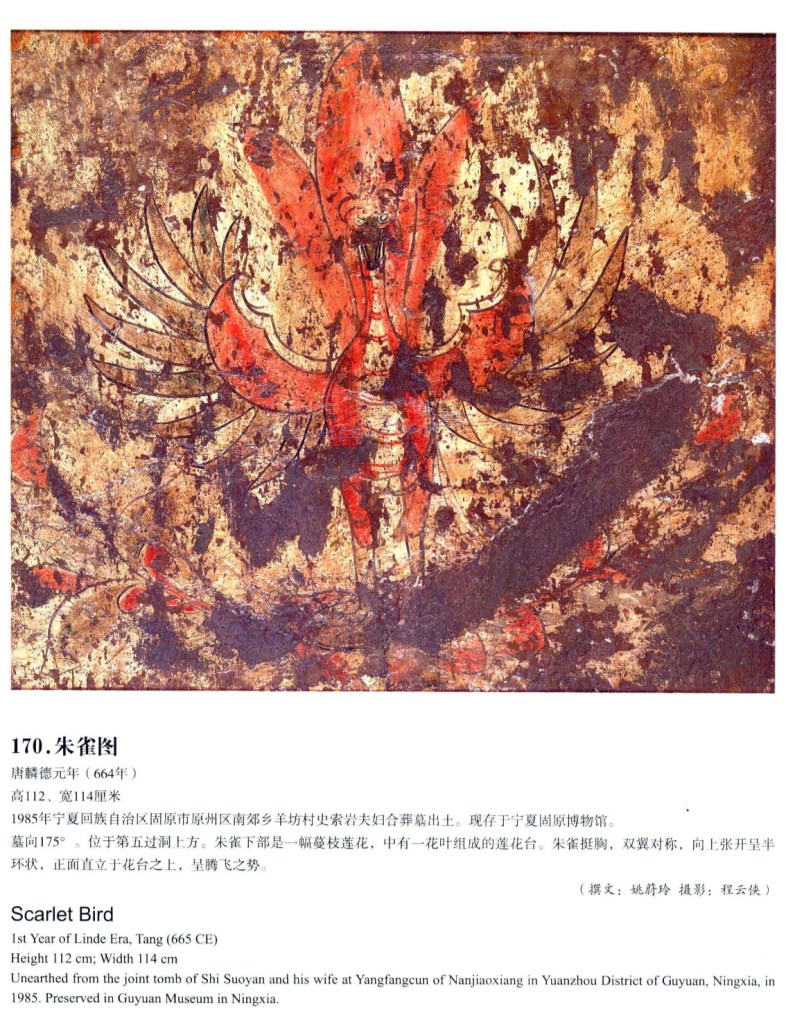
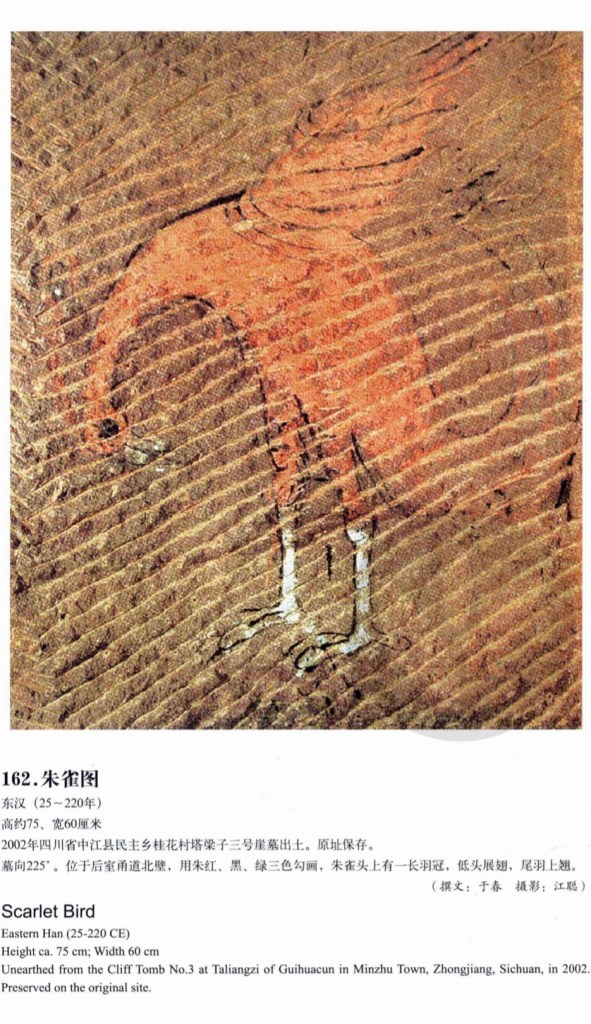
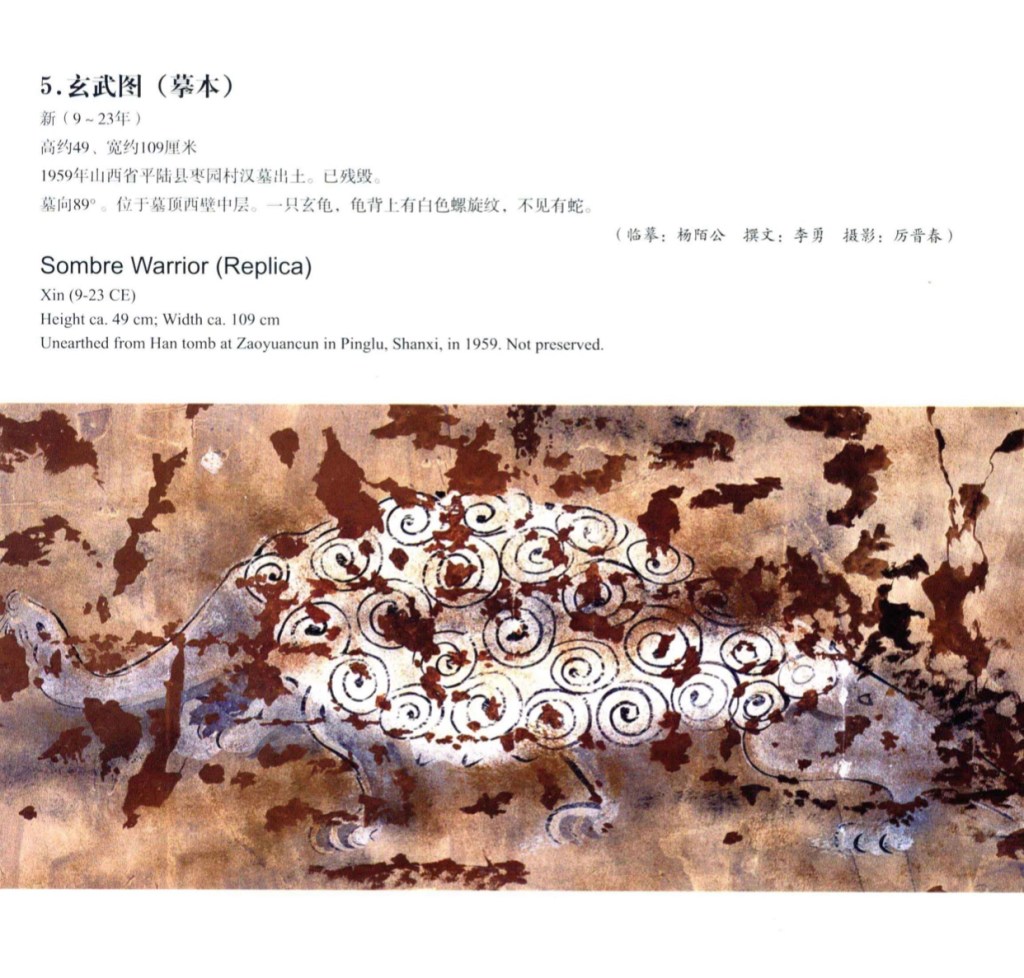
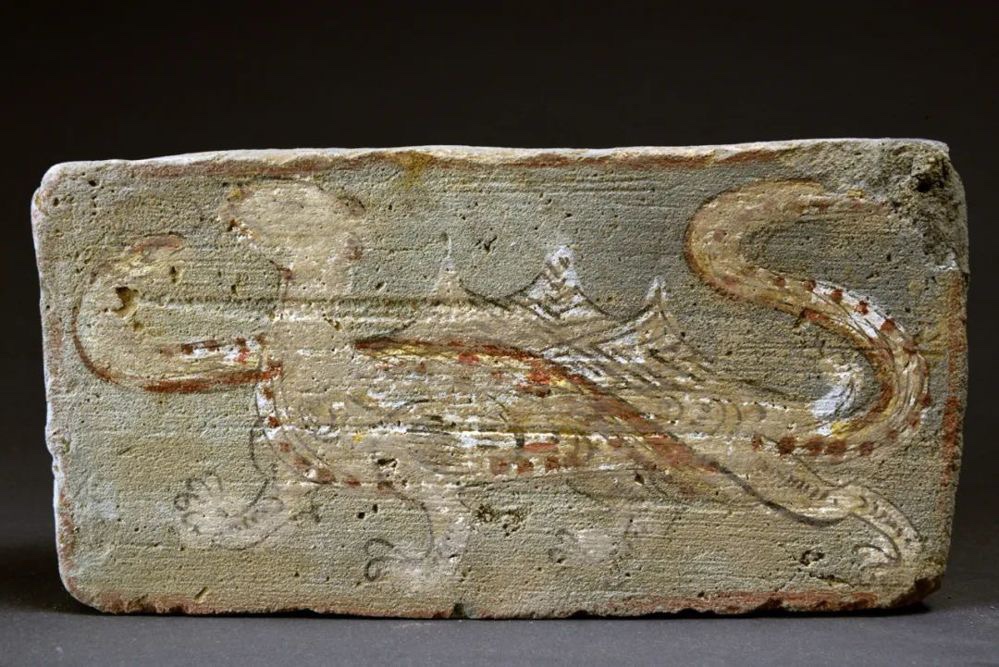
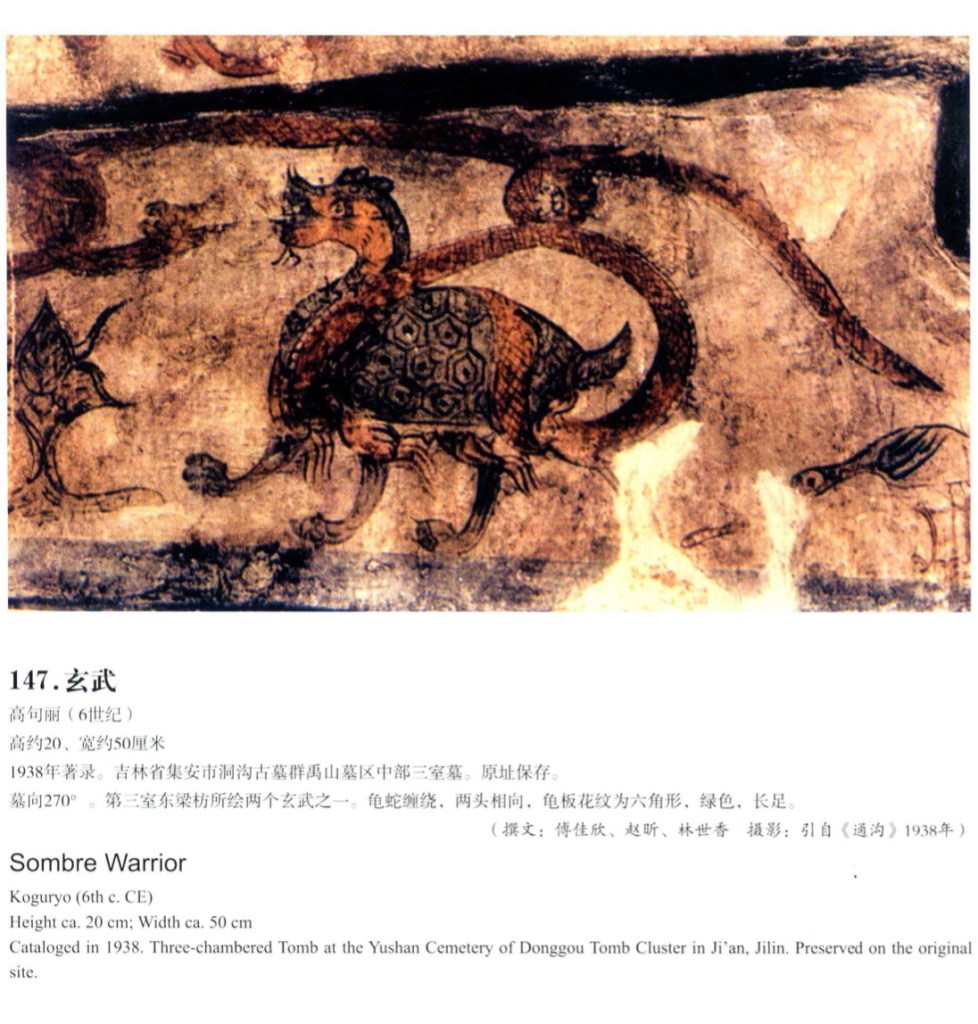
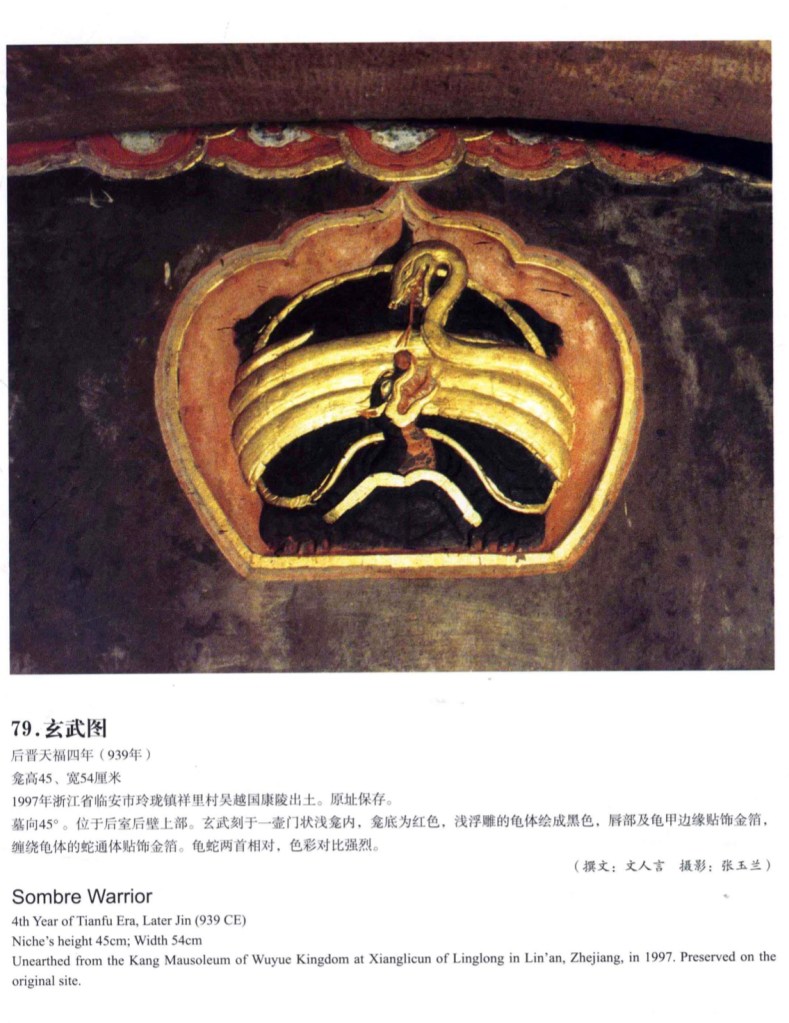
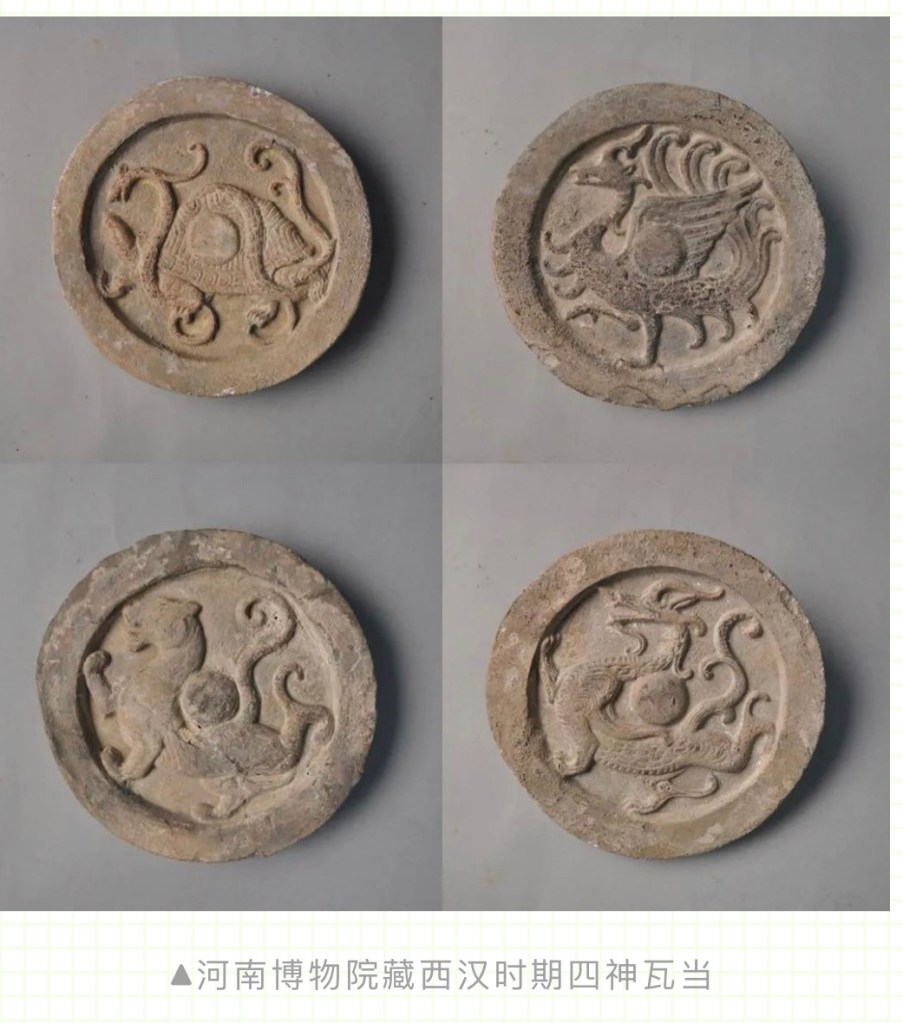
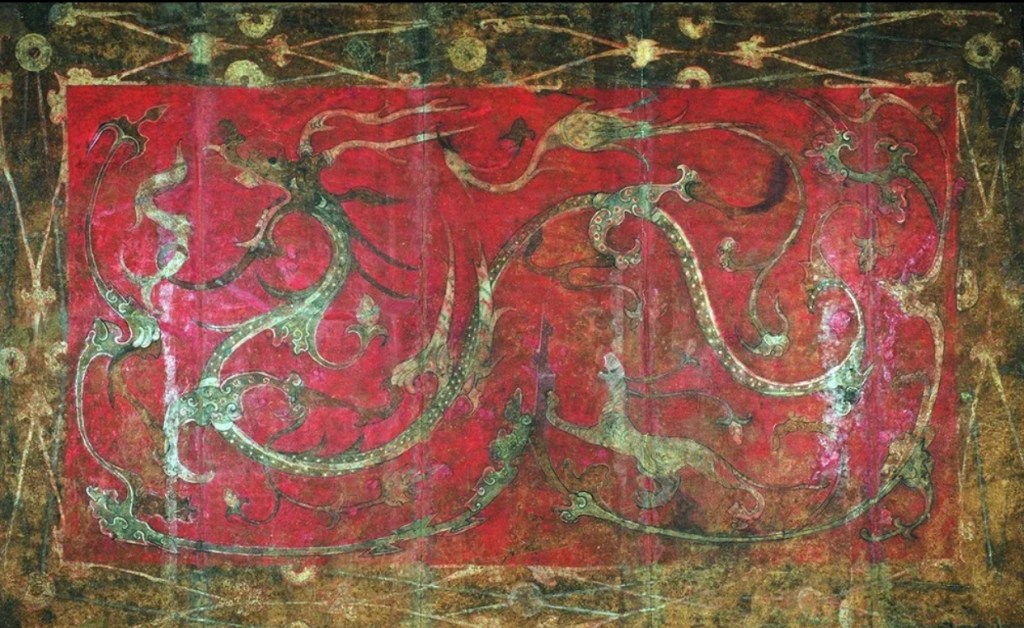
This is the 李壽墓椁,the outer coffin, and the inner coffin is 棺. Master Wang pointed these words on the roof to us: 開者即死,those who open this coffin would die immediately. He said at that time they asked criminals to open it. This is certainly not the present practice.The whole coffin had fine carvings all overThe green dragon 青龍,one of the four heavenly beasts. The rest is 白虎,white tiger; 朱雀,red bird; and 玄武,snake and tortoise The white tiger
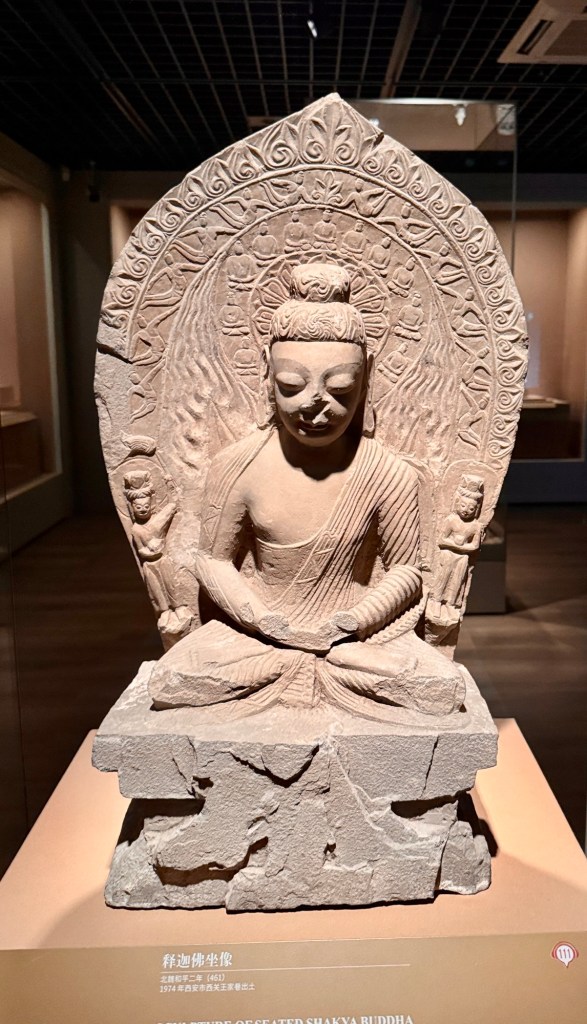
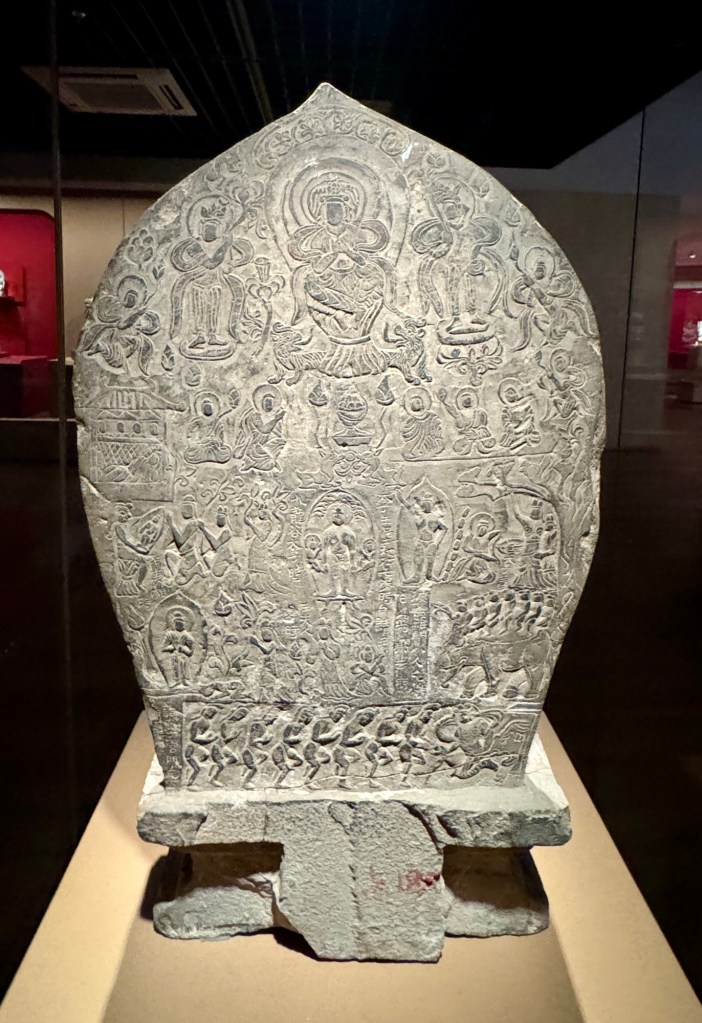
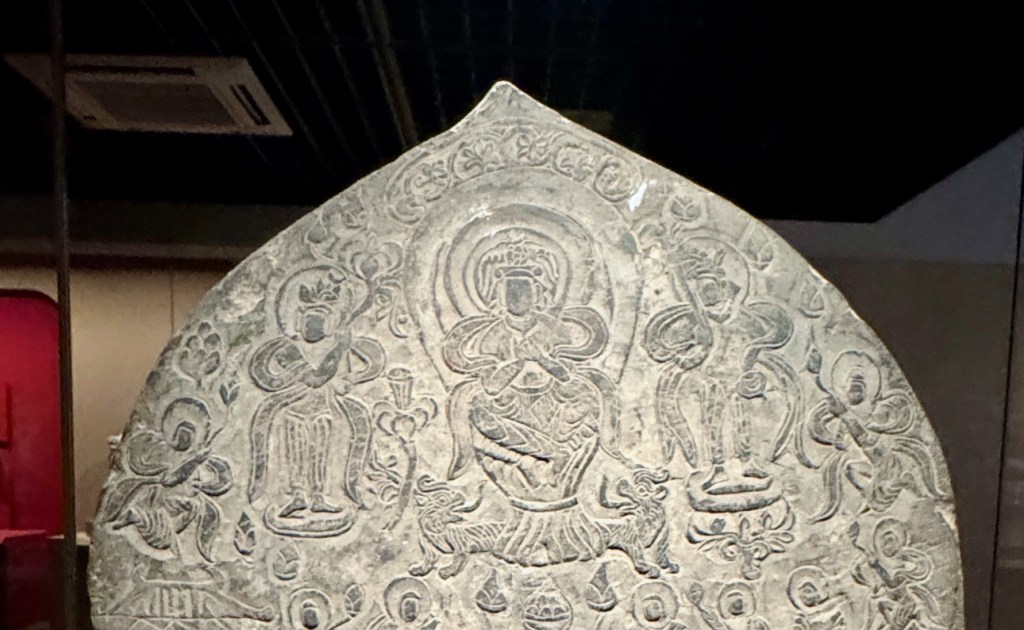
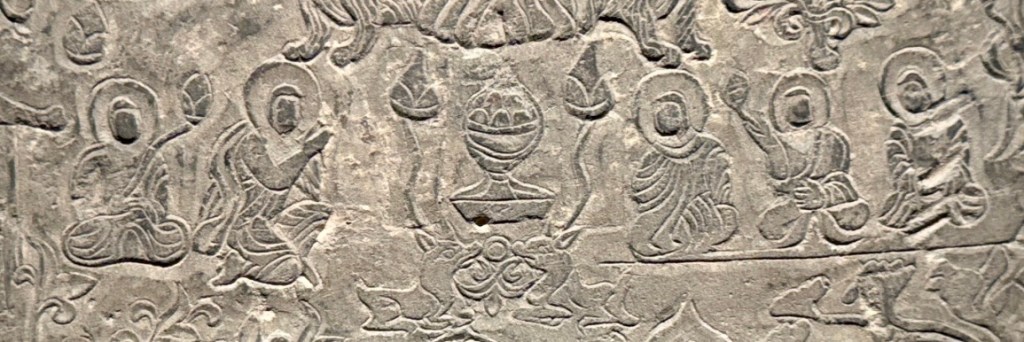
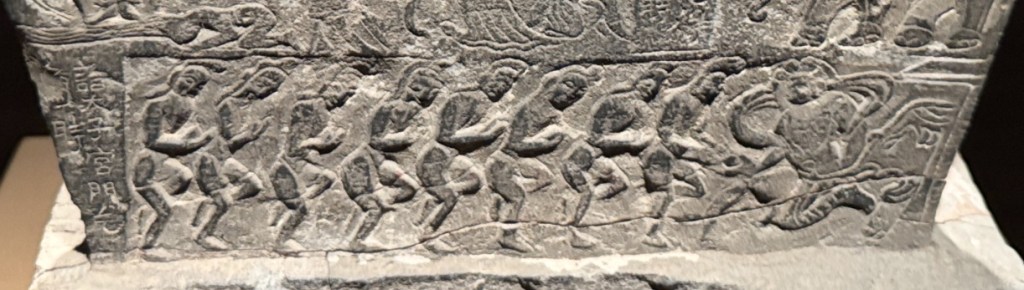
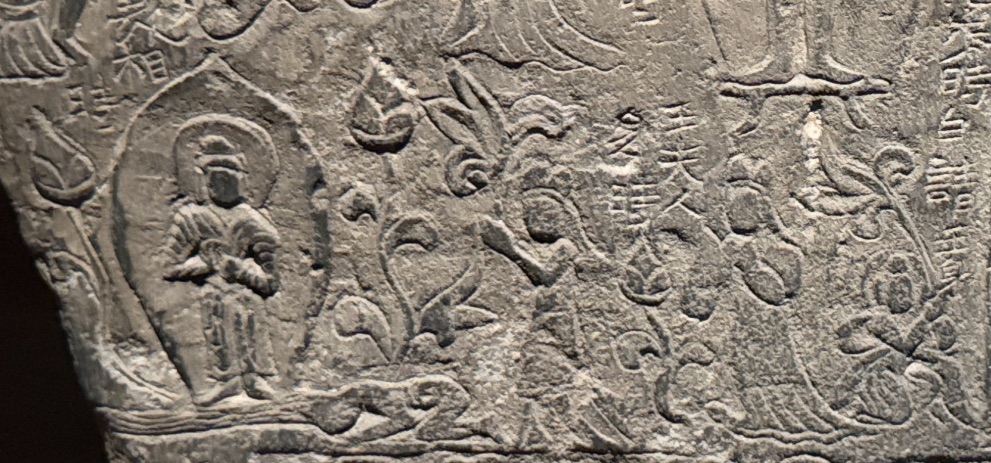
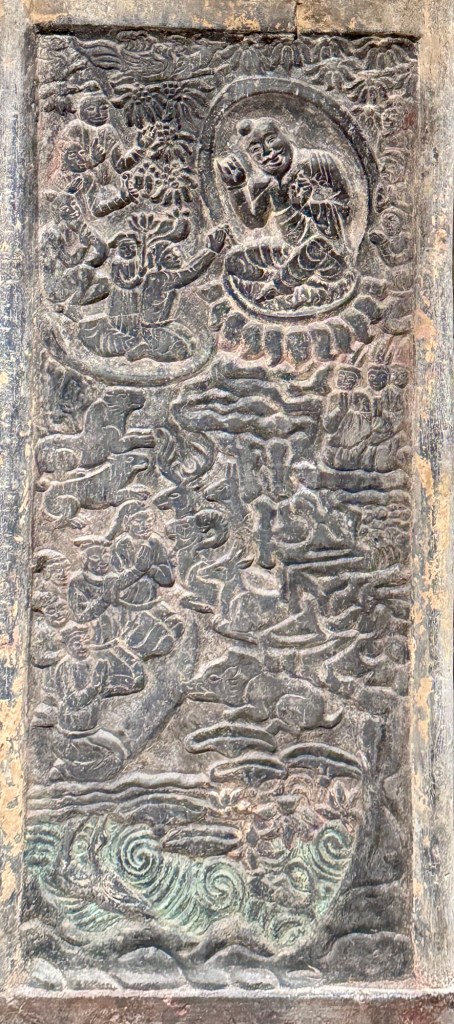
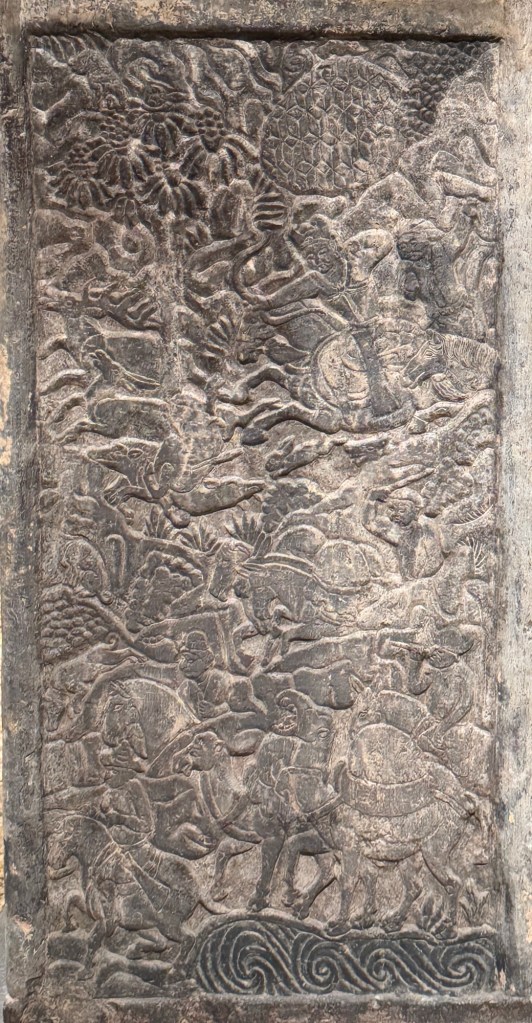
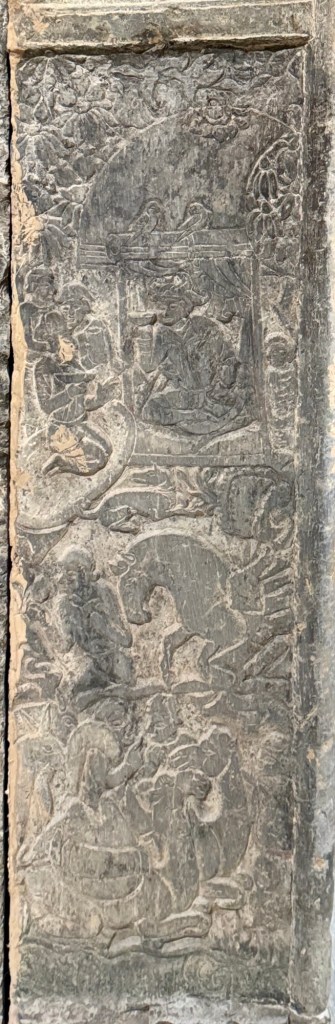
Then we looked at a stone stele ofShakyamuni and Master Wang also pointed out at the back of the stele there were carvings showing the life of Buddha.
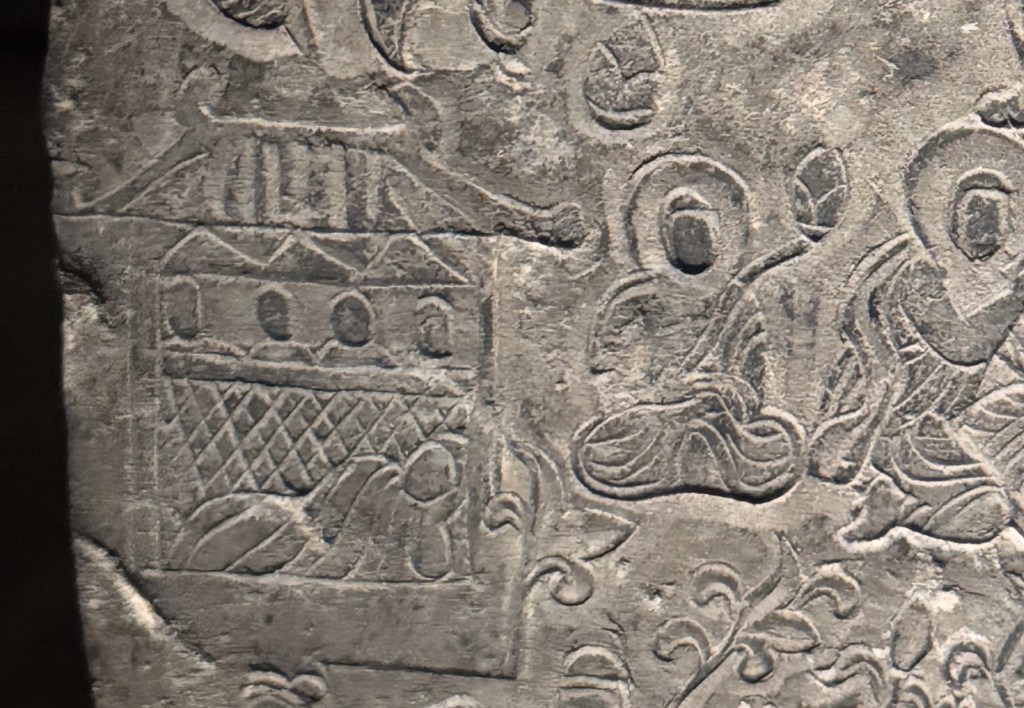
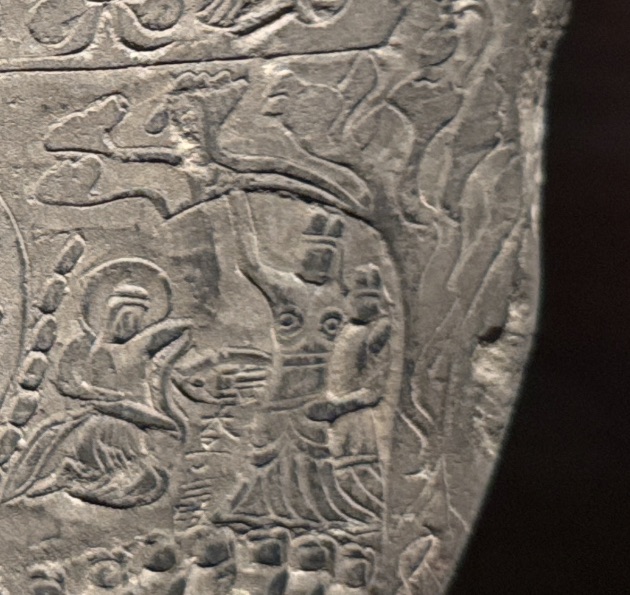
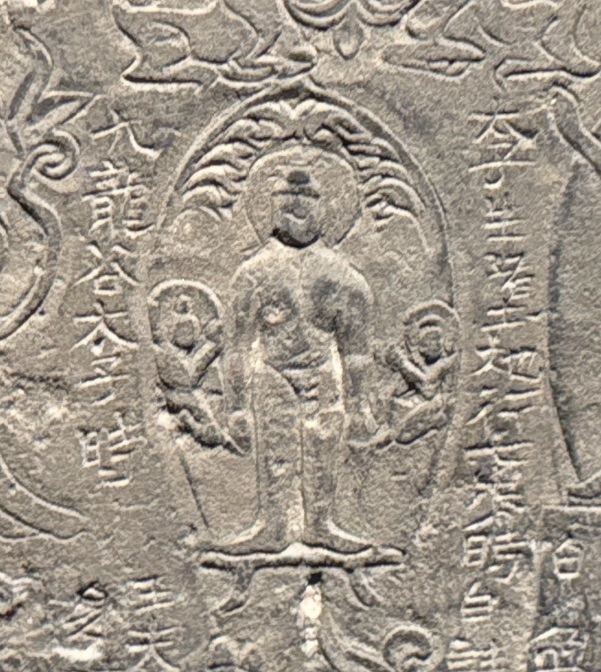
The museum notes say it is worship of Bodhisattva but this is not a usual scene of the Buddha’s life cycle. I think it can represent the Bodhisattva in heaven discussing who should come down to earth to guard and help Buddha.The queen here lied on a bed and an elephant entered her body and then she was pregnant. However the elephant was not clearly seen but the museum notes said soBirth of Buddha. The queen gave birth under Ashoka tree or Sorrowless tree 無憂樹。Buddha came out from her right armpit and received by a Bodhisattva. Here the queen extended her right arm and there was a baby and the Bodhisattva received him with a large piece of cloth Baby Buddha could walk immediately after birth and he walked seven steps in 4 directions and at each foot print a lotus flower came up 步步生蓮。Here it was simplified, only seven foot prints were shown but the raised right upper hand and lowered left upper hand were still visible. This is 上天下地為我獨尊 I am the almighty from sky to earth. 九龍浴太子,nine dragons bathing the prince (baby Buddha)The king brought baby Buddha to a fortune teller. He told the king that this baby would have great achievement when he grew up. He would either be a good king or a great thinker The notes just said the heavenly beings (they have halo 頭光)listened to preaching. But who was preaching? Note in the centre there was an incense burner and two deers below it . This is a typical representation of 鹿野苑 Sarnath, garden of deers so it is 初轉法輪,first preaching of Buddha in
Sarnath after his enlightenment.This story told Buddha previous life. He was also a prince and the king had a very good elephant who could fight in wars. The Brahmin 婆羅門 knew that the prince was very kind so they tricked him by bagging for the elephant. The kind prince then gave them the elephantHere the Brahmin rode the elephant and left. This story stressed the kindness and generosity of Buddha in his previous life. This is also a common and important story of Buddha’s previous life. 燃燈佛授記 the prophecy of Dipankara. He was the Buddha of the past. Shakyamuni was a small boy 儒童 at that life. When he saw Dipankara walked towards a pool of dirty water he loosened his hair to cover up the dirty water so Dipankara feet wouldn’t get wet. On the far left we see Dipankara stepping on the hair of a boy. Then Dipankara told the little boy that he would become Buddha in the future and the name would be Shakyamuni。This is important because it officially announced the approval of Shakyamuni as a Buddha.
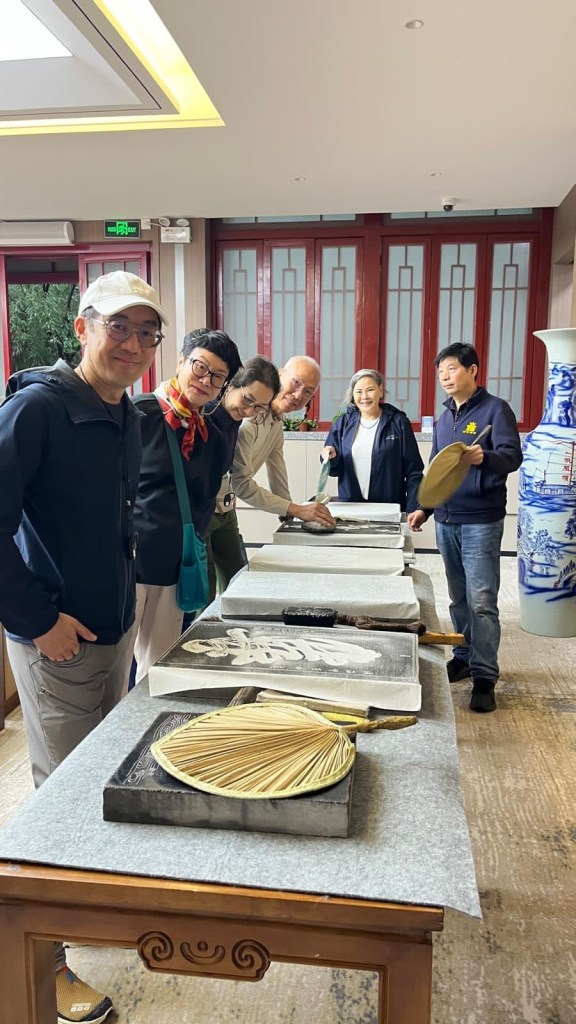
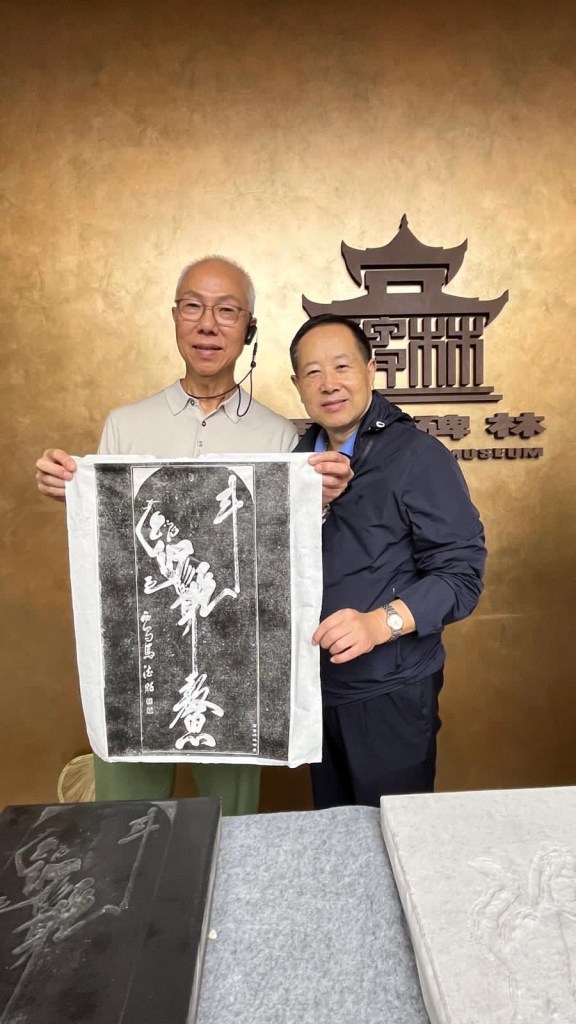
Then we went to a resting room and saw demonstrations of 拓片, rubbing from tablets. We also had hand on experience and made our own 拓片
This one was popular and made by myself
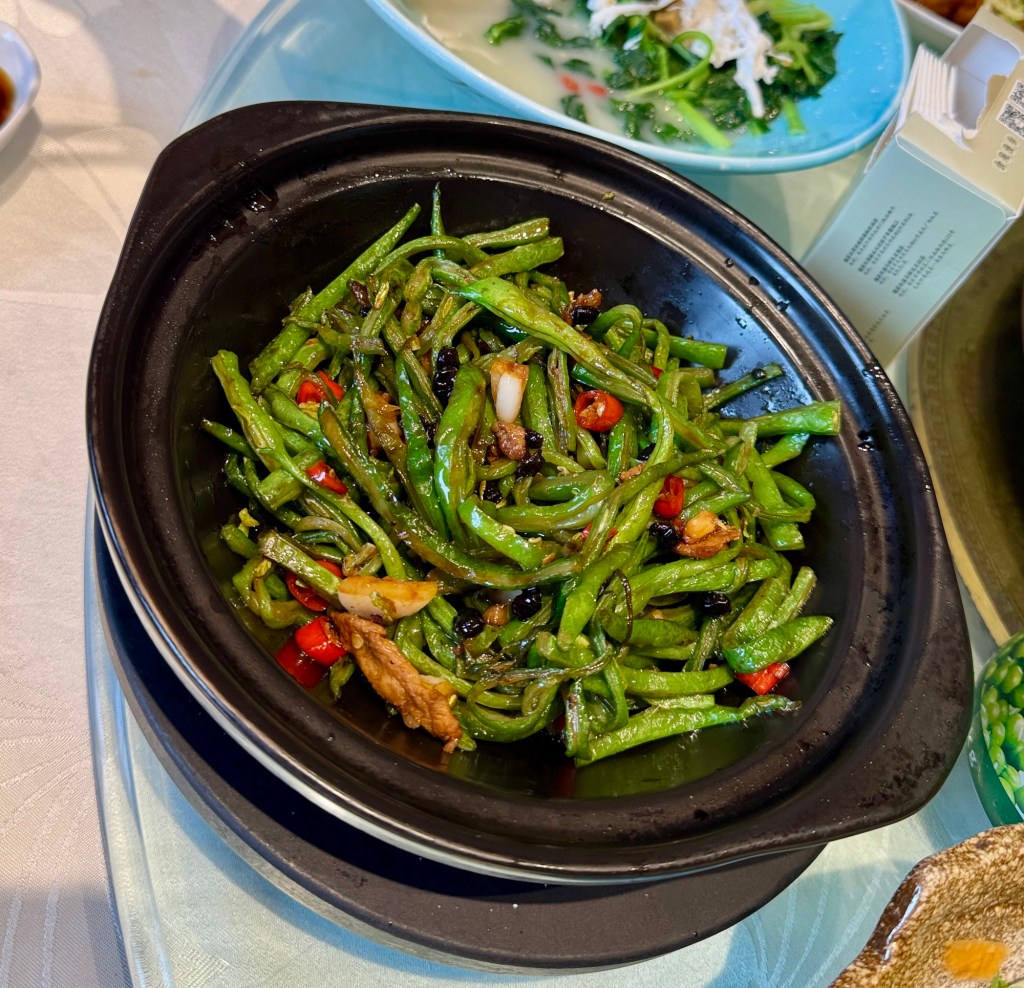
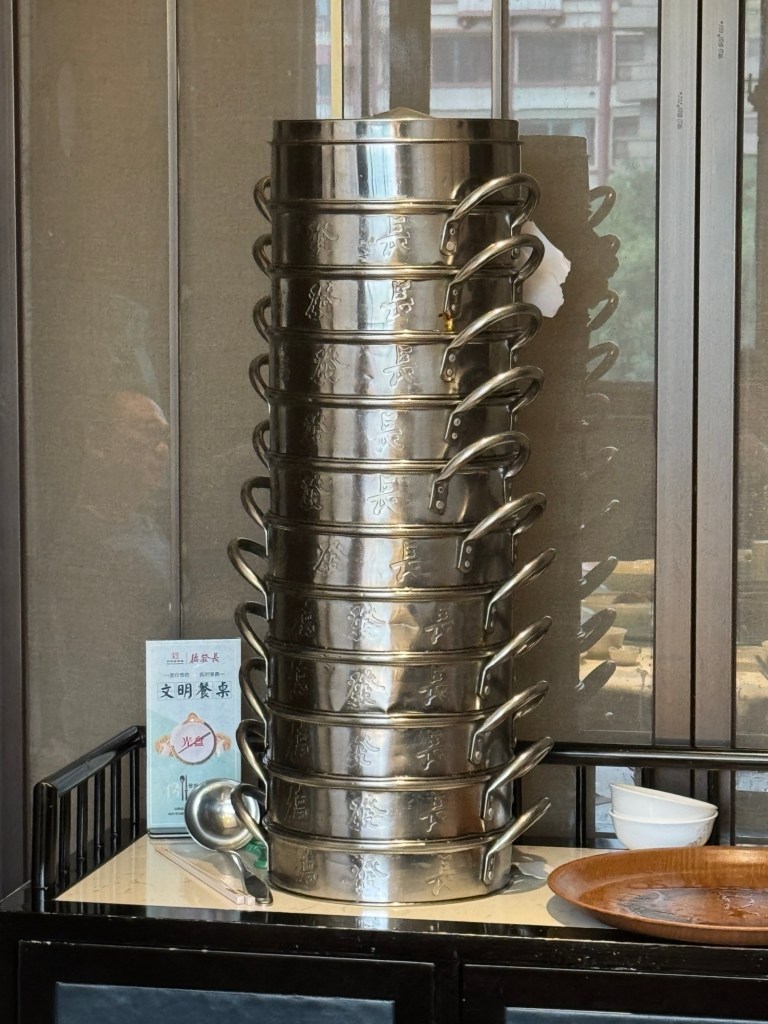
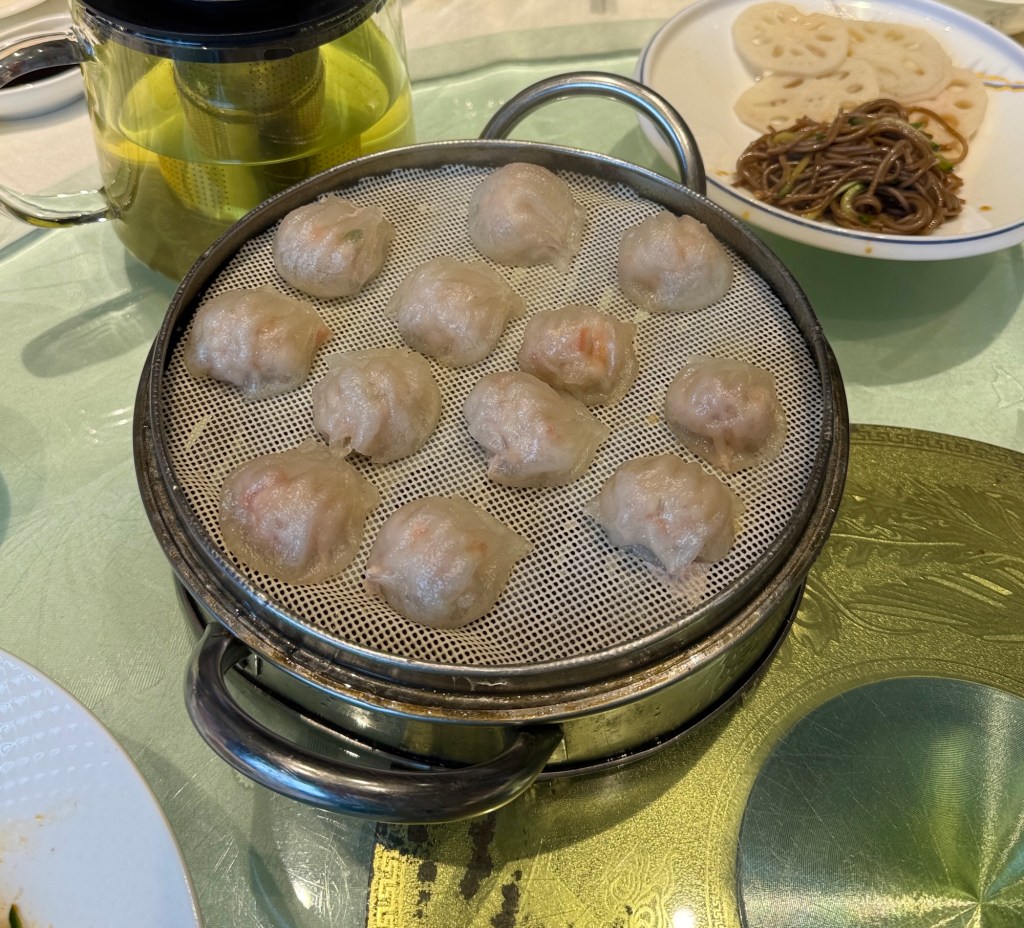
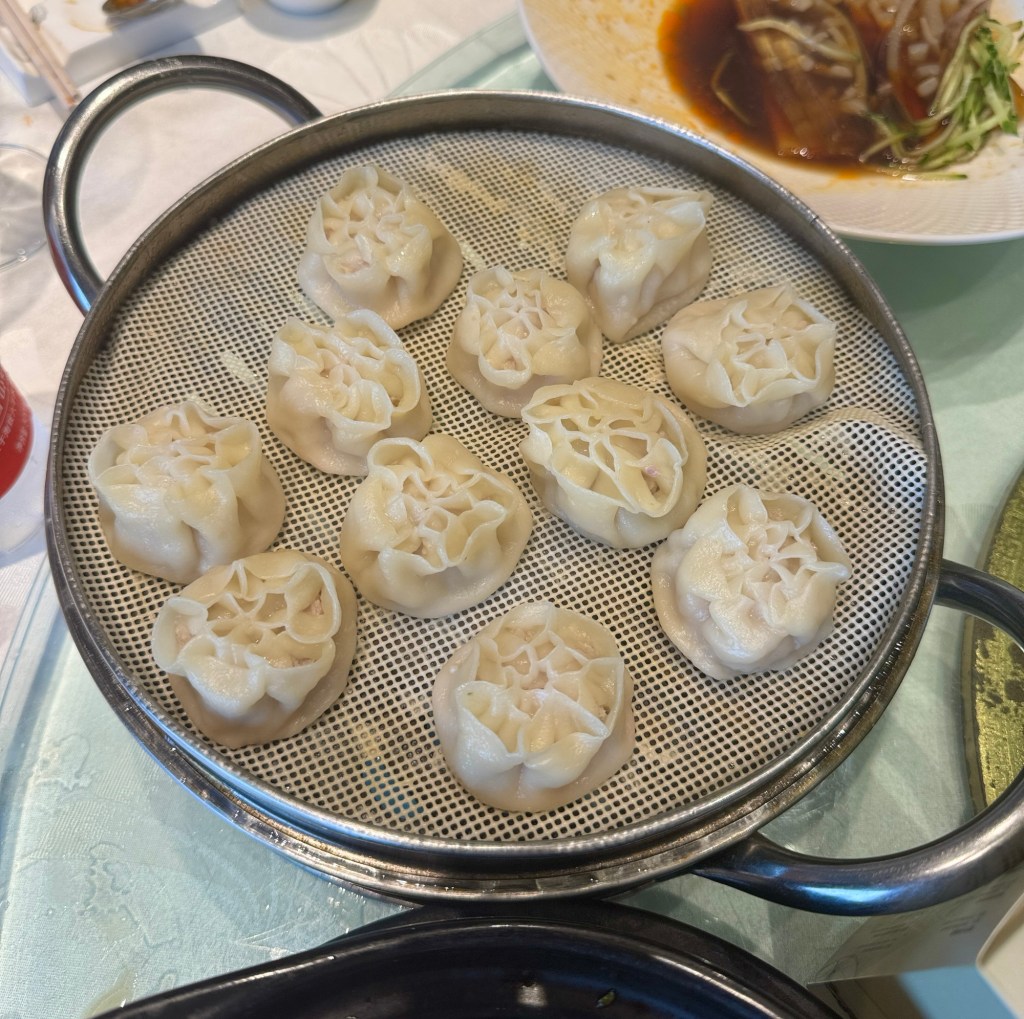
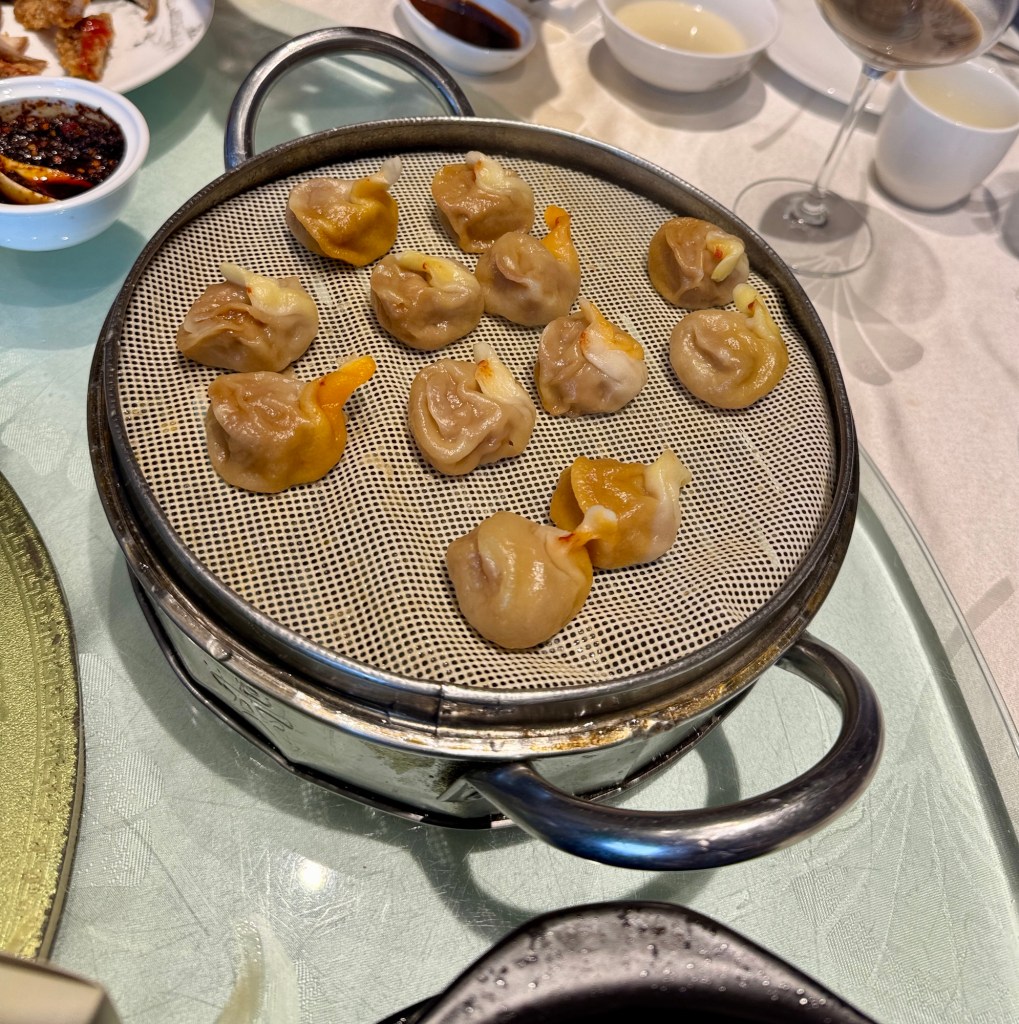
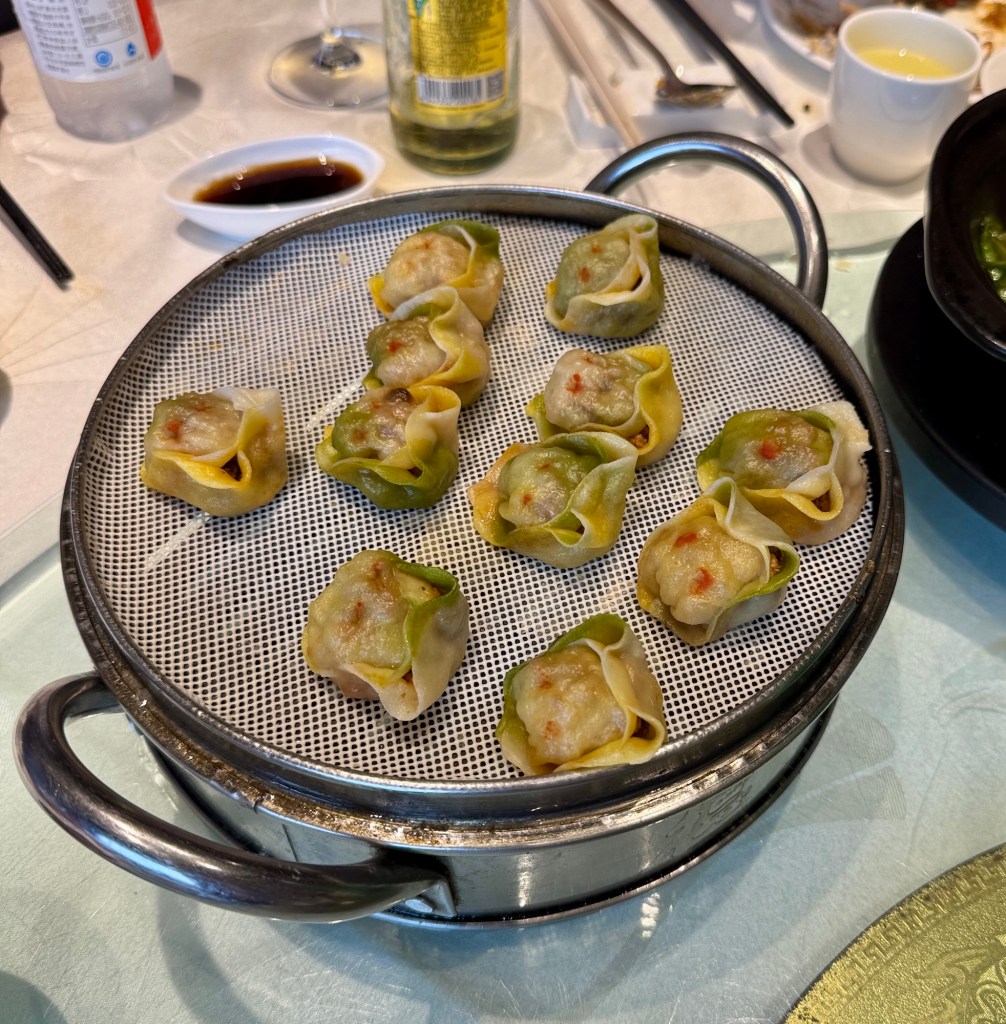
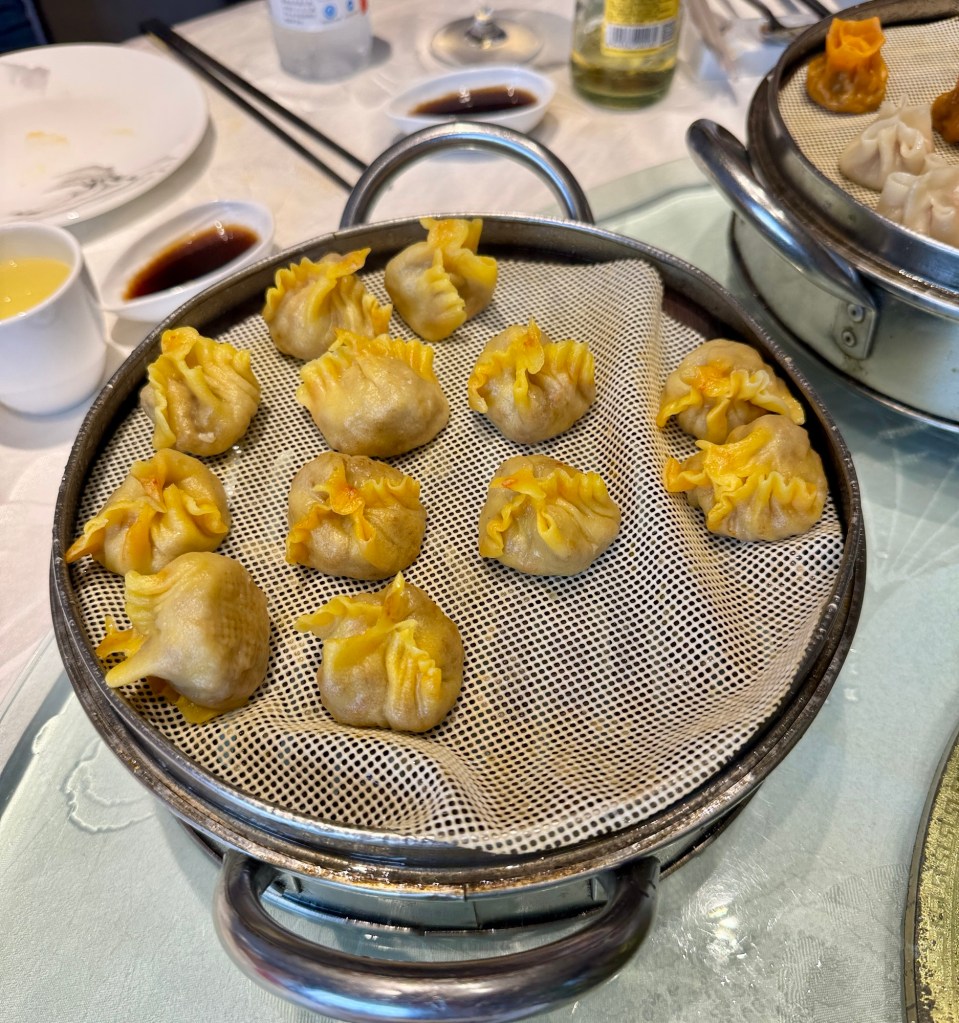
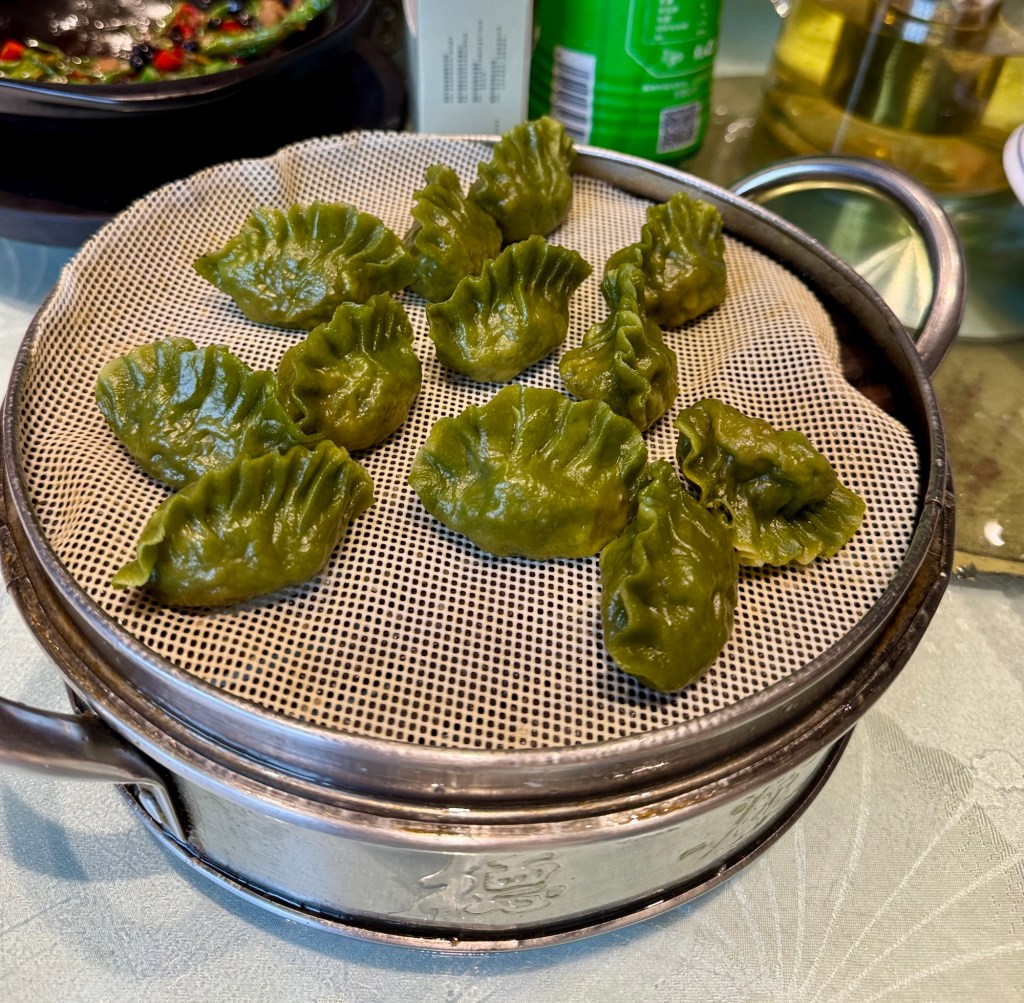
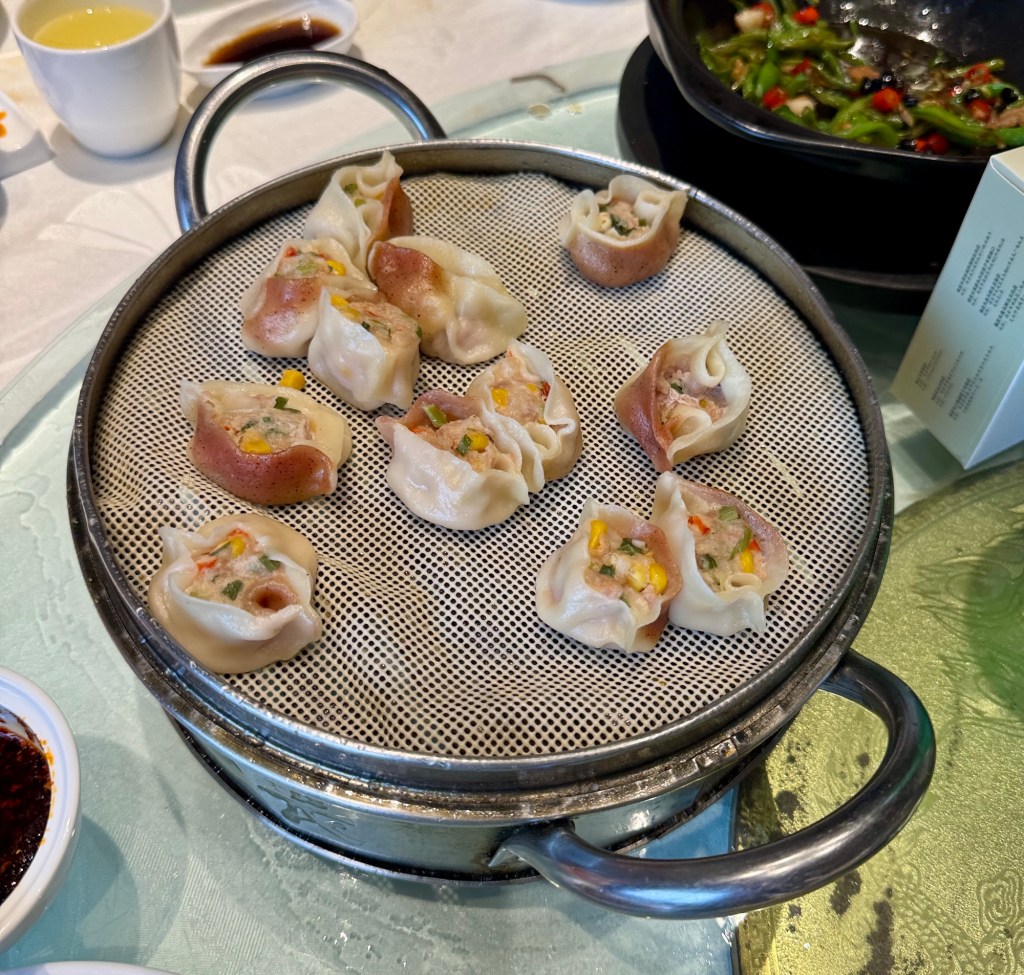
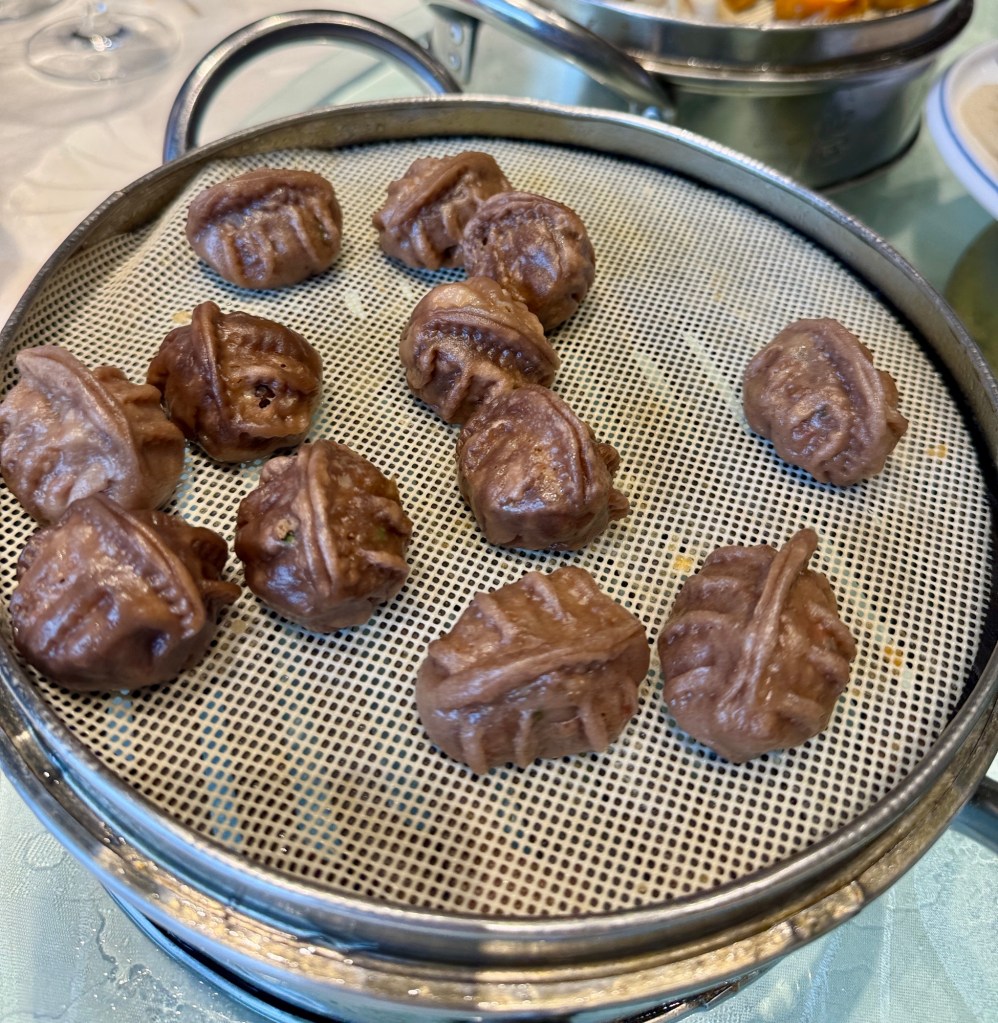
For lunch we had dumplings. Just a few dishes of cold dish, vegetables and chicken then followed by many varieties of dumplings. No way we could finish them.
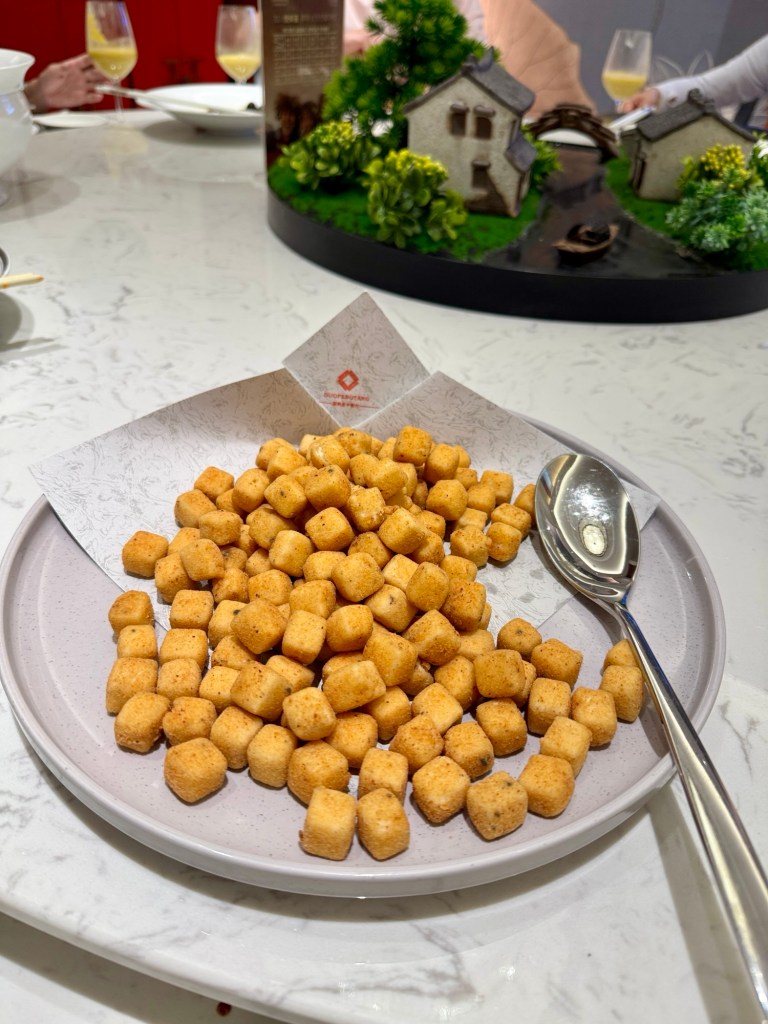
No one thought they were all for us but here they were:This is desert dumpling, walnut shaped with sweet walnut inside
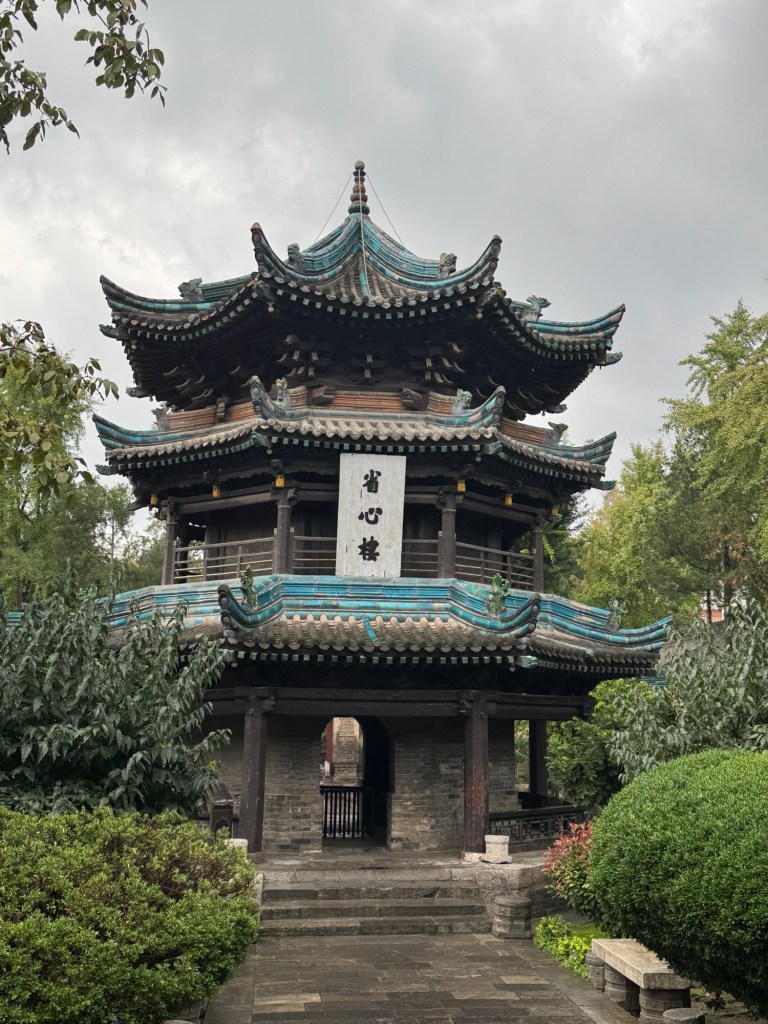
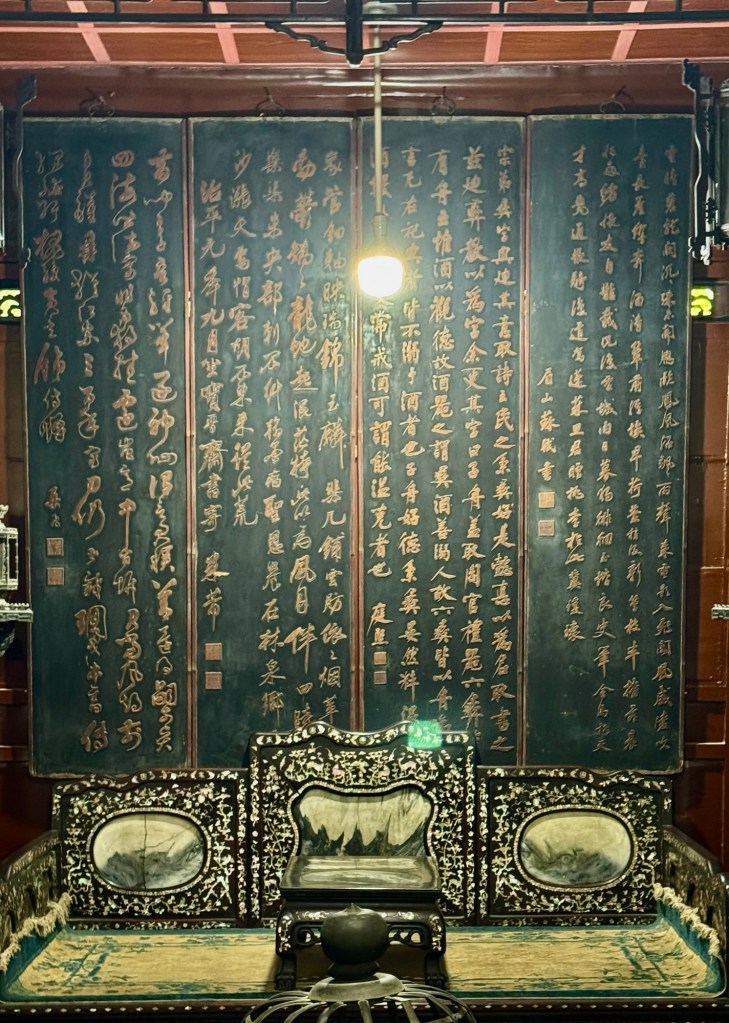
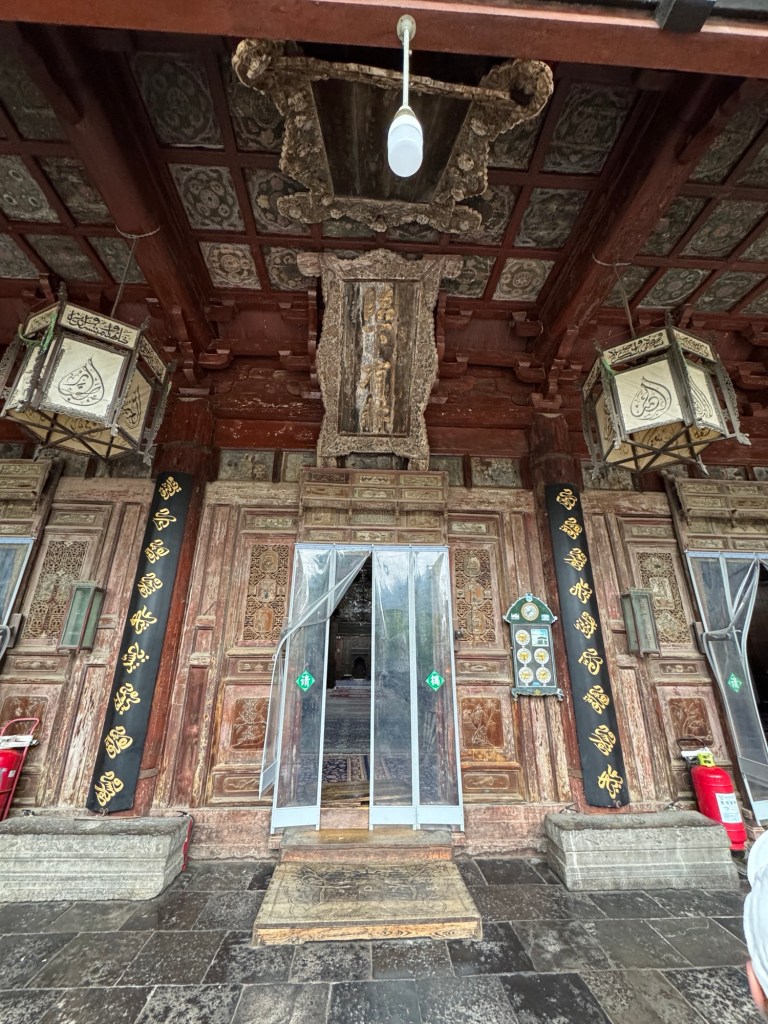
In the afternoon we went to the Muslim quarter. The big Mosque was first built in Tang Dynasty and rebuilt in Ming. Basically it is a Chinese style building with a garden, no trace of the usual mosque structures like dome and turrets. We were guided by the Imam who could speak some English.
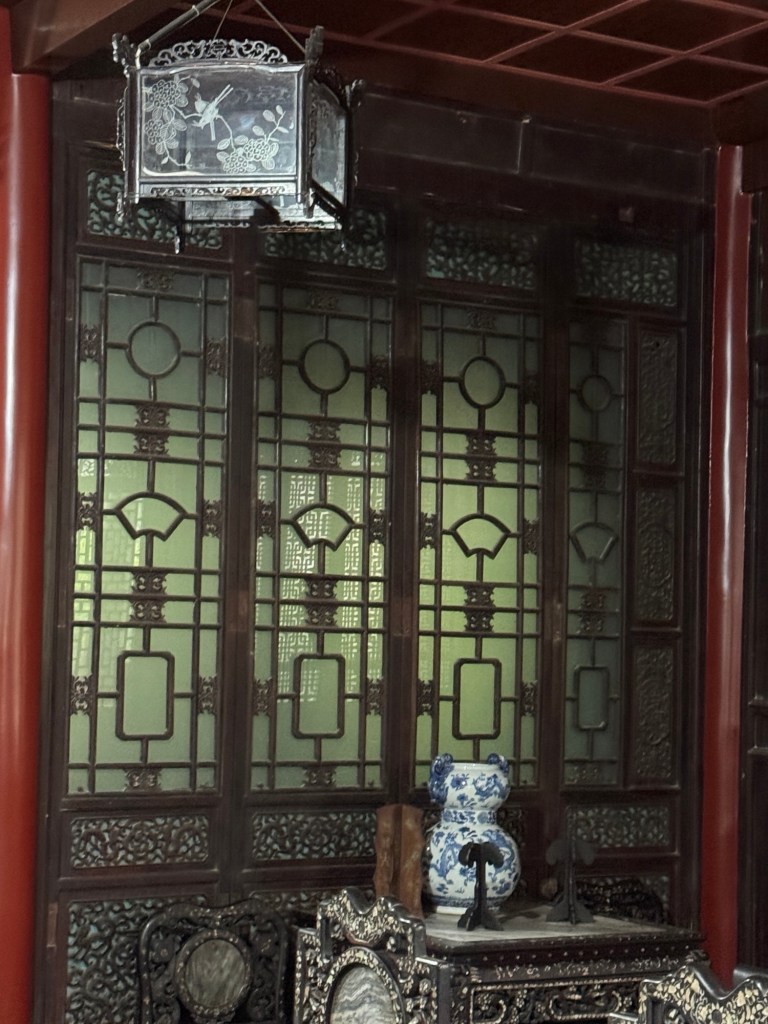
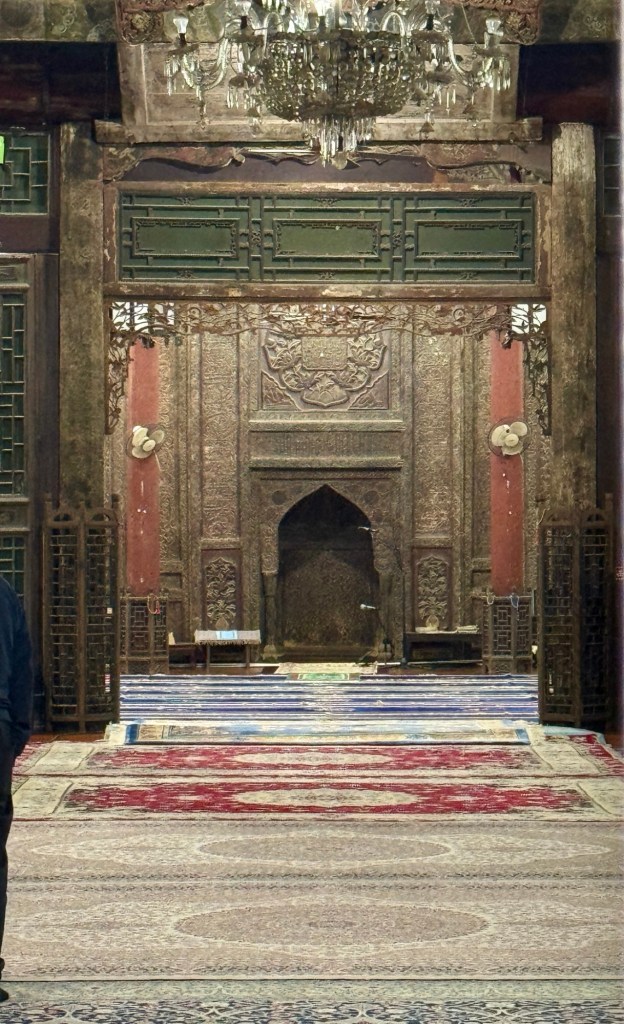
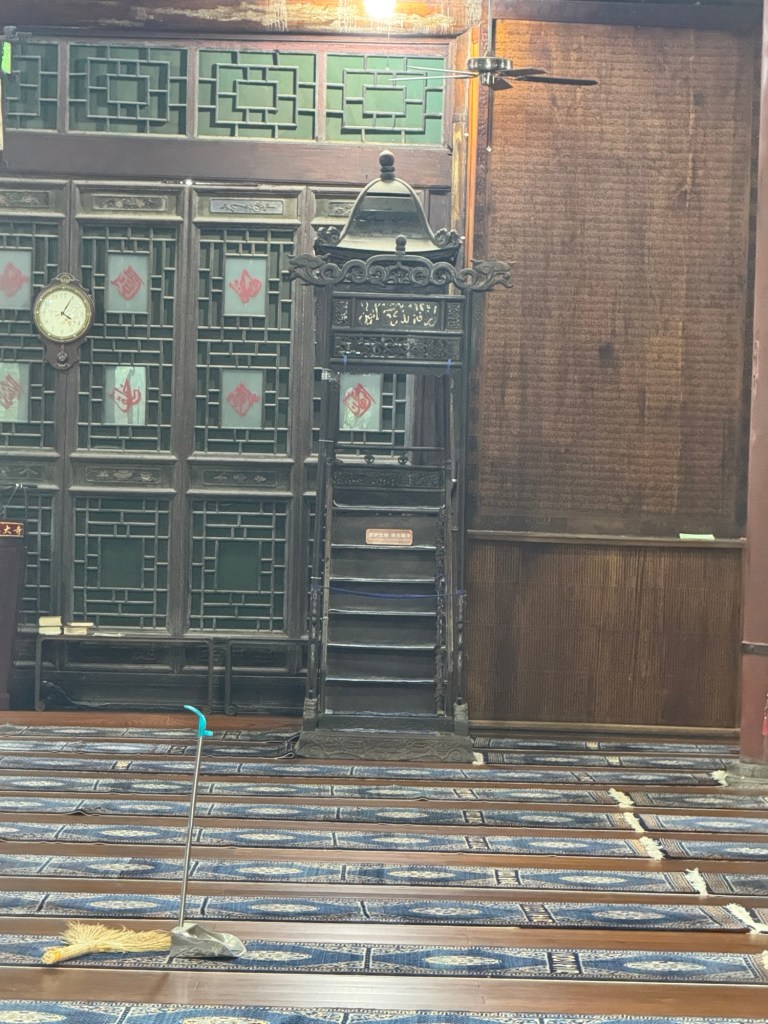
These 4 pieces of screen has calligraphy by: 岳飛(famous general in Song Dynasty),米芾(painter and calligrapher in Song),黃庭堅 (painter and calligrapher in Song)and 蘇東坡(poet, calligrapher and painter in Song)The frame of this window was made with rosewood 花梨木 in Ming DynastyThe grand hall for worship, we not allowed to go in. Only for worshippers as we saw carpets were made readyA peek through the door reveals the Mihrab which is a worship point as it points to Mecca. Carpets were just laid for the next worship. The short mobile stairs for the teachers. Only Imam can sit on the highest step.
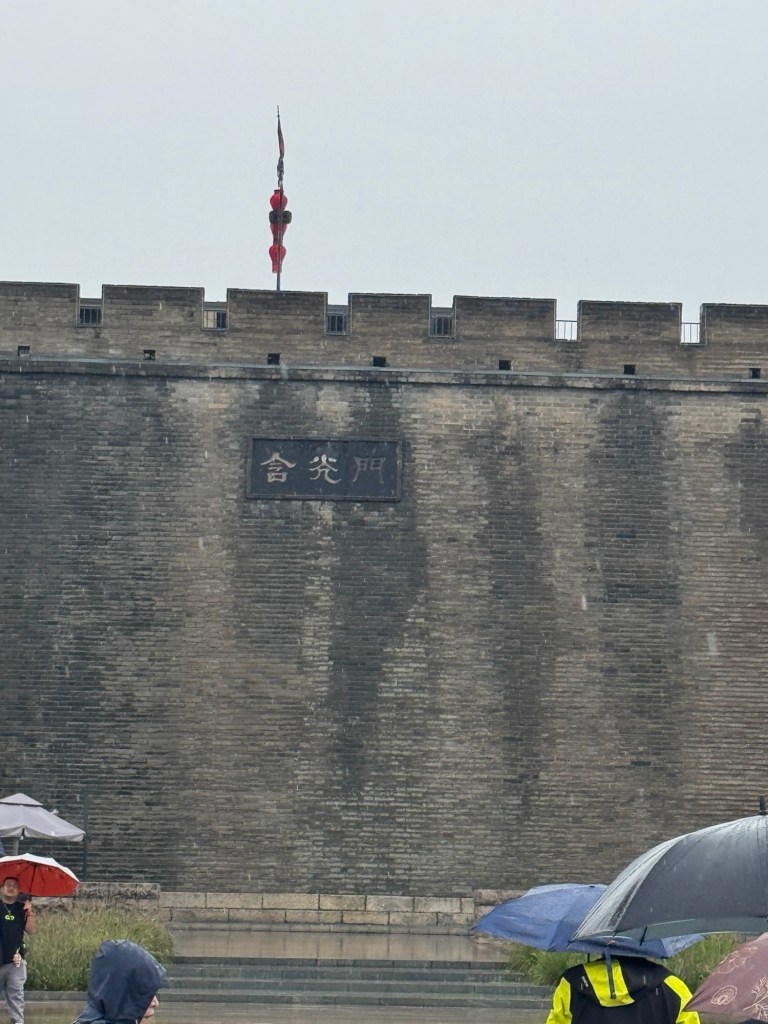
Then we went to the old city wall which was rebuilt in Ming Dynasty and we watch an underground tunnel system to direct water from the near by river.
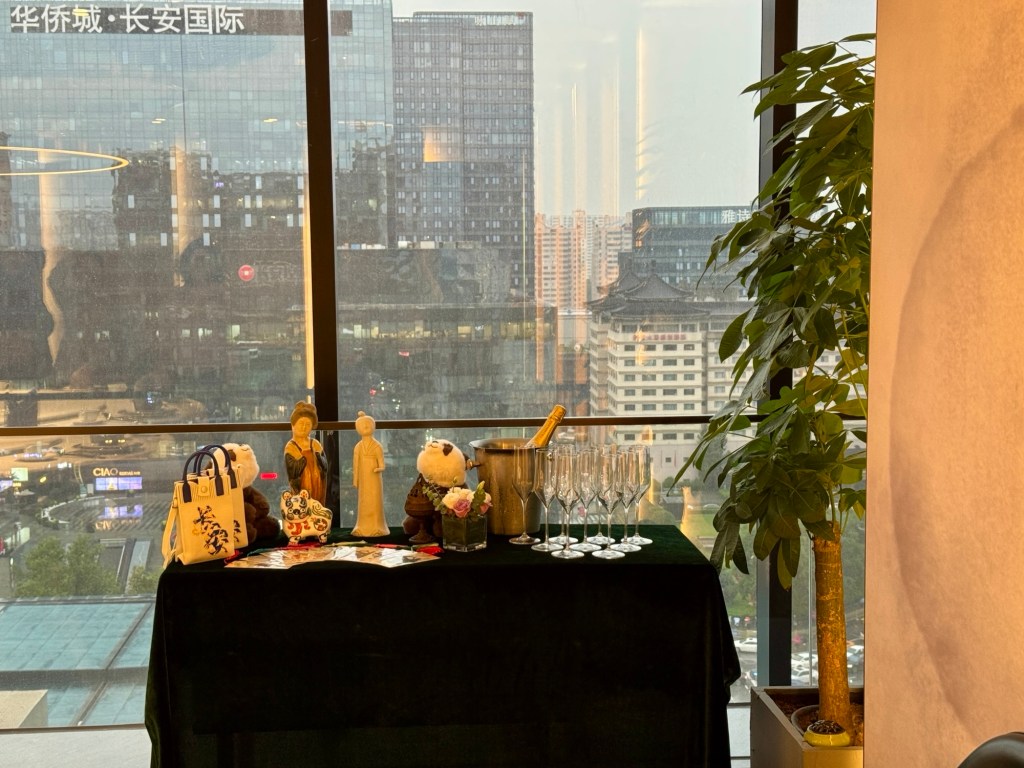
It was raining almost for the whole daySuch a huge and complex system was probably for fresh water supply. For dirty water and rain water drainage they used pipes.We were supposed to have Champagne here and watched sunset but it was still raining
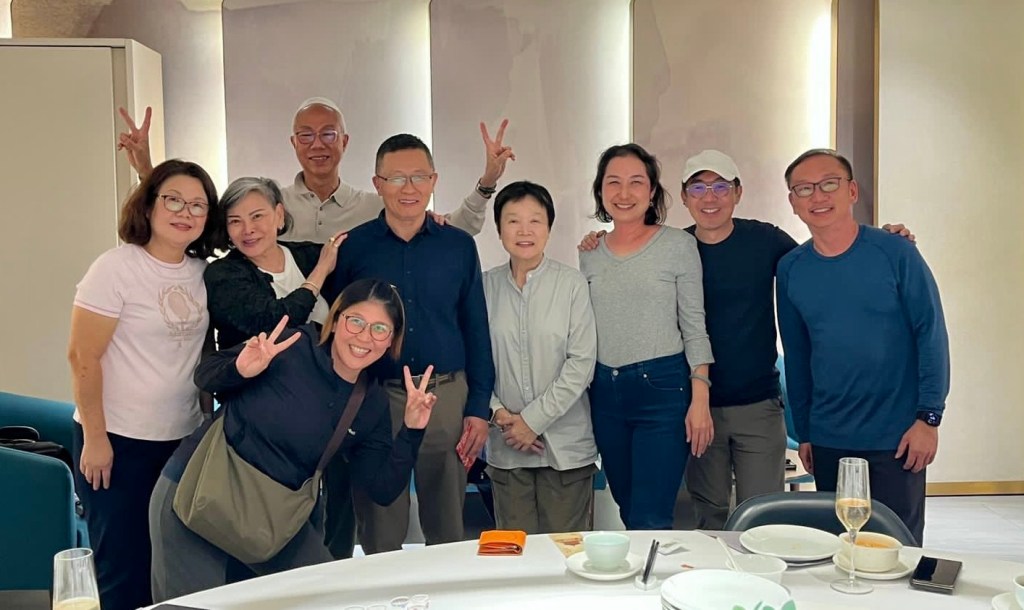
Farewell dinner in a black pearl restaurant. One of the owners is from Hong Kong so the Cantonese food is quite good
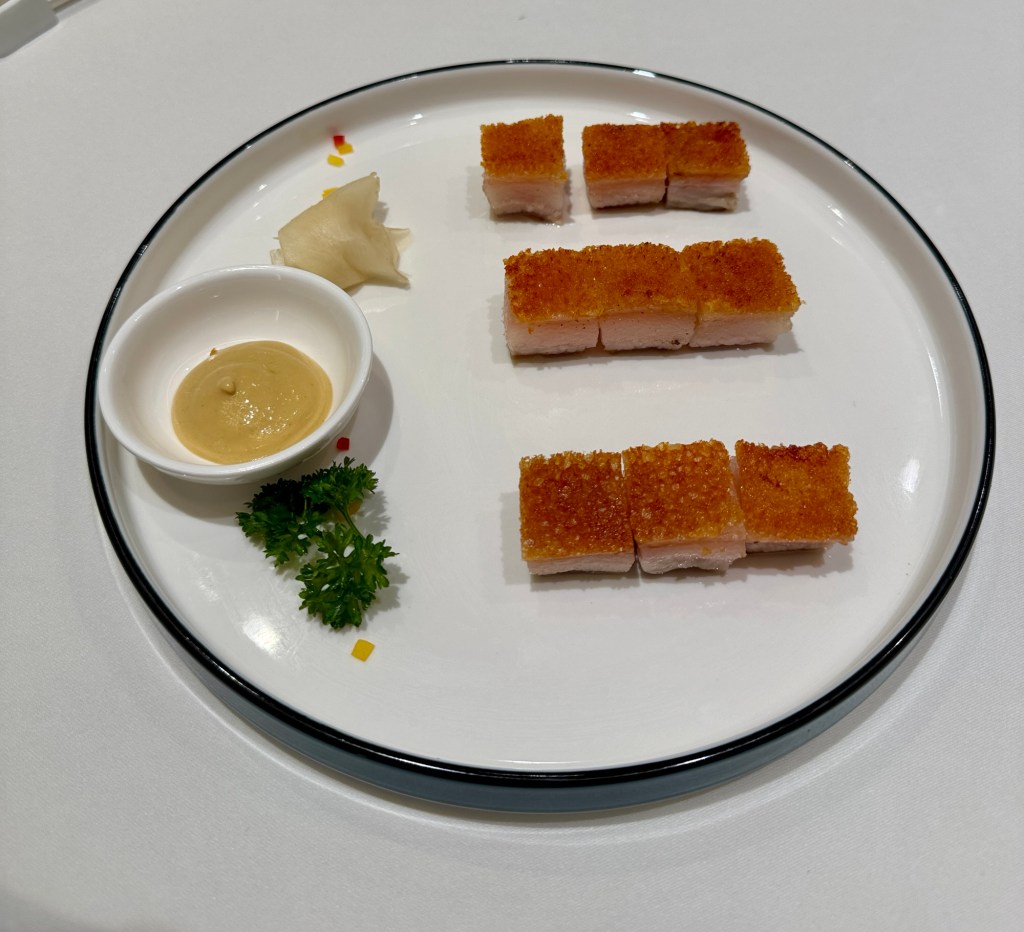
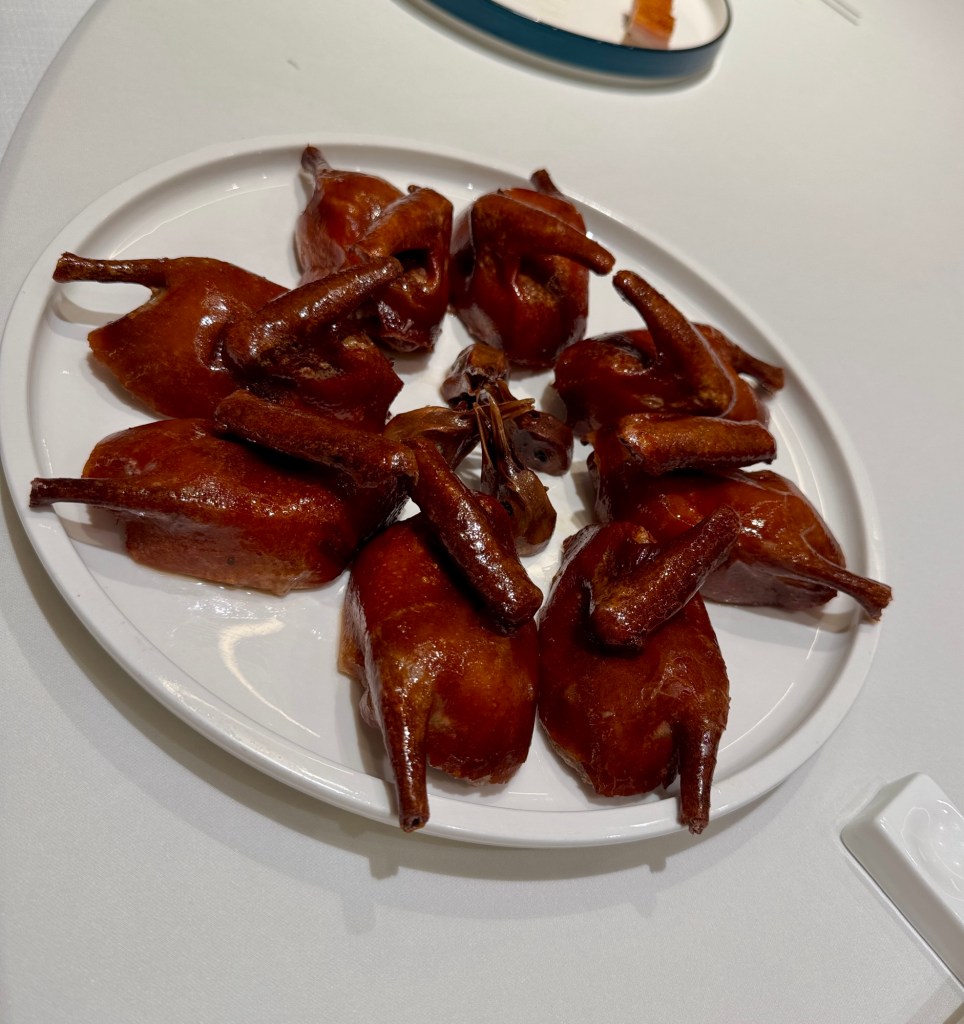
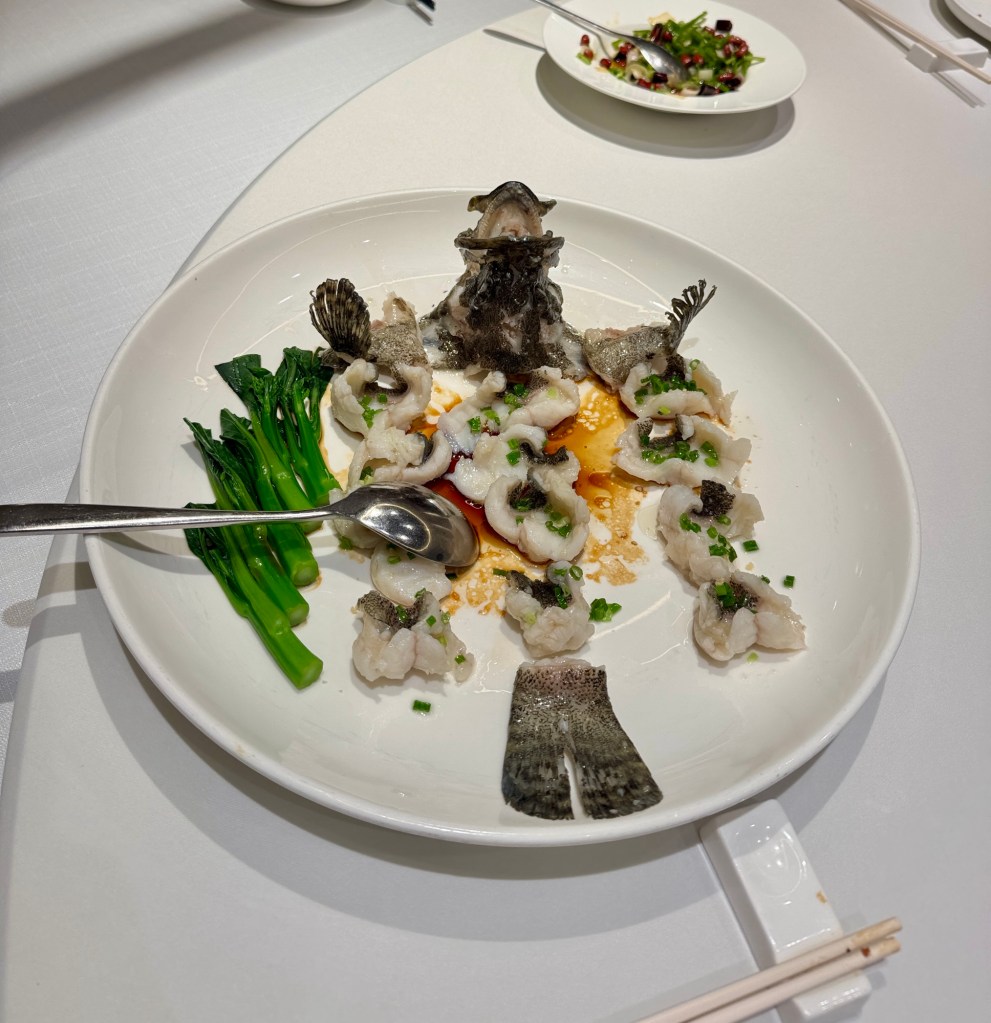
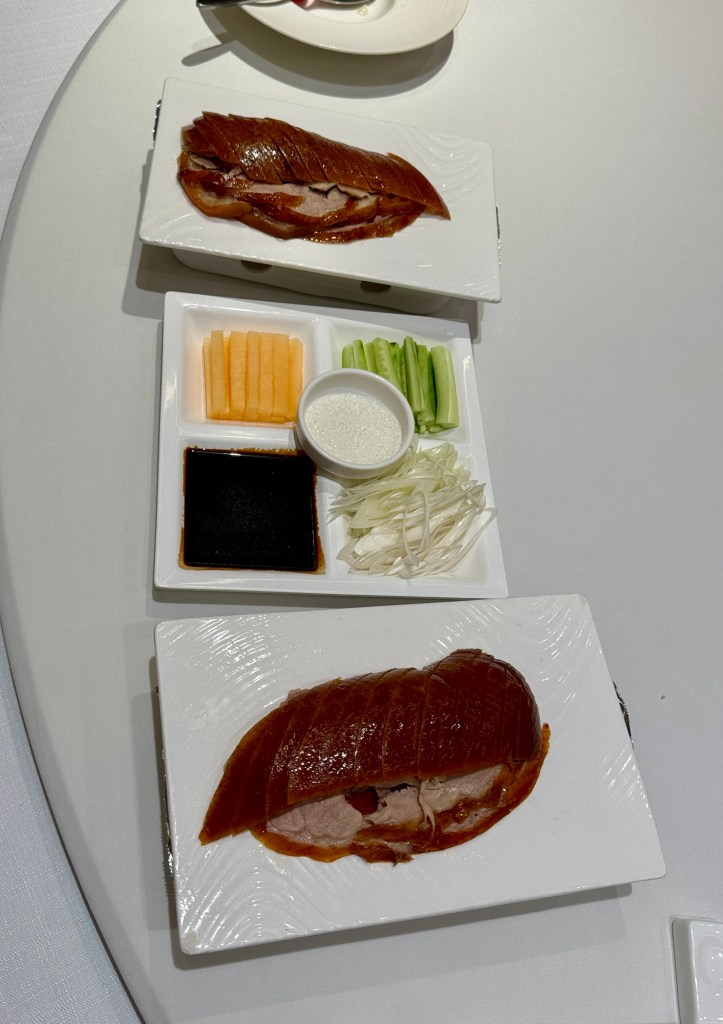
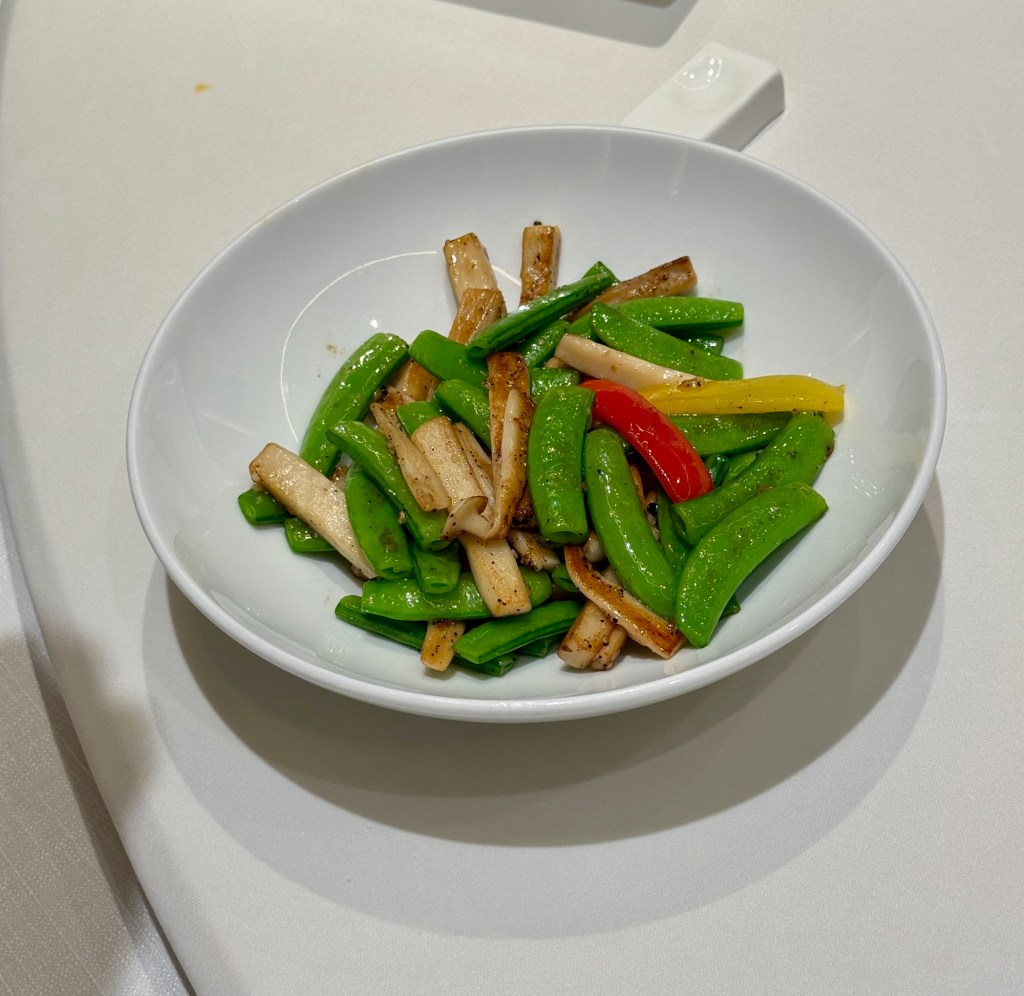
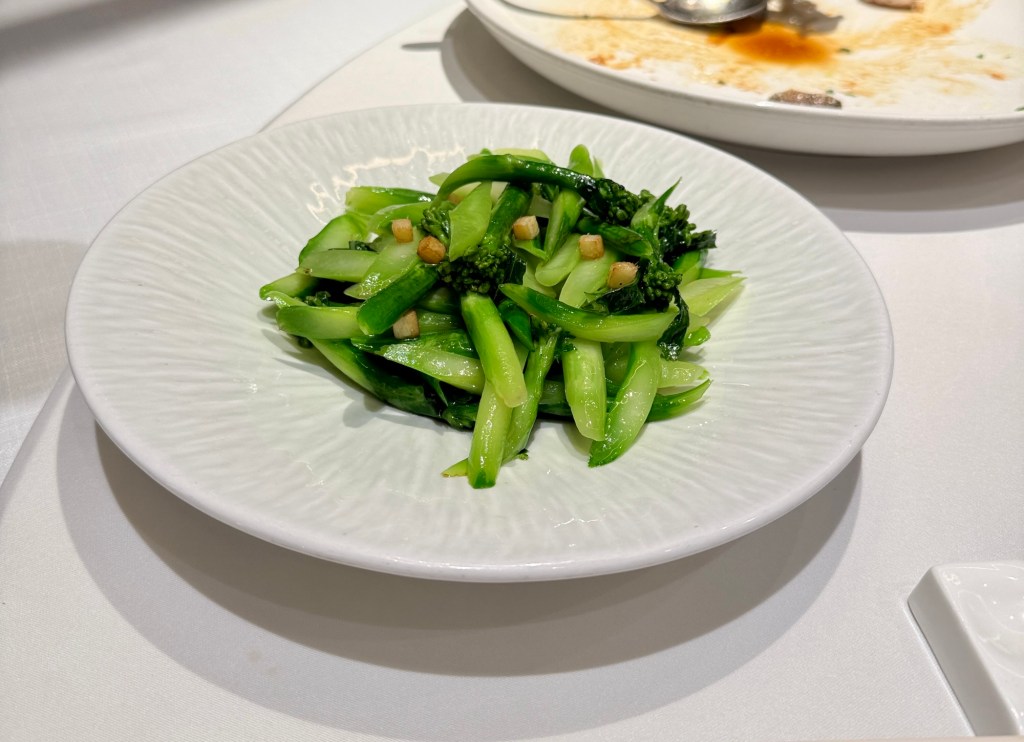
We move the Champagne hereThis BBQ pork 叉燒is very good by HK standardRoasted pork 燒肉is also top gradeThis roasted pigeon is again at the top grade and as good as the best one in HKSteam fish is difficult in inland cities as expected 片皮鴨 Peking duck is rather traditional but now in HK we have evolved to another level, so beyond comparison Good bye Tiger, such a good dinner.
Day 6 Monday 29/9
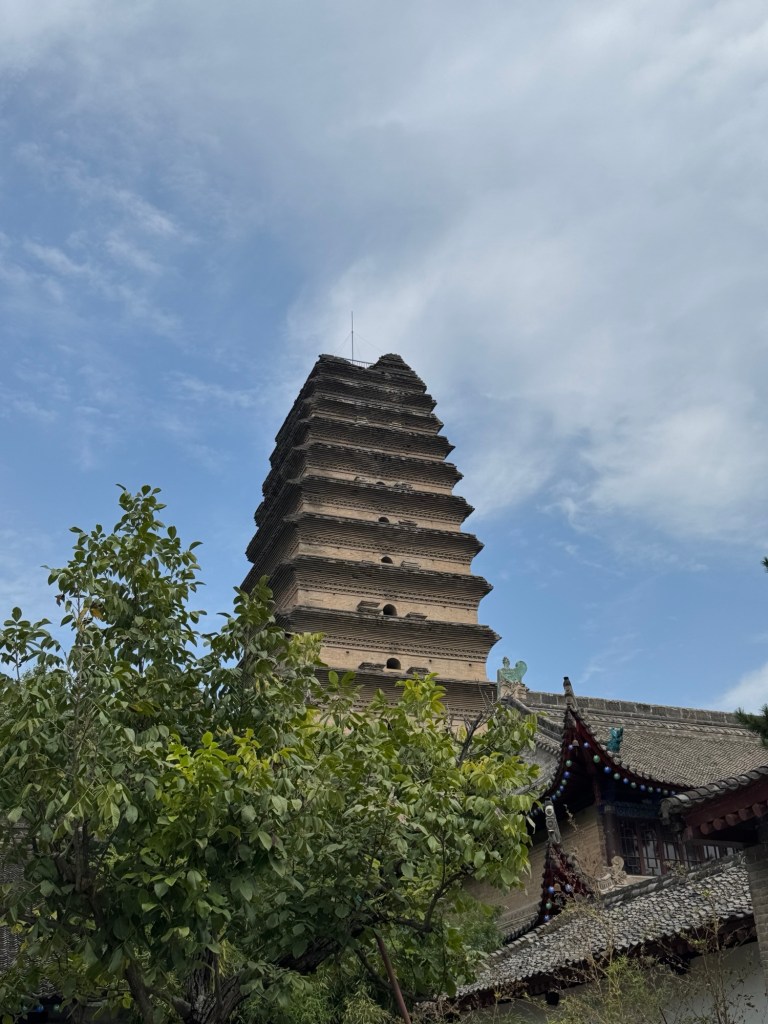
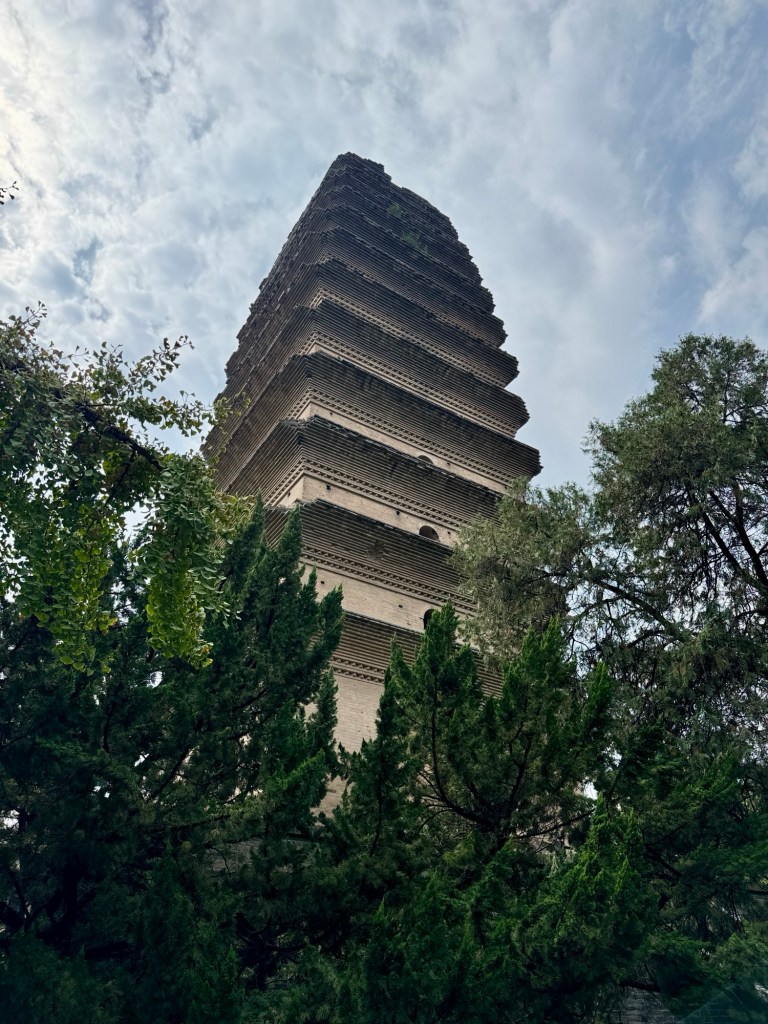
This was the last day and we all went home by different time. CL Pohgoon and I were in the same flight to HK before they flied back to KL. Our flight was in the afternoon so I joined them to visit the Small Goose pagoda and the Xian Museum. The Small Goose pagoda was directly from Tang and still showed the typical Tang style . The widest part is not at the base but in the middle. People can climb up but at the time is closed for renovation.
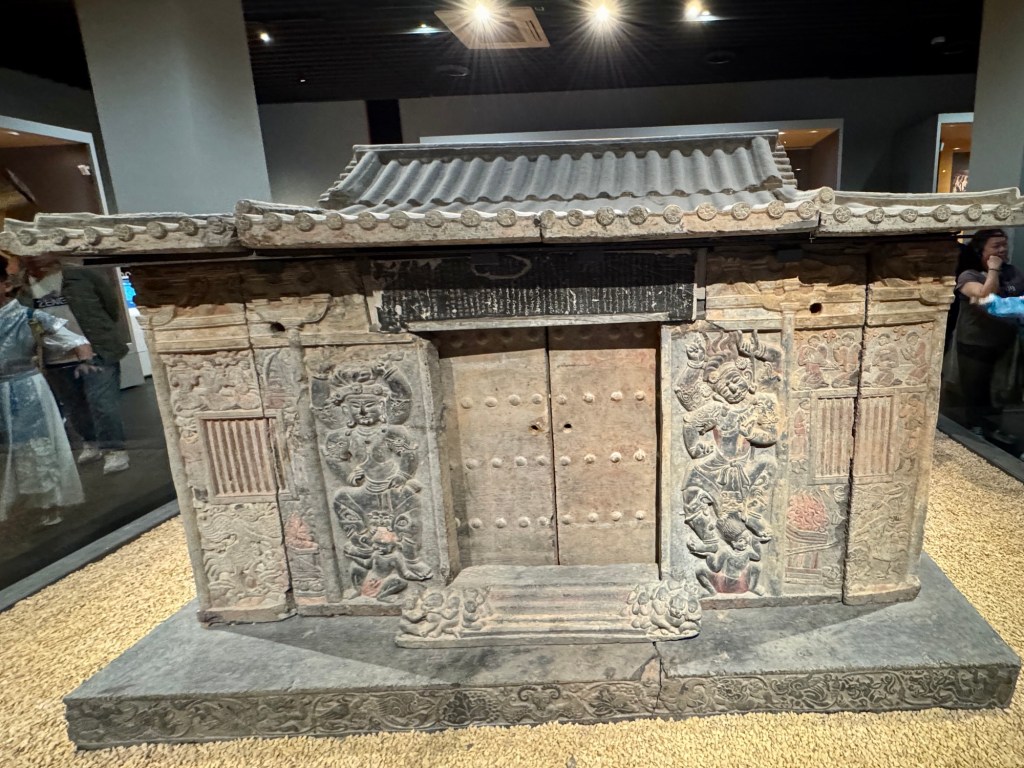
The Xian Museum is unexpectedly good for me with lots of Buddhism statues but the best one is the Sogdian Stone Coffin. This is the second one that we saw in Xian but the one in the History Museum is in a sea of treasures so almost missed it. Can spend more time with this one.
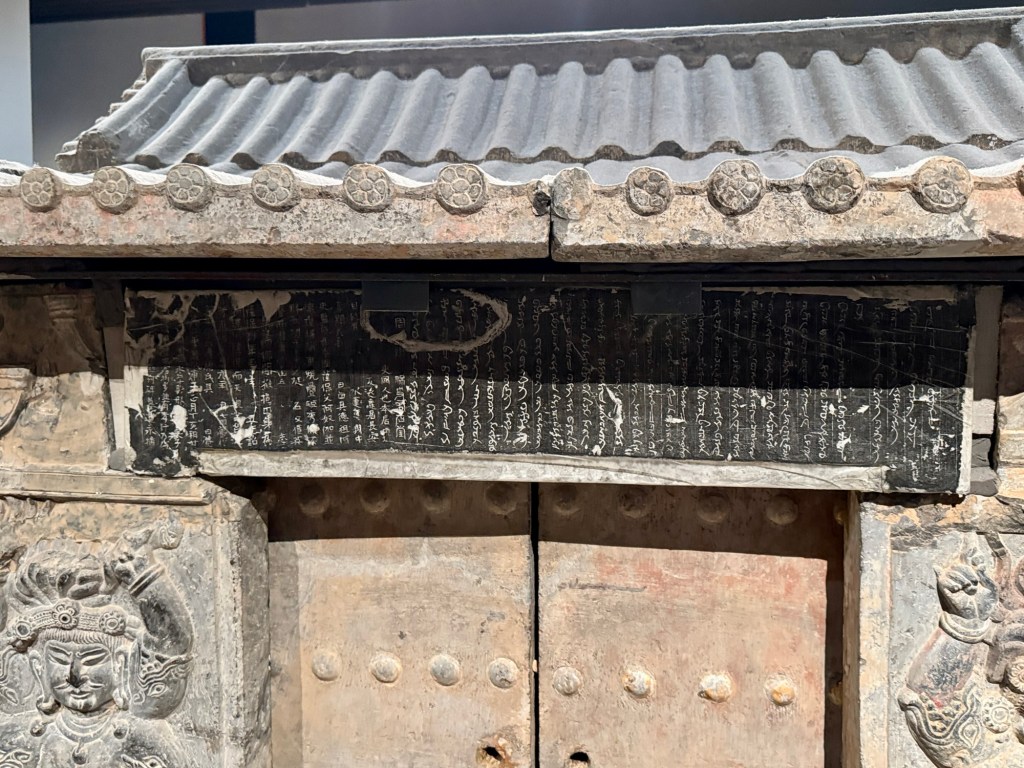
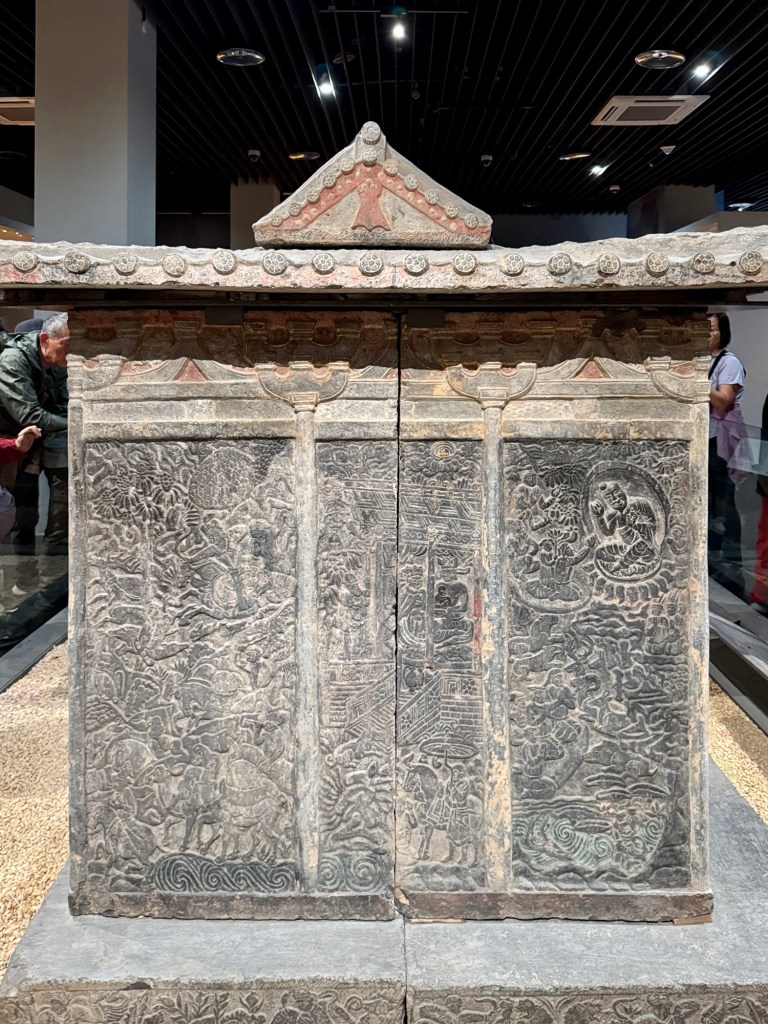
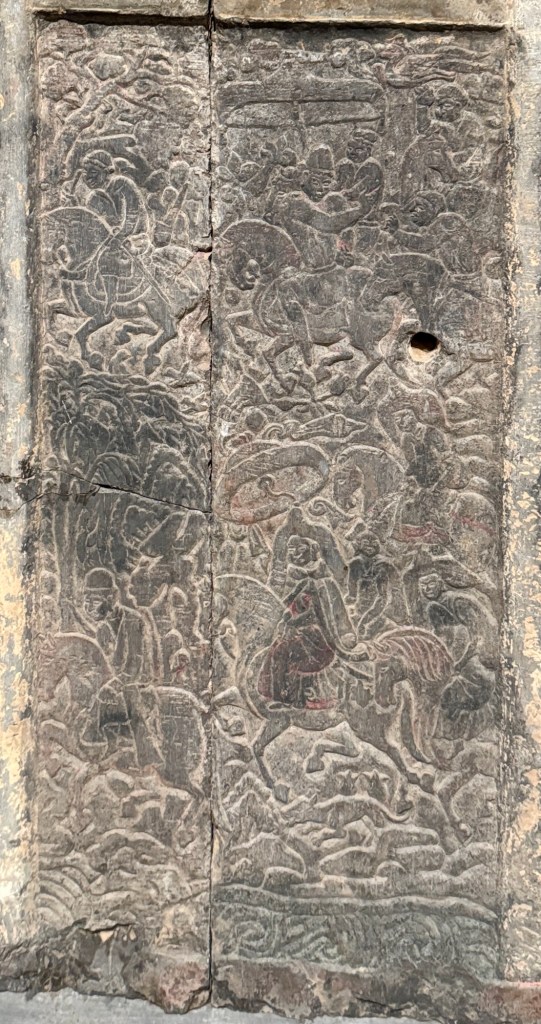
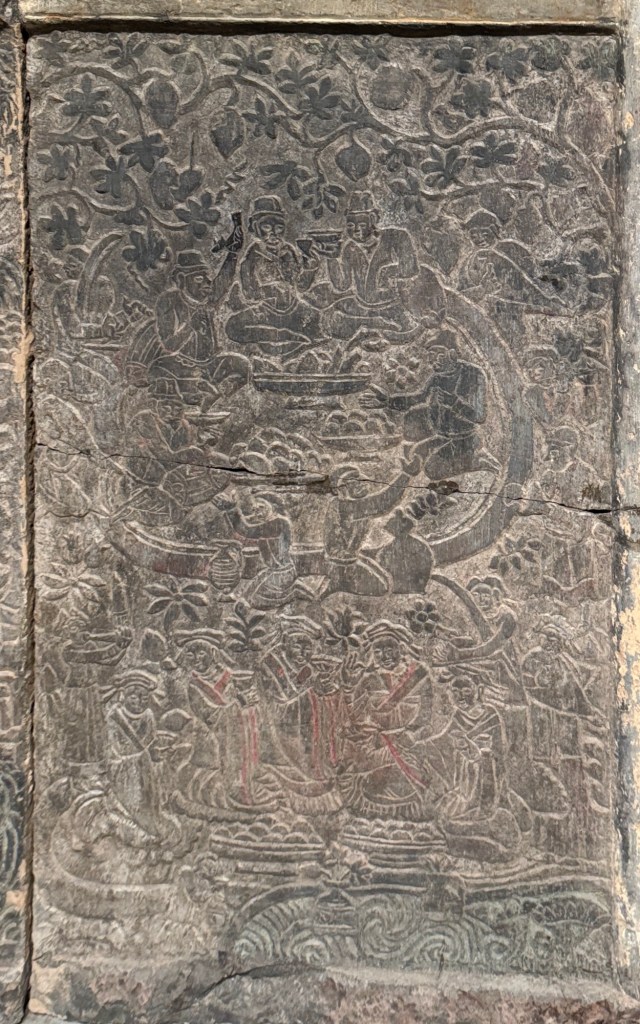
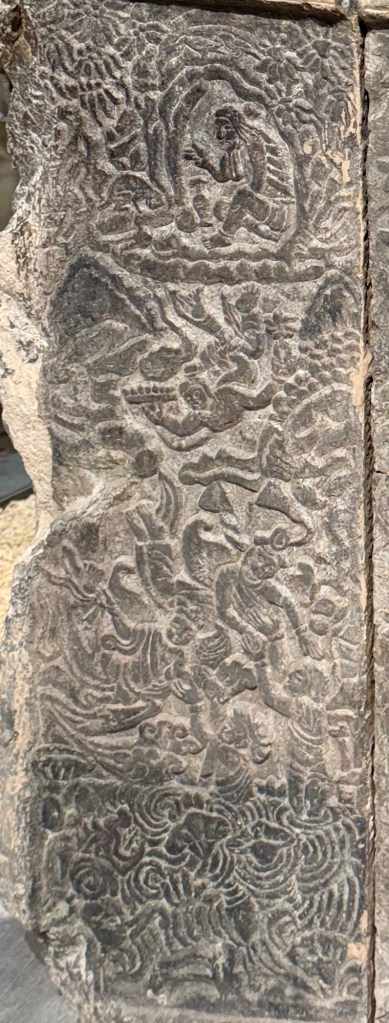
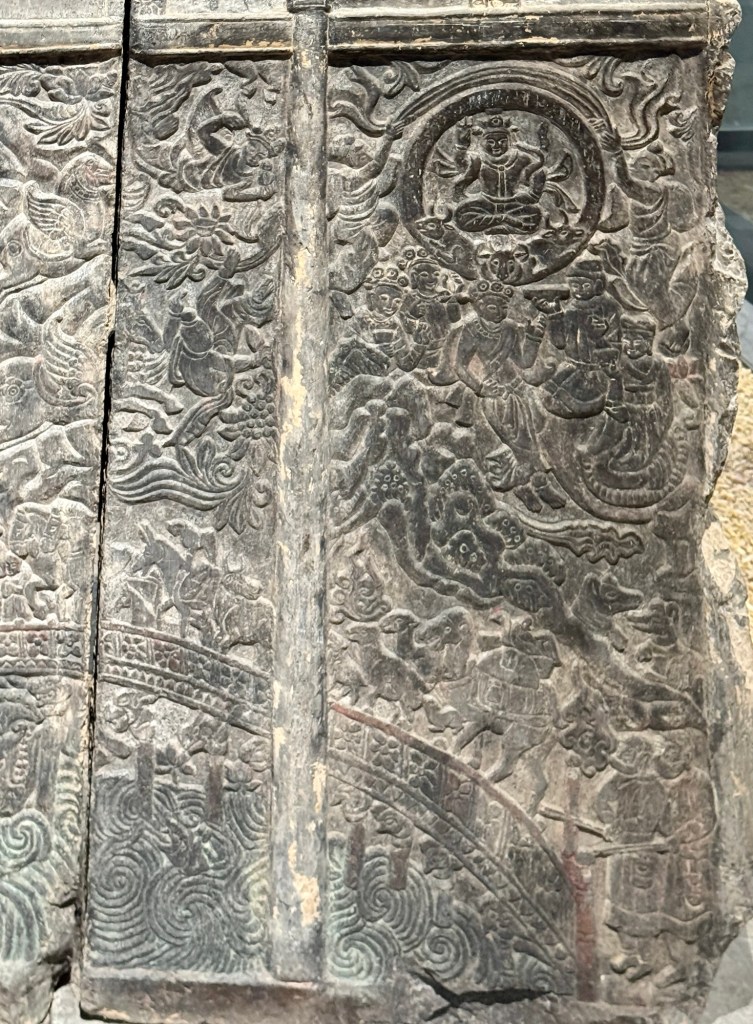
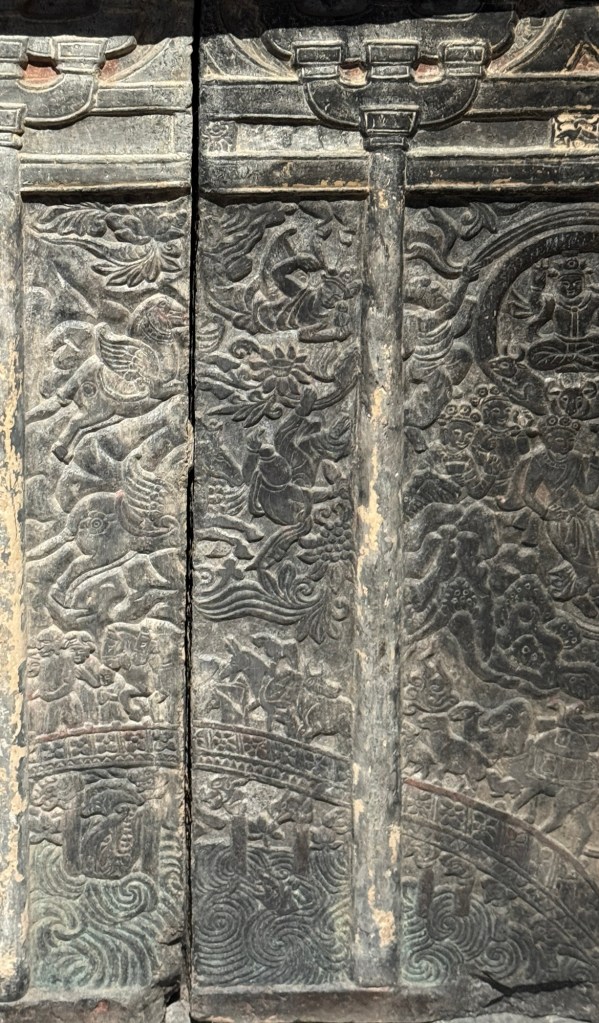
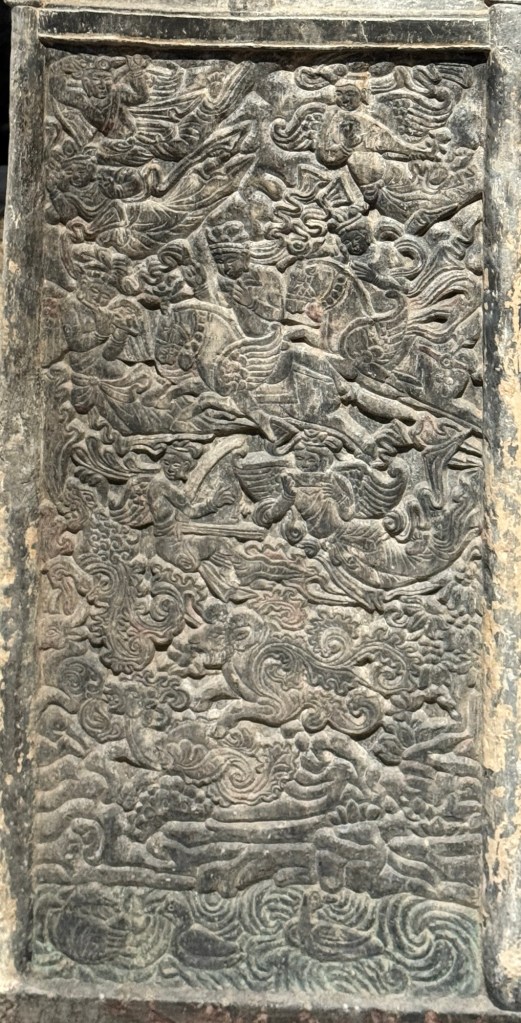
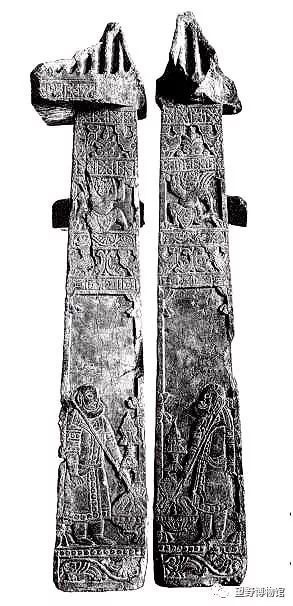
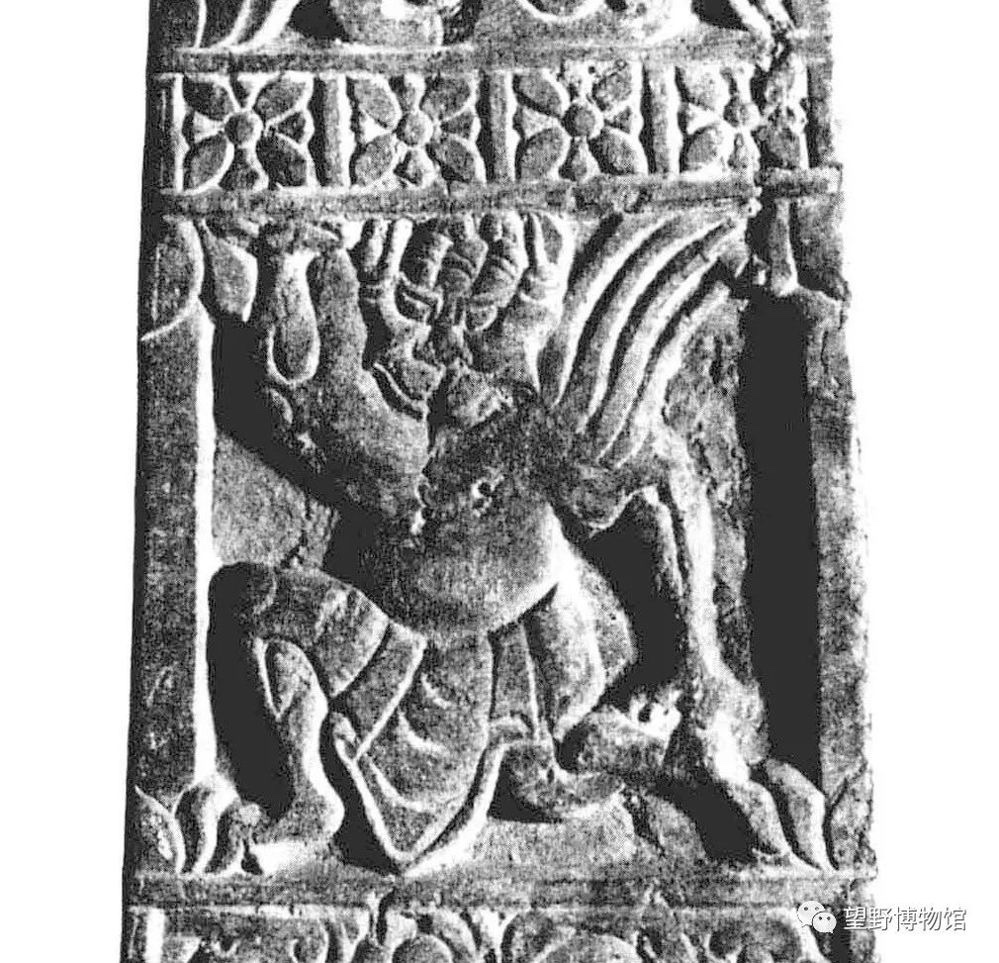
北周史君墓,stone coffin from Master Shi in North Zhou Dynasty . This is the front view Above the door there is epitaph in Sogdian and Chinese so firm proof of a Sogdian tombCarvings are symmetrical, so guarding the door are 2 four armed god. Four armed god is not from Zoroastrian, probably influenced by Kushan Dynasty India. But of course they add some Zoroastrian features like the fire above the head of the god. In the sides there is an ensemble of musicians and below is the Zoroastrian priest This is the signature of all Sogdian tombs. The priest is mostly half human half bird wearing a mask to prevent their own breath from contaminating the holy fire. They also hold a long iron bar to attend the alter The West side wallScene of the tomb’s master parents worshipping god and asking for a sonThen our tomb’s master was born held by his parents. In the garden there is a horse ready to use and a dog. Dog is important in Zoroastrian because of 犬視 stared by a dog after death can clear all our sinHunting scene on top and riders trading team on the move belowThe back of the coffin Resting scene of the Sogdian traders. Above is probably the chief sitting in a cave and drinking from a long cup (typical Persian cup). A dog sits outside. Below are the rest of the team with horse and camelsFeasting scene of the Master and his wife in their home. Above is the couple with musicians around them and below are 3 men in the garden and one is dancingRiding scene. Above is the Master on a horse with umbrellas and he turned to wave probably saying goodbye. Below is his wife on a horse with umbrella but on top she is wearing a wind proof hatAnother feasting scene in a vineyard. On the very top is the interlocking branches of grape.Here the top shows an old man sitting in a cave with a dog outside. Below are 3 apsaras saving frowning people The East side wallIn Zoroastrian belief after death one will walk through the Judgement bridge 審判橋。God is shown in the upper part inside a circle and he is holding a trident (important symbol from Greek, Poisedon also holds a a long trident spear) Below God are the couple and at lower part is the Judgement bridgeAbove the bridge 2 winged horses are coming to bring the couple to heaven. Those going to hell will fall down to the river and monsters are waiting. This shows that Mr and Mrs Shi are going to heaven. Each sit on a winged horse and escorted by apsaras.
What a good morning finish the trip. So many things to see in this 5 day Xian trip. Thank you everybody.






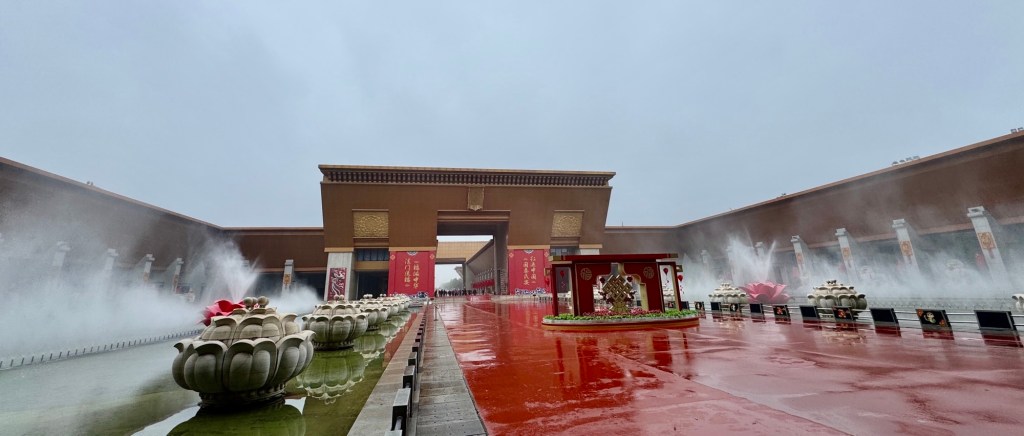

























































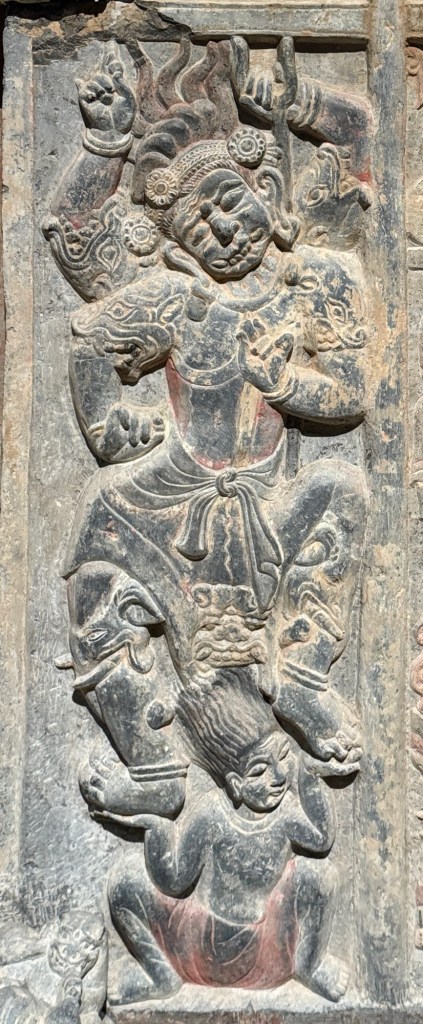







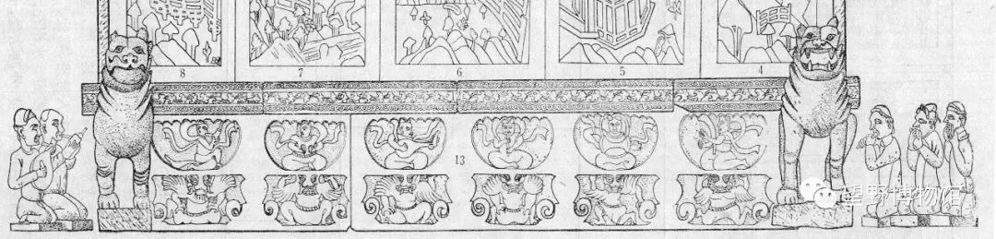

















 India mythology