Day 1 Sunday 25/5
We landed Paris early in the morning and like last time, Airport VIP Service was waiting for us just as we exited from the bridge. One young woman is from Mongolia Country who has come to France for 13 years. They picked up all our luggages and we were outside in 3 minutes. Then we rode all the way to North of Caen.
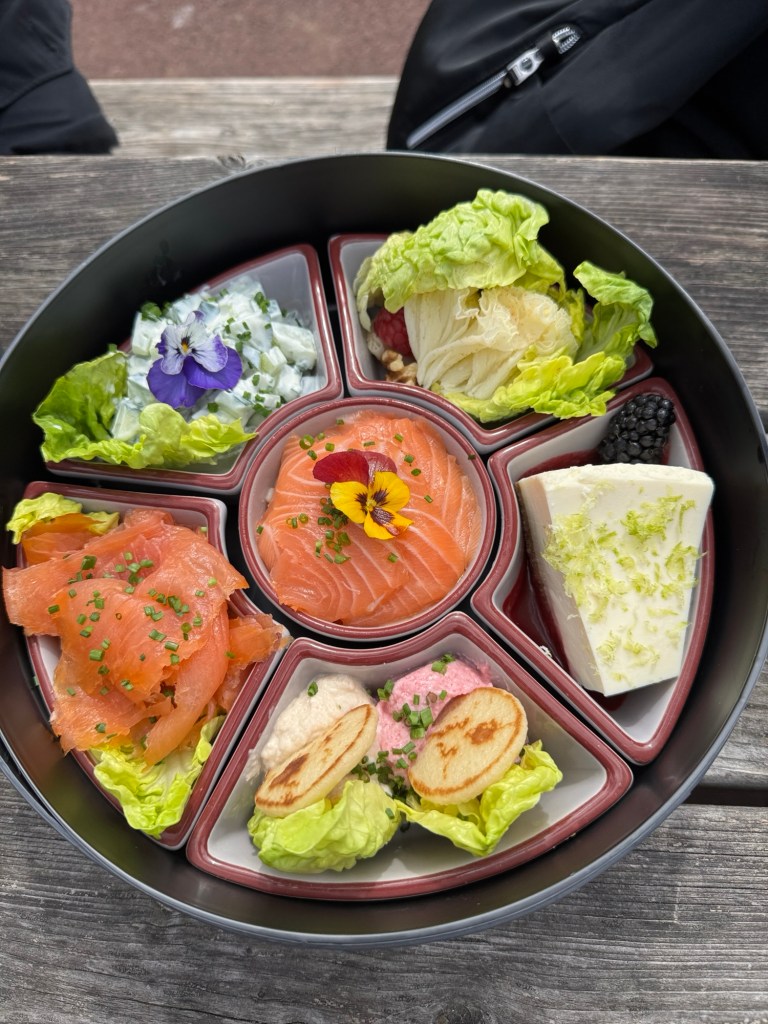
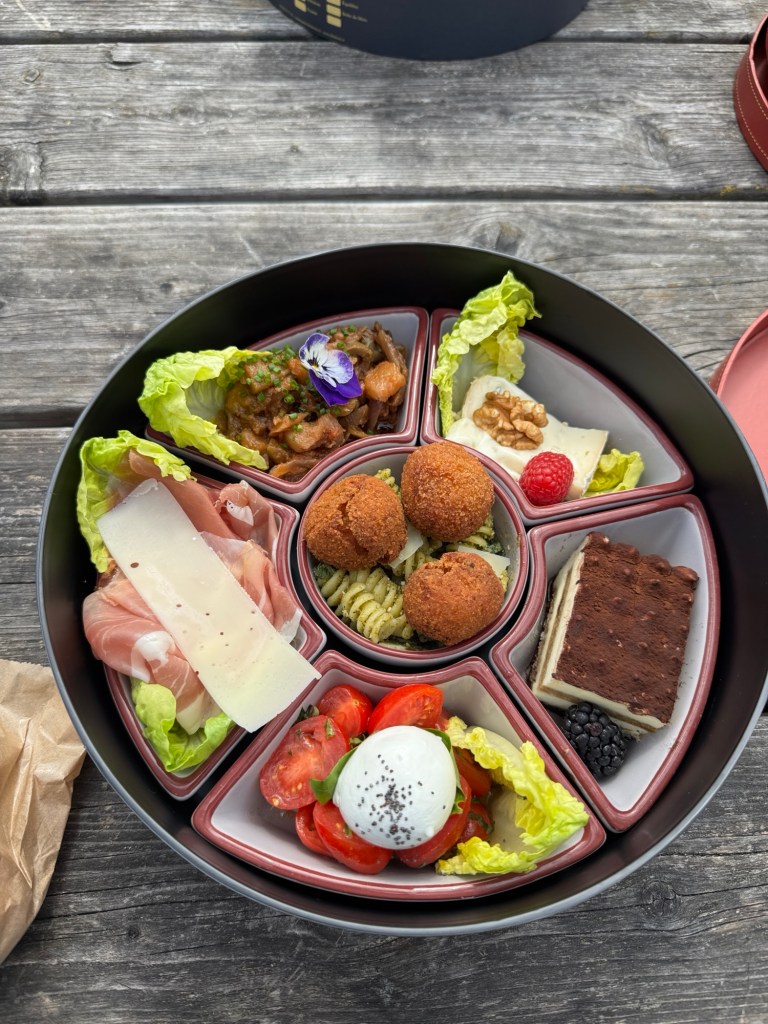
On the way we had lunch box again but this time the packing is very nice.

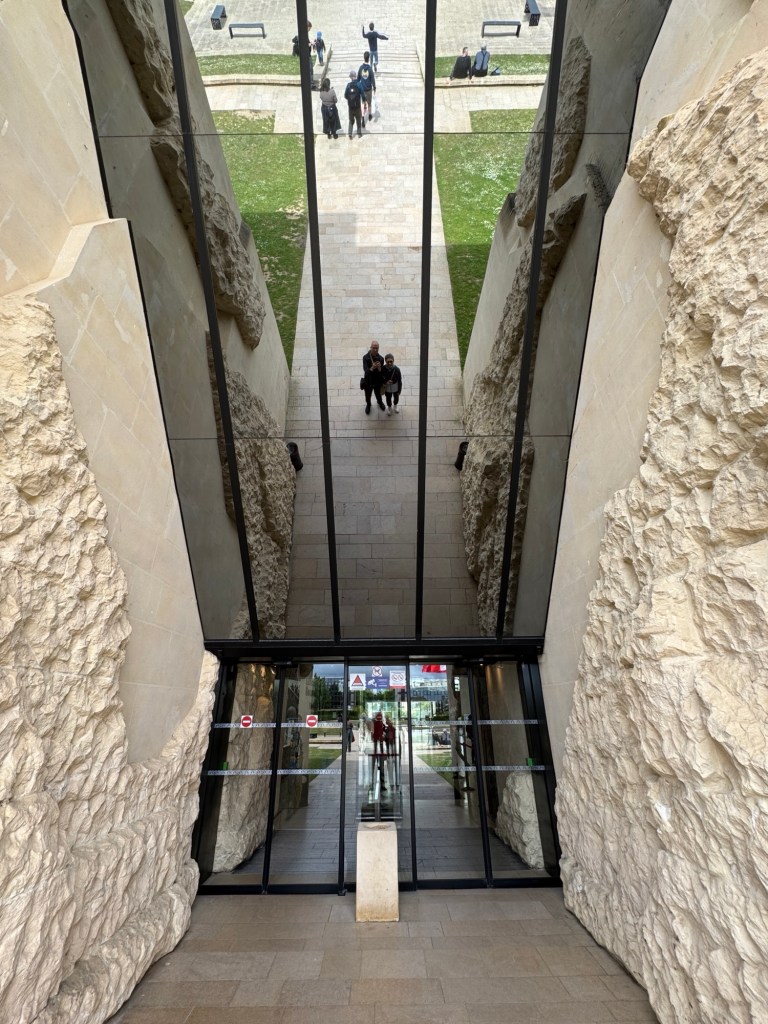
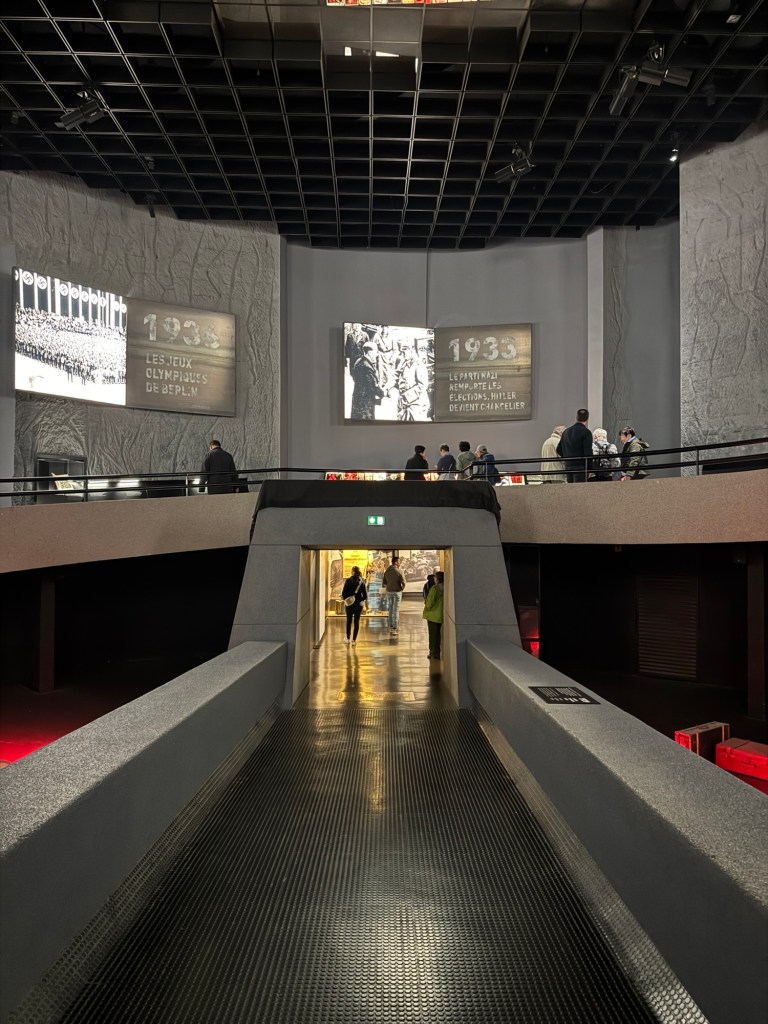
In Caen we go straight to the Memorial de Caen. Not much interest in the second world war but the Memorial building is good.

Then we went to Bayeux to see the famous Bayeux Tapestry. It was made in the 11 century dedicated to William the Conqueror. In fact it is not a tapestry because it is not woven like a carpet. It is an embroidery. We are lucky because the museum will be closed for two years in September for a major renovation. The audio guide was quite good though unfortunately photo was not allowed.
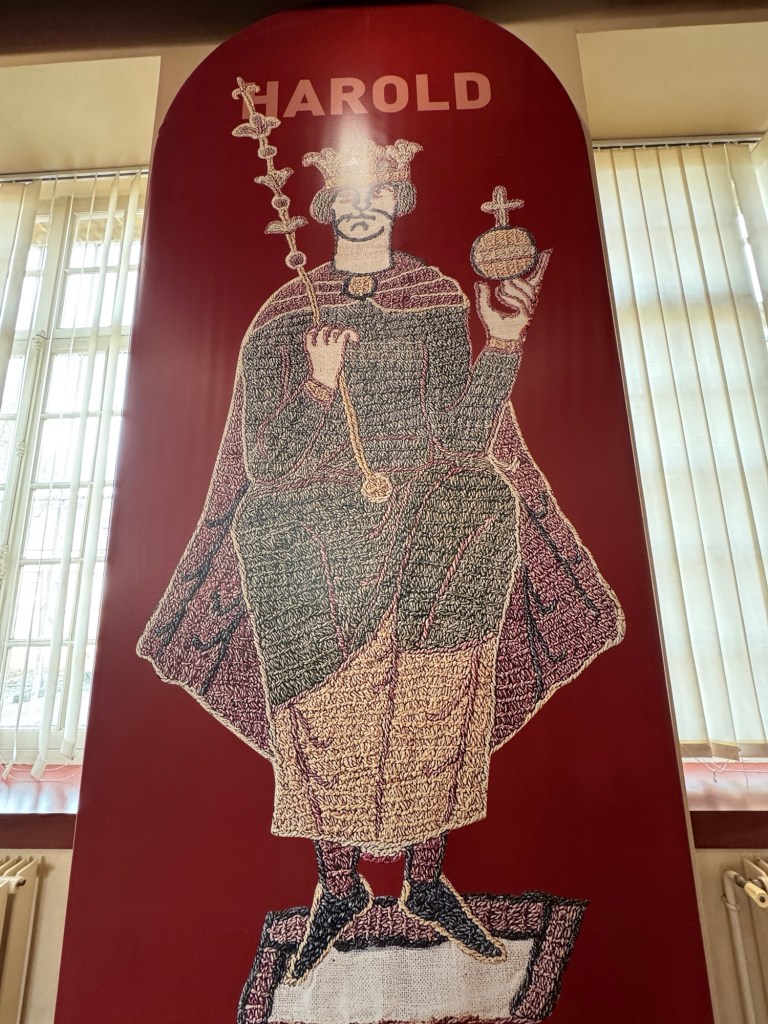
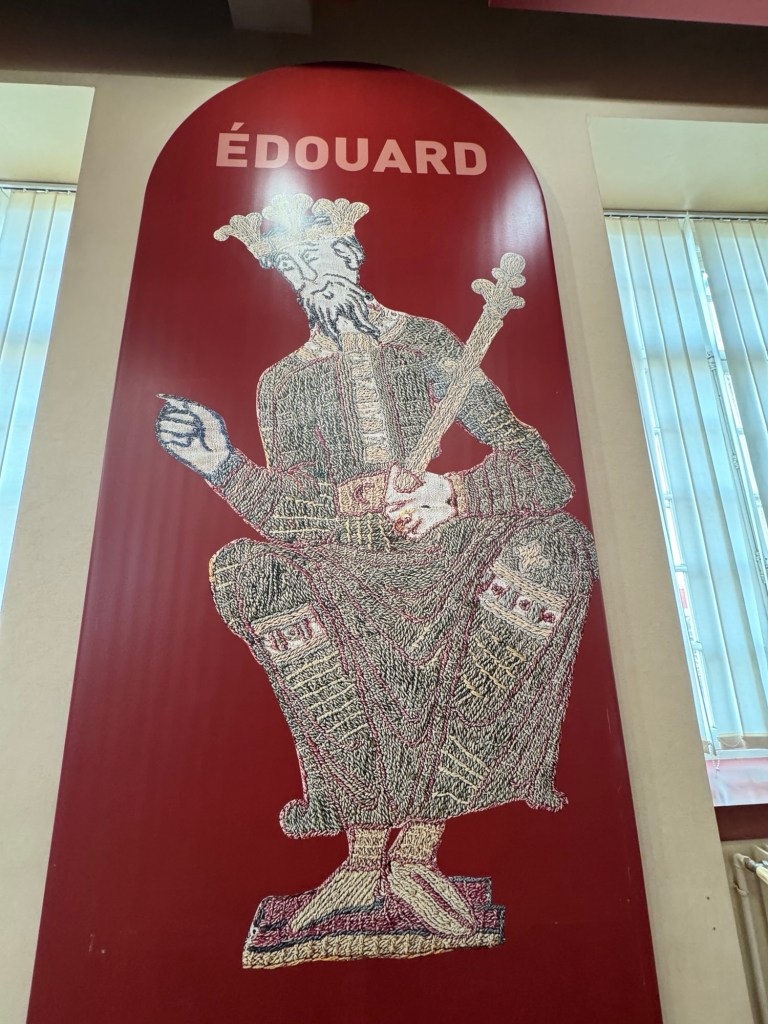
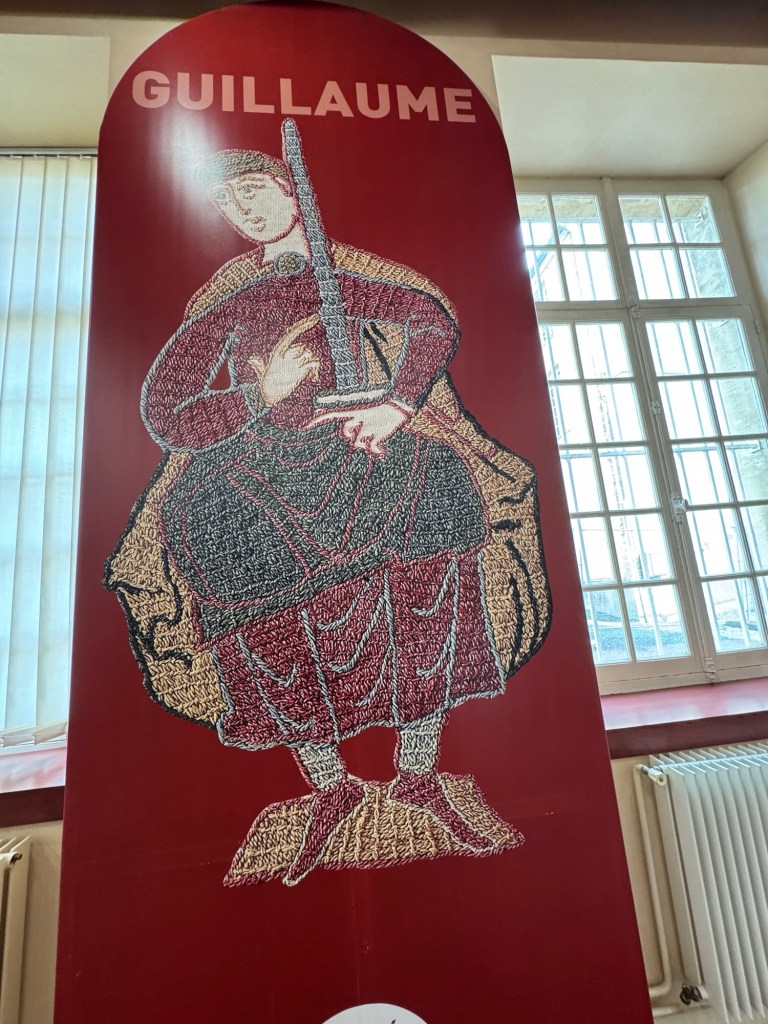
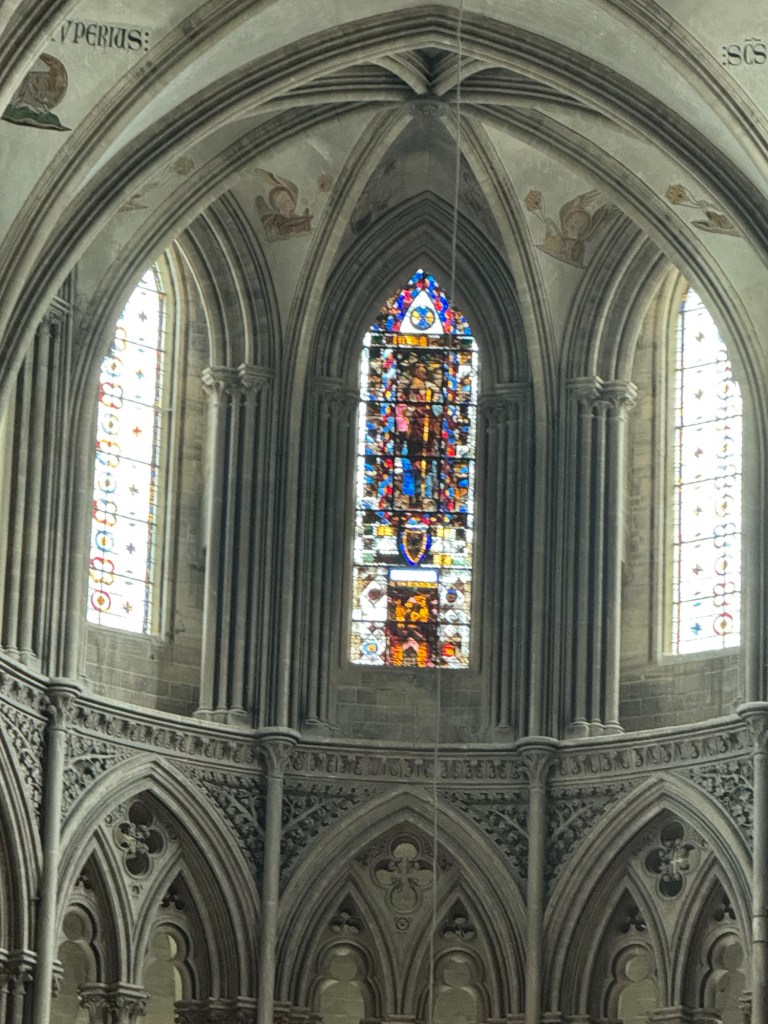
Nearby is the Bayeux cathedral. At first glance we recognised the mix of Roman and Gothic architecture elements but the details were far richer.
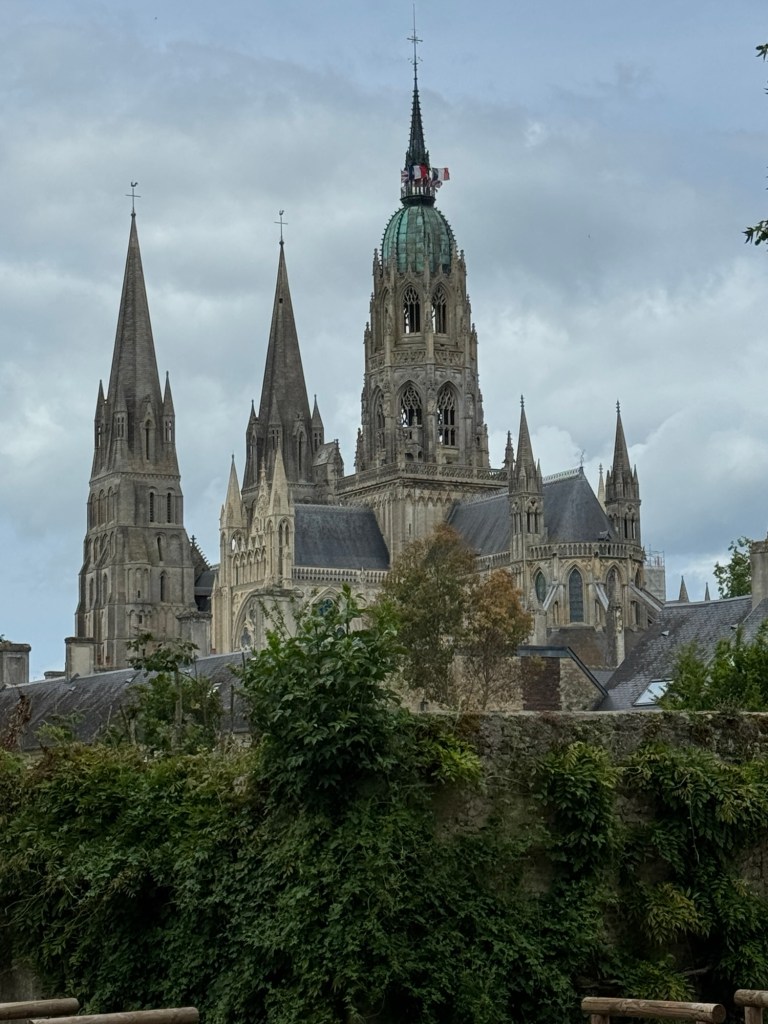
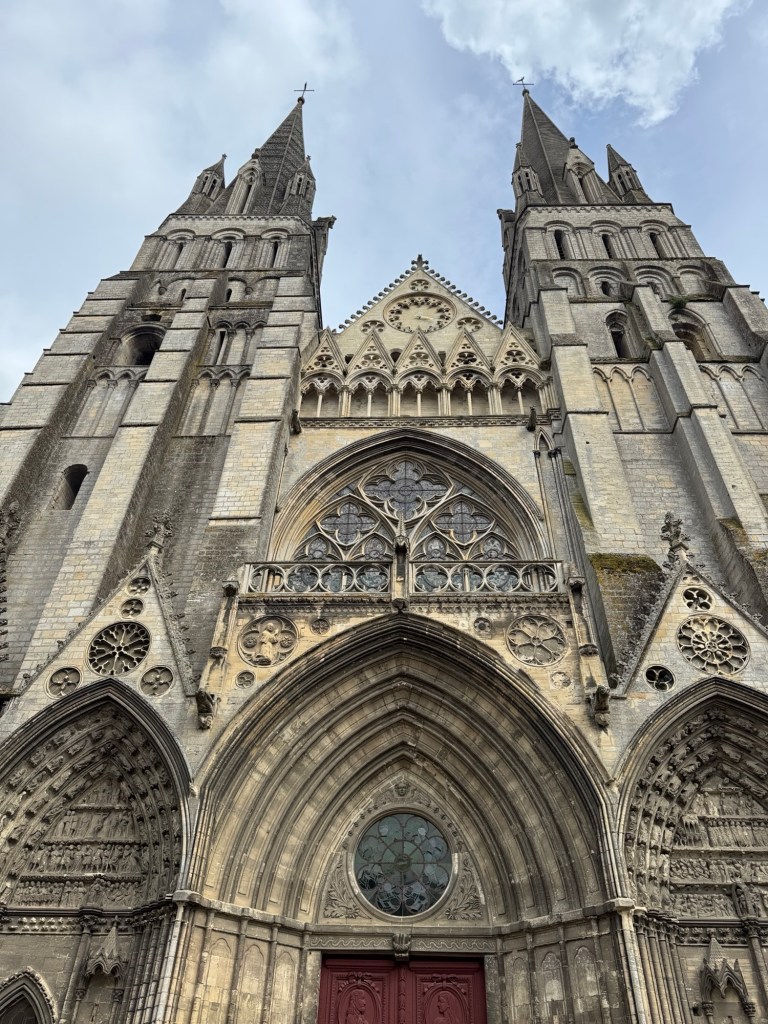
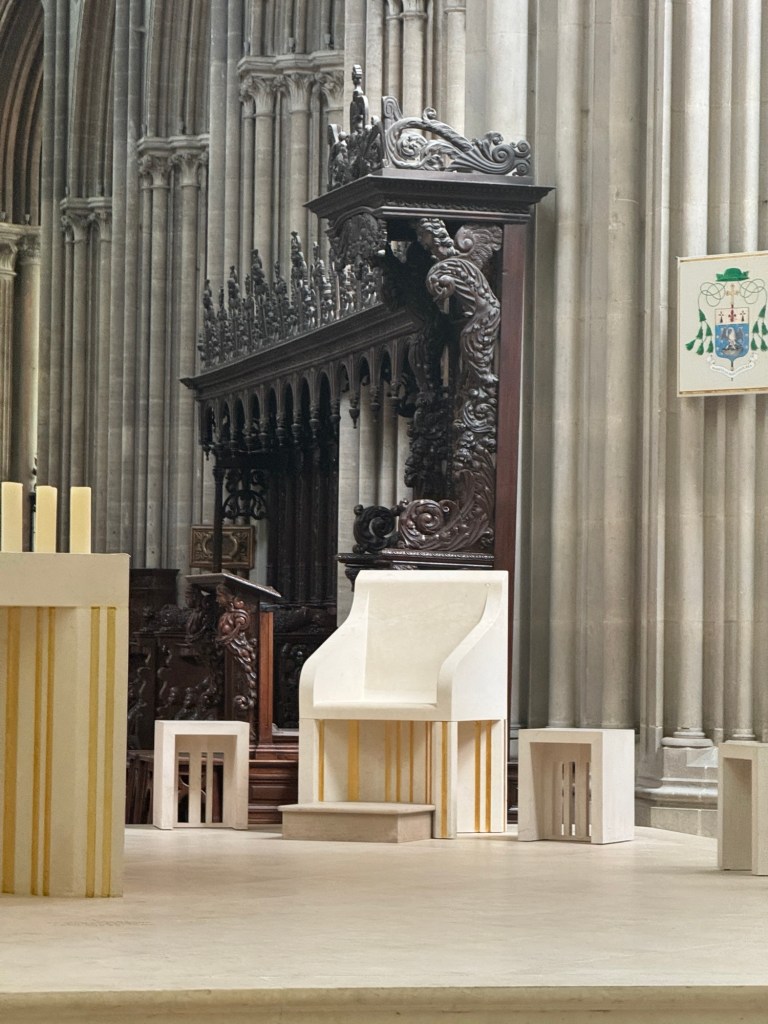
Cathedral is the church run by the bishop. It comes from the word Cathedra, meaning the throne of the Bishop. So in every cathedral there is a cathedra.

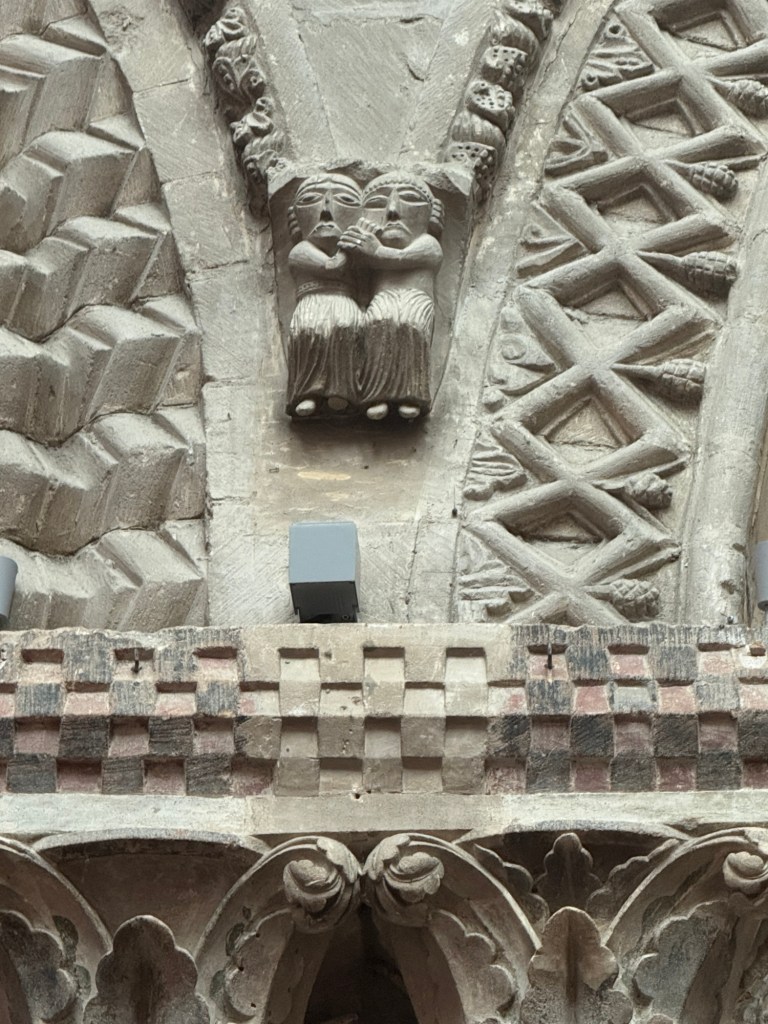

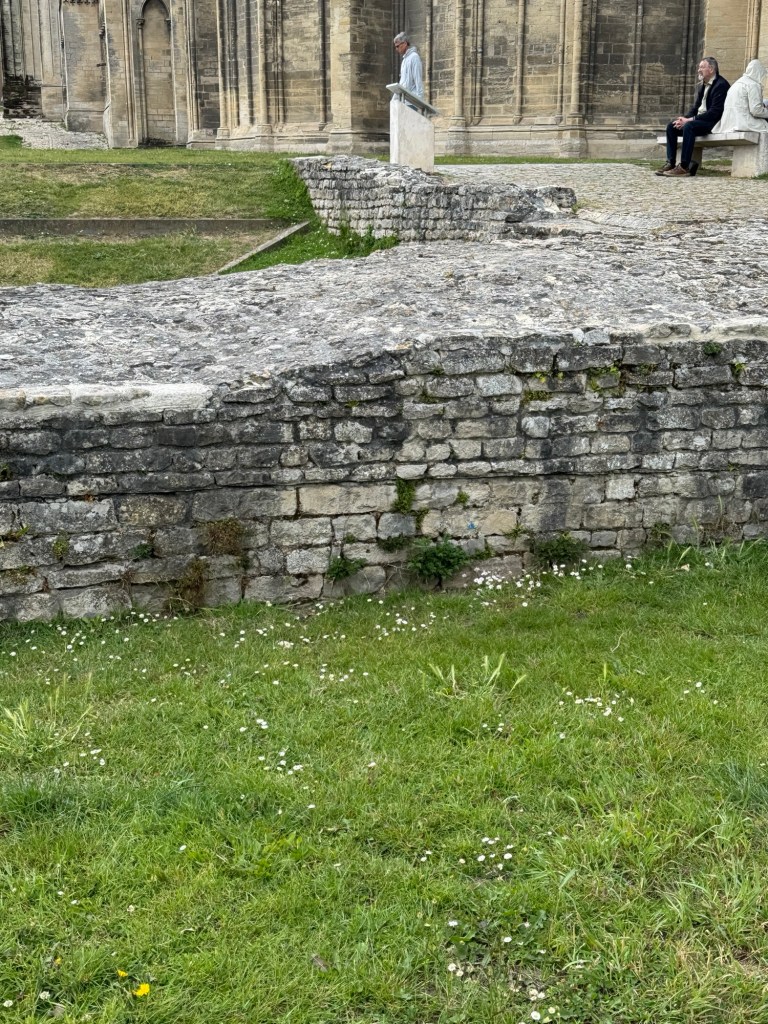
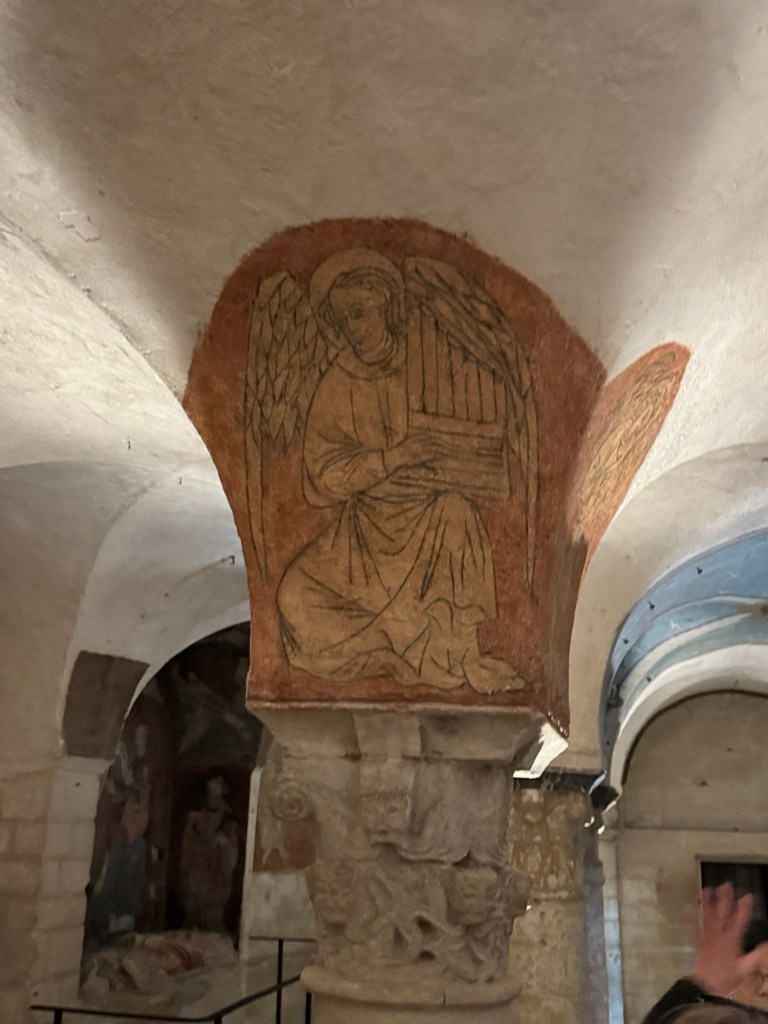
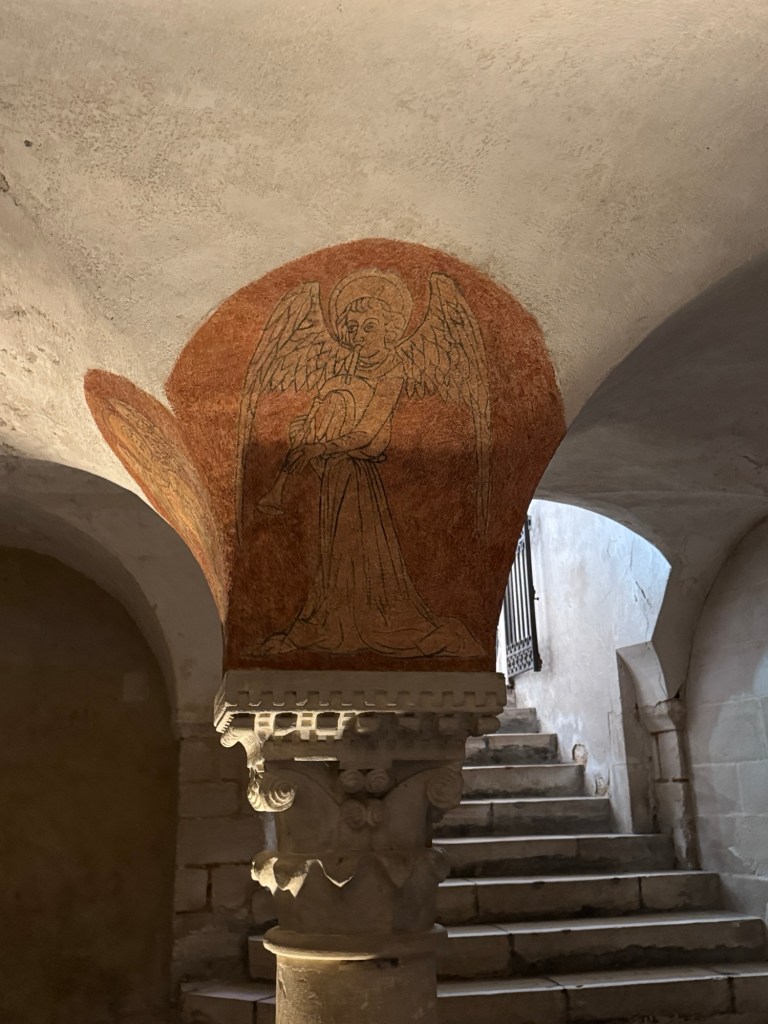
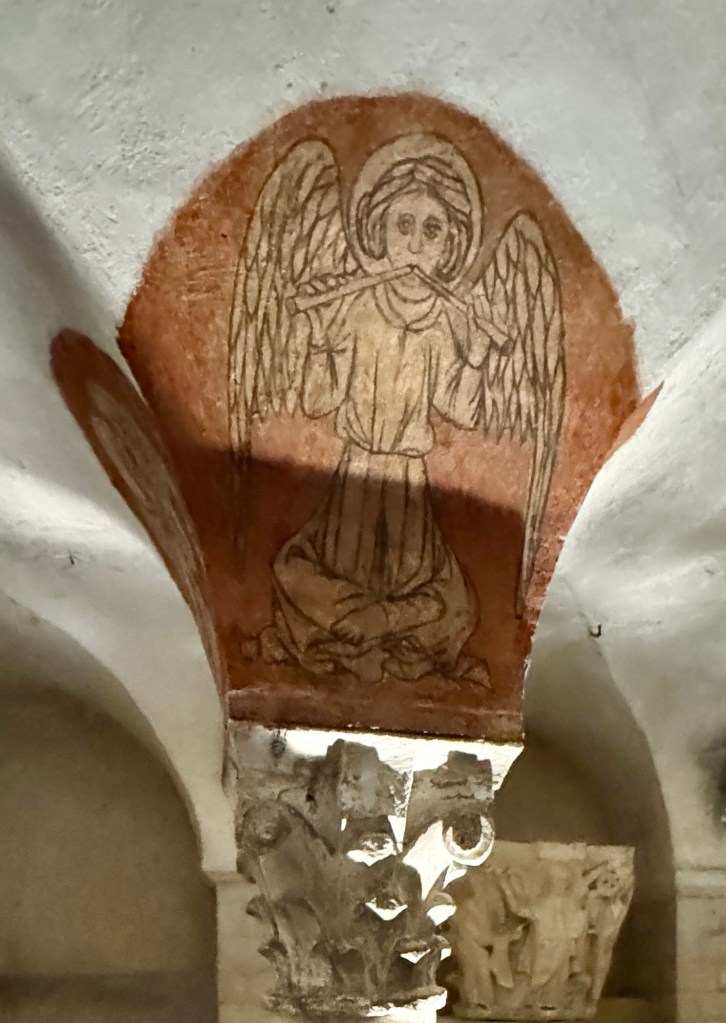
At the crypt of the cathedral we could see an array of instruments used by the angels. One of the angle is playing double flute, obviously from the image of the Greek god Marsyas, playing a double-barrelled flute.



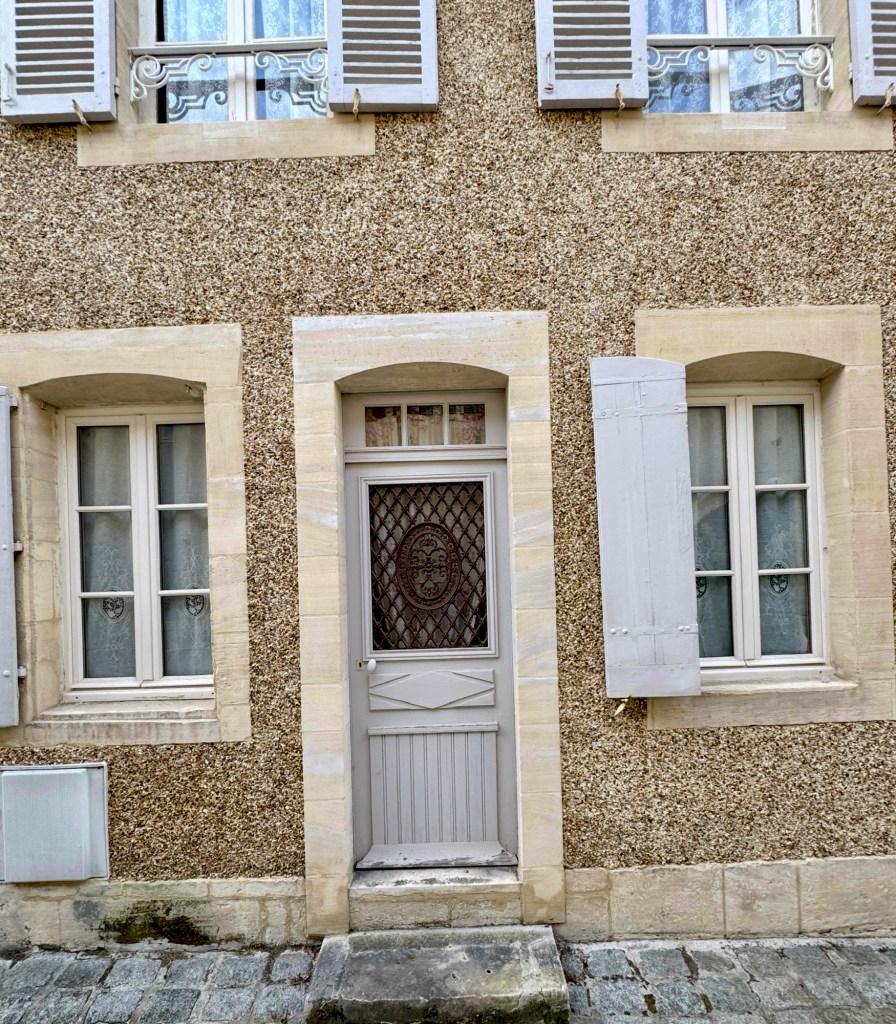
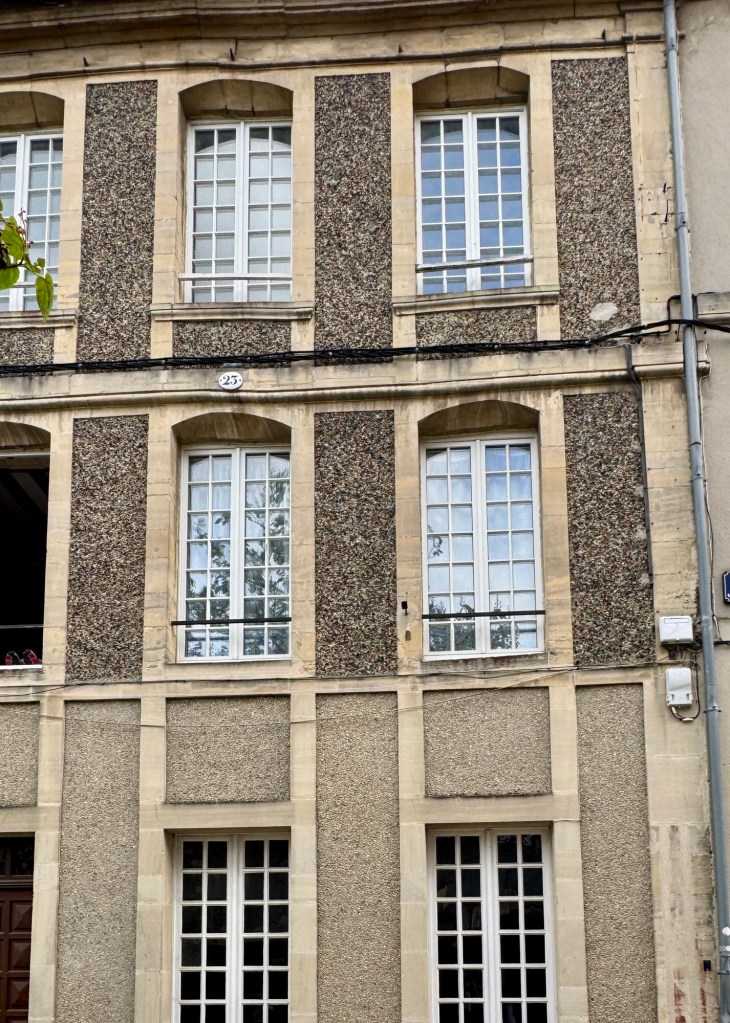
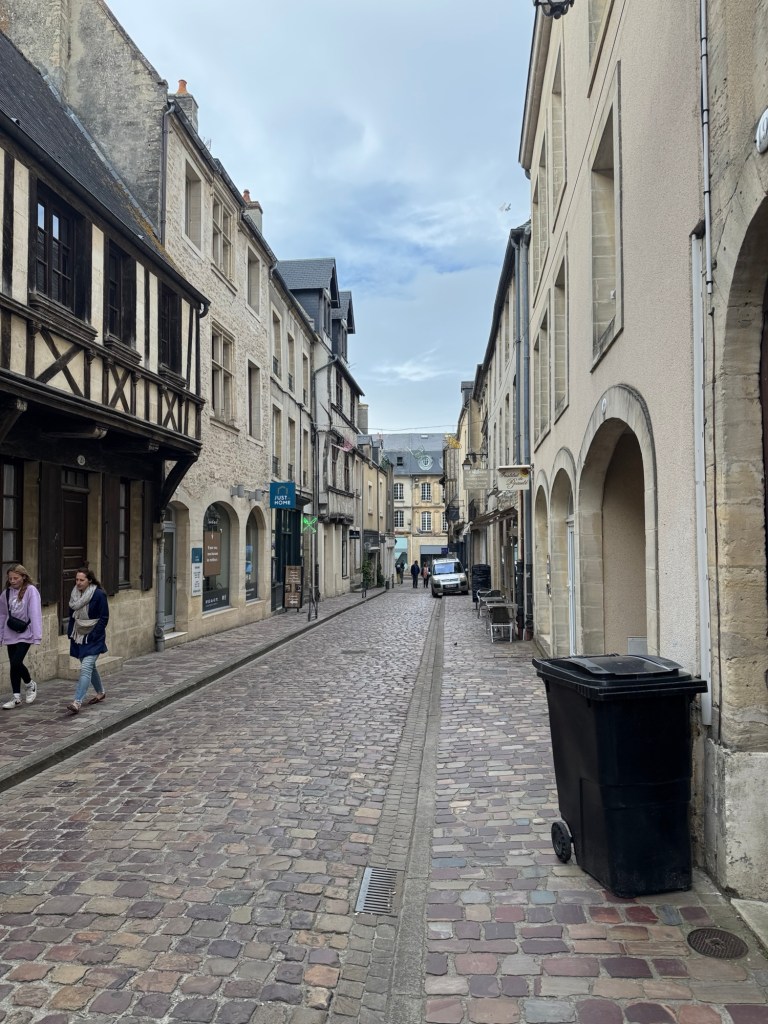
As we strolled along the town of Bayeux our guide pointed out a special wall decoration to us. She said it was Myonic wall and very expensive. They used pebbles to decorate the outer wall – Pebble Dash. So in the narrow sense it is just an outer decorative panel of the wall using pebbles and it should not be expensive. But Myonic wall usually refer to the whole system of wall insulation and not merely the outer decorative layer so it is expensive.


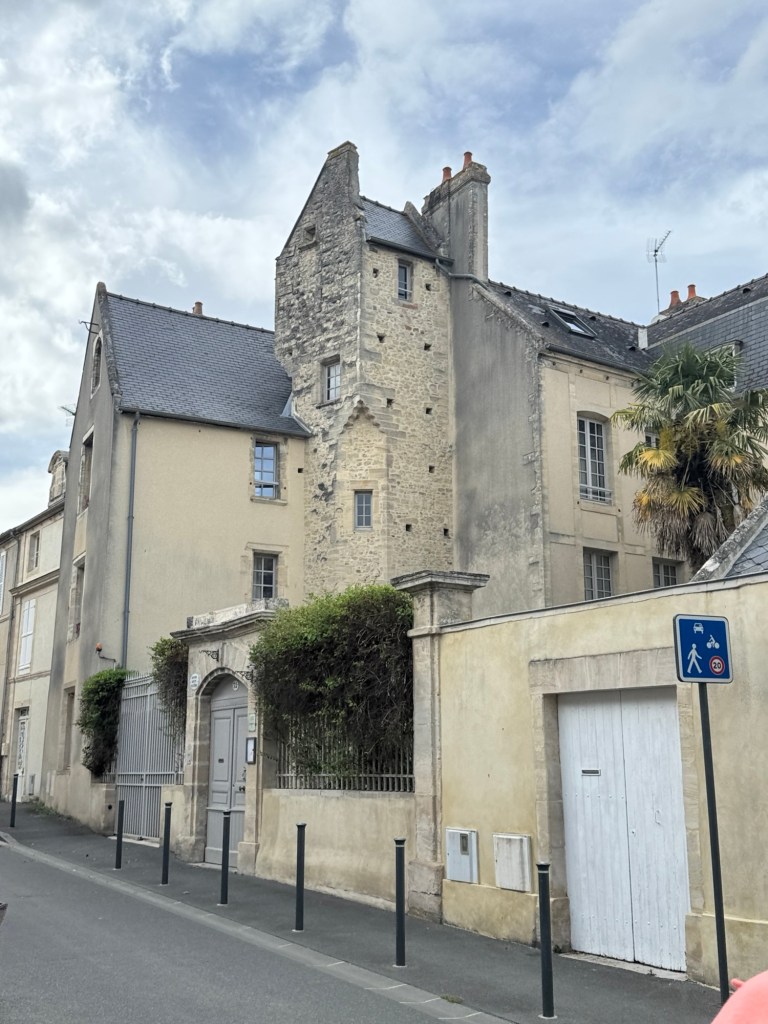
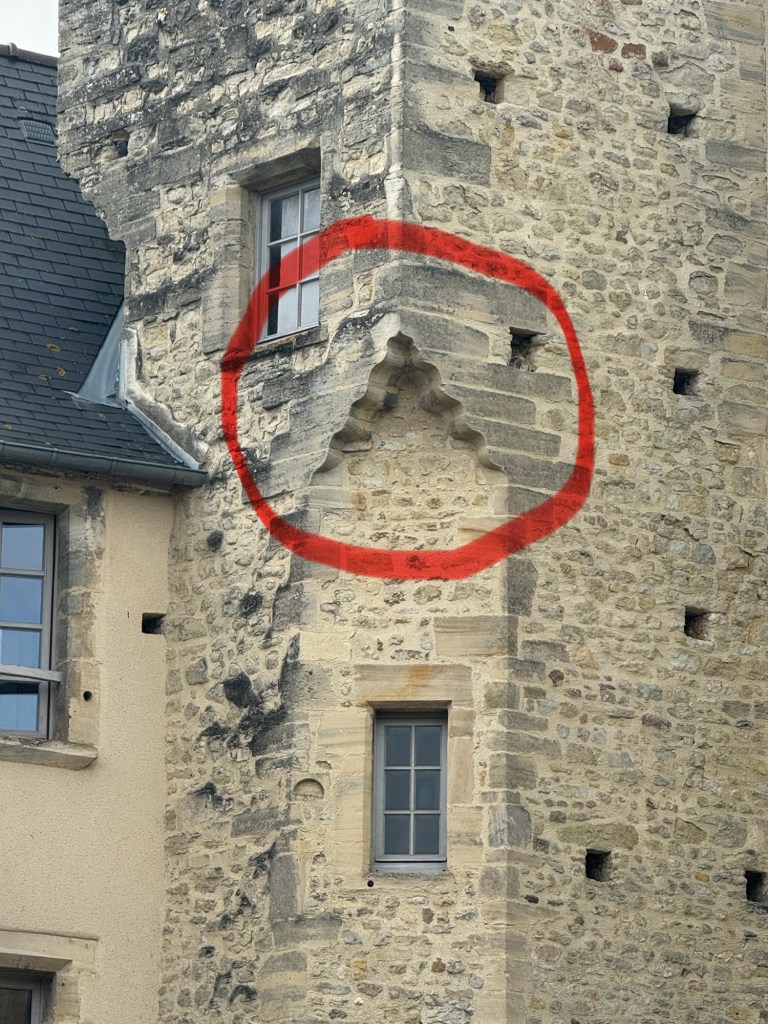
We also saw some buildings having exterior staircases built in a spiral fashion but covered with a hexagonal wall. To maximise the space they built a rectangular room above the staircase. To support the weight of the room and to smooth out the change from hexagonal wall to rectangular wall they used Squinches.

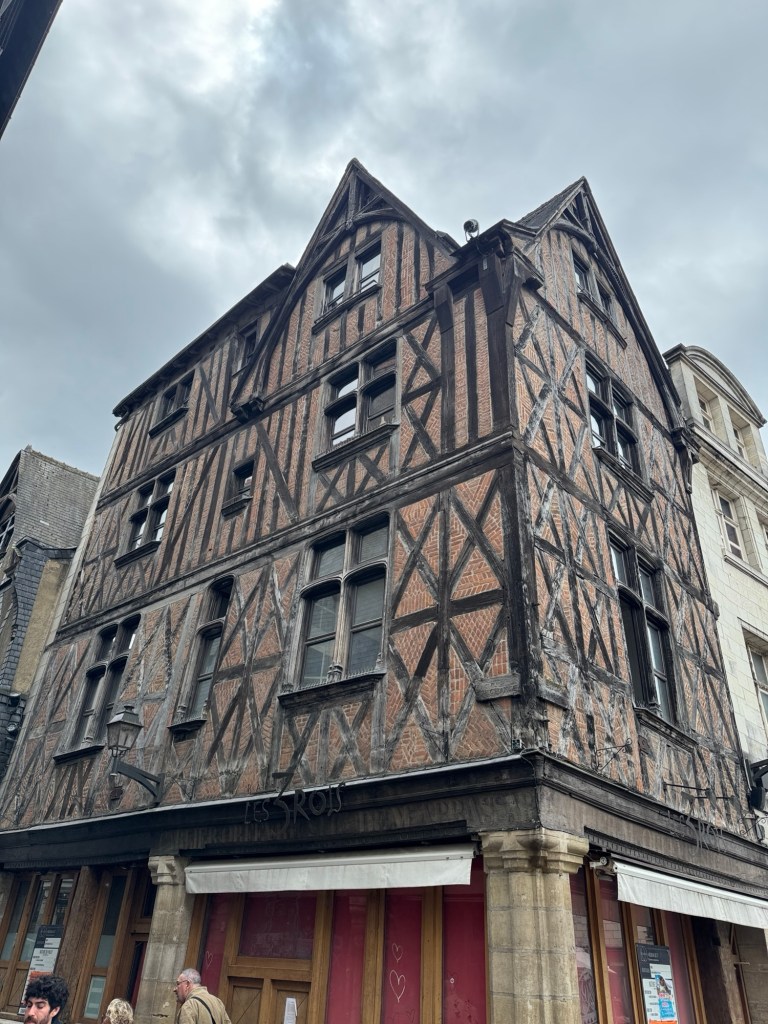
Then we strolled to the Cooker street (or Cook street?)

Then we checked in to our first hotel Chateau d’Audrieu. A 5 star hotel with a huge garden though many of us grumbled about the insufficient lighting of the room.
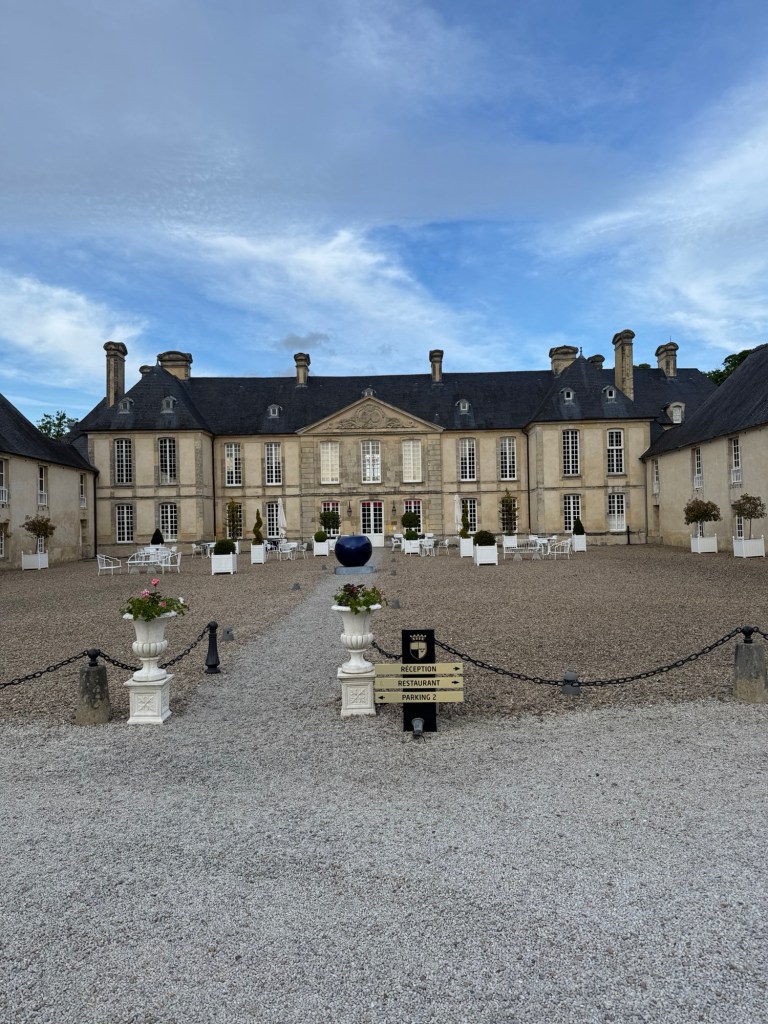
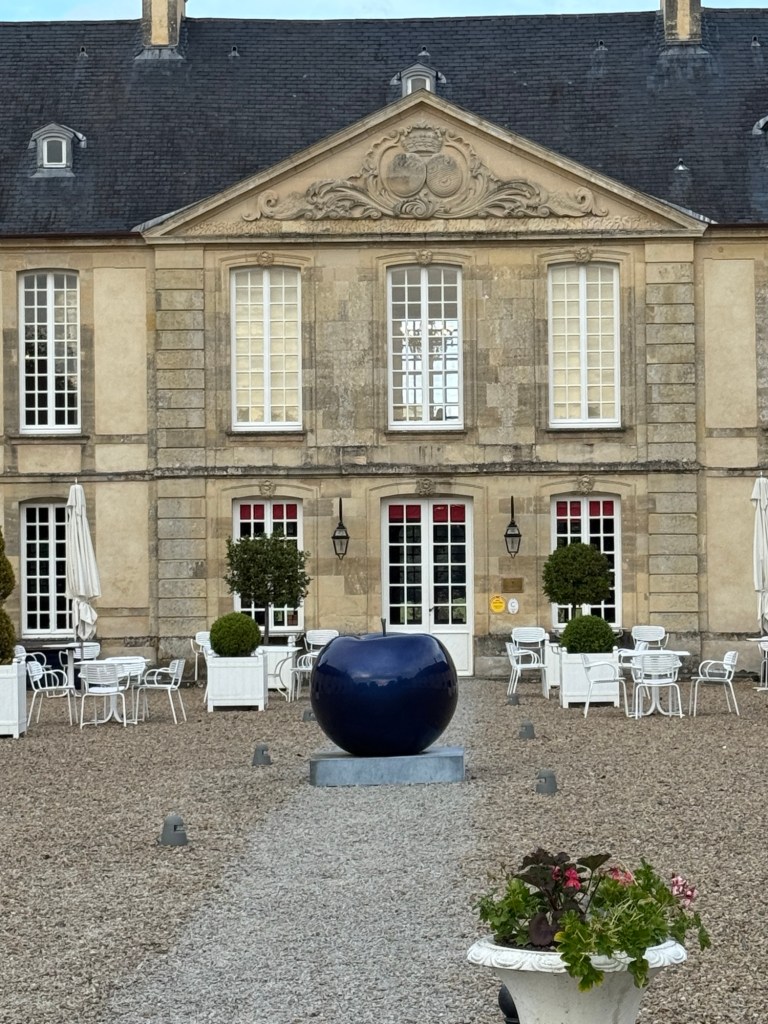

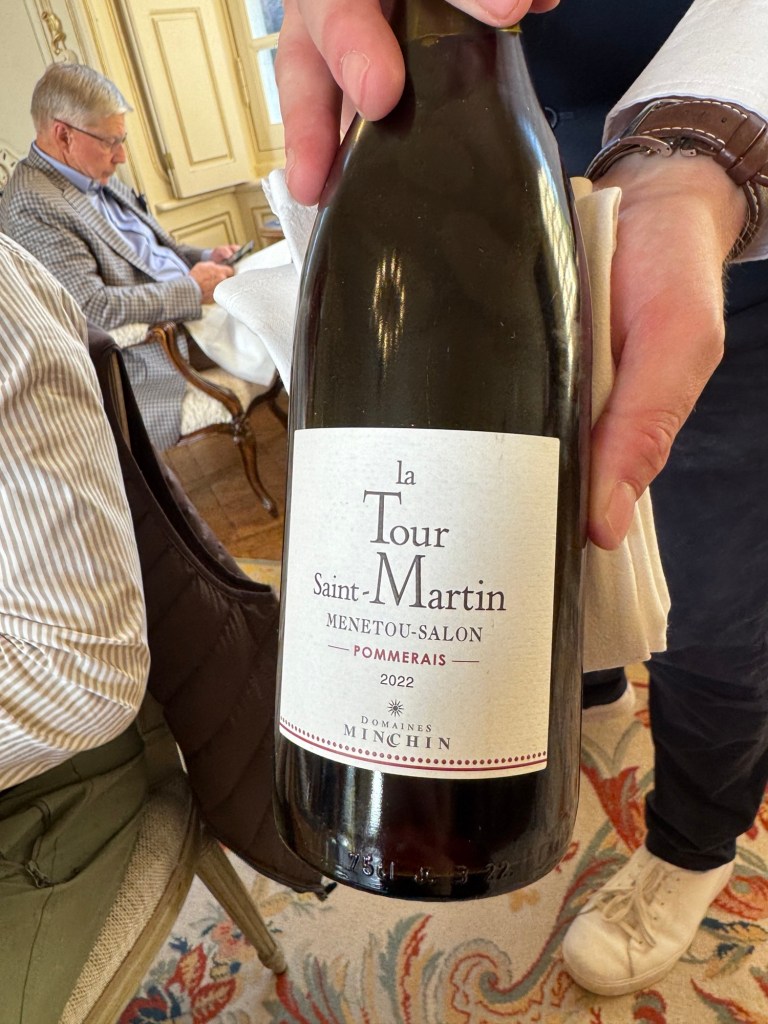
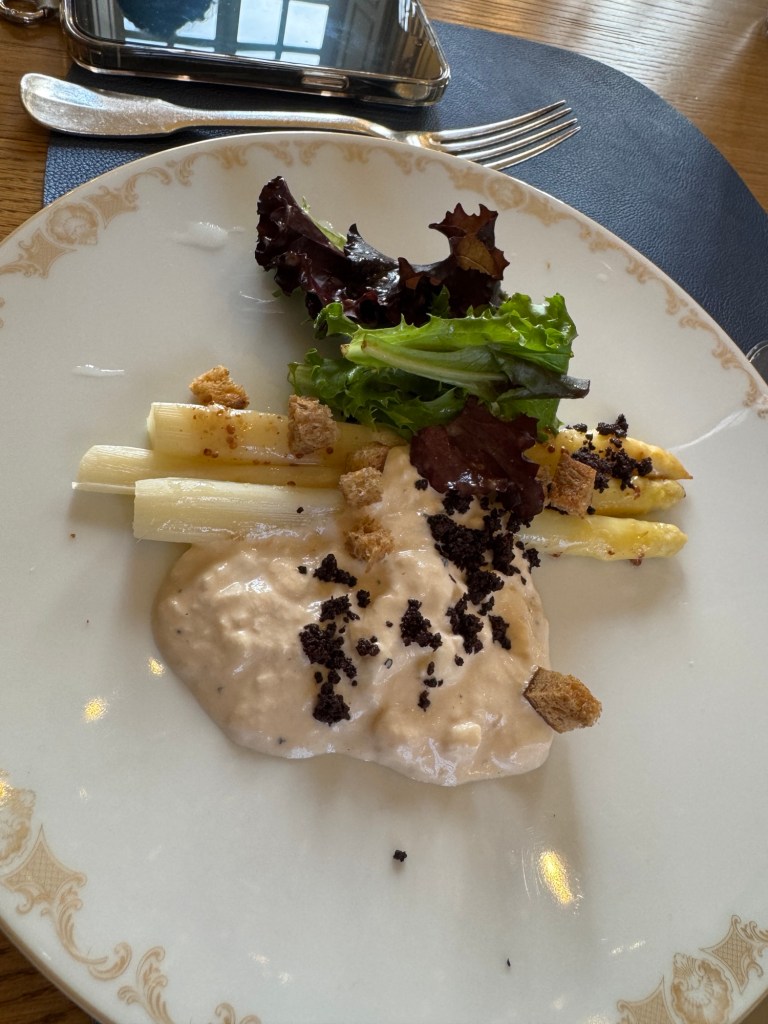
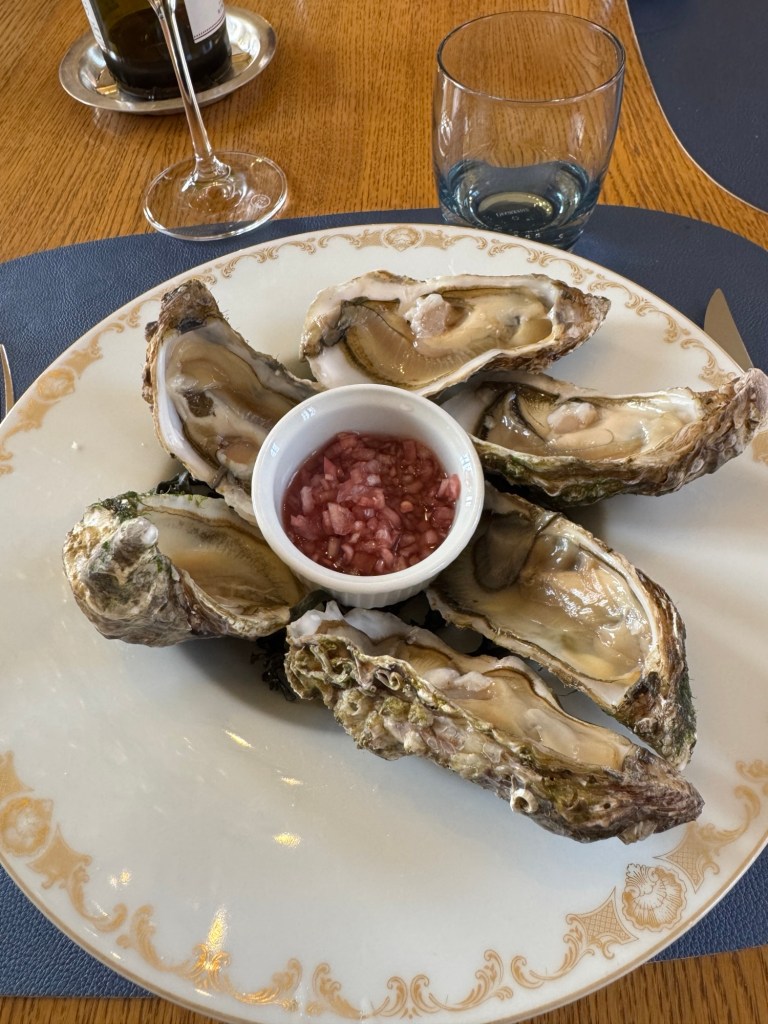
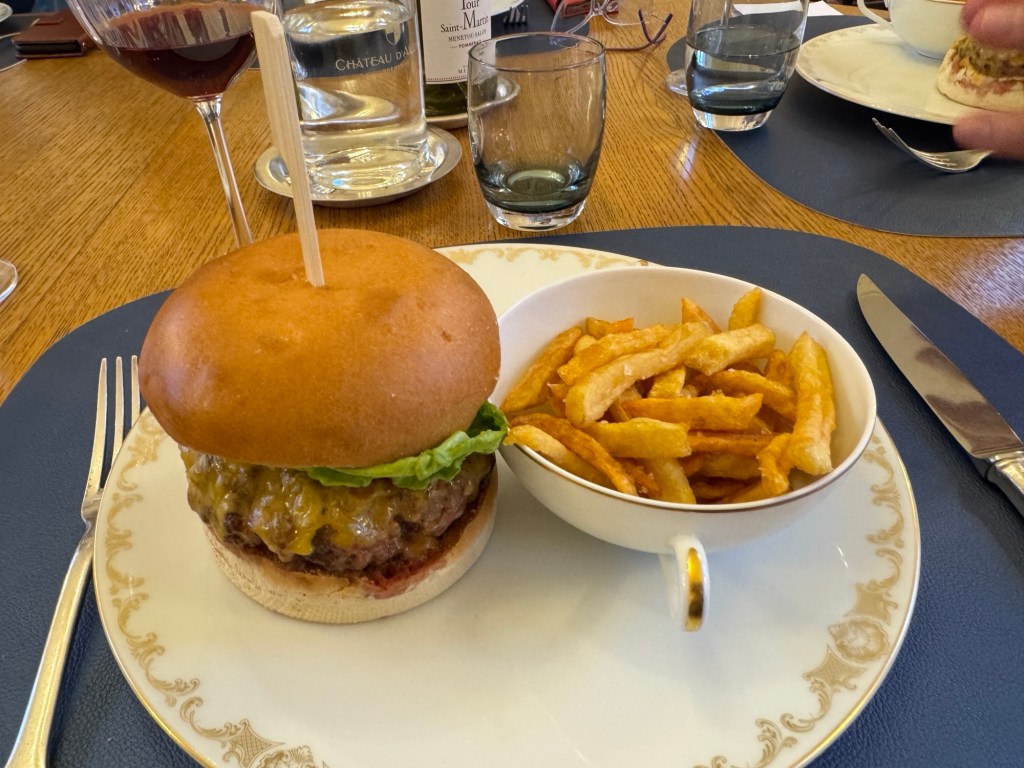
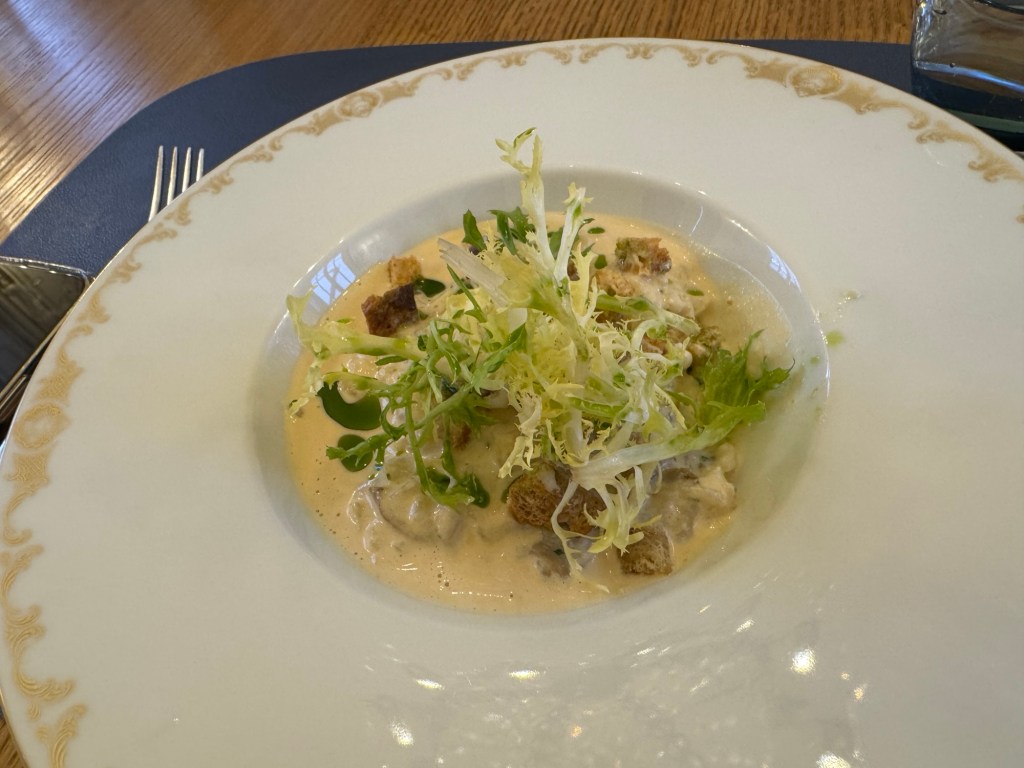
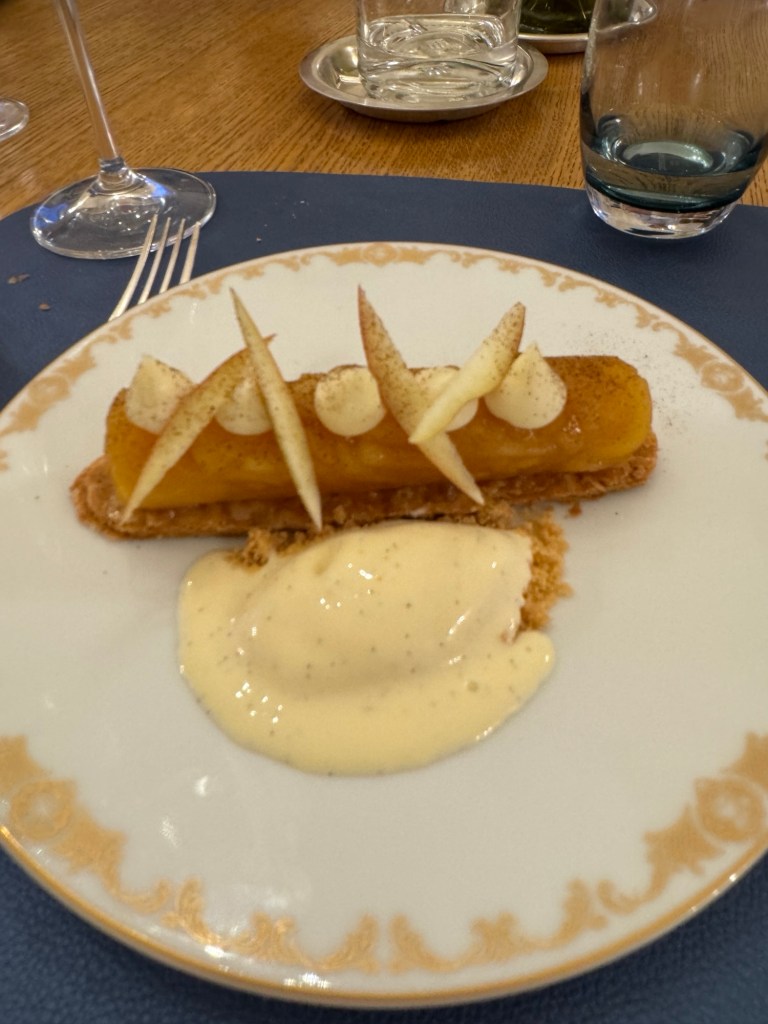
We have our first dinner in Bistrot of our hotel
Day 2 Monday 26/5
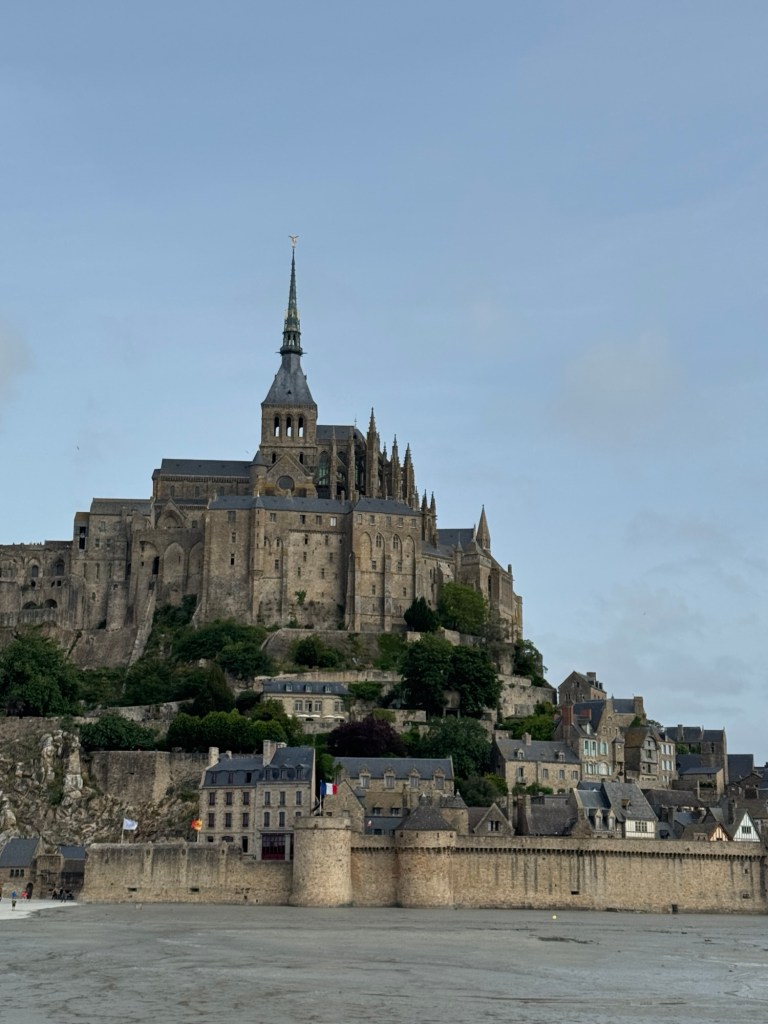
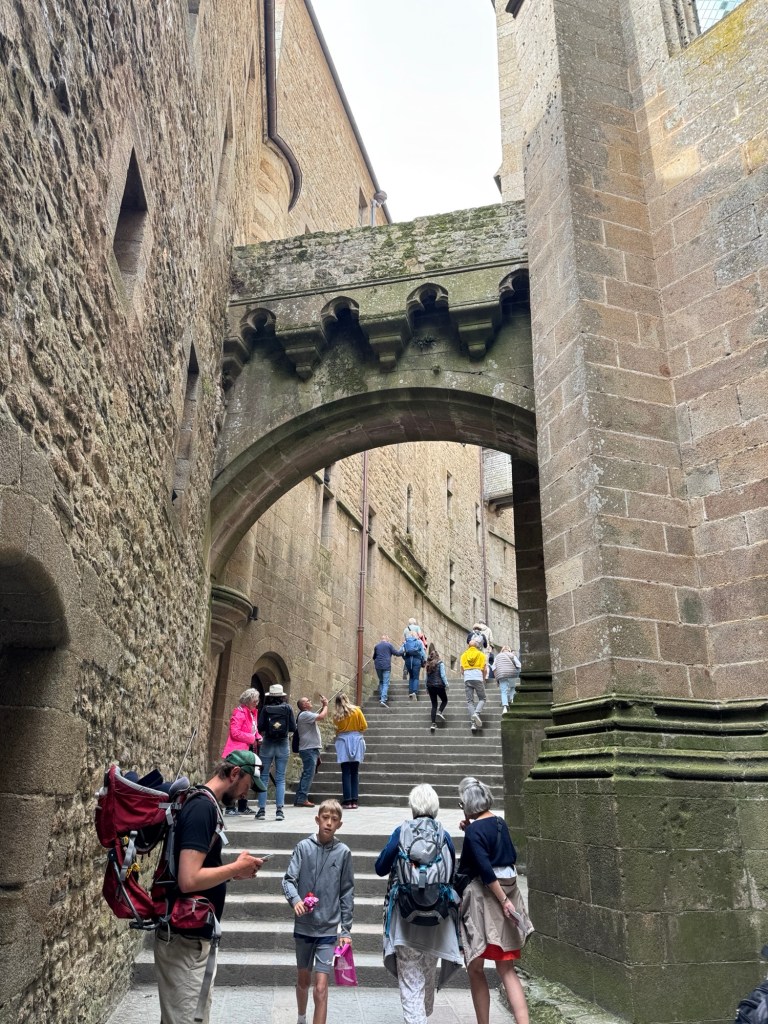
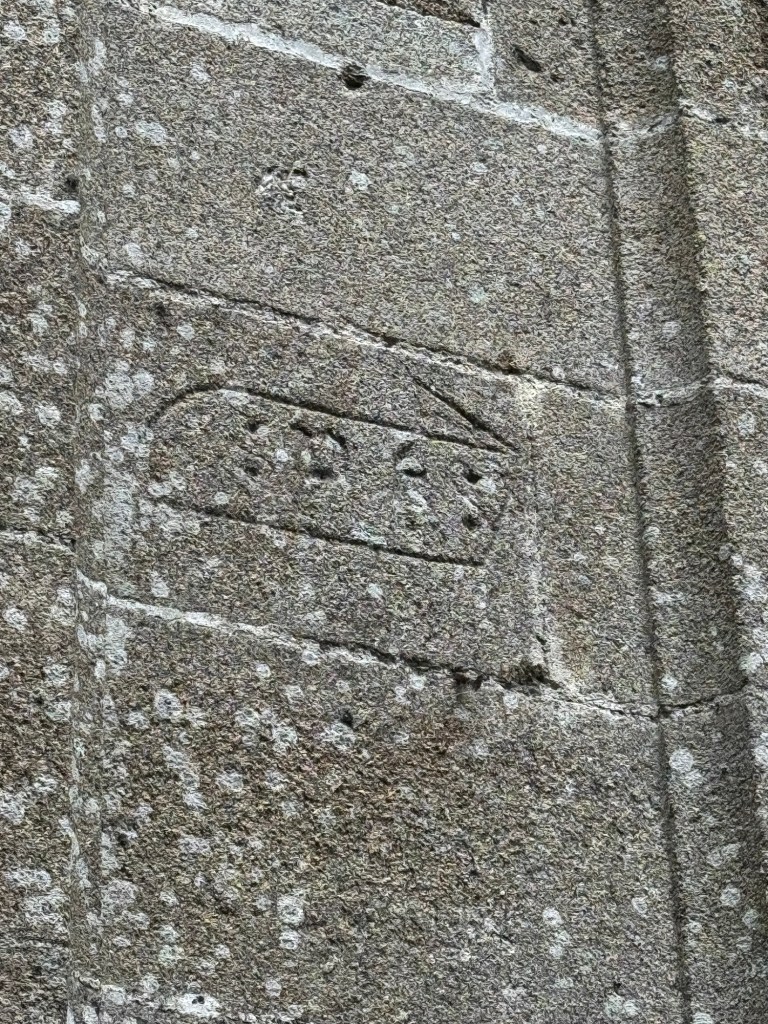
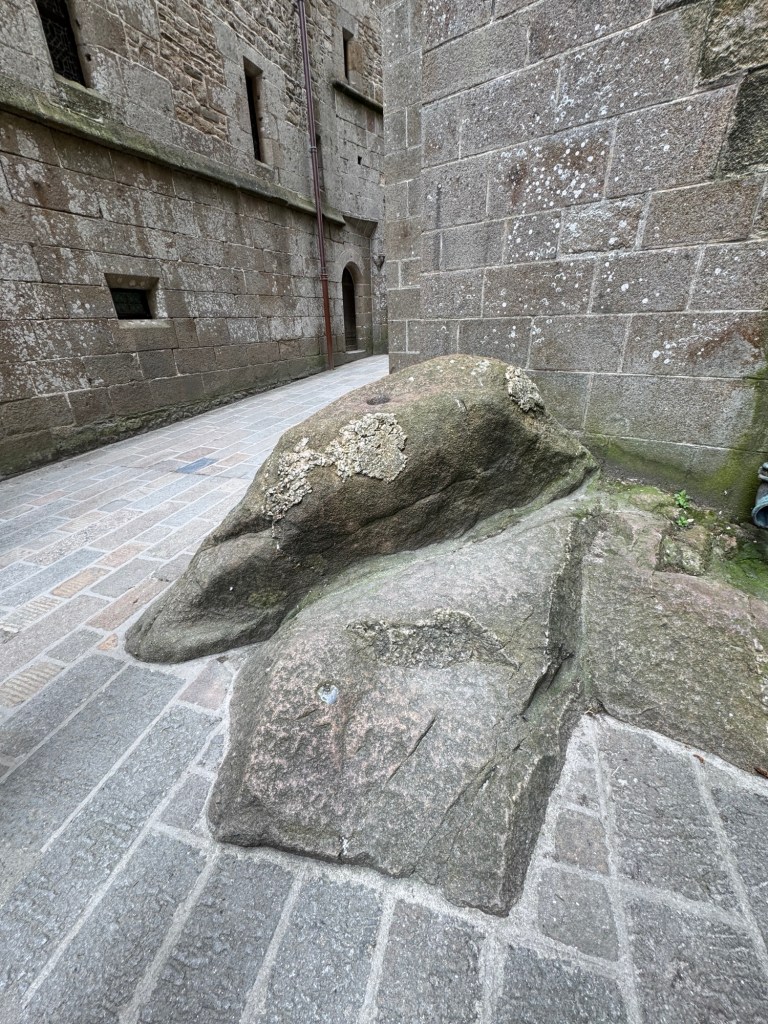
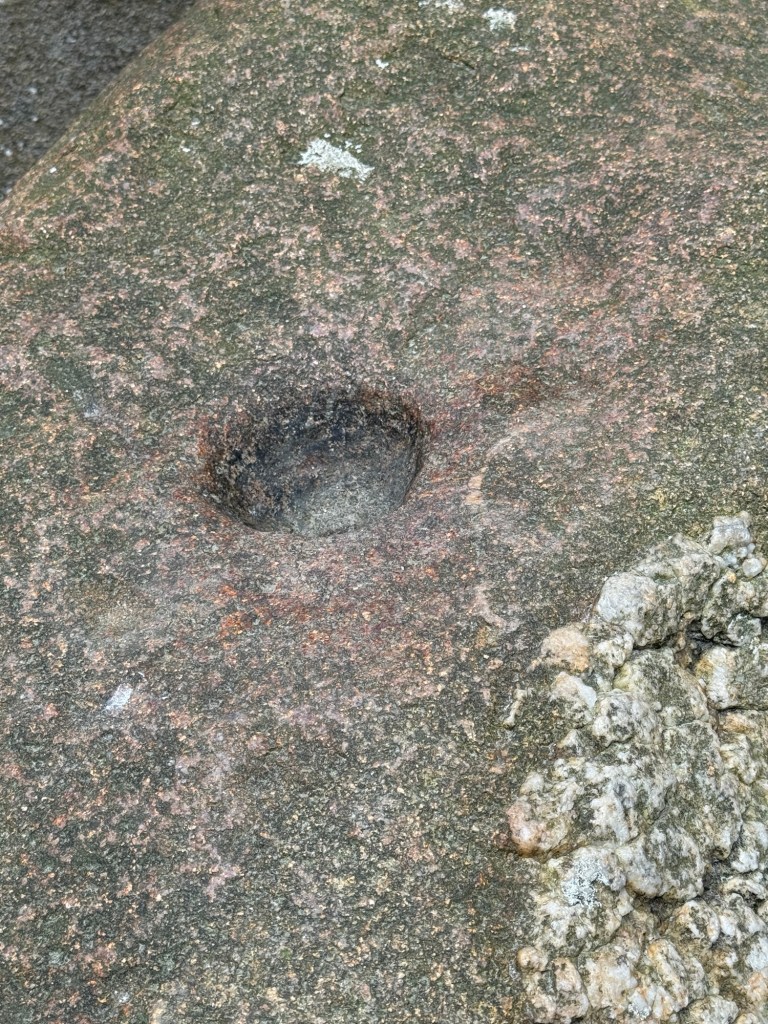
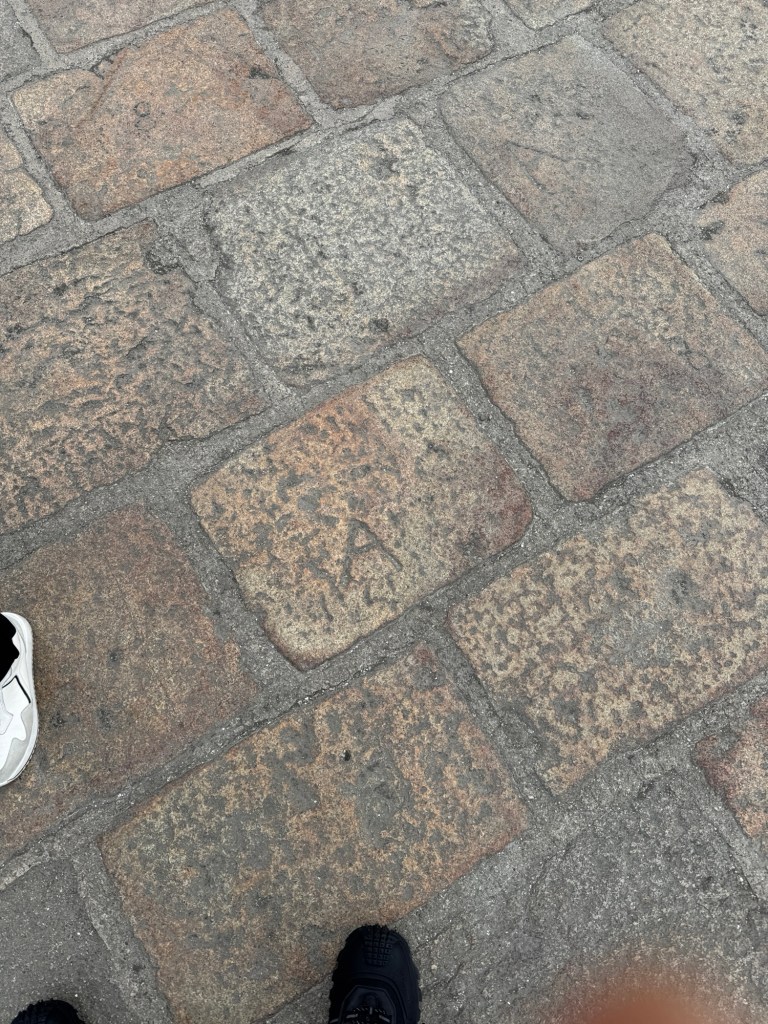
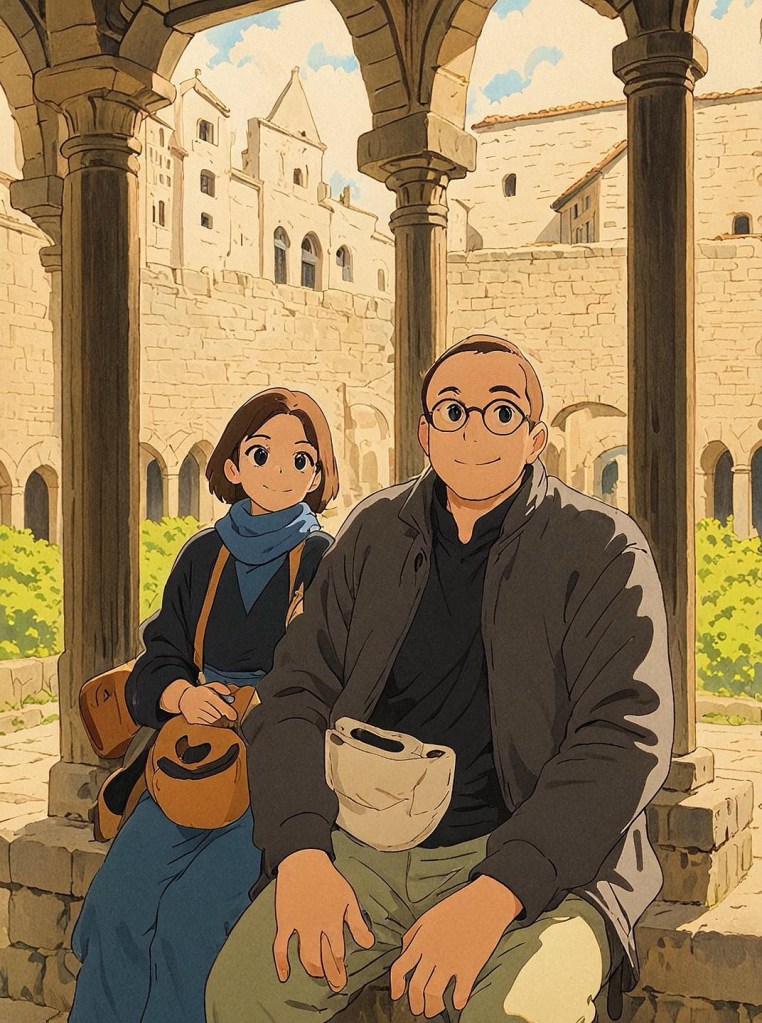
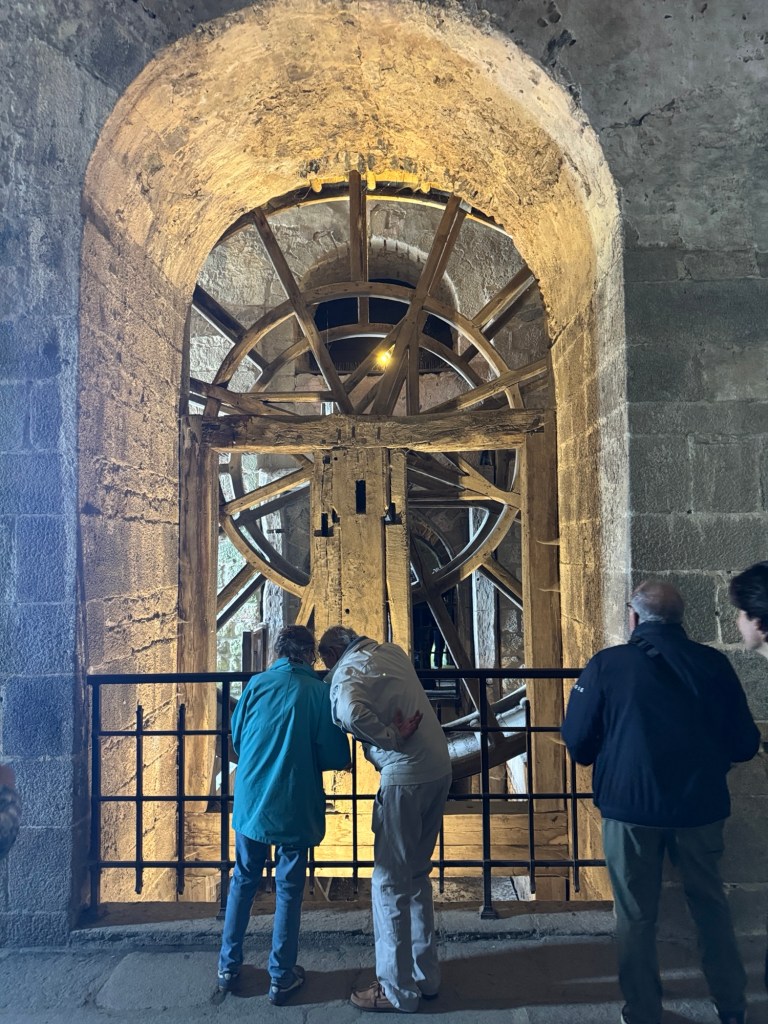
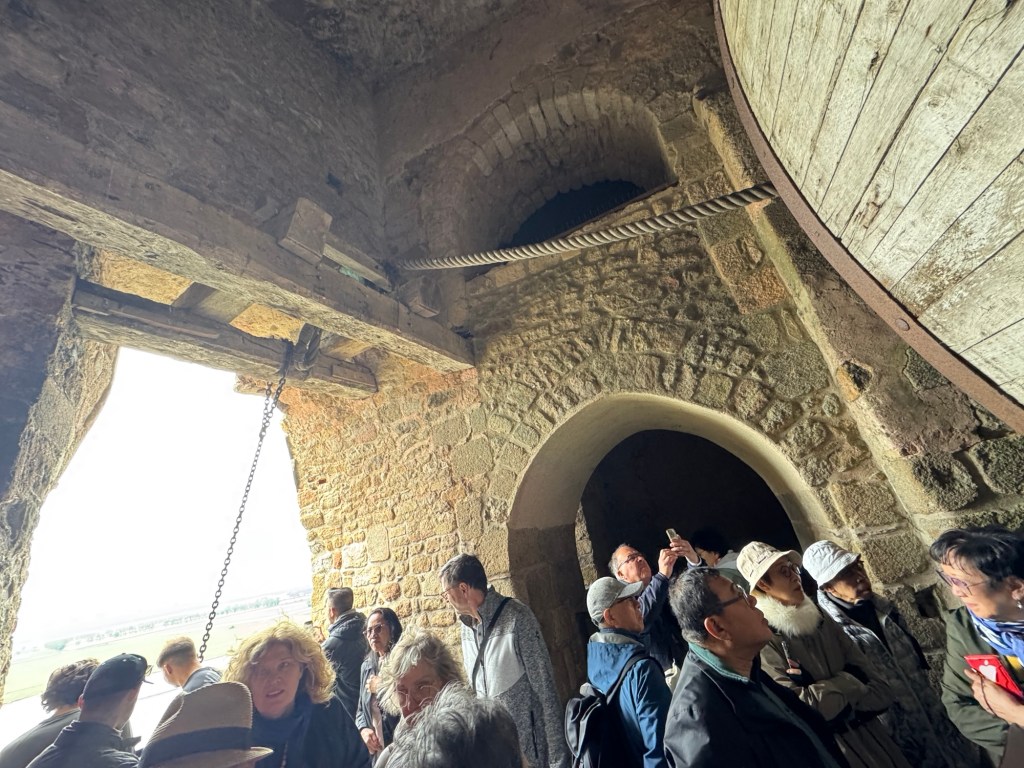
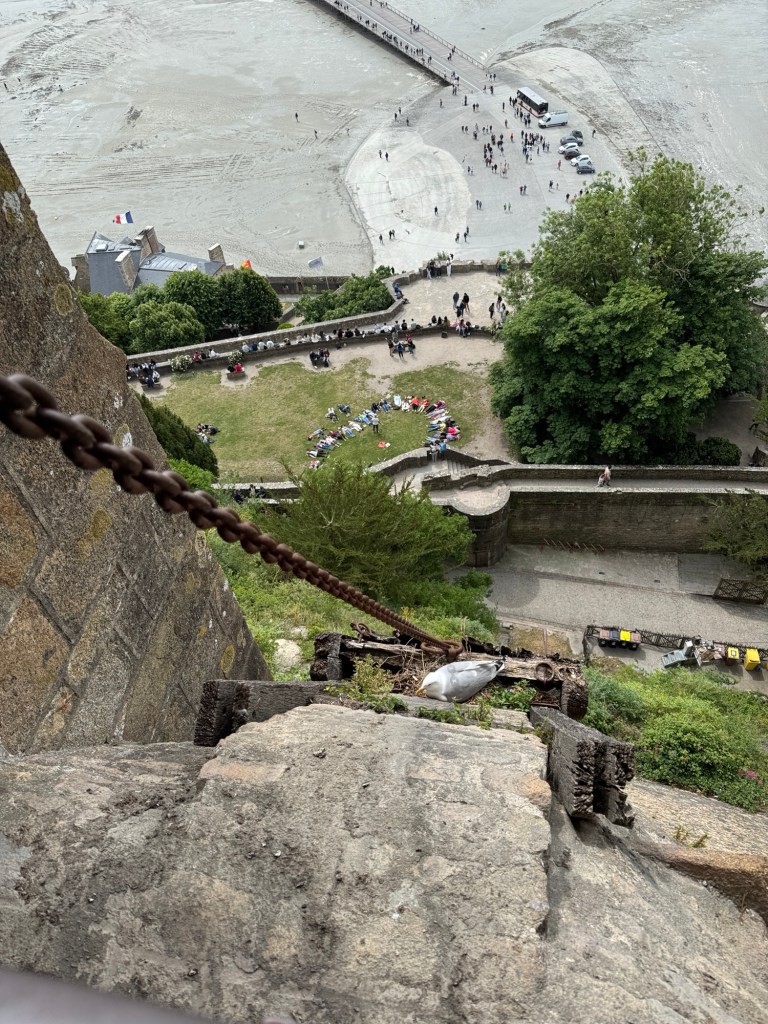
We went to Mount St Michel in the morning. It was quite a long way up the hill to see the Abbey but our guide met us in the middle of the hill. She kindly showed us some details so we had enough rest and eventually everyone could make it to the top.


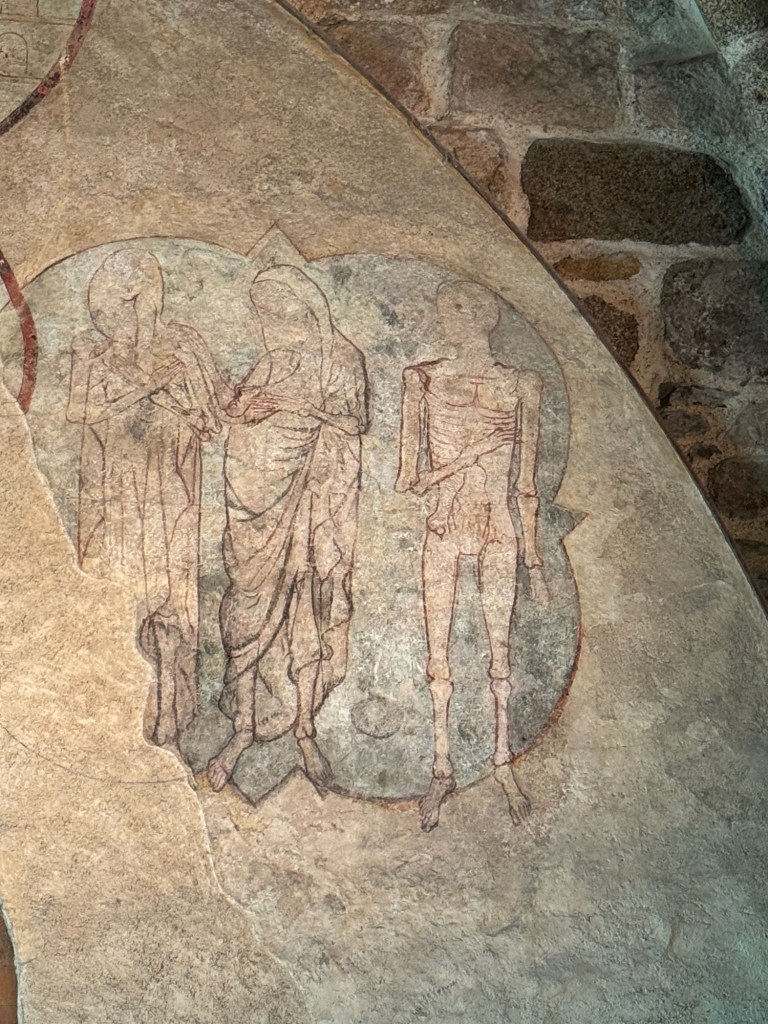
This fresco depicts a moralizing tale popular in medieval art, illustrating the fleeting nature of life and the inevitability of death. It typically shows three young, vibrant noblemen encountering three decaying corpses, often accompanied by a dialogue or inscription highlighting the vanity of earthly pursuits and the importance of preparing for the afterlife.
To conclude the morning we had lunch at La Mère Poulard restaurant which is close to the entrance. It had a long queue for the ground floor but we were up in the second floor so no problem at all.
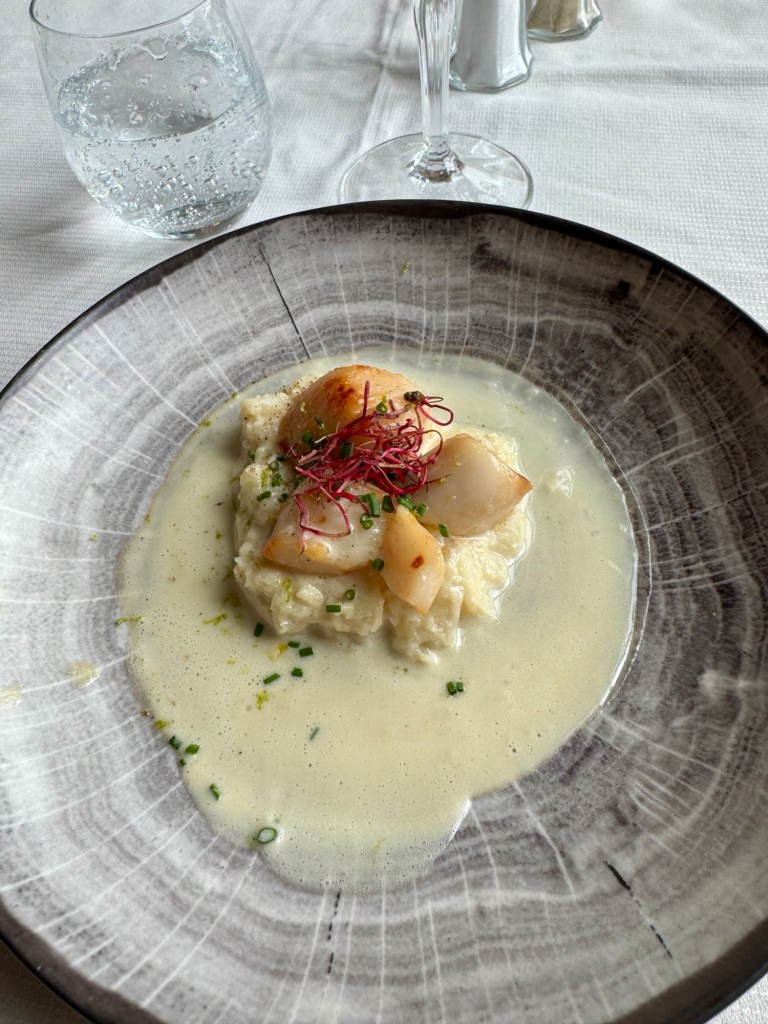

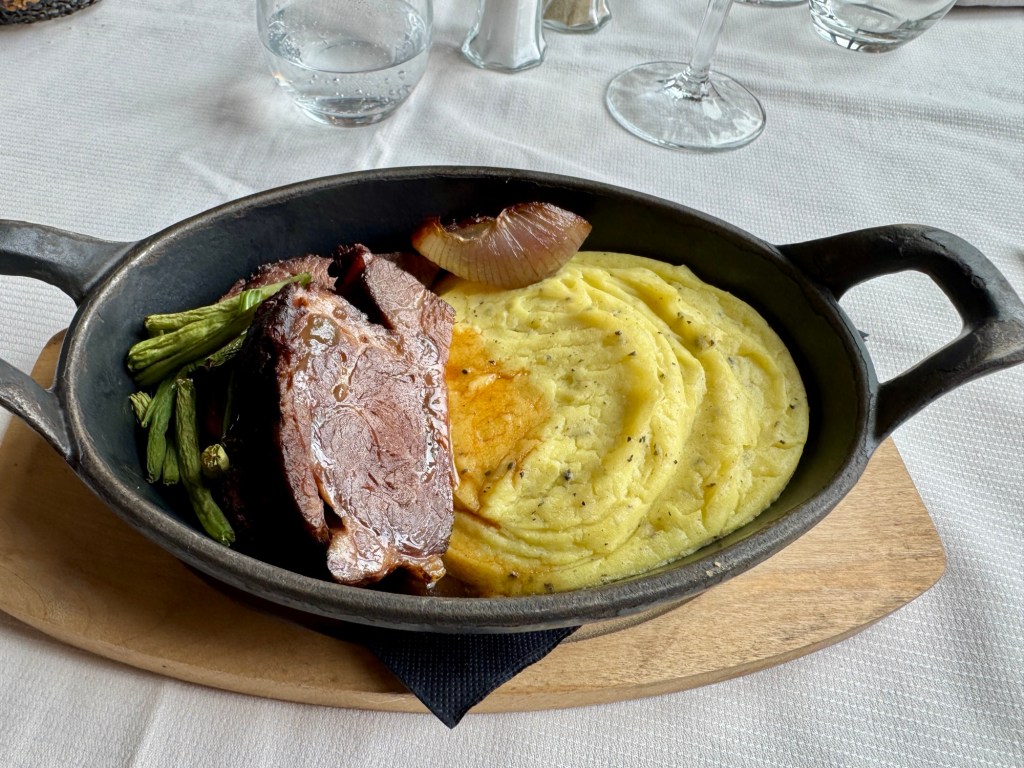

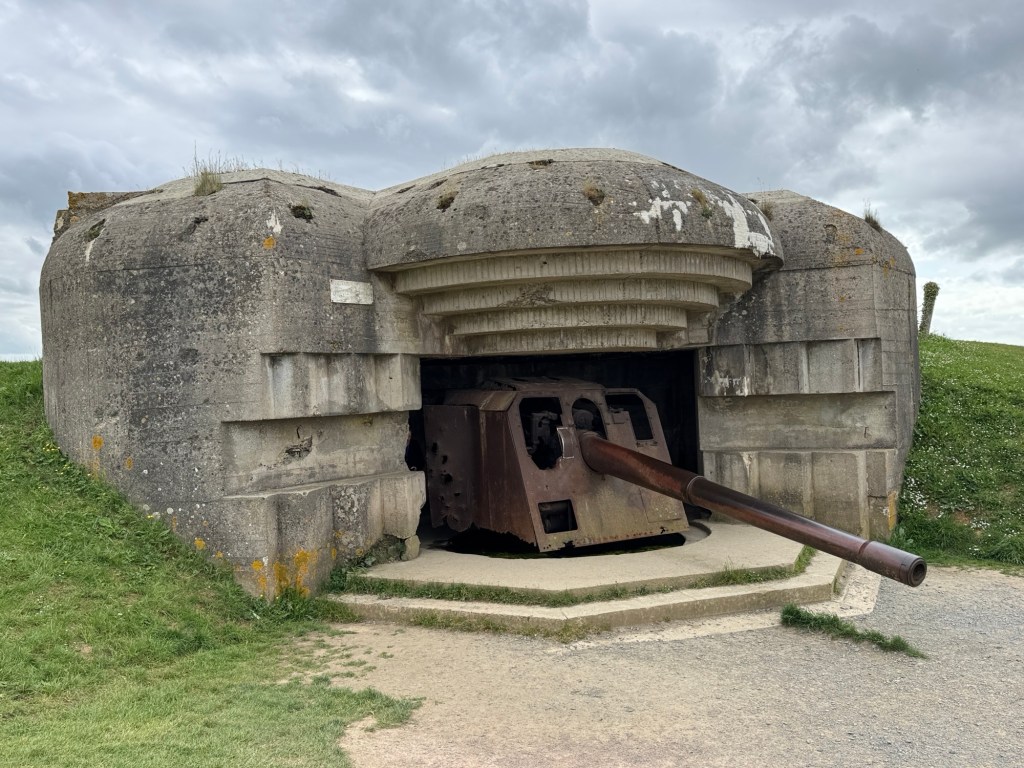
In the afternoon we went to the D Day landing beaches. First stop at Longues-sur-Mer for the famous battery of Longues-sur-Mer, built by the Germans, was subjected to intense aerial and naval bombing.
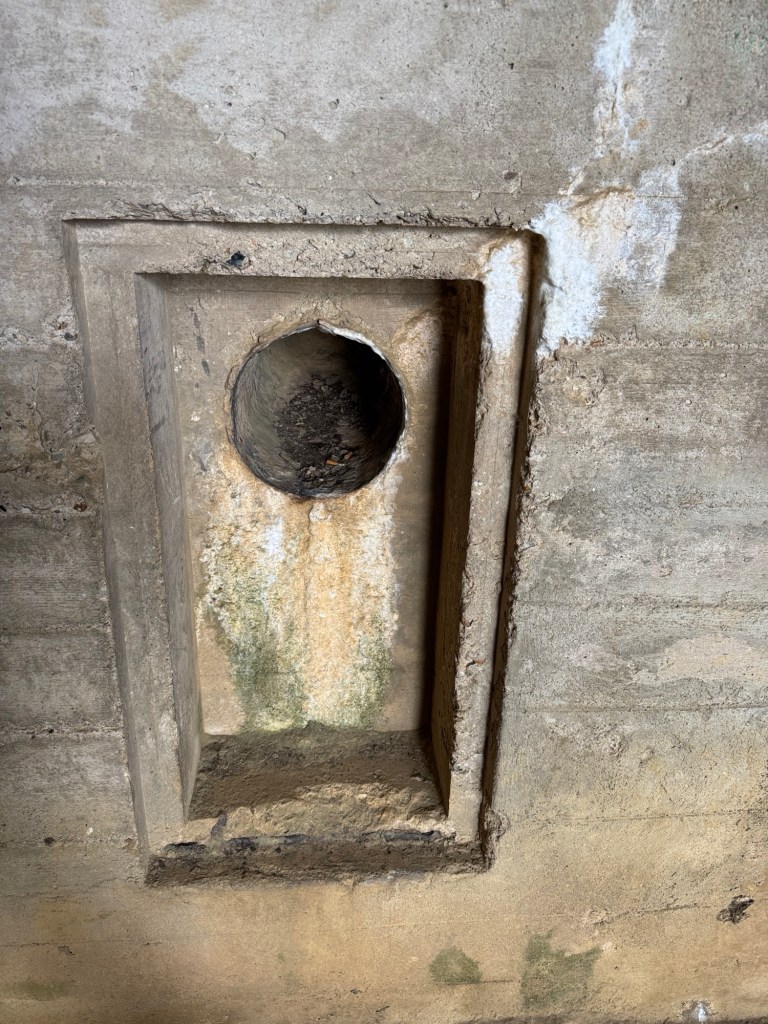
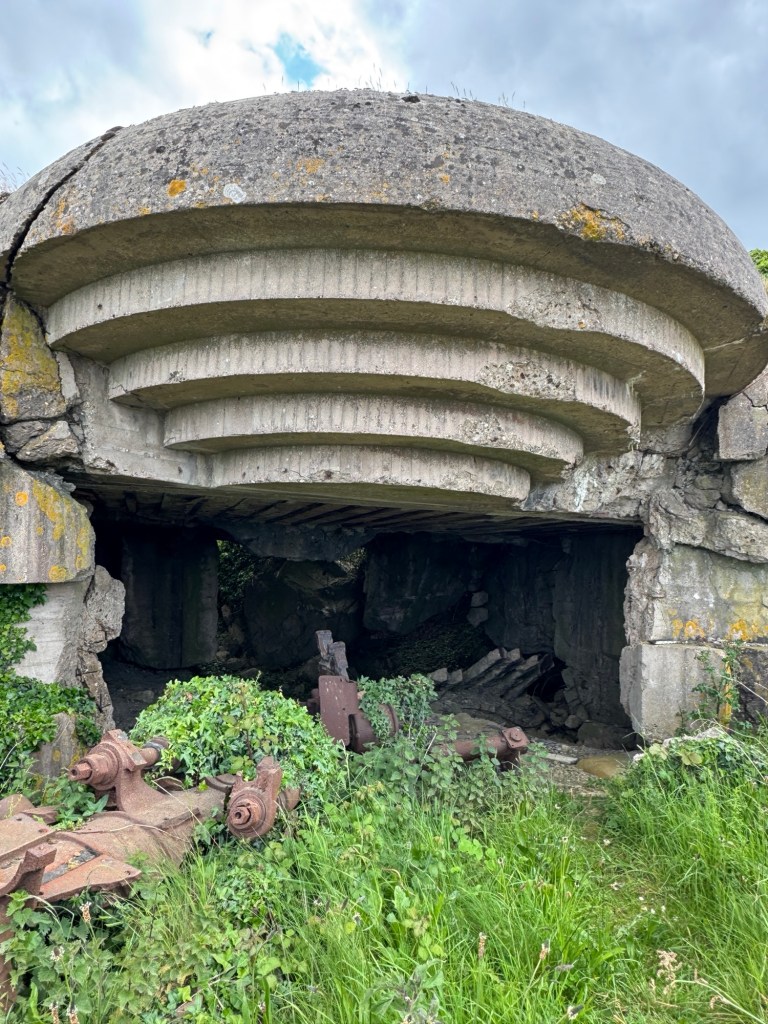
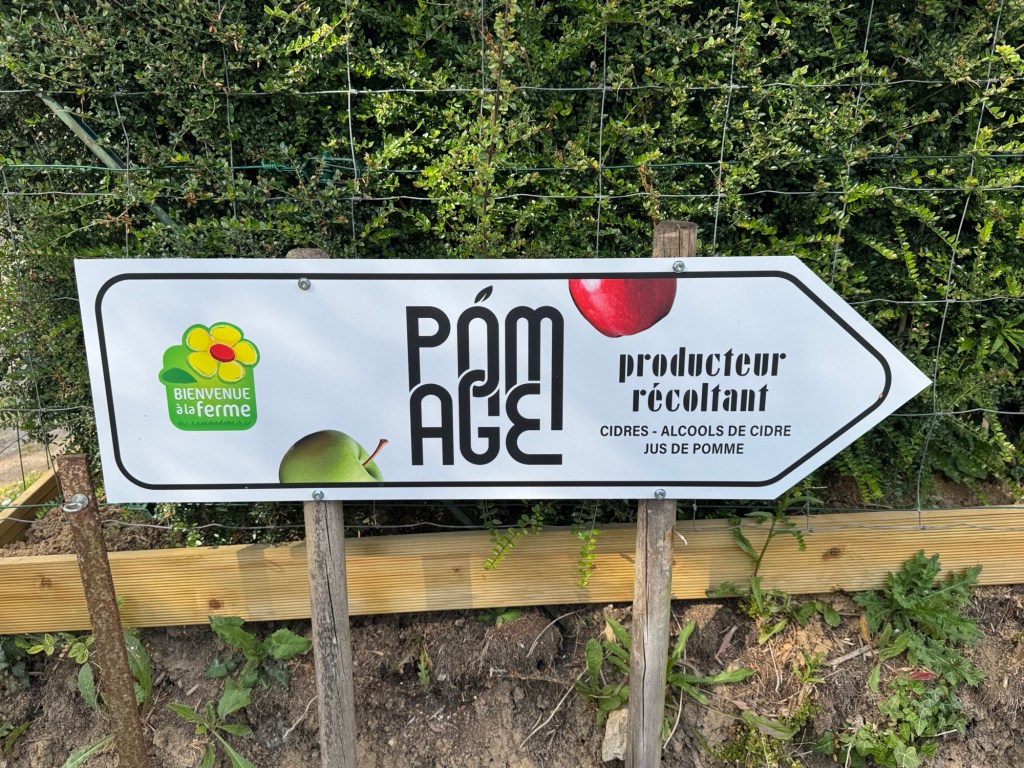
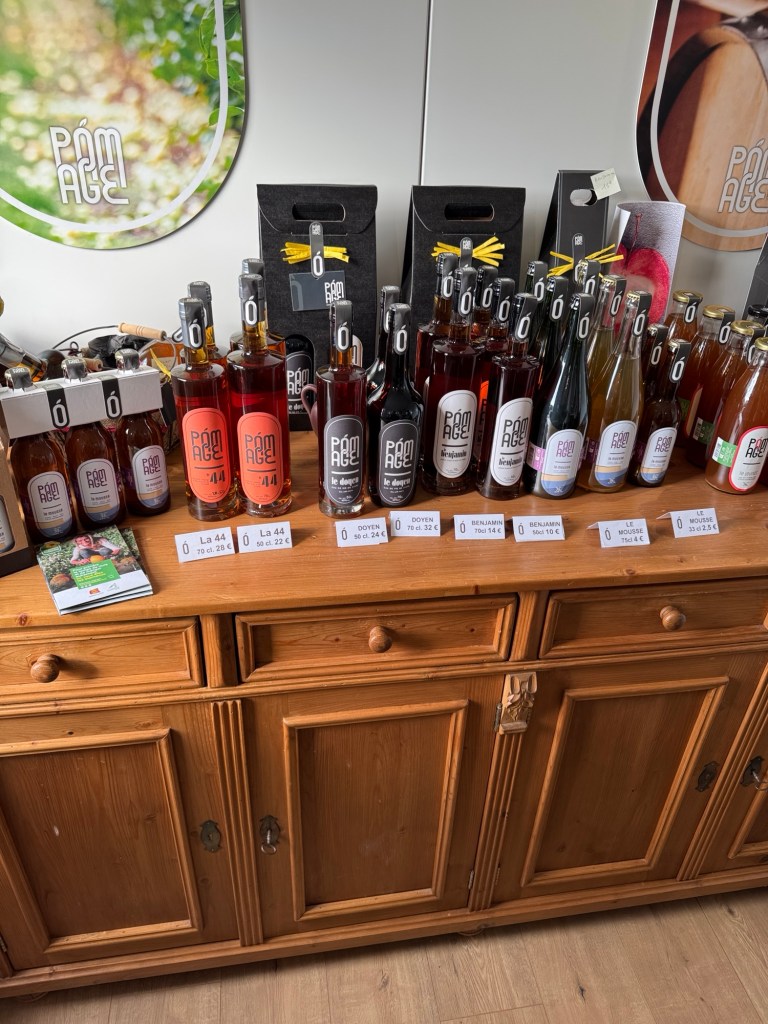
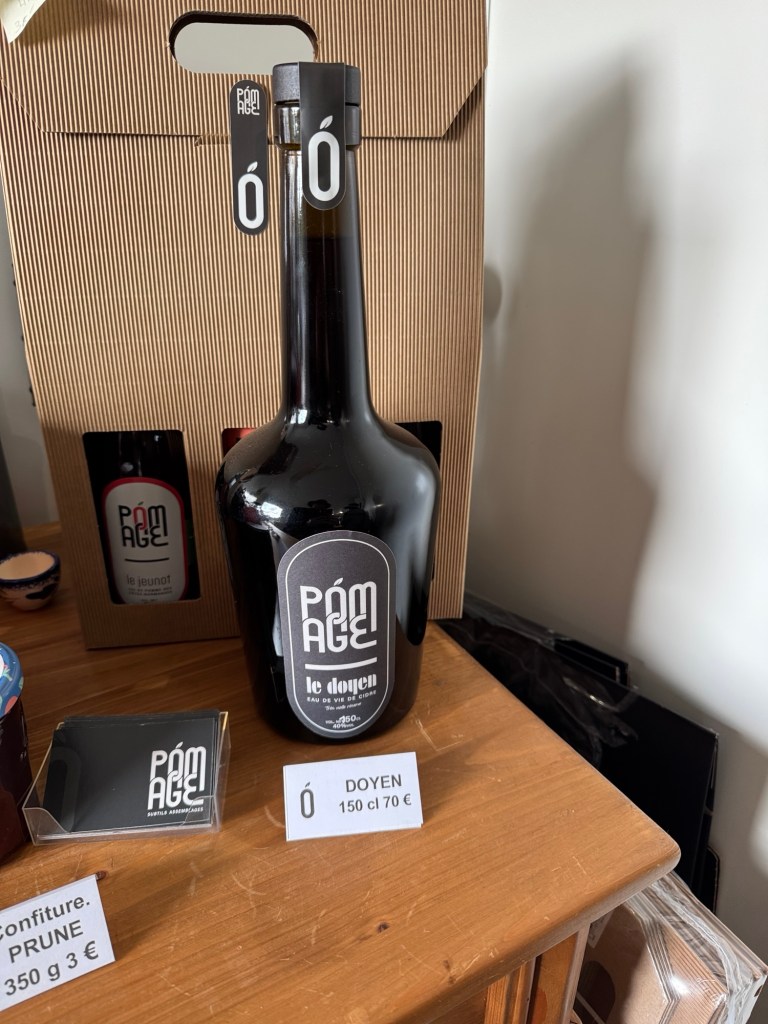
After that we took a break to visit a vineyard of apple cider. Normandy is famous for apple so naturally they make apple cider.
Then we returned to the landing beaches again. The previous seaside resort of Arromanches-les-Bains was inextricably linked with the liberation of western Europe following D-Day.
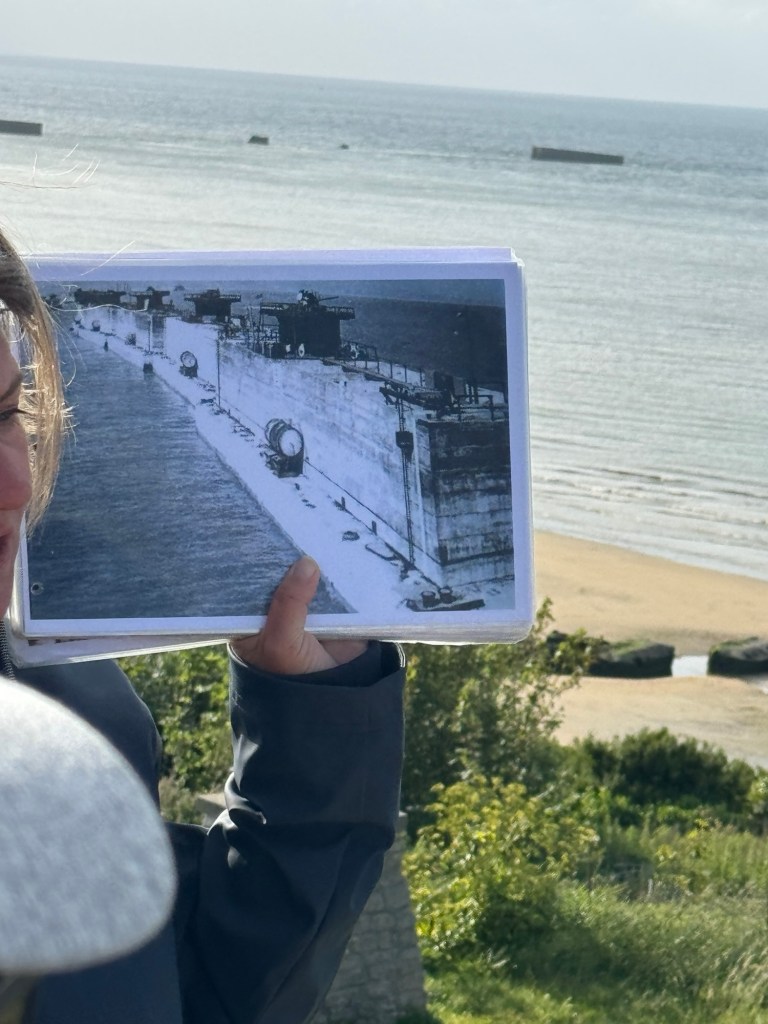
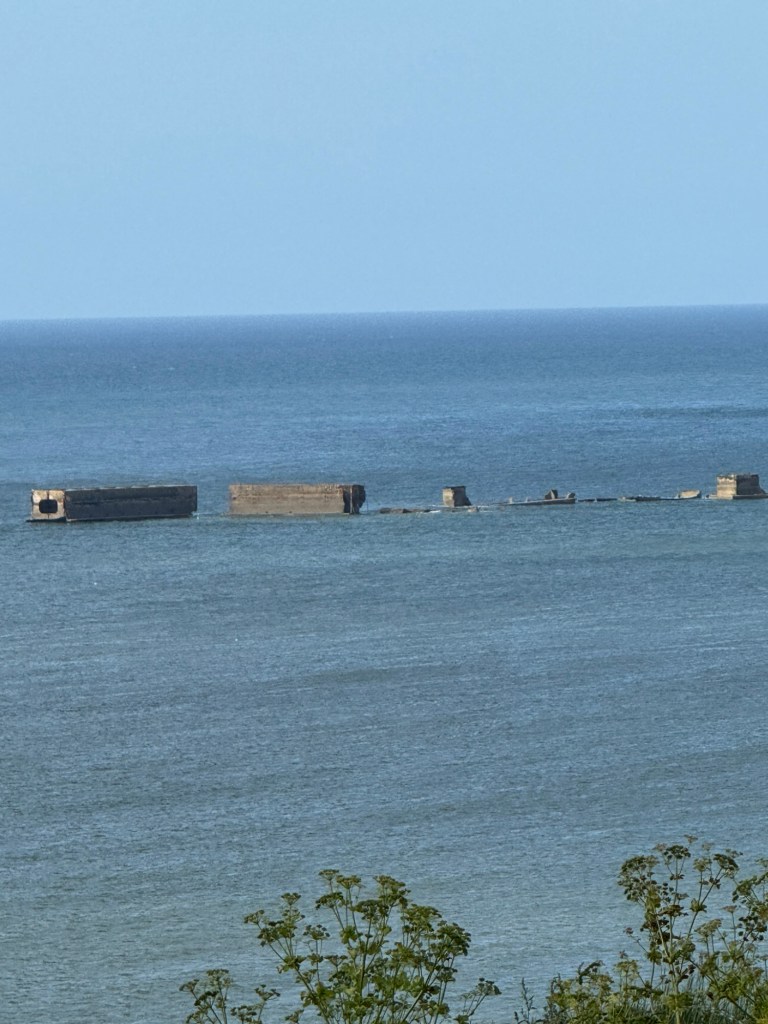
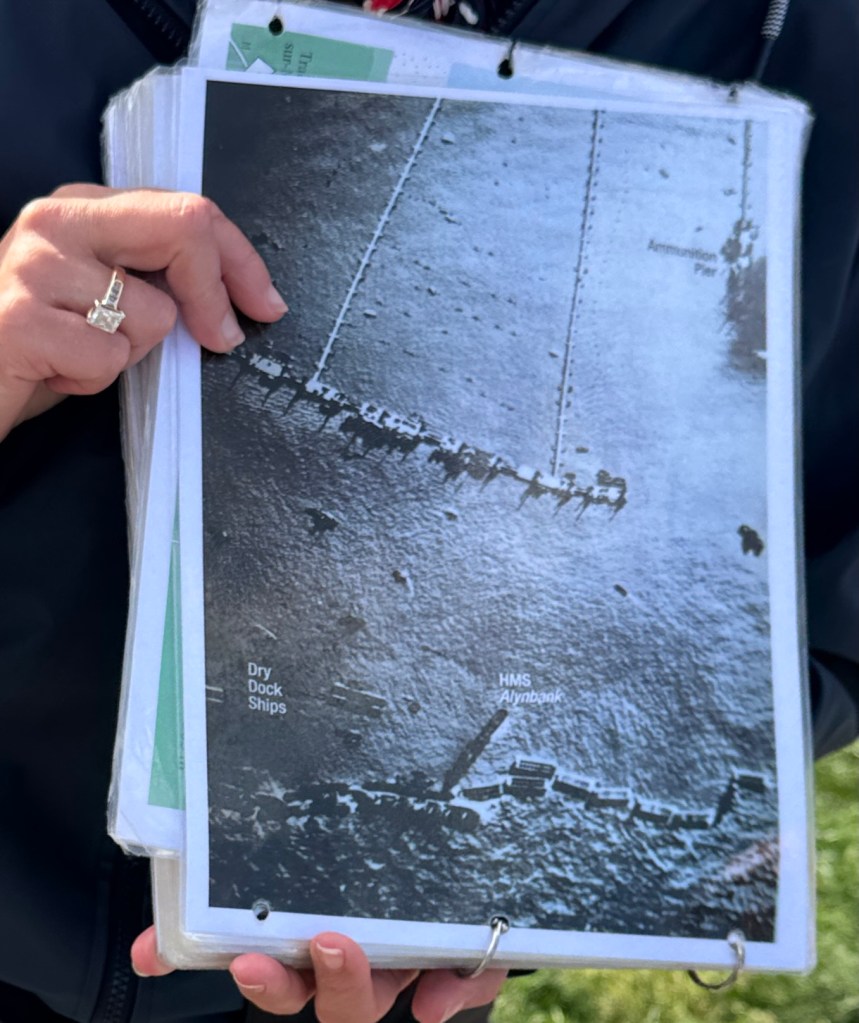
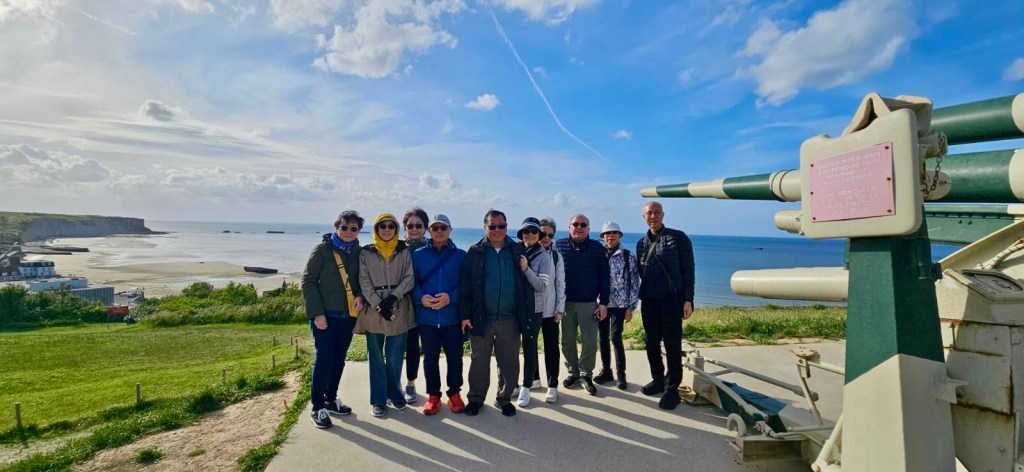
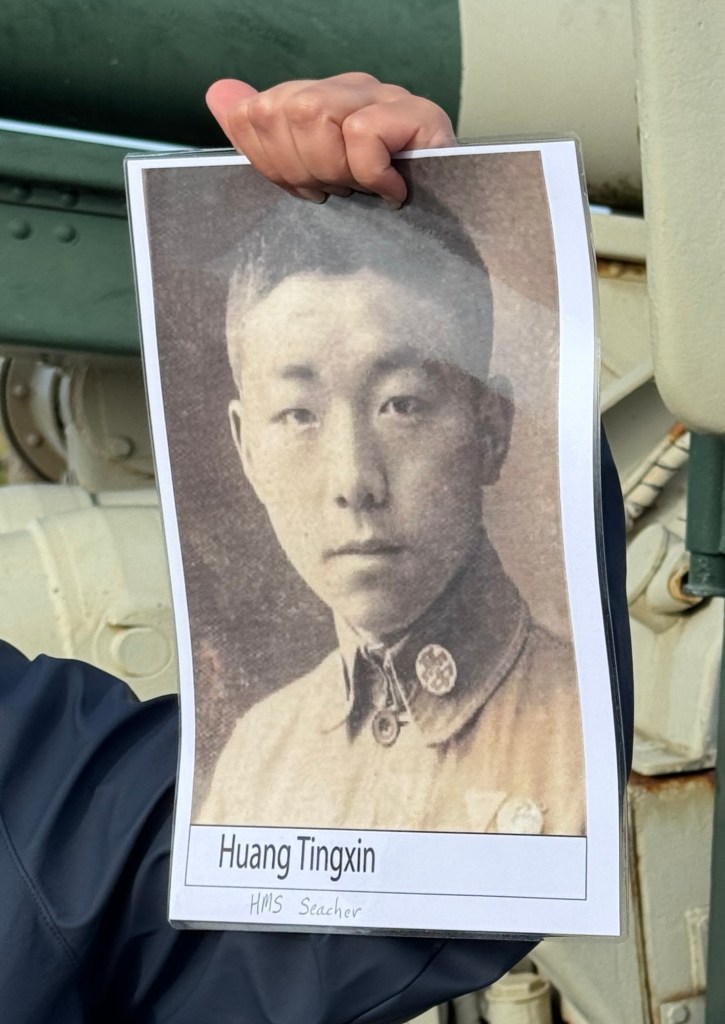
As it is getting late we had to cut short the tour but the guide was very nice to show the photos of 3 Chinese soldiers taking part on the landing battle on the D Day.

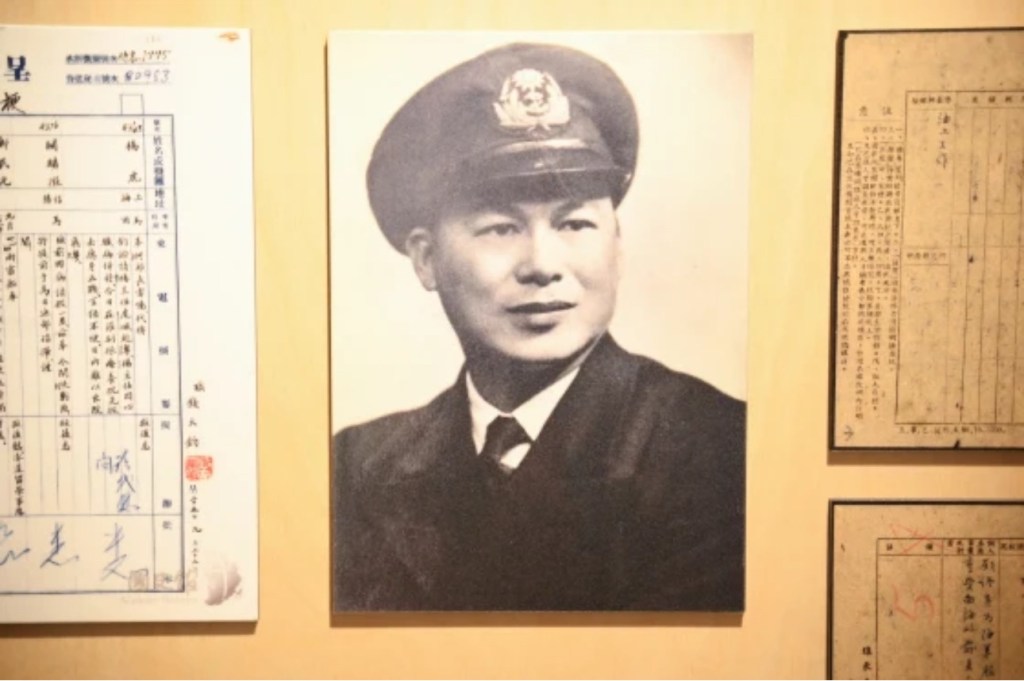
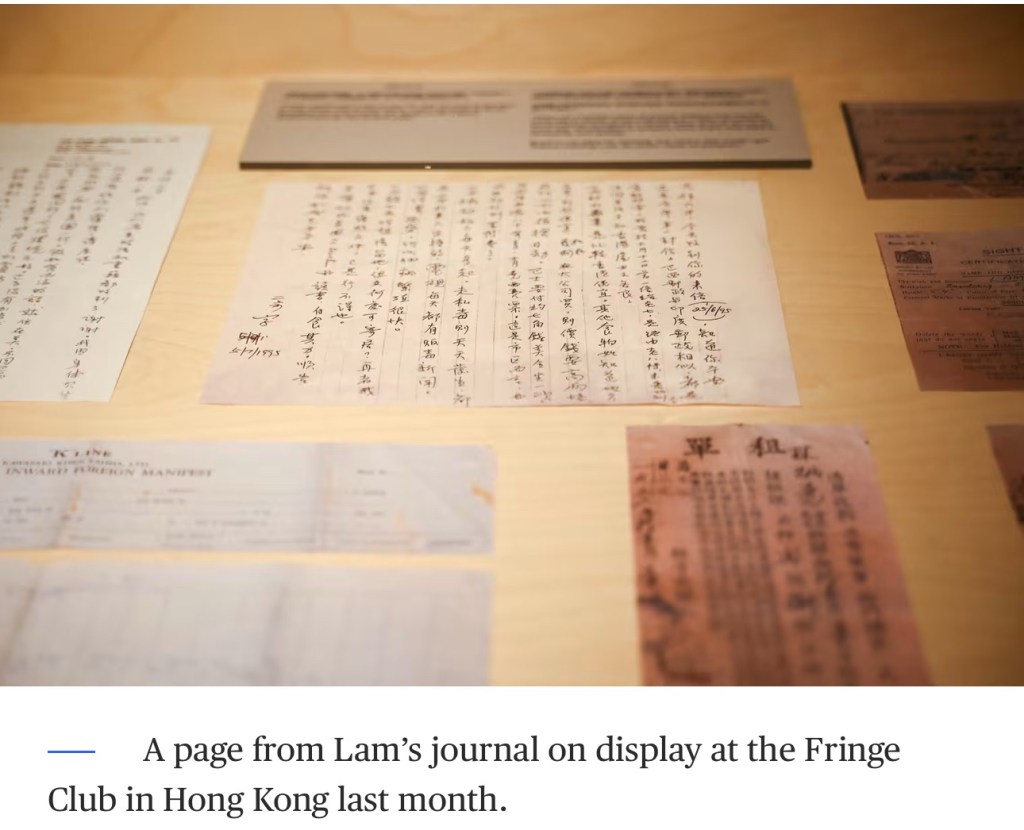
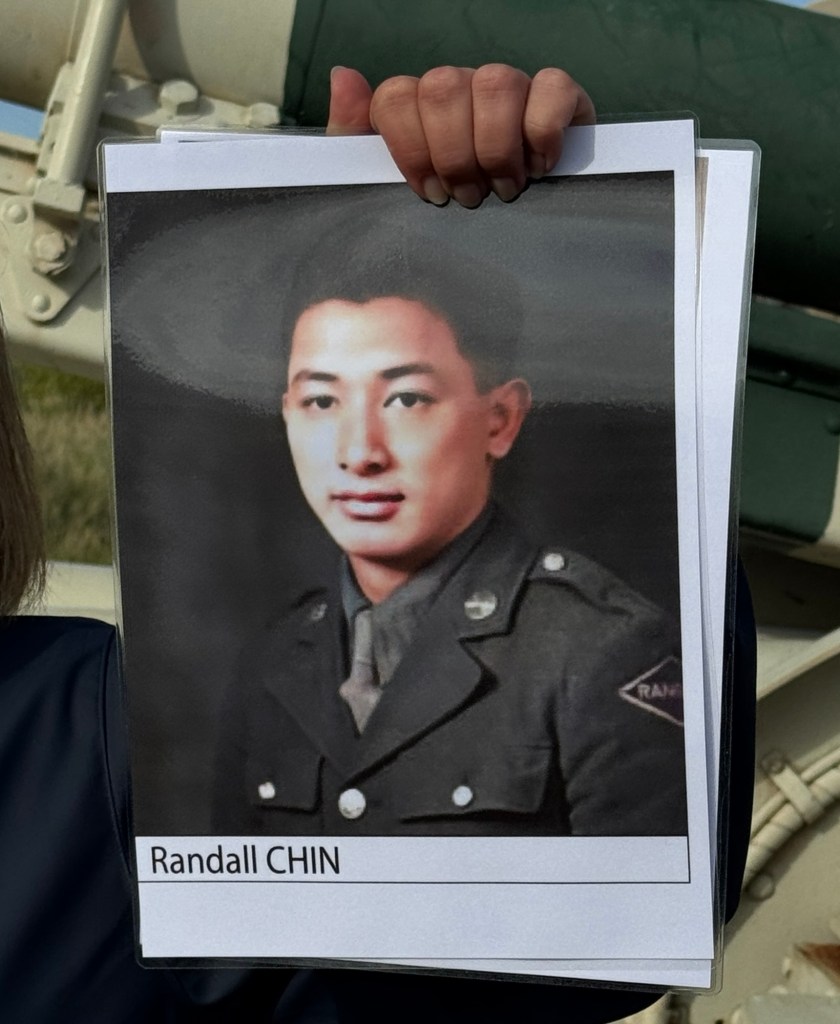
petitioned the French government to induct Ching into its prestigious Legion of Honor, France’s top award for military and civil merit.
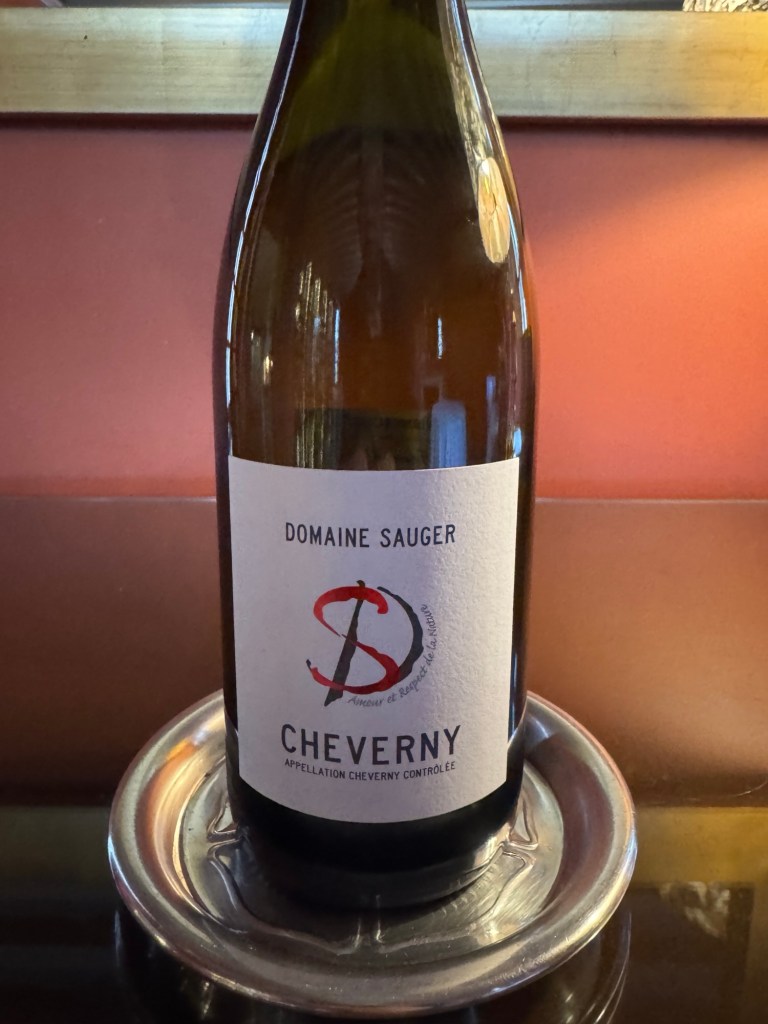
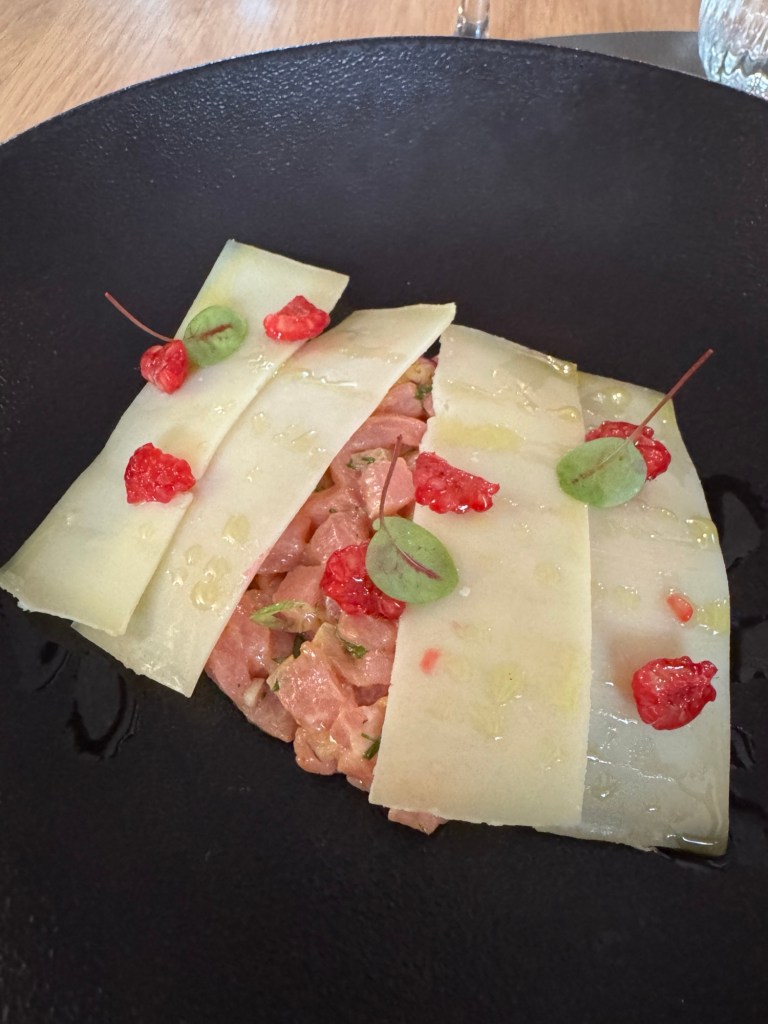
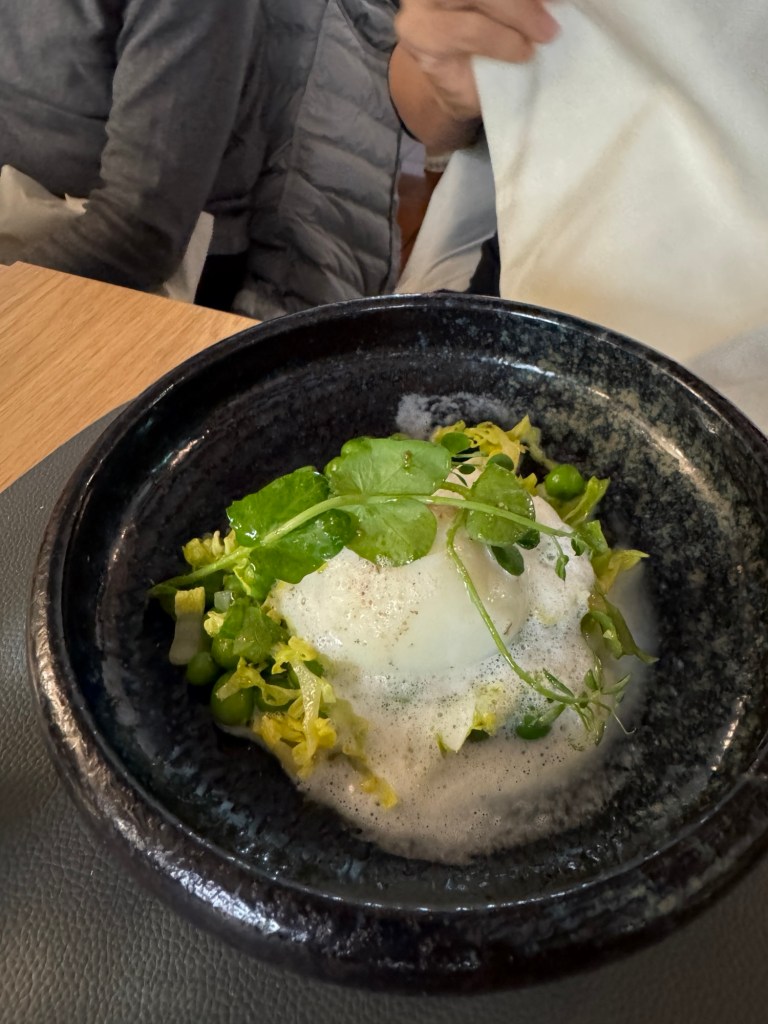
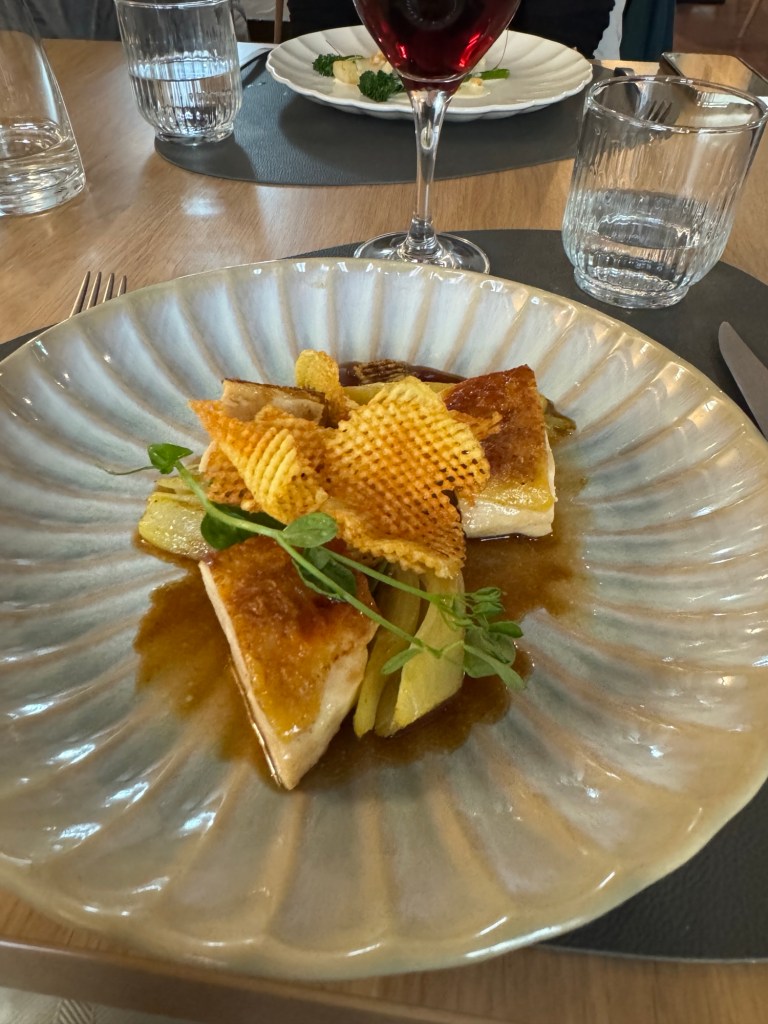
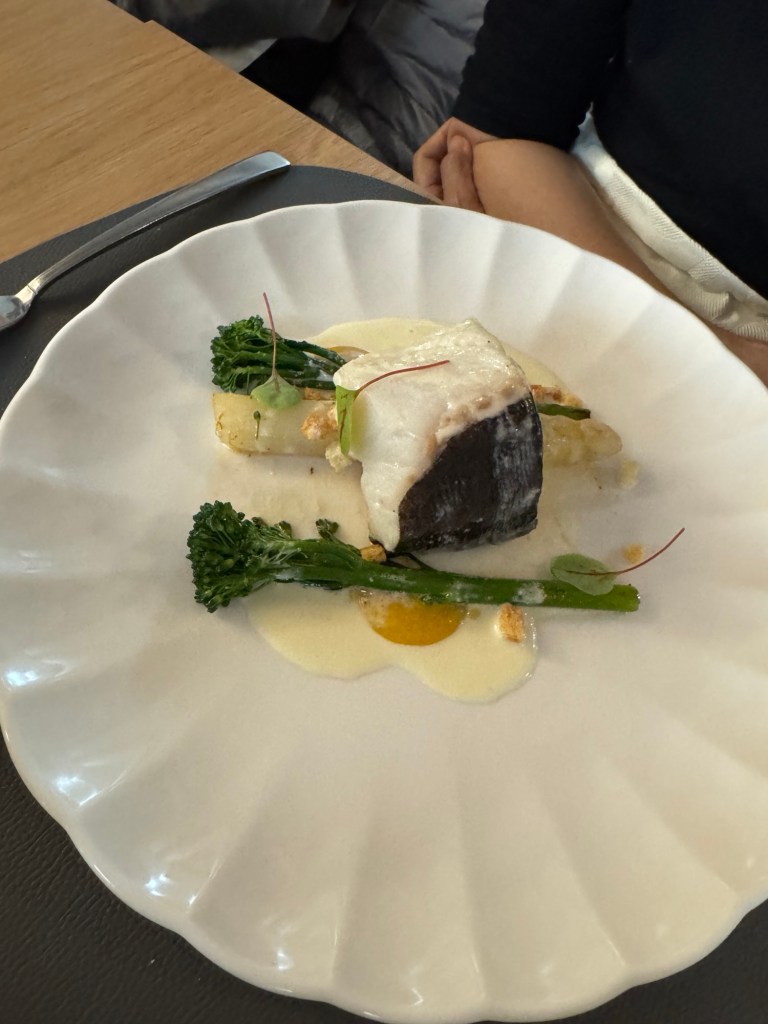
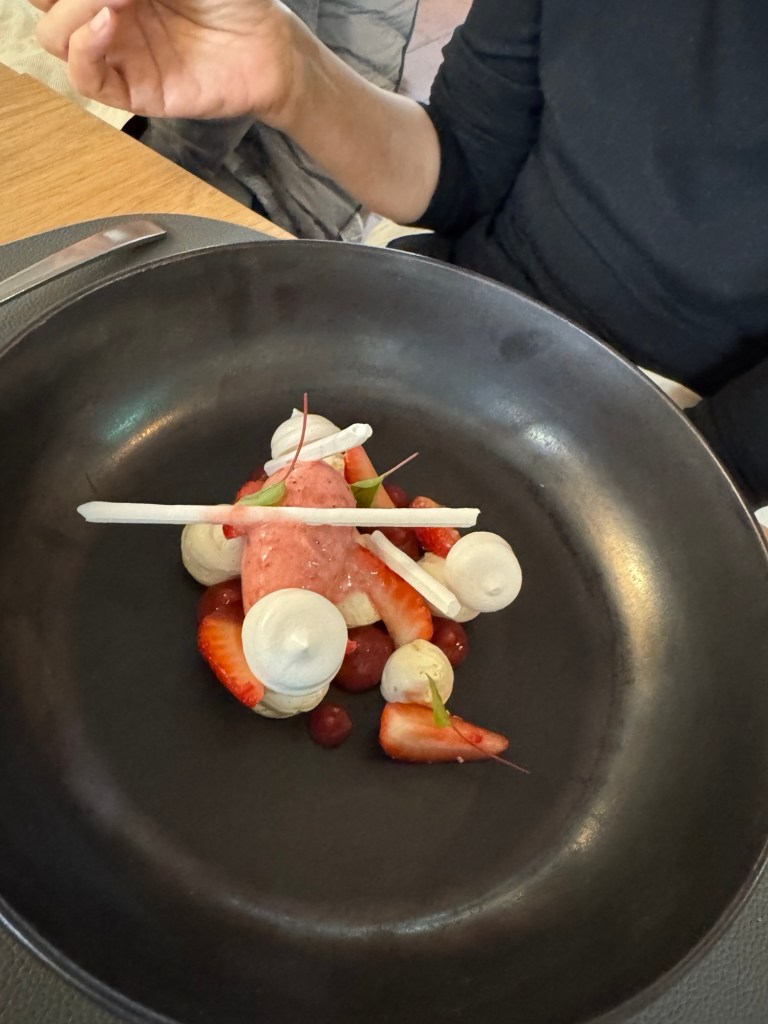
Then we went back to our hotel to have dinner in Le Séran restaurant.


Day 3, Tuesday the 27/5
After breakfast we went to another traditional aera of France, well-known to be the Heart of the former Monarchy, the Touraine Region and its main city, Tours.

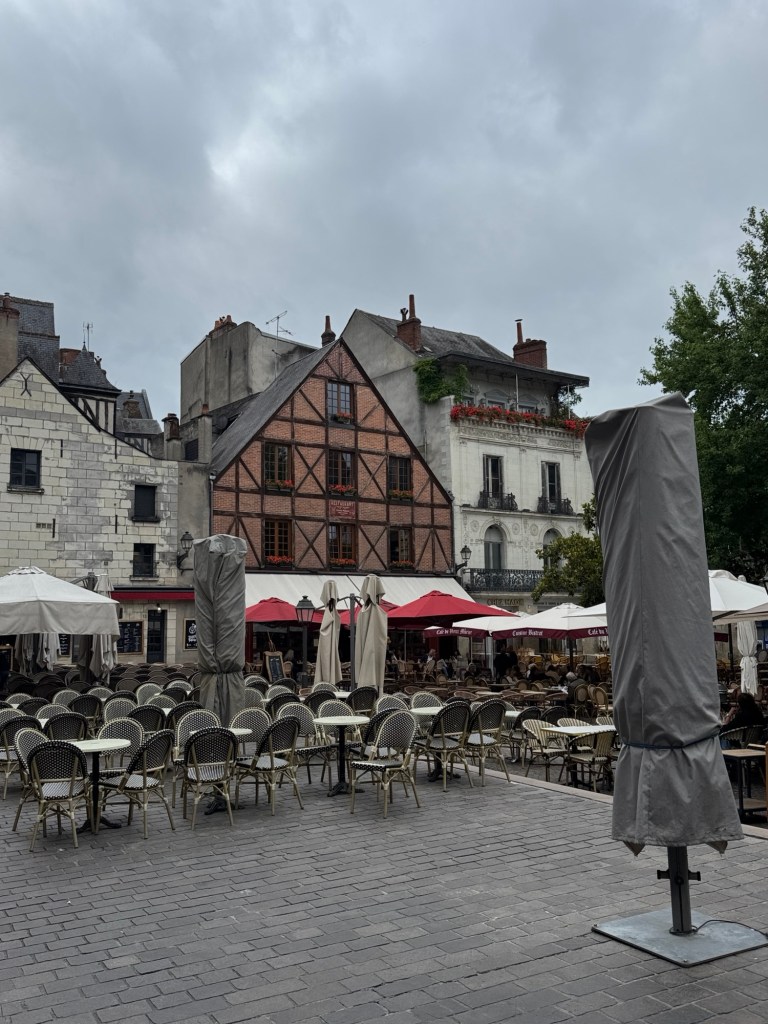
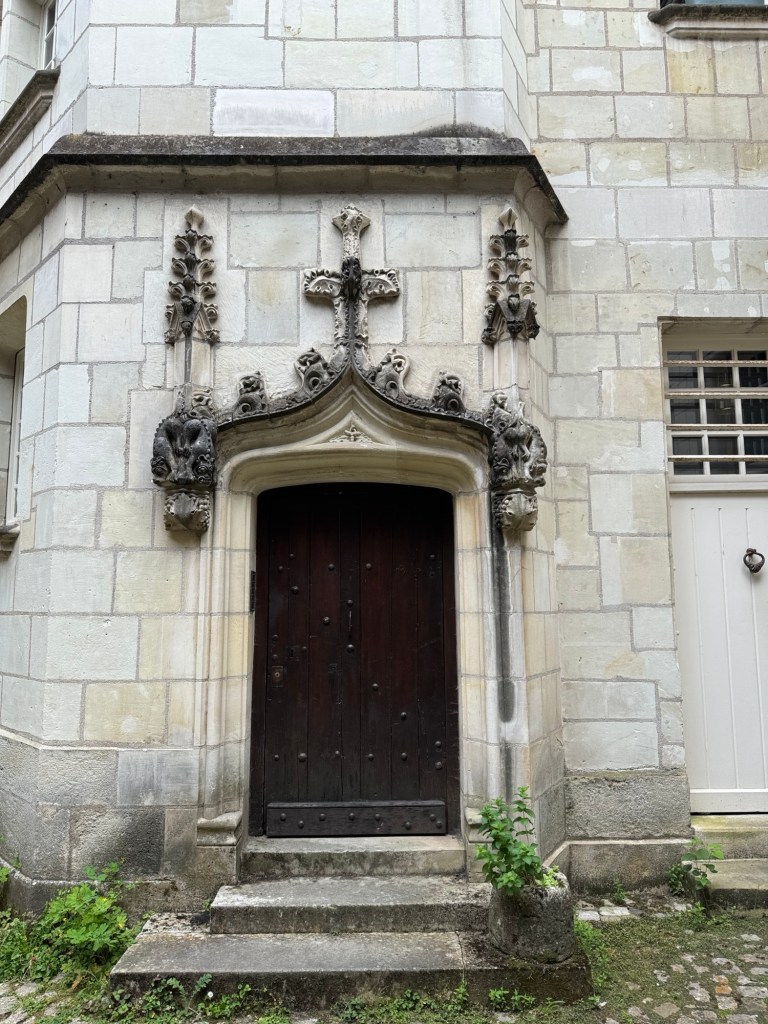

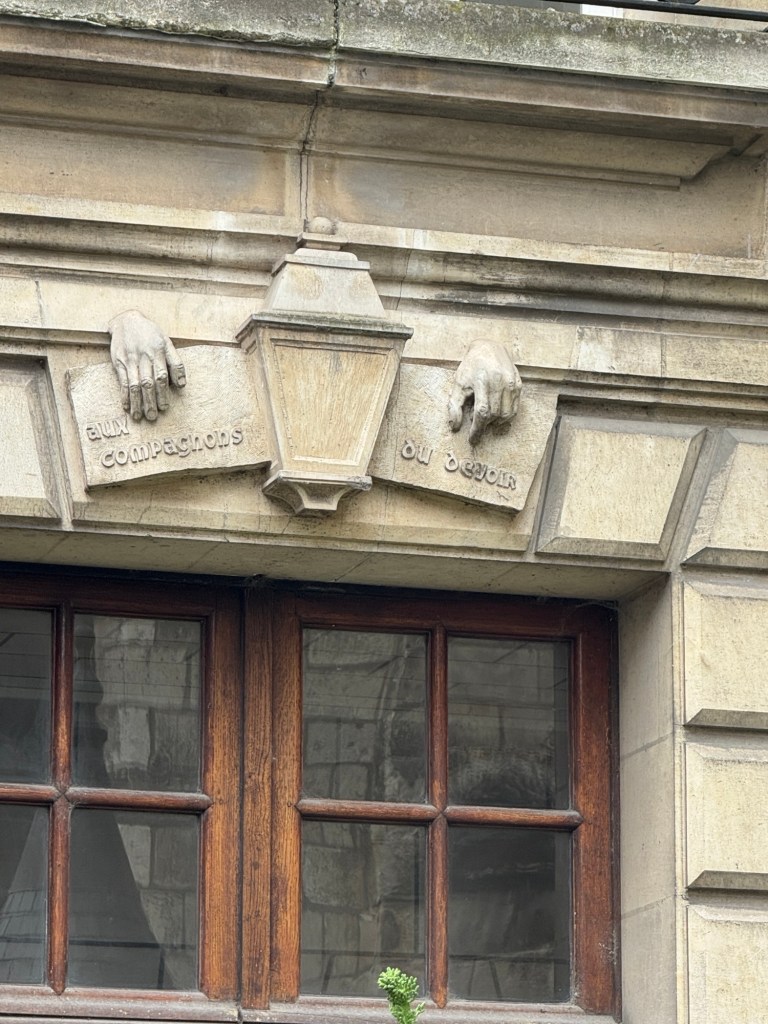
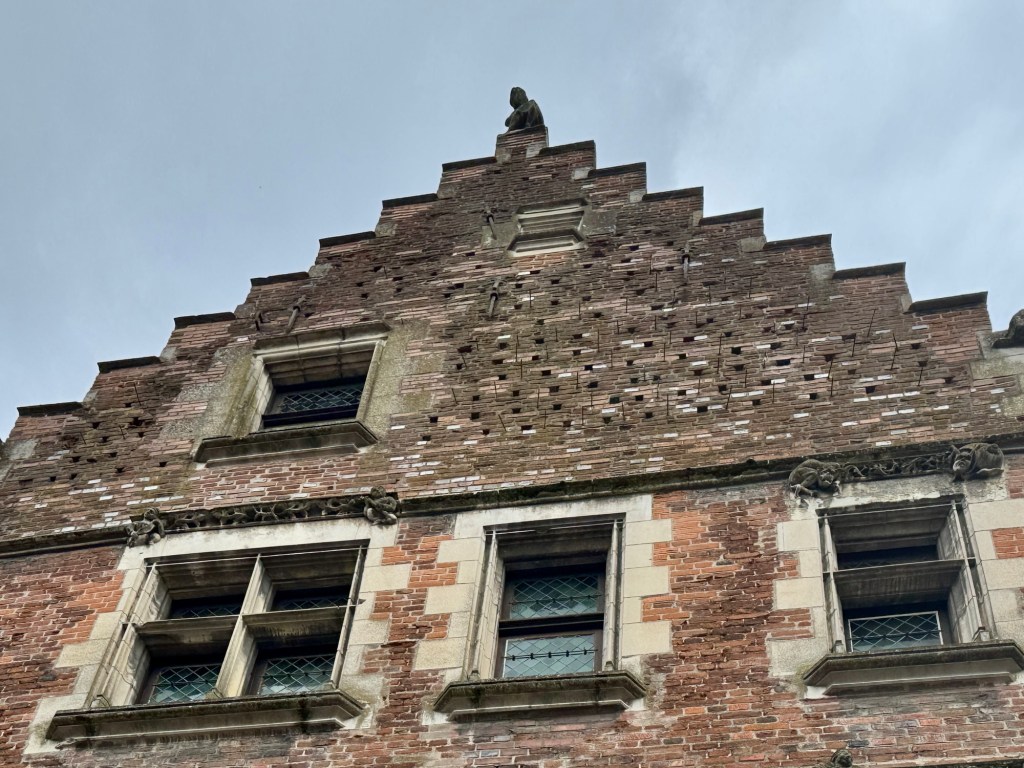




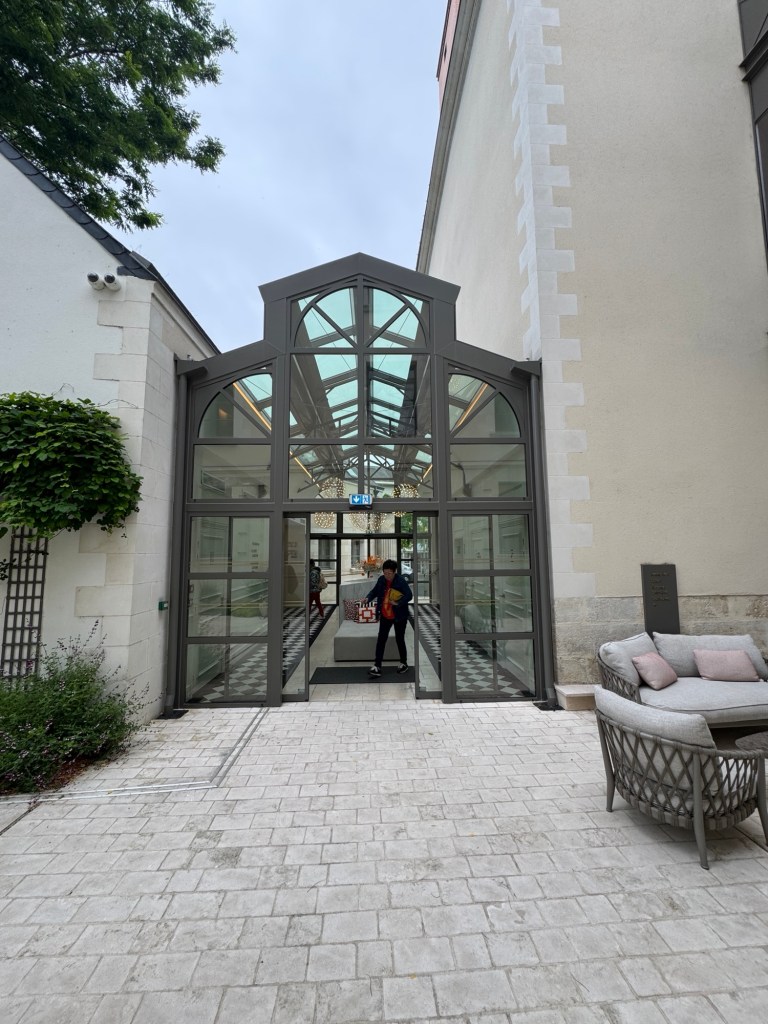
Then we checked in our second hotel of the trip. It is a small 5 stars hotel in the town so the garden is small but the rooms are very good and the staff are young and good too. Very impressive.
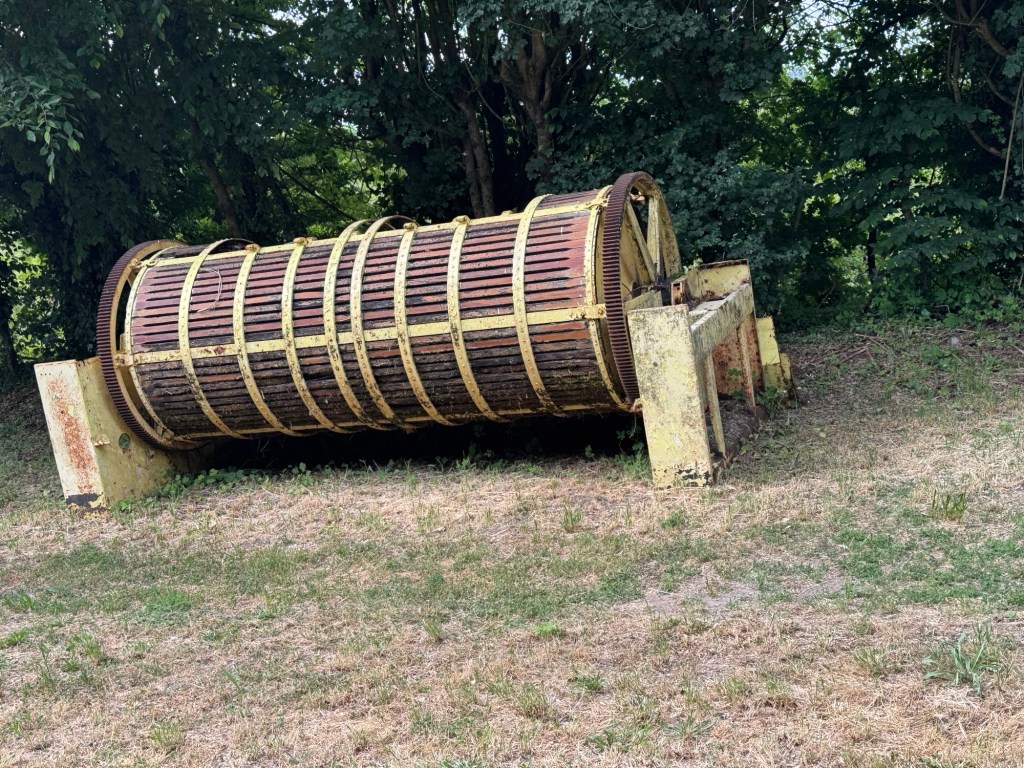
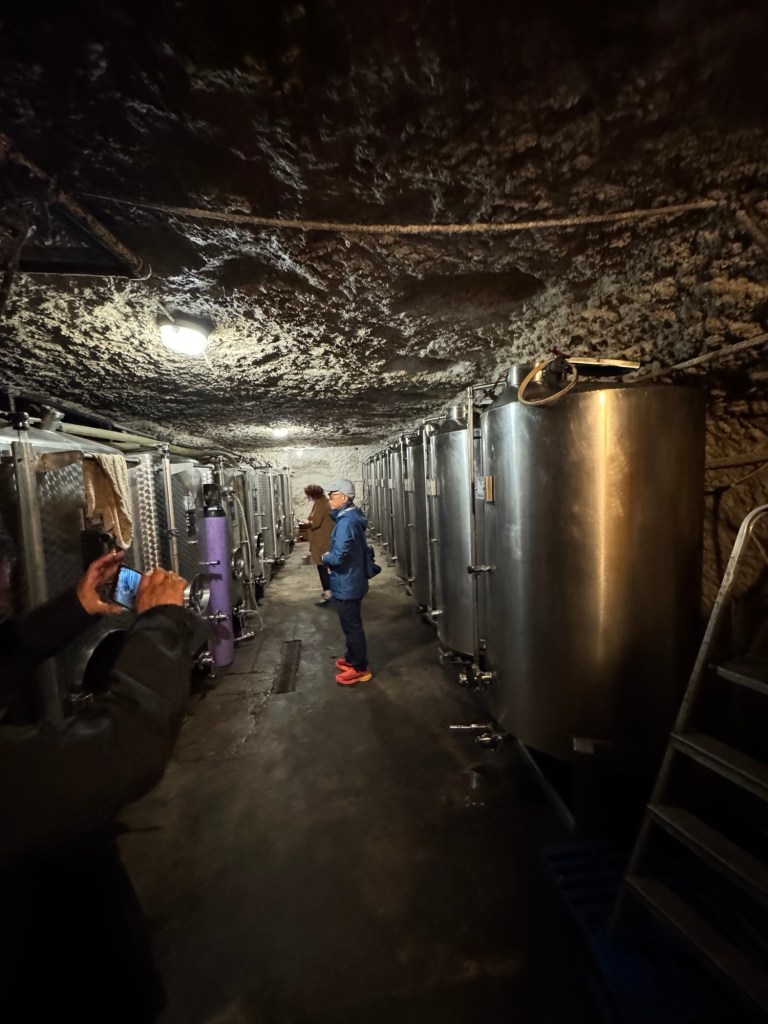
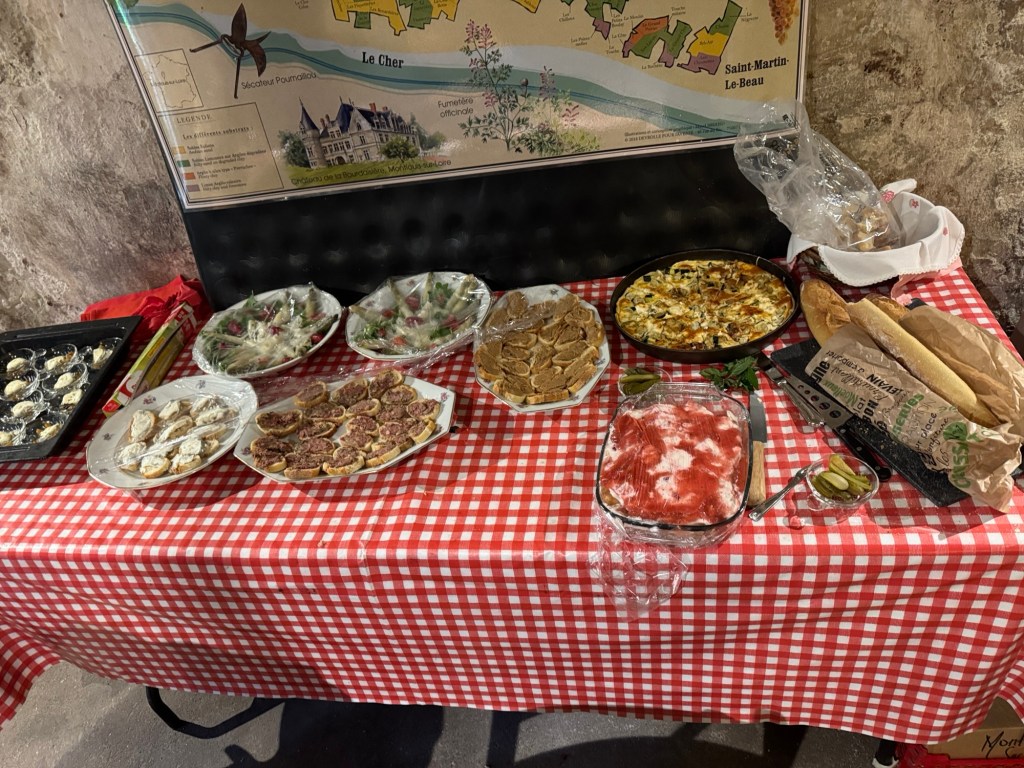
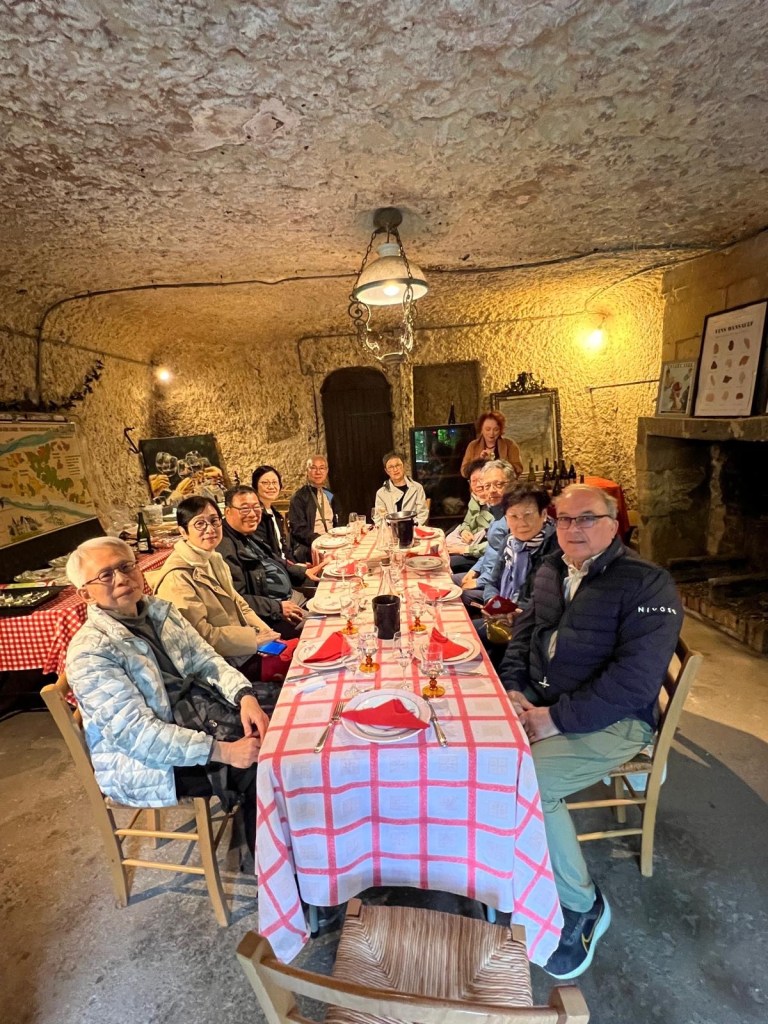
Then we went to discover a small vineyard Domaine I’Ouche Gaillard. A small organic vineyard but the interesting point is that the cellars are all built inside the caves. We also had dinner in a cave but frankly speaking food was just ……..
Day 4 Wednesday 28/5
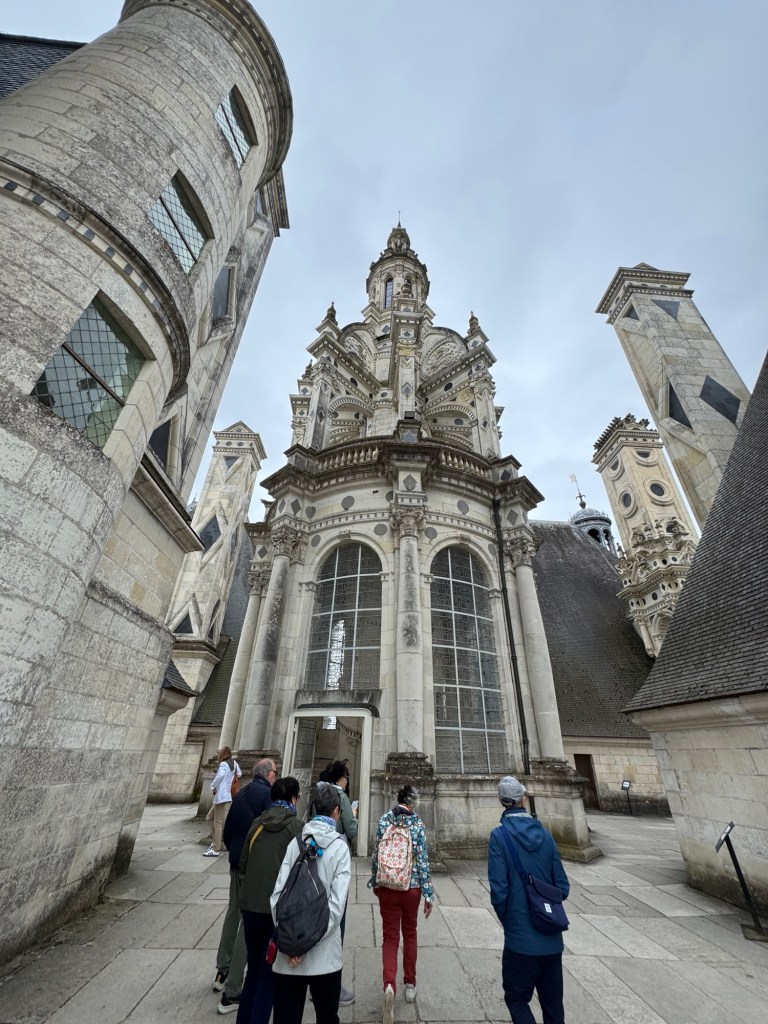
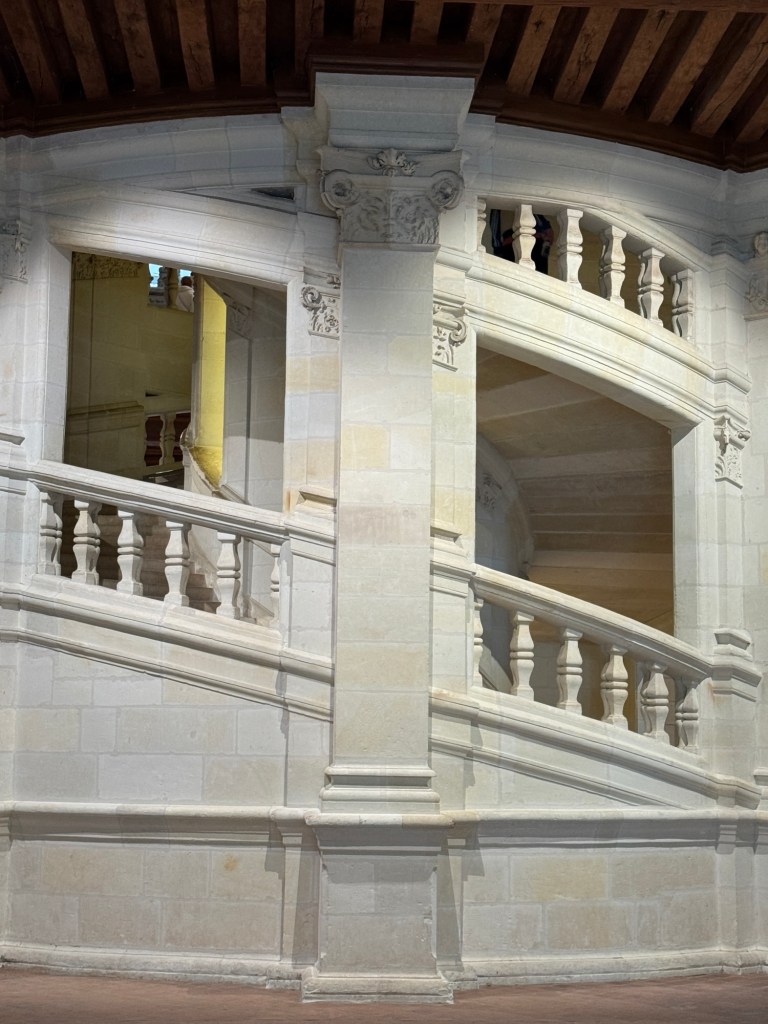
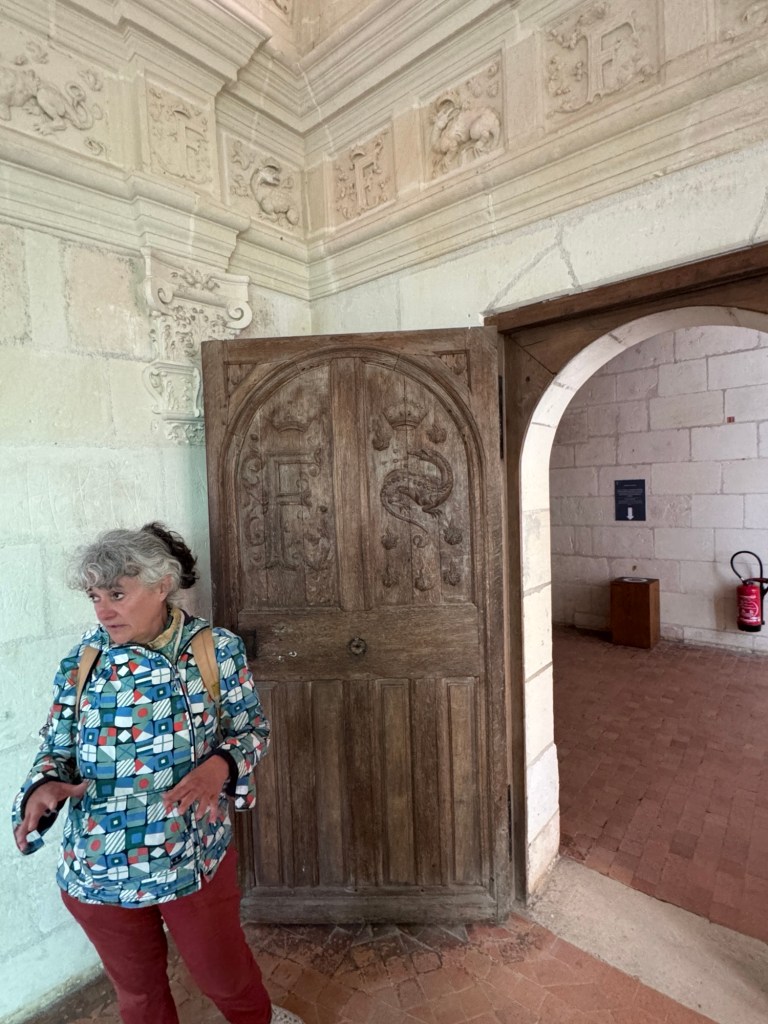
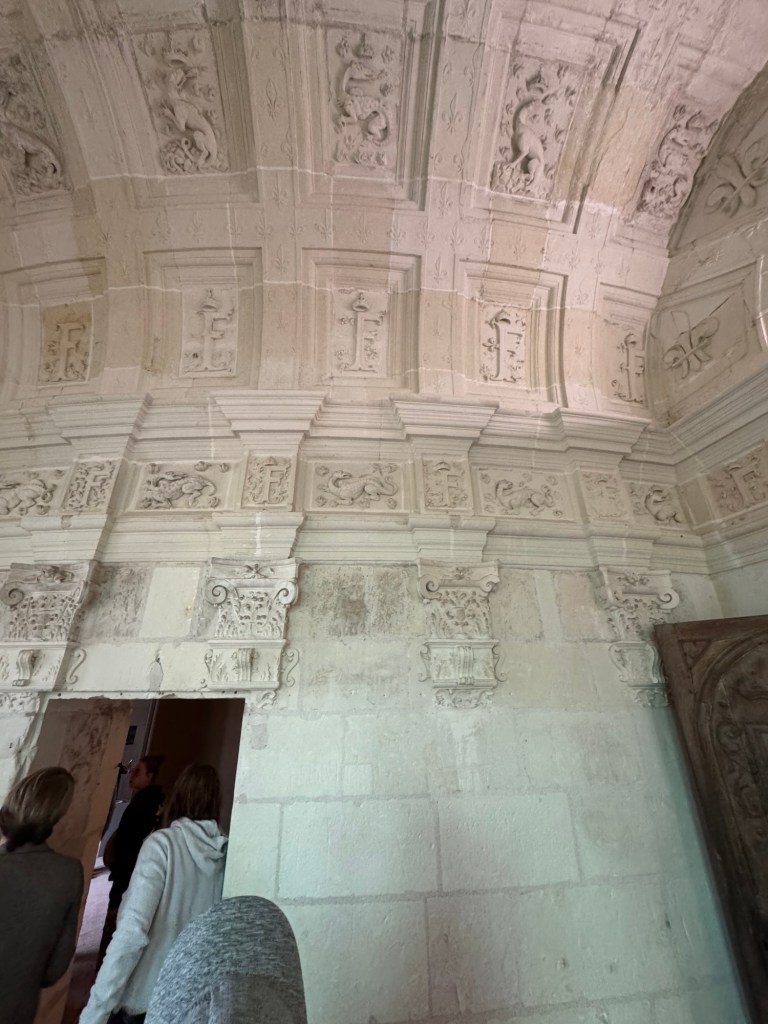
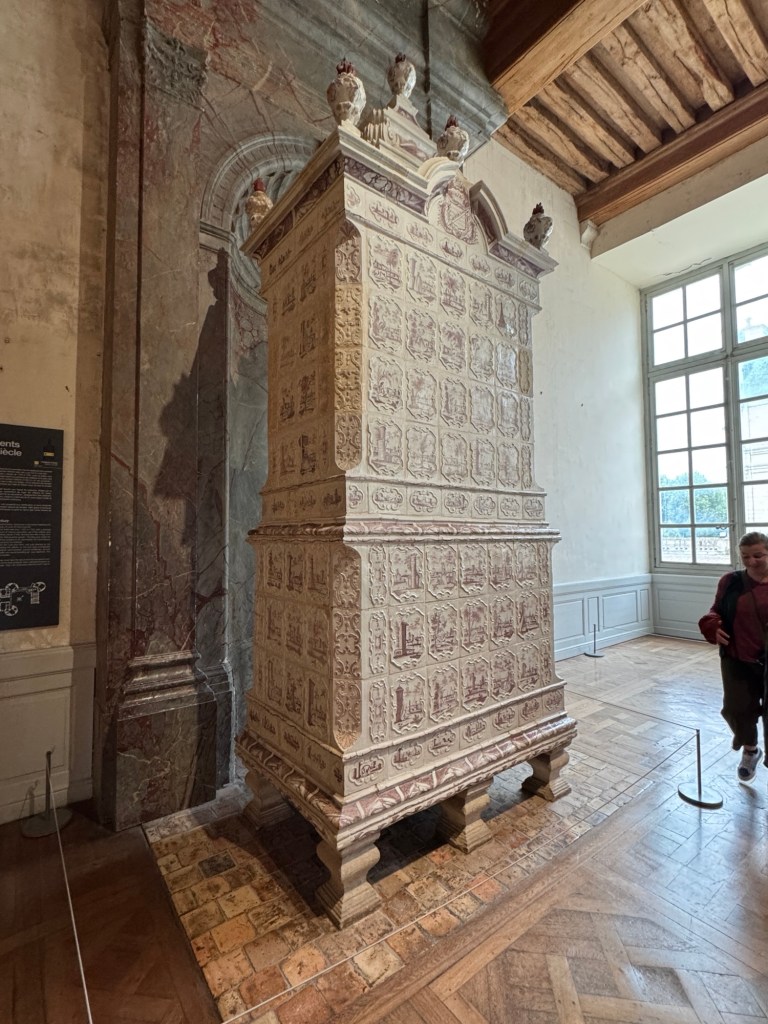
In the morning we went to City of Blois, birth place of 3 Kings of France. We visited the magnificent Chateau of Chambord.



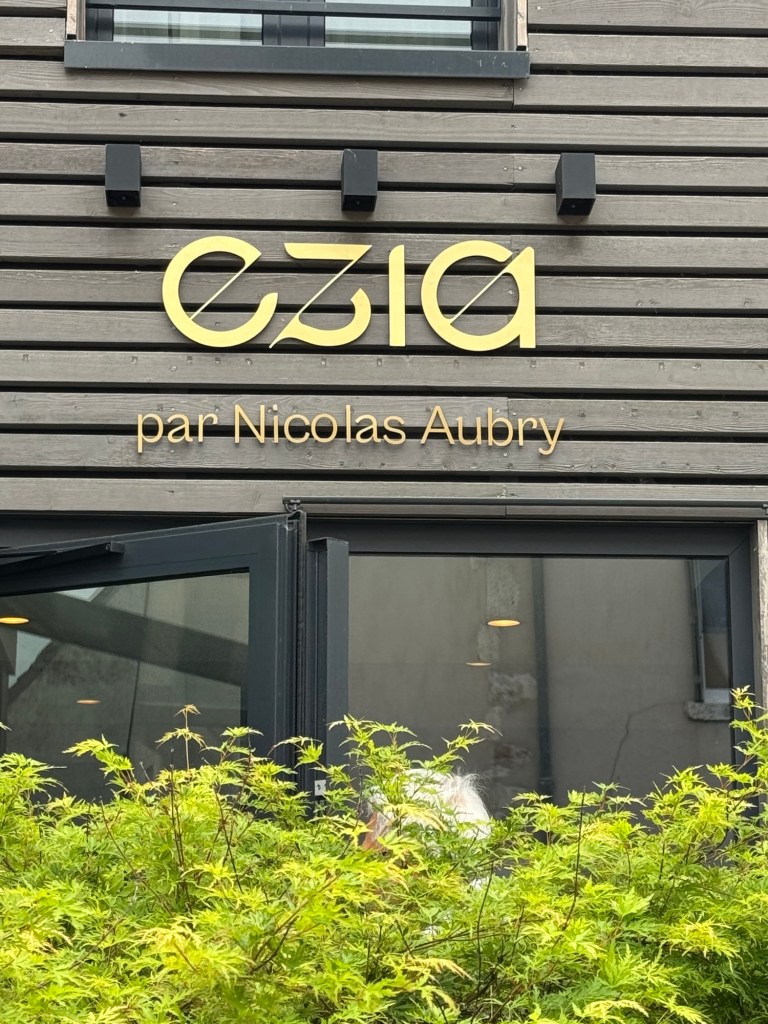
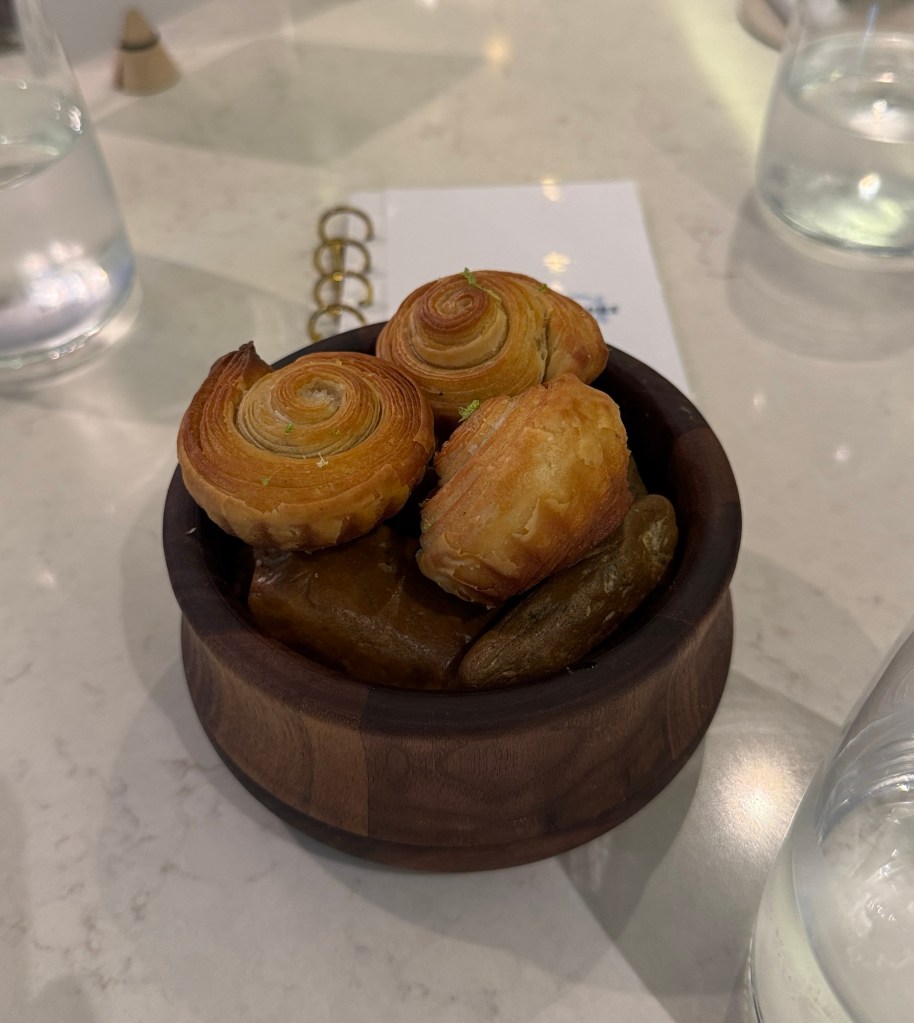
Then we have lunch at a one star restaurant, Ezia Restaurant.


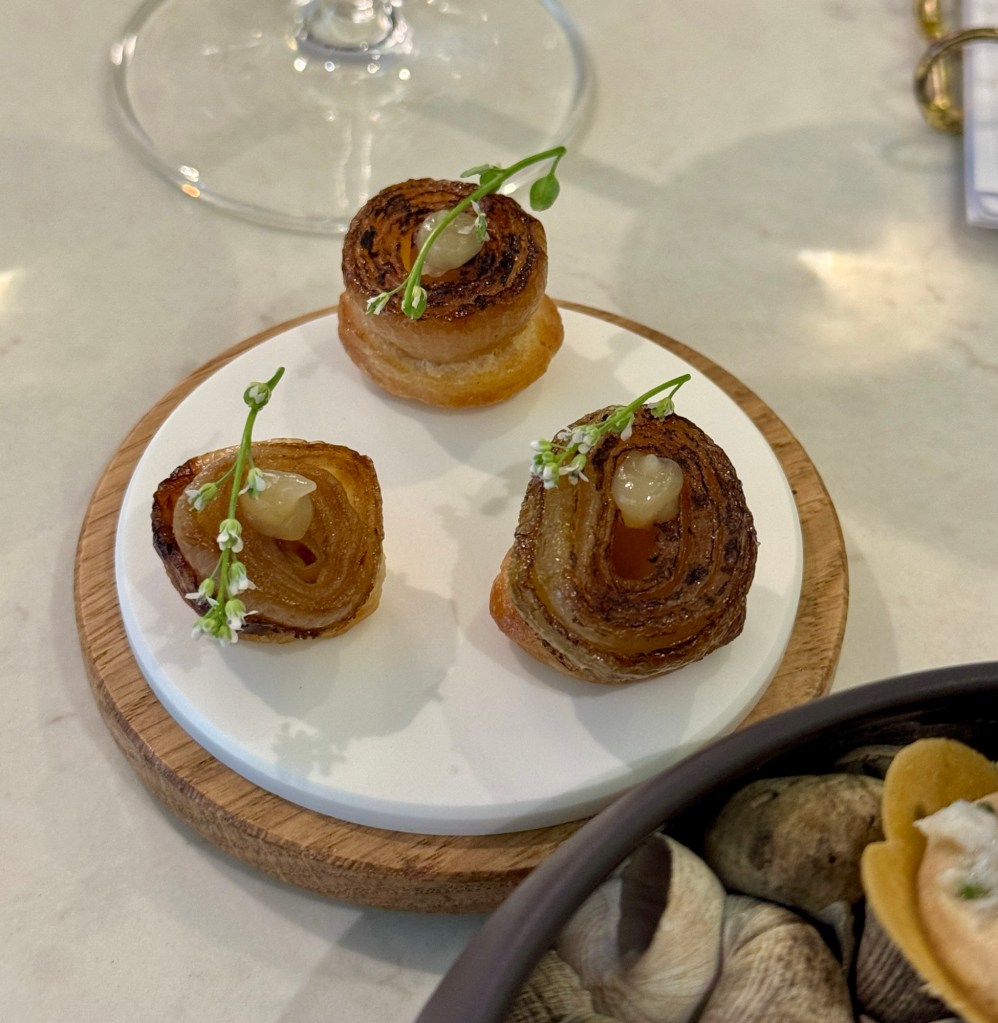
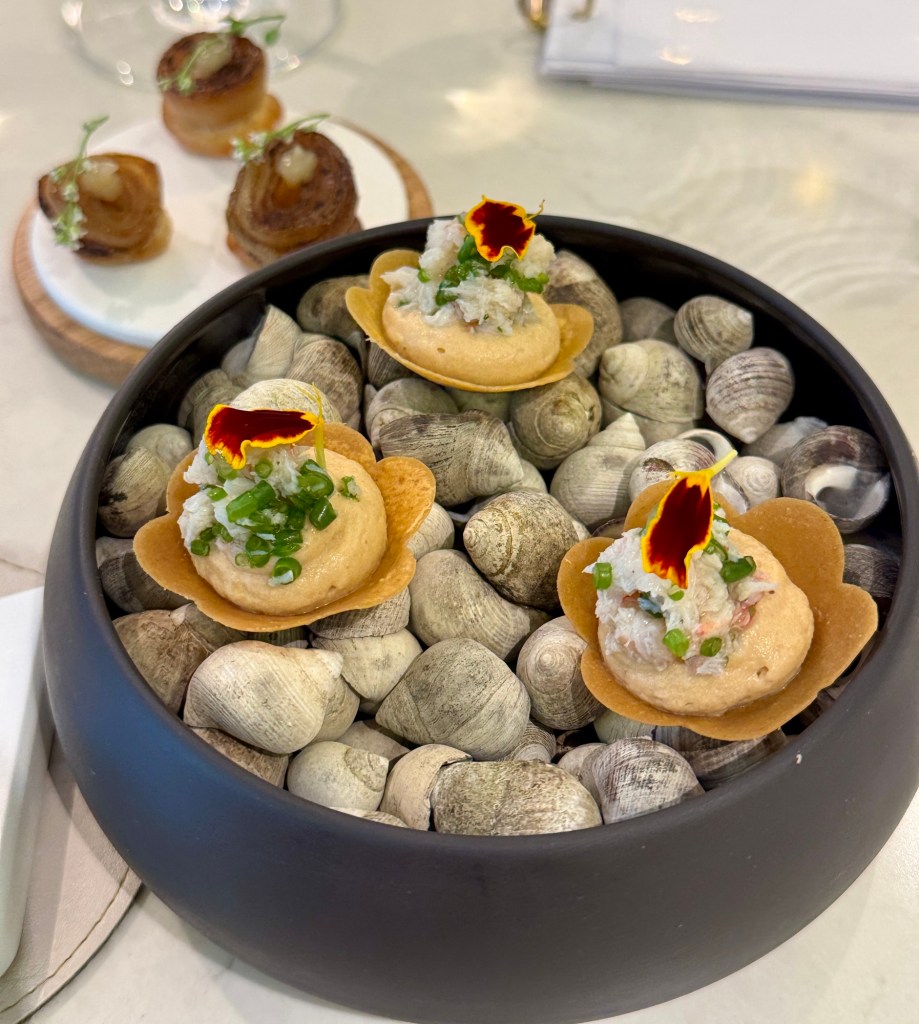

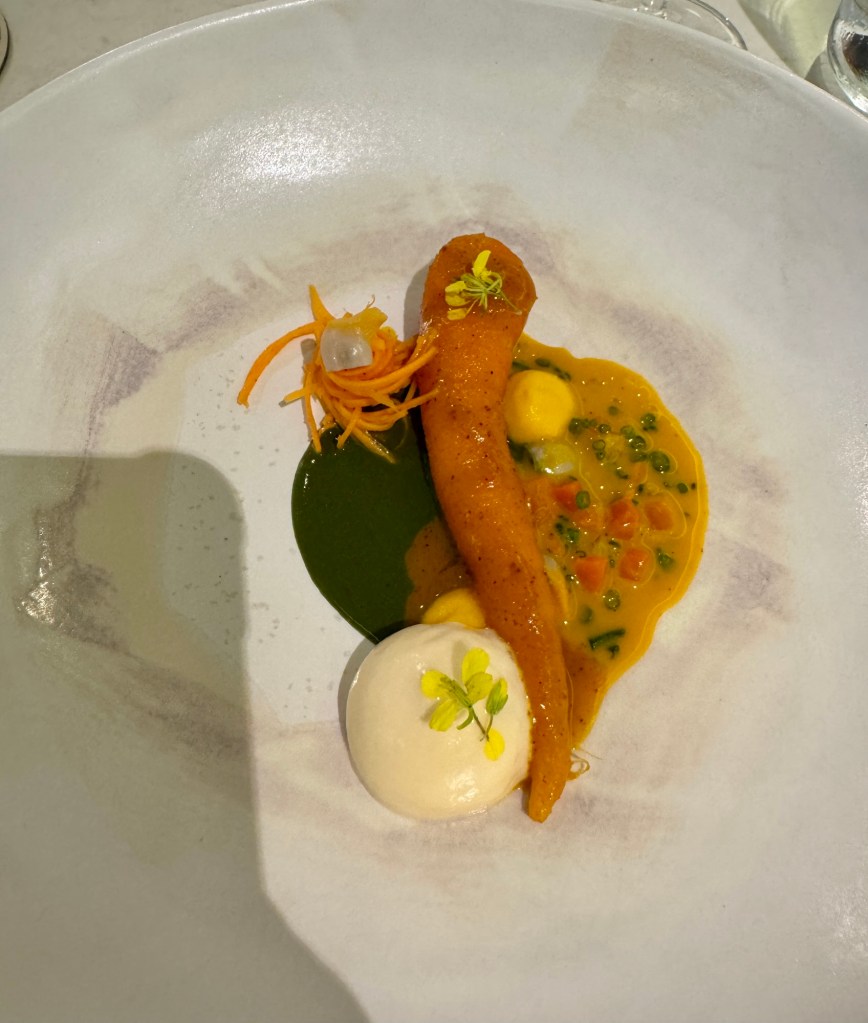


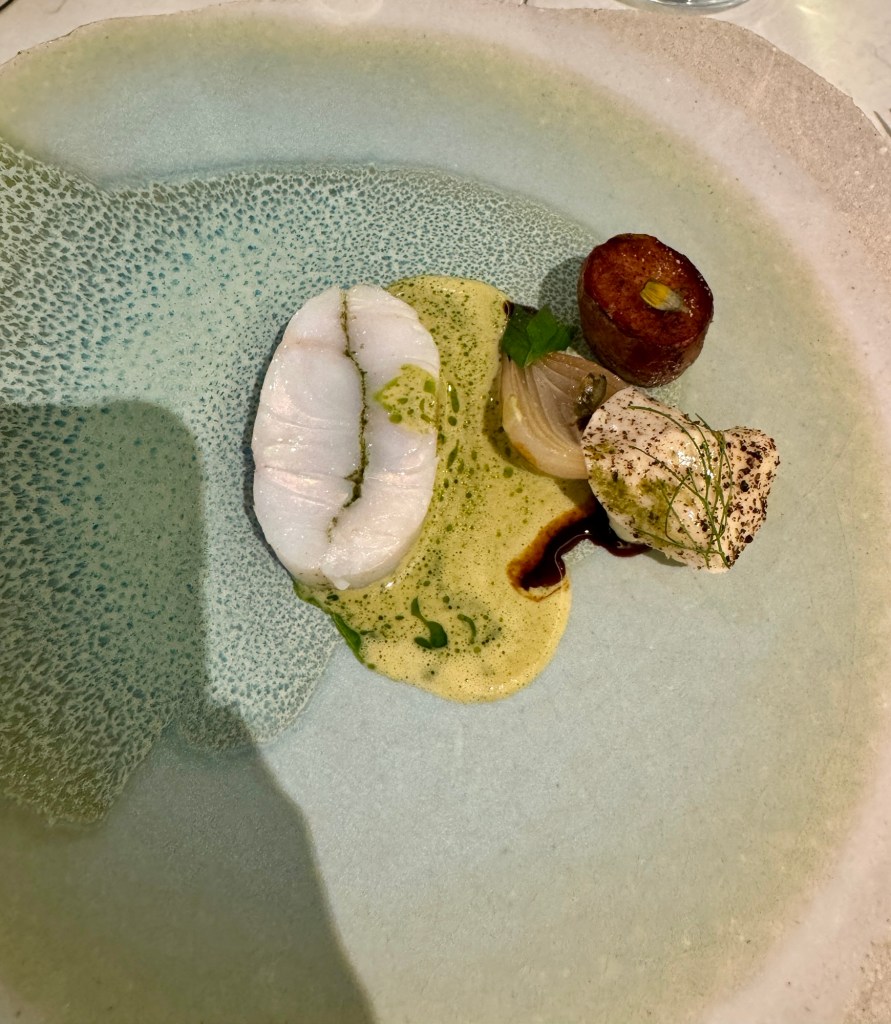
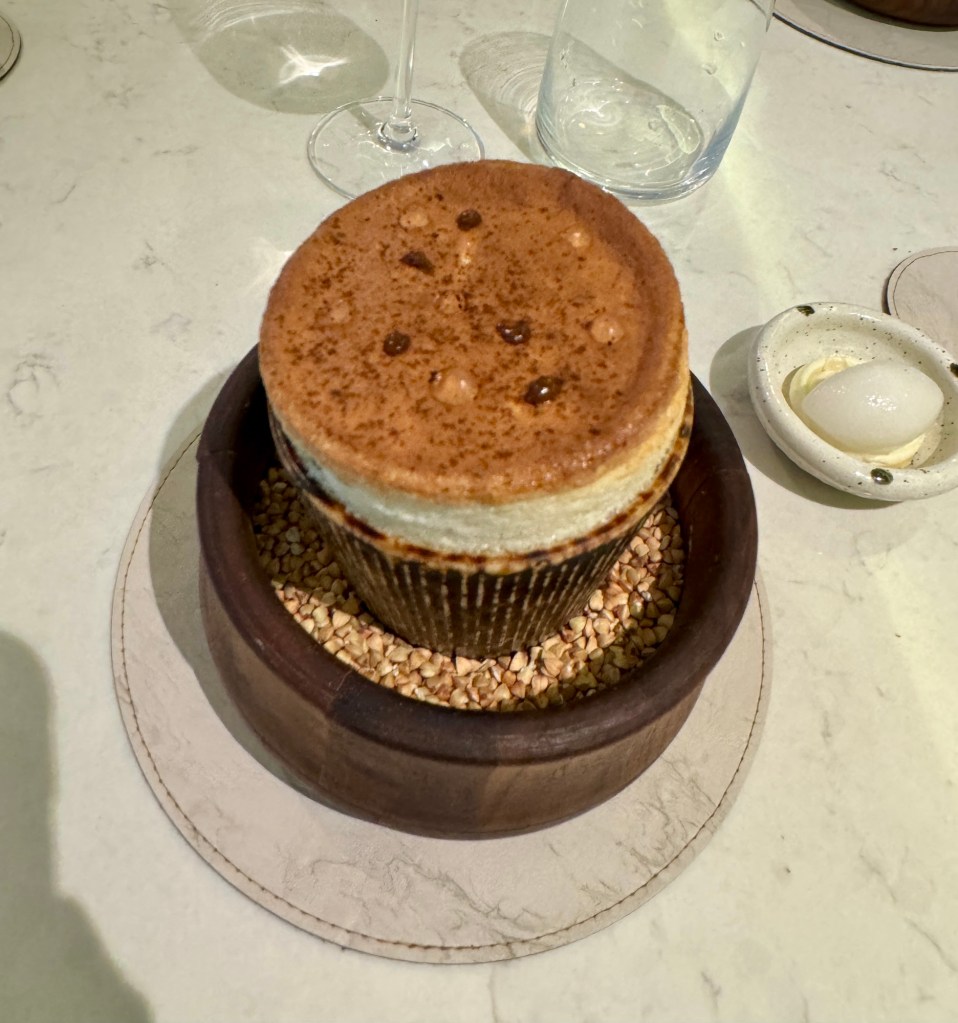
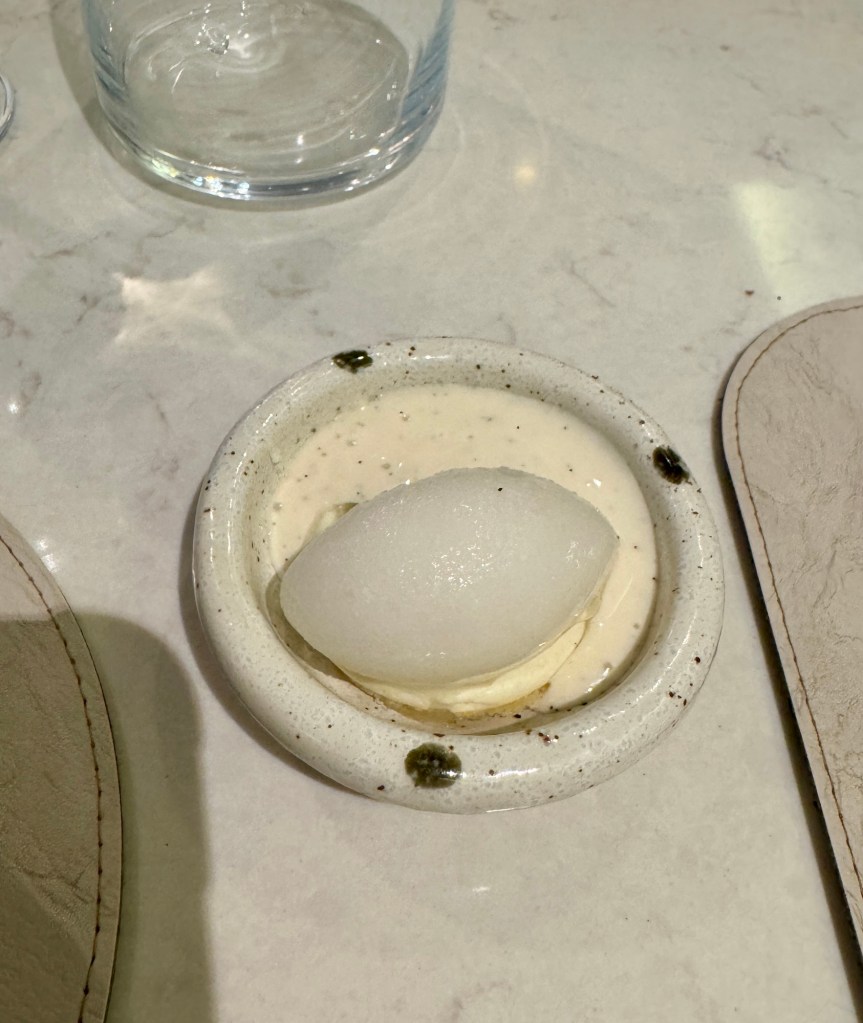

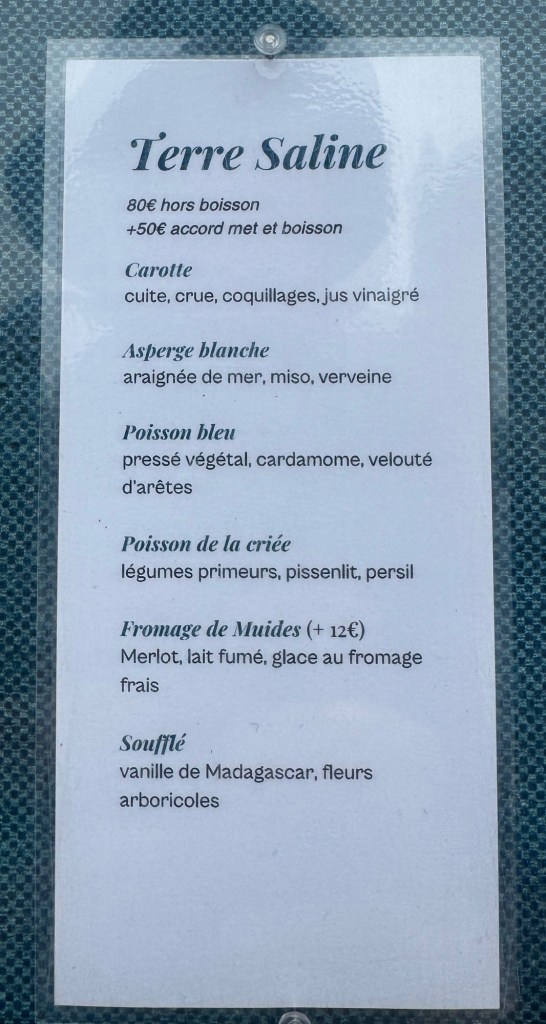
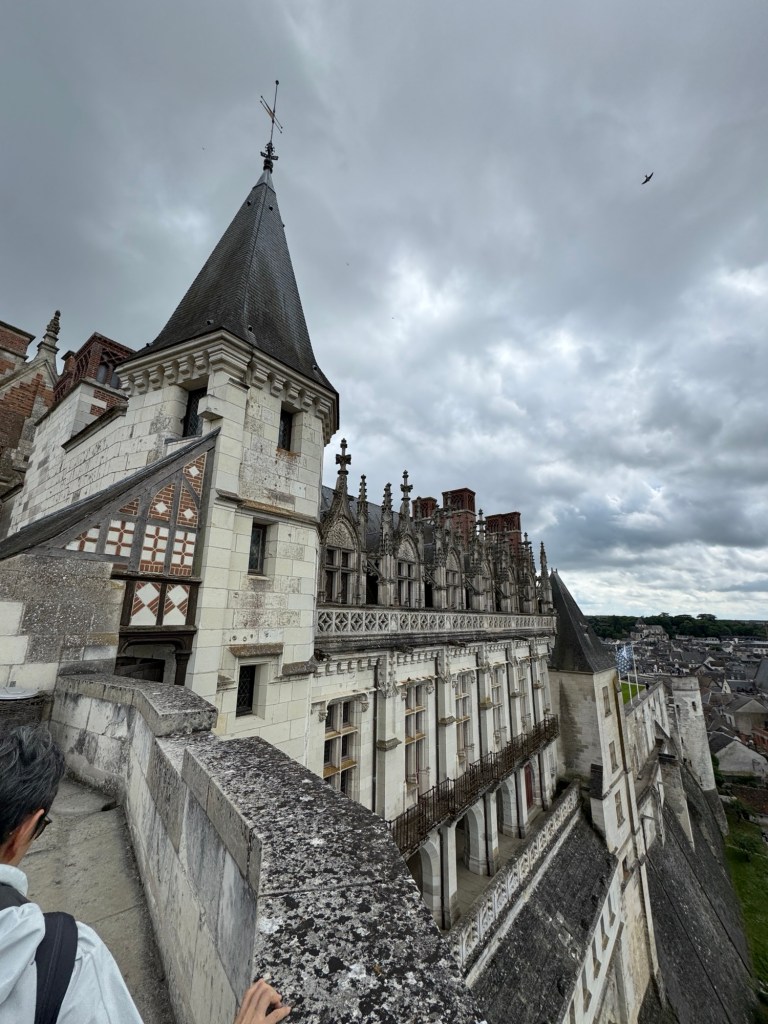
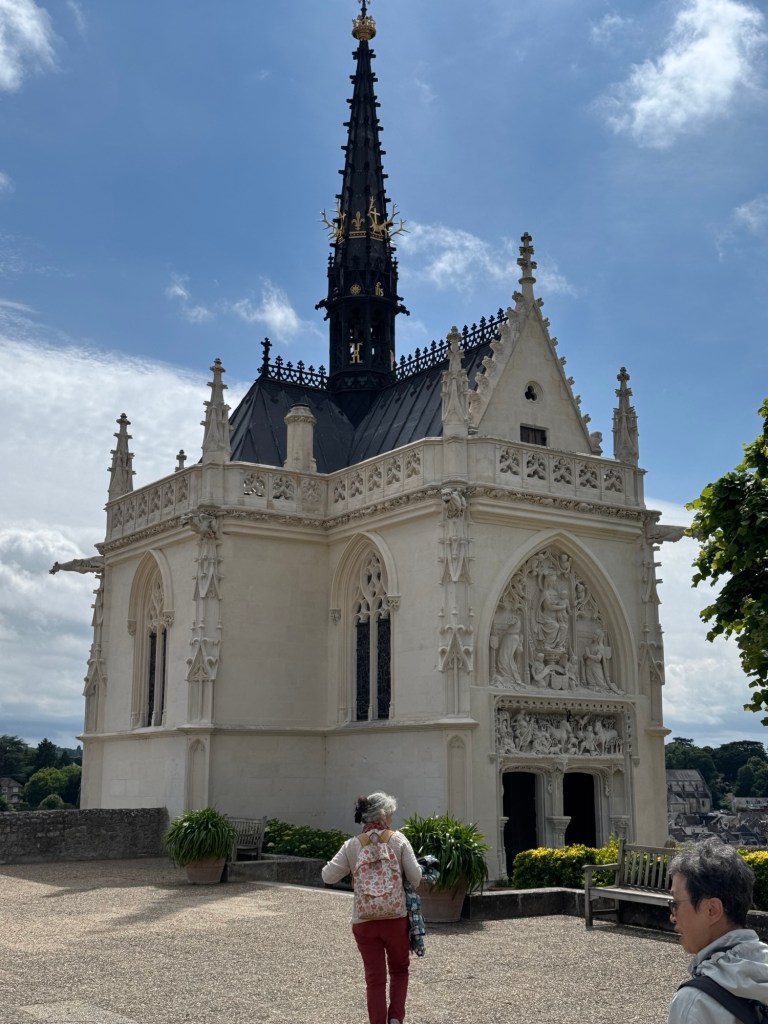
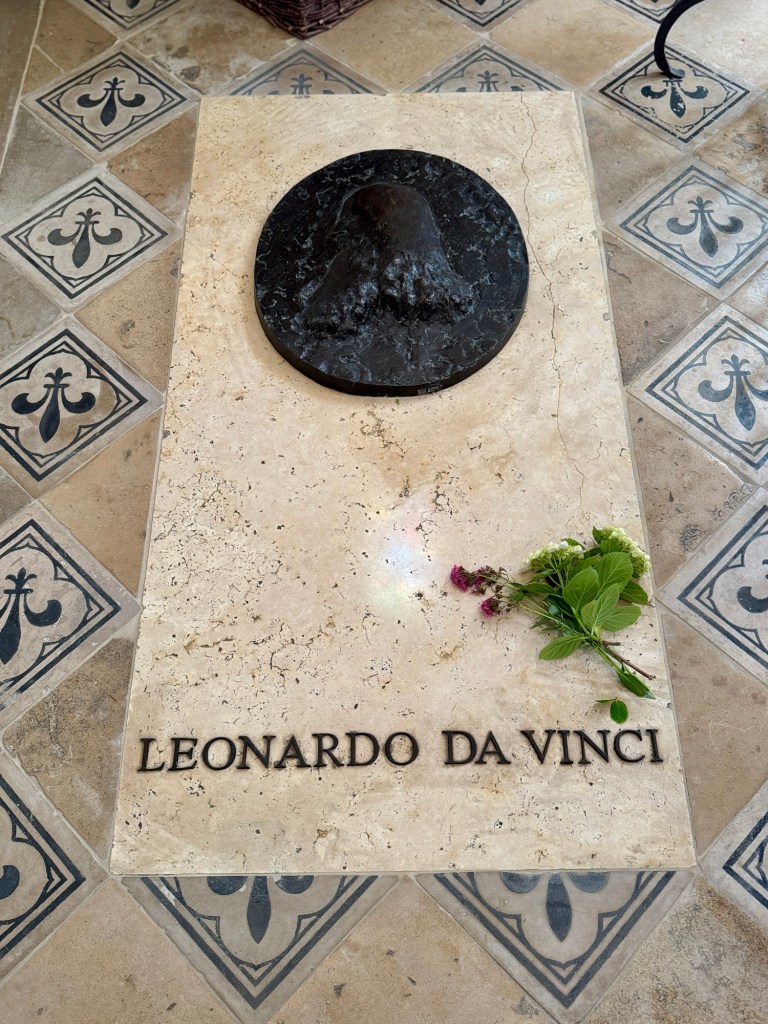
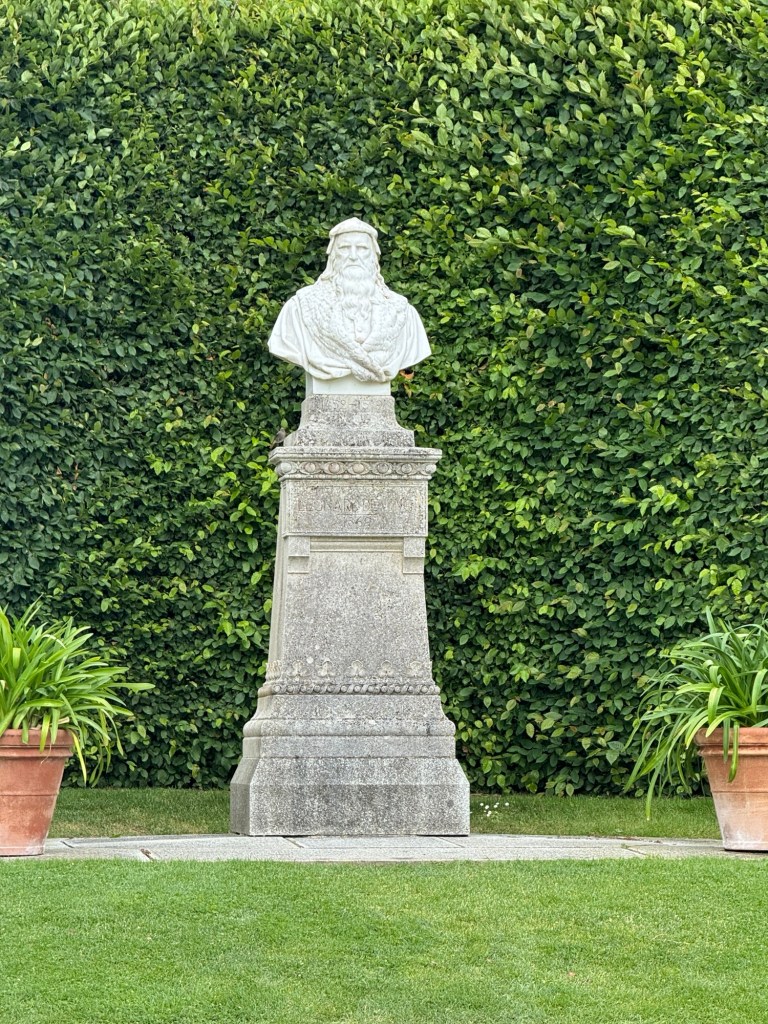
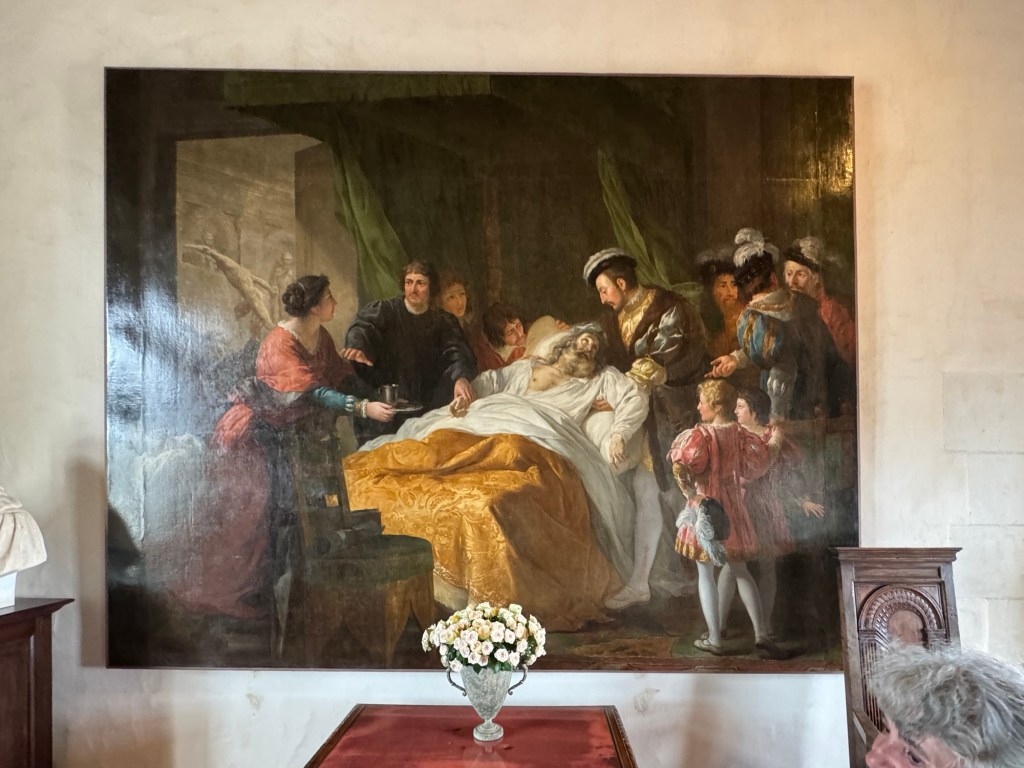
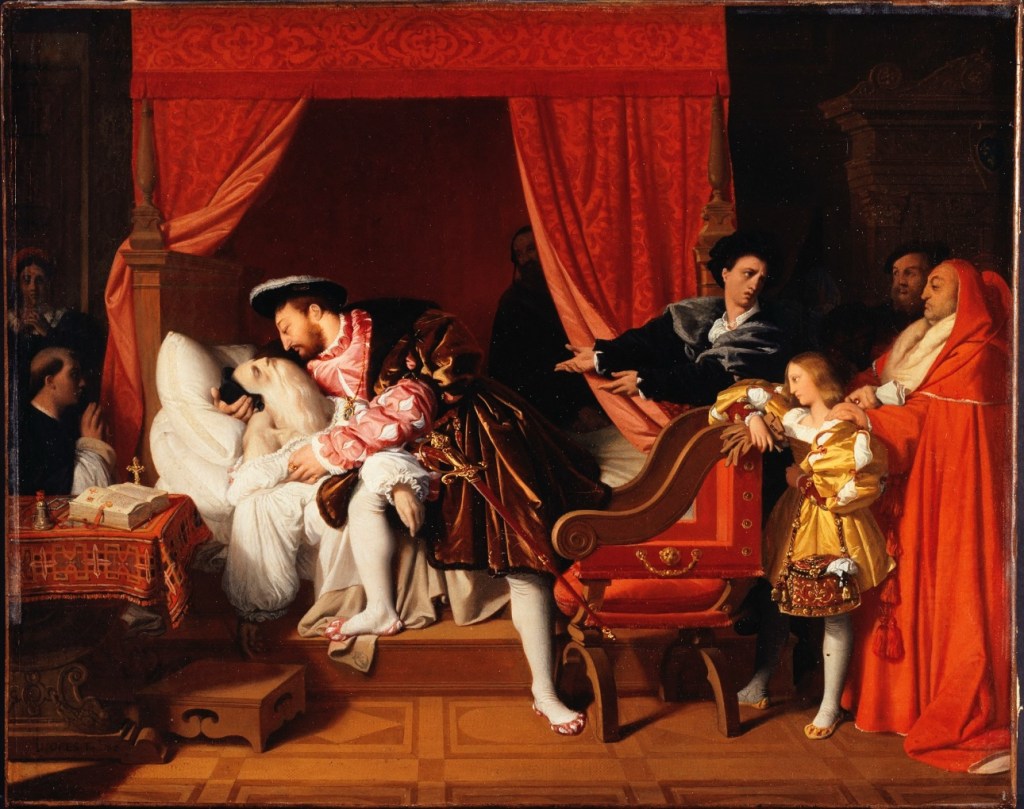
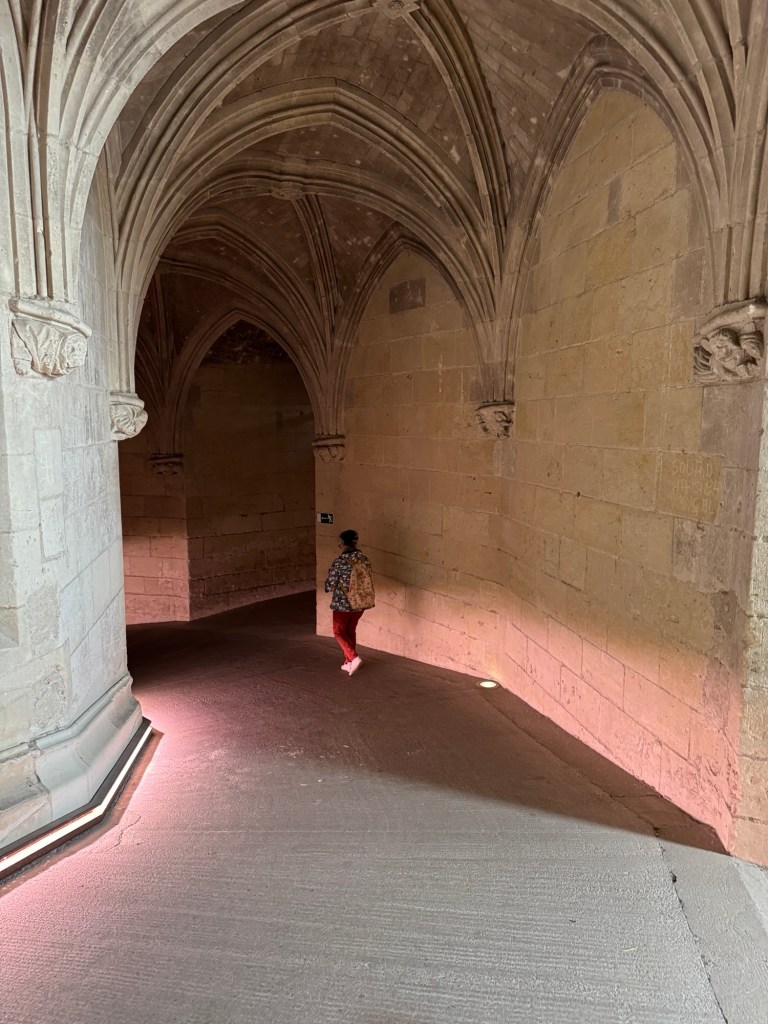
After lunch we went to visit the Chateau d’ Amboise. It is more or less another chateau except for the grave of Da Vinci.
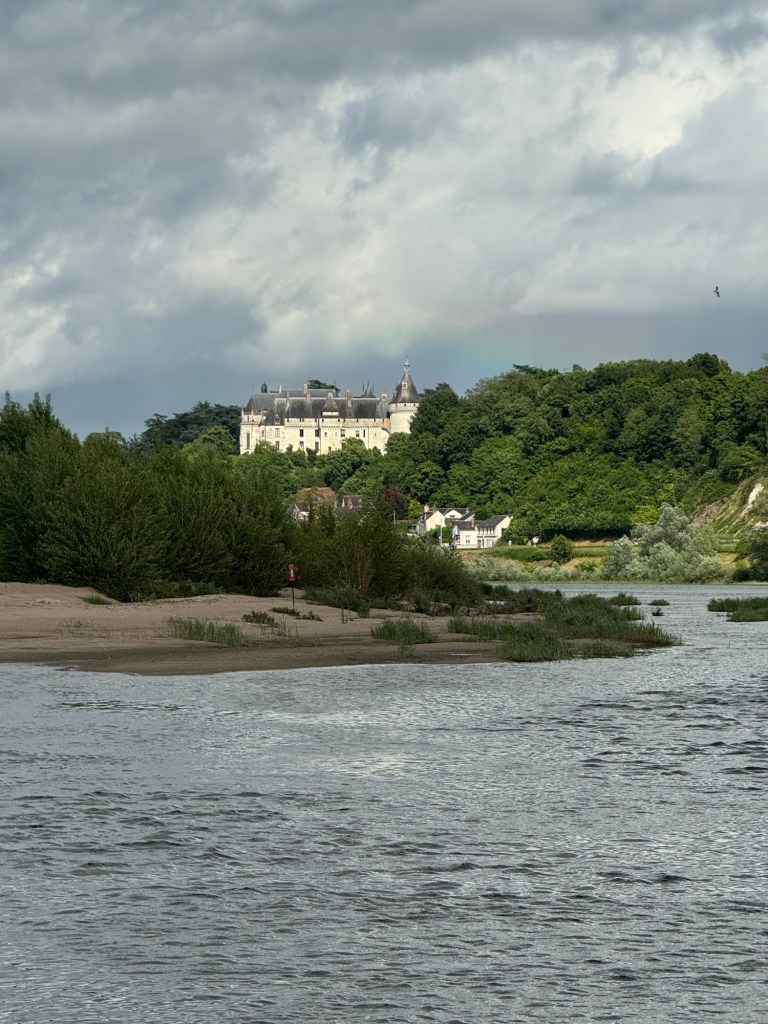
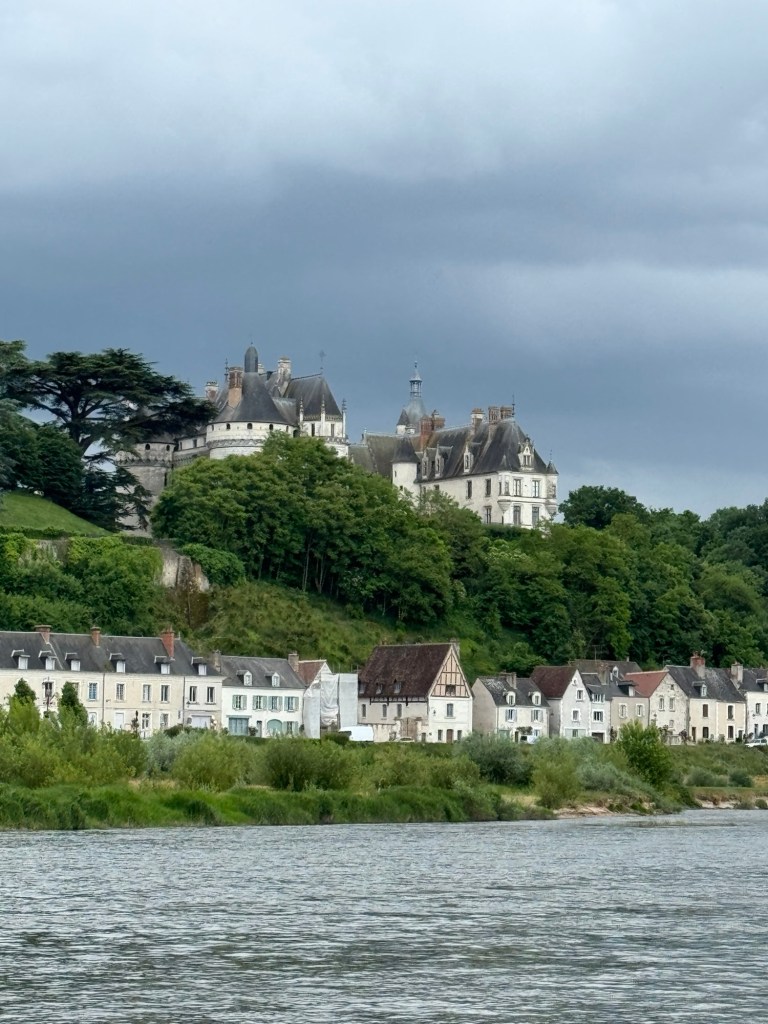
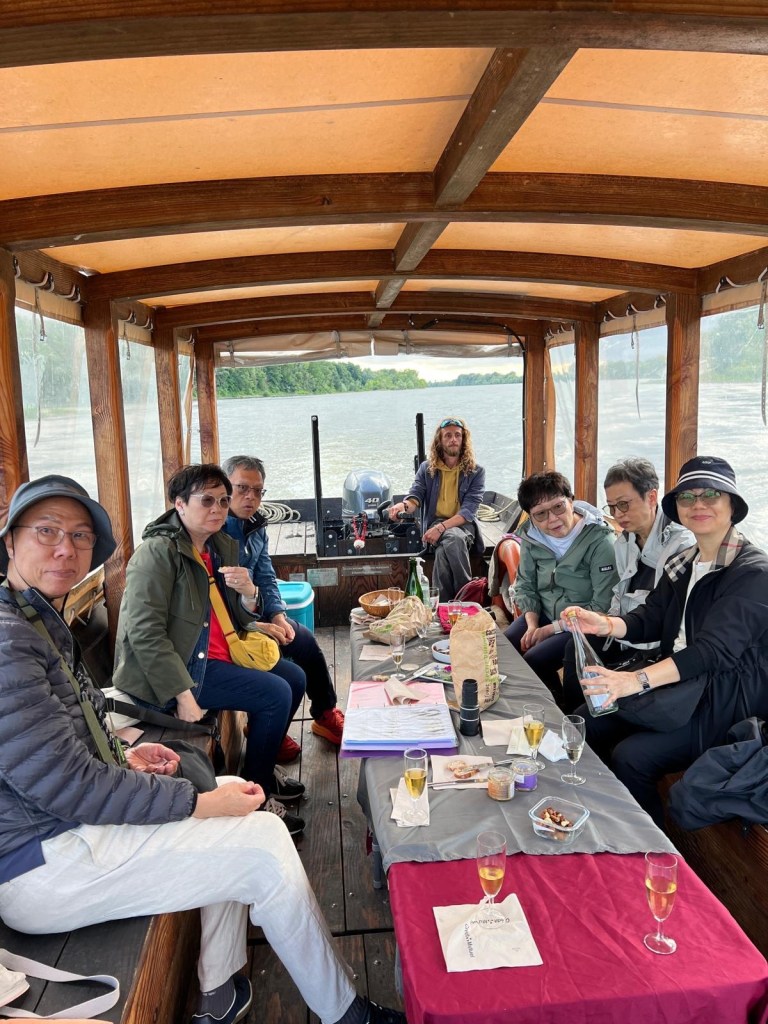
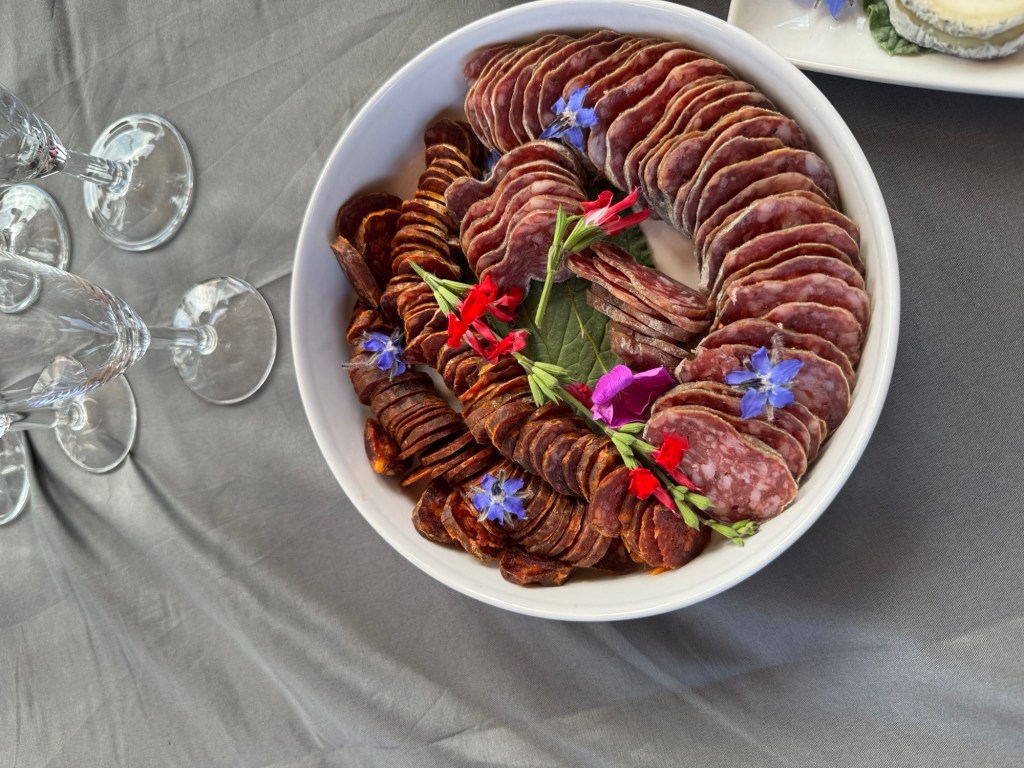
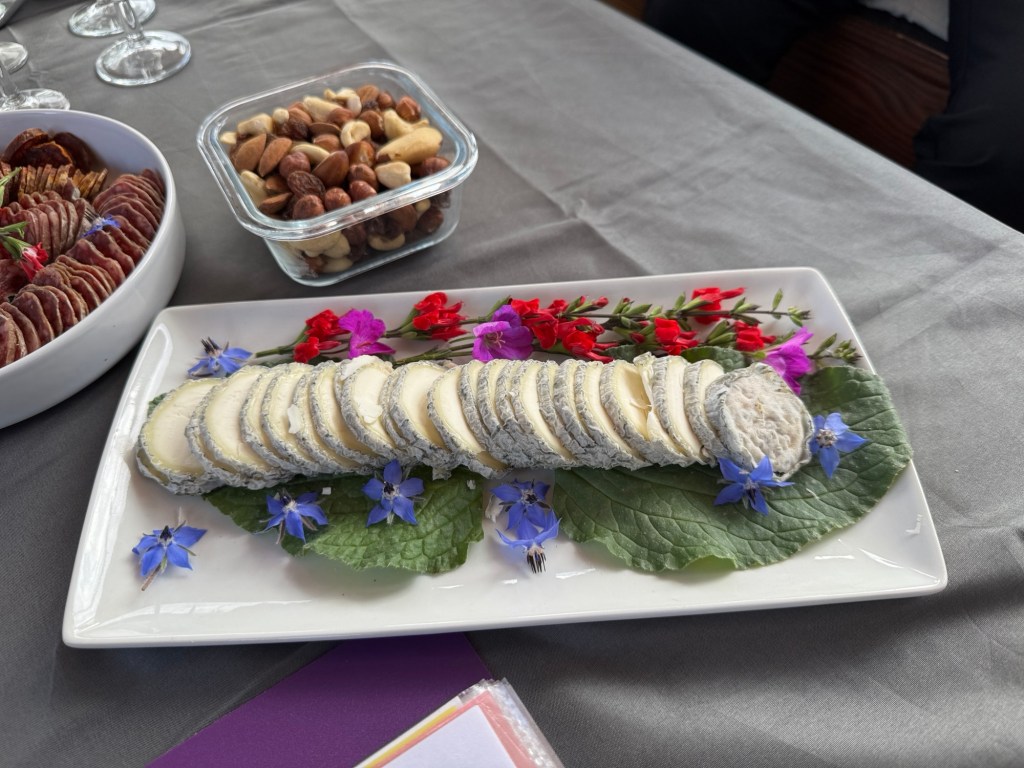
Then we went to a boat ride on the Loire River. We could watch the beautiful landscape along the shores and enjoyed some cheese, cold cuts and local wine.
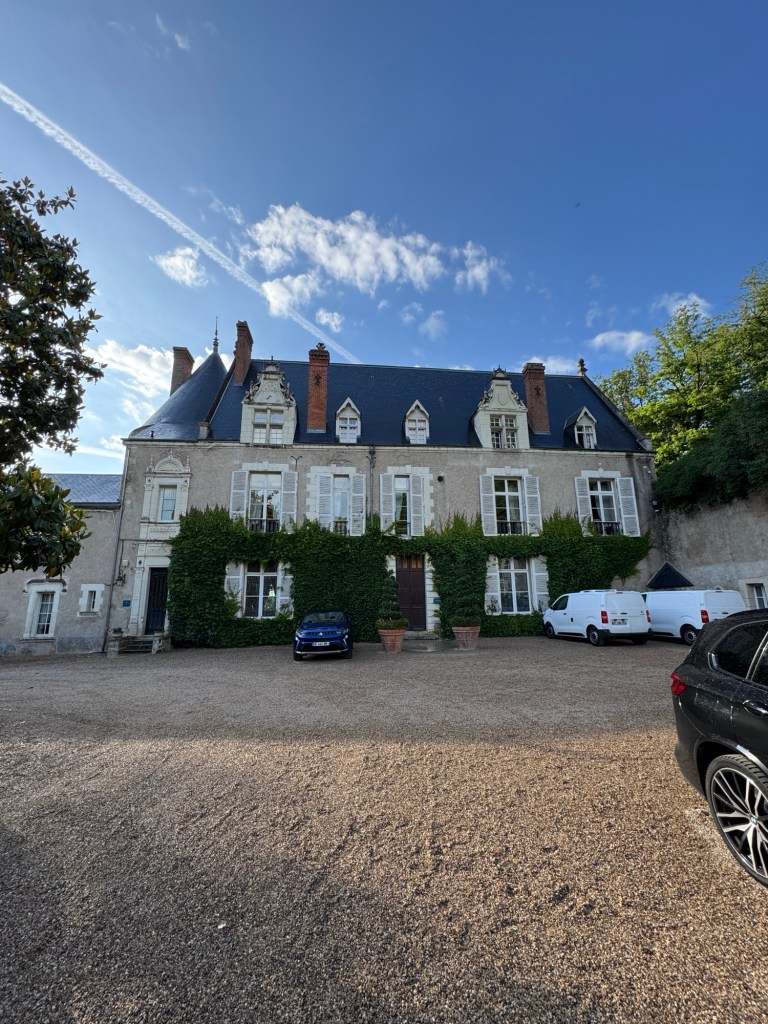
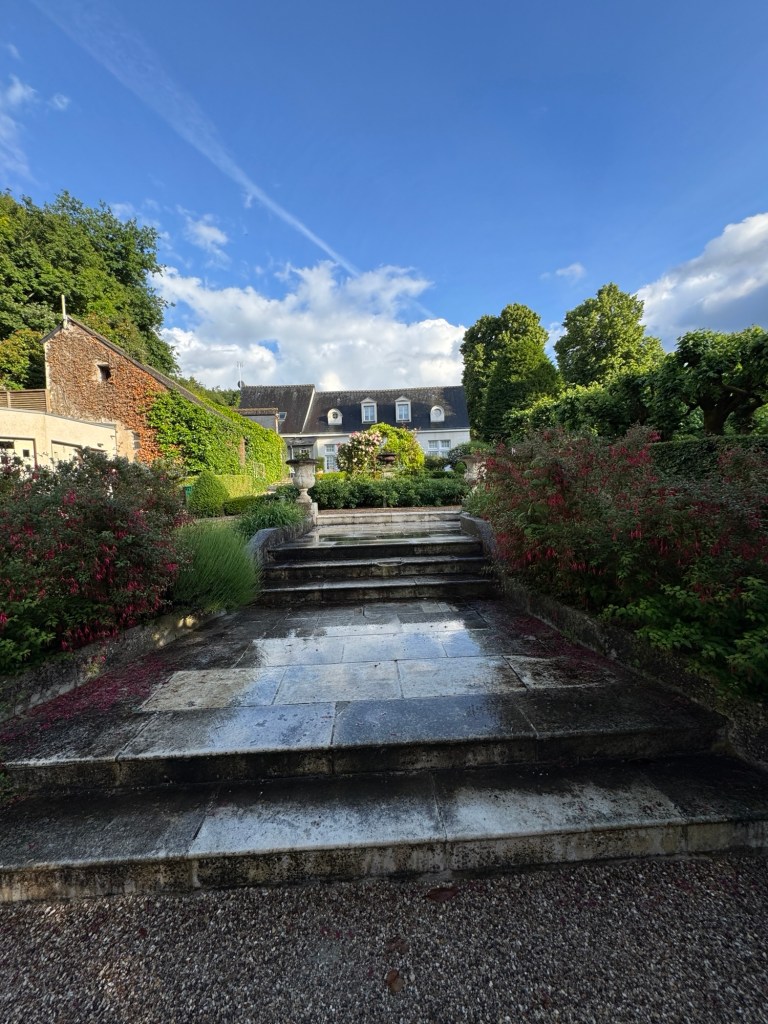
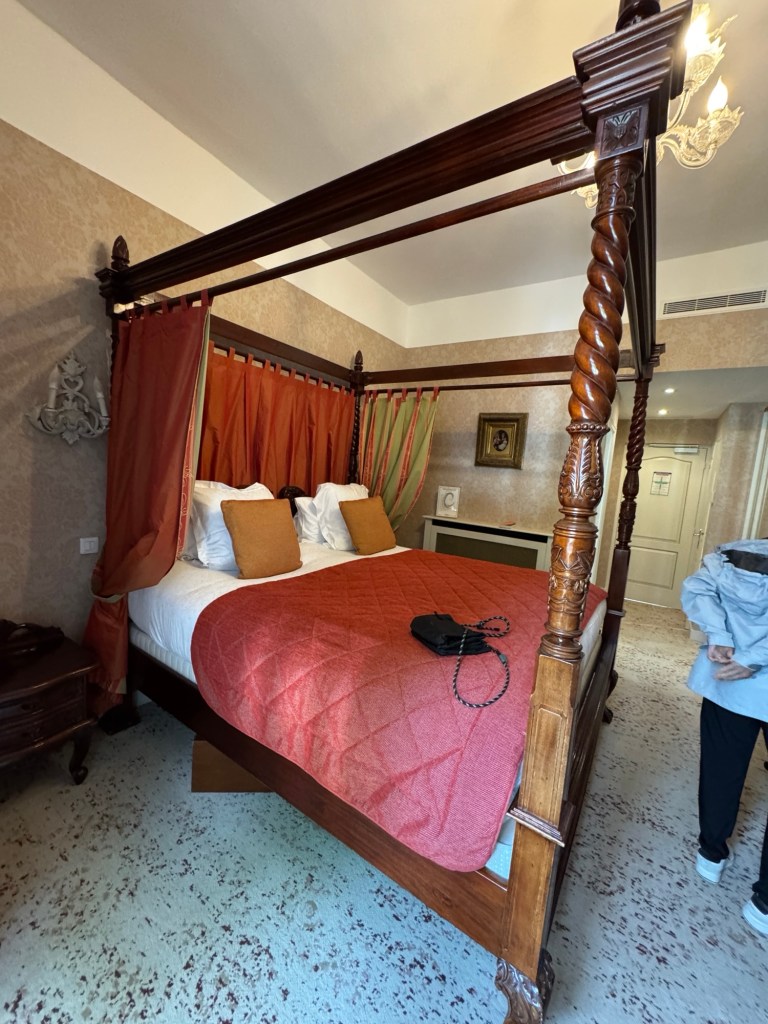
Then we check into a 4 Star hotel, Le Chateau de Pray. It is smaller but still has a lovely garden. The only thing we didn’t like was the very high 4 pillar bed.
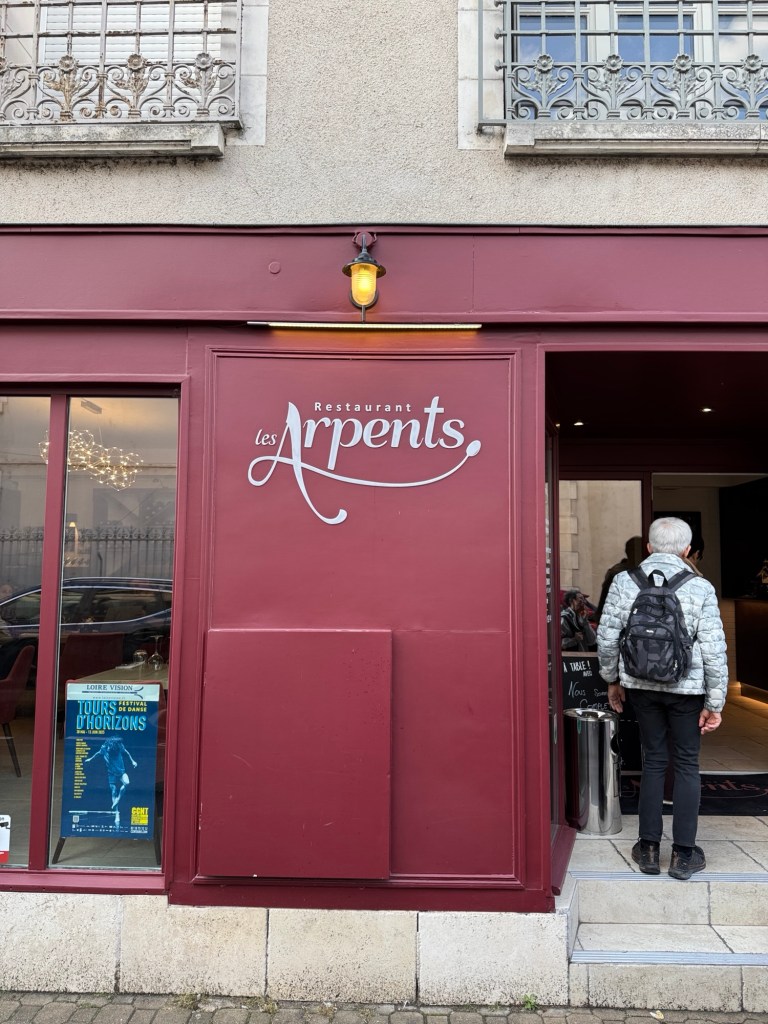
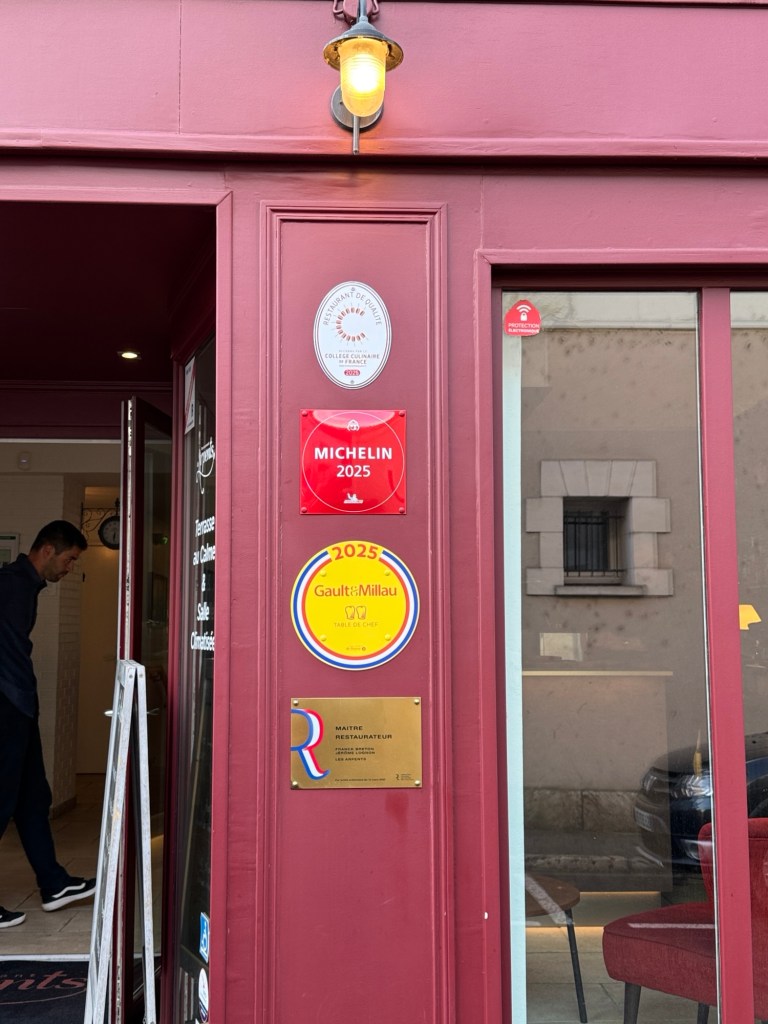
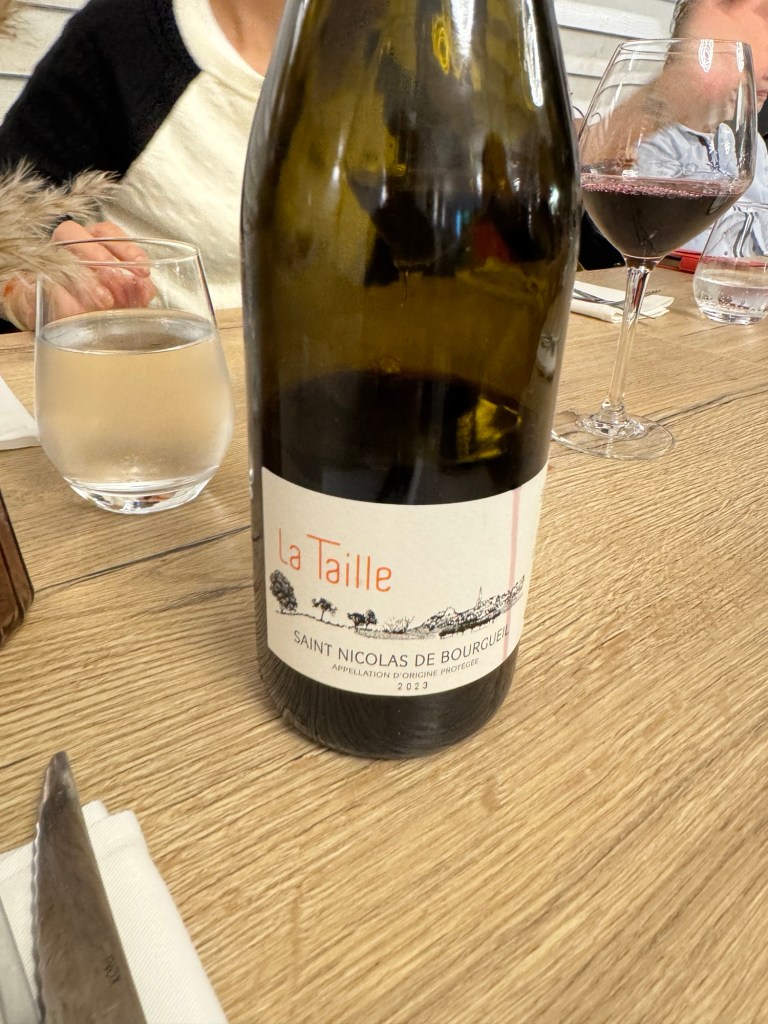
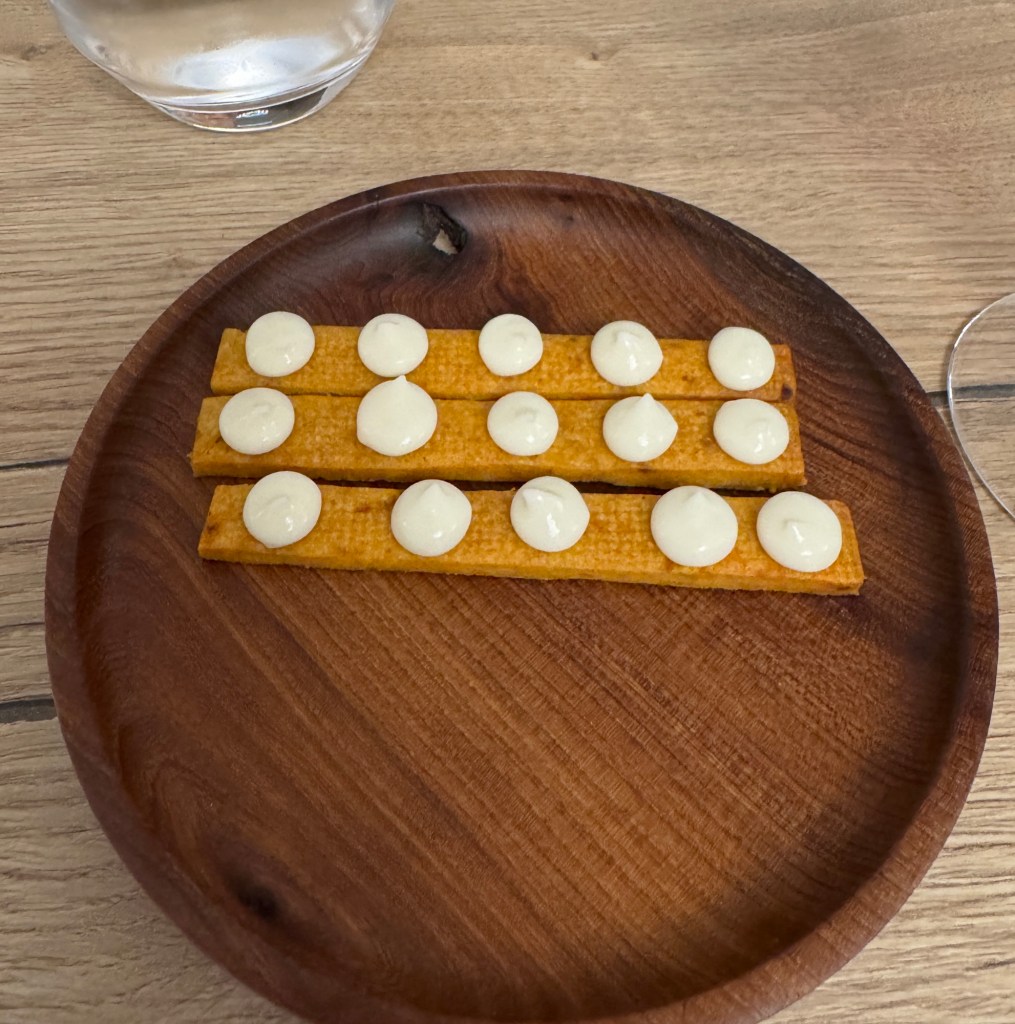
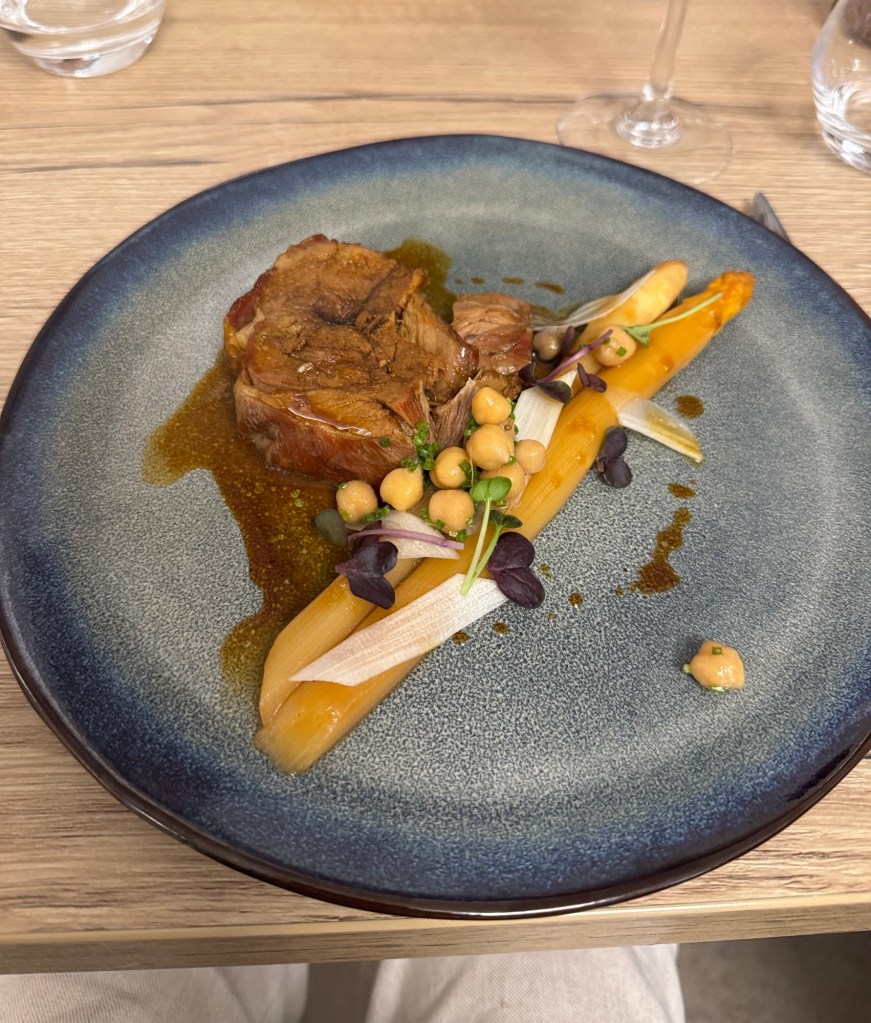
Initially we thought the snacks on the boat was our dinner but we went out for dinner right after checking in to les Arpents restaurant.



Day 5 Thursday 29/5
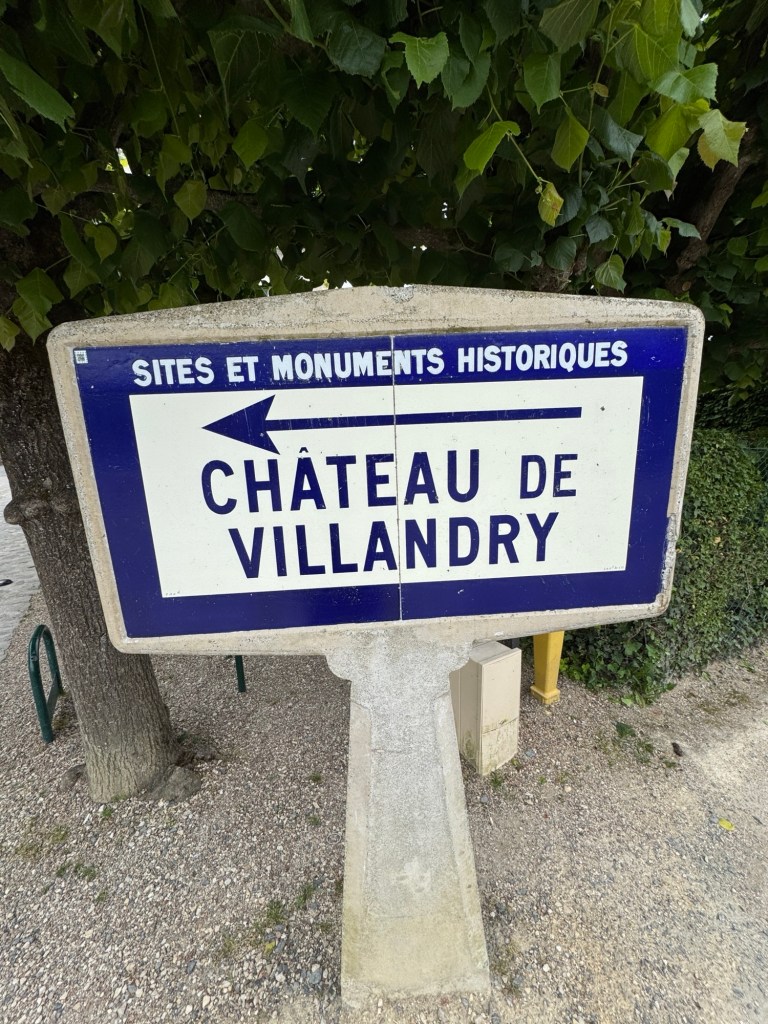
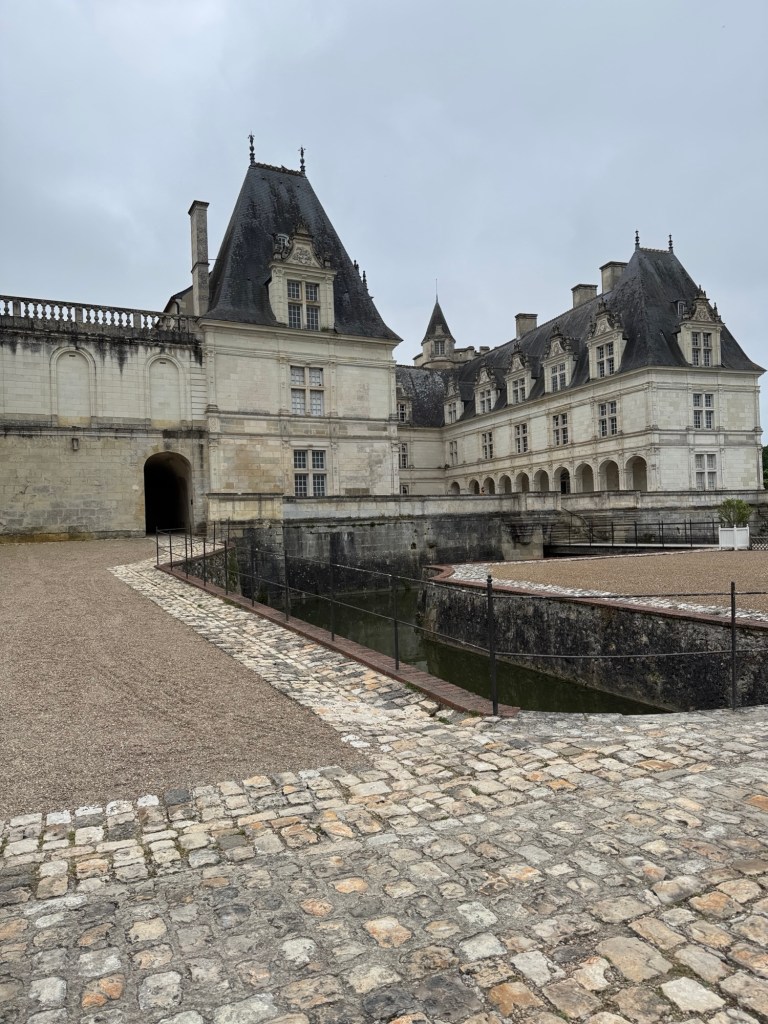
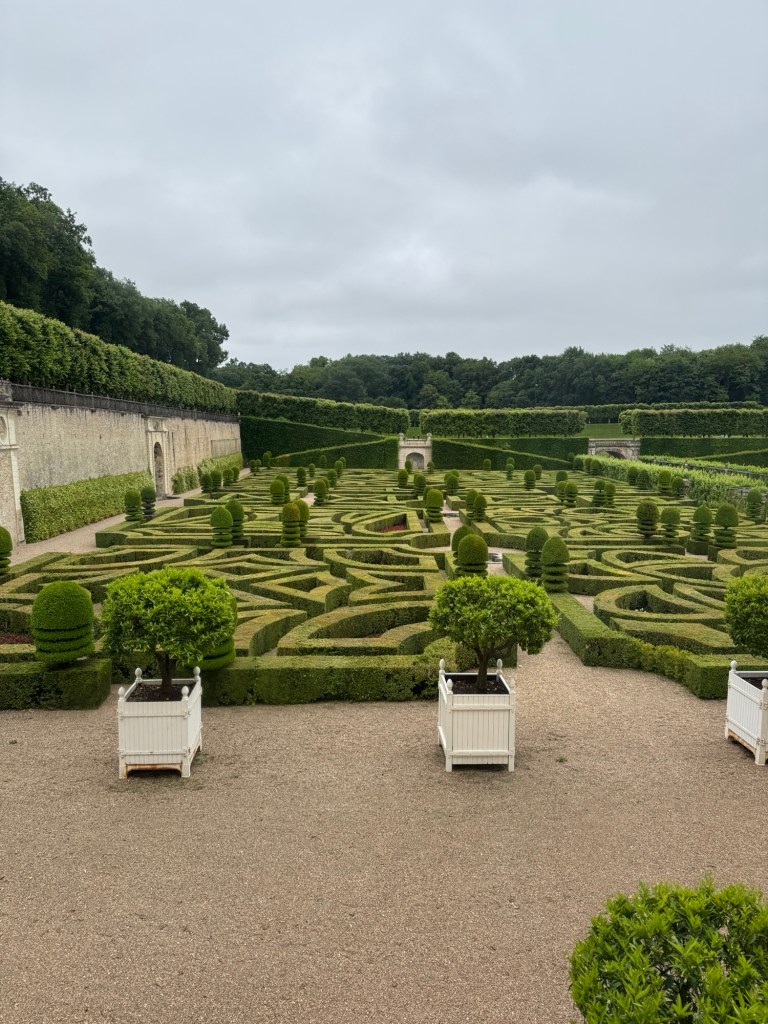
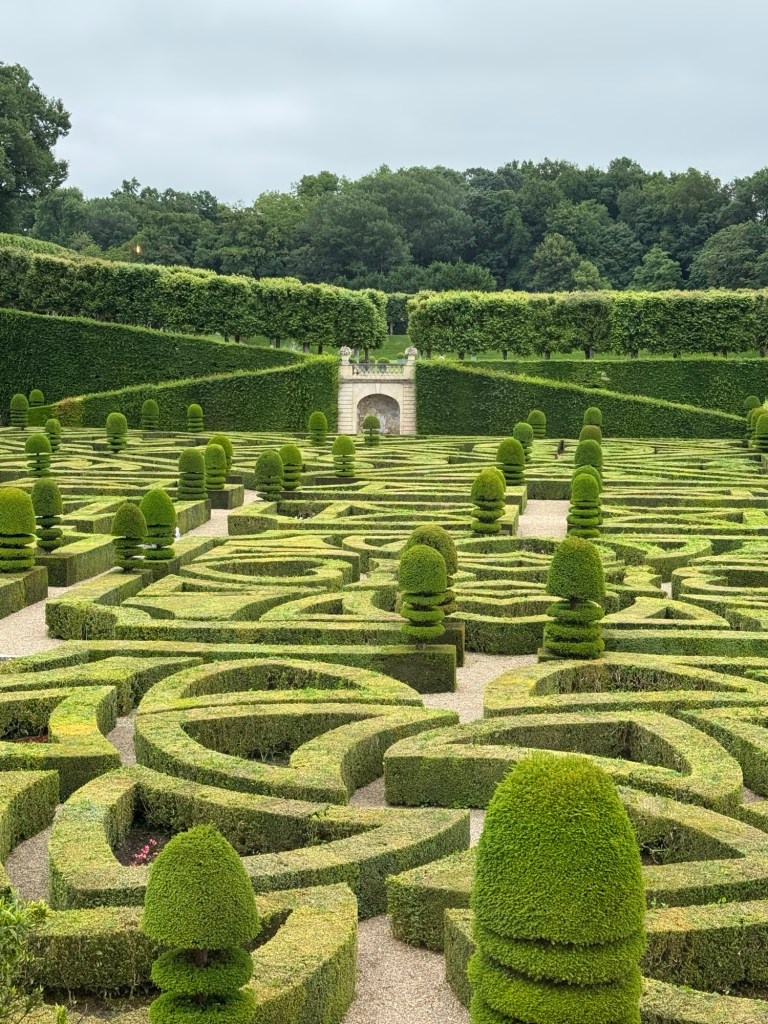
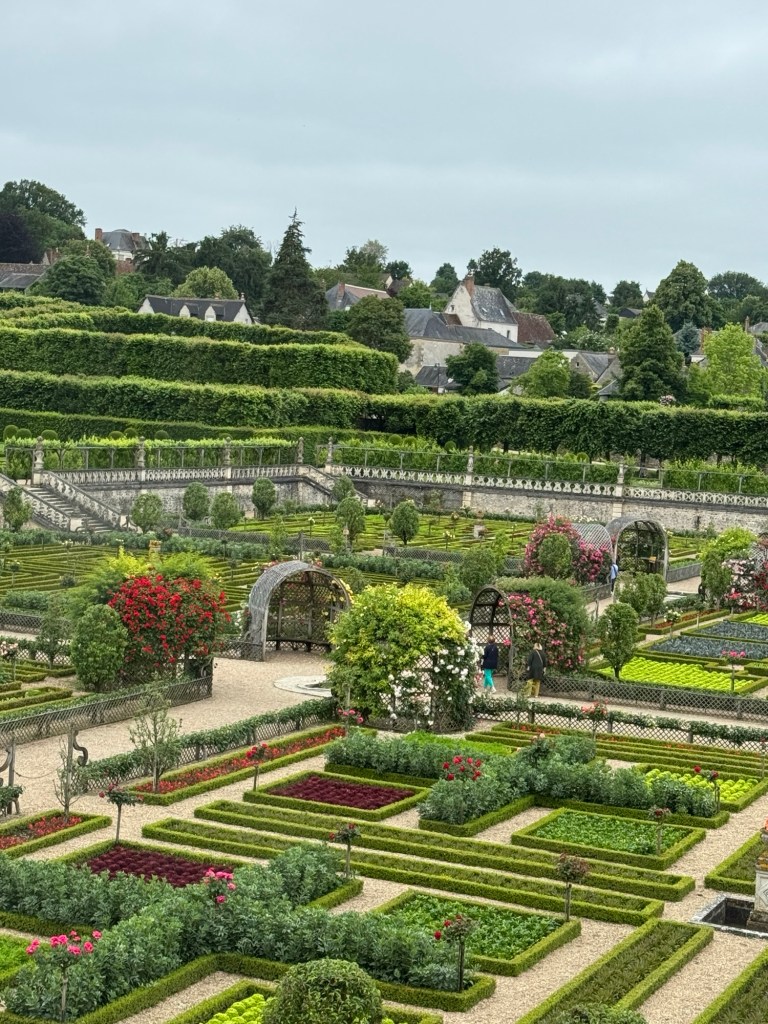
In the morning we went to the Chateau de Villandry which is famous for its huge and beautiful gardens. The family still live here so with subsidies from the government, the chateau and gardens are in a very good condition.
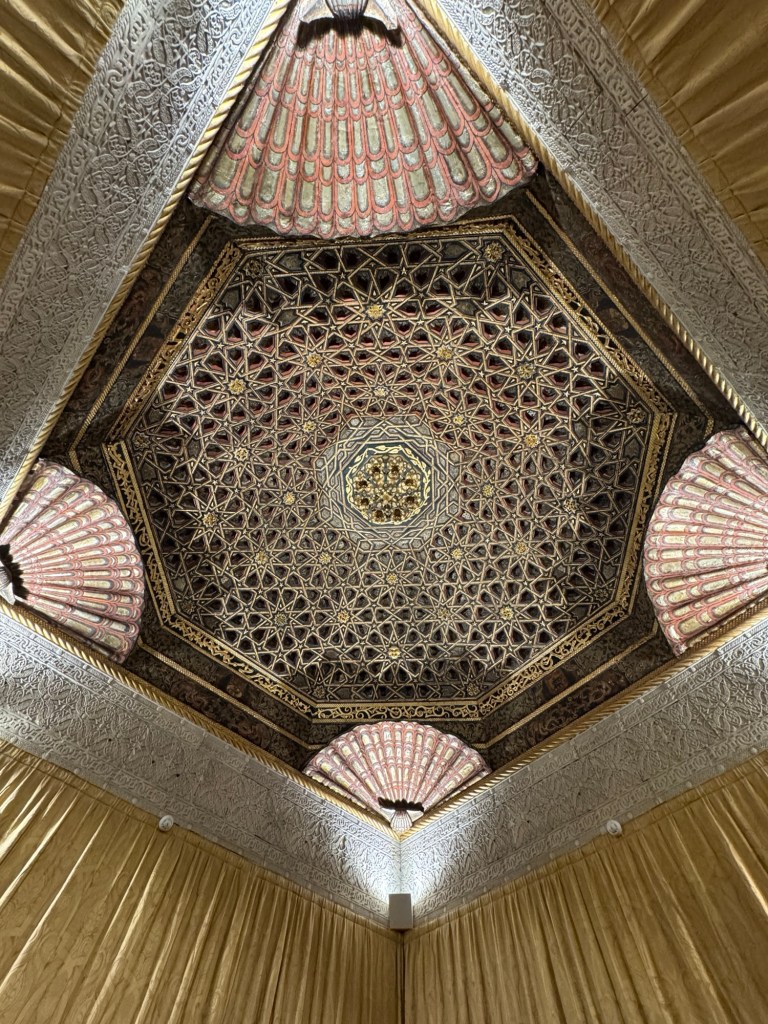
Chinese collections here too. But this room is built in an Islamic style with this fascinating caisson ceiling. Star is a common motif in Islamic art and usually it is a 8 pointed stars made by overlapping 2 squares. Here the stars are the less commonly seen 10 pointed ones, probably signifying calculations or fullness and completeness like our Chinese 十全十美
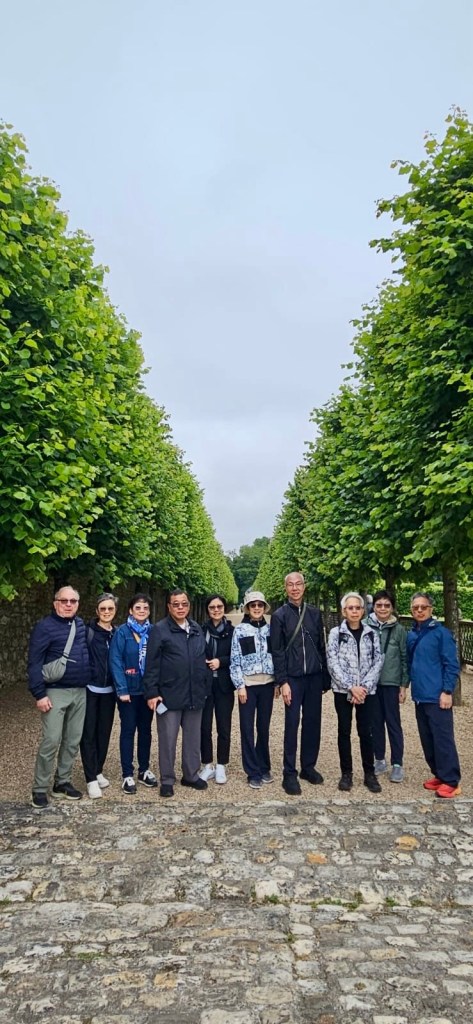
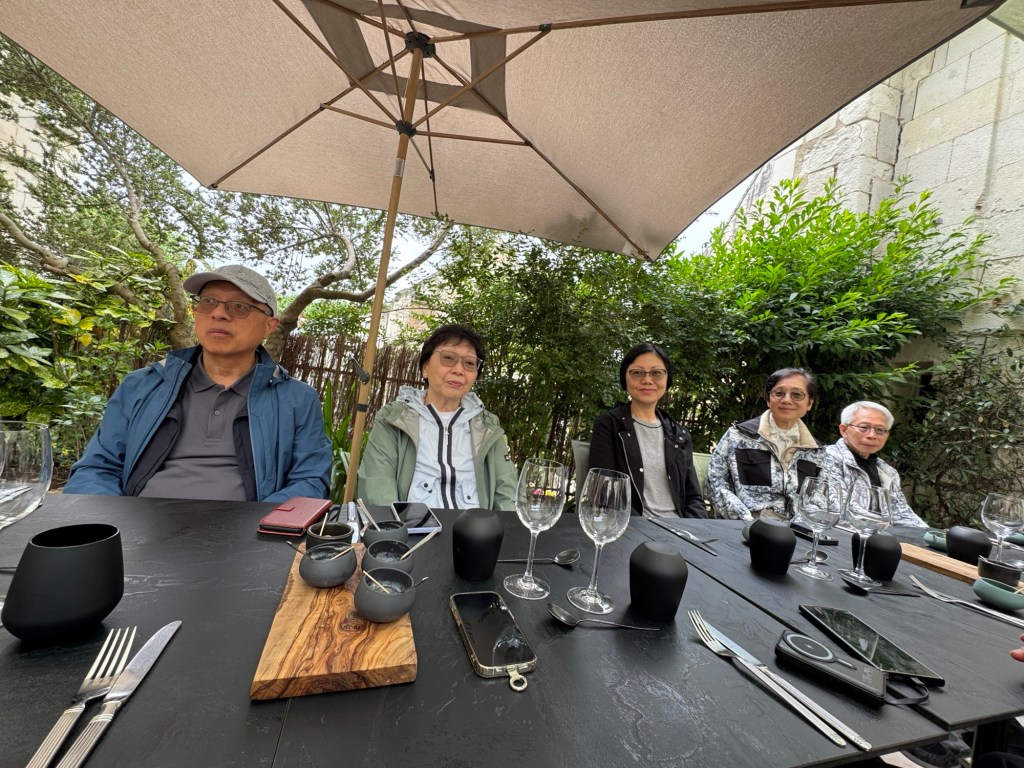
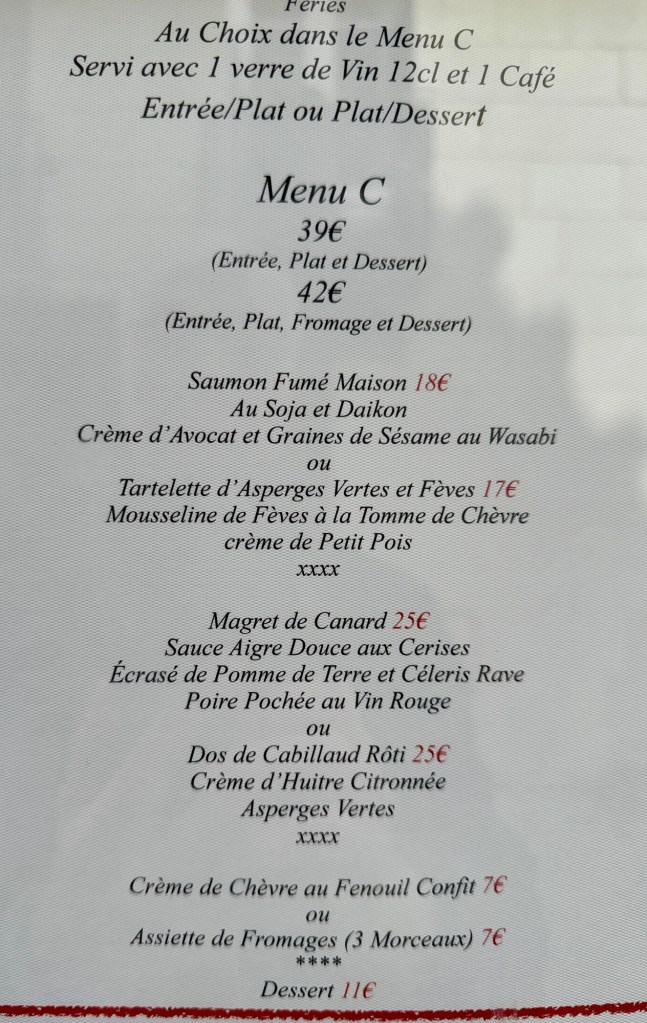
Then we went to Chinon and had lunch at Les Annes 30 restaurants. We ate outside but there were sun umbrella to shade us.
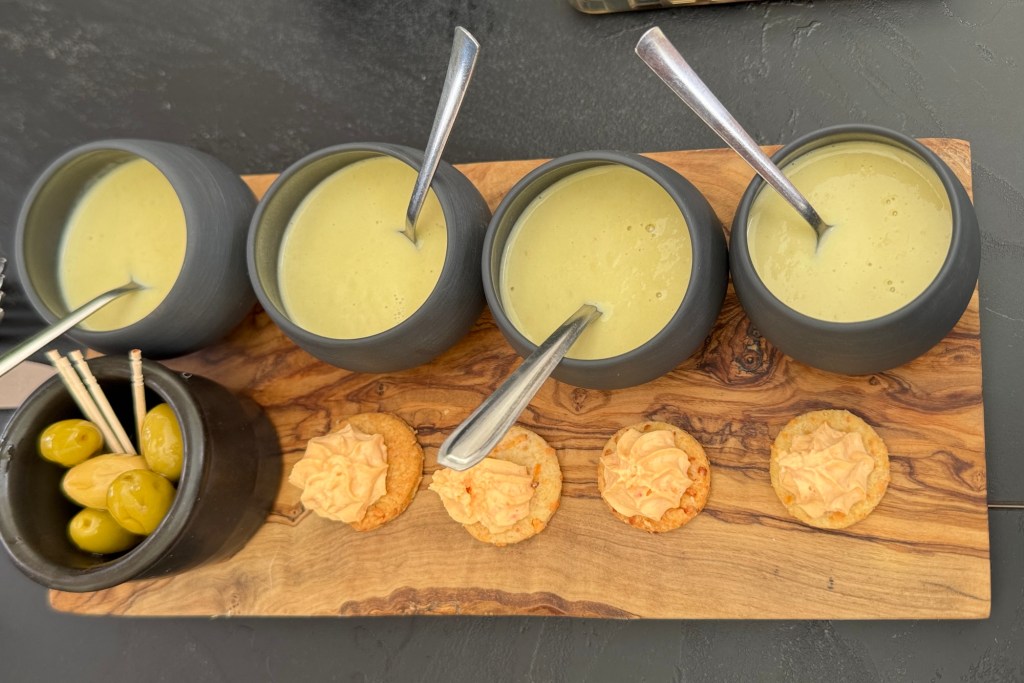
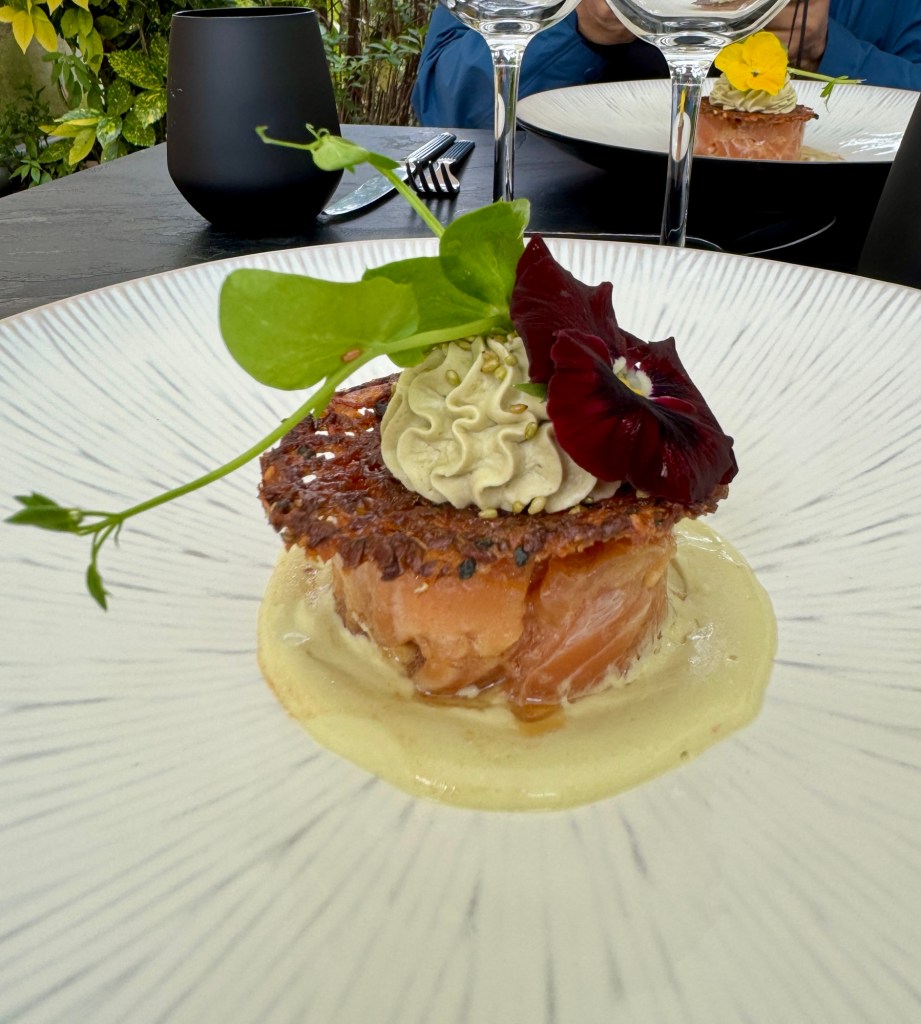
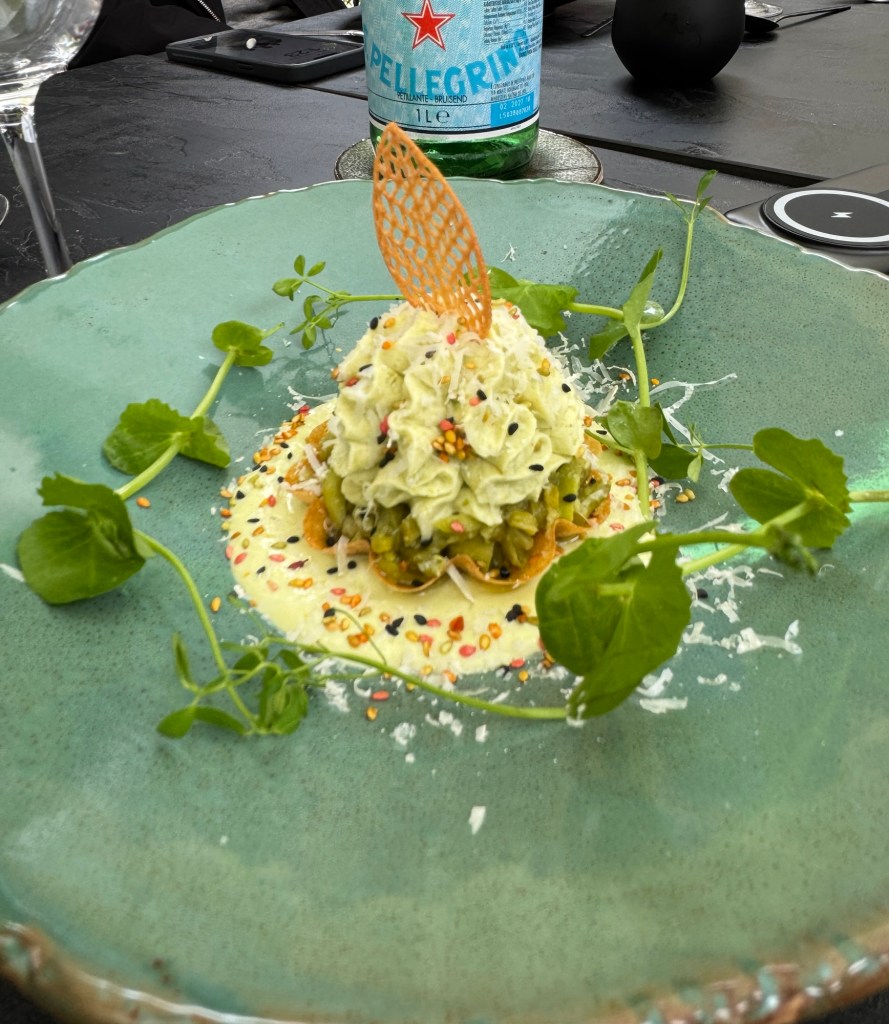
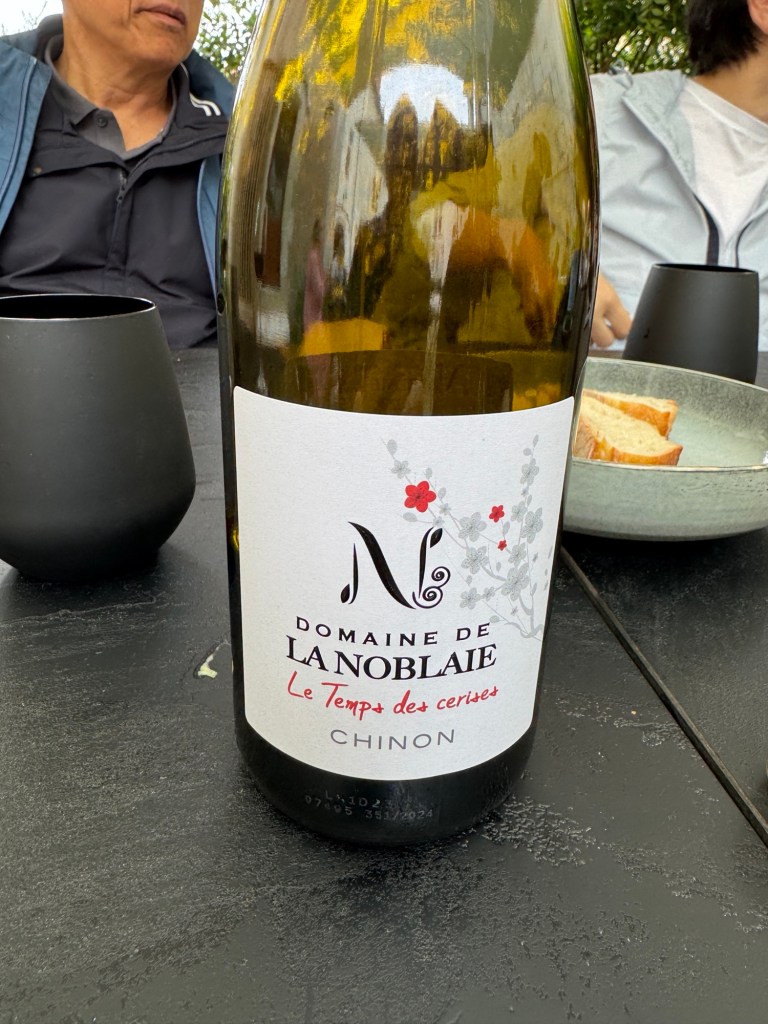
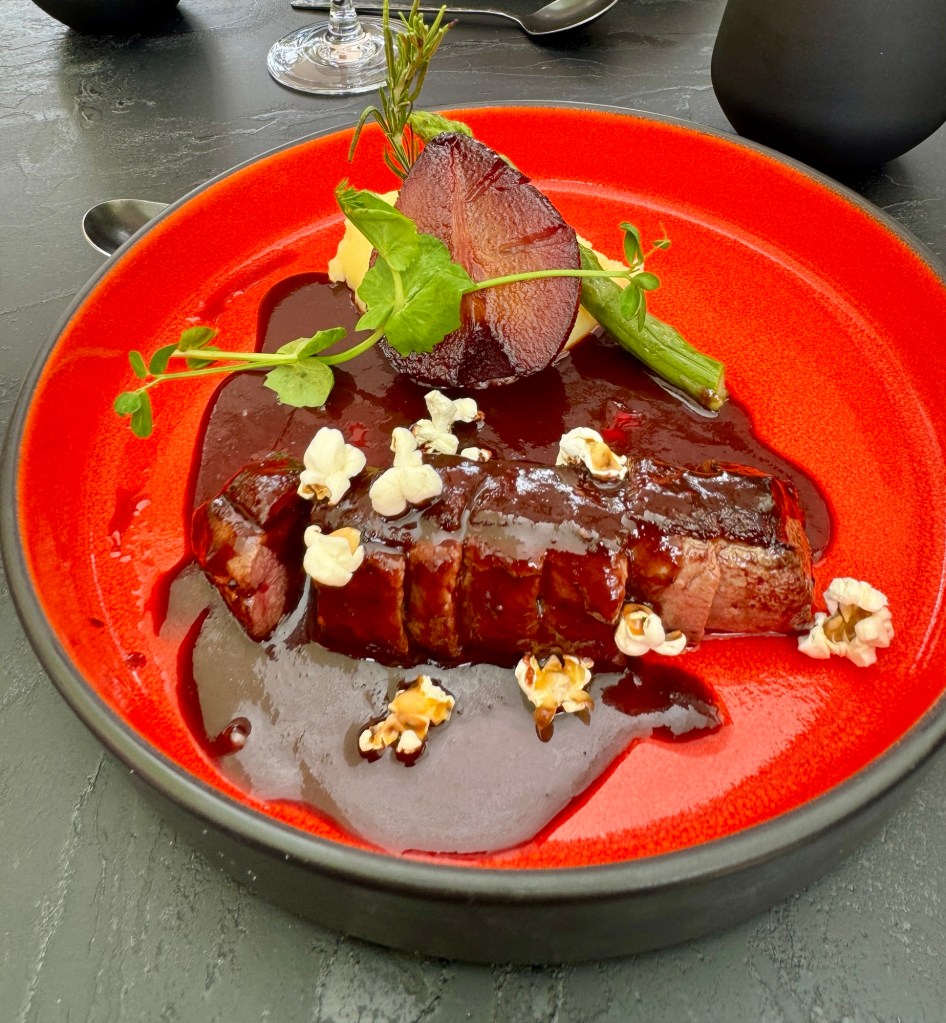
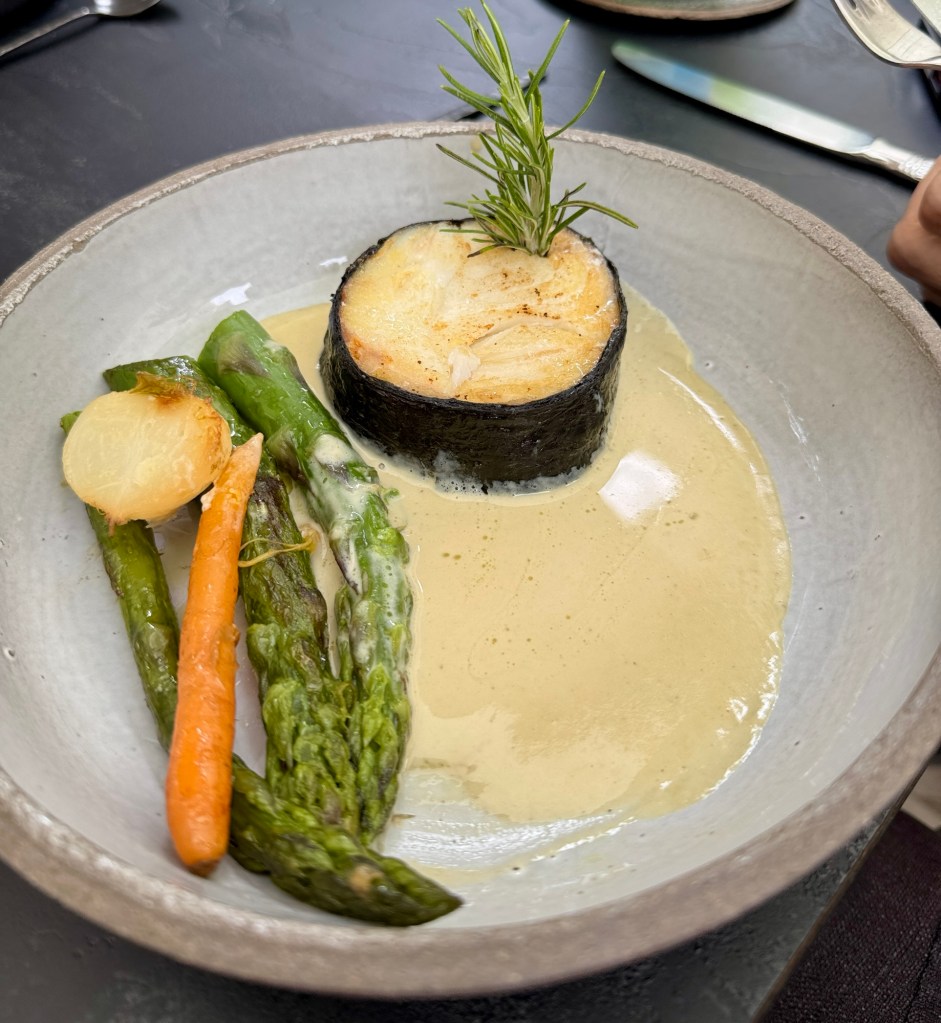
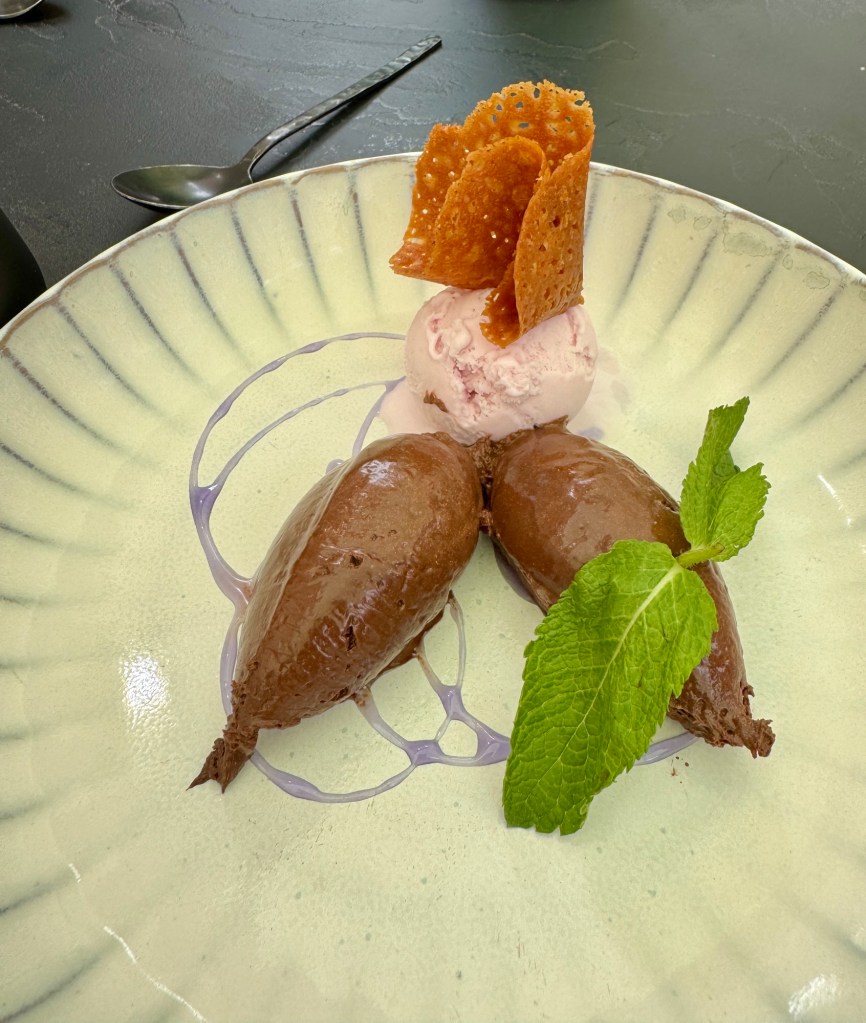
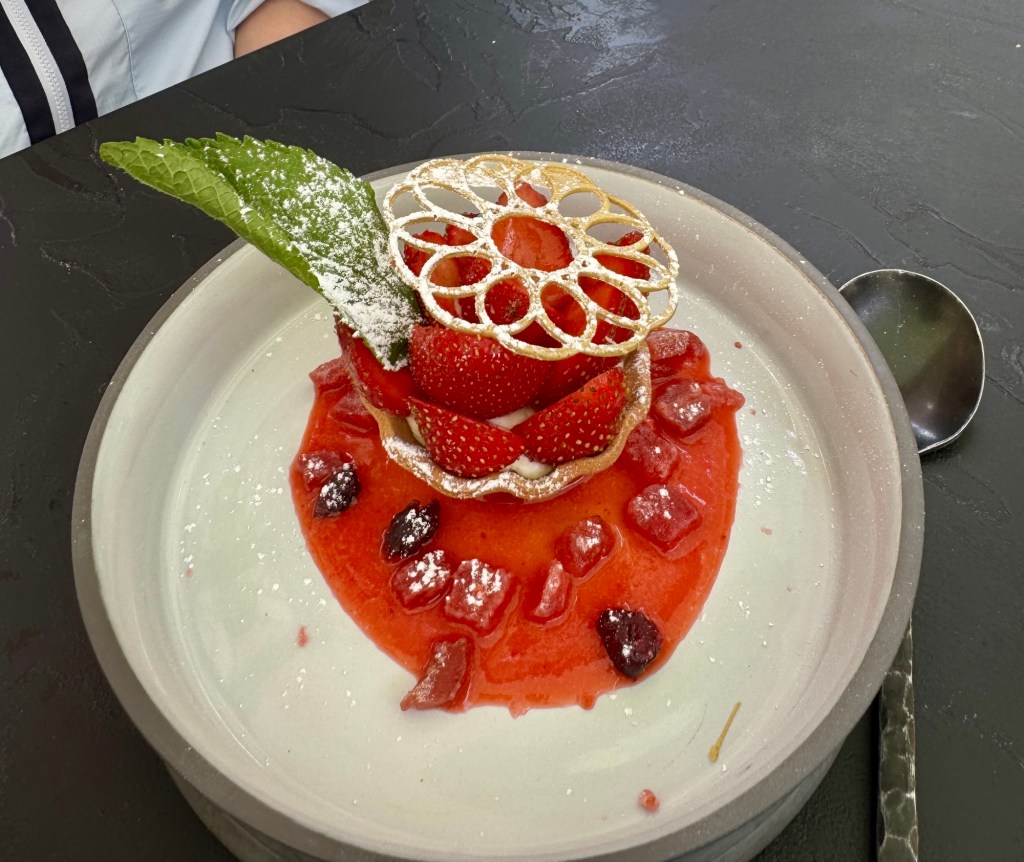
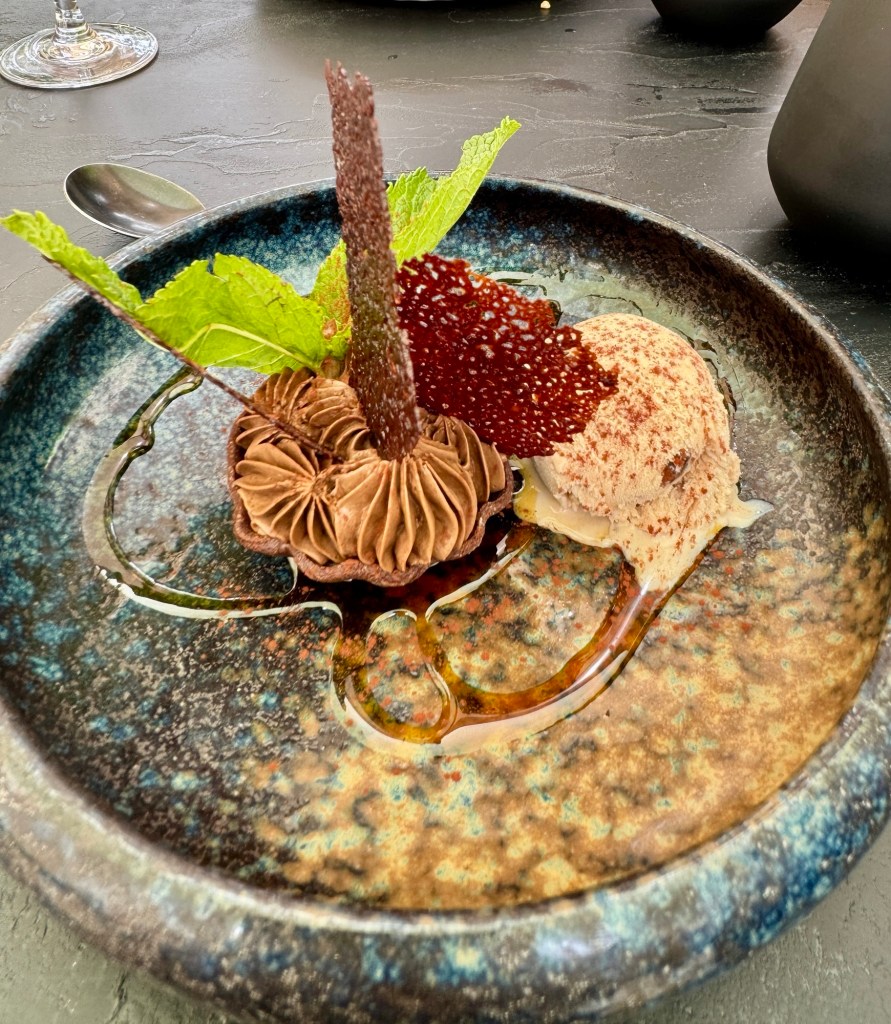

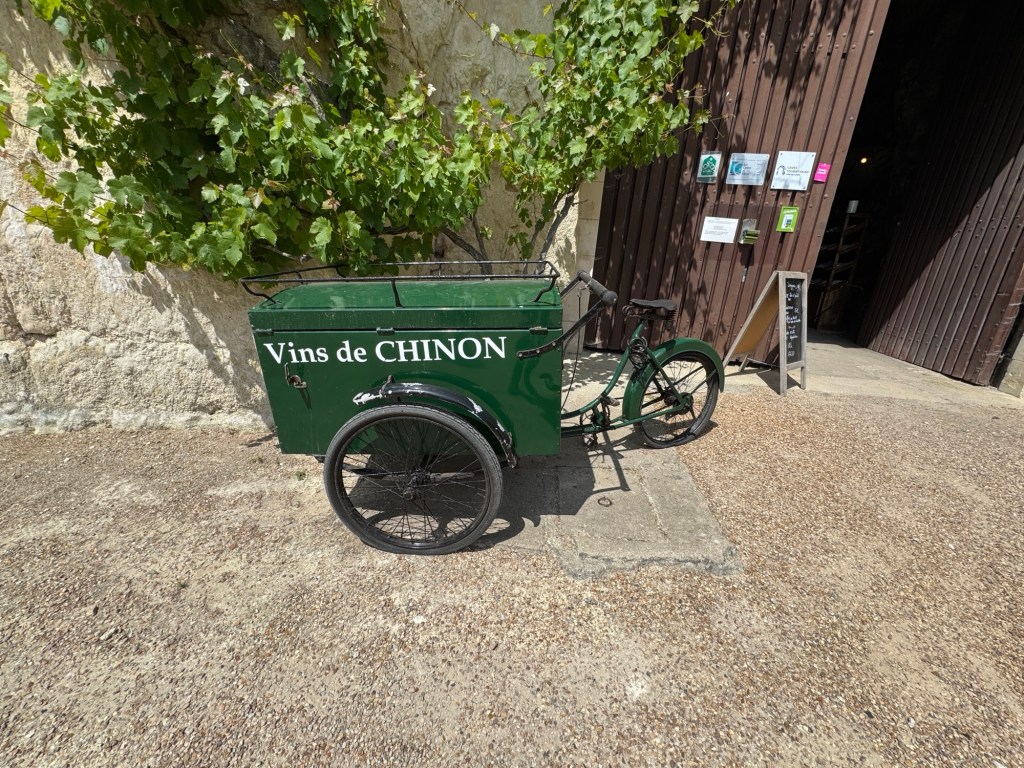
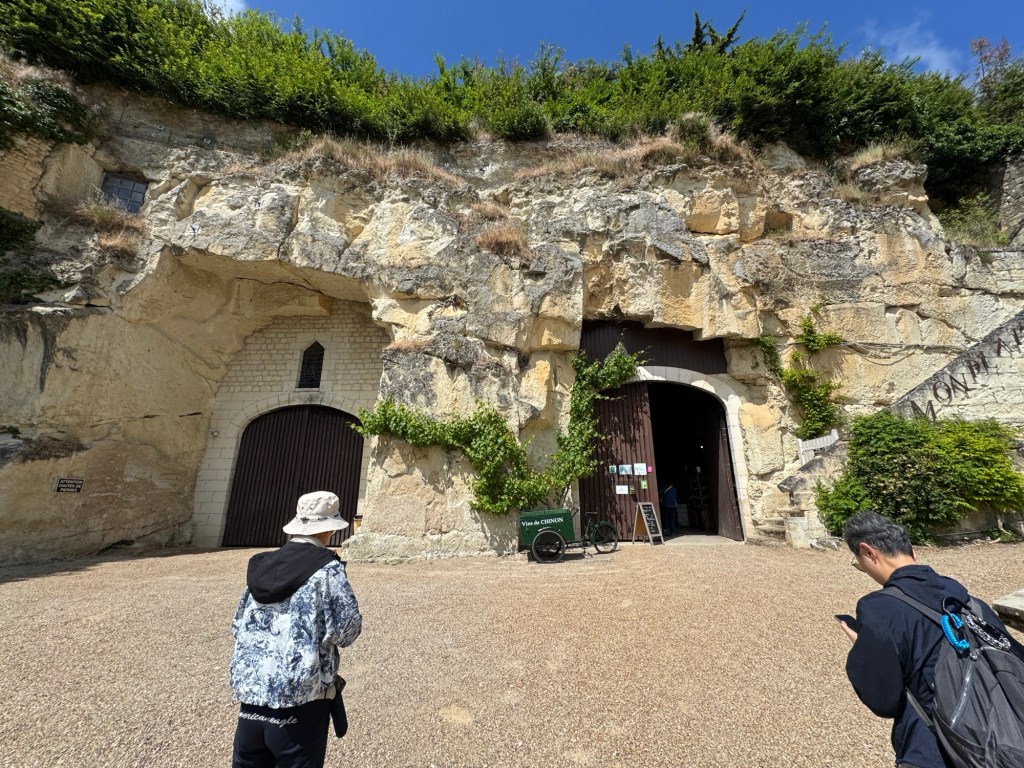
After lunch we went to Cave Montplaisir for a wine tasting at the cave for the wines from Chinon appellation.
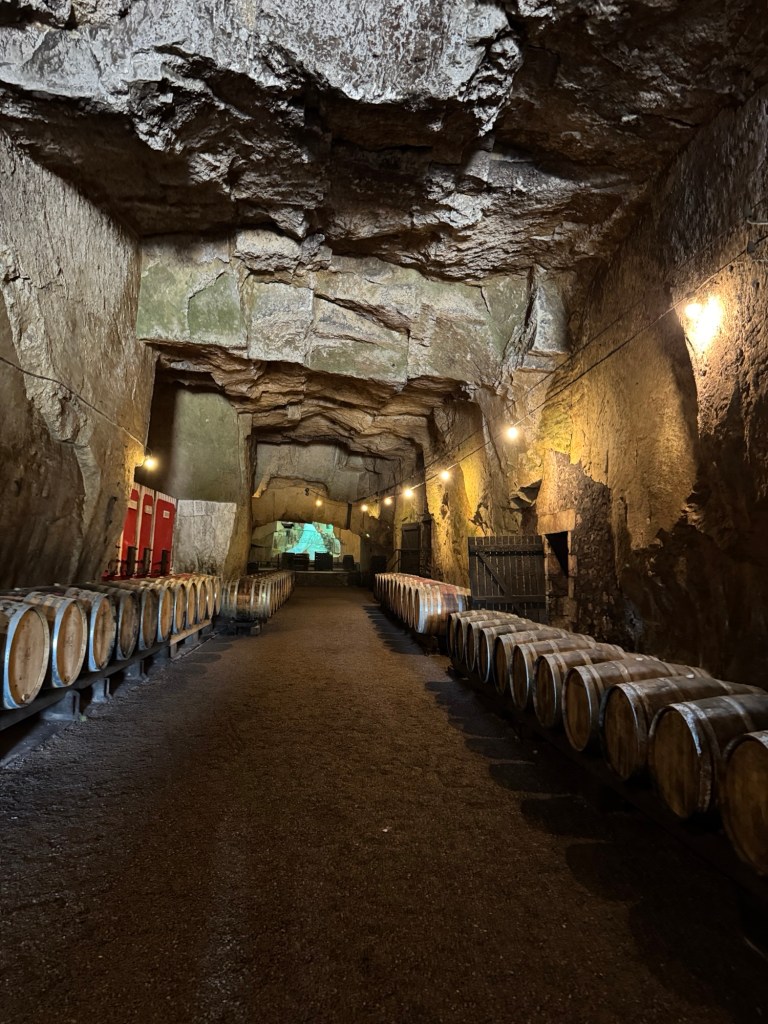
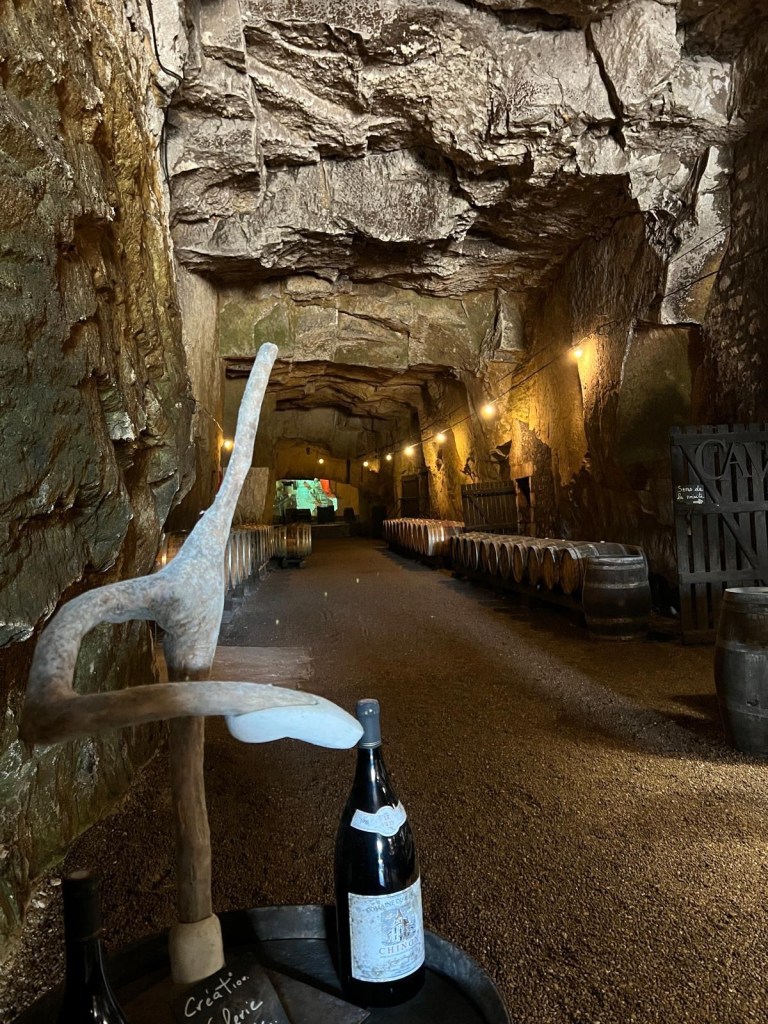
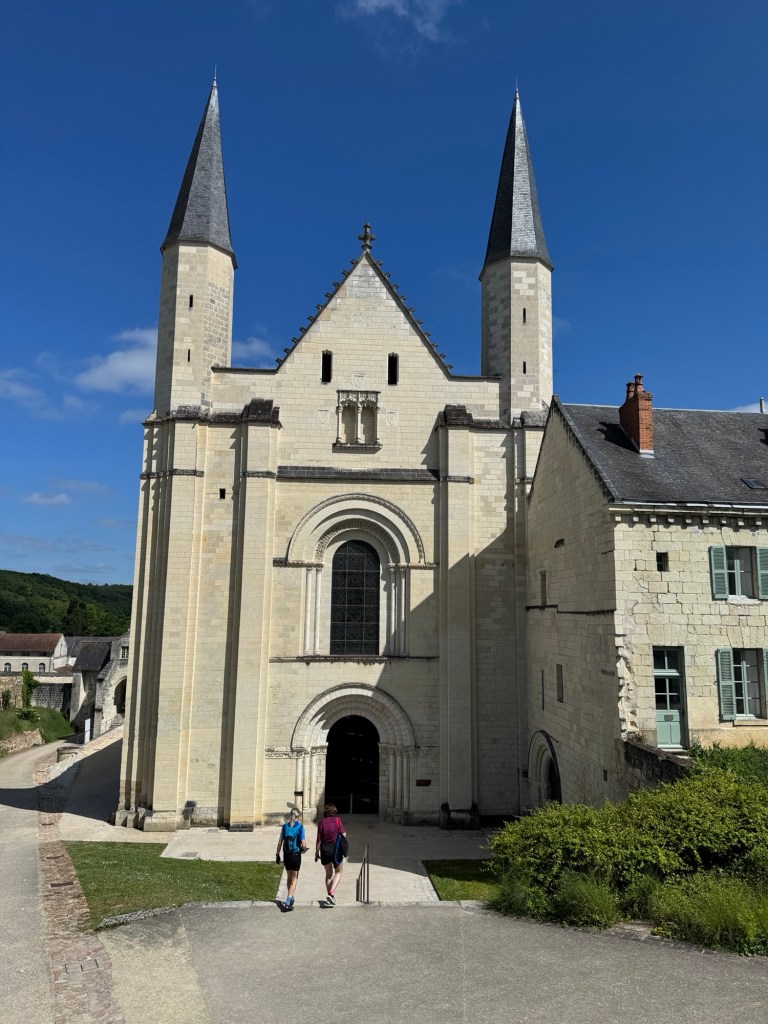
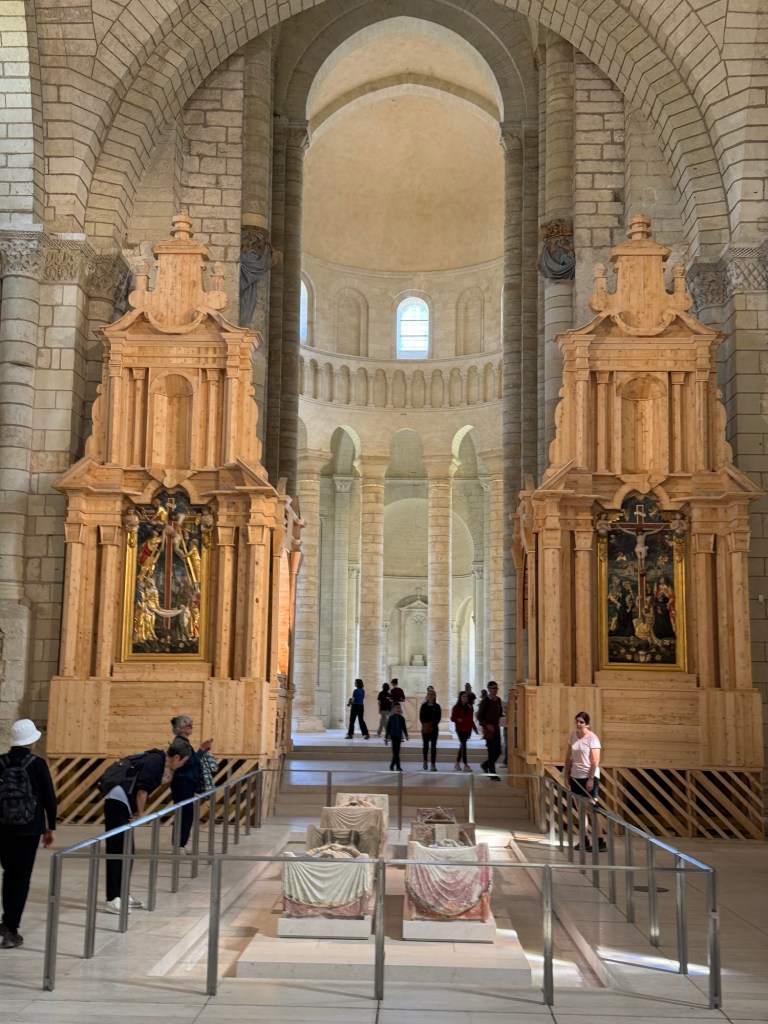
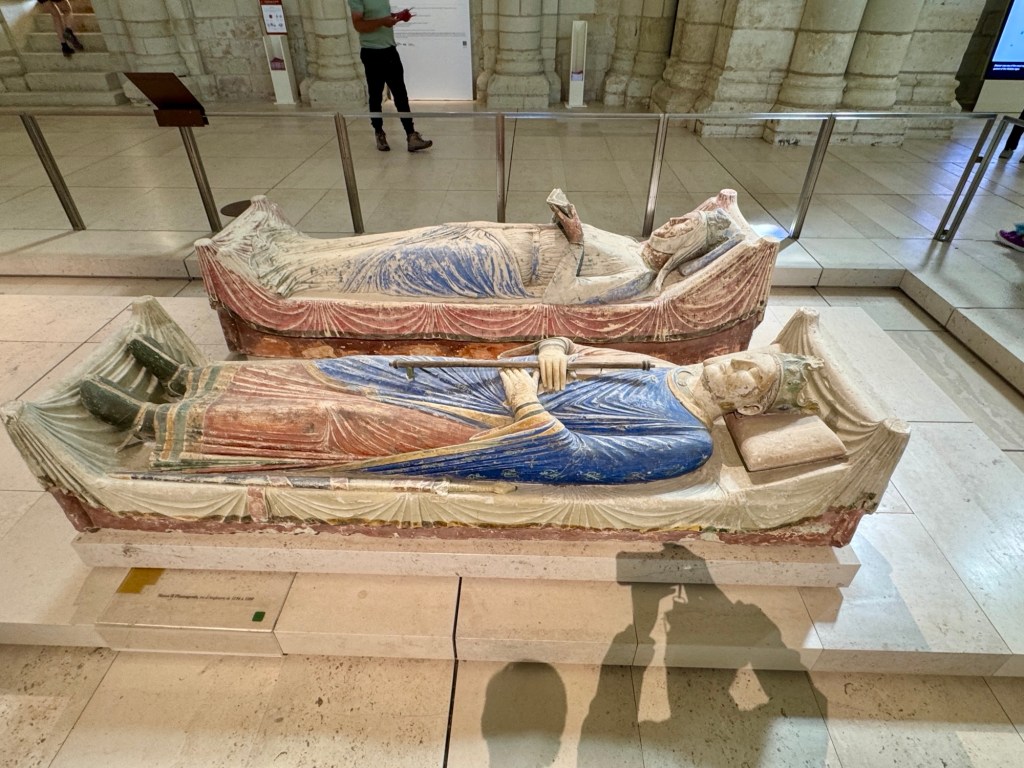
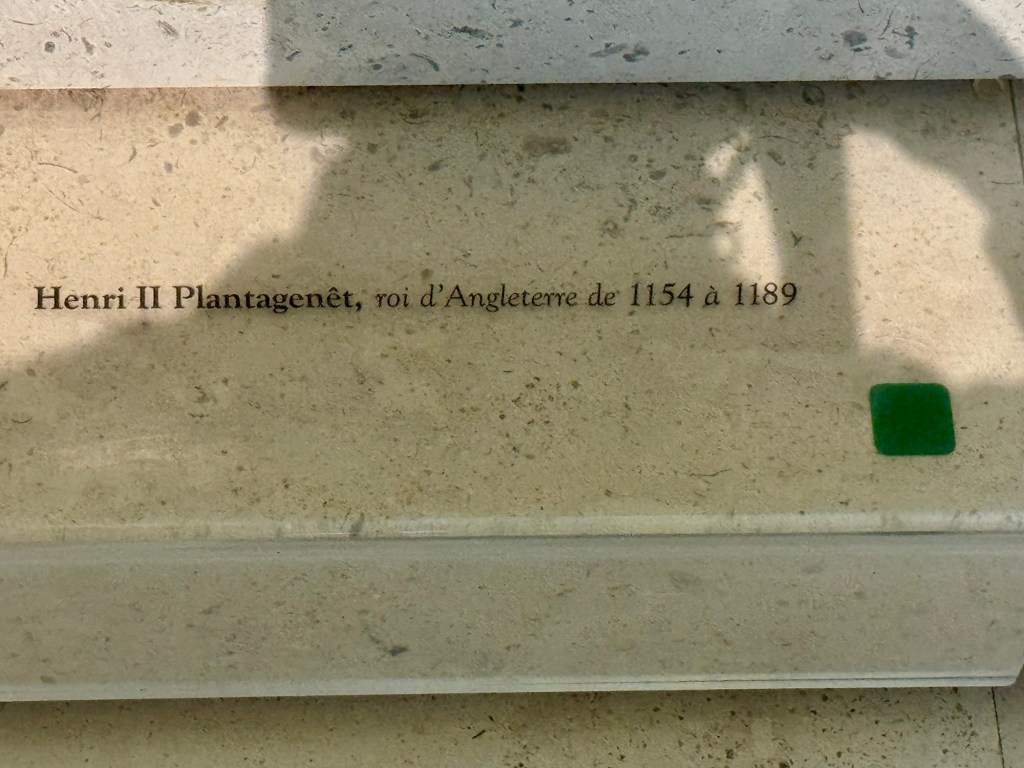
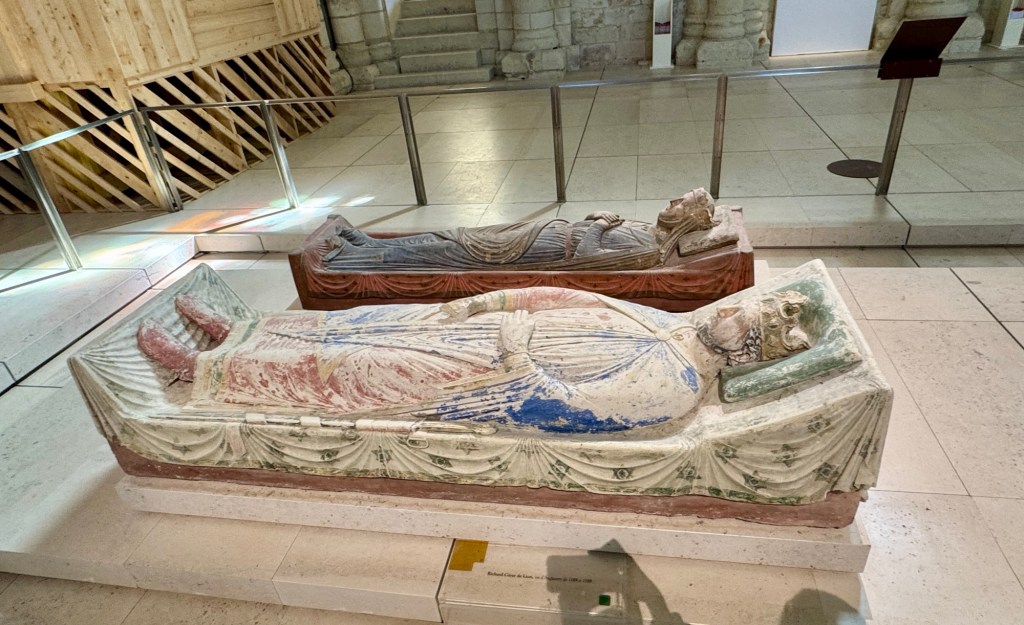
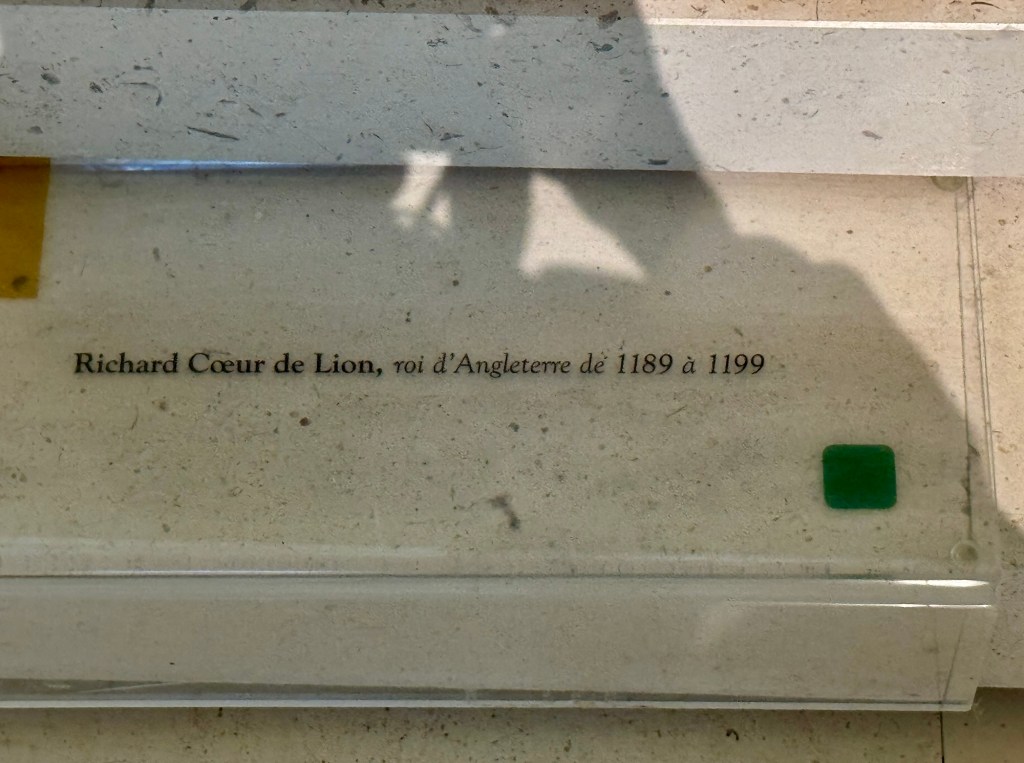
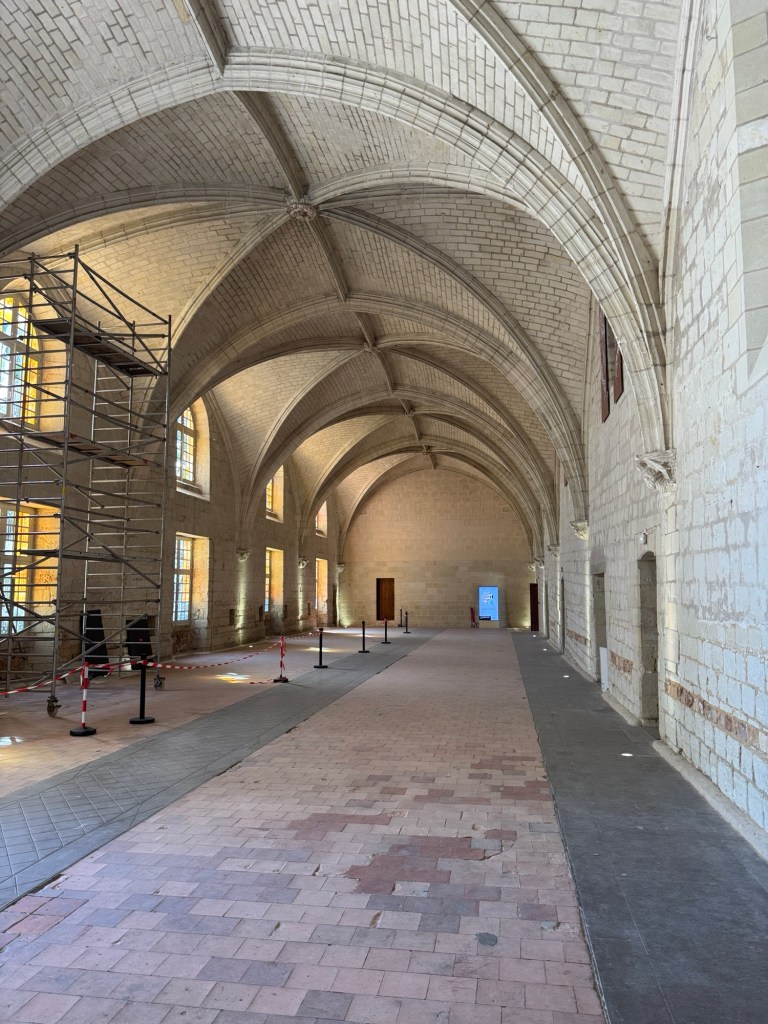
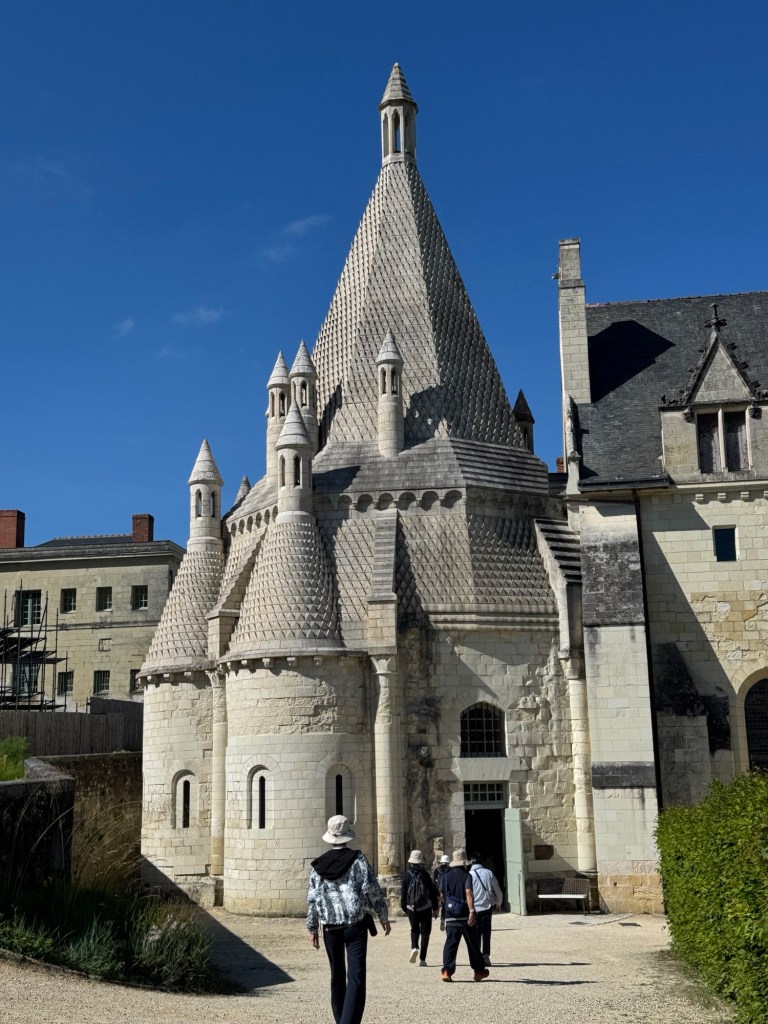
In the afternoon we continued to Fontervraud to discover the Royal Abbey of Fontervraud. The king of England, Henry II, his wife, Eleanor of Aquitaine and their son, King Richard the Lionheart were all buried here at the end of the 12th century.


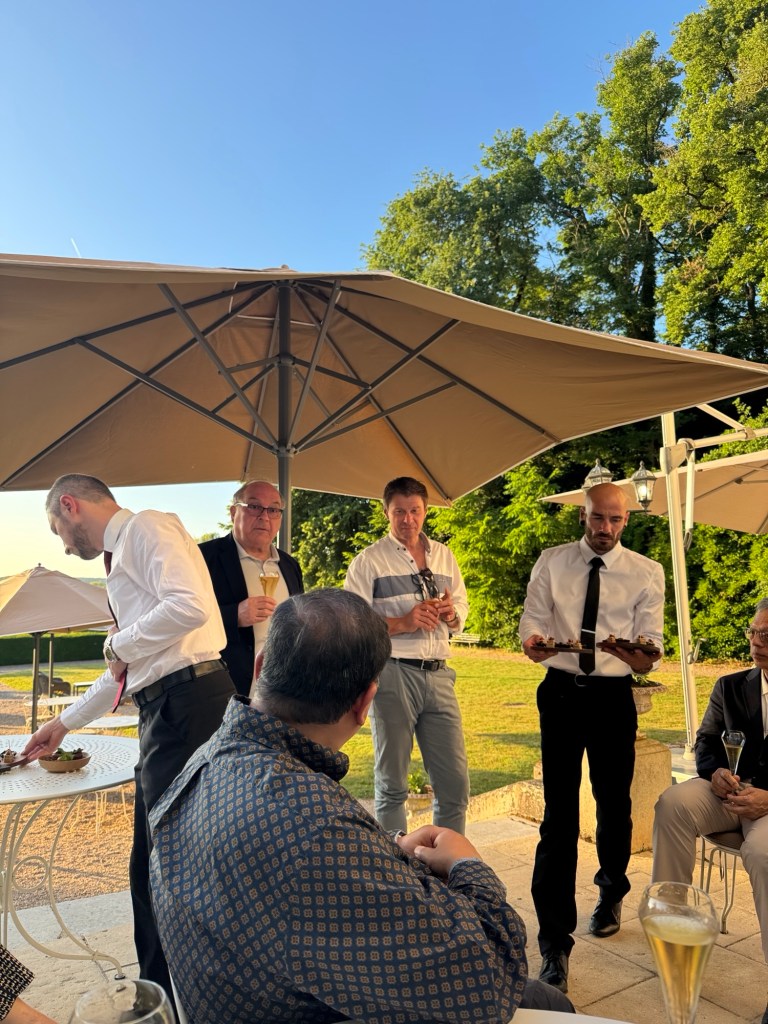
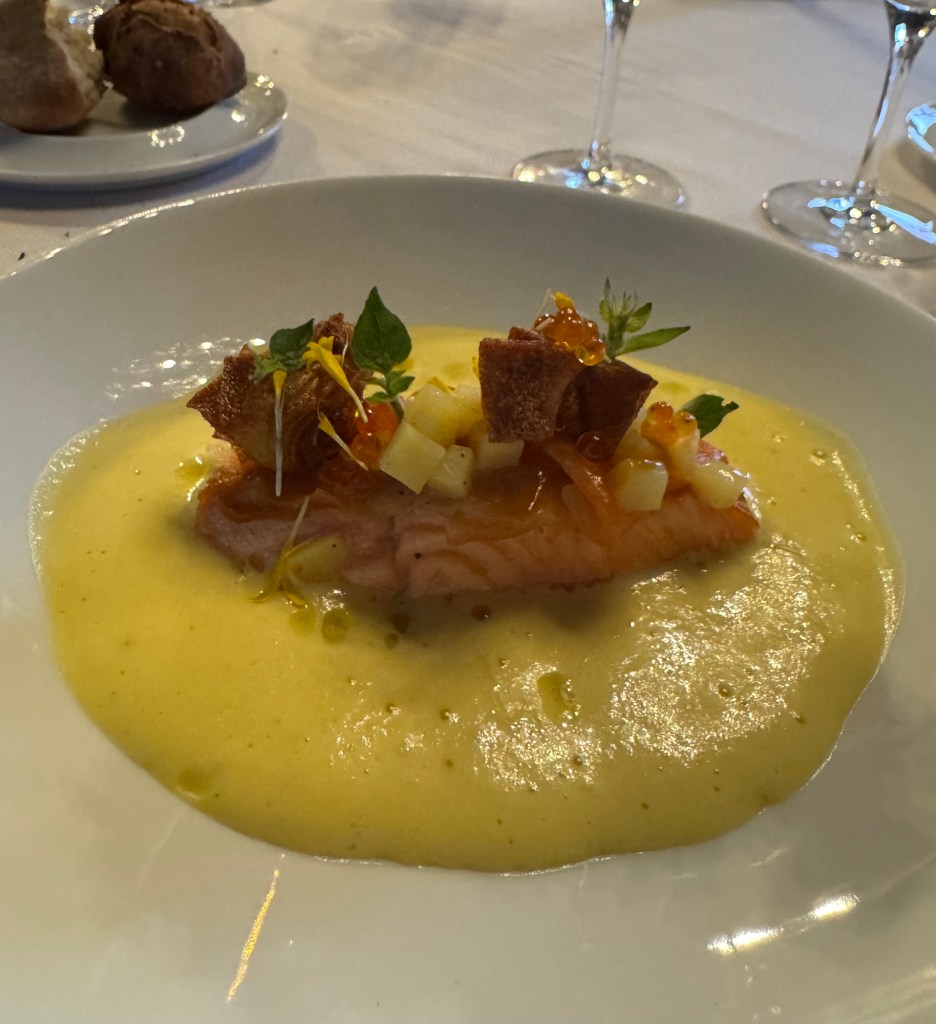
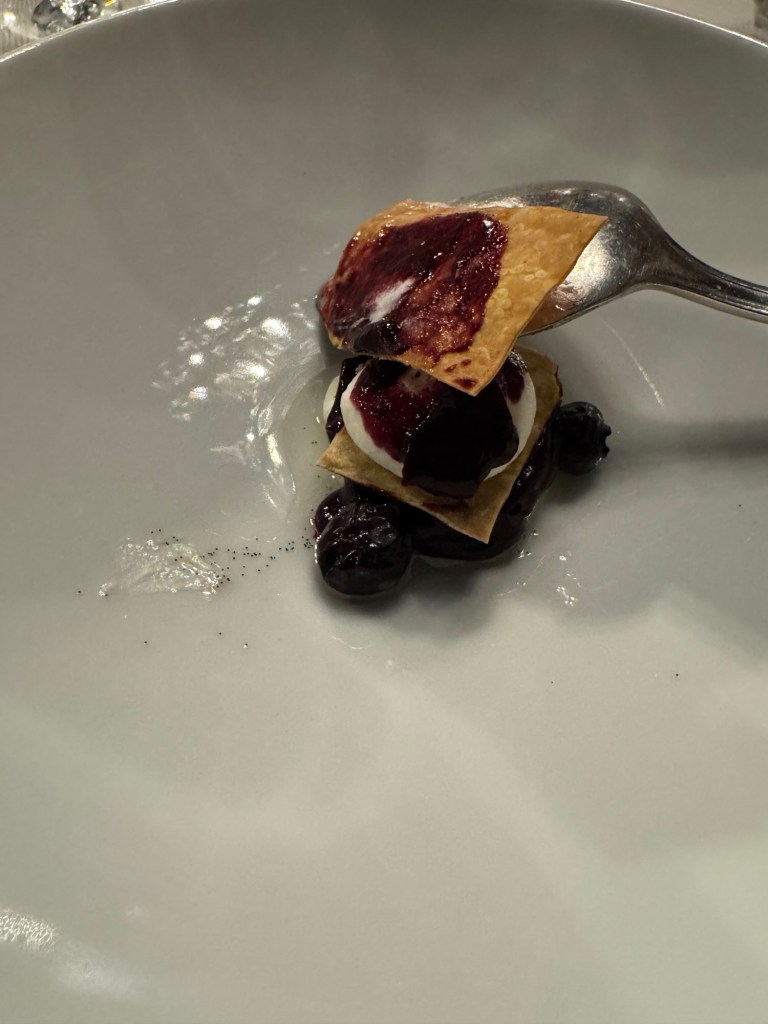
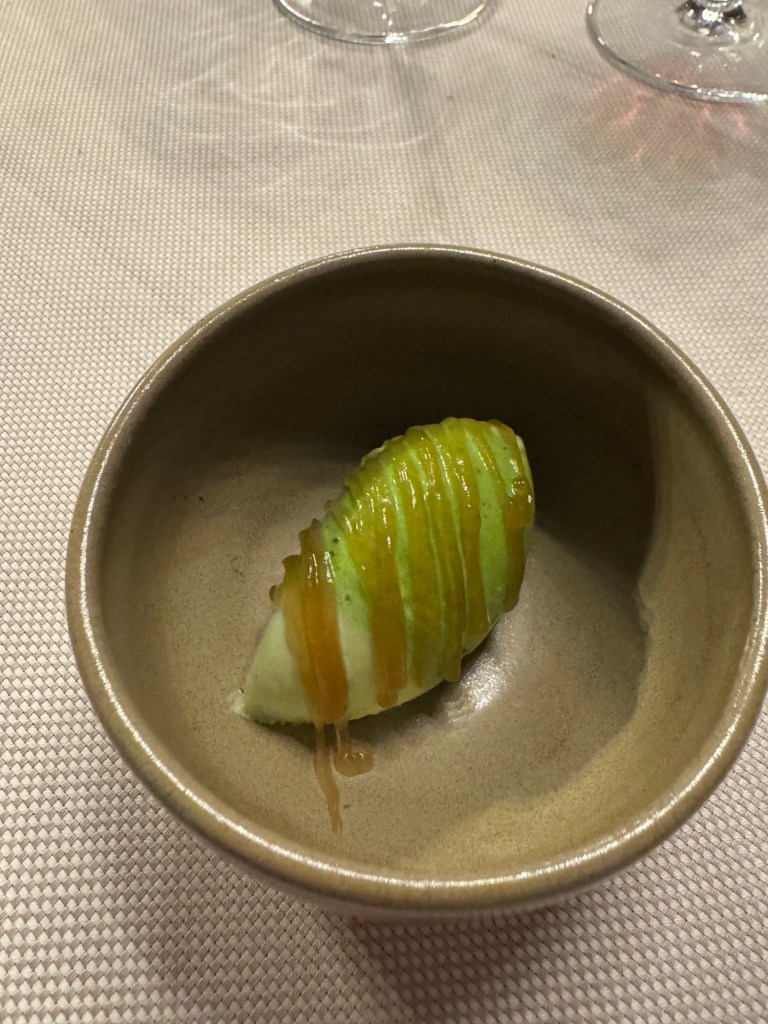
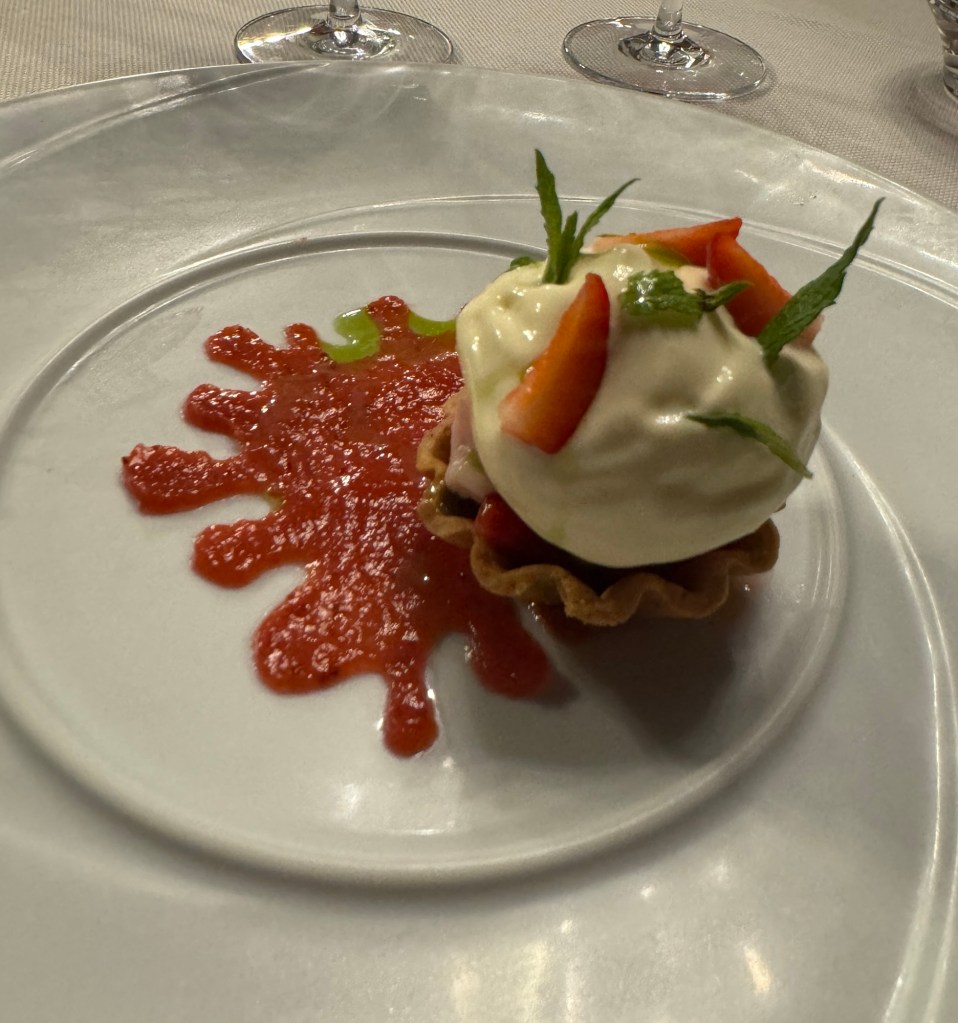
Then we were back to our hotel to have dinner at restaurant Orangerie at our hotel. We started the dinner with apéritif outside and here we met Sebastian for the first time
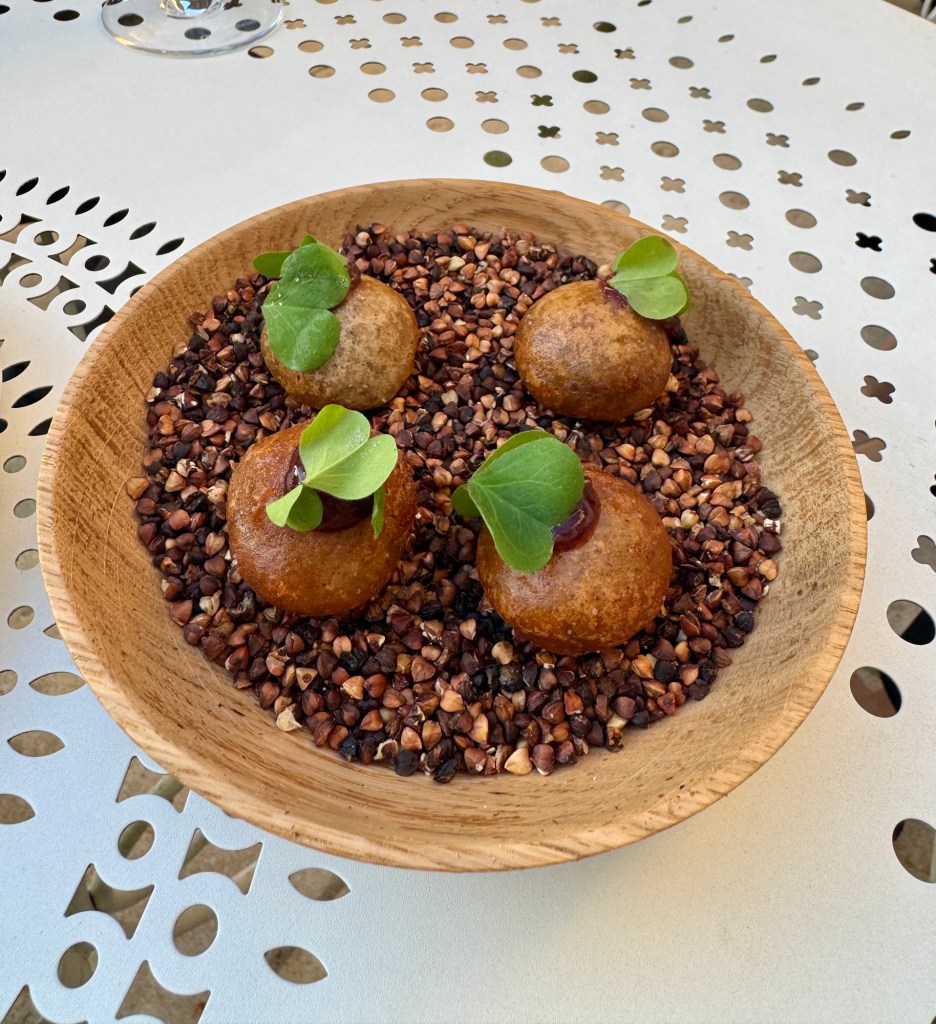

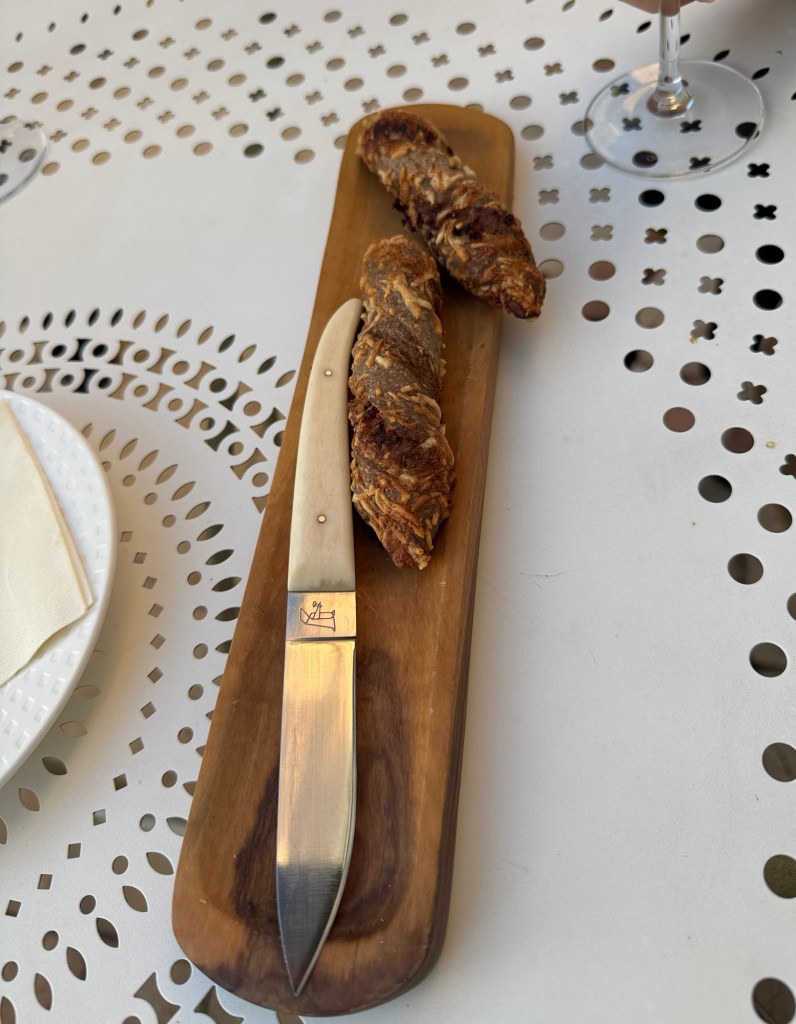
After that we went inside to continue dinner in a nice pirate room
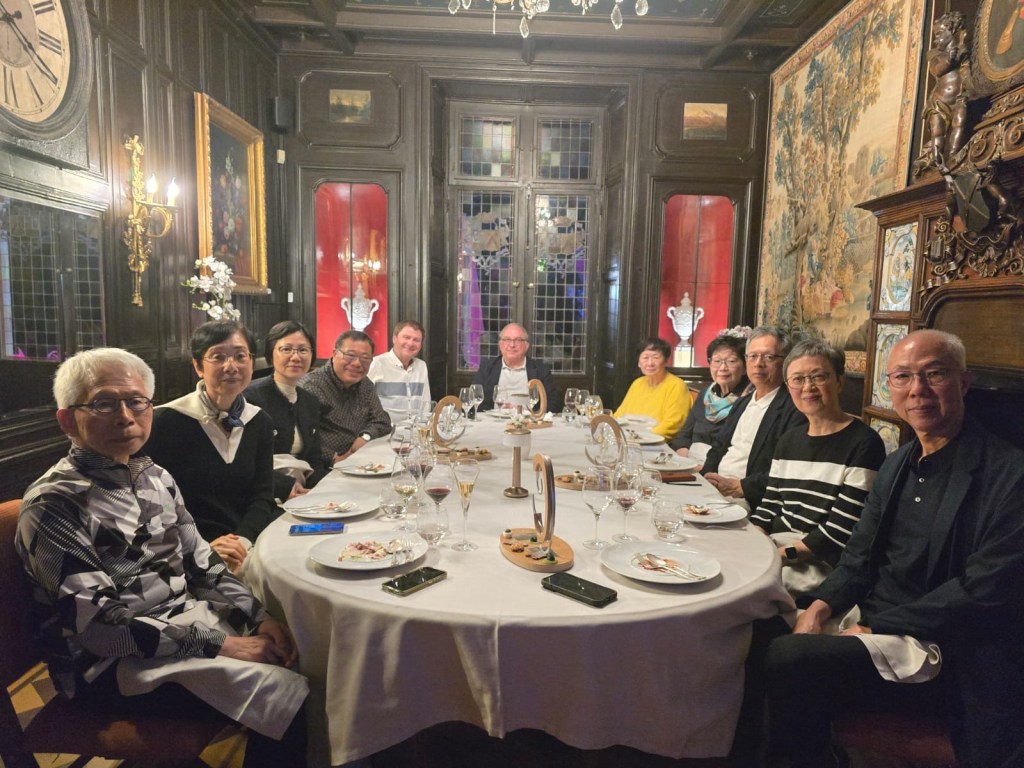
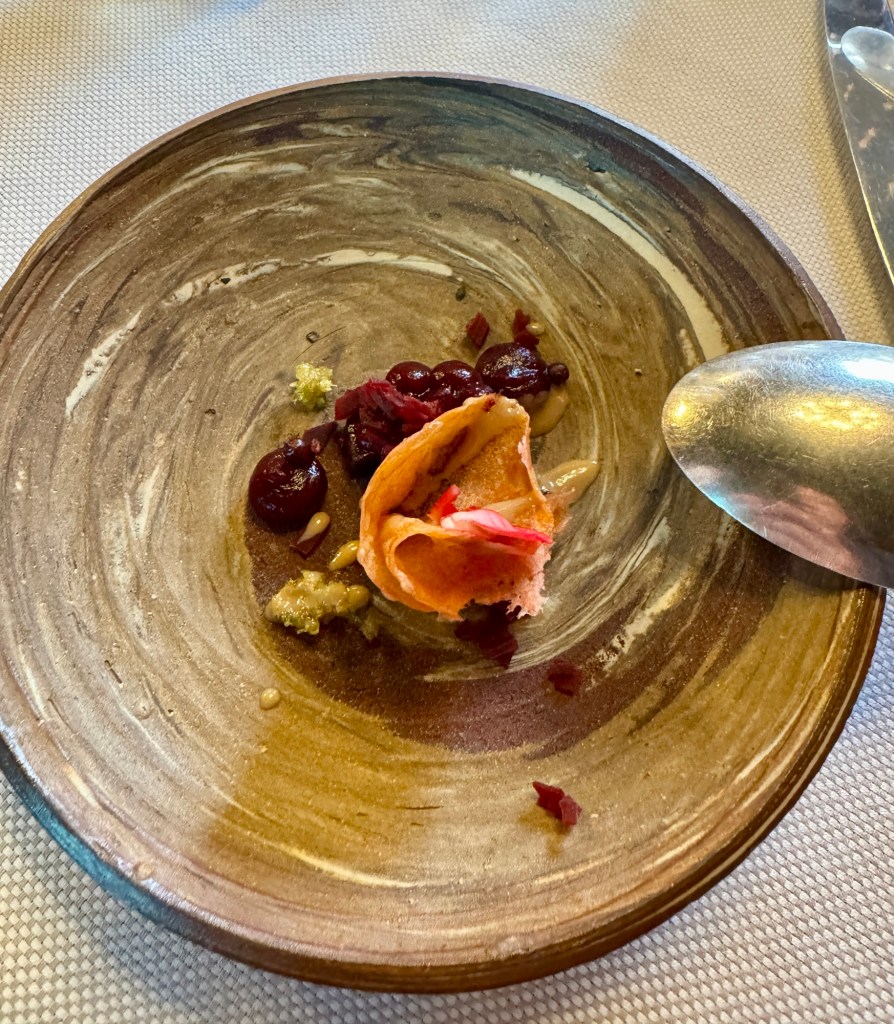
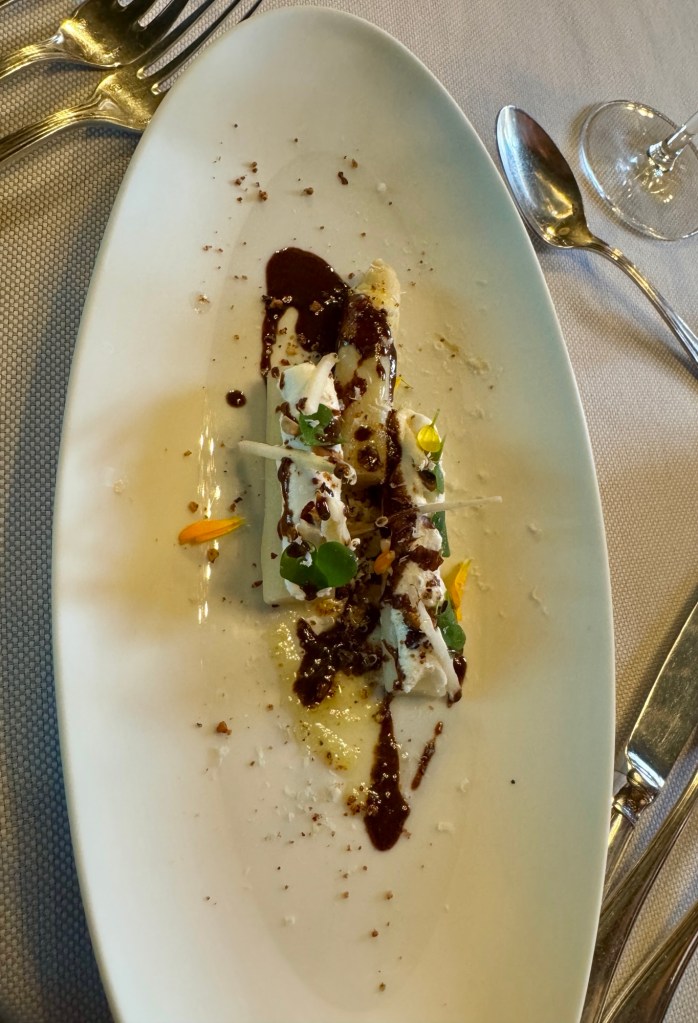

Day 6 Friday 30/5
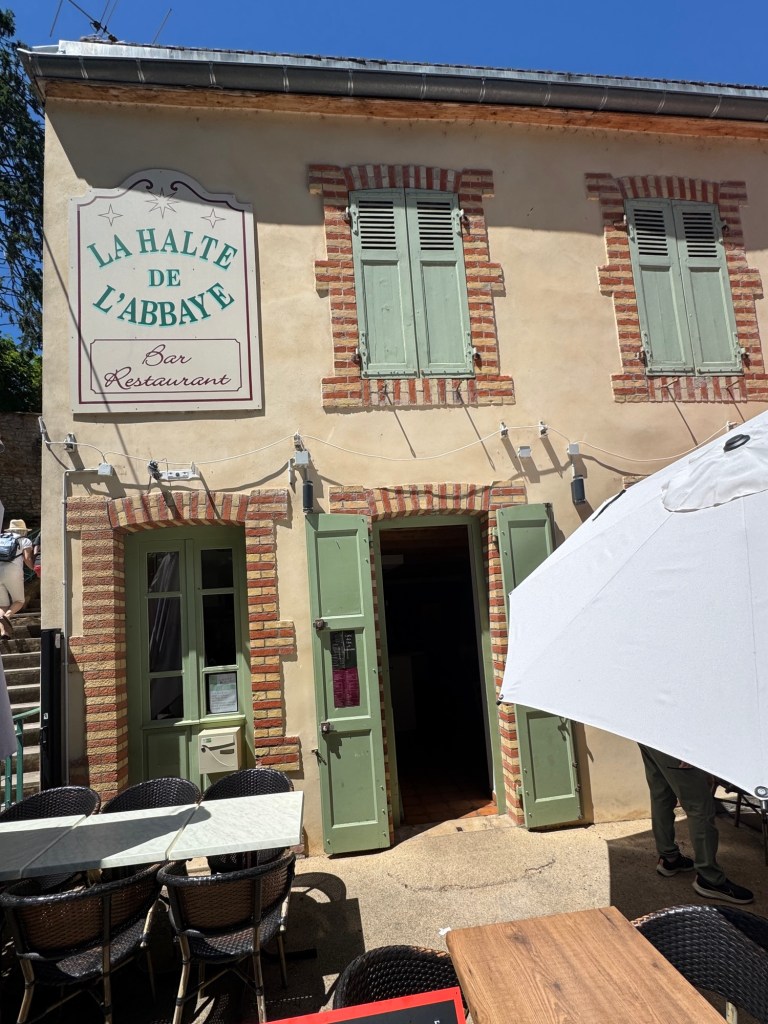
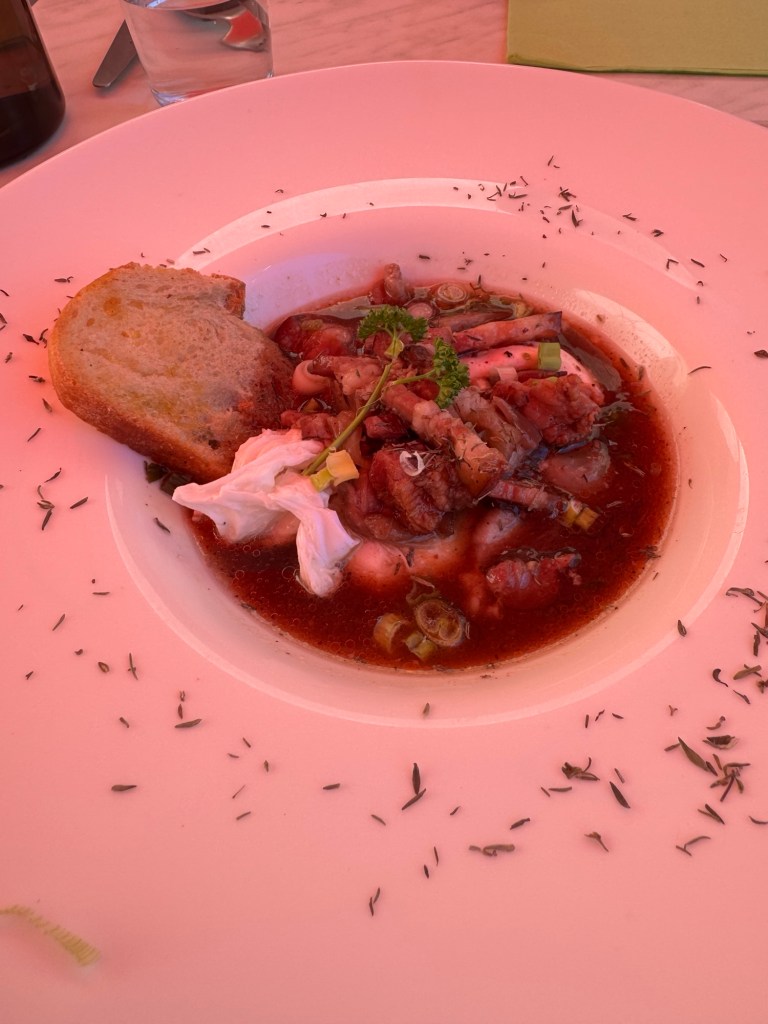
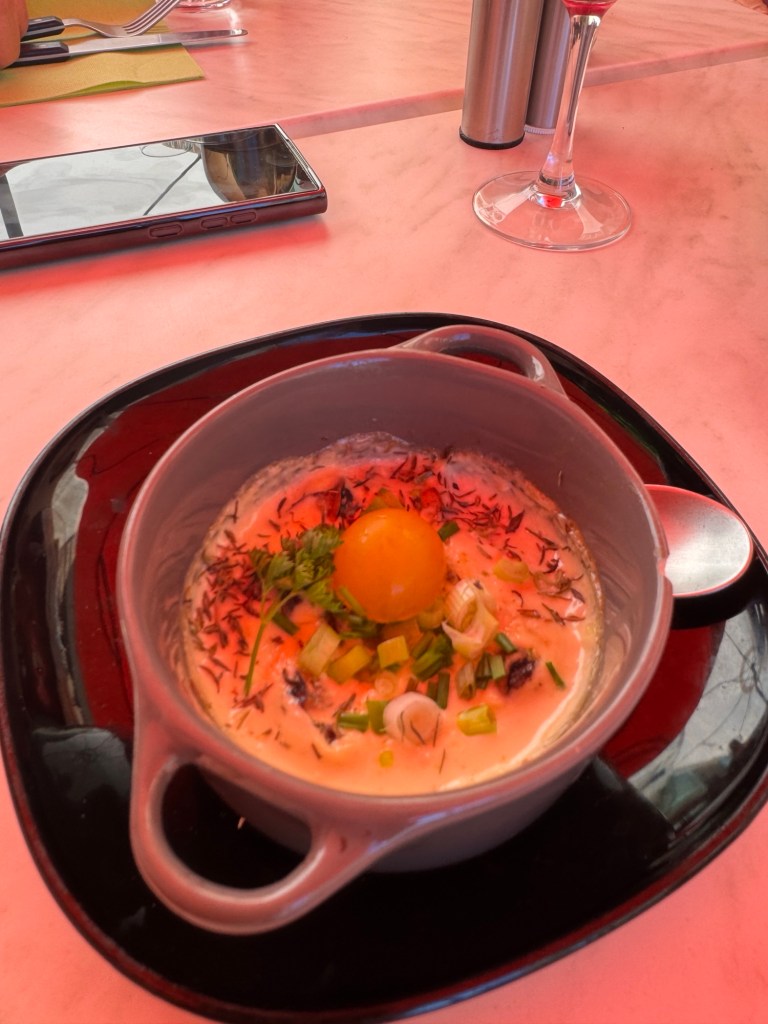
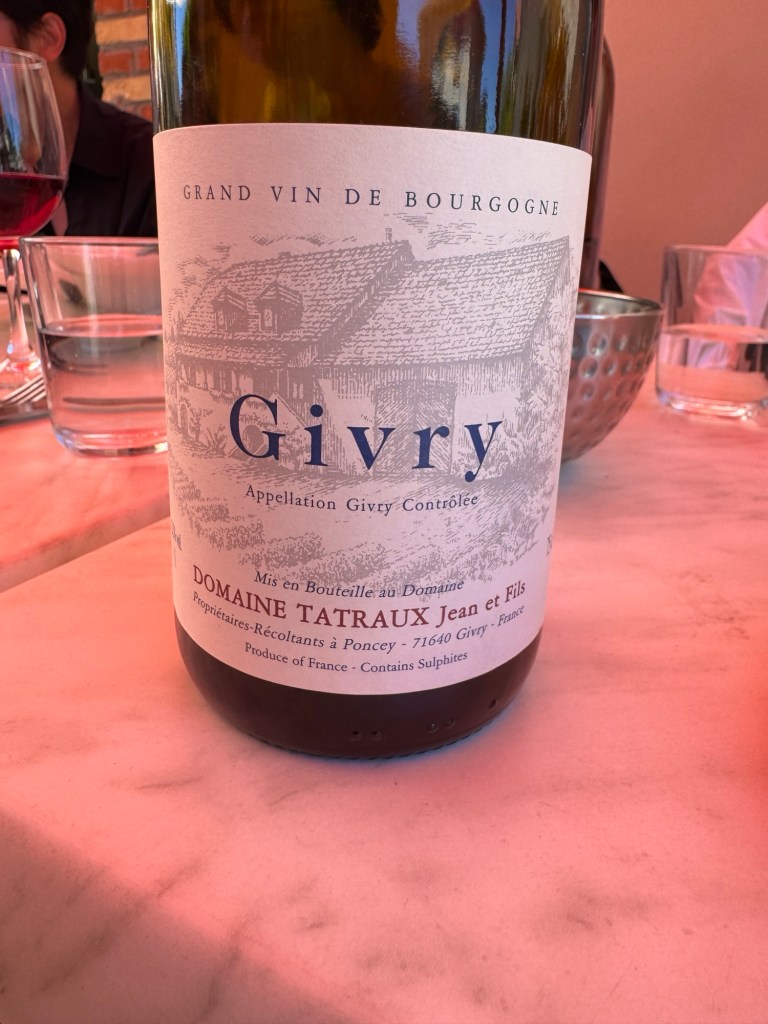
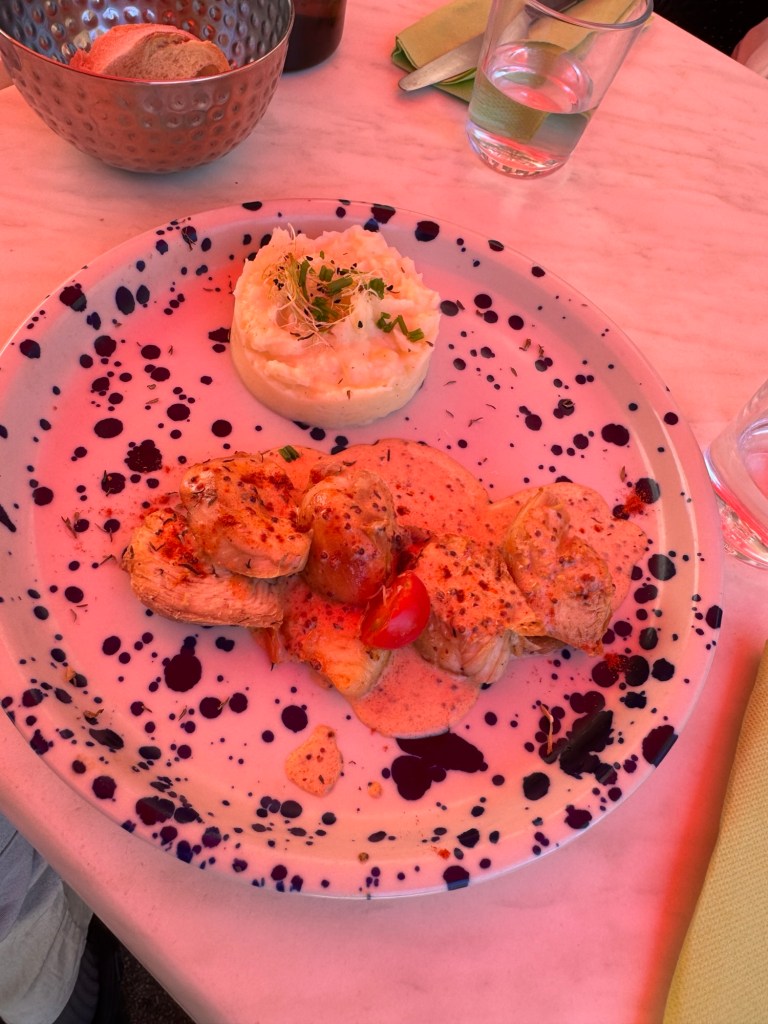
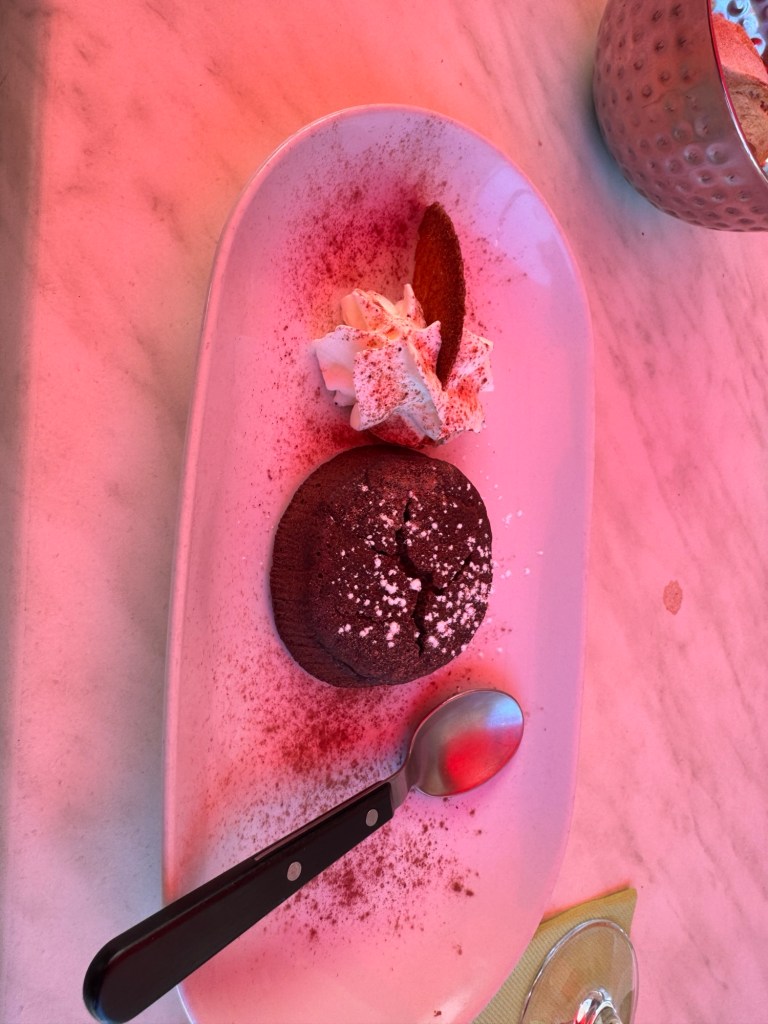
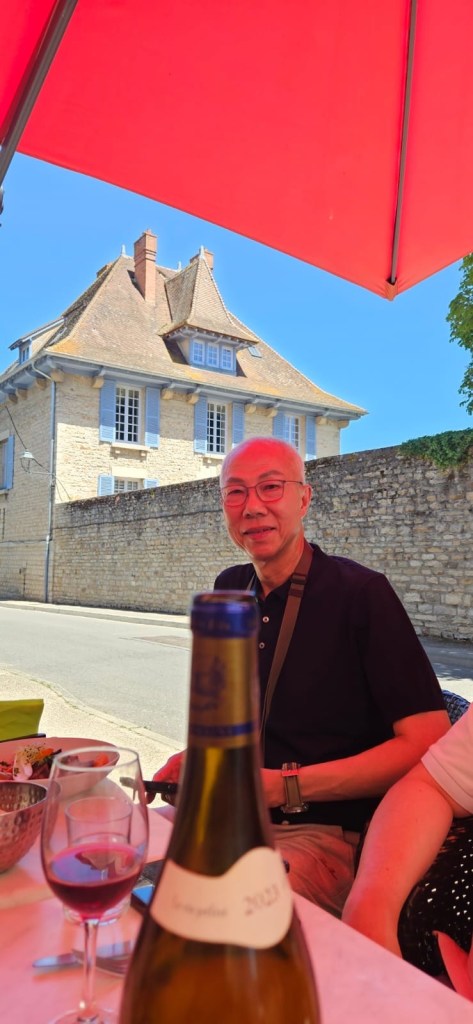
We drove a long way to the city of Cluny near Lyon. Before going to the Abbey we had lunch near by at La Halle de I’ Abbeye


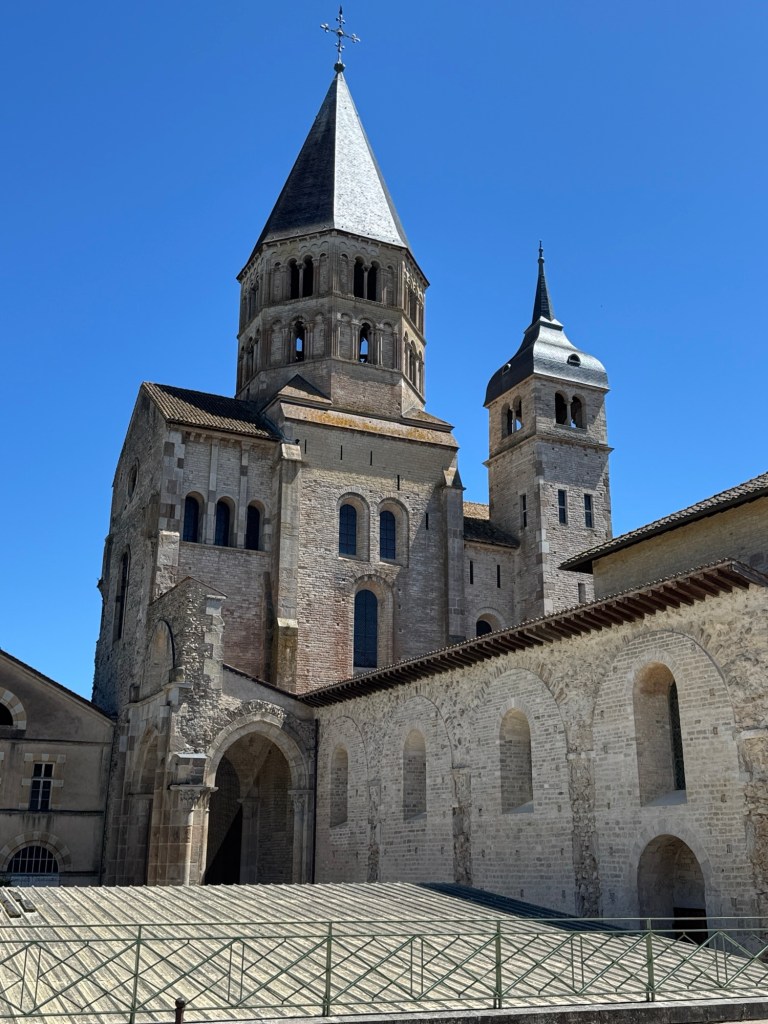
Then we went into the Cluny Abbey. It was constructed in the Romanesque architectural style, with three churches built in succession from the 4th to the early 12th centuries. The earliest basilicawas the world’s largest church until the St. Peter’s Basilica construction began in Rome
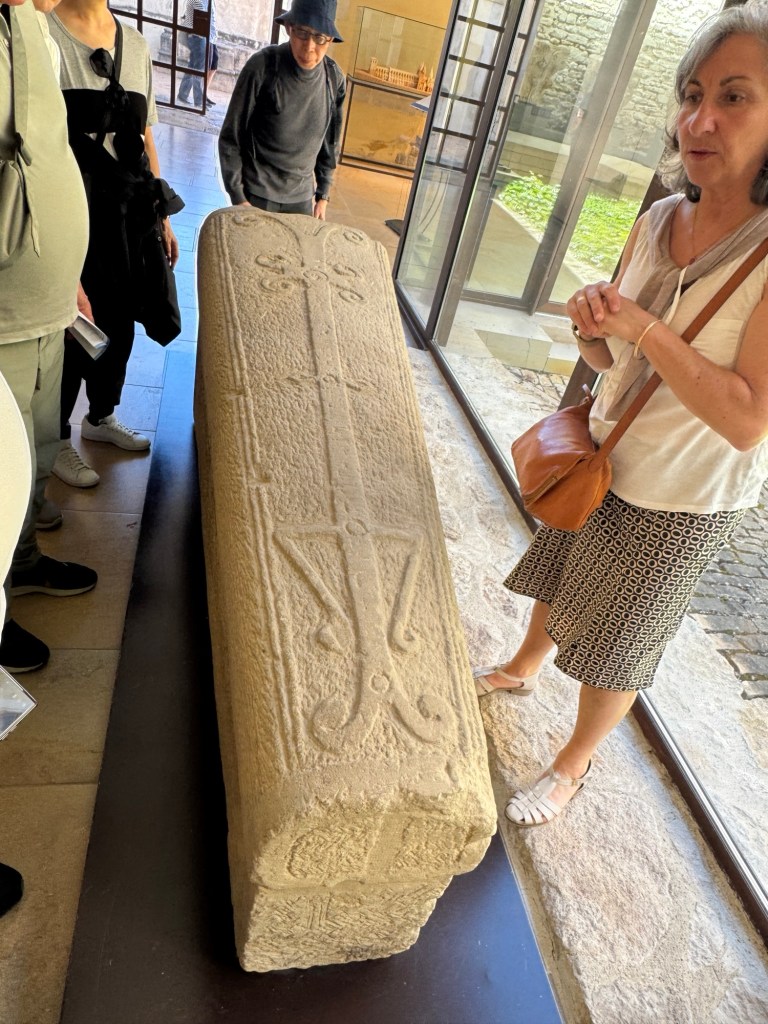

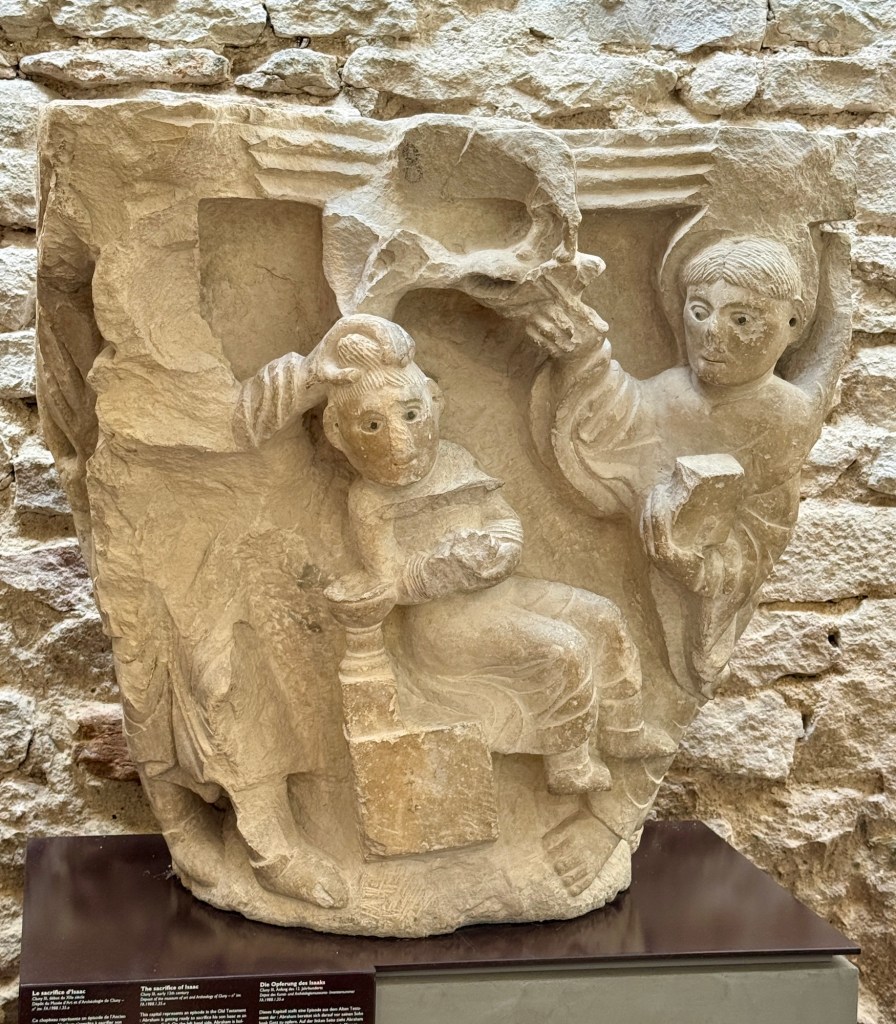
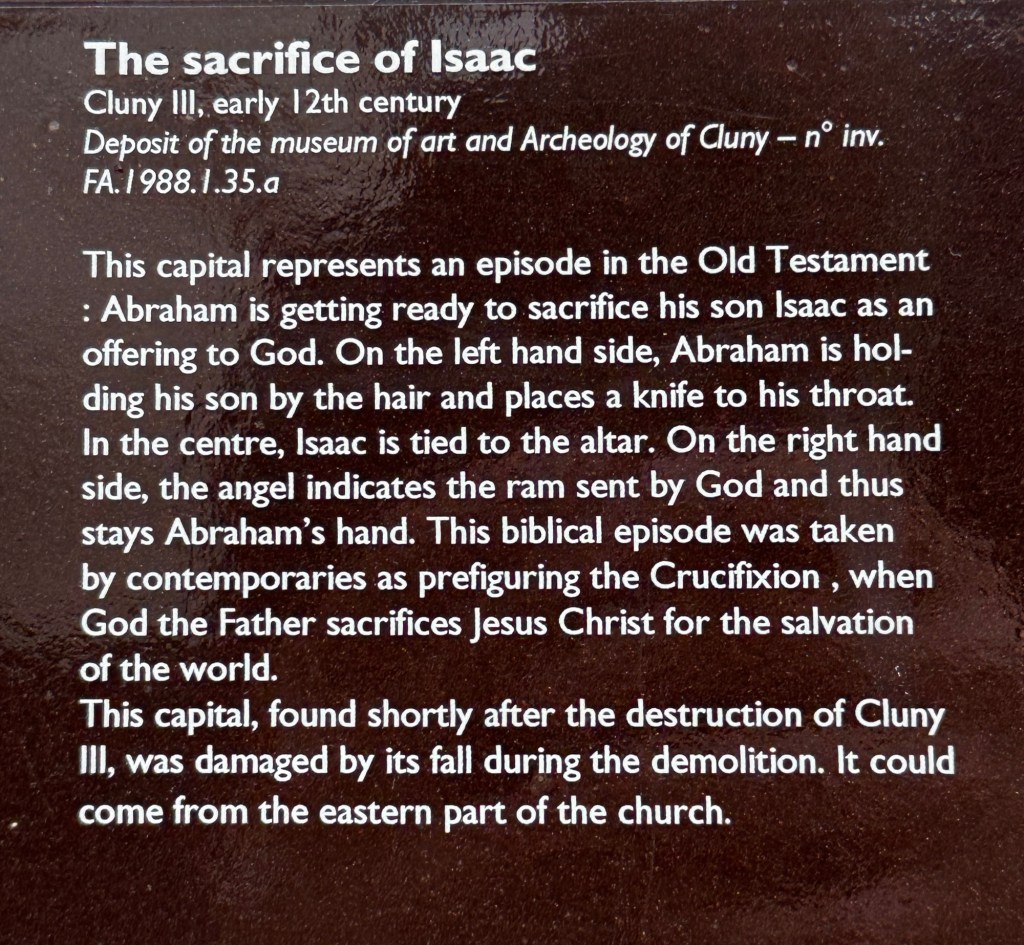

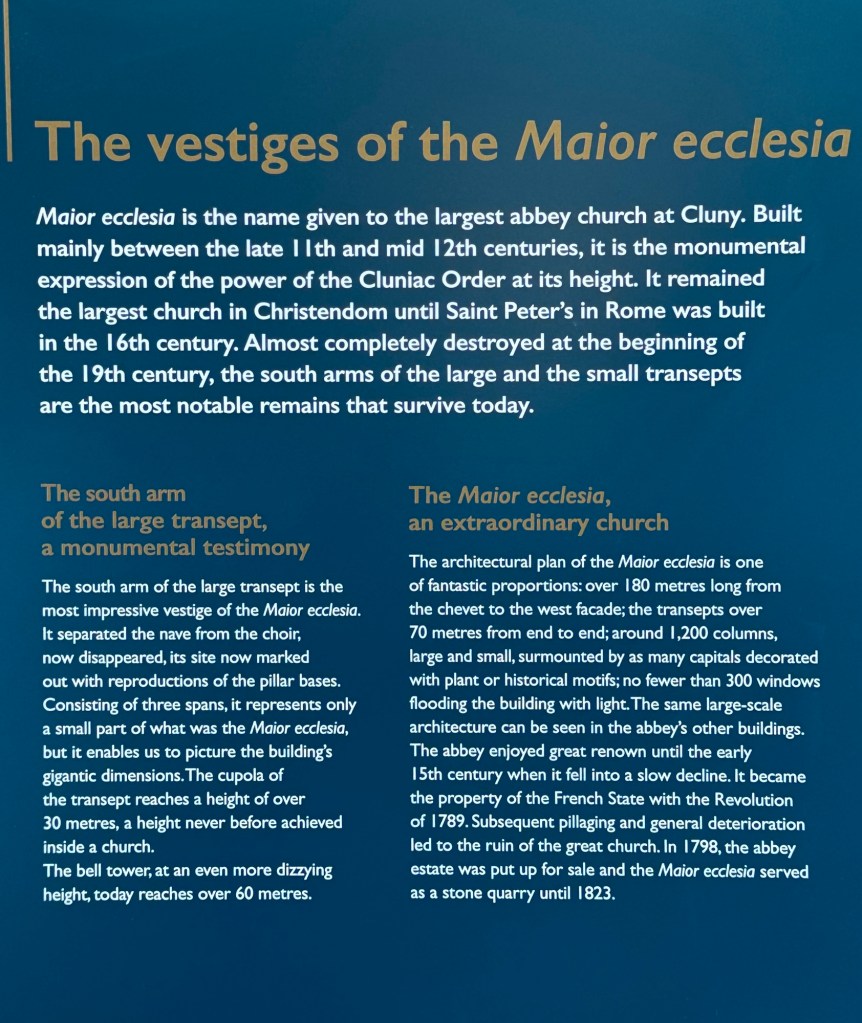
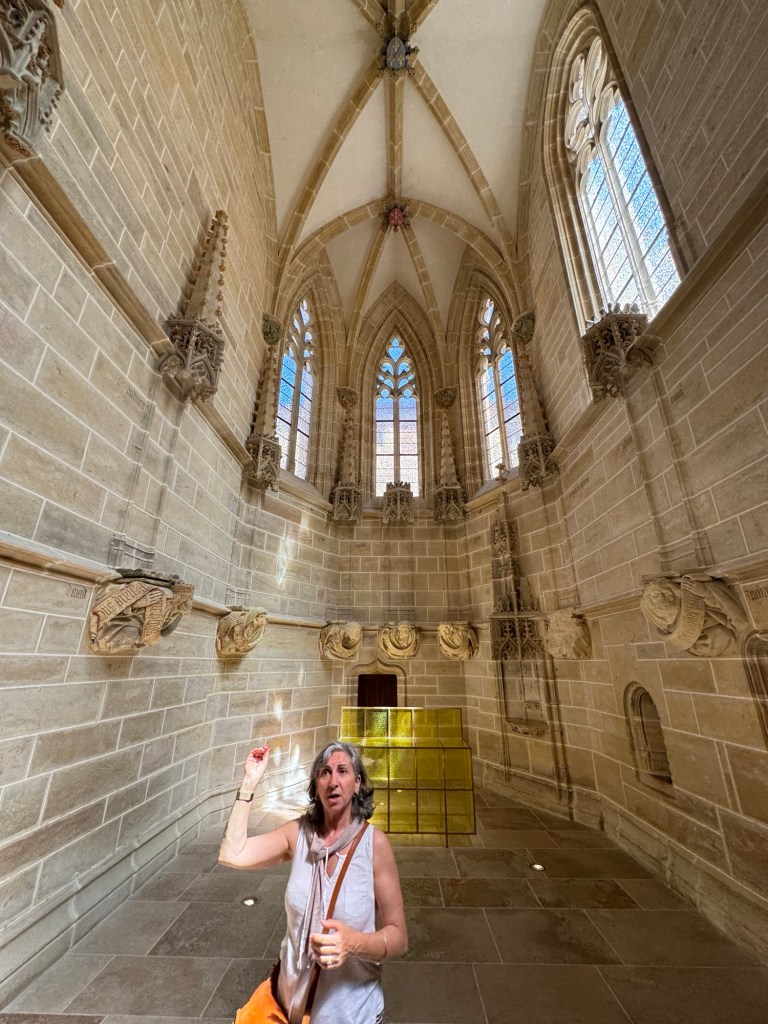
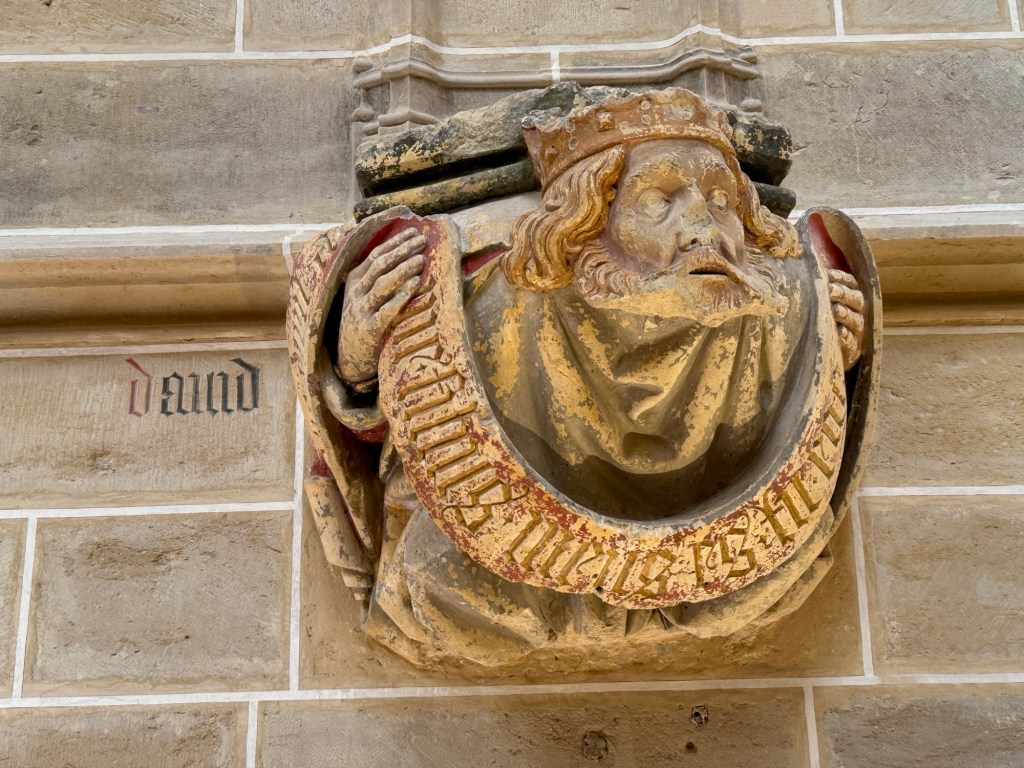
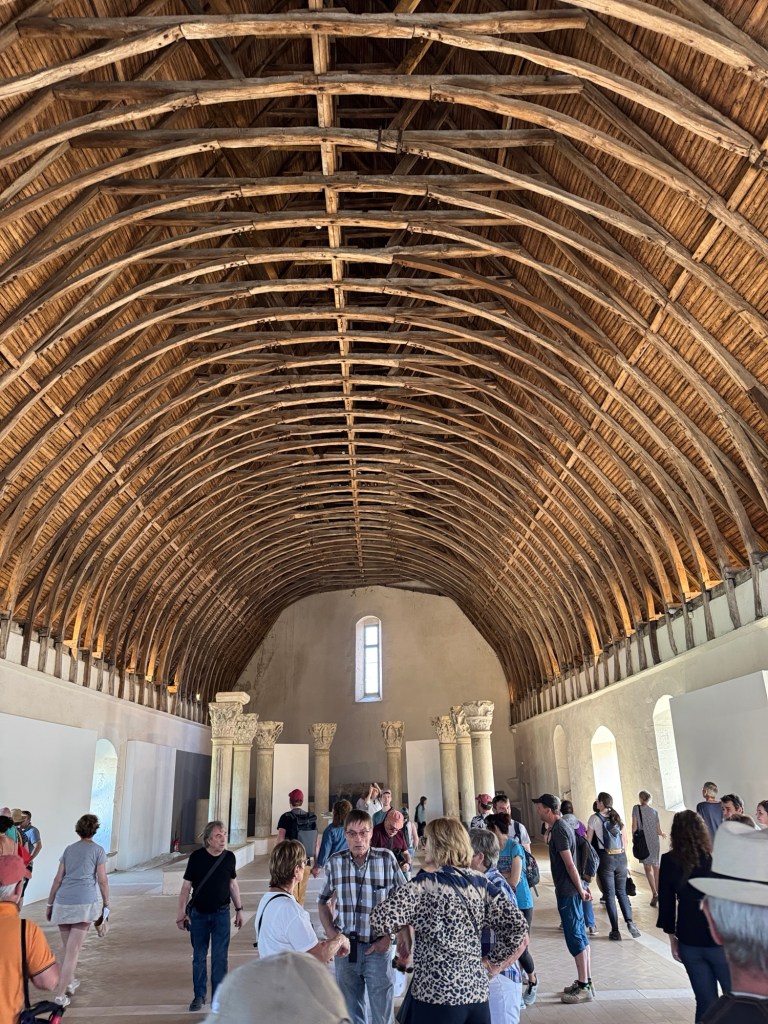
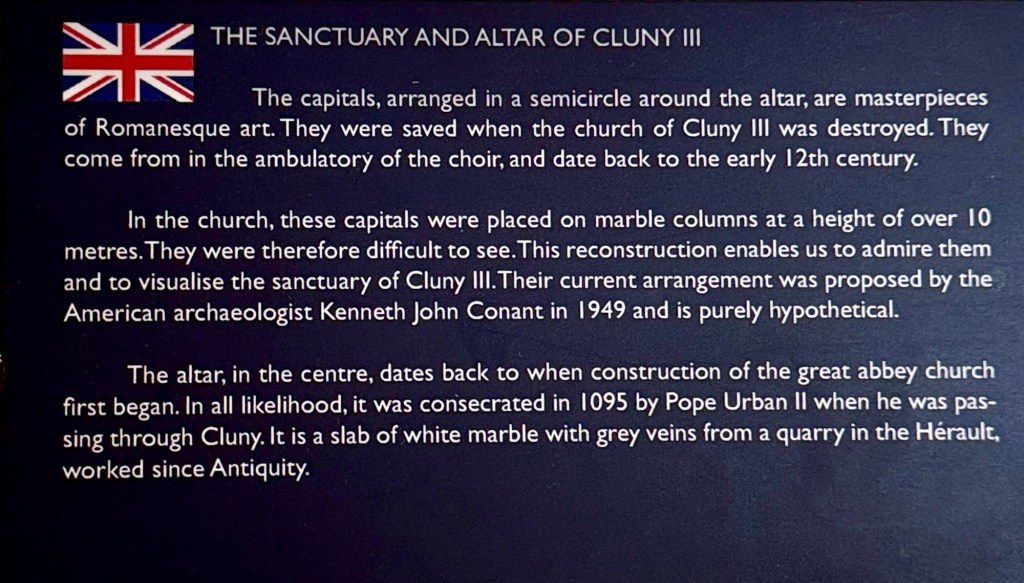
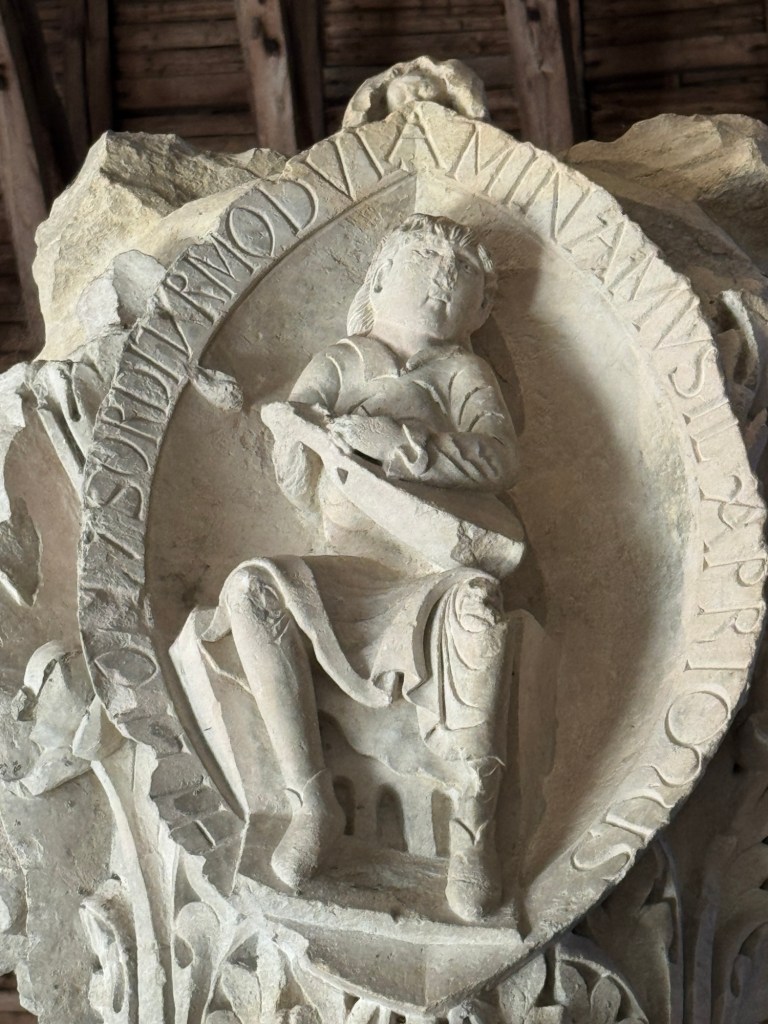
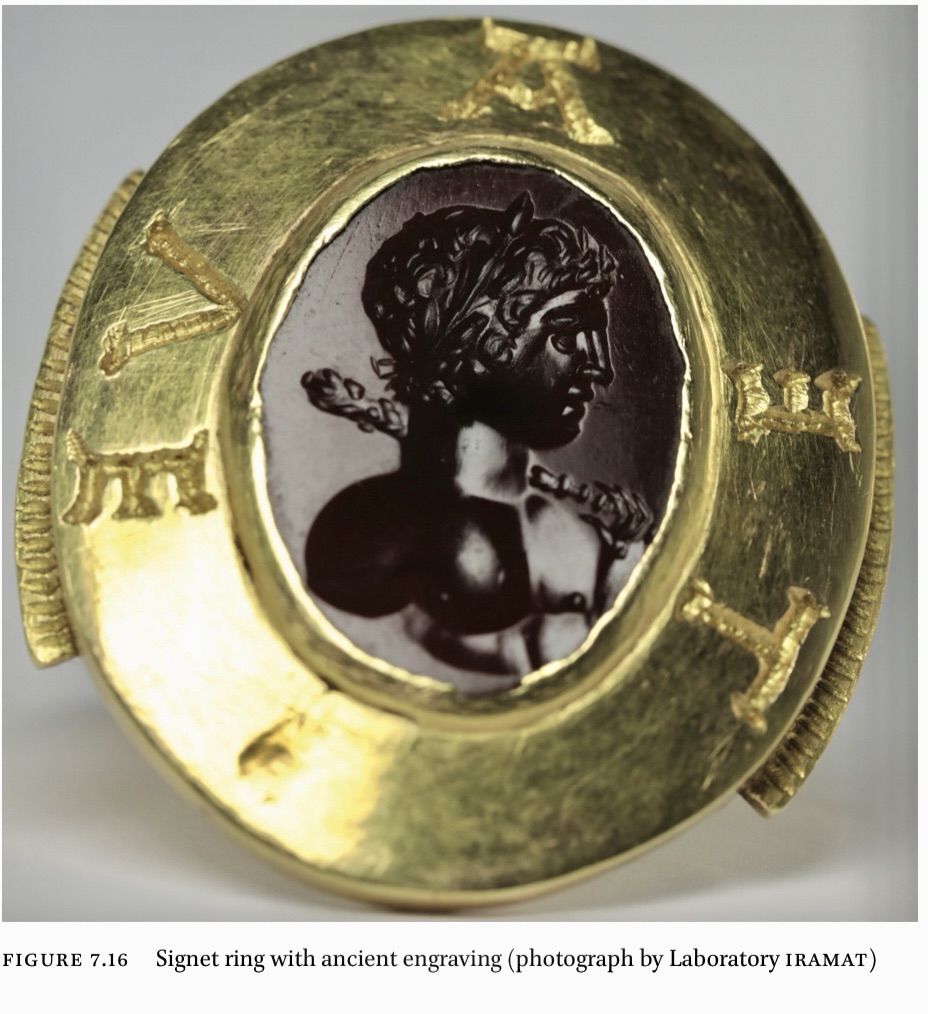
Our guide told us there were some treasures excavated from the Abbey infirmary. I have digged up a few:


Then we visited Chateau de Fuisse’ for wine tasting. It is owned by the Vincent family for 5 generations since 1862.


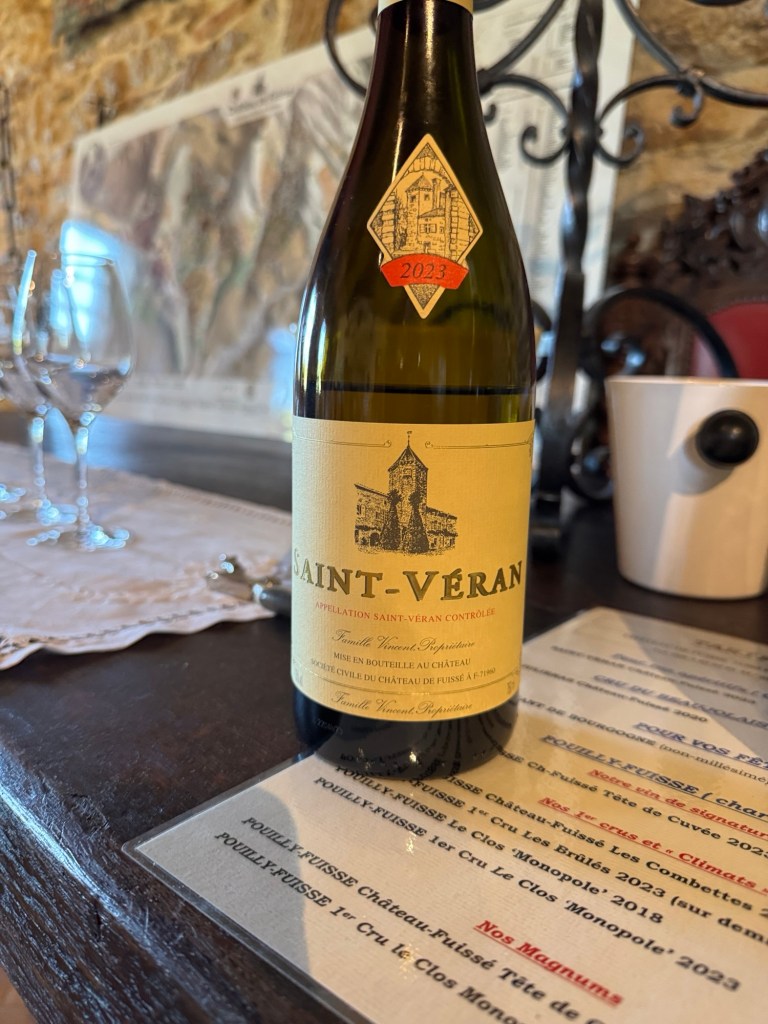
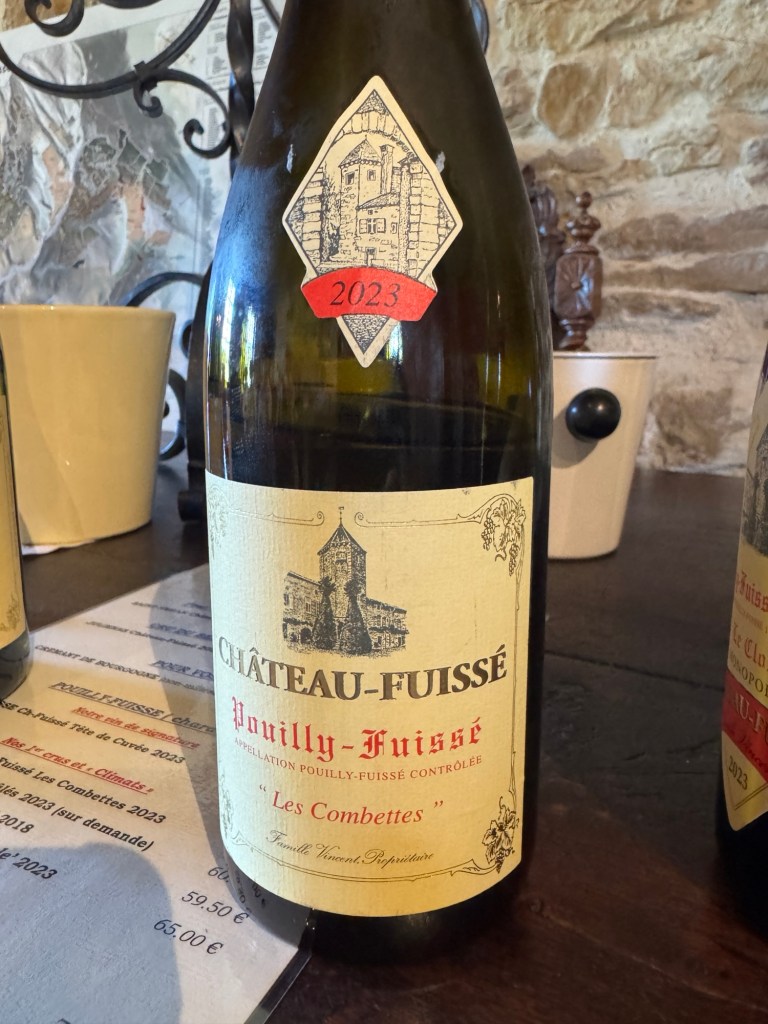
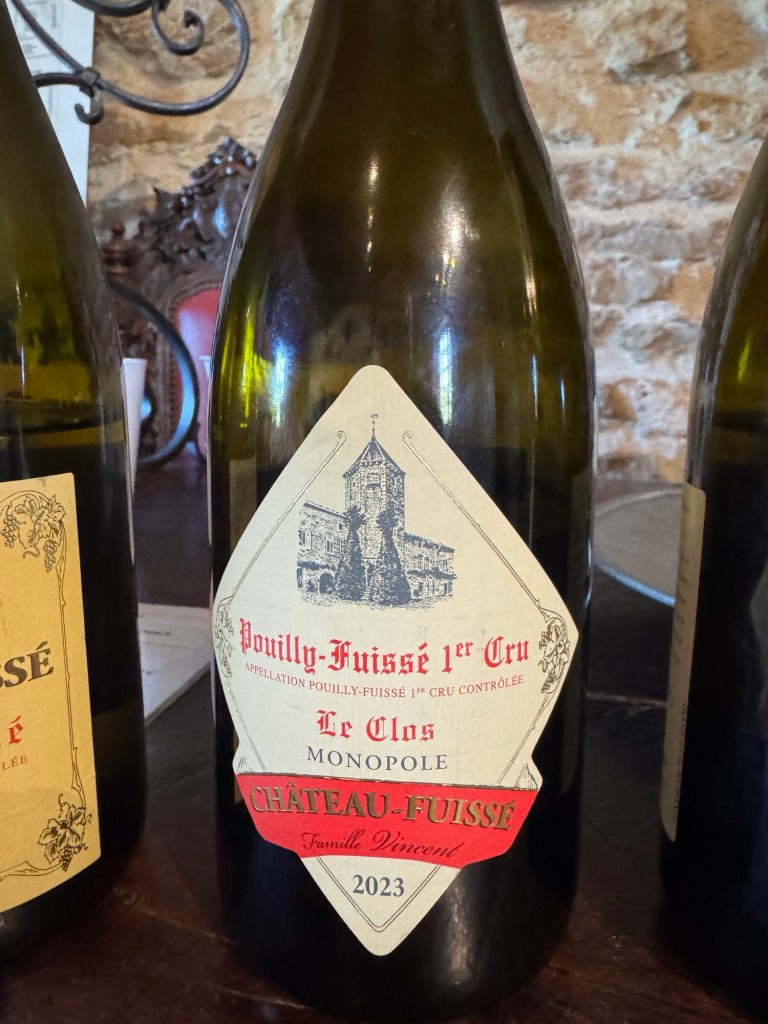


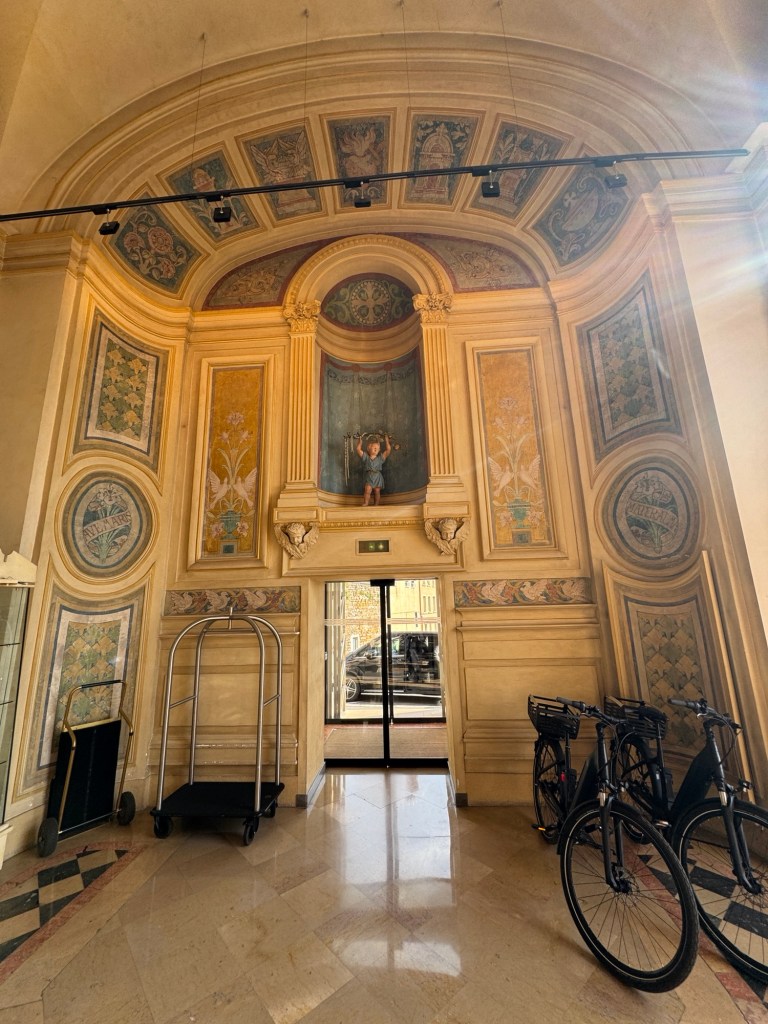
From there we continued to the city of Lyon. Our 5 Star hotel Villa Florentine is located up in the hill so our large tour bus could not go up. We had to change to small cars. It was a former monastery converted to a luxurious hotel and offer a magnificent panorama view of the city below.
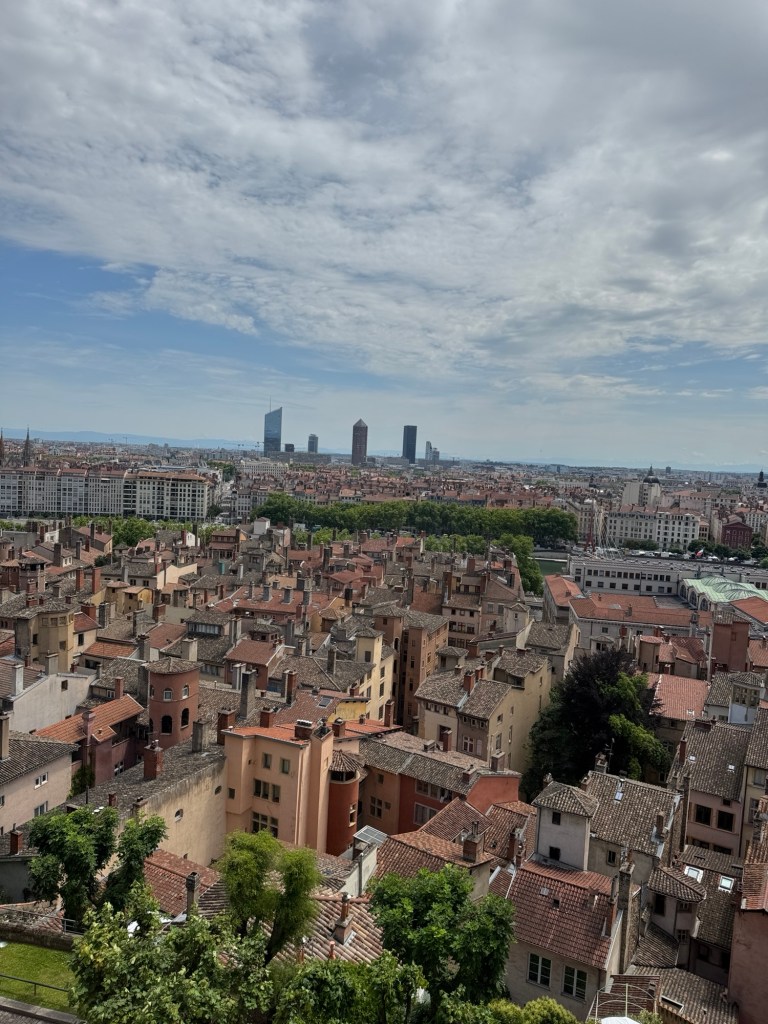
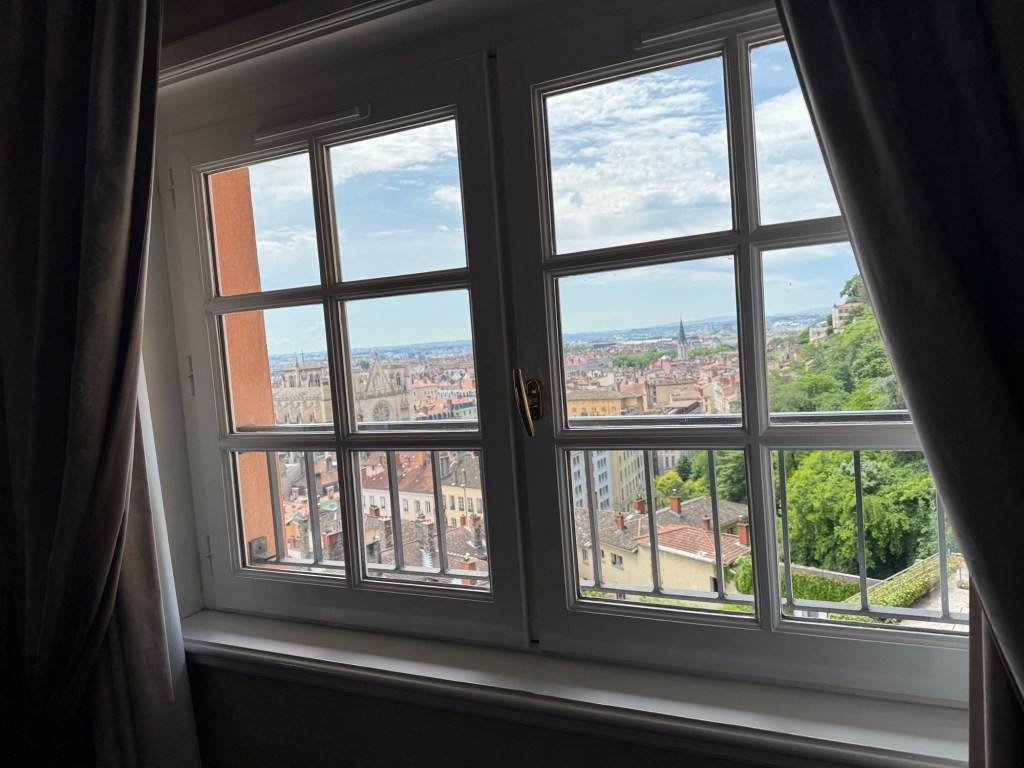
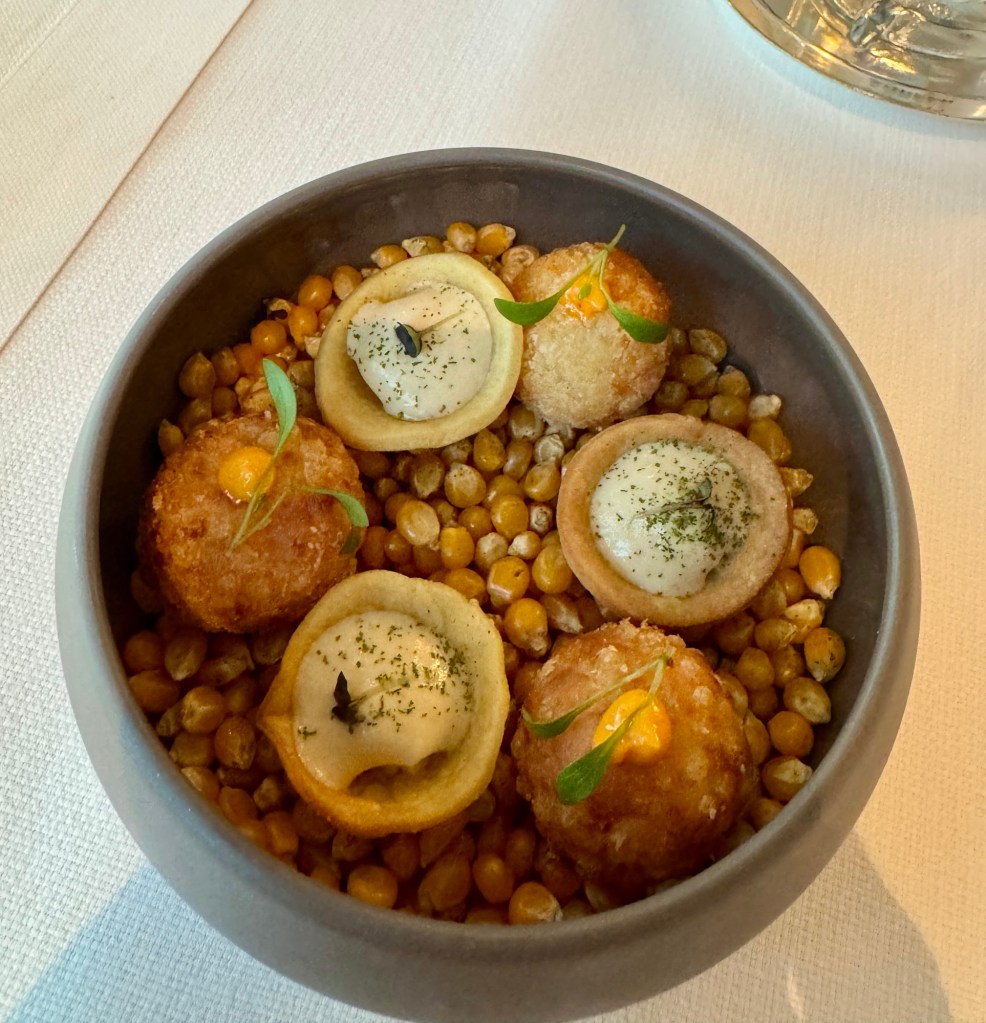
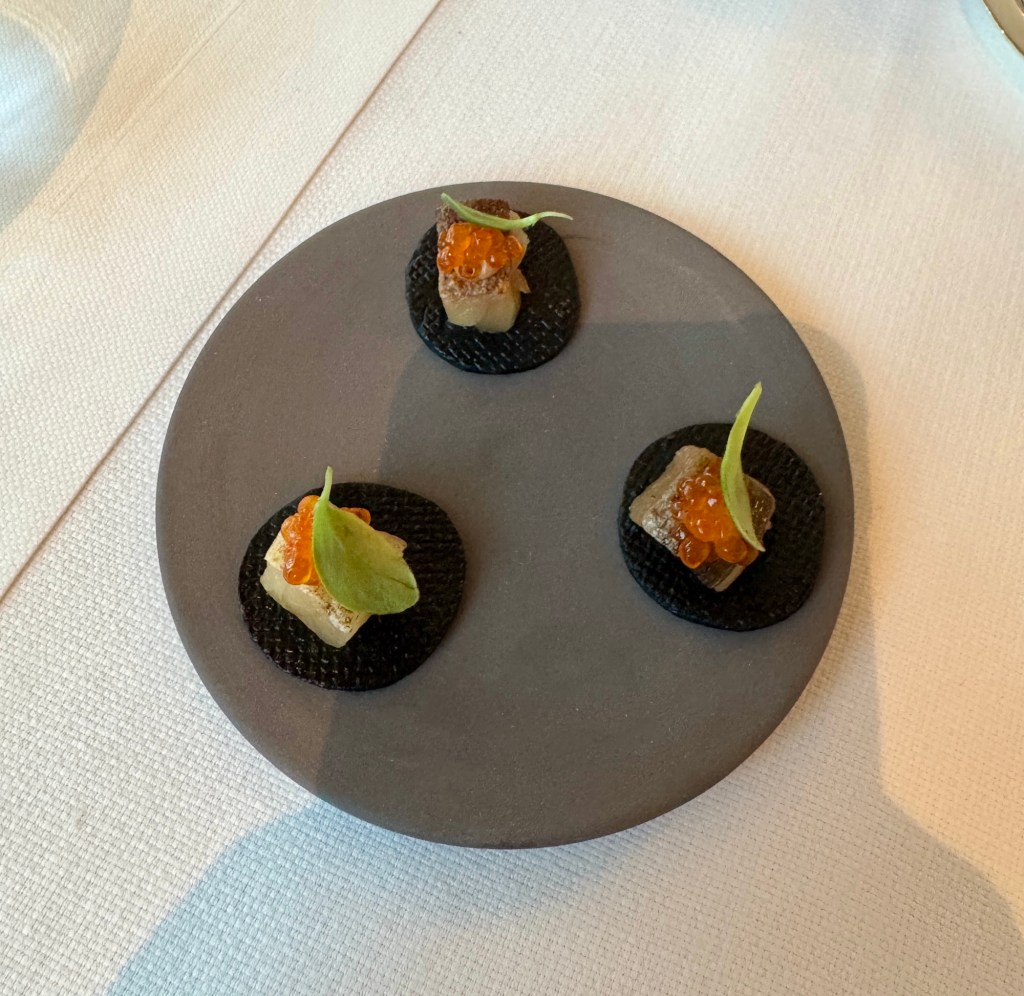
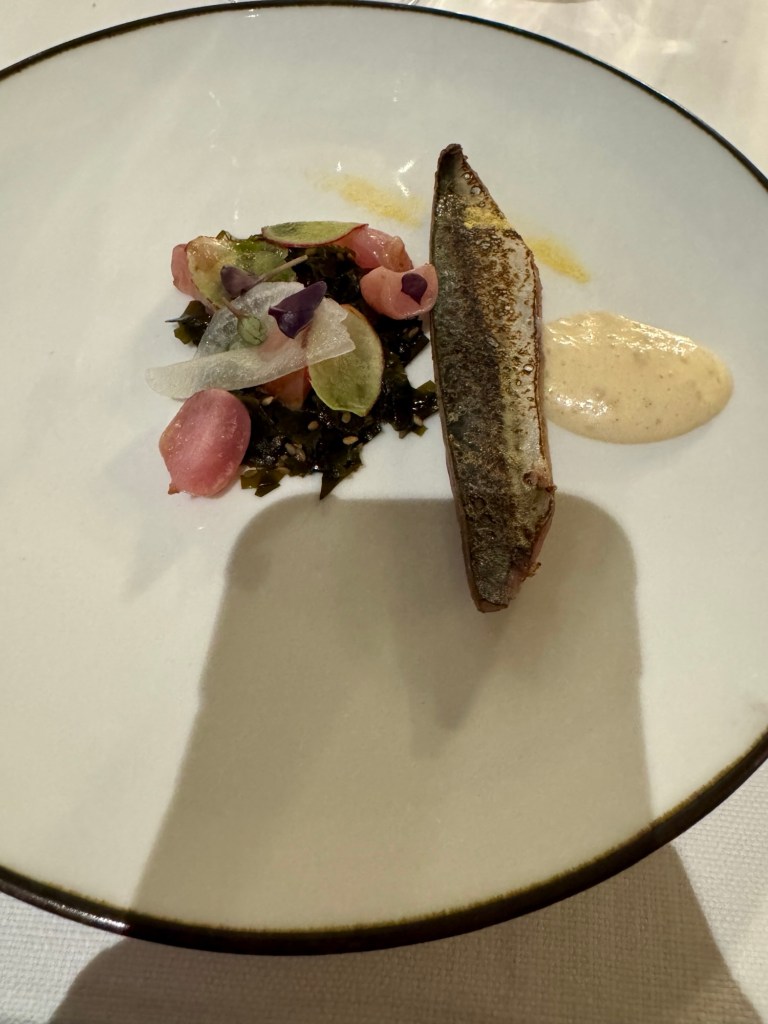
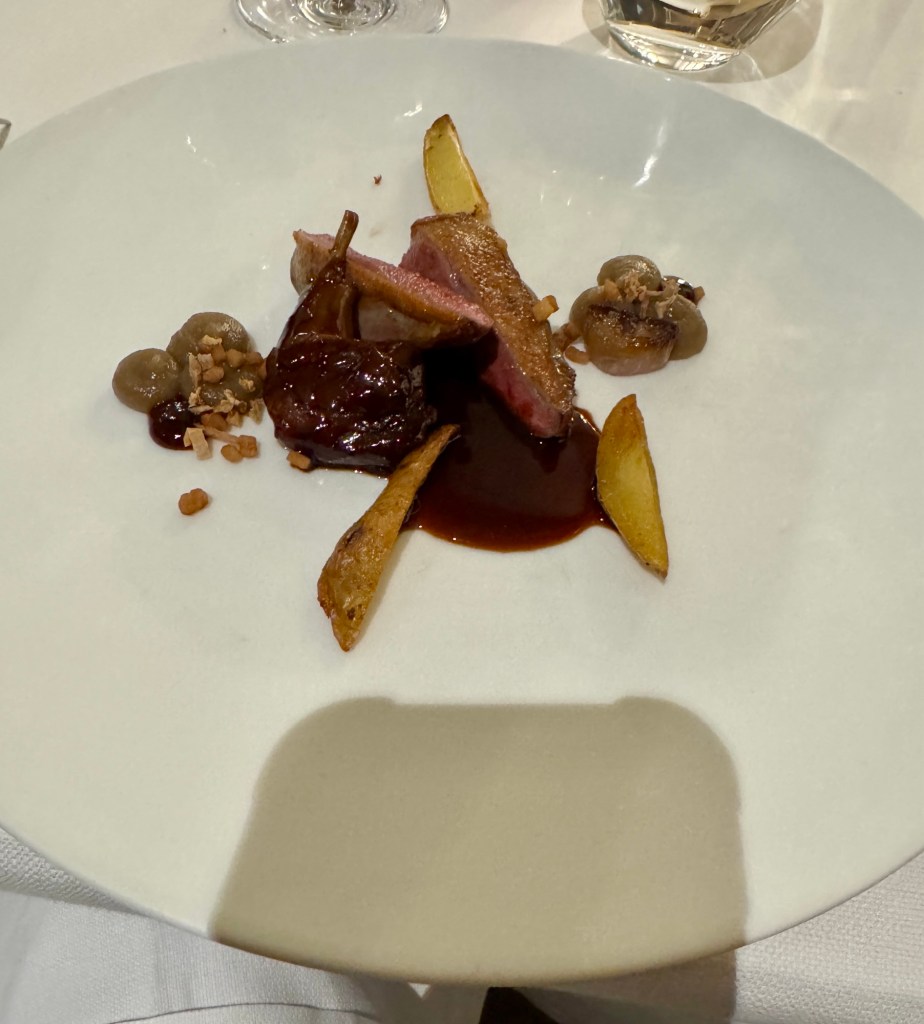
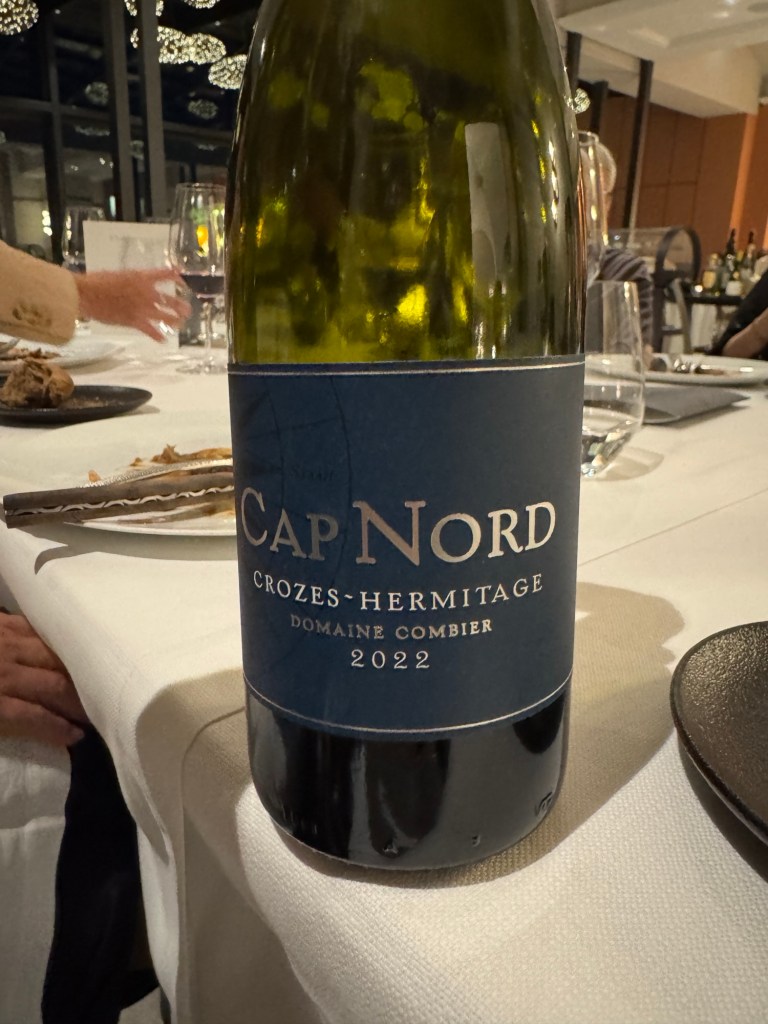
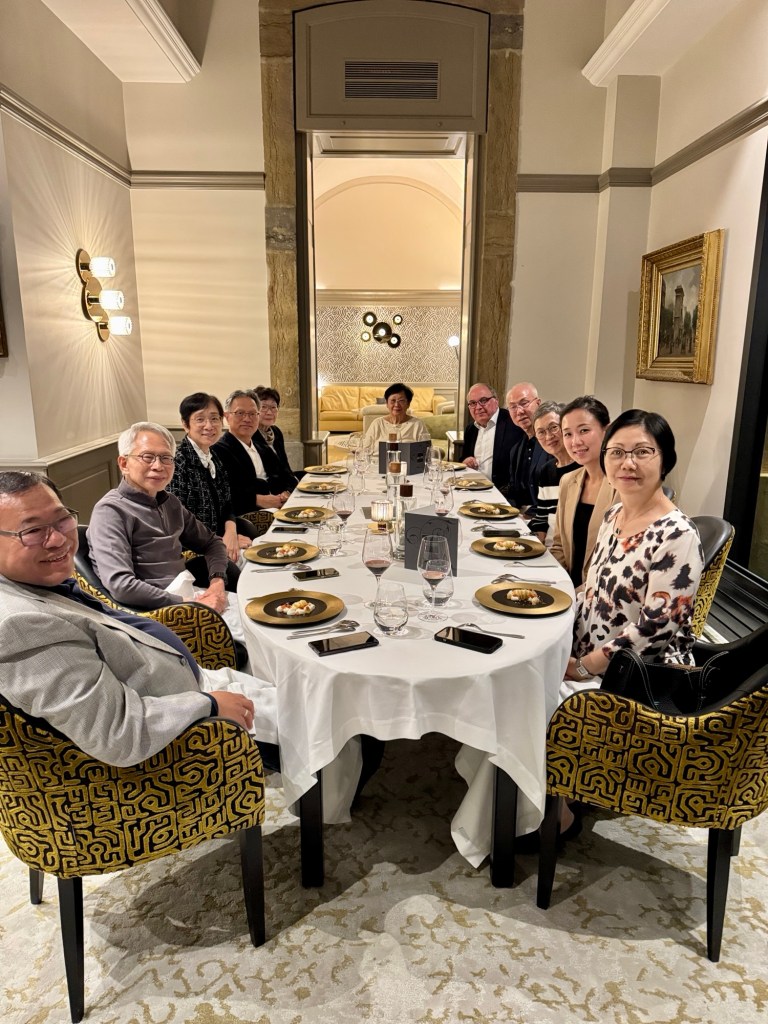
That night we had dinner in our hotel, Les Terrasses de Lyon restaurant, one star restaurant. The view is also stunning.




Day 7, Saturday 31/5
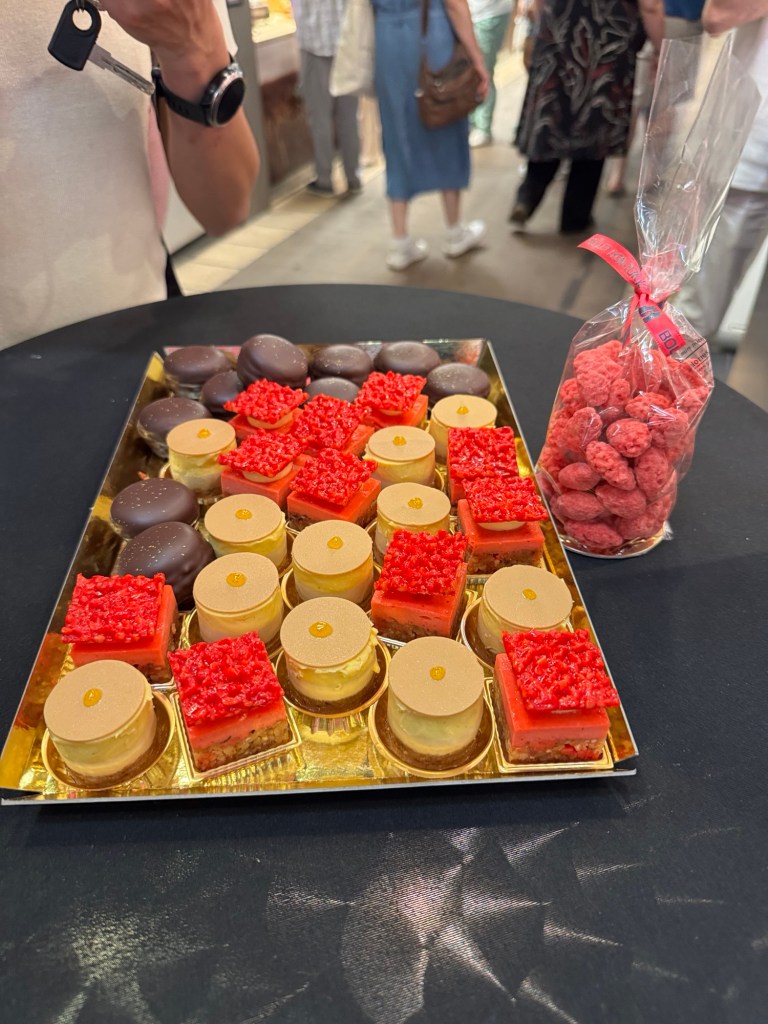
In the morning we went to the les Halles – temple of gastronomy for wine and food tasting and then back to hotel for rest. We didn’t have lunch because of the food tasting in the whole morning.


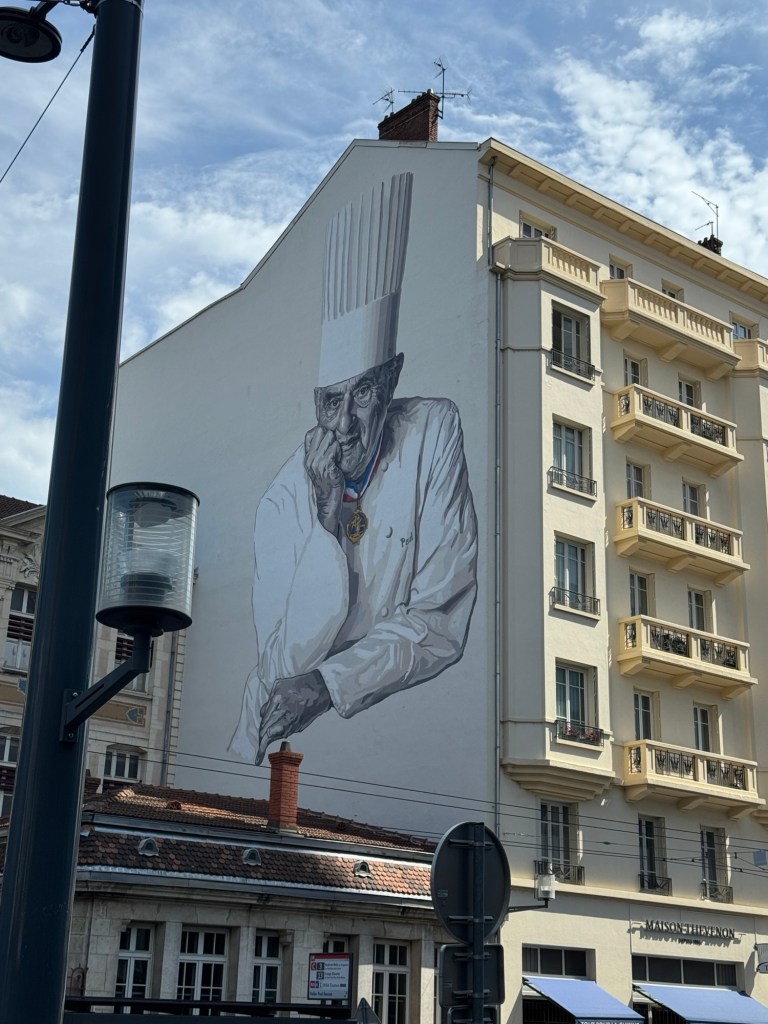


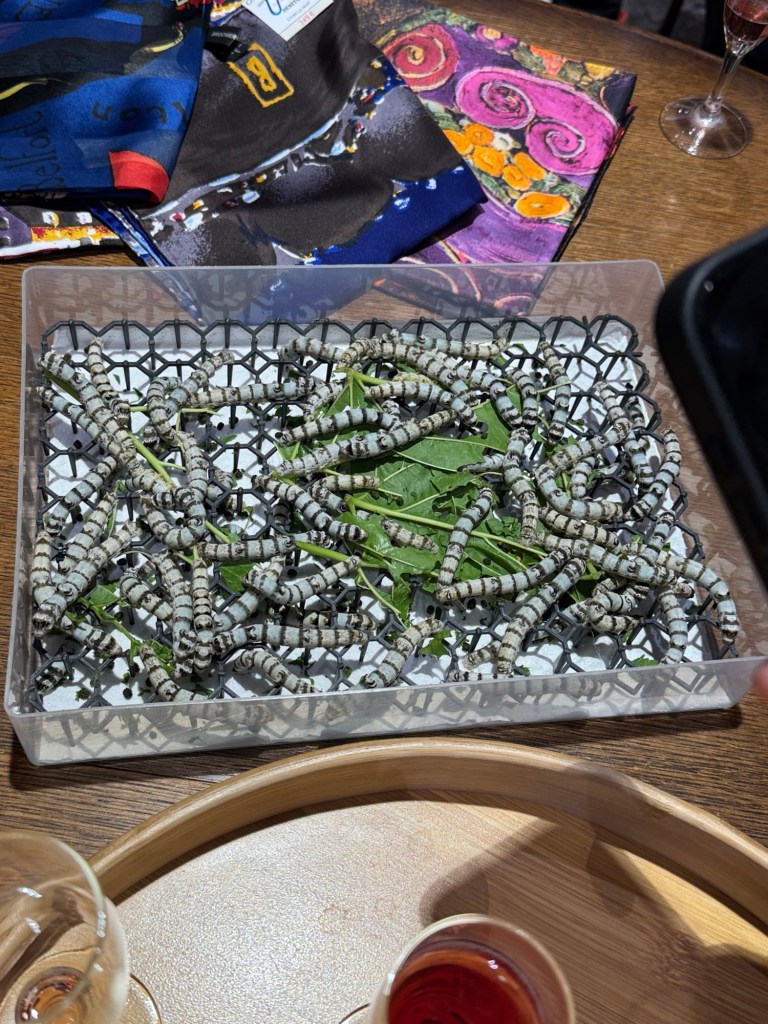
After a rest in our hotel we took a walk to the city again for a tour of the old city and visit a silk shop.
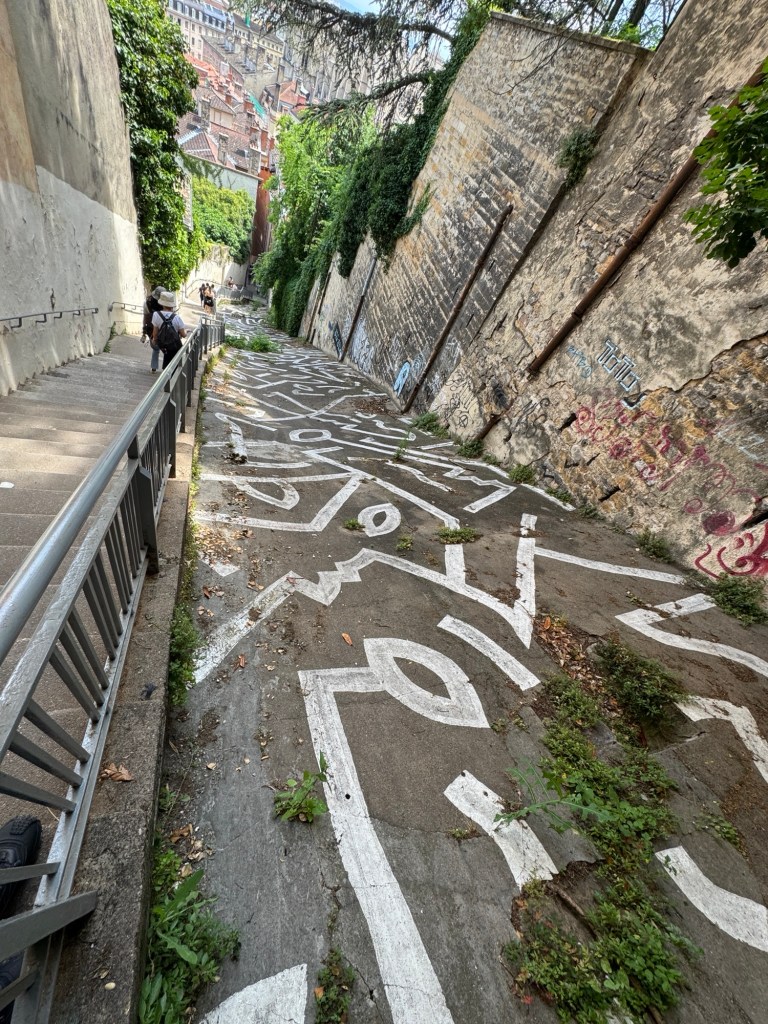

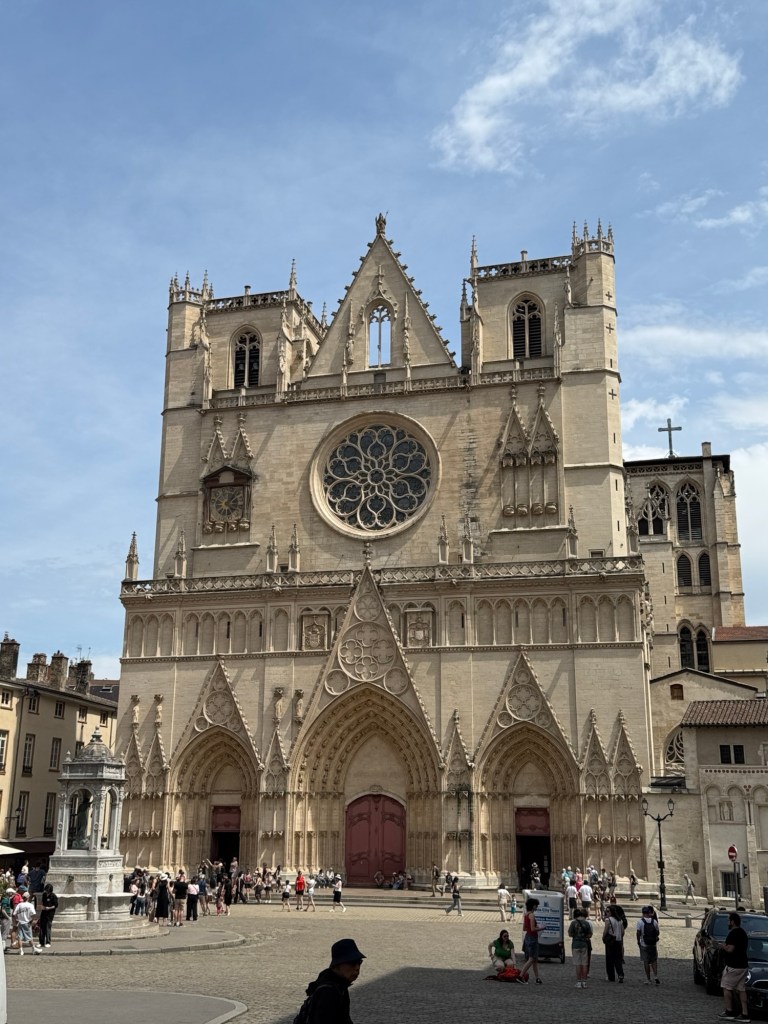
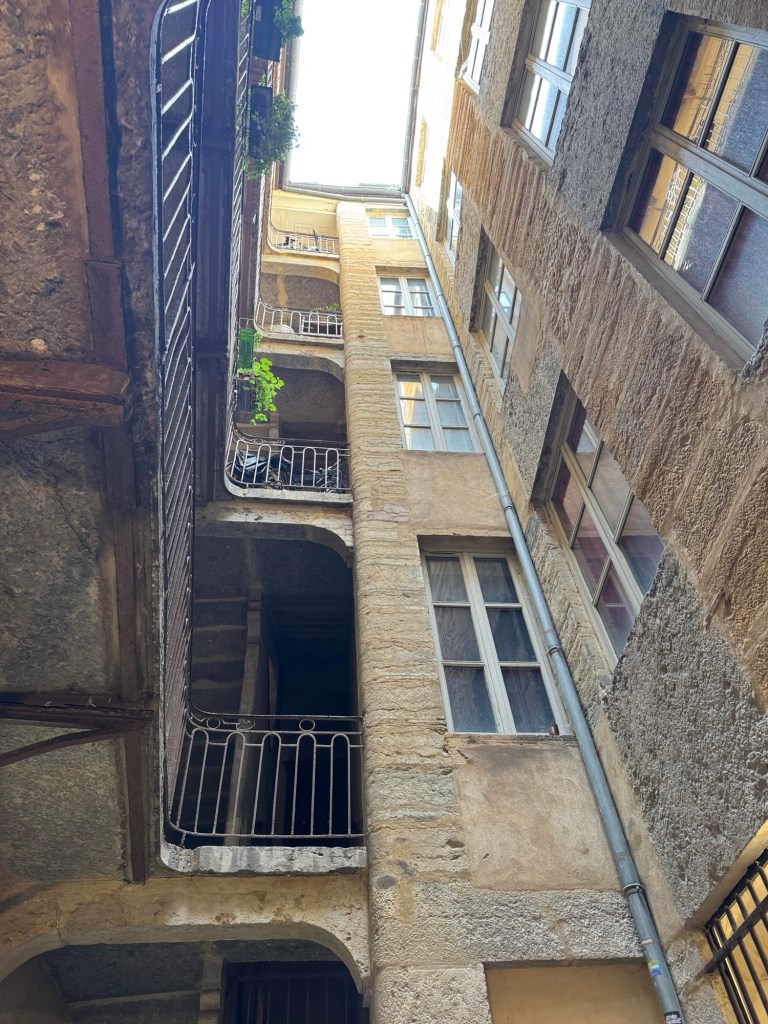
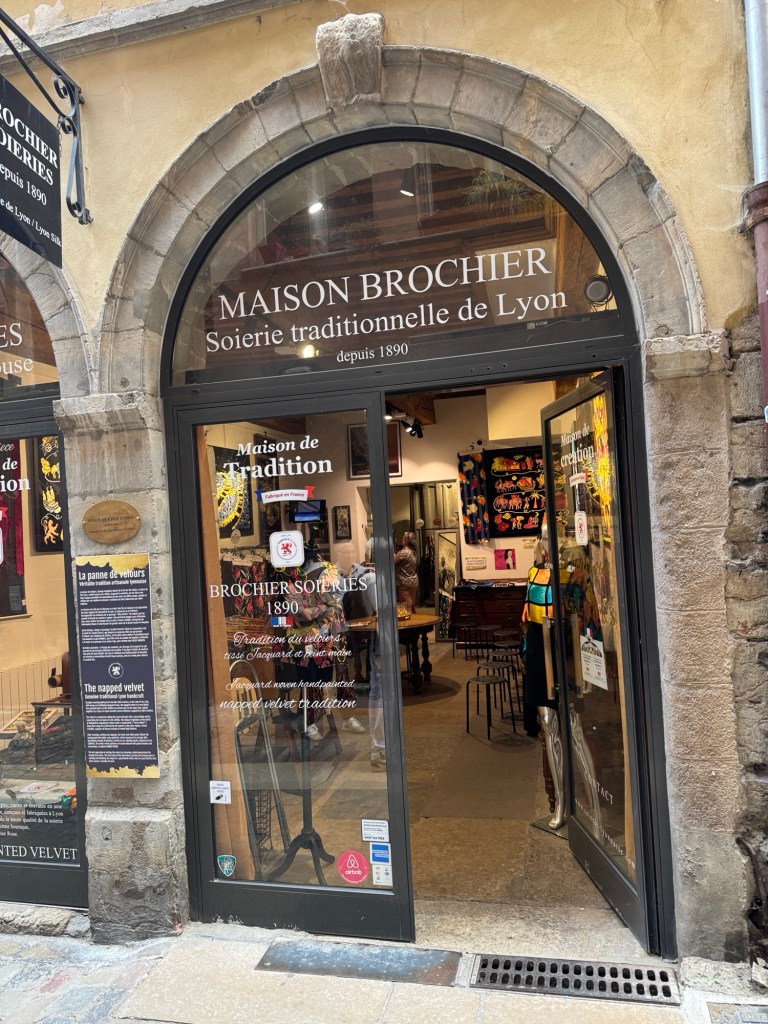

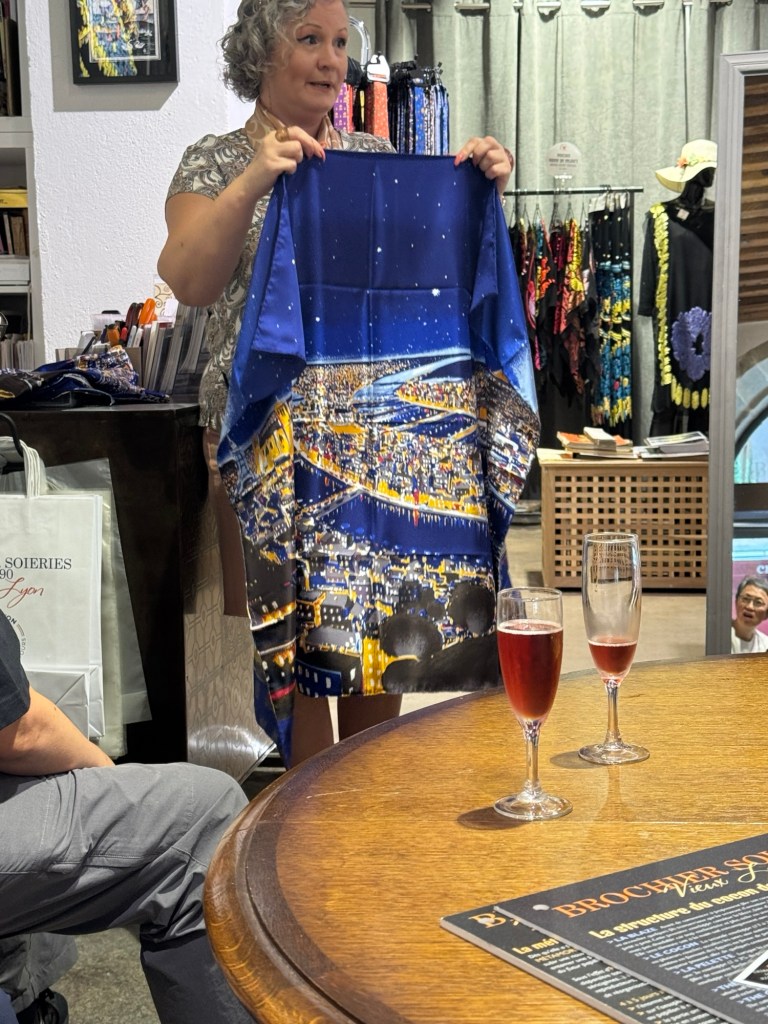
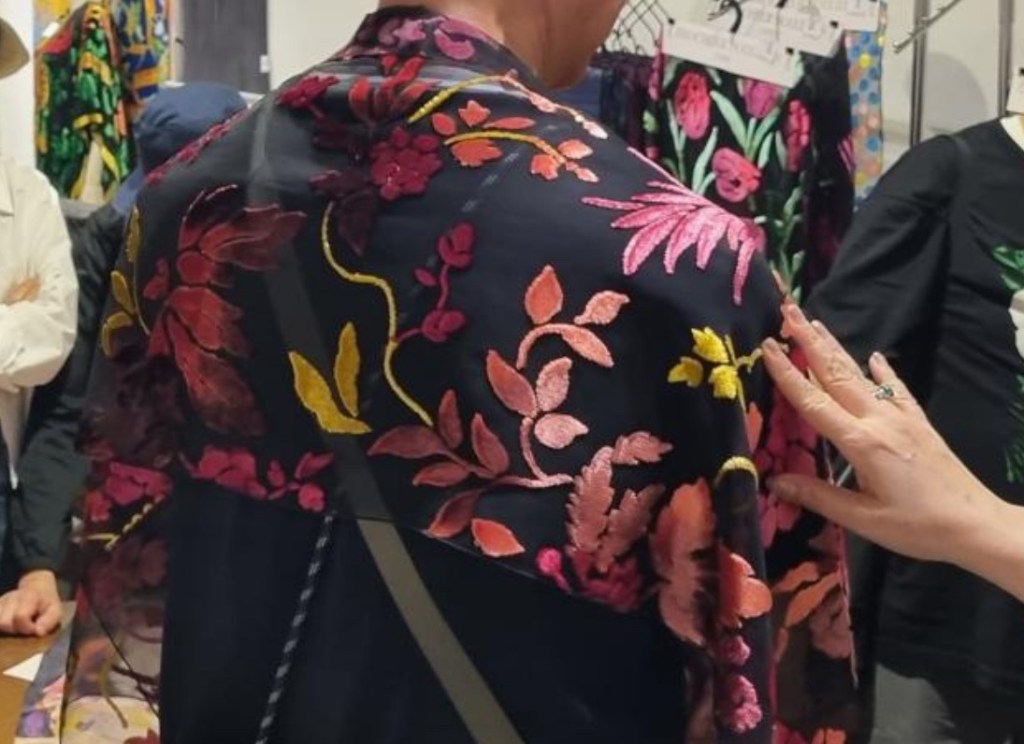
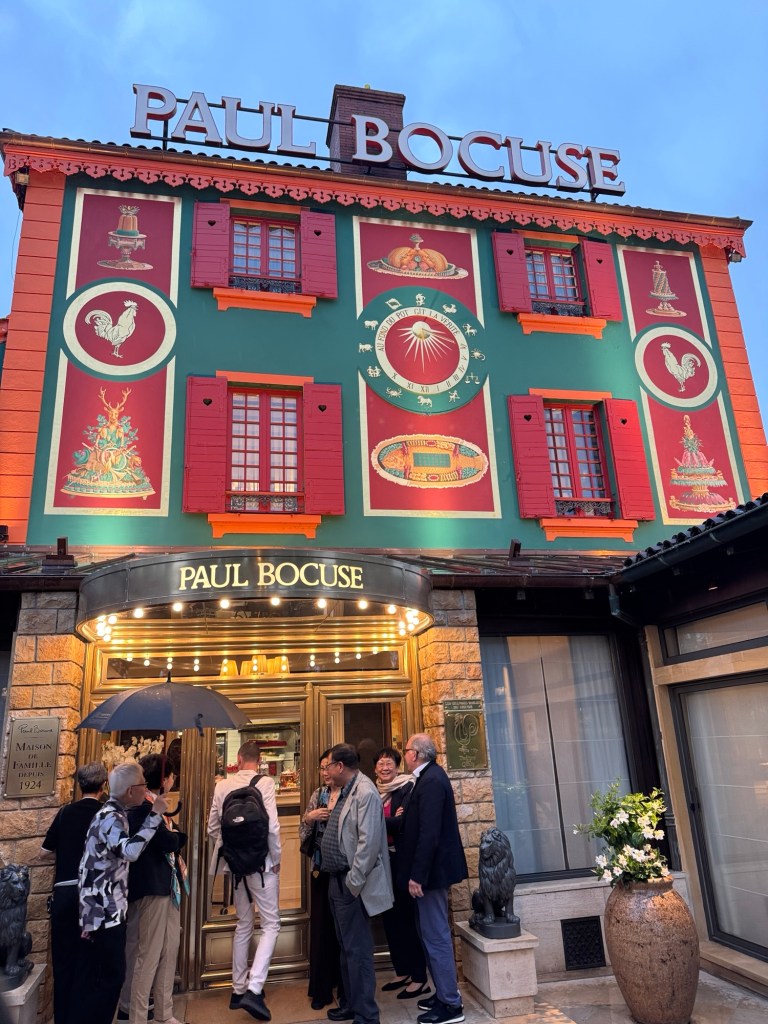
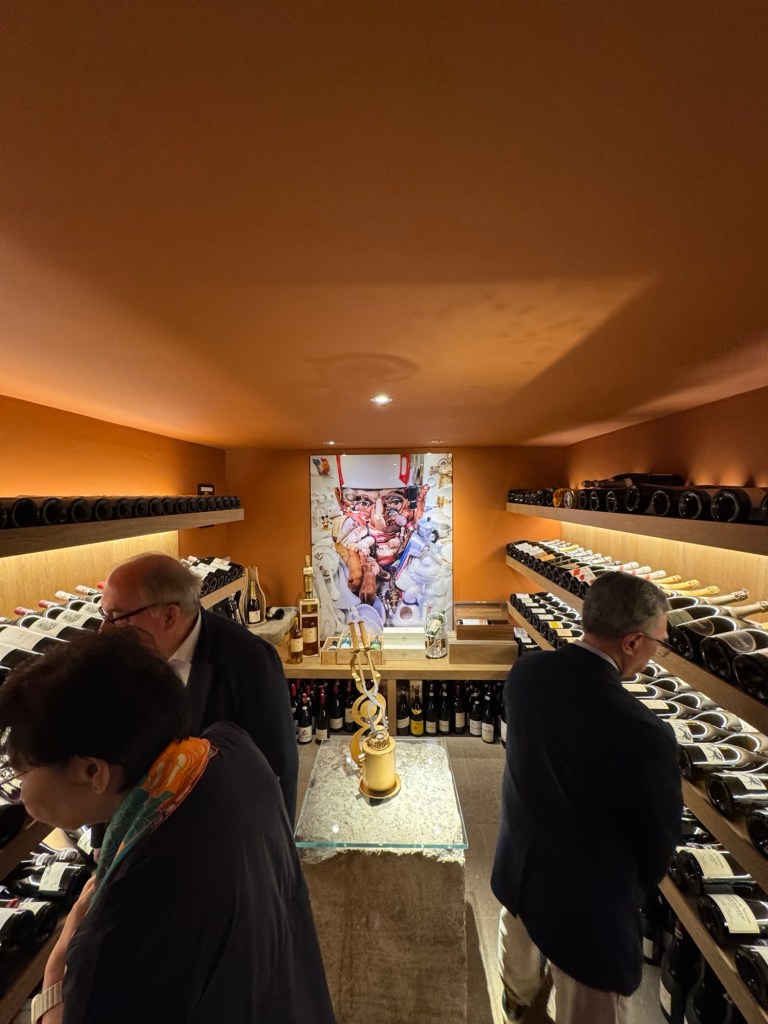
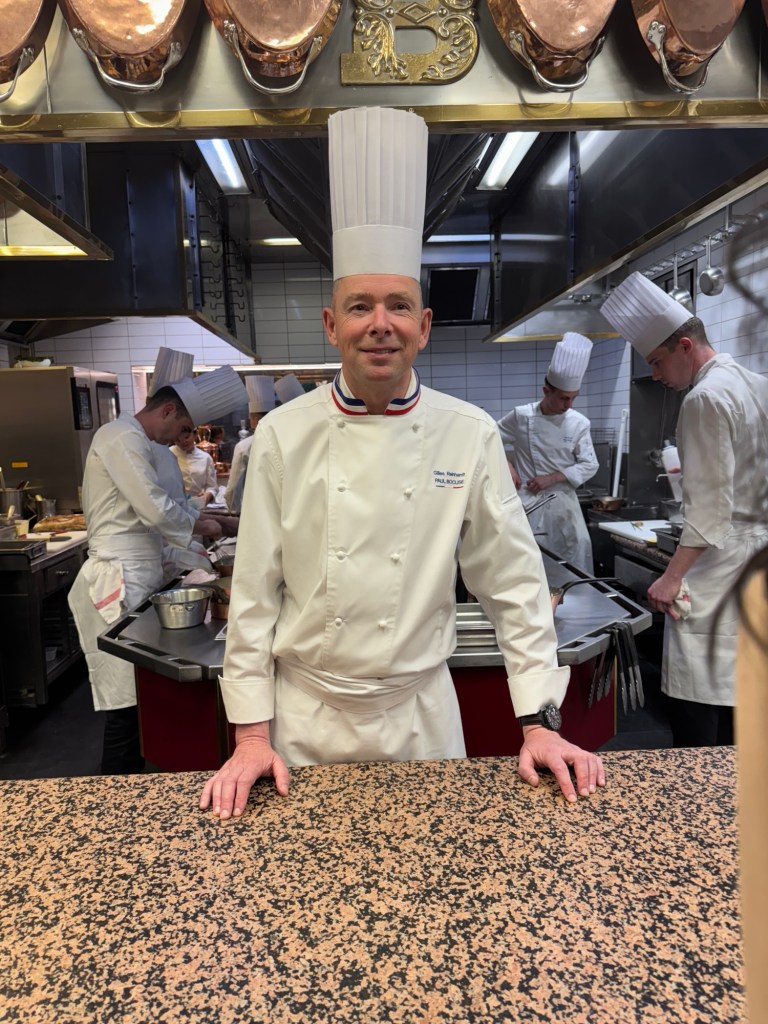
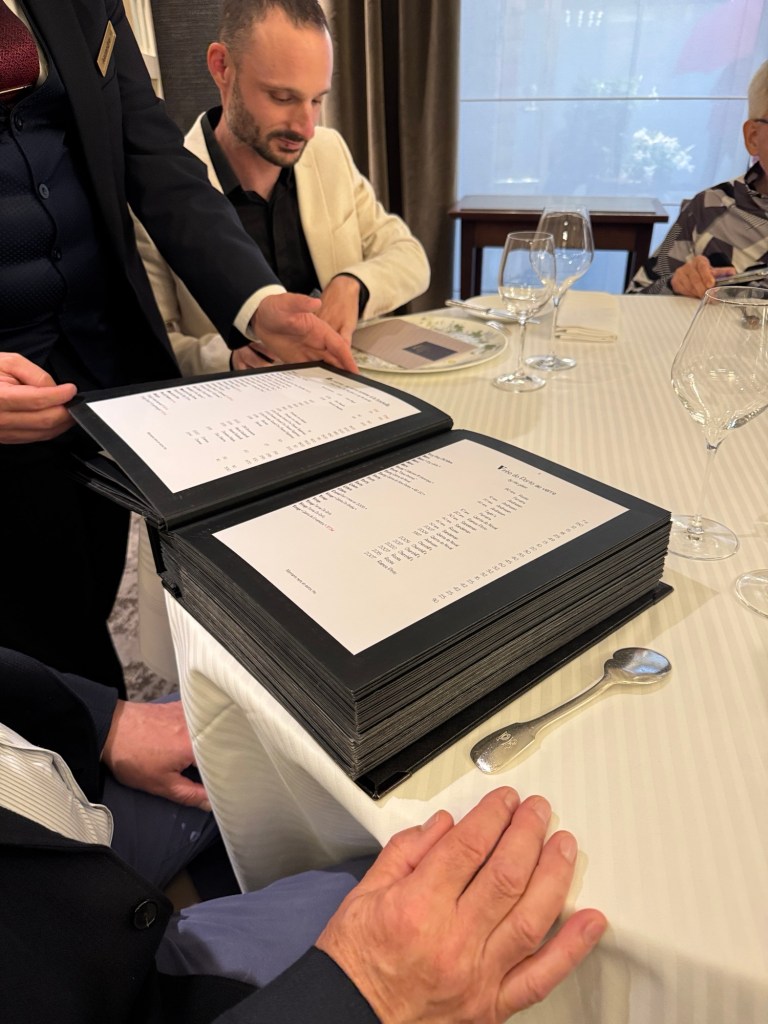
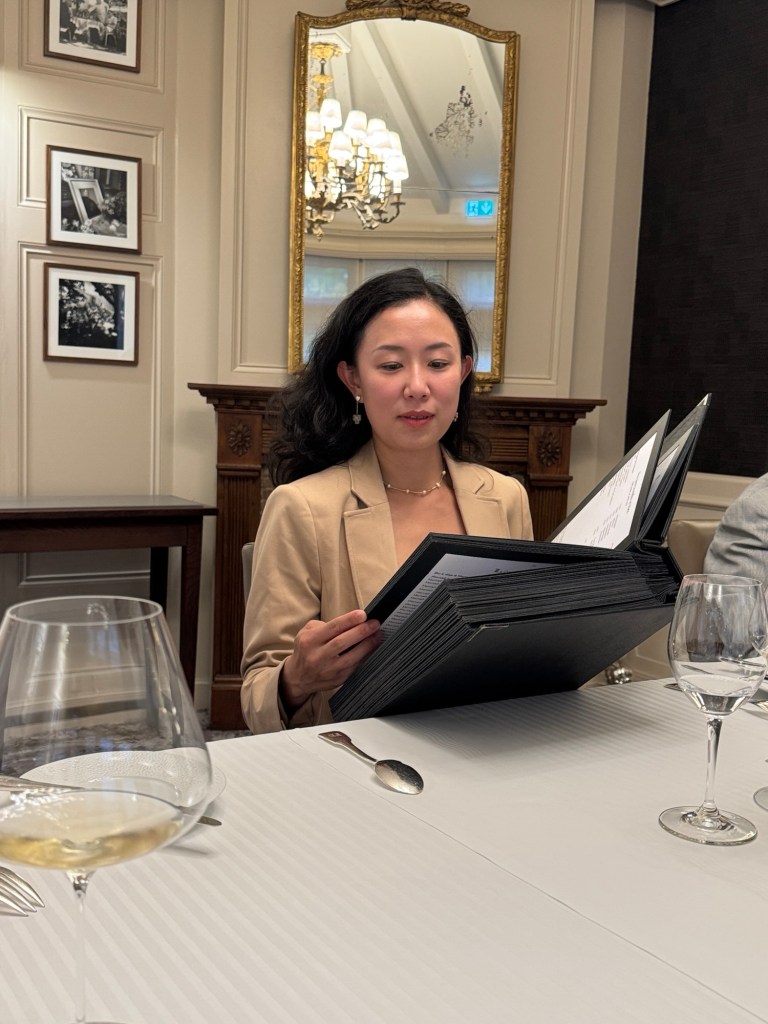
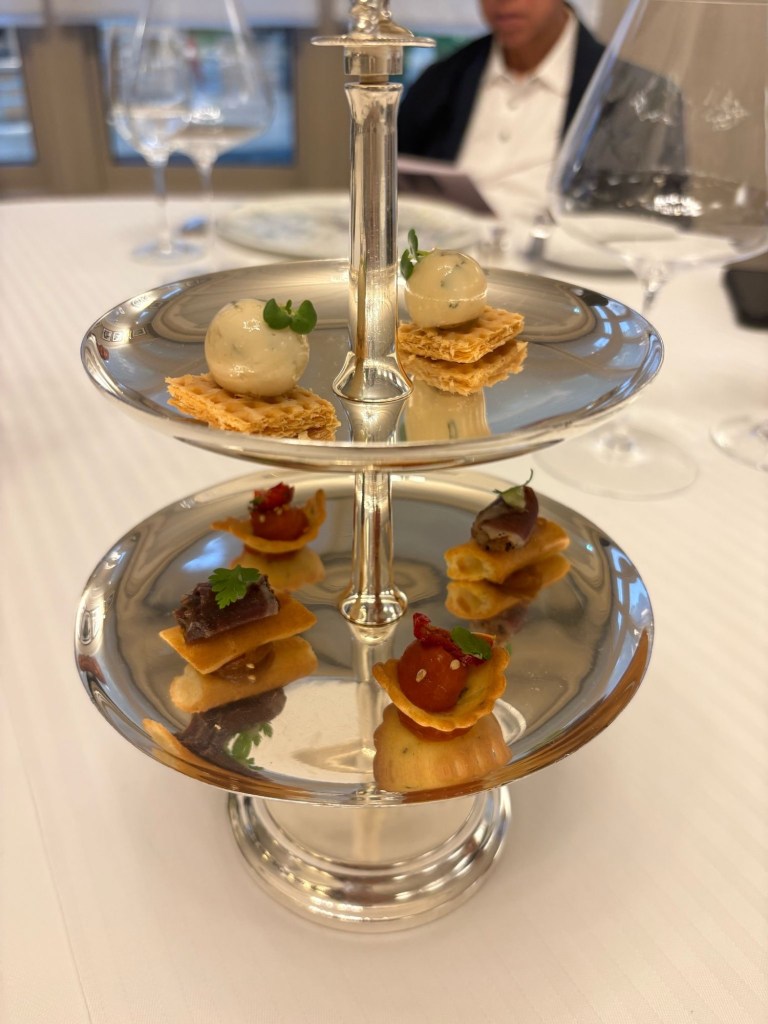
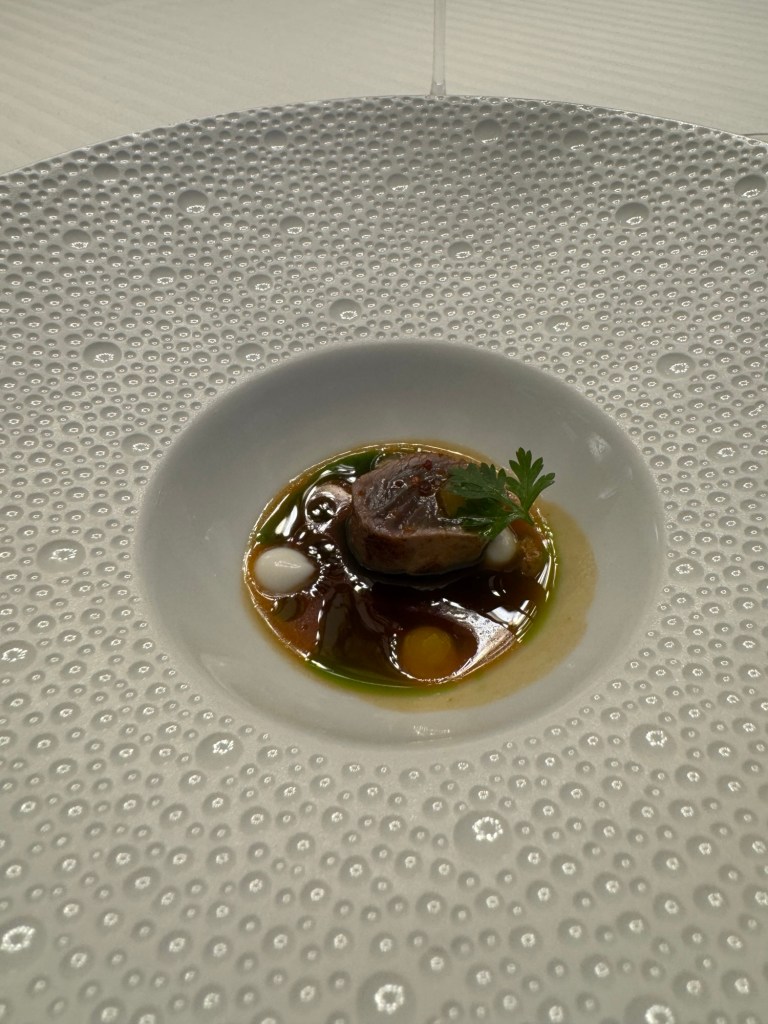
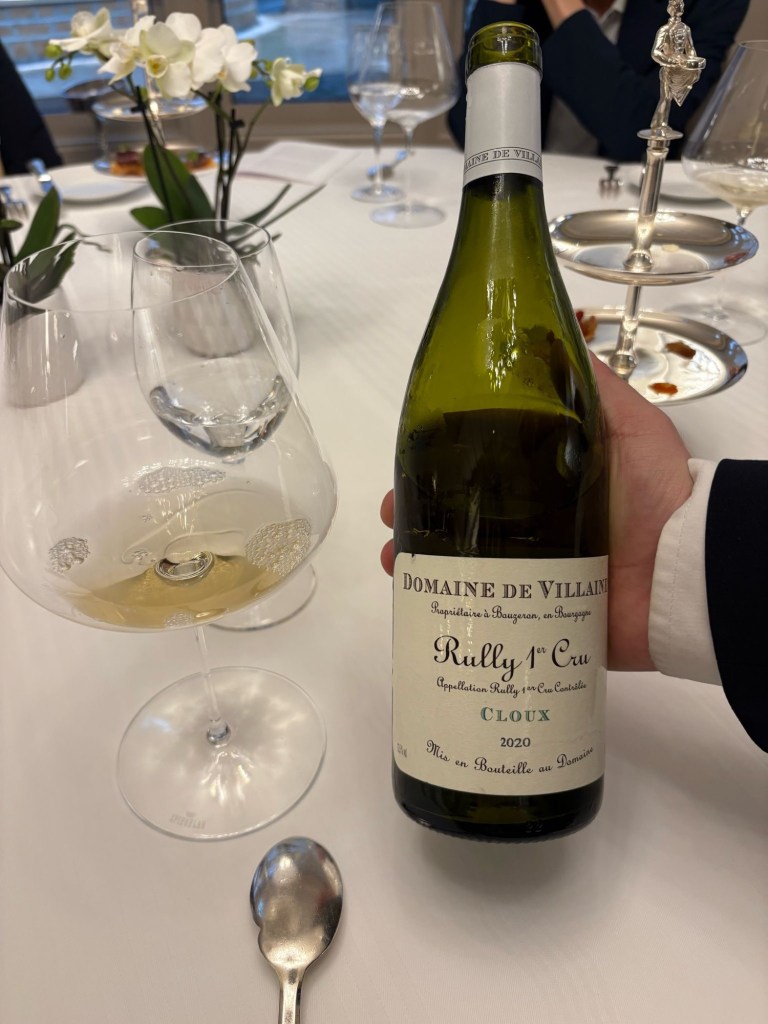
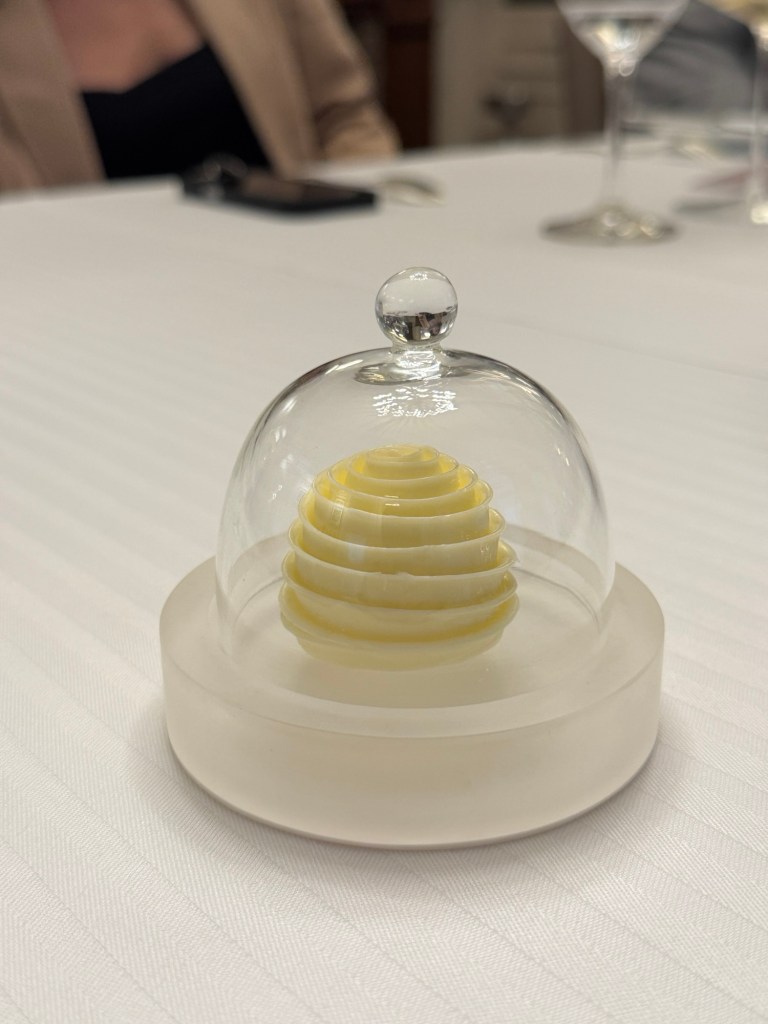
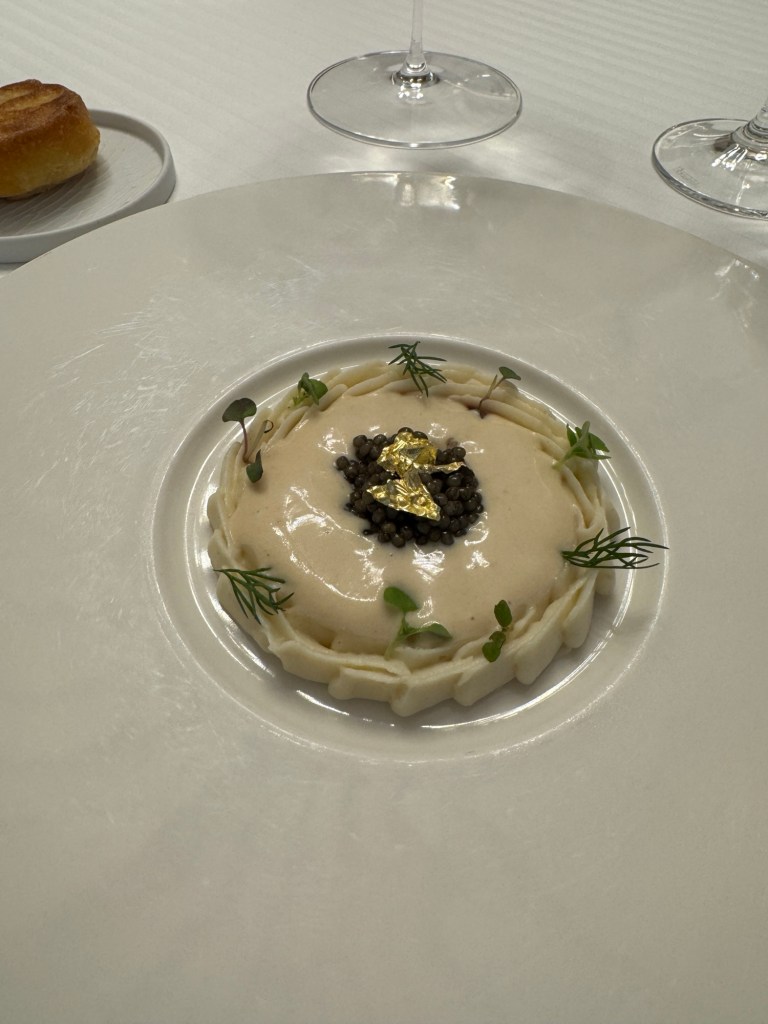
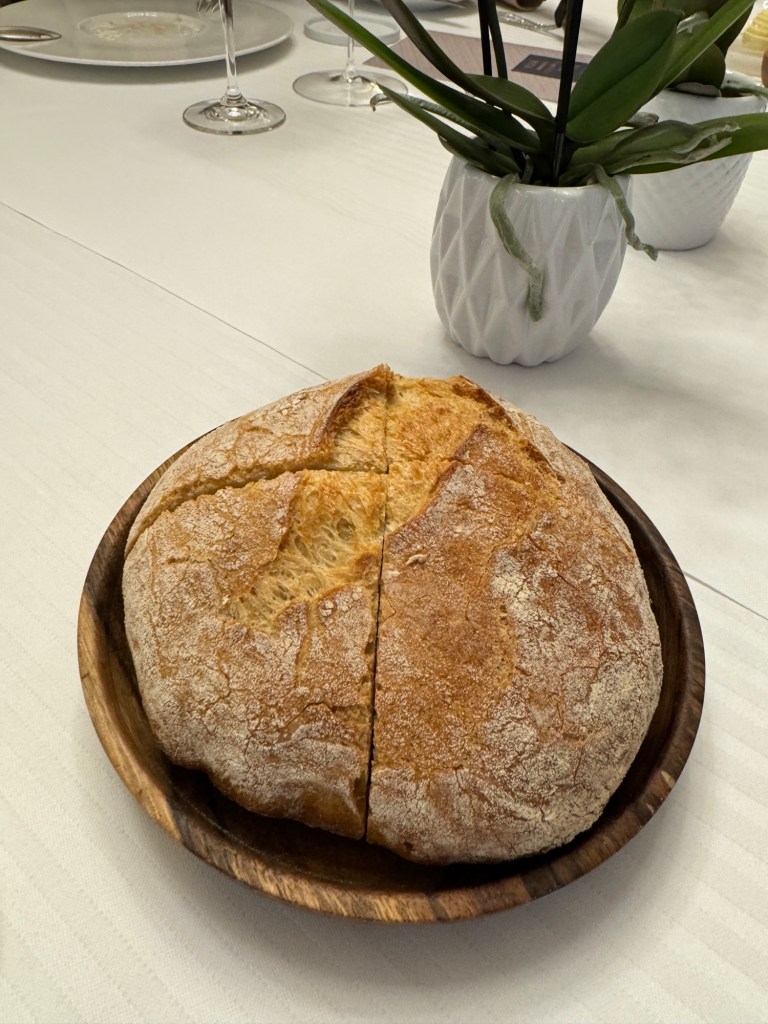
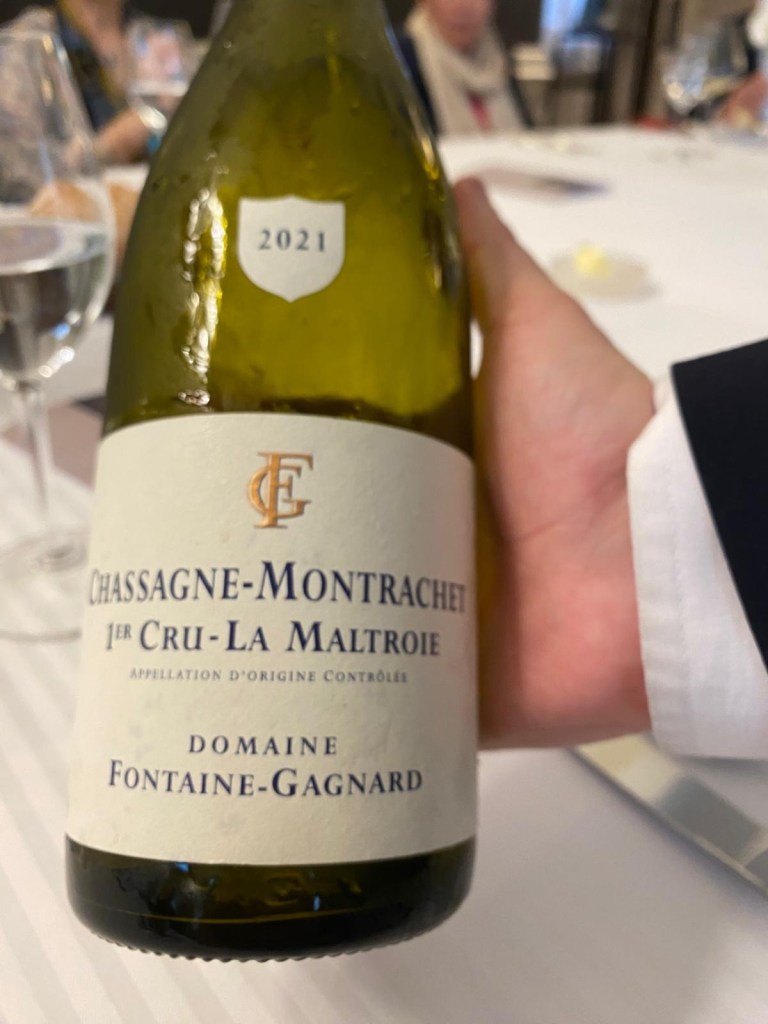
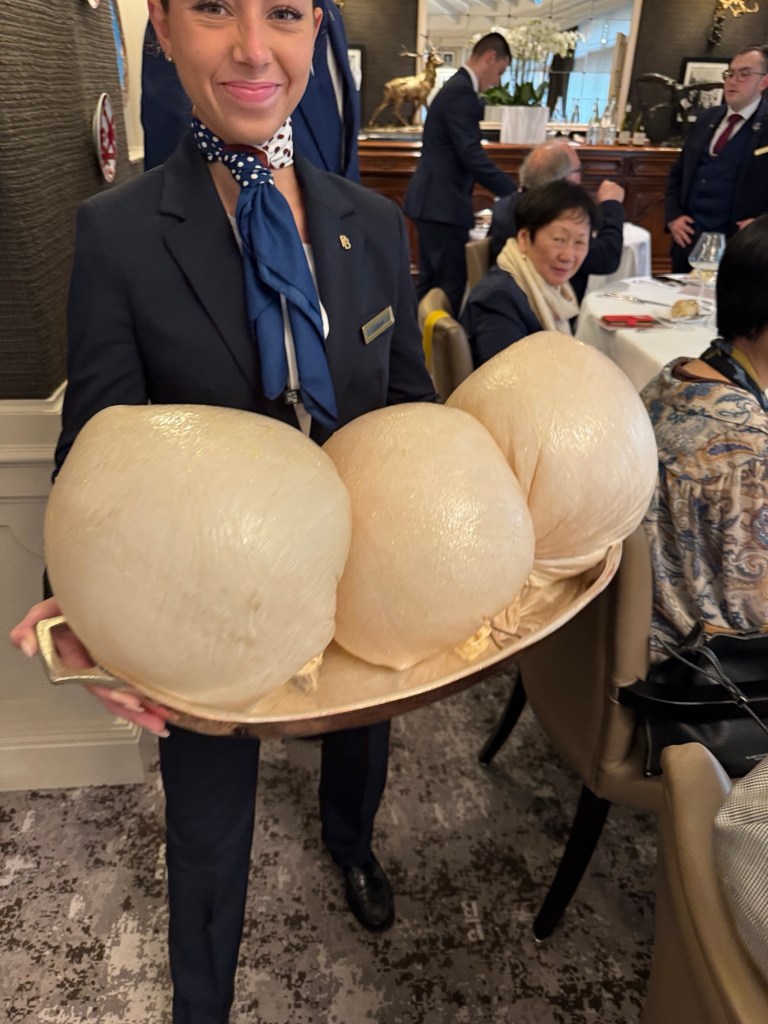
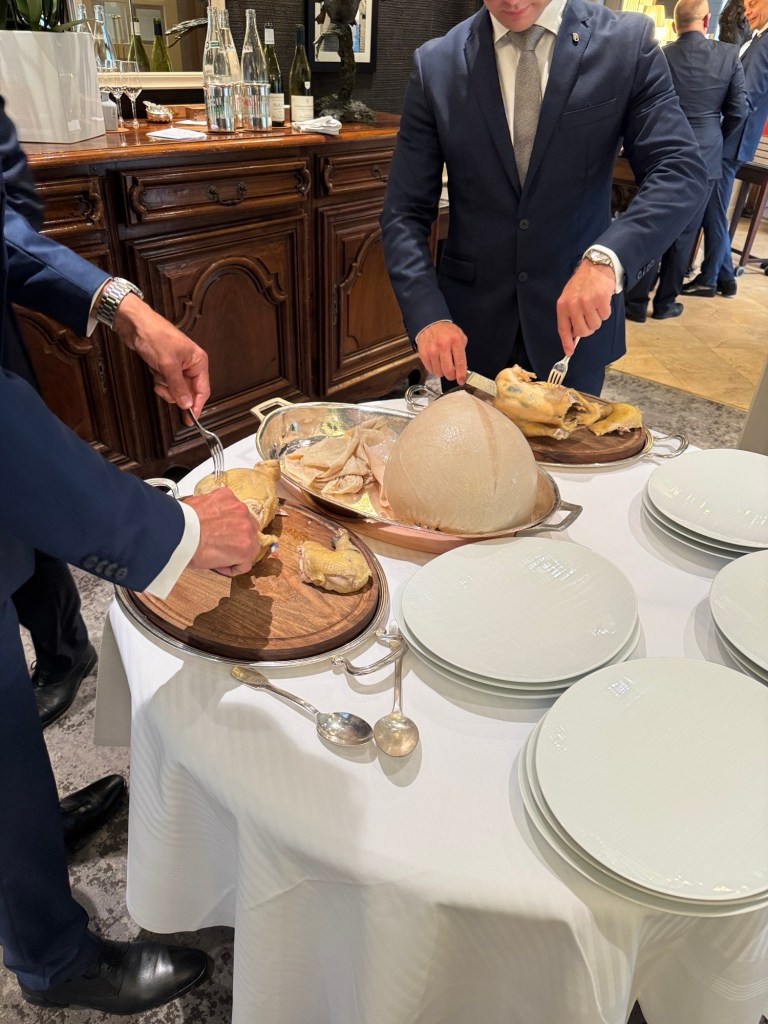
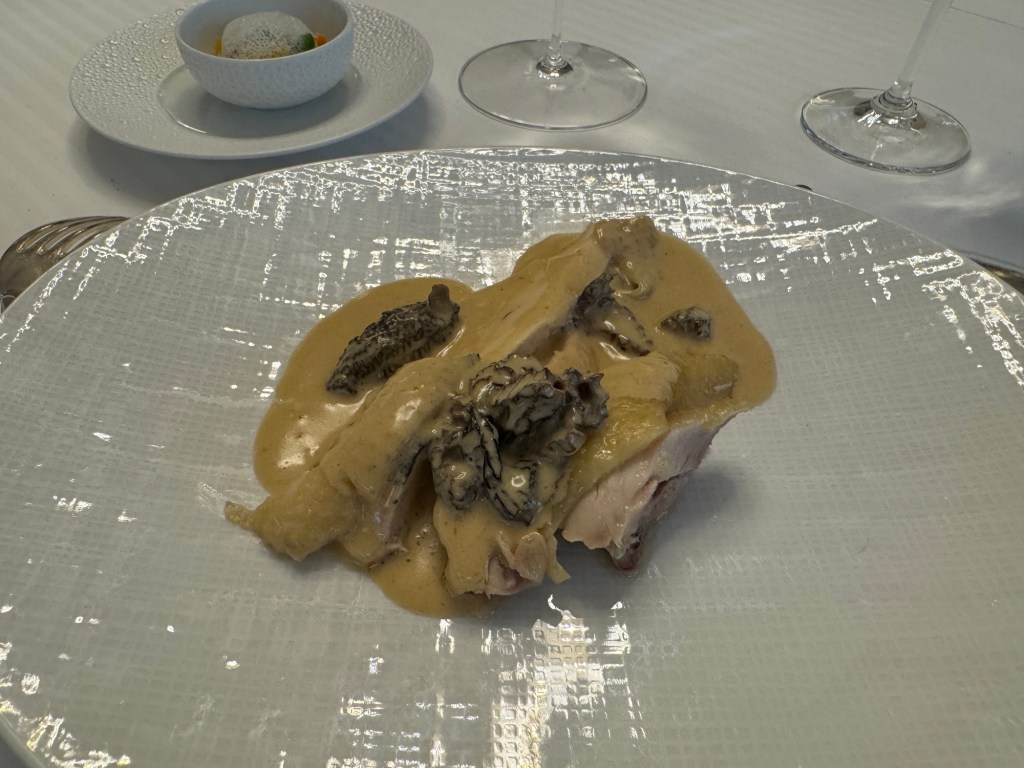
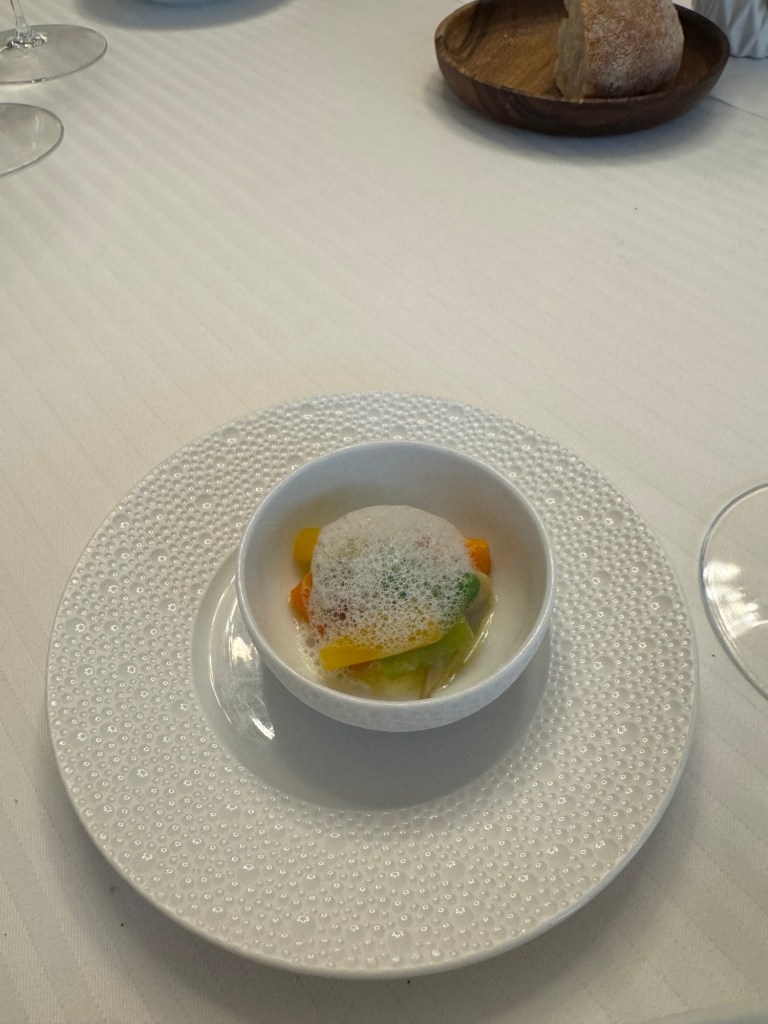
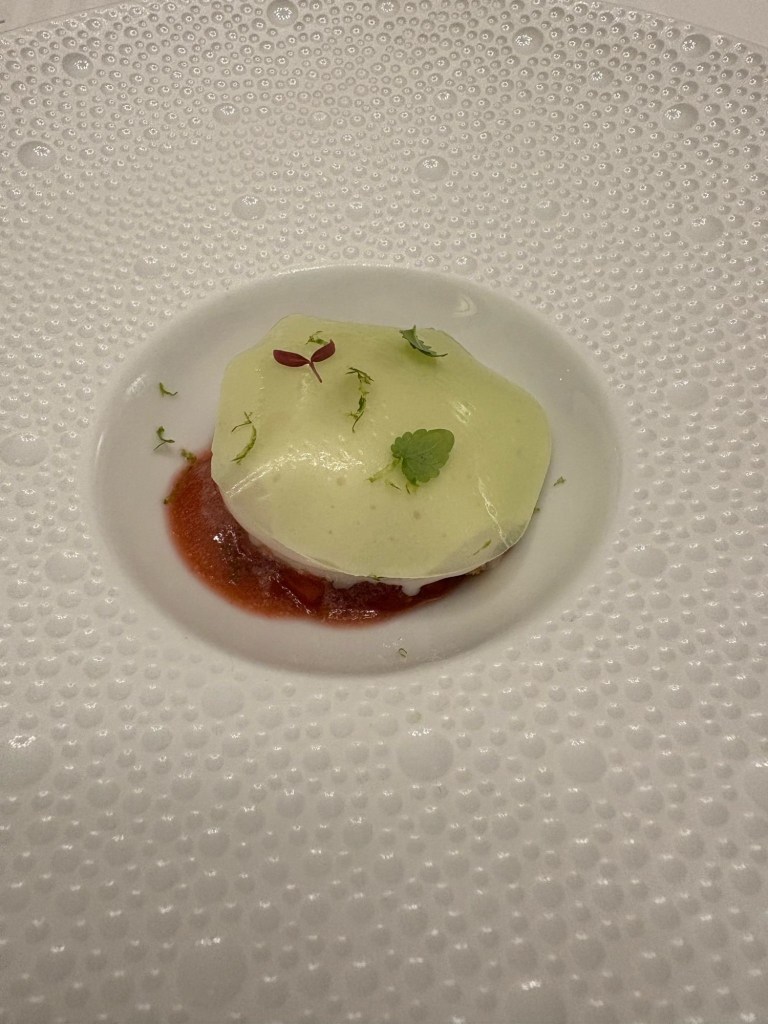
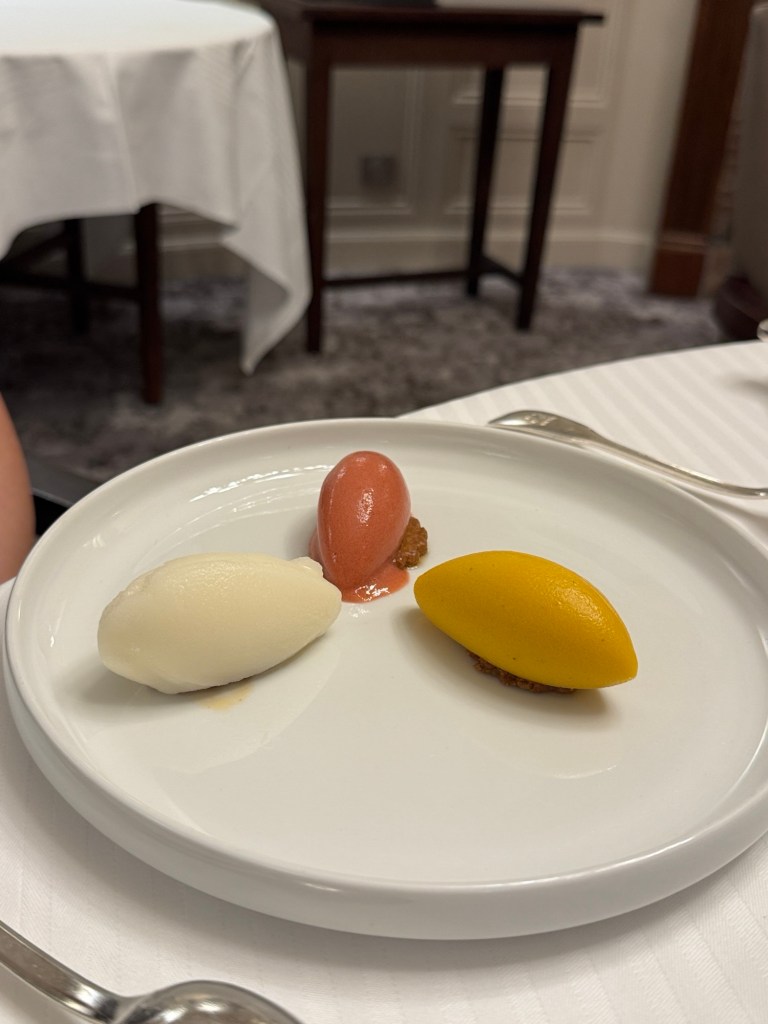
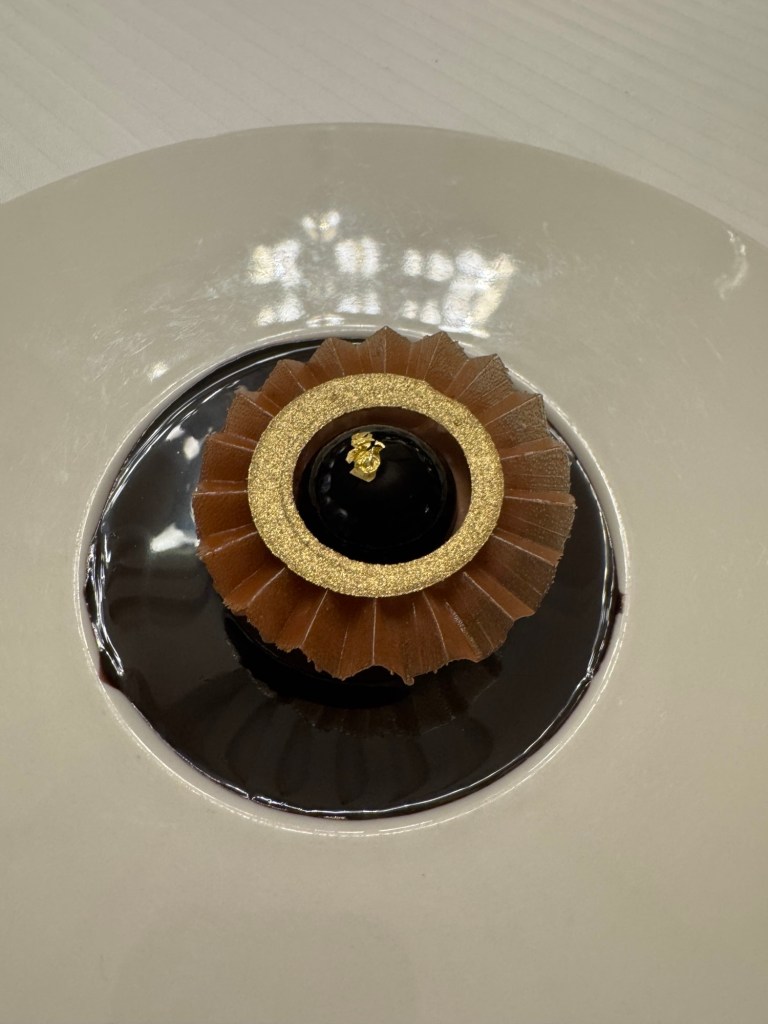
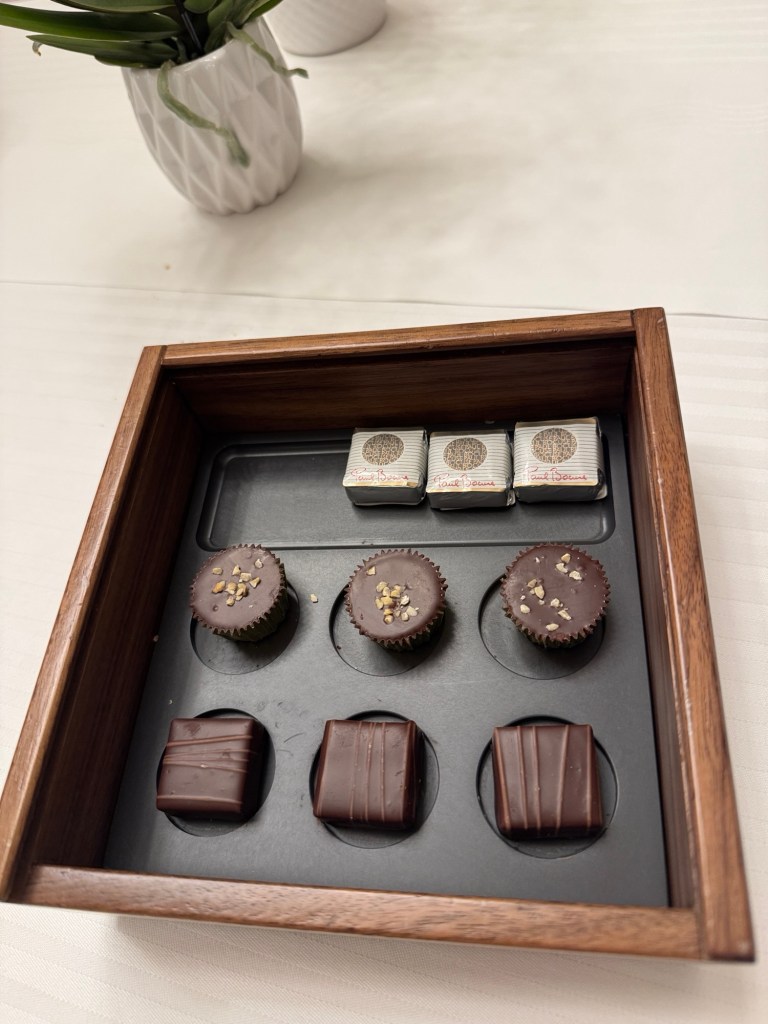
For dinner we had our first 3 stars restaurant by Paul Bocuse (though recently one star was taken off). We were honoured to have the privilege of visiting the cellar and the kitchen.



Day 8 Sunday 1/6
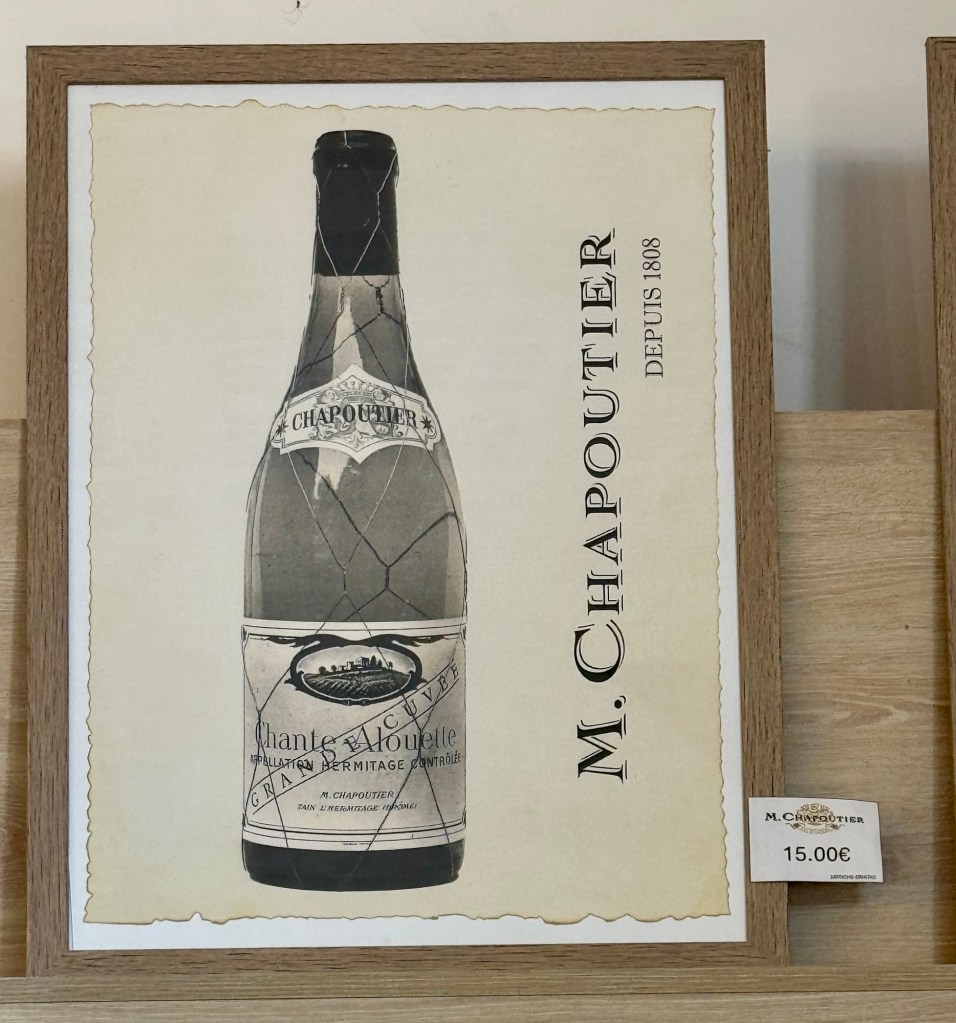
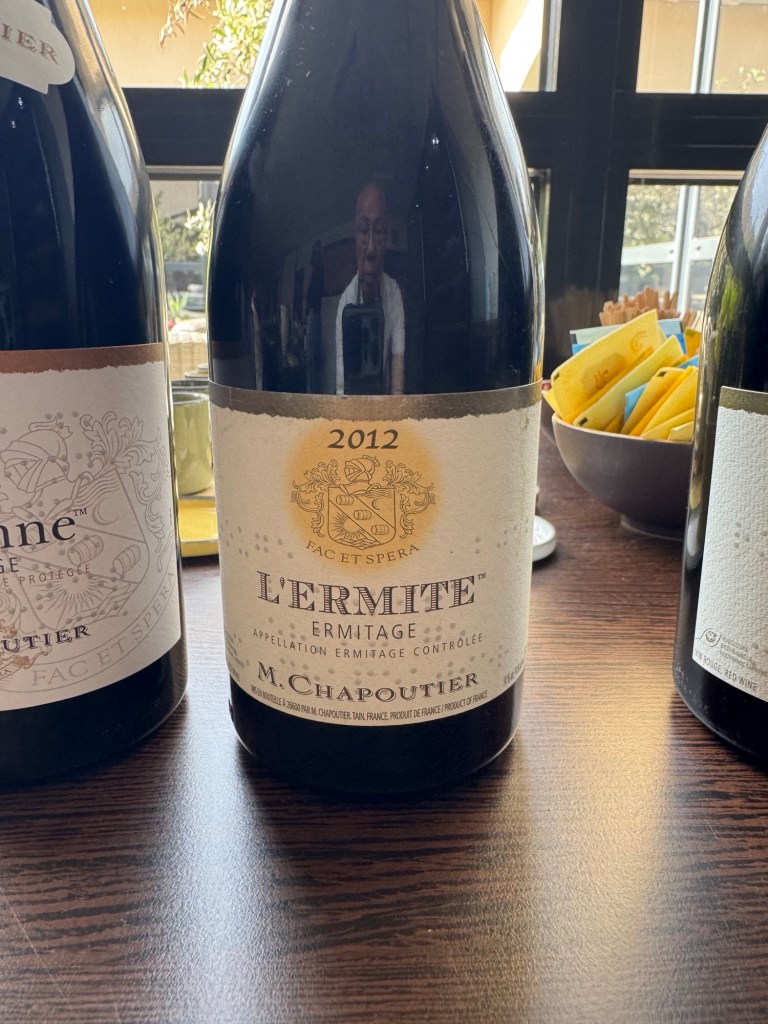
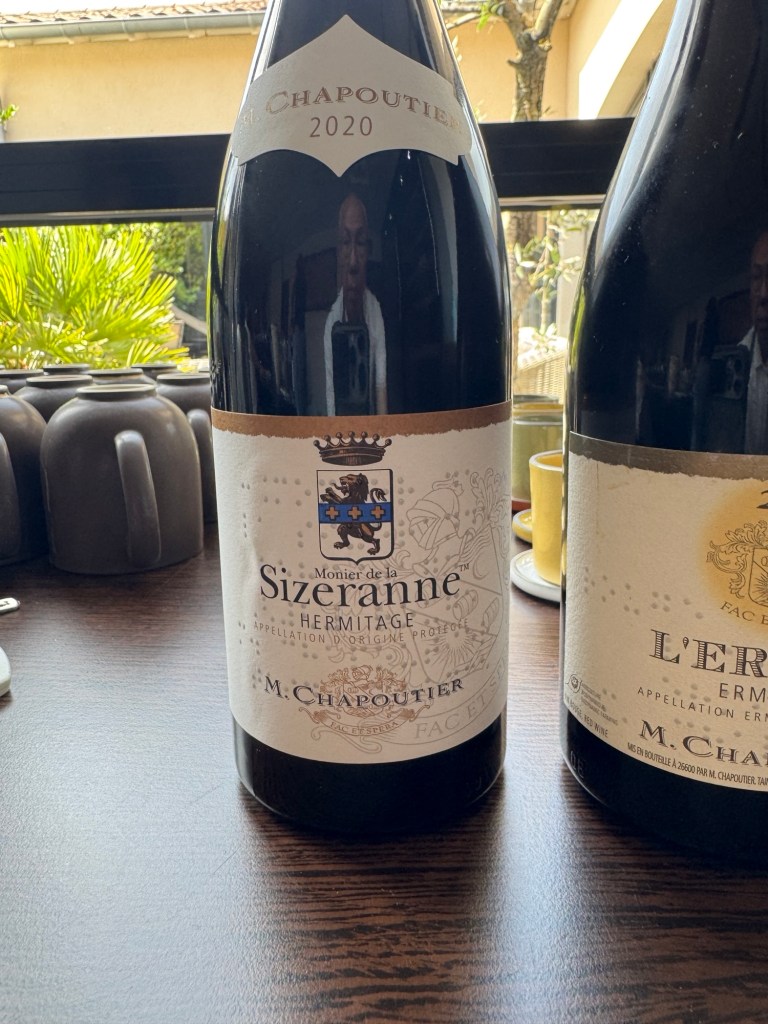
In the morning we went to Tain I’ Hermitage, in the heart of the Rhone Valley. First to the famous M. Chapoutier. It’s wine production every year is in terms of millions and they are making new ventures like whiskey and beers



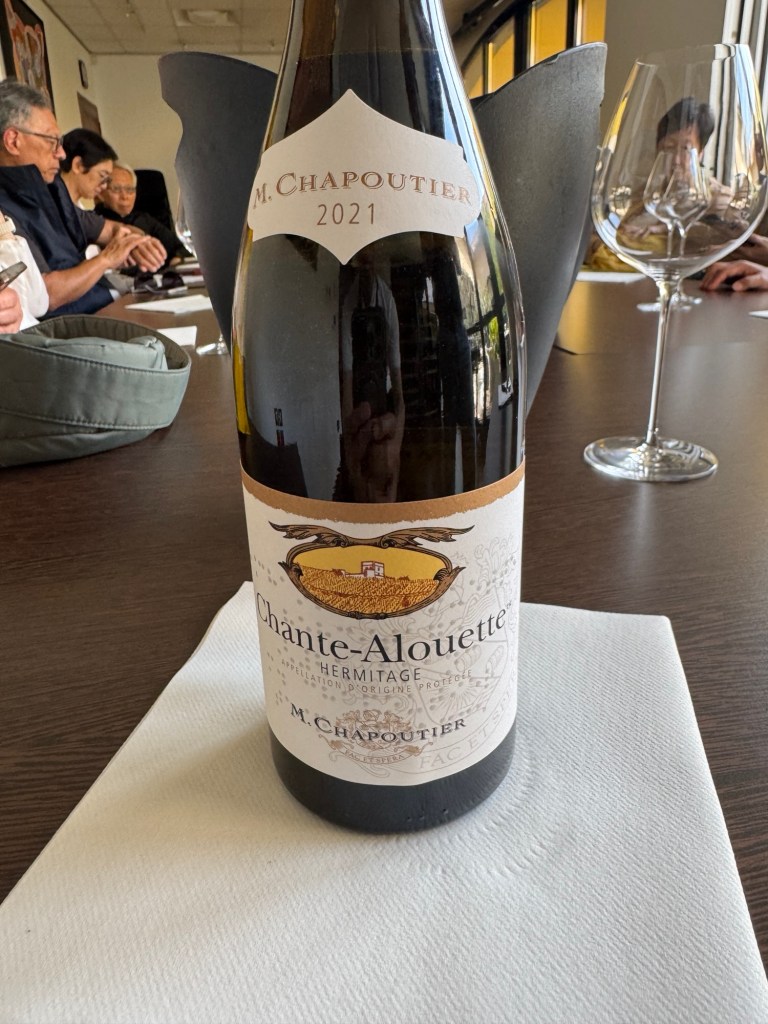
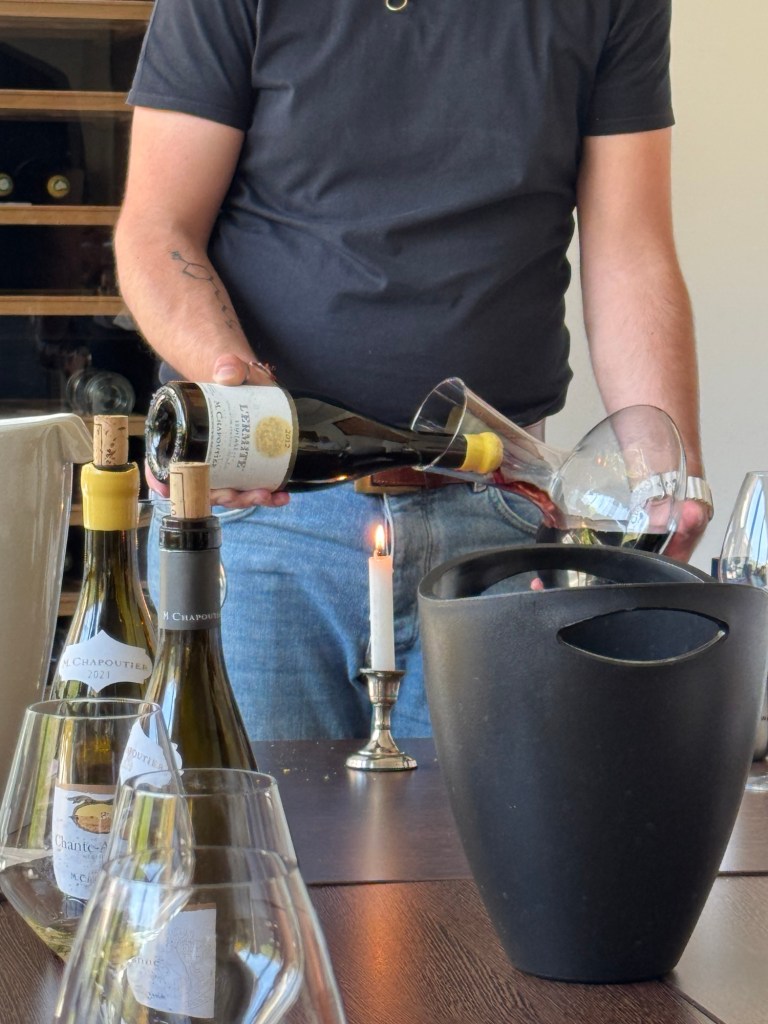
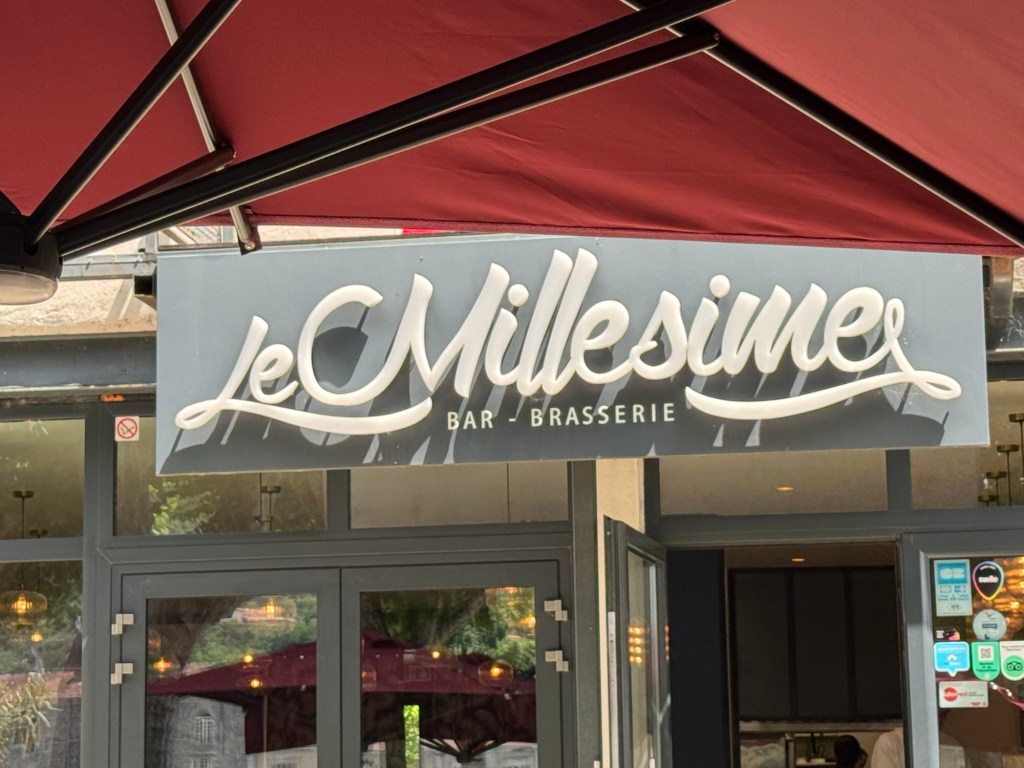
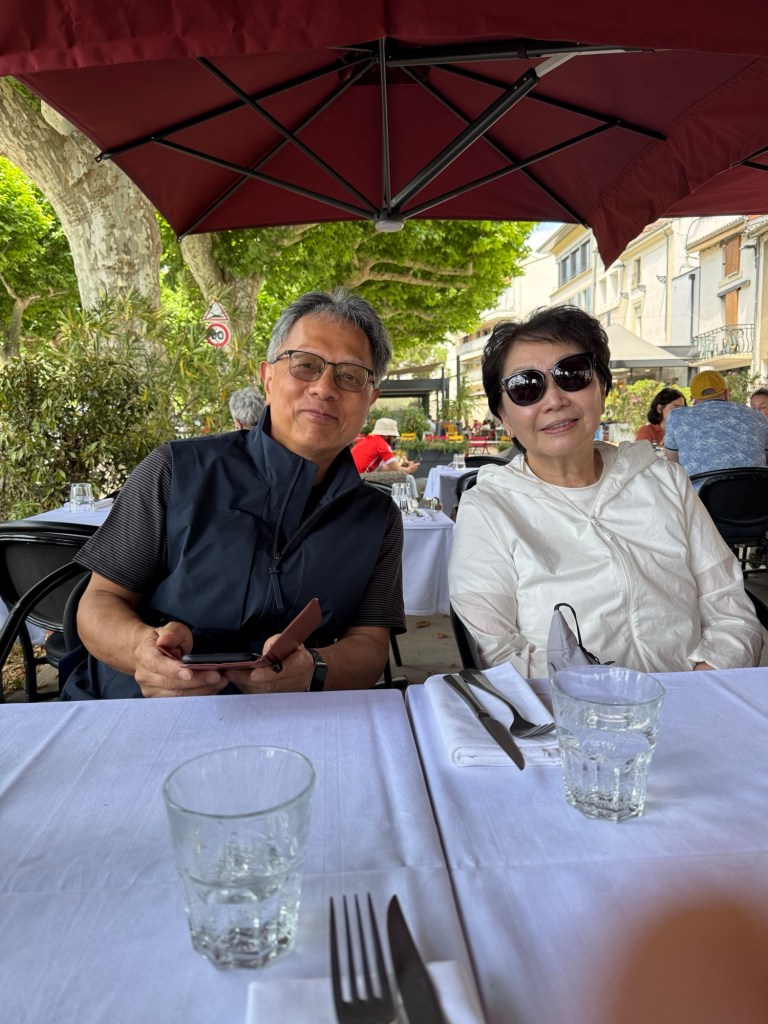
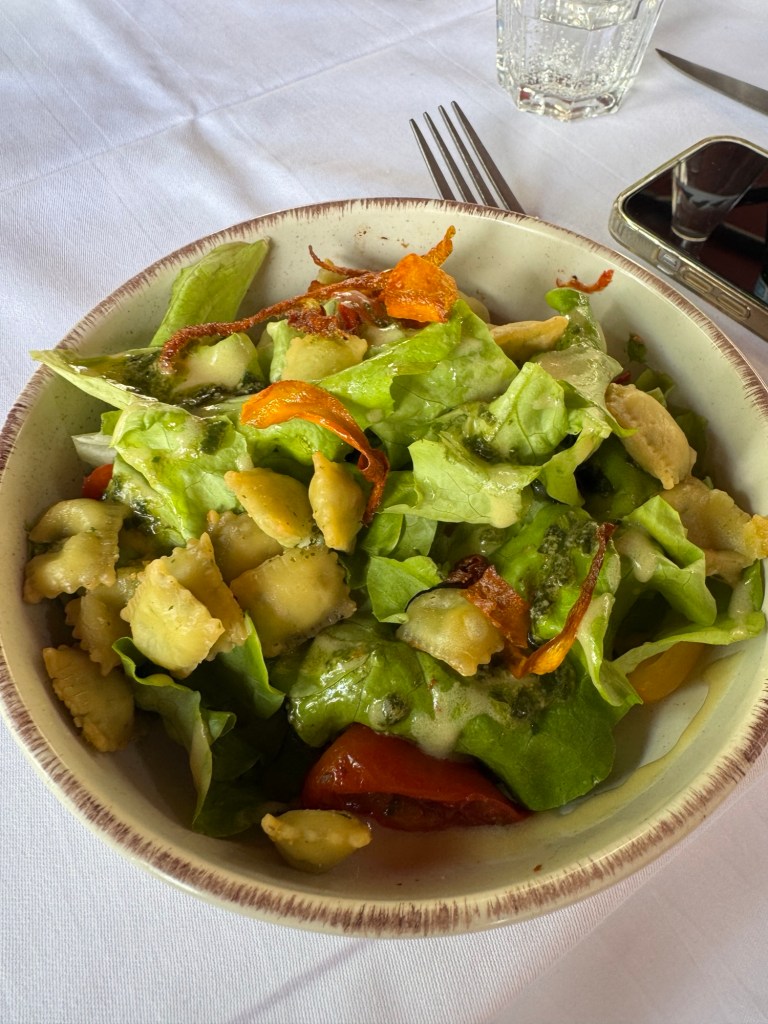
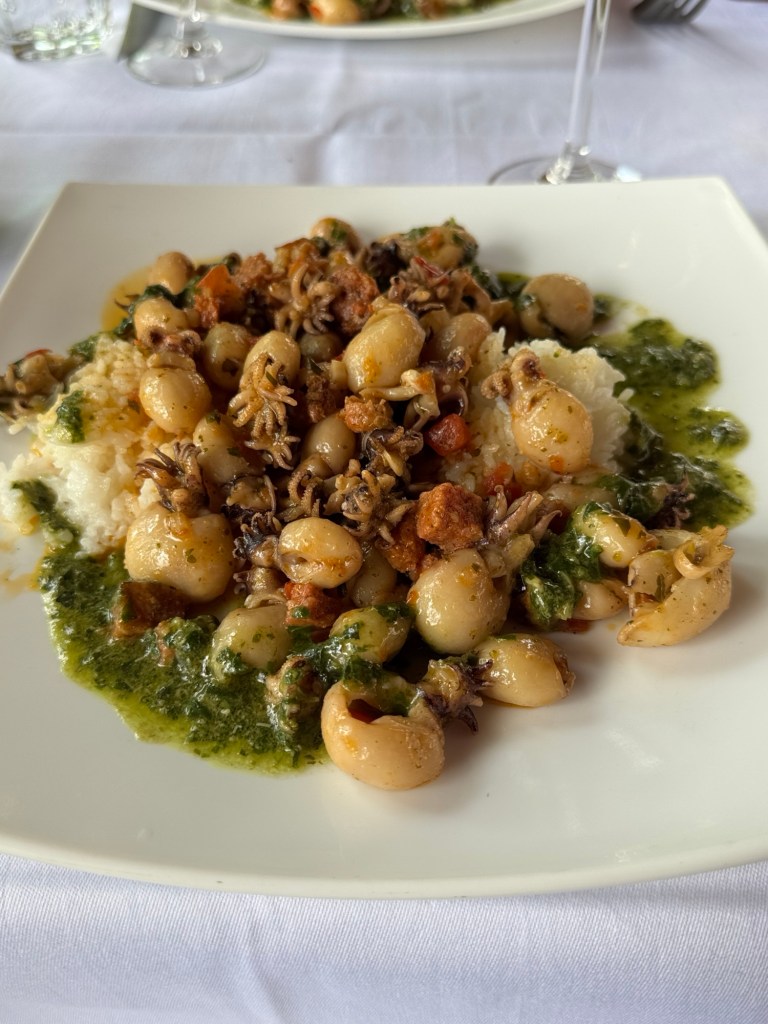
We had lunch at Le Millesimes restaurant. We ate outside beside a road lined with plane trees or sycamore trees. With the breeze and tall neat rows of trees, couldn’t have ask for more.




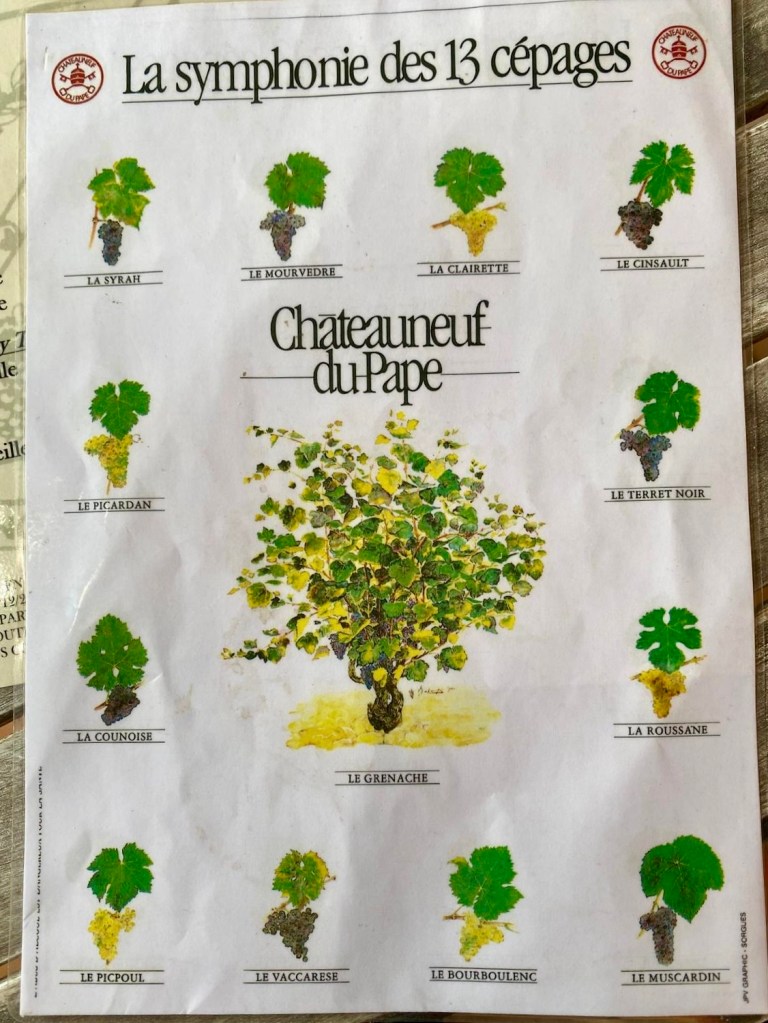
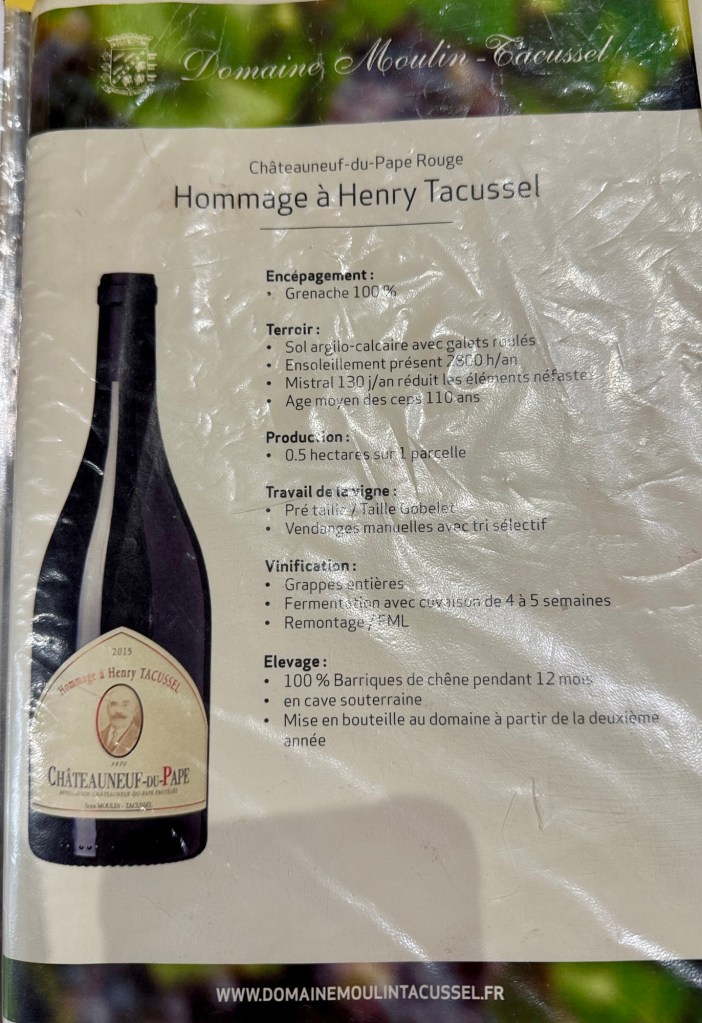
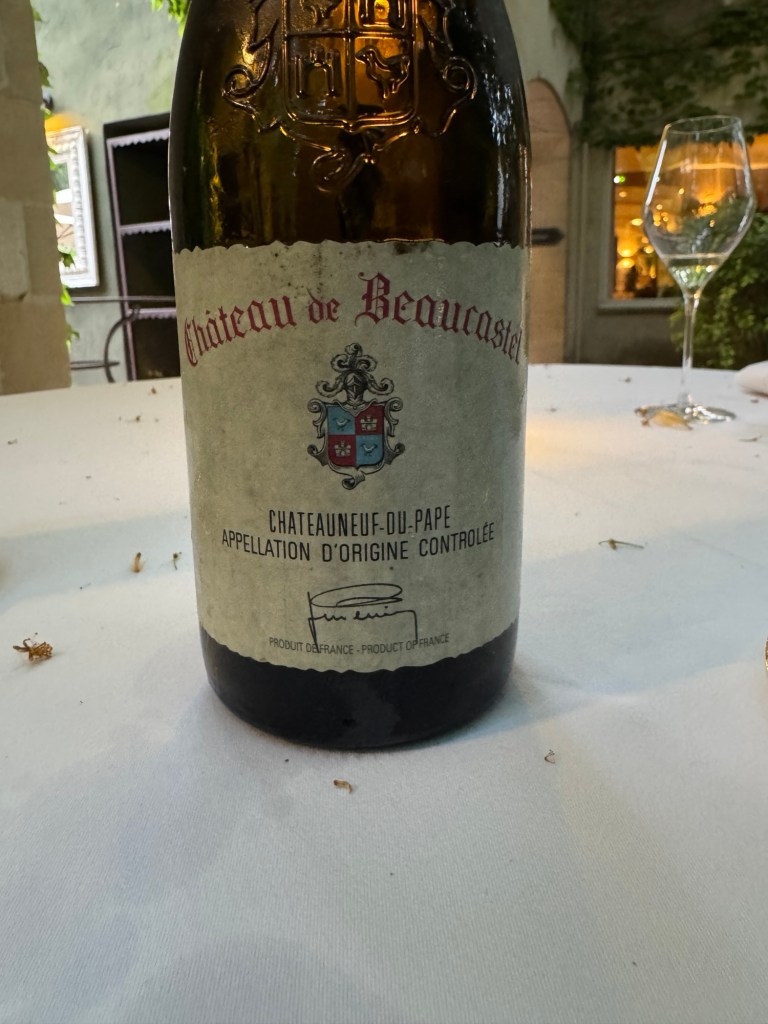
Then we went to a small vineyard to discover Chateauneuf du Pape.
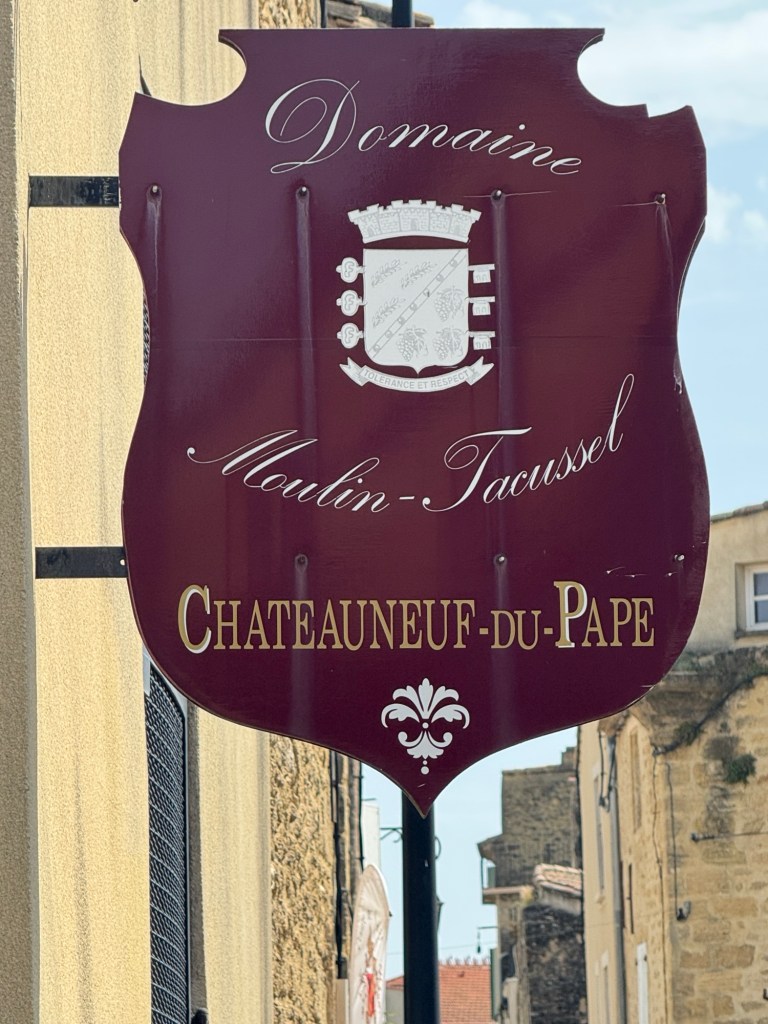
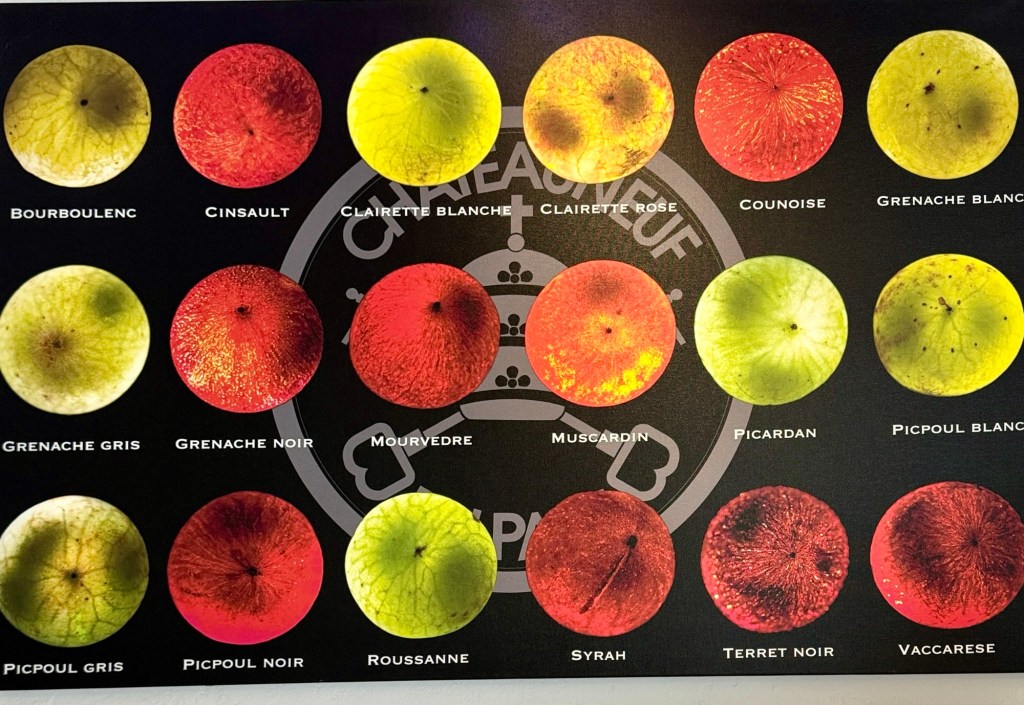
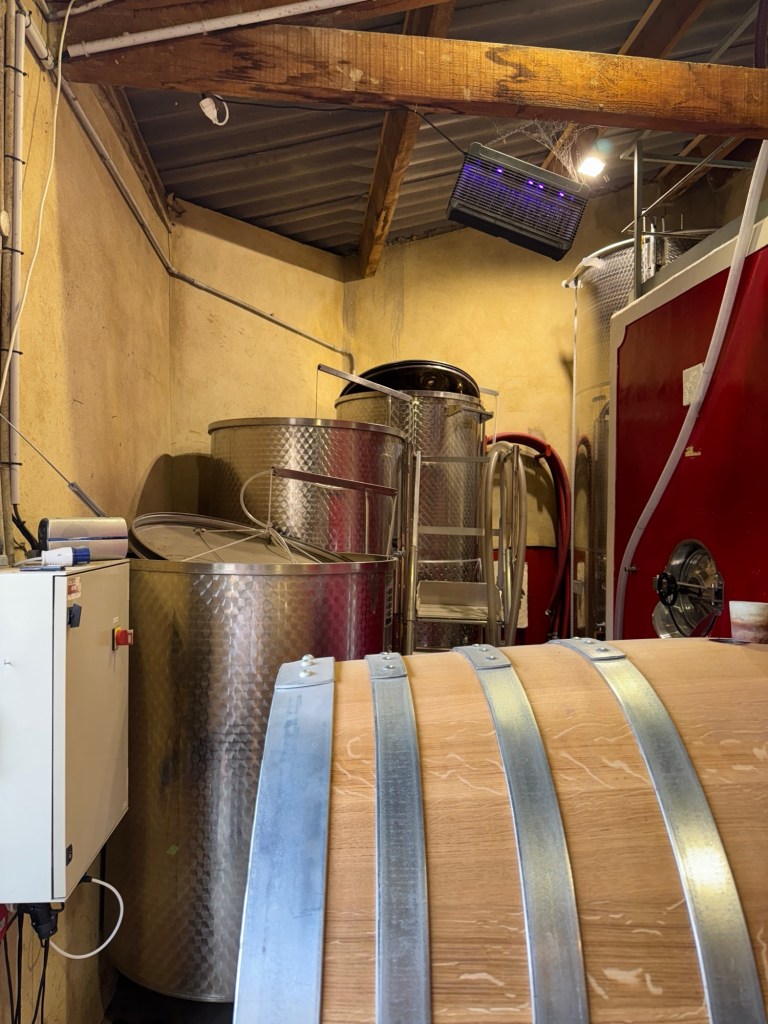
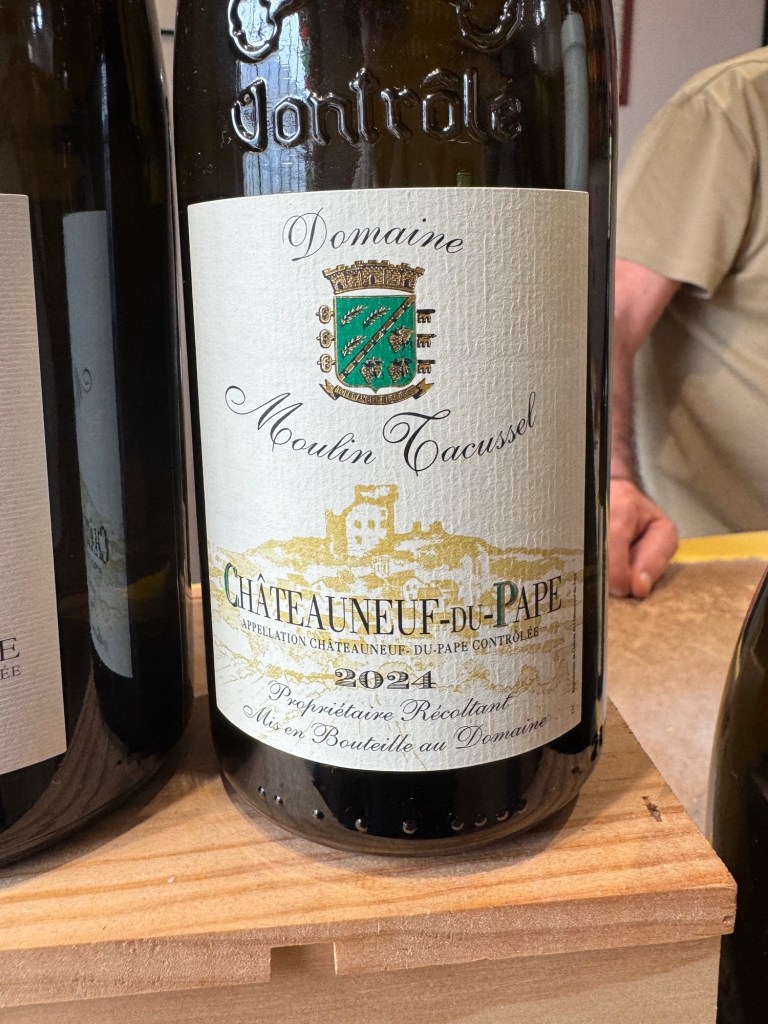
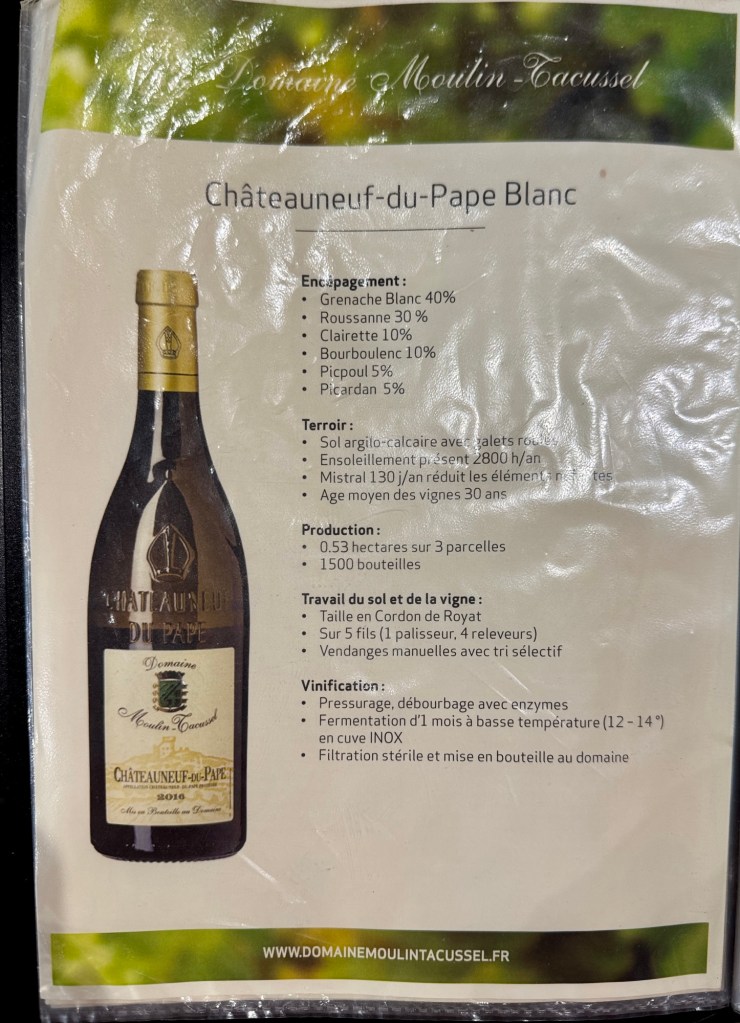
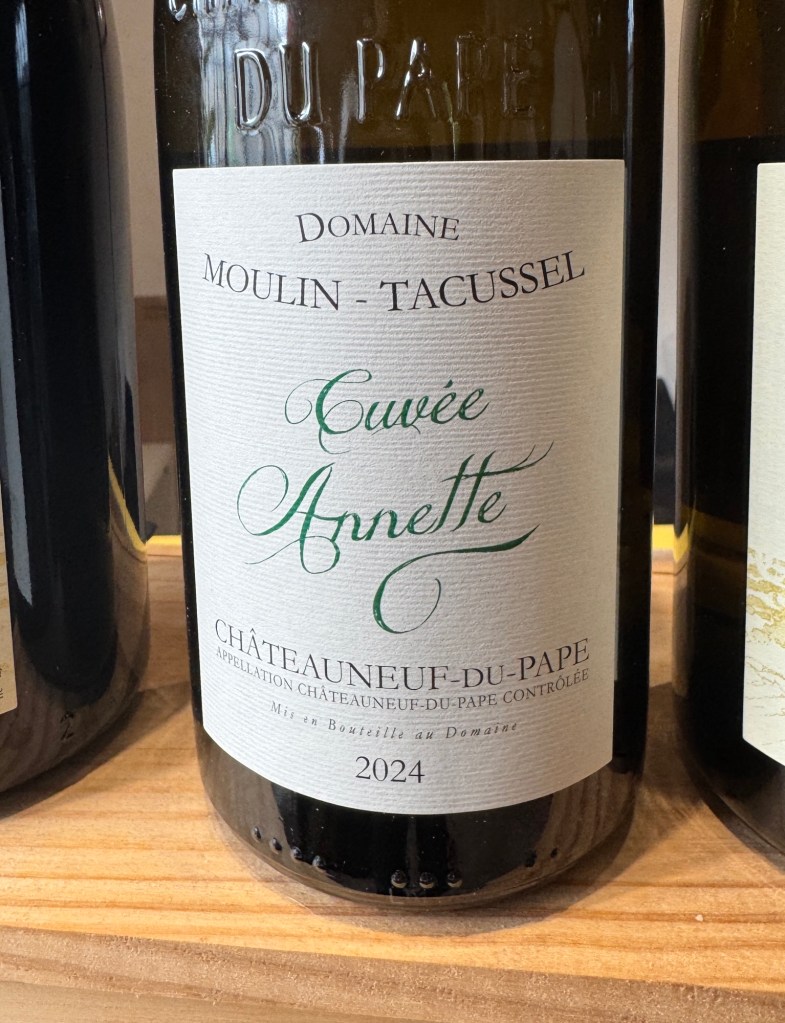
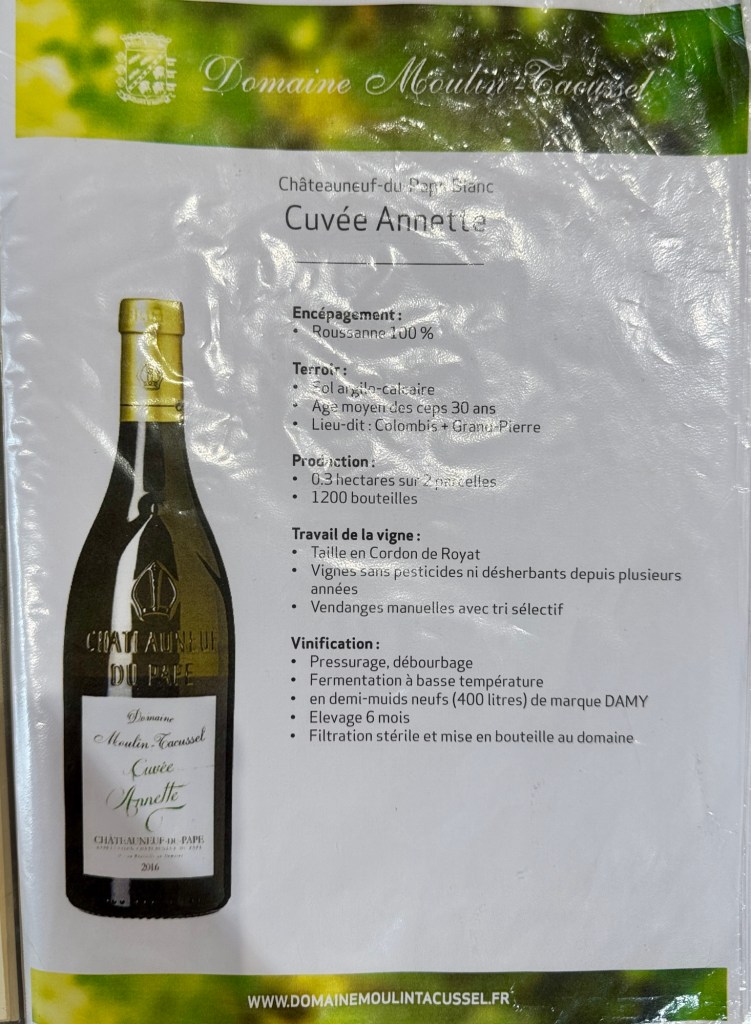
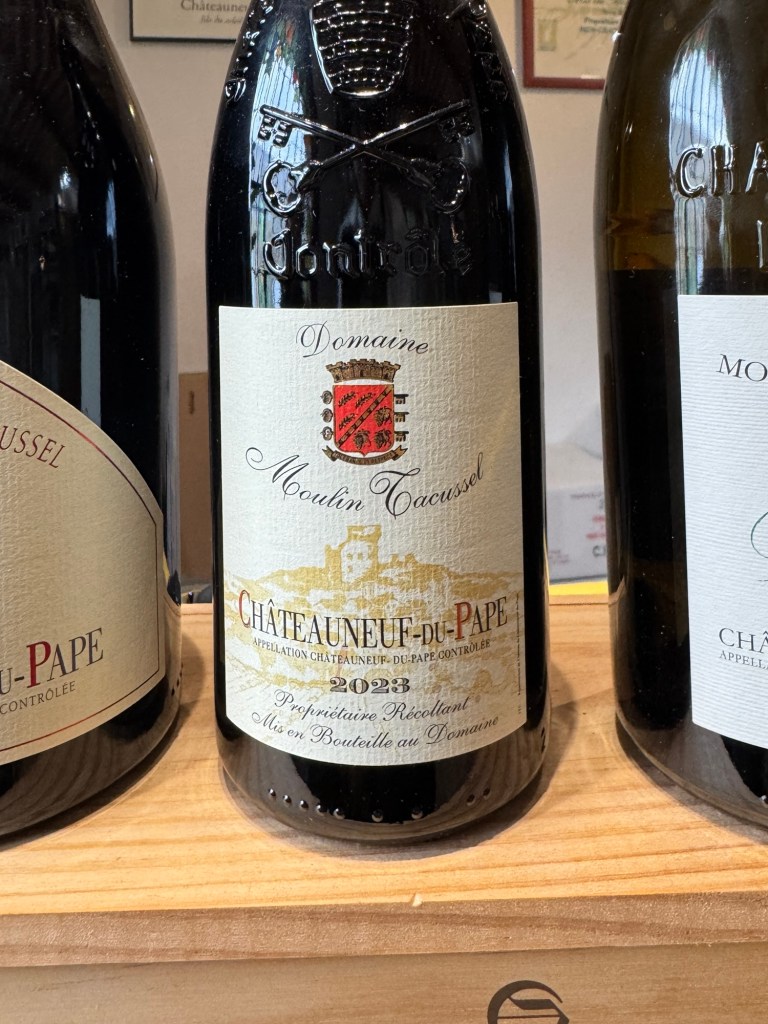

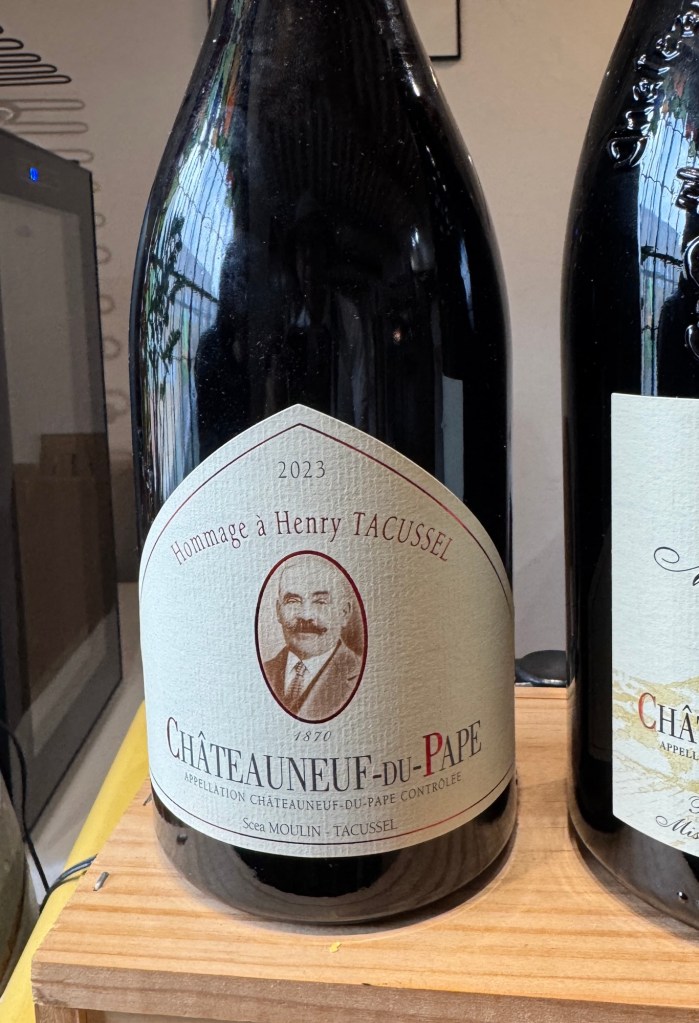

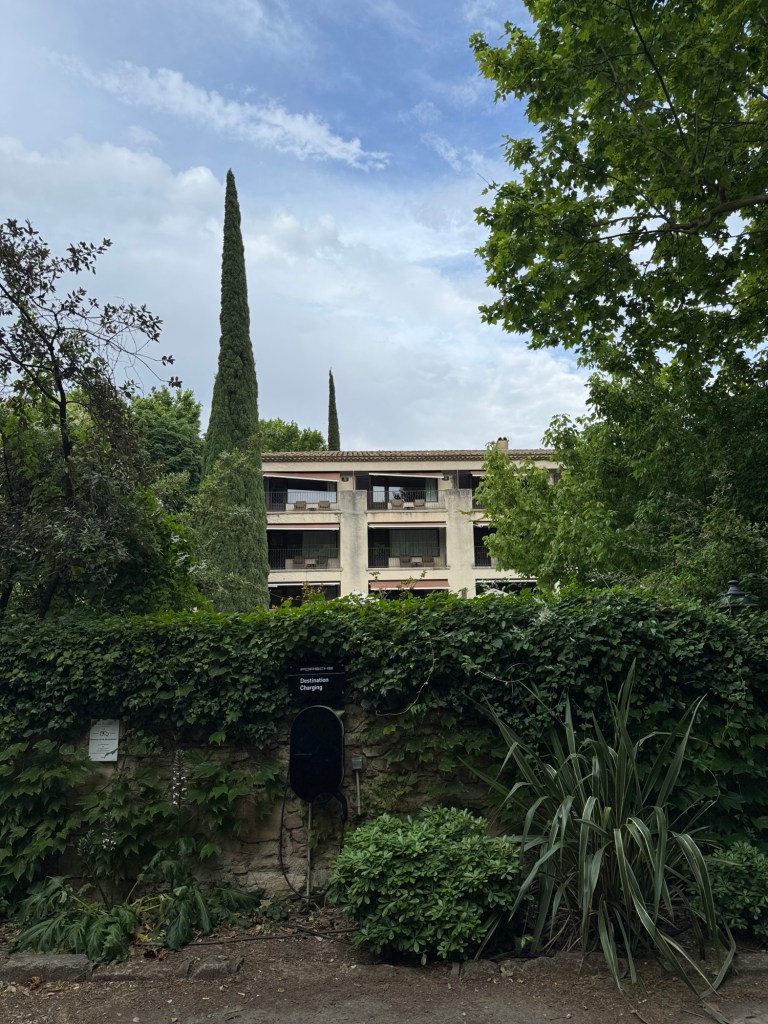
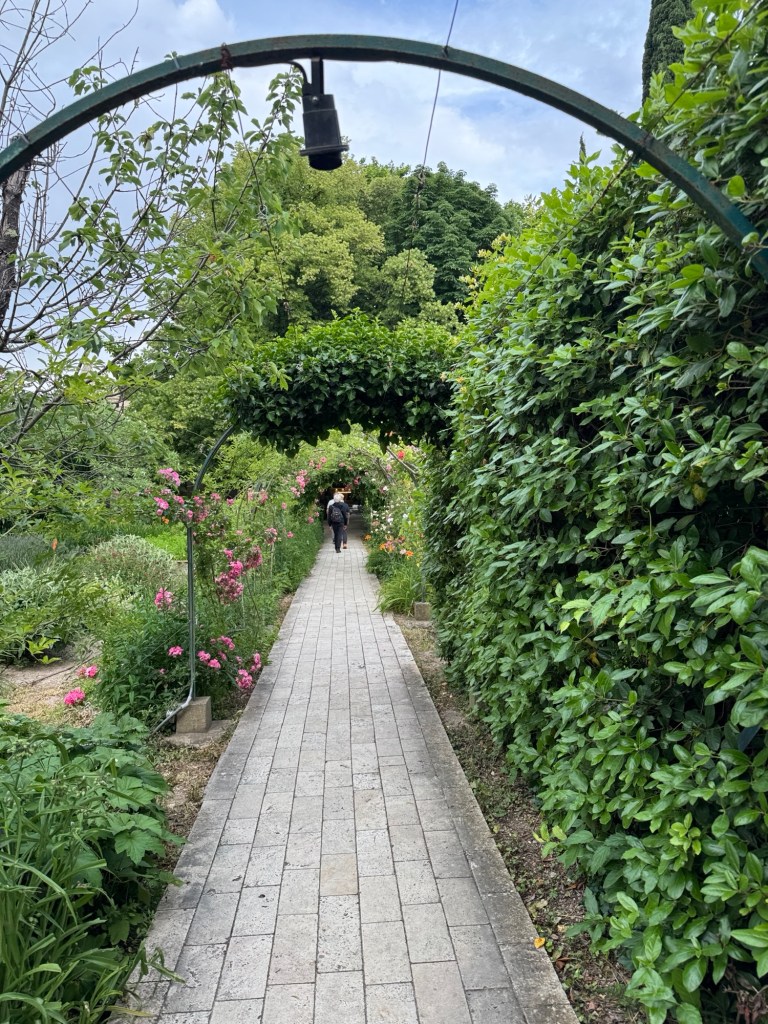
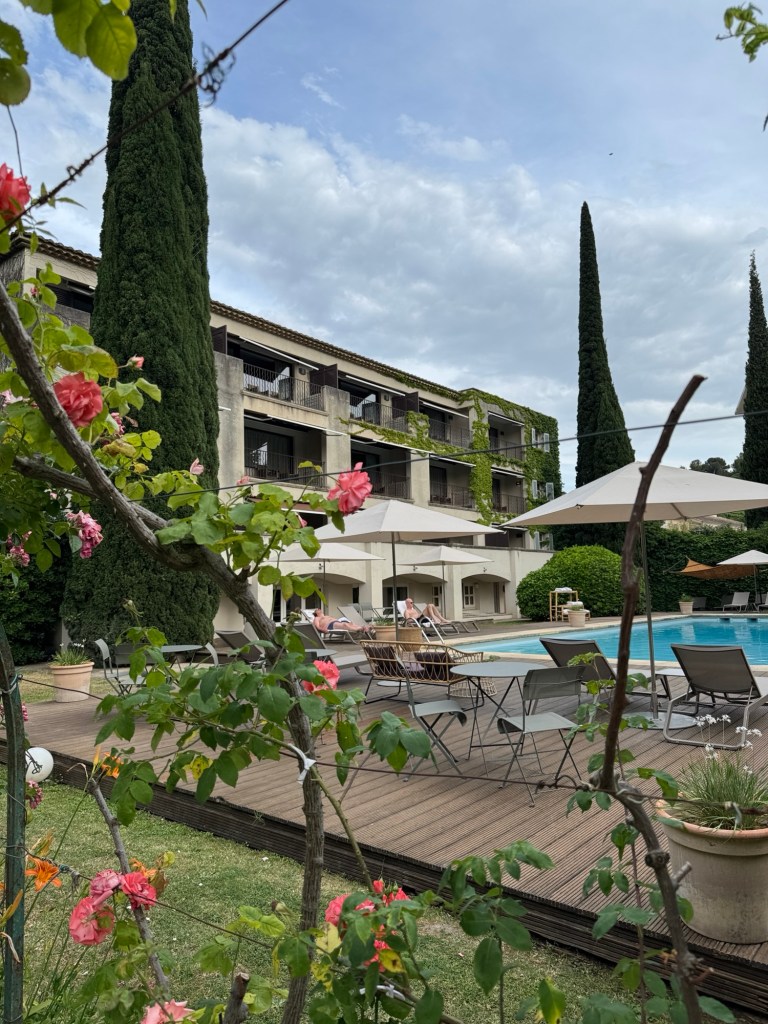
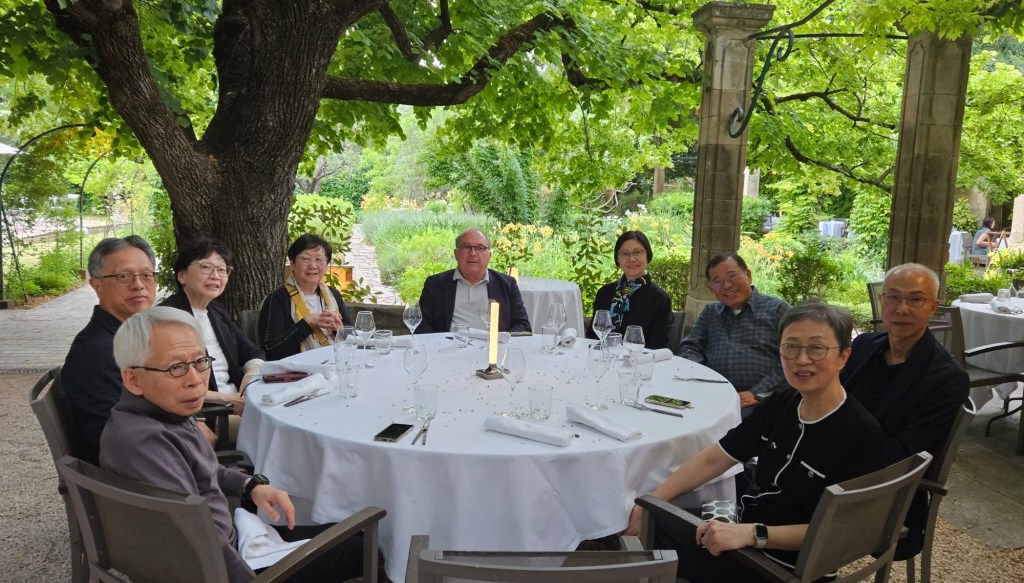
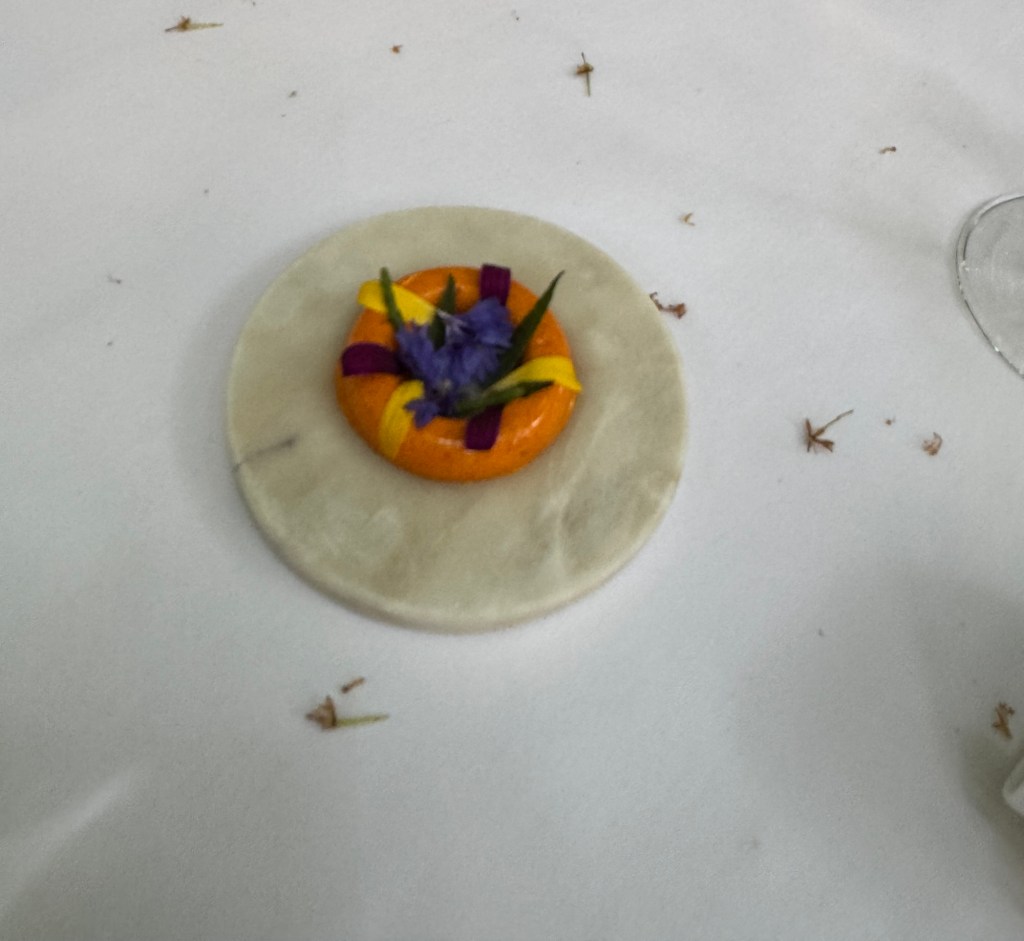
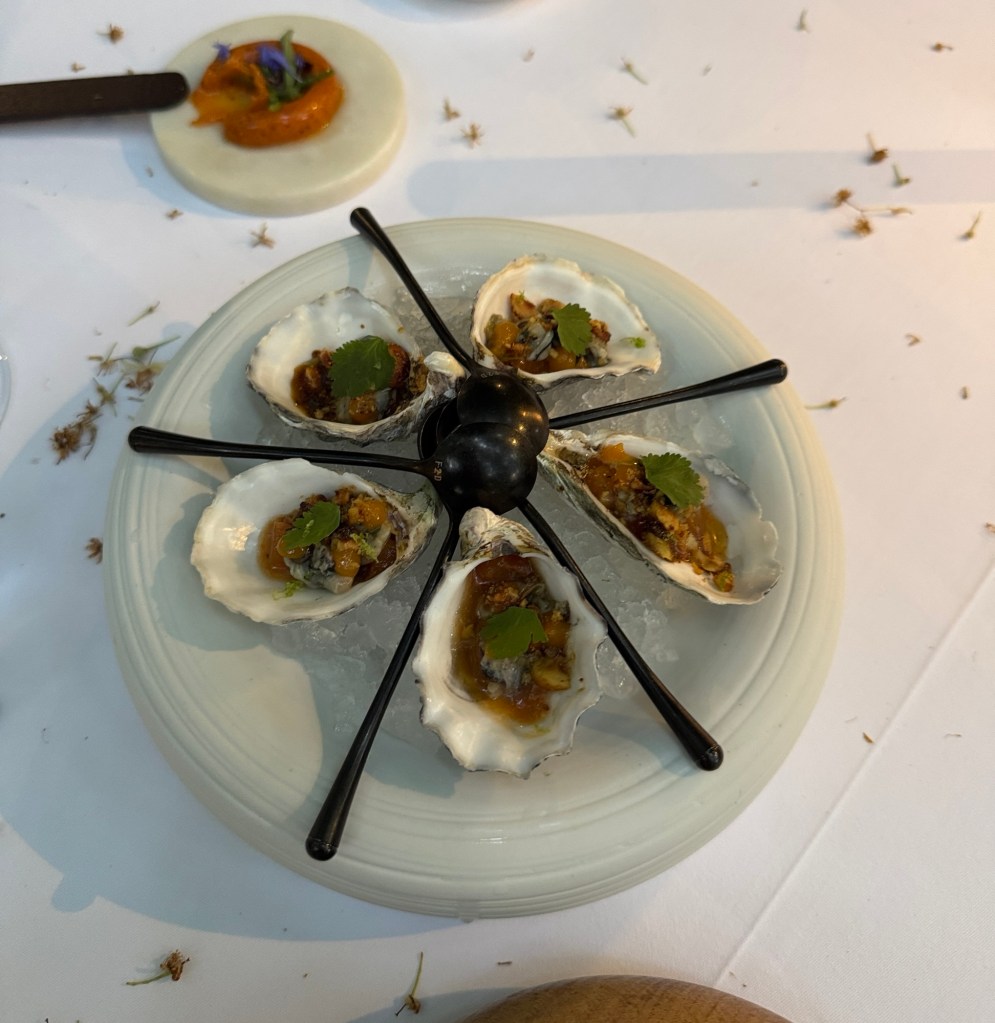
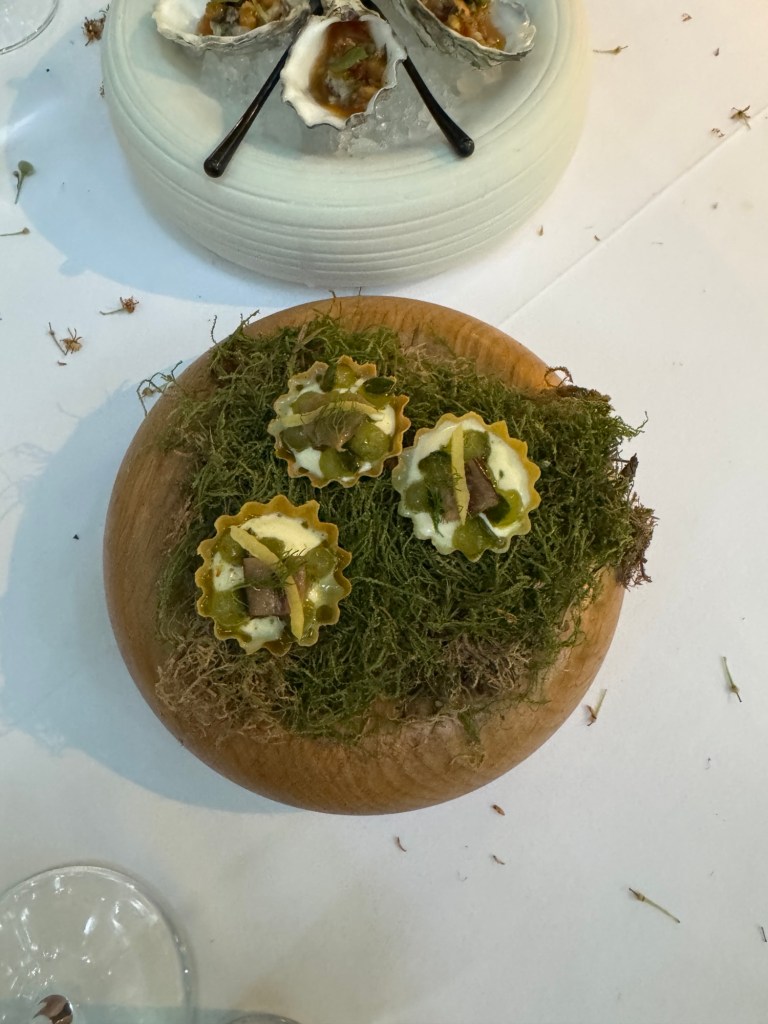
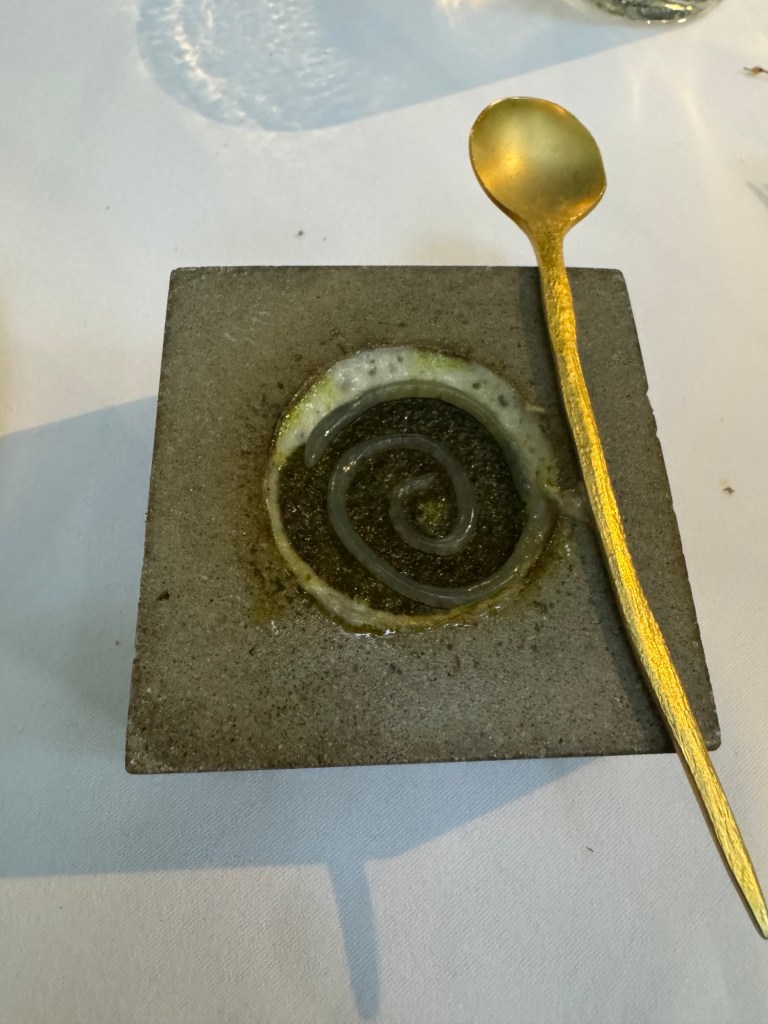
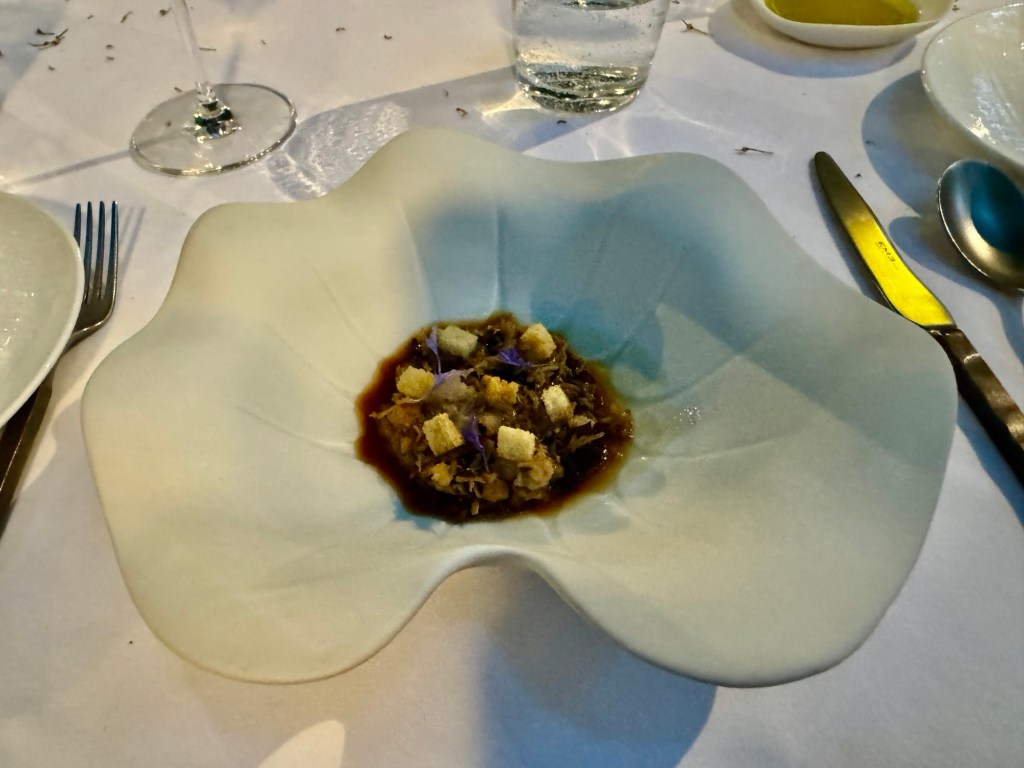
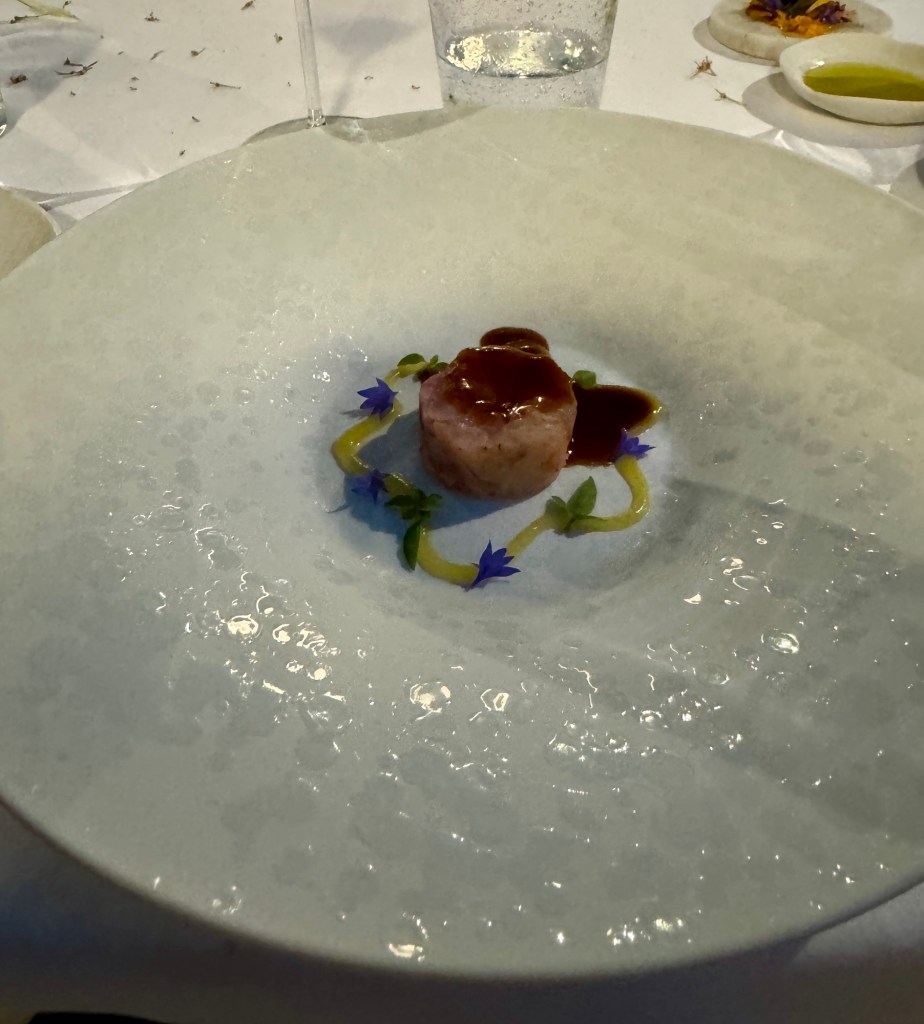
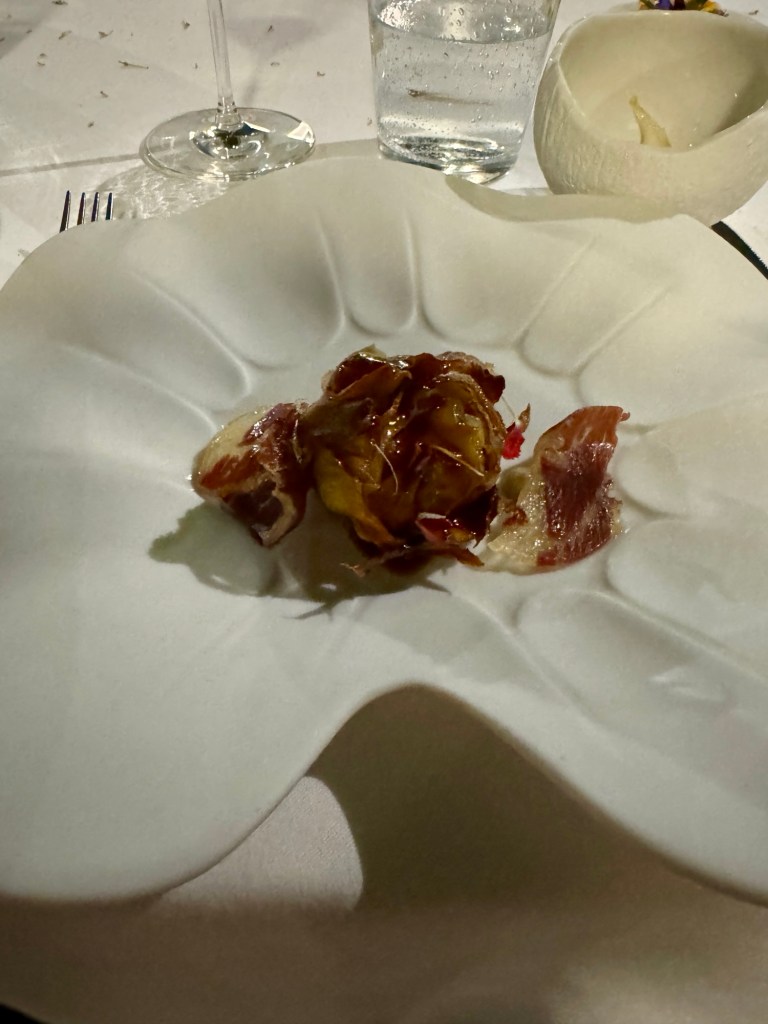
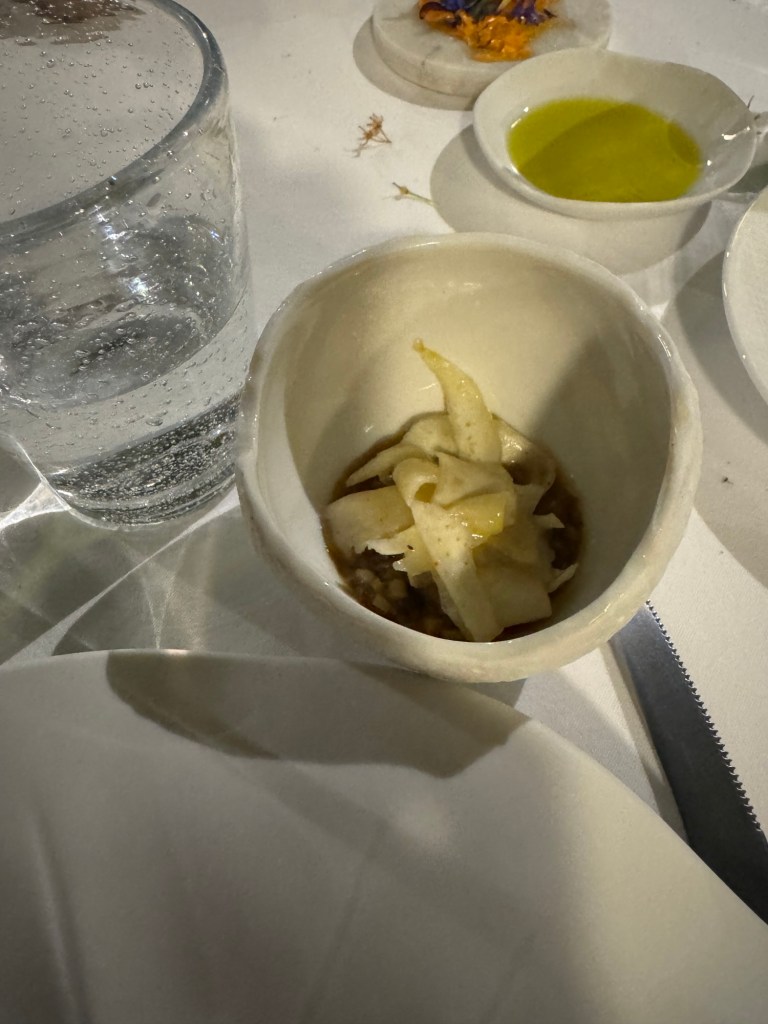
In the evening we checked in another 5 star hotel Le Prieure’ Baumaniere in Avignon. Actually it was not our initial booking but due to a change of staff our rooms were gone and they recommended this one to us. It turned out to be a disaster, some rooms were not up to standard and service was poor. The 1 star restaurant didn’t know that we had booked and paid for the dinner. Many other minor arrangements were also below expectations from a 5 star hotel.
Day 9 Monday 2/6
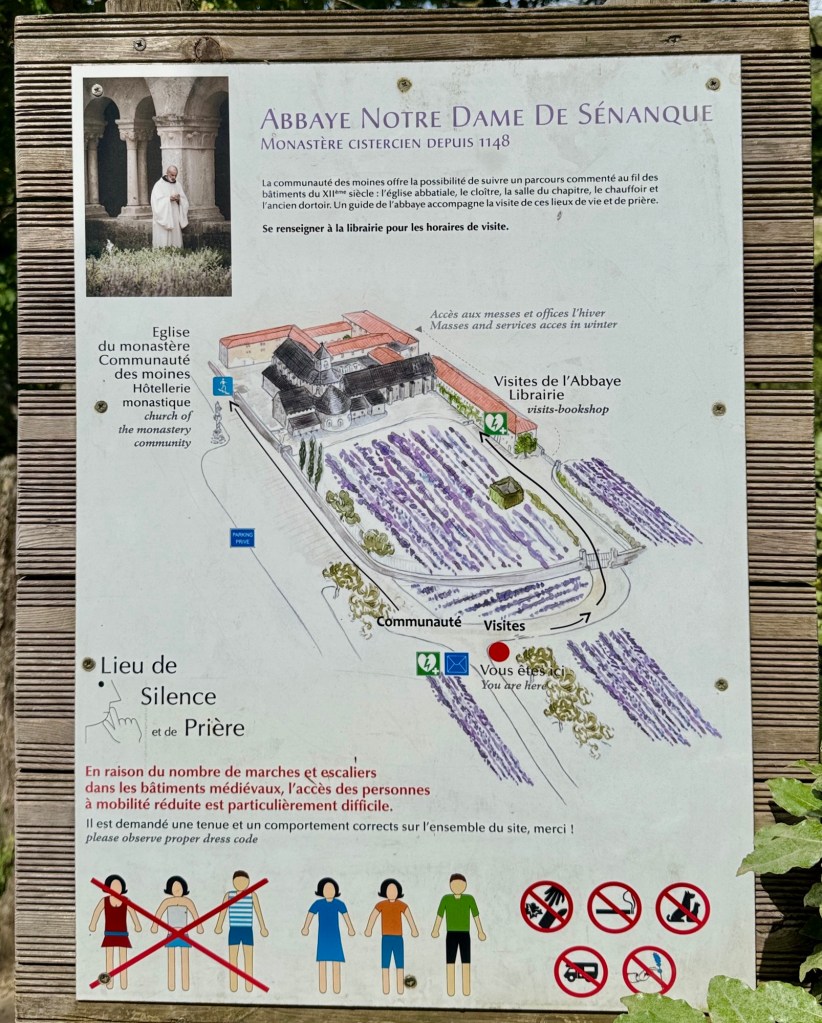
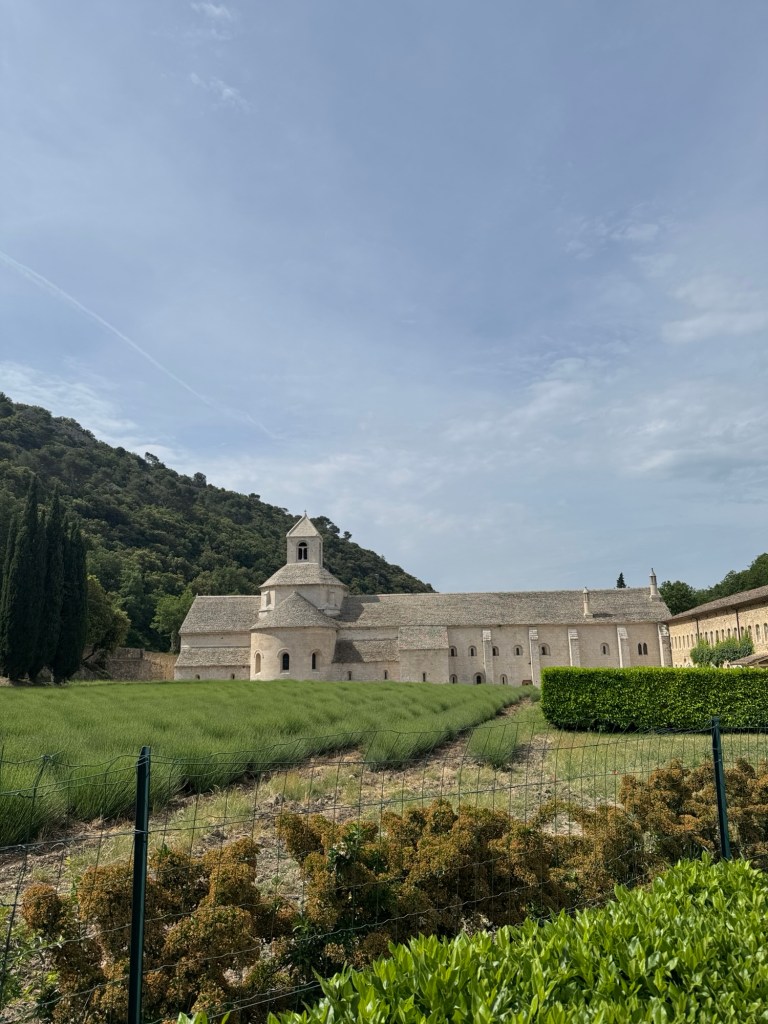
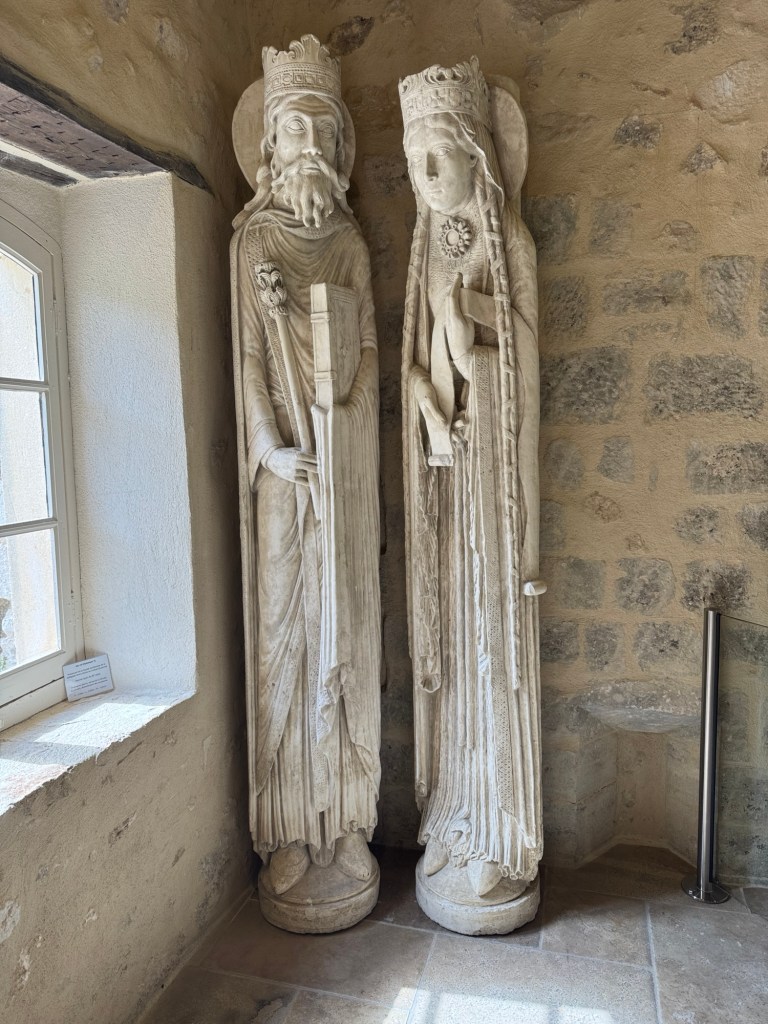
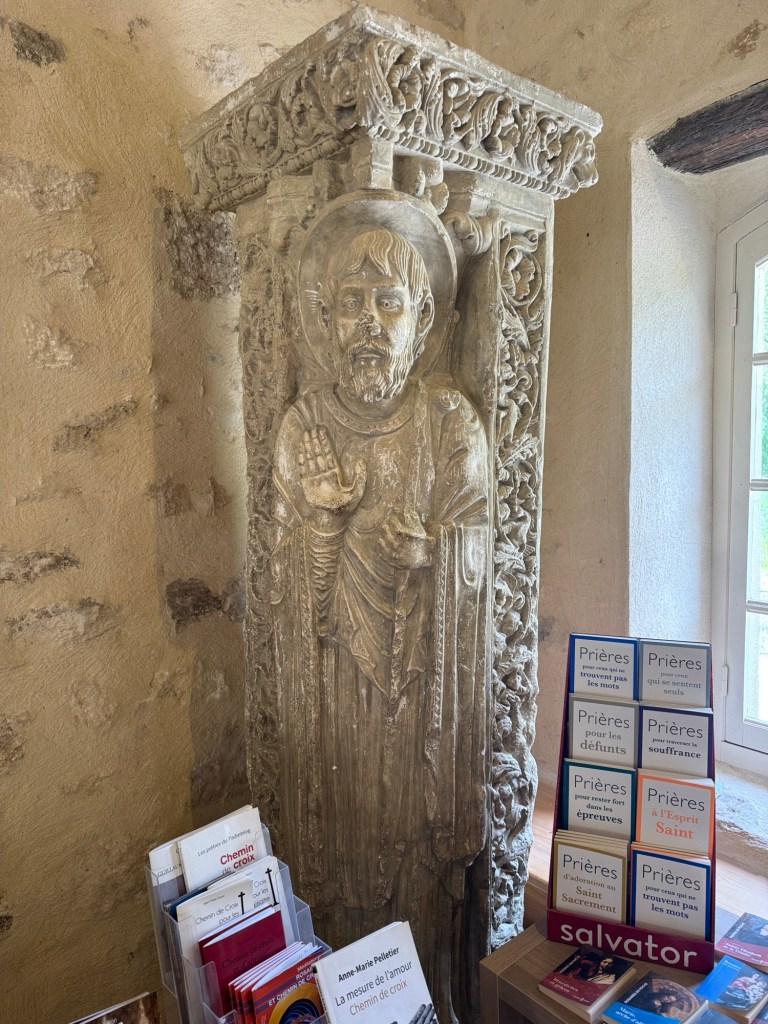
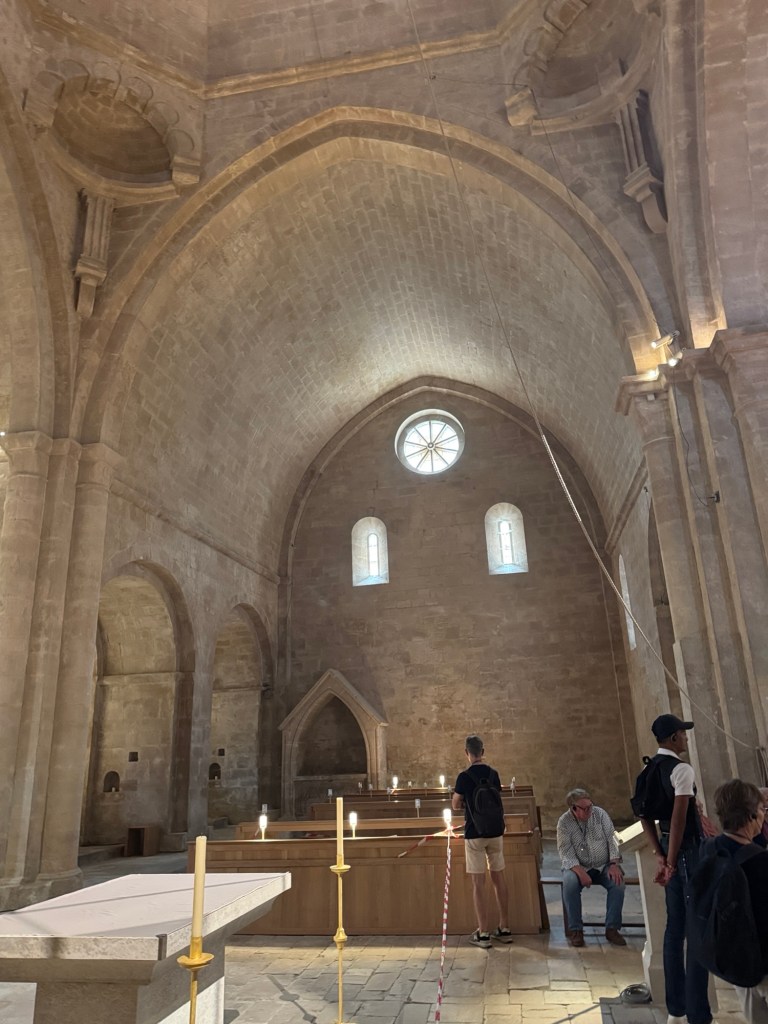
After breakfast we went to L’Isle la Sorgue to visit the Abbaye de Senanque. Unfortunately we were 2 weeks earlier and missed the blooming lavender, a famous view of the abbey.

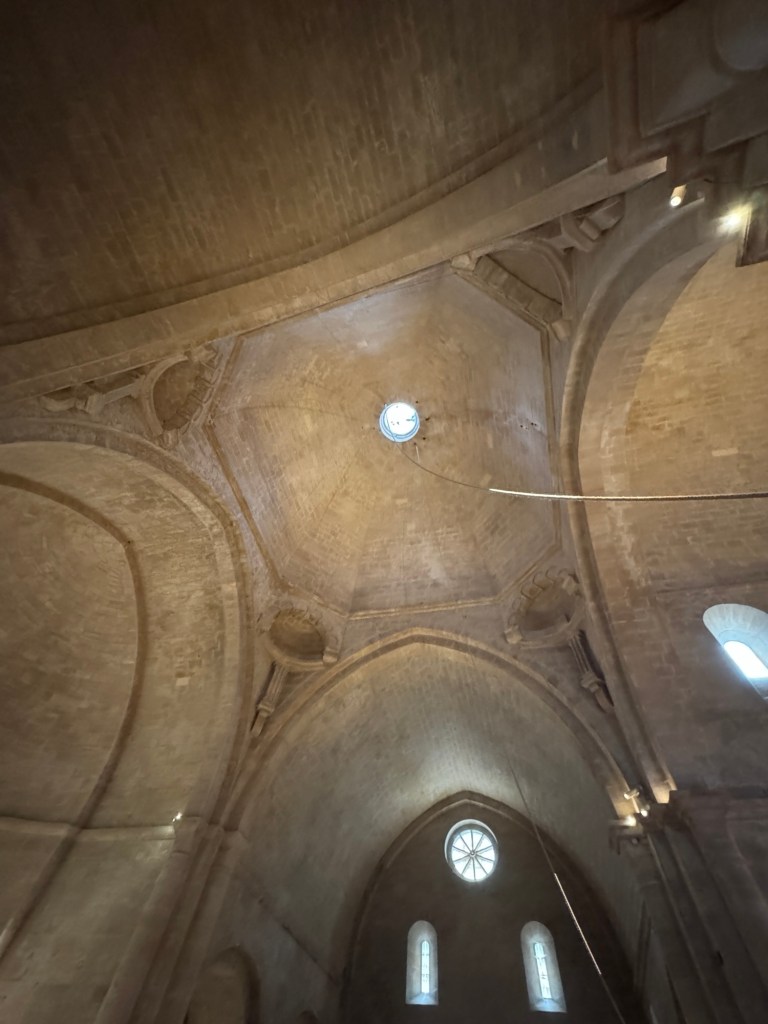
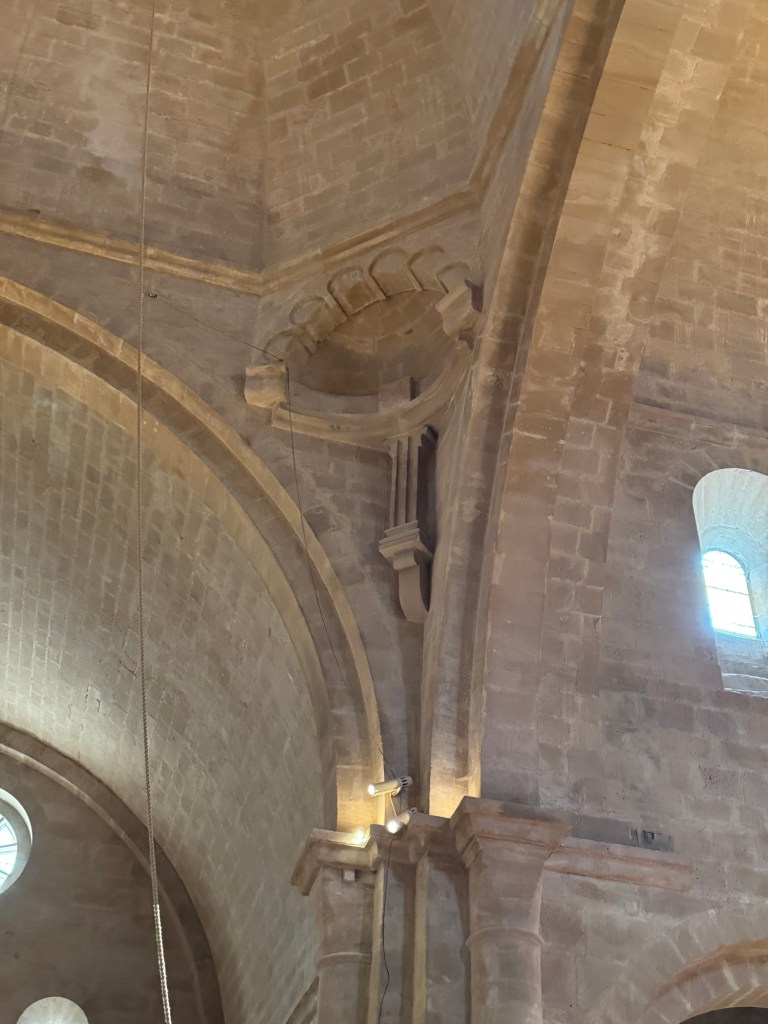
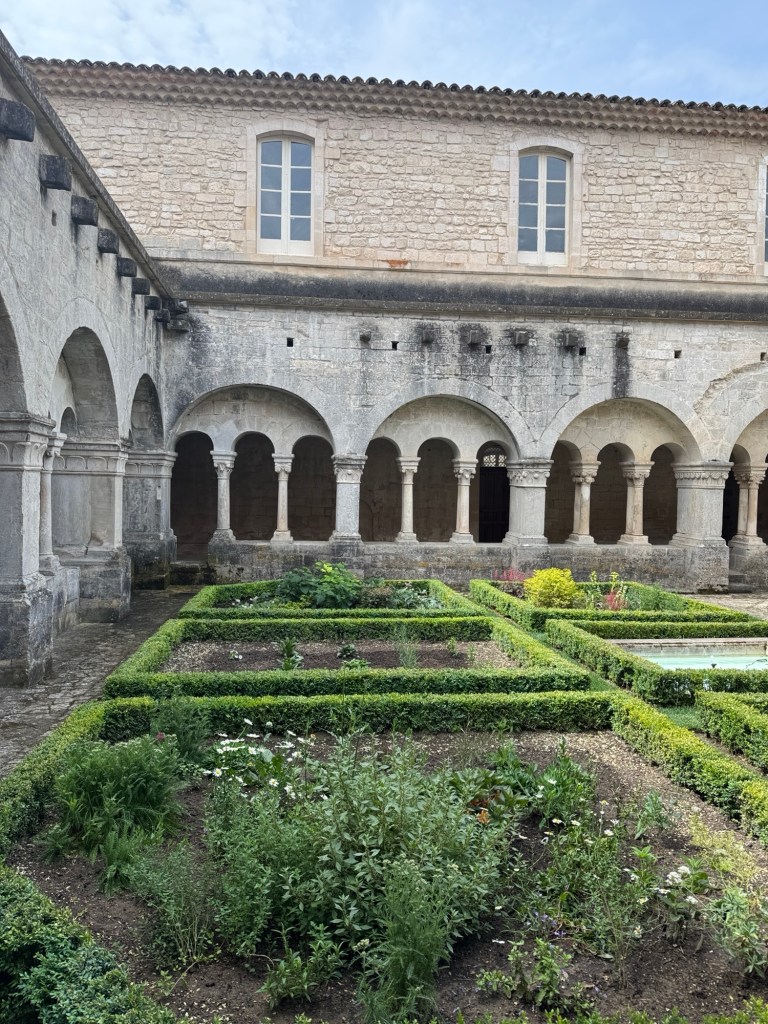
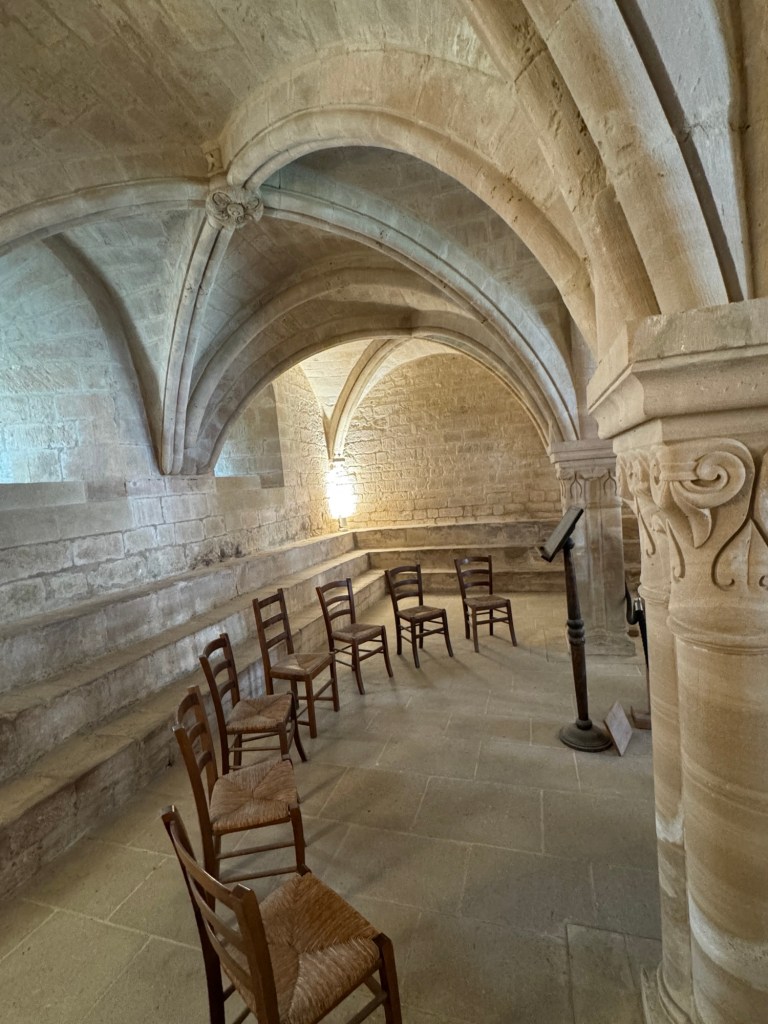

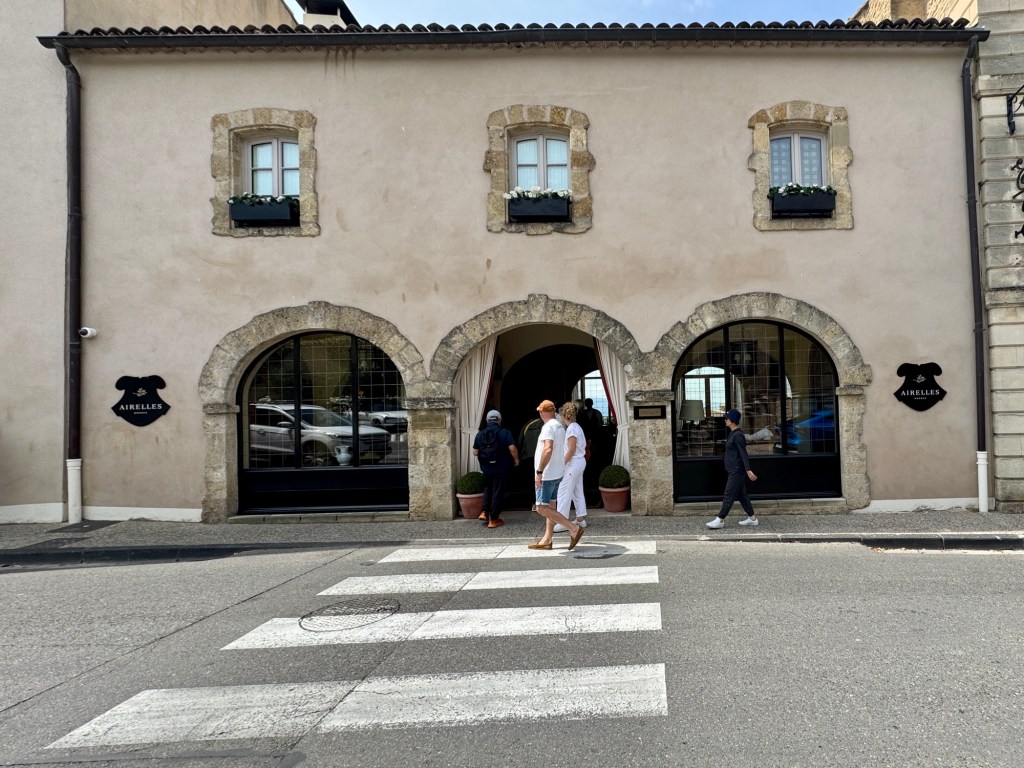
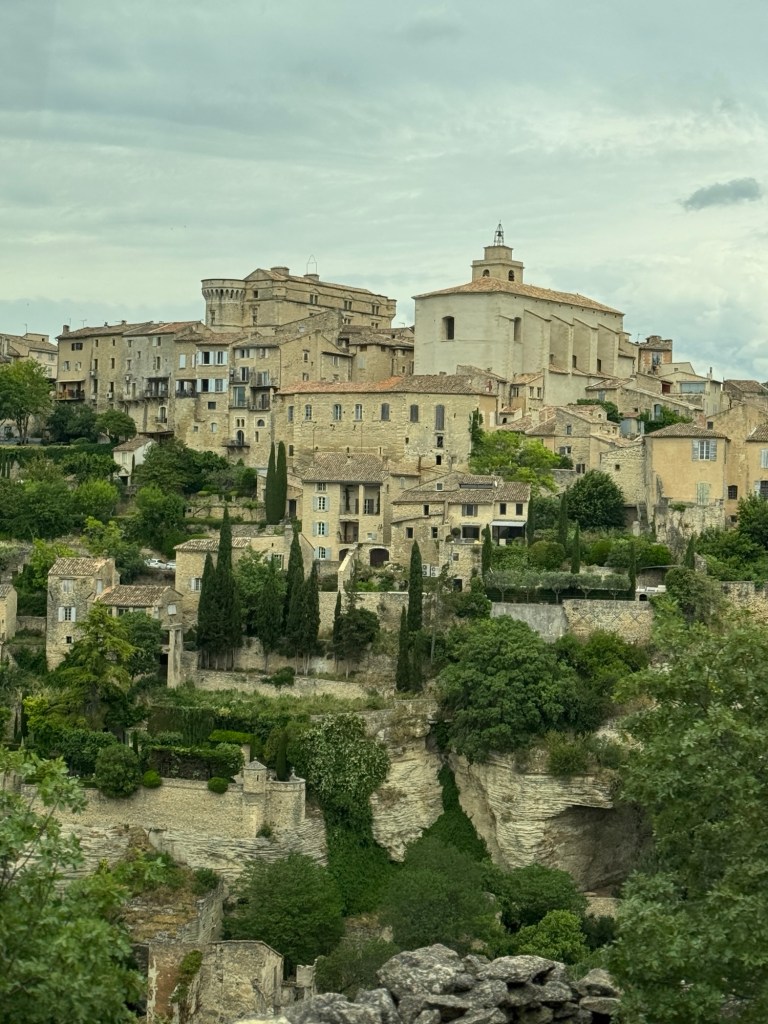
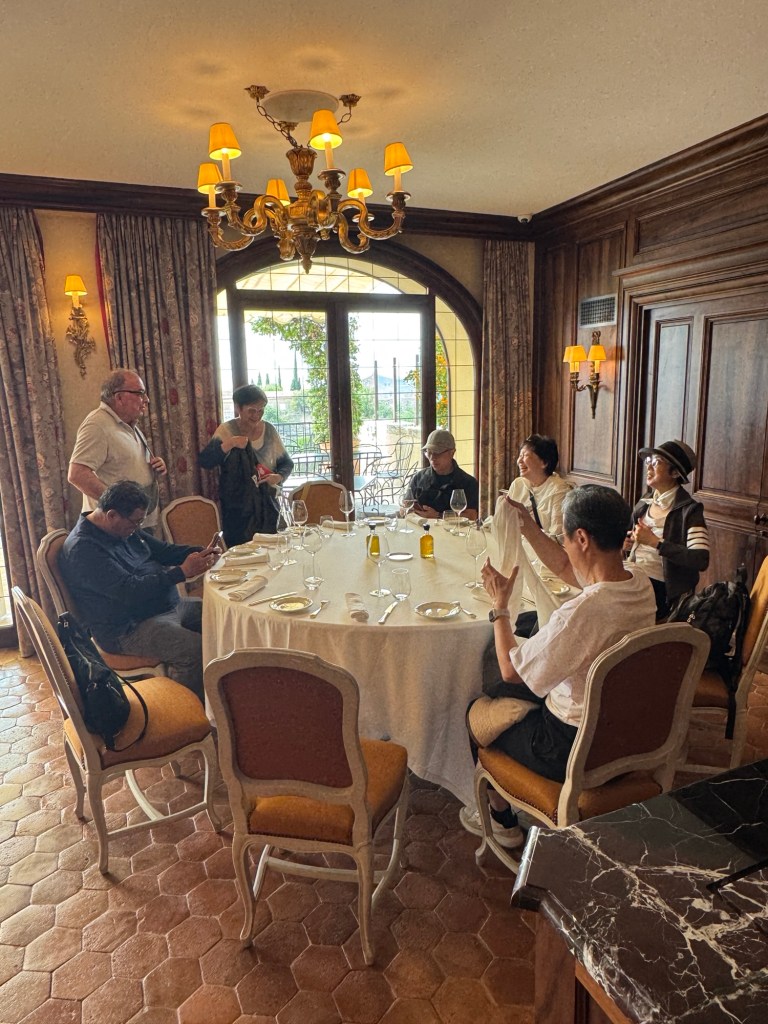
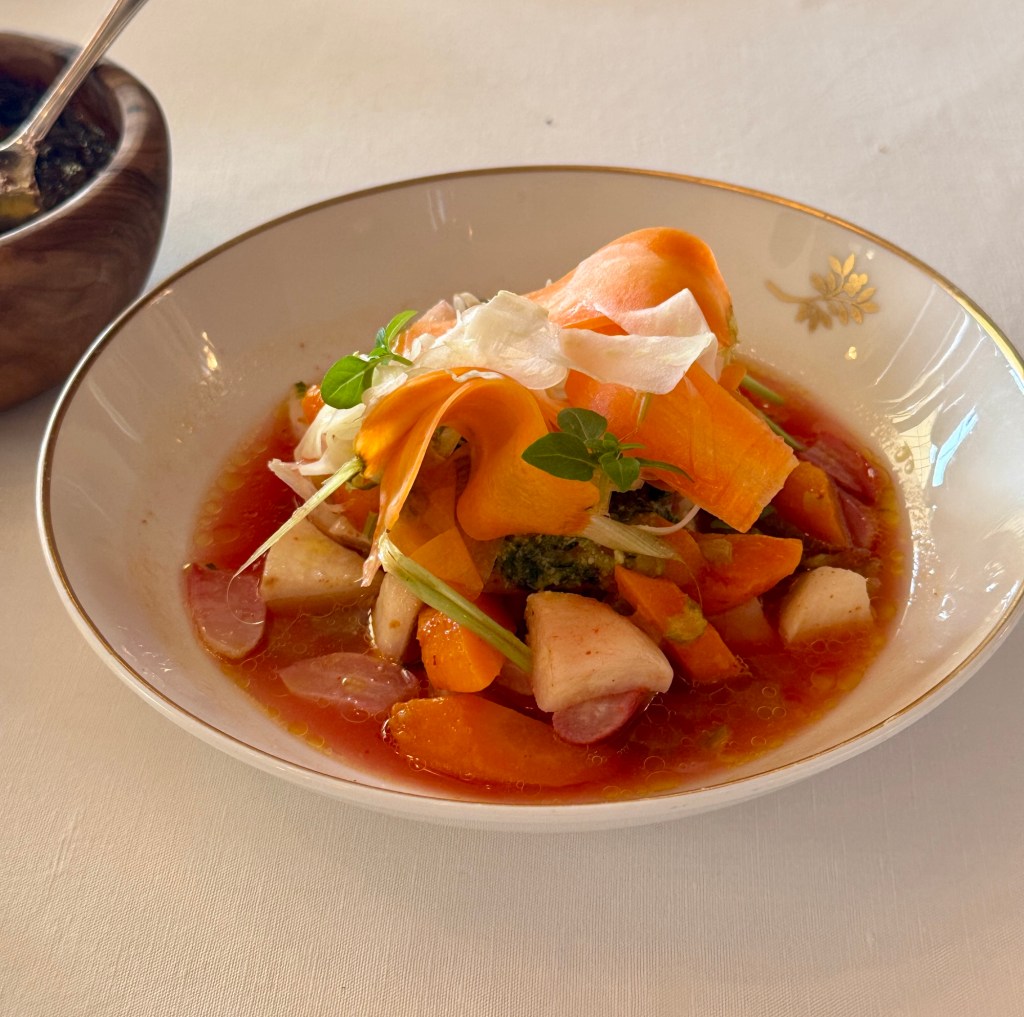
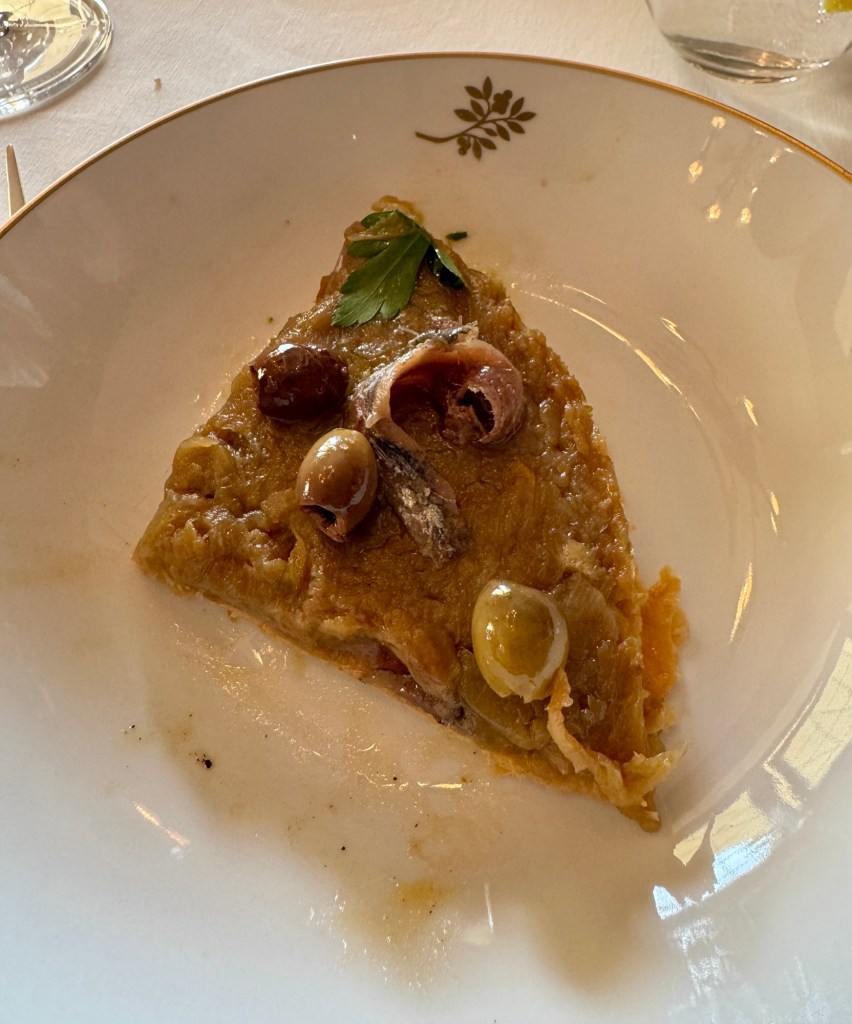
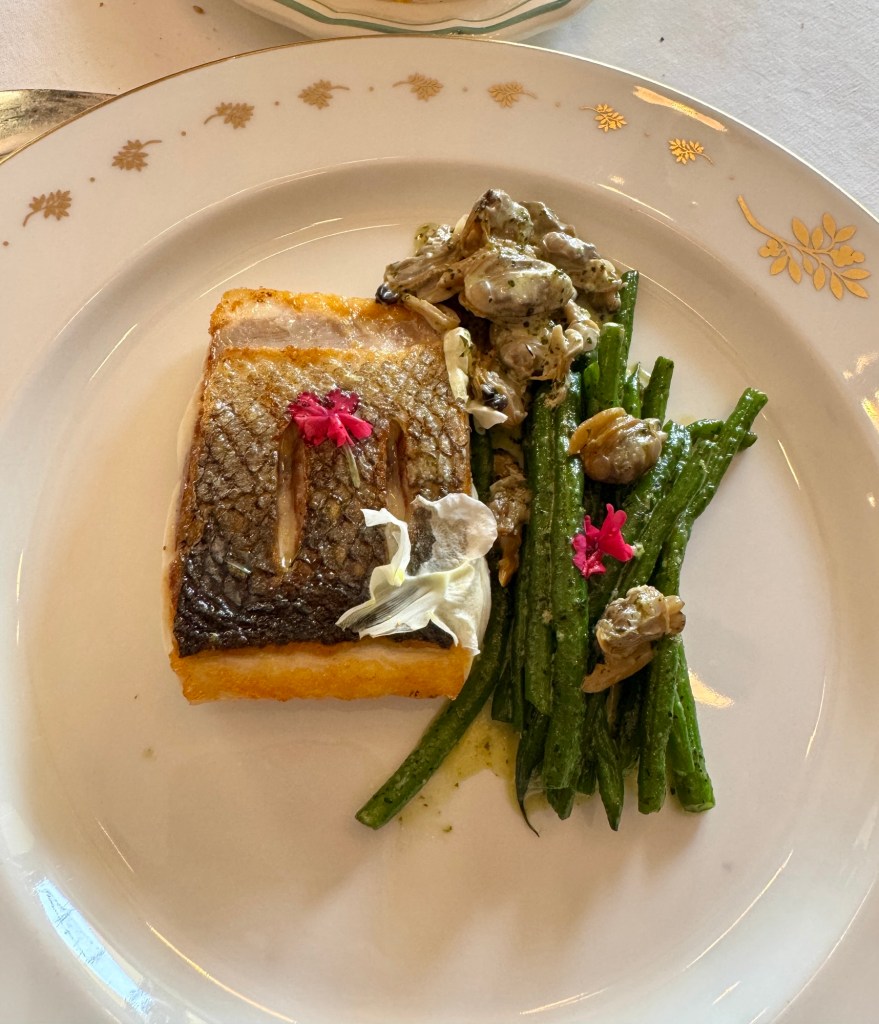
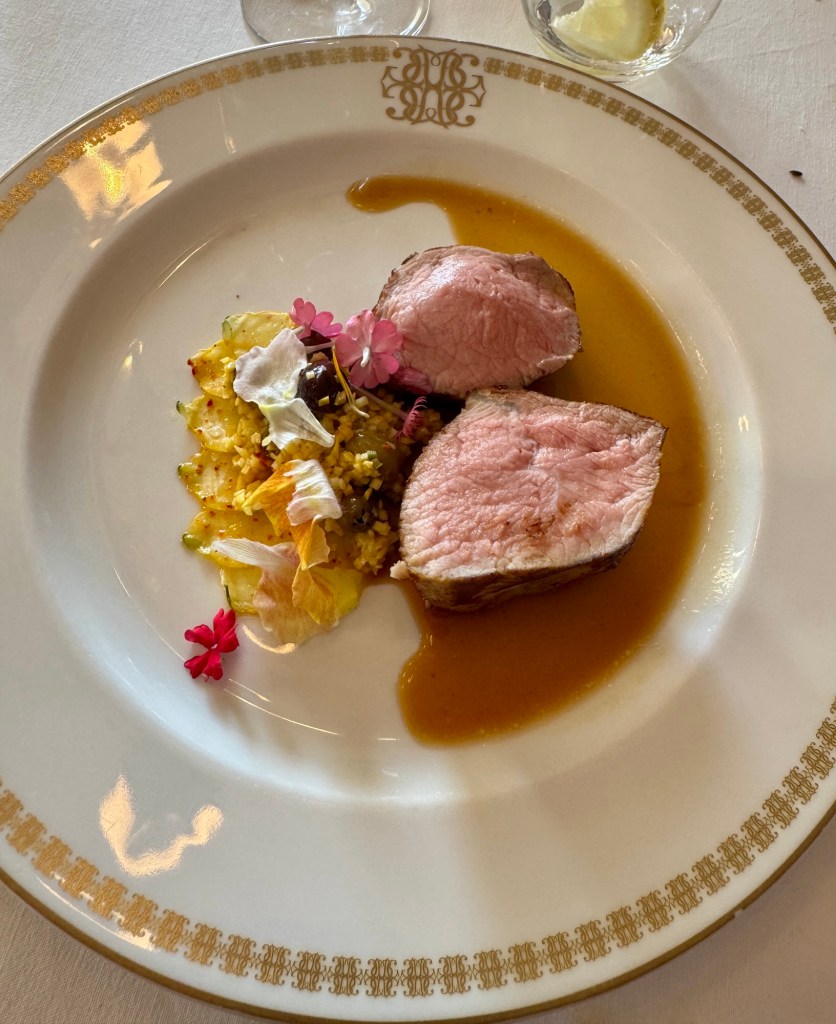
Then we have lunch at the La Table de la Bastide, famous restaurant of Airelles Domaine in Gordes with an amazing view of the Luberon area


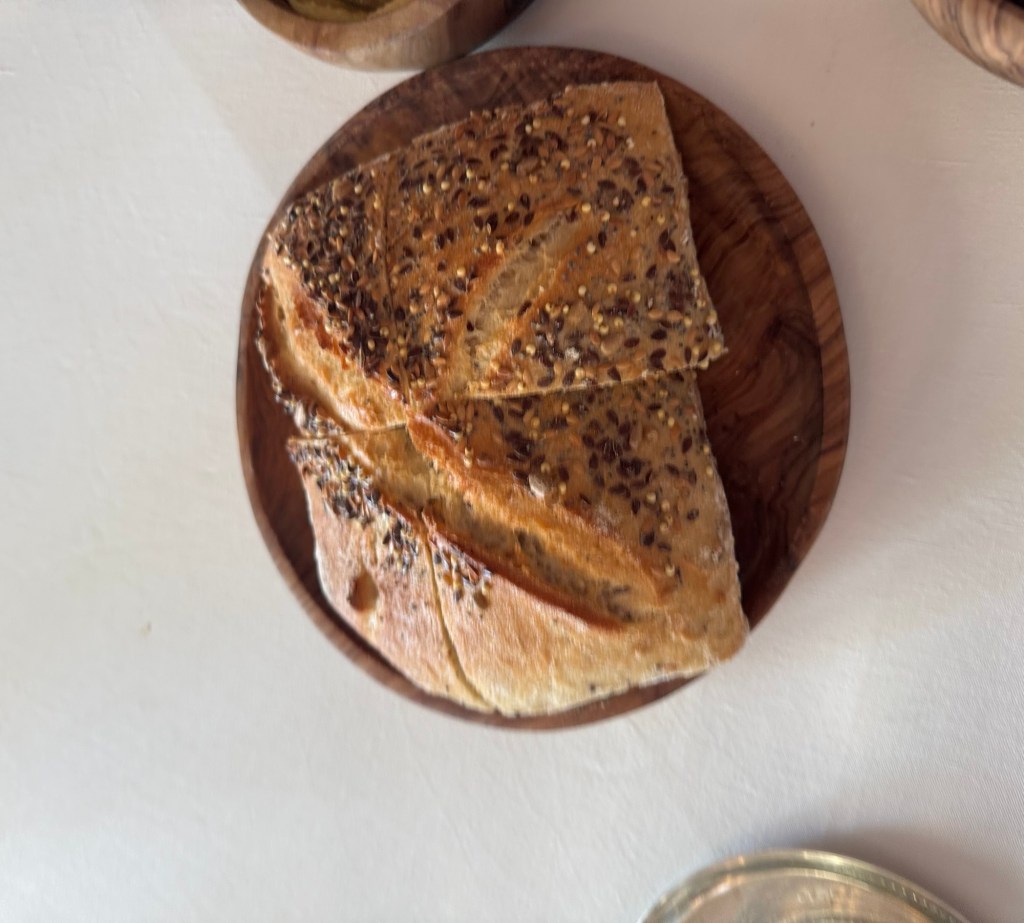
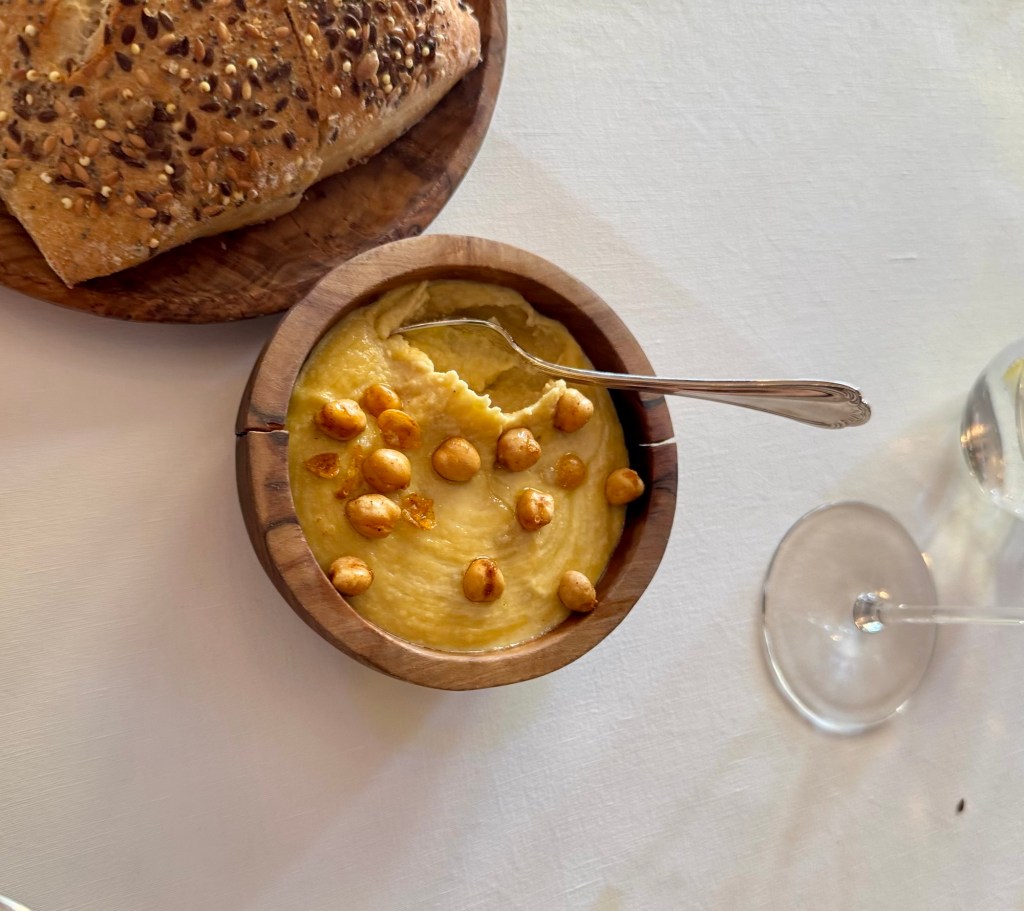
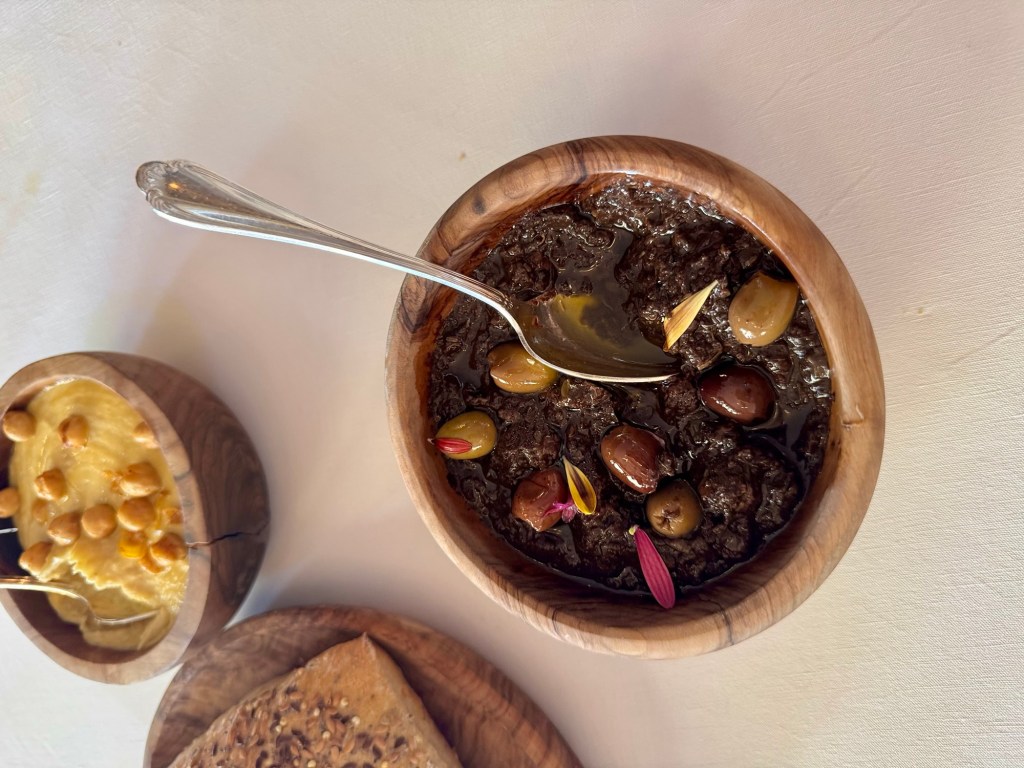
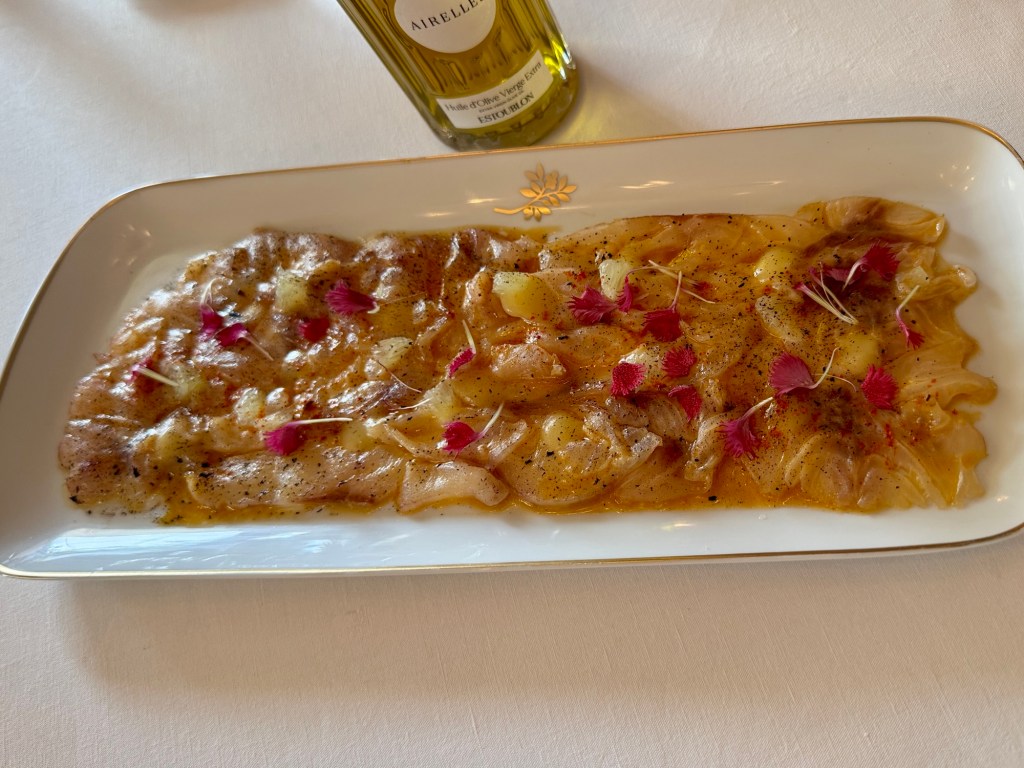

After lunch we went to a typical village of Apt to visit a family owned Lavender distillery, the Agnels. Overtime 5 generations succeed one another and still running strong.
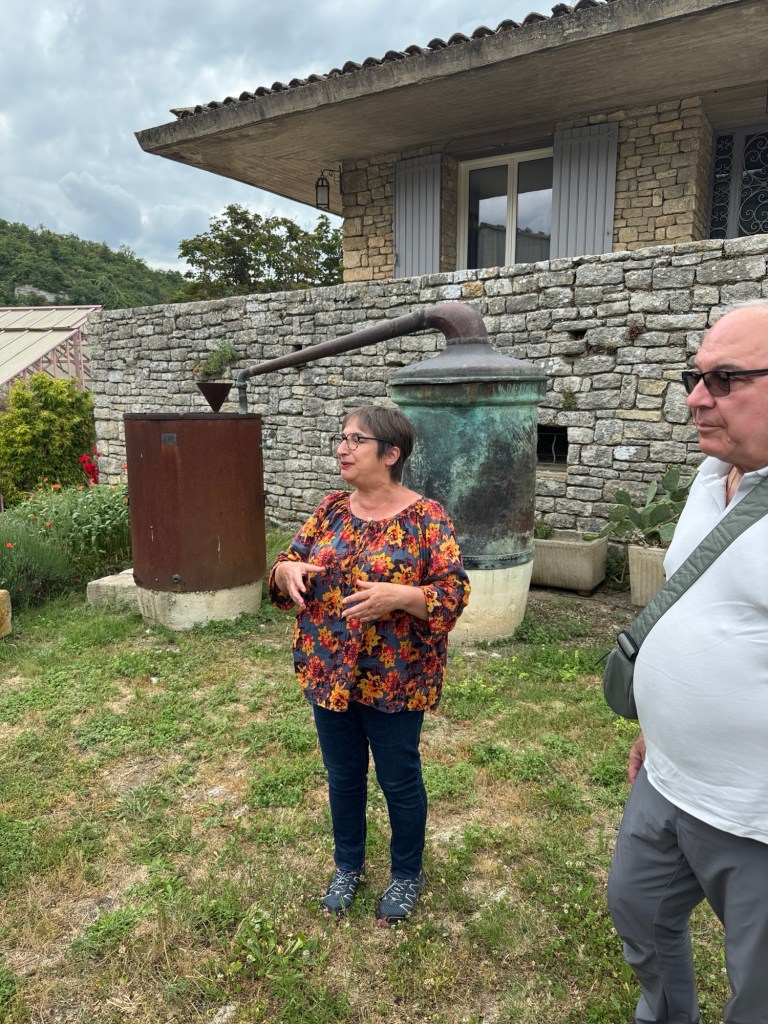
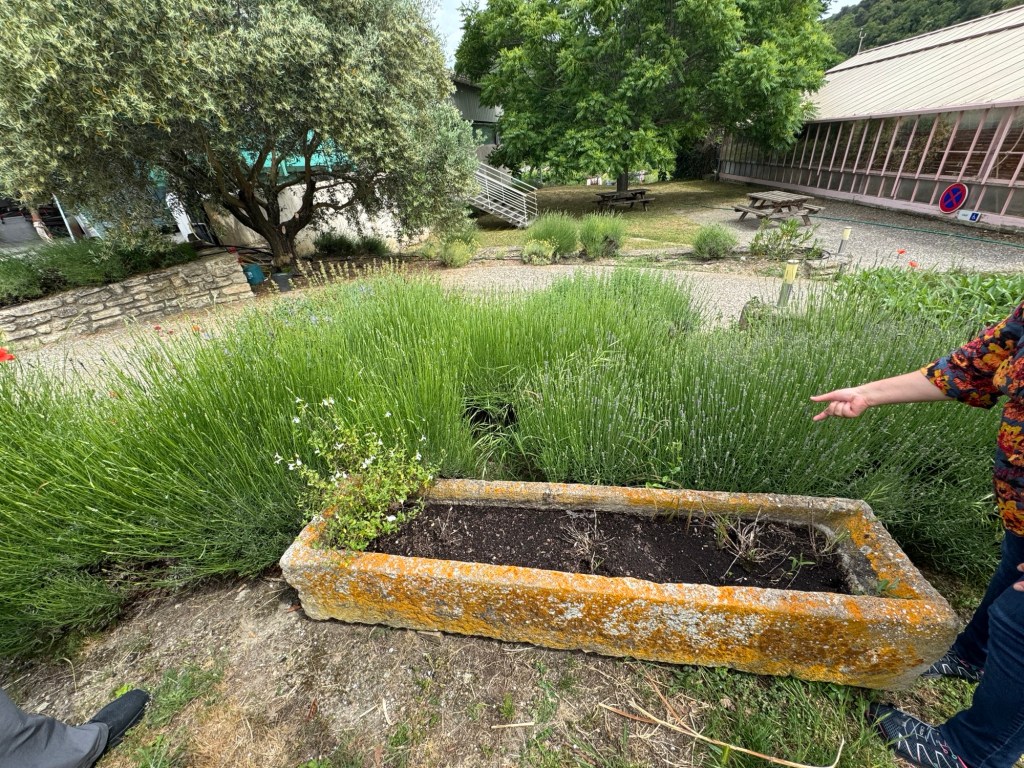
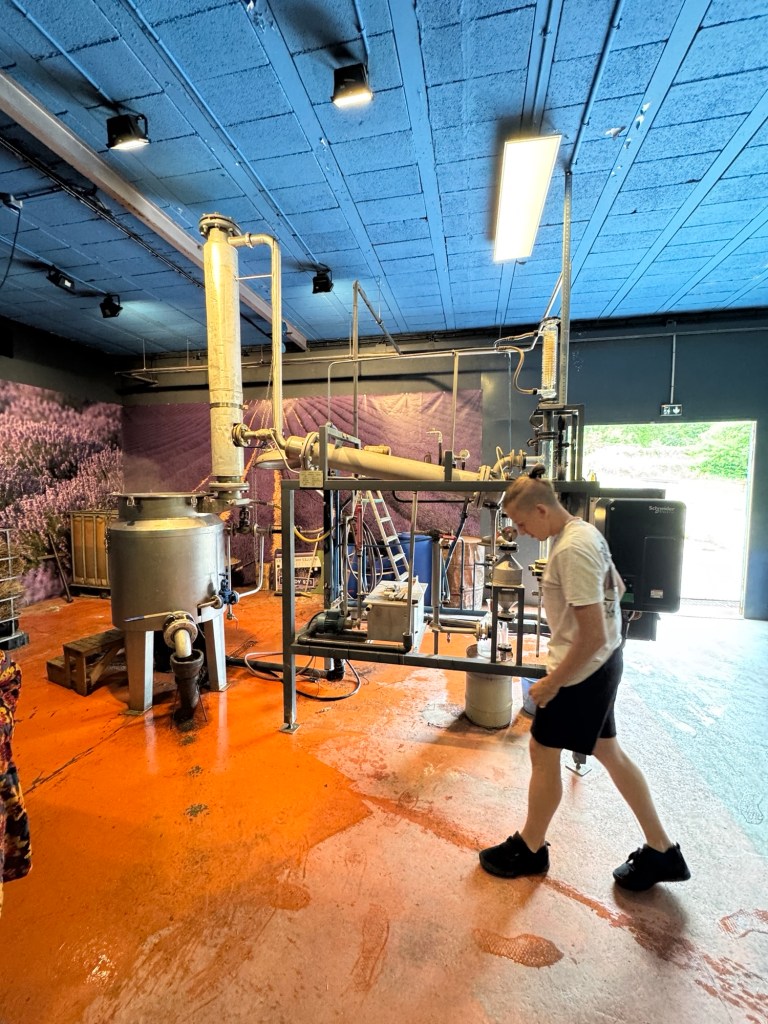
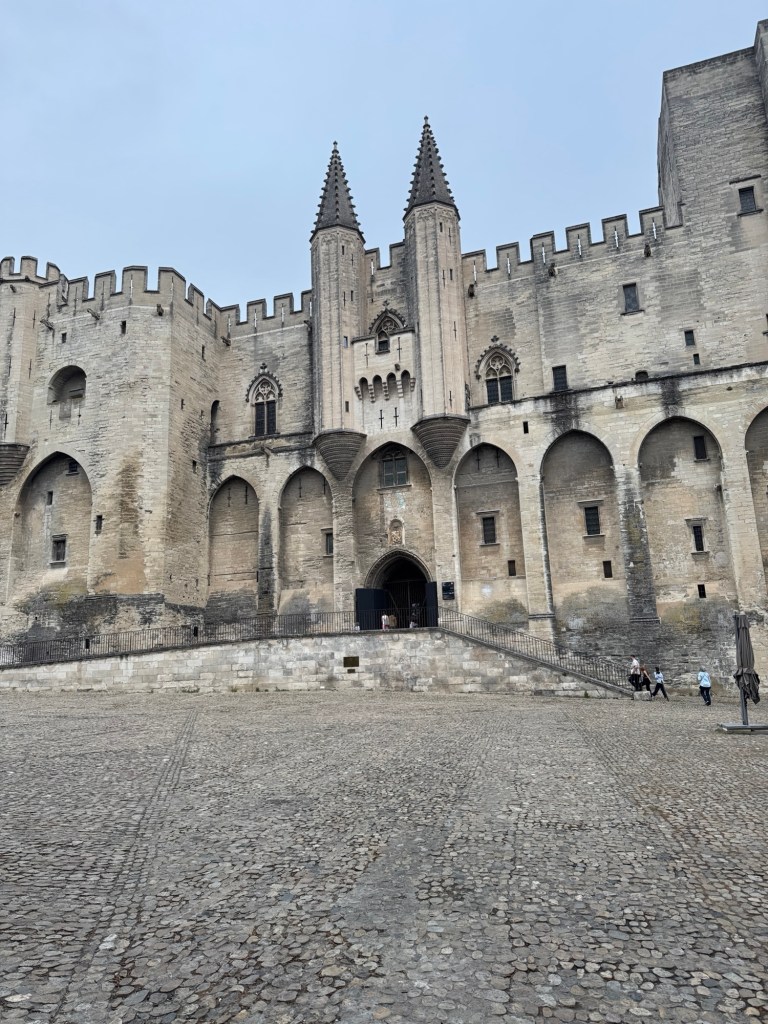
While walking to our restaurant for dinner we had a quick Look of Palais des Papes (Pope’s palace)

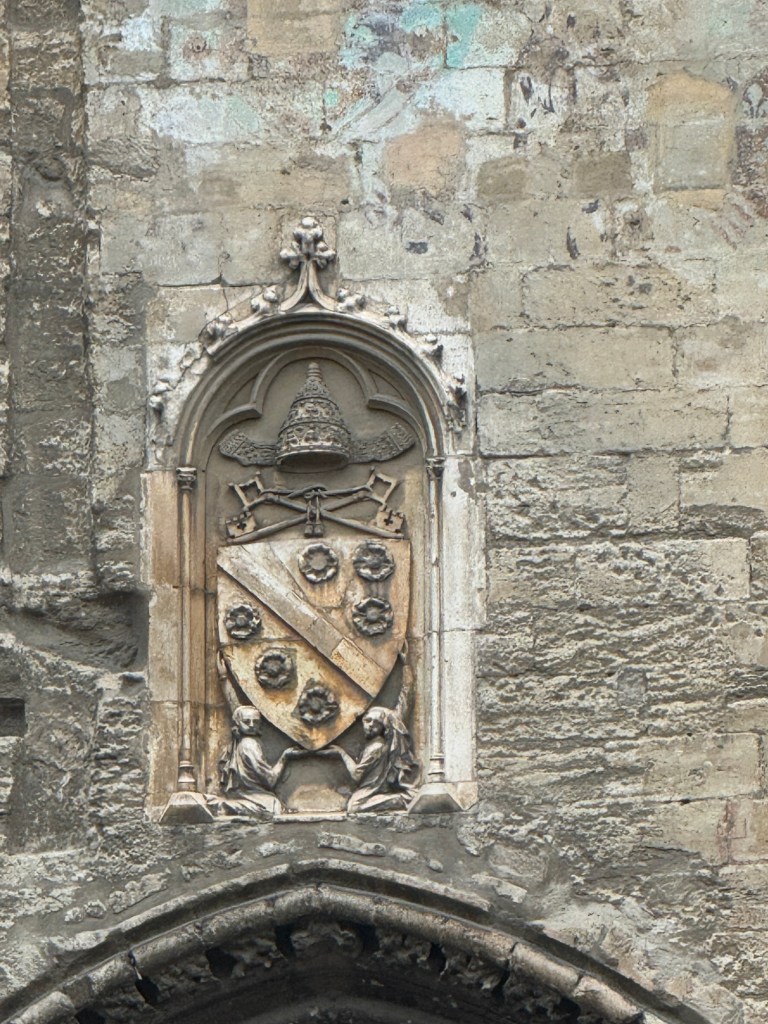
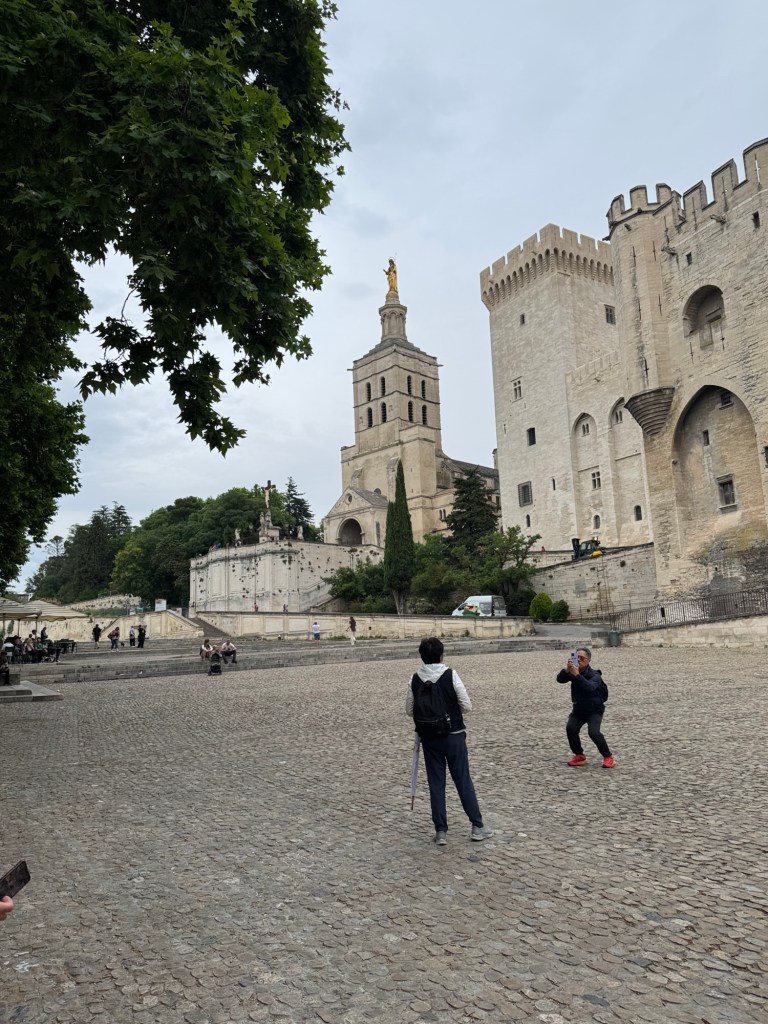
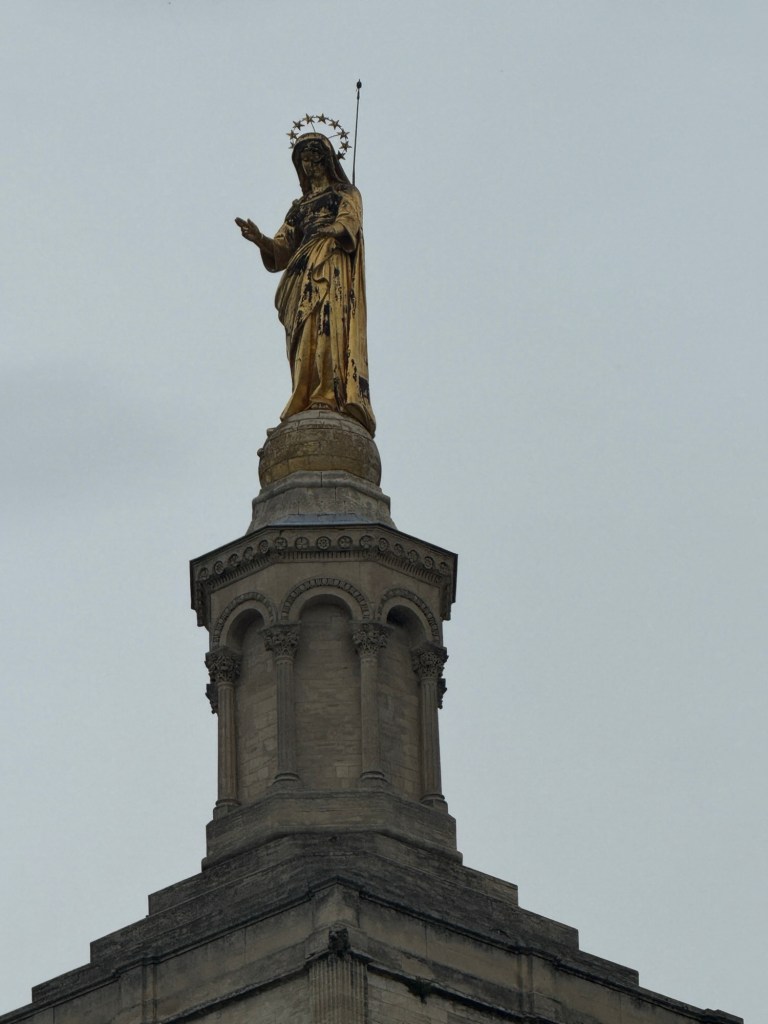
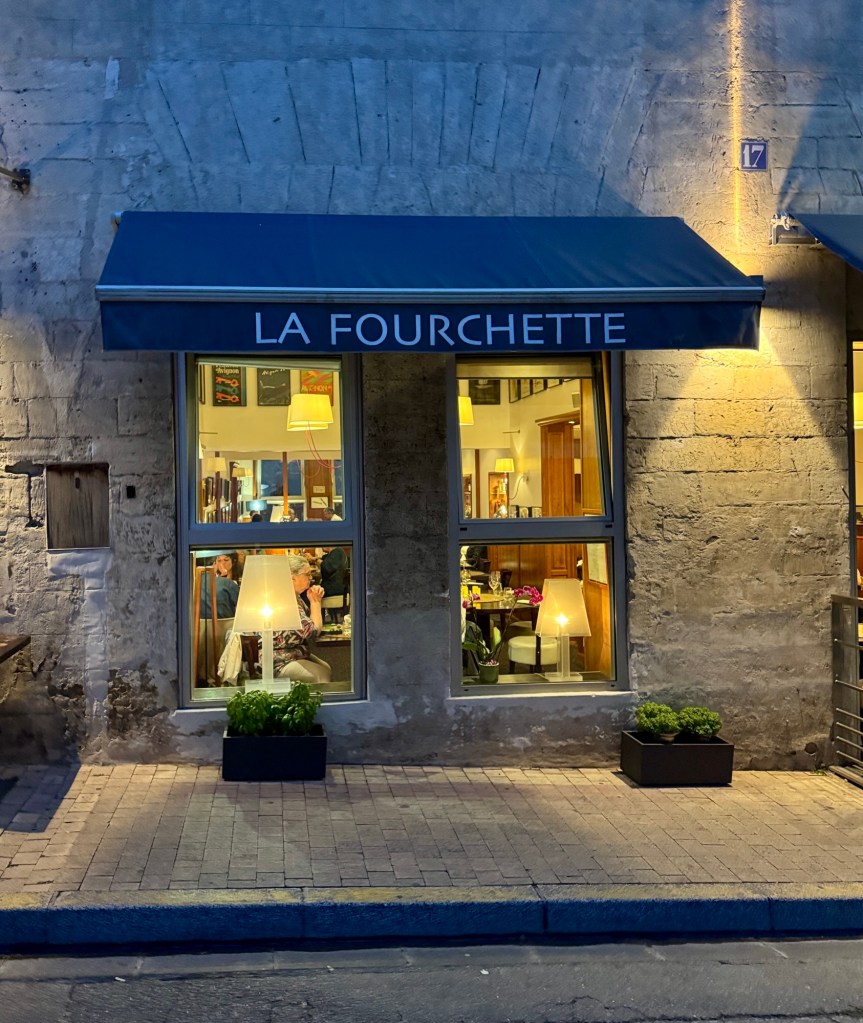
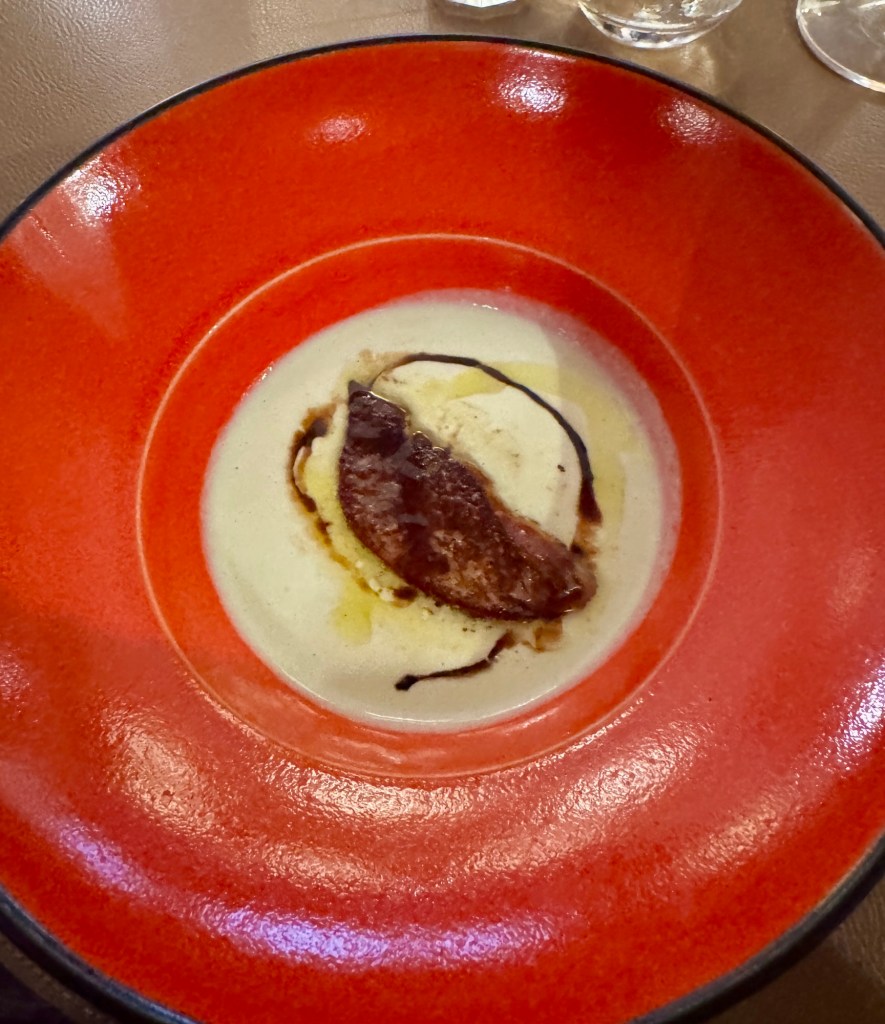
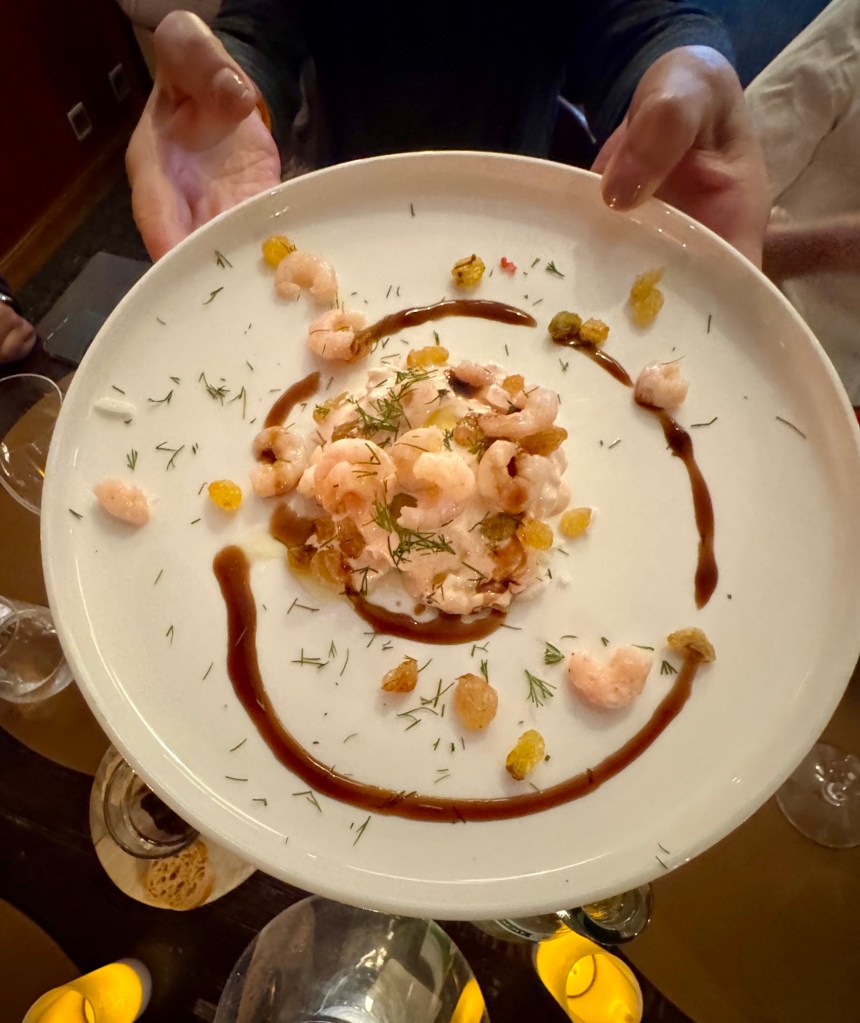
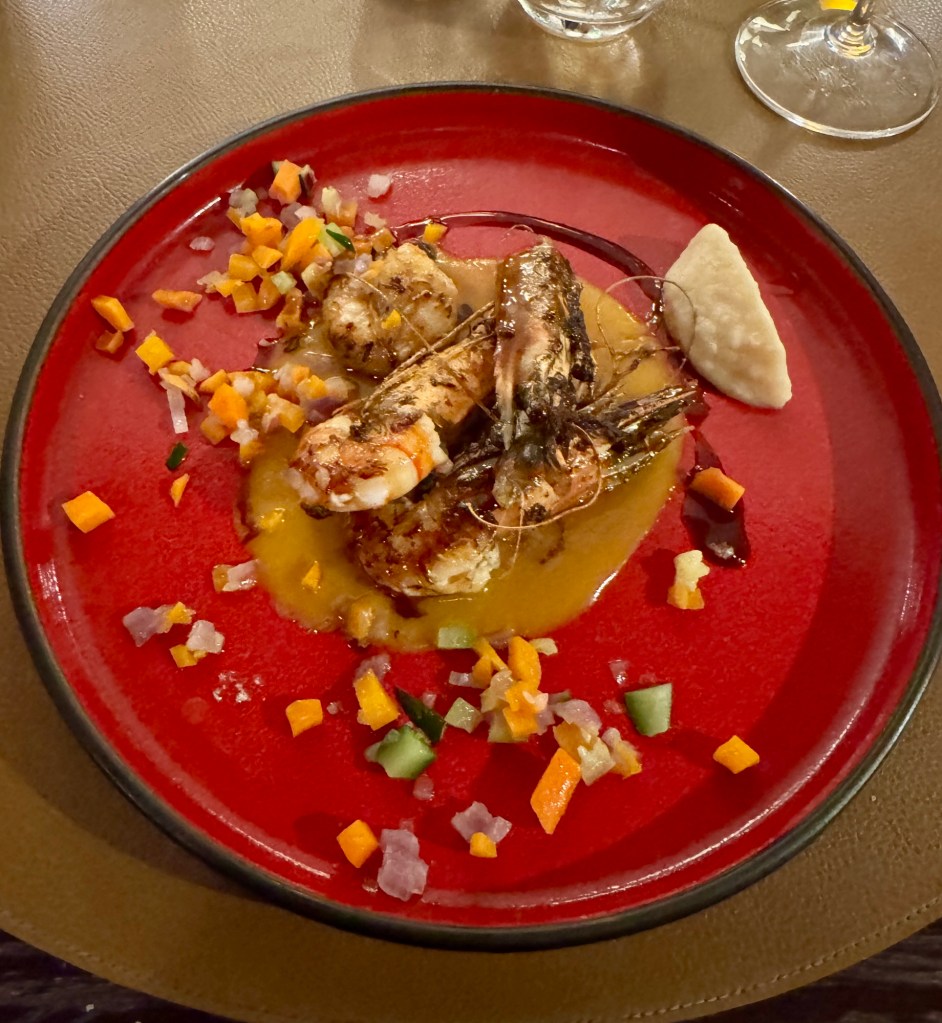
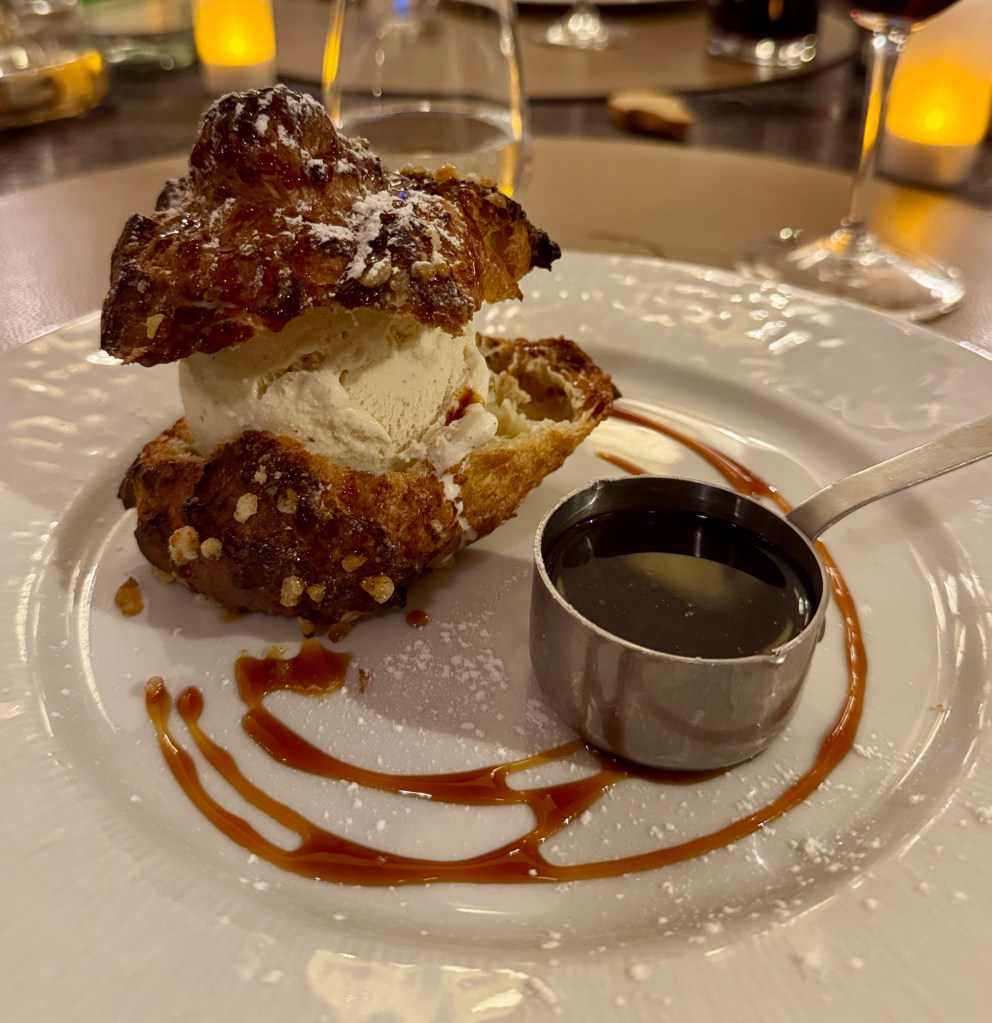
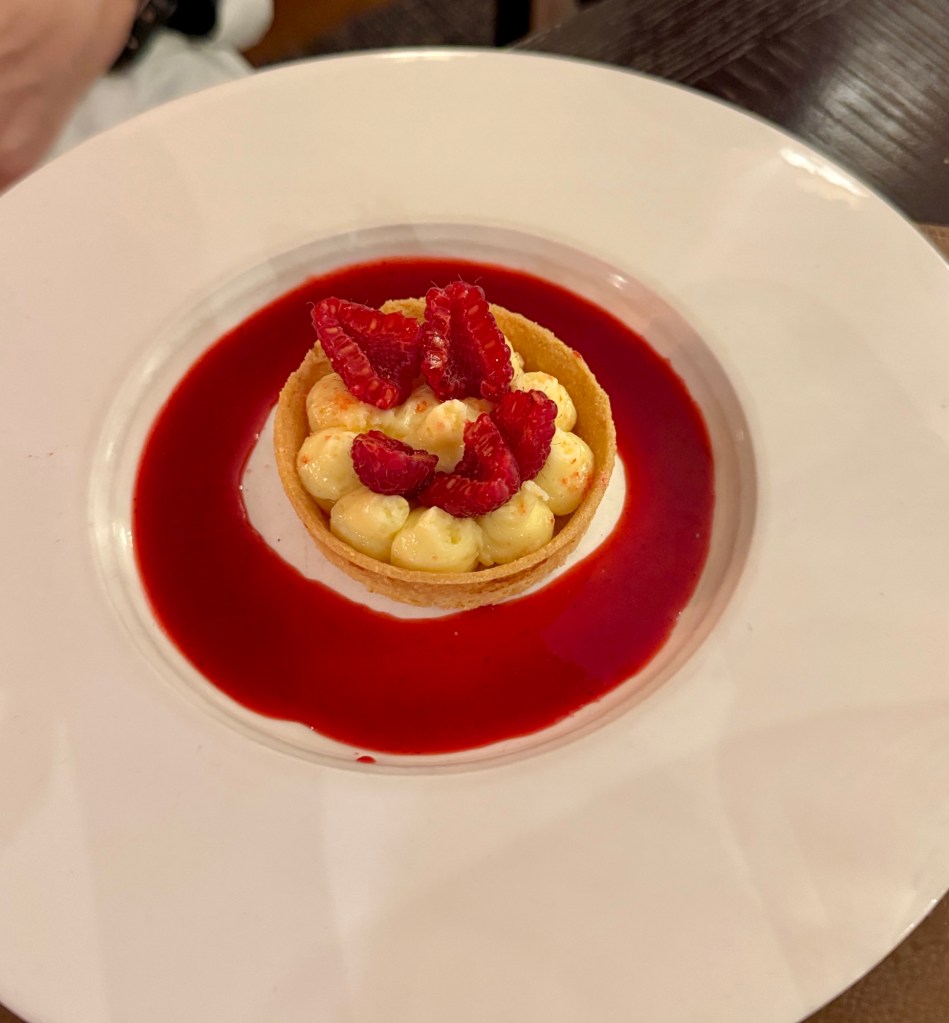
La Fourxhette restaurant for dinner. Quite a cosy restaurant and we took the white and red wine they mixed by themselves.
Day 10 Tuesday 3/6
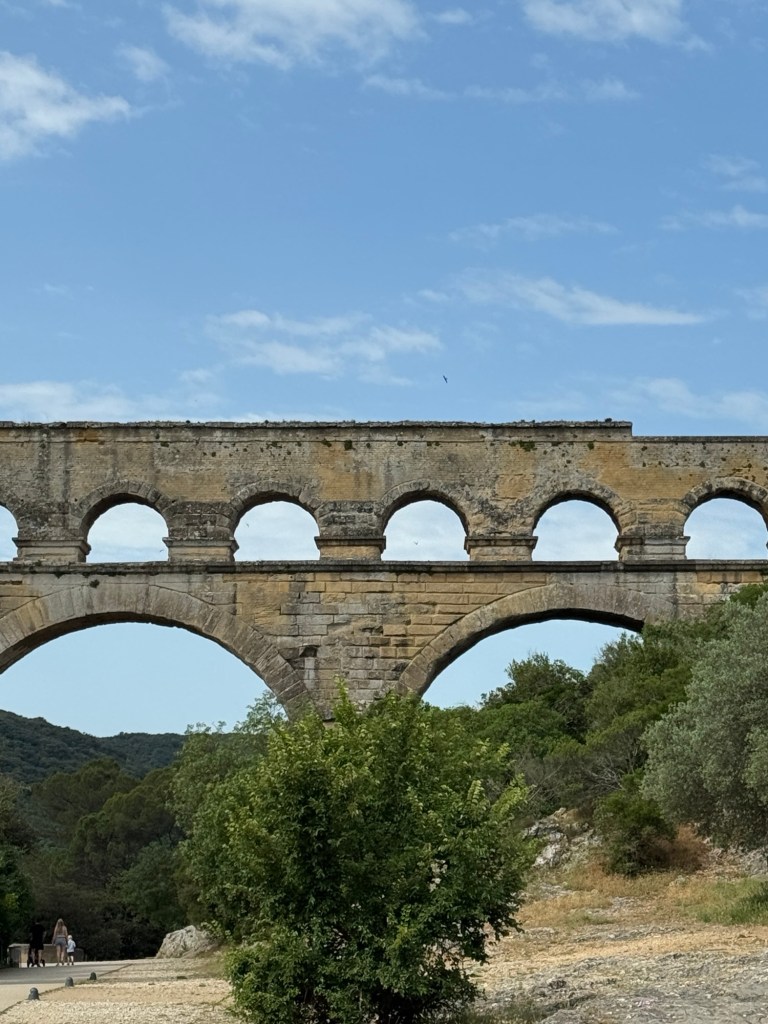
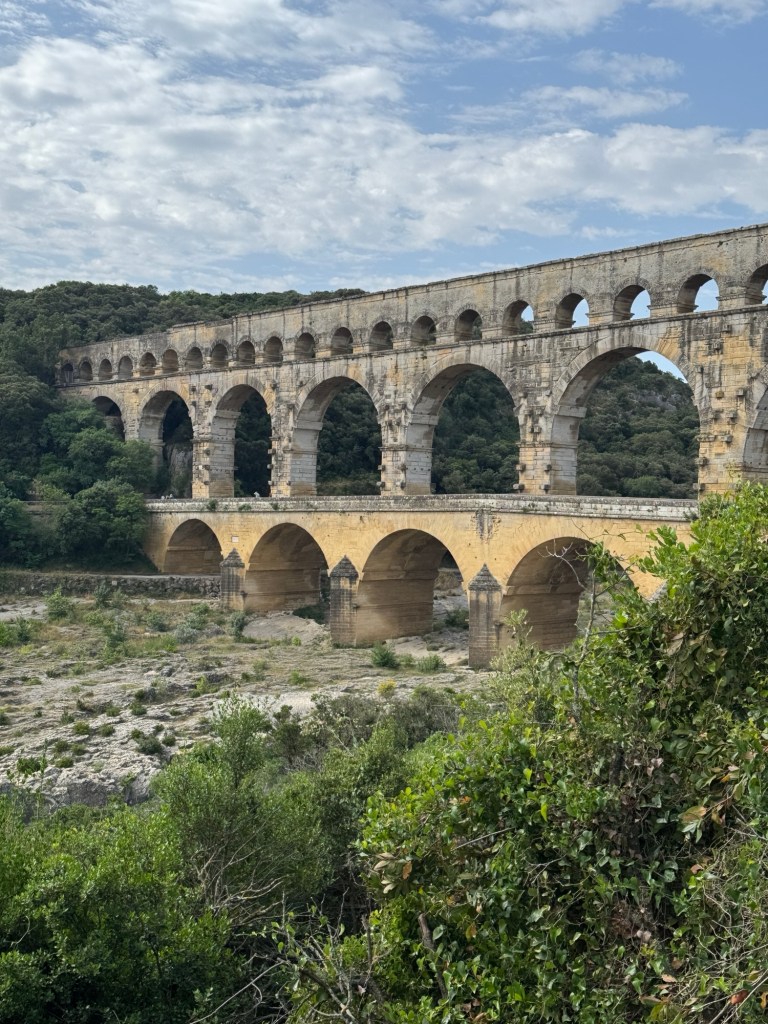
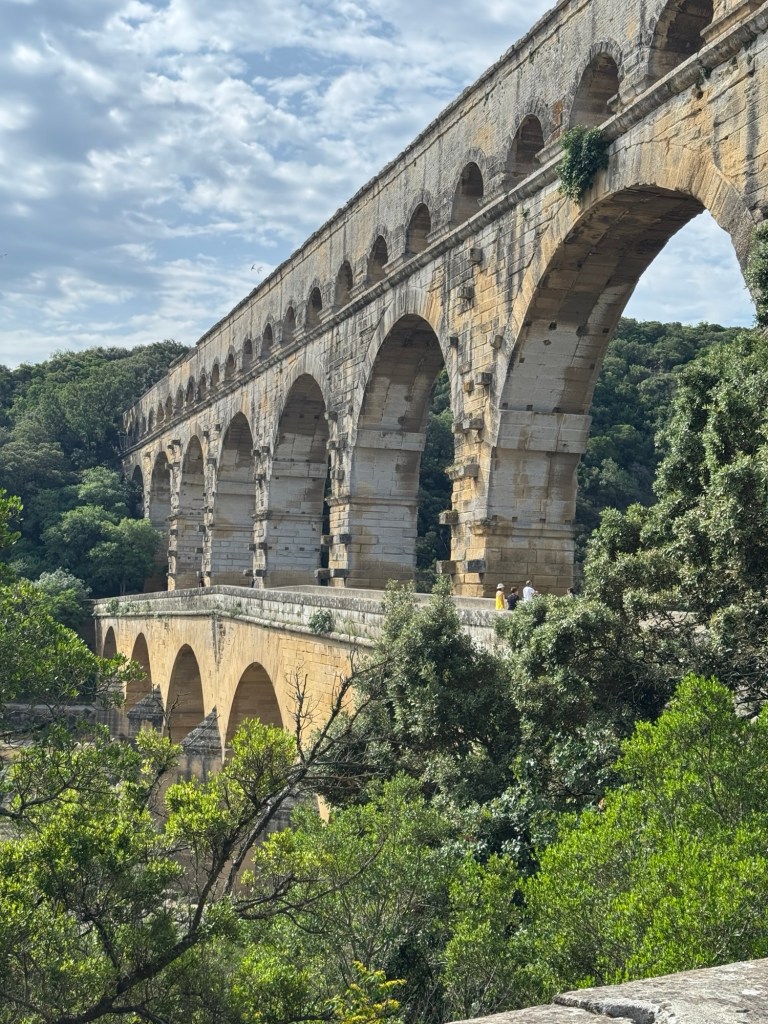
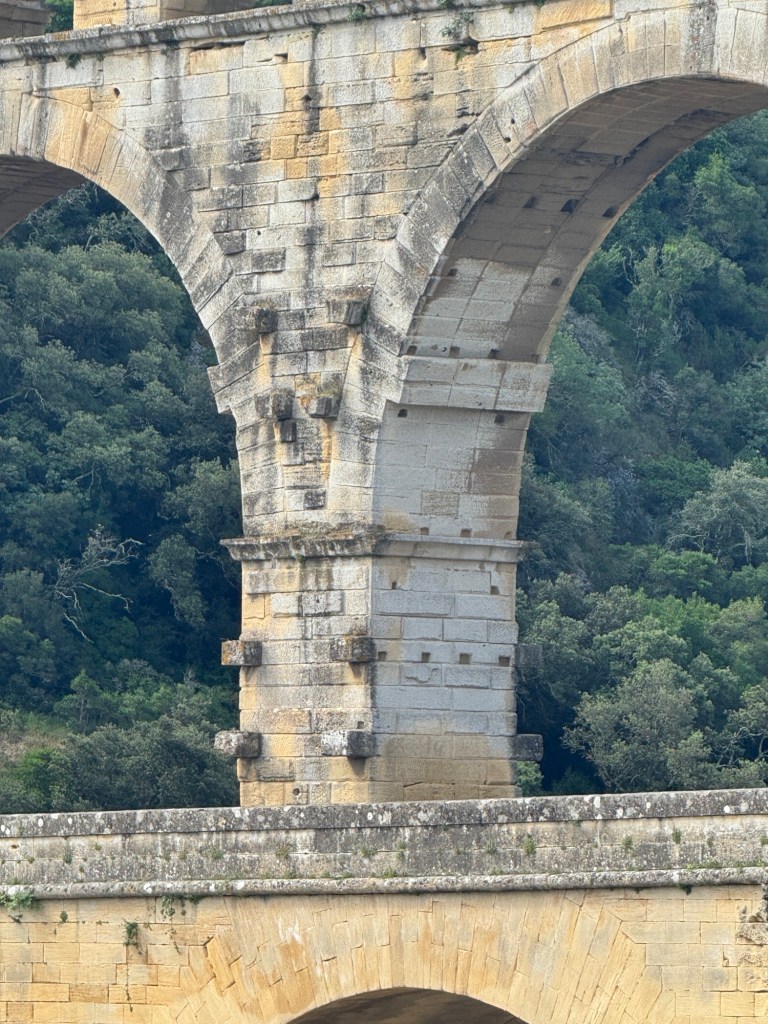
After breakfast we went to see the famous Pont du Gard, jewel of the Roman engineering, built to bring fresh water to Nimes in 40 BC. At a height of 49 M it is highest in the world.
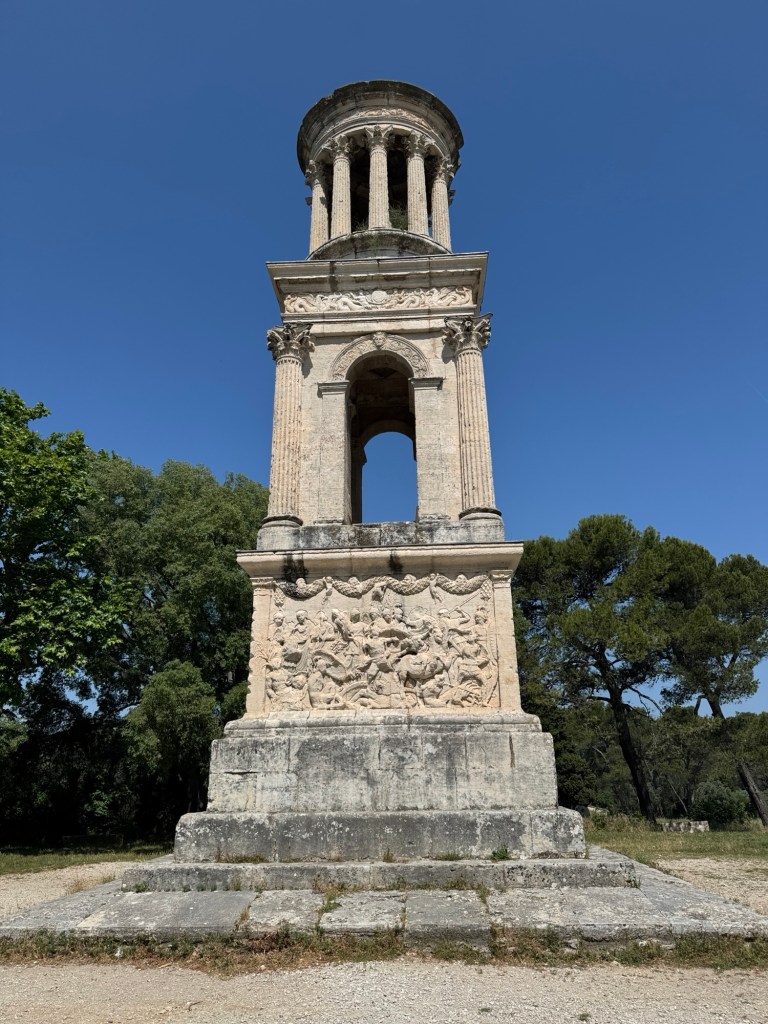
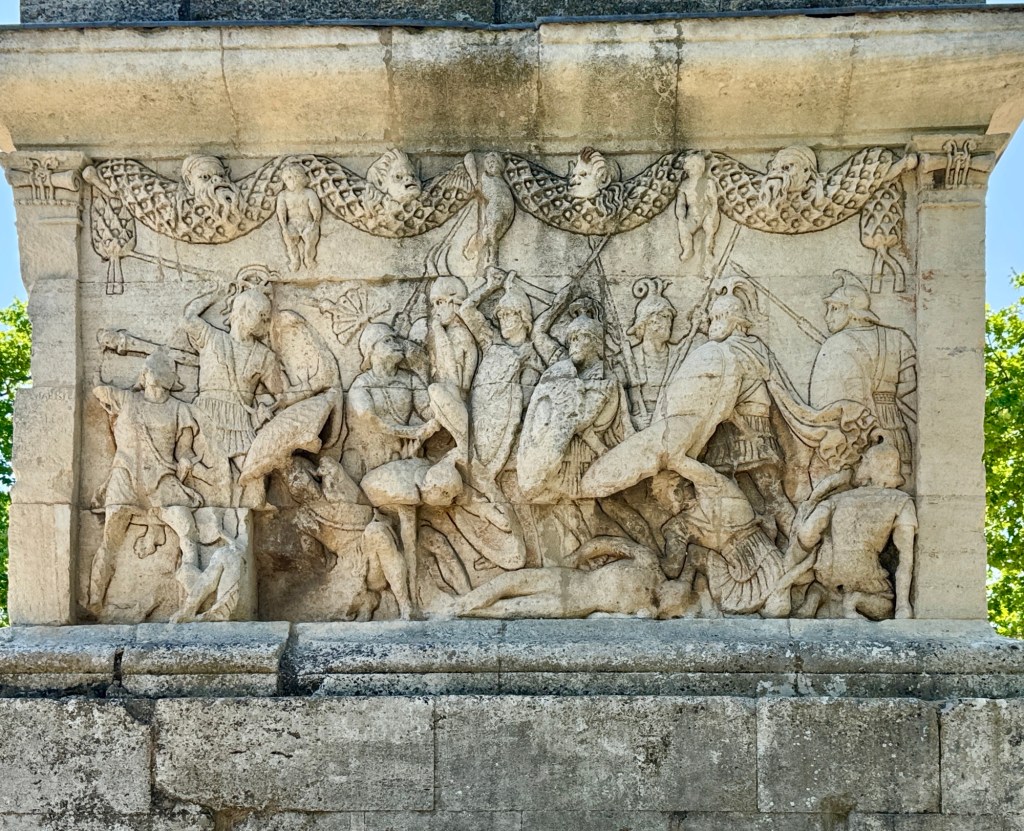
Then we continued to the Glanum Heritage Site. First we saw the mausoleum of Juli. In its base there are 4 reliefs depicting various war events



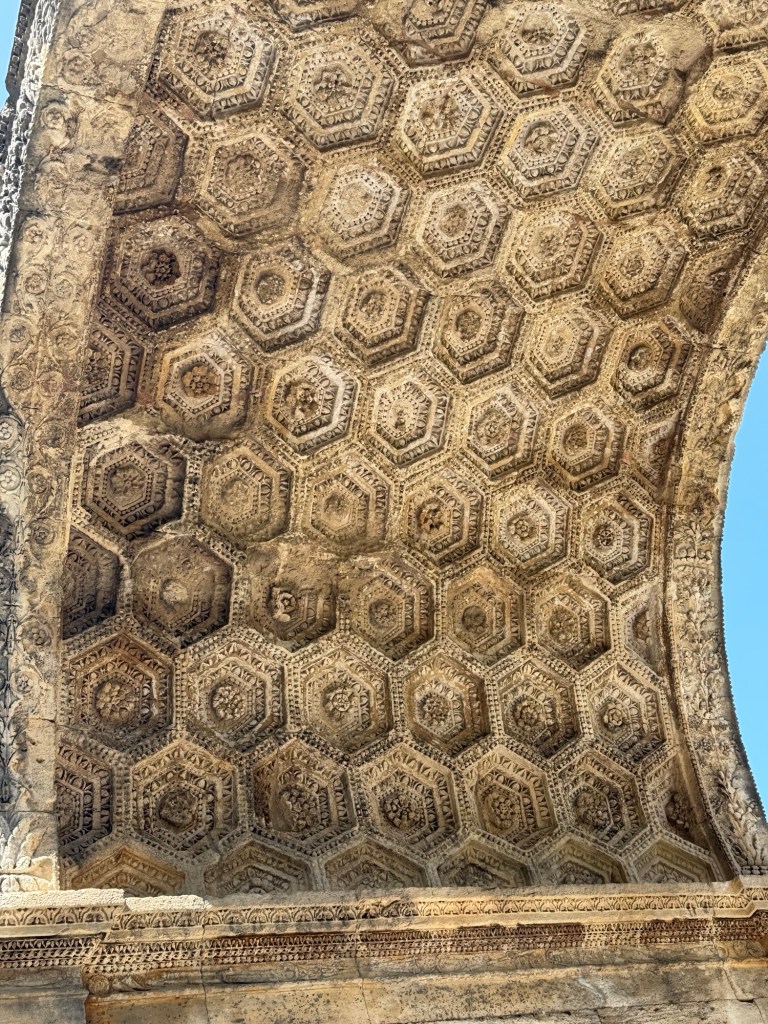
Then there is the triumphal arch of Glanum , although many parts were not preserved but the roof with hexagonal compartments are still clearly seen
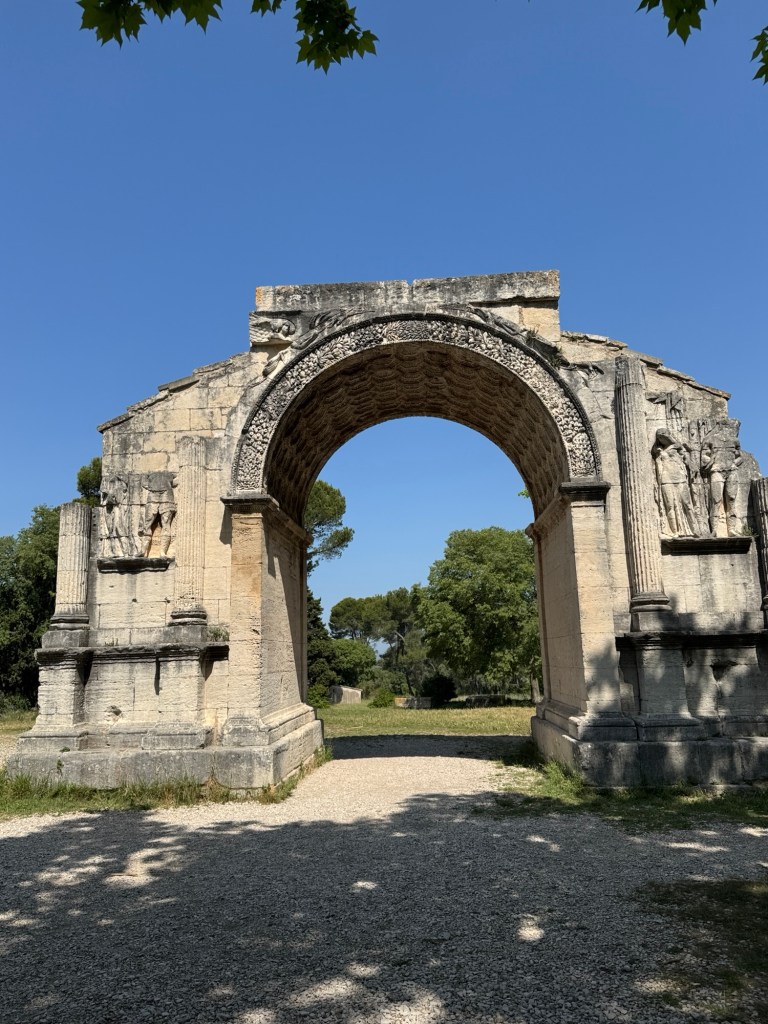
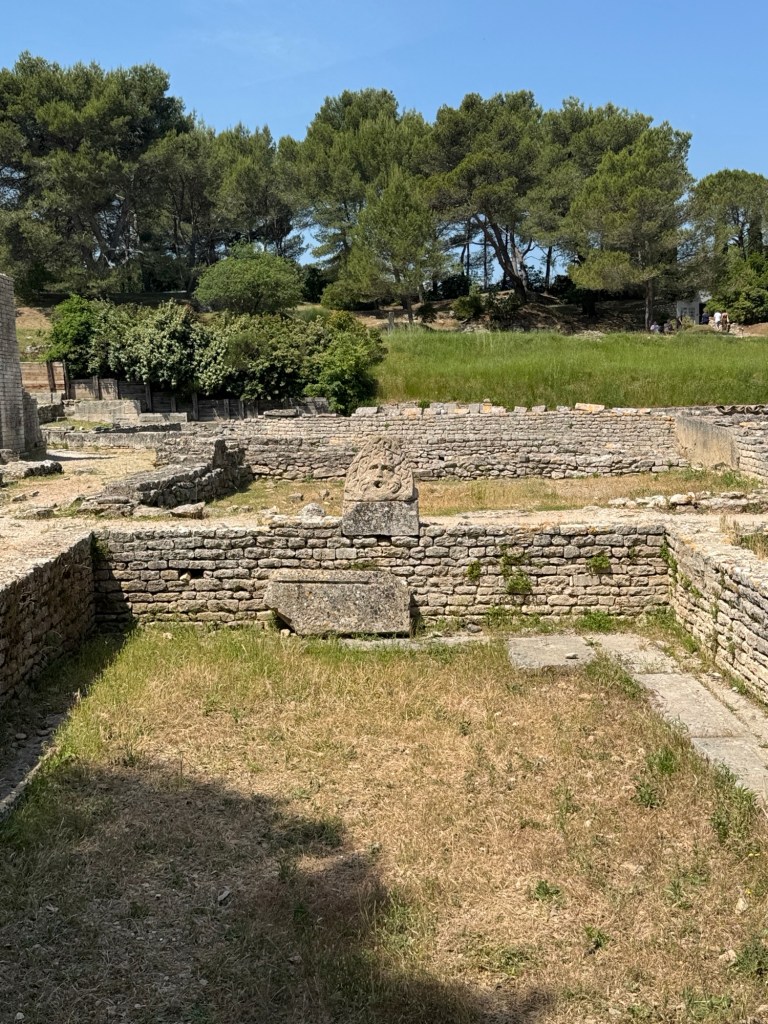
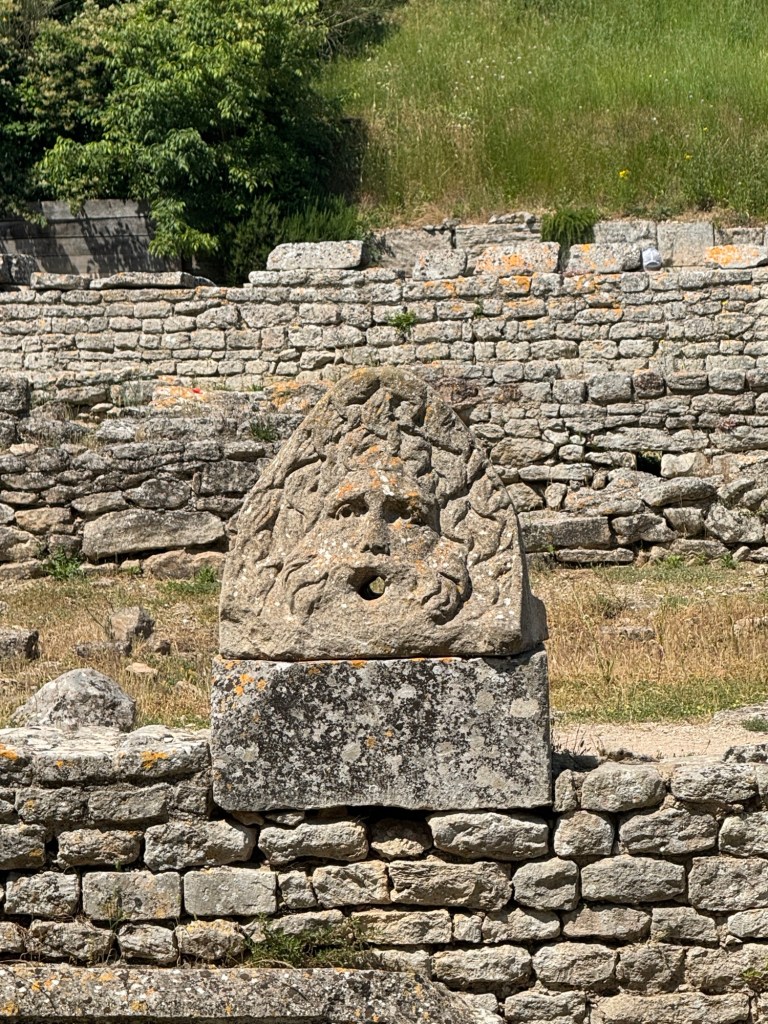
Then we went into the Glanum’s monumental centre, a huge archaeological site, because there was no guide, just managed to recognise a few from the internet.

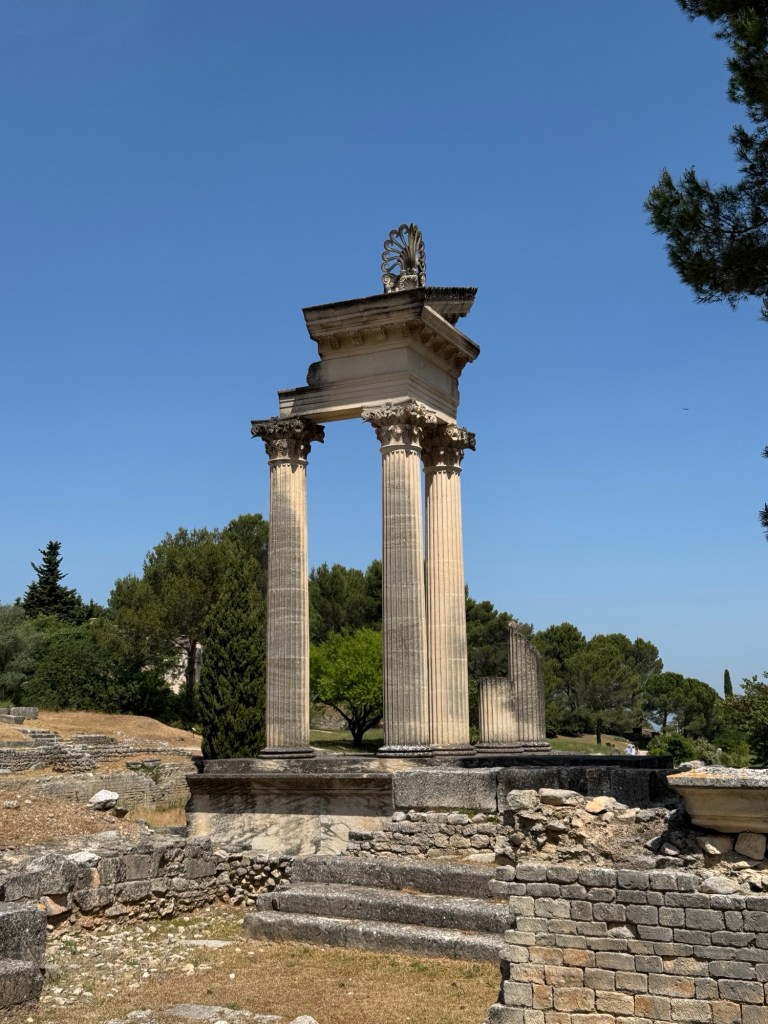
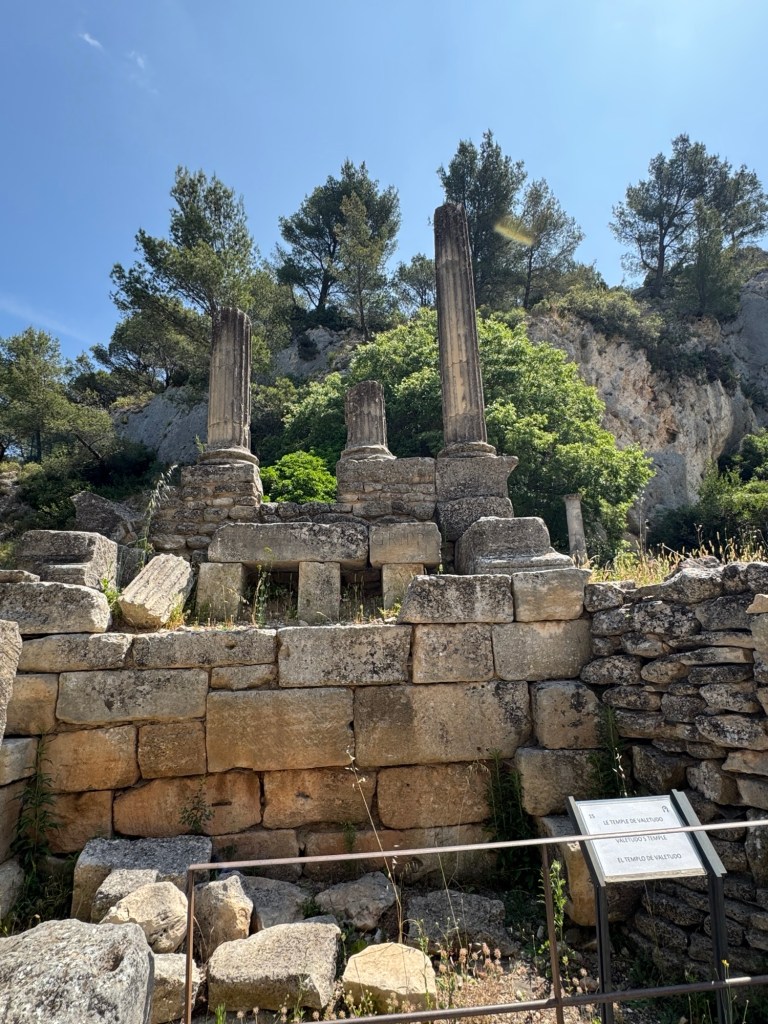


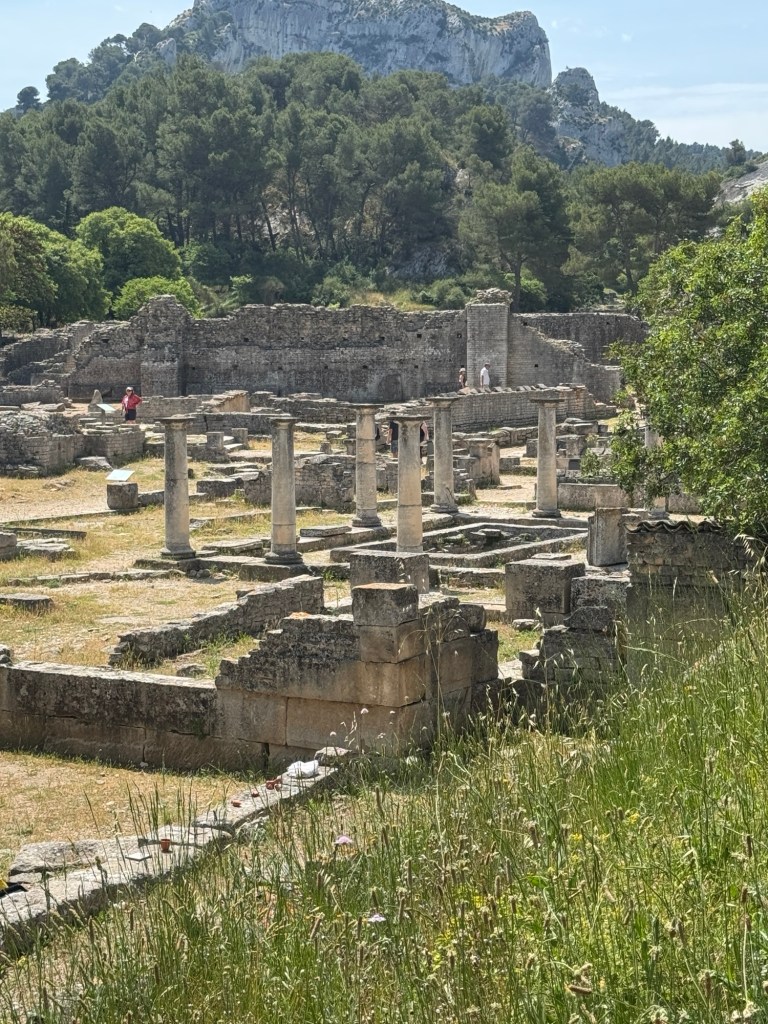
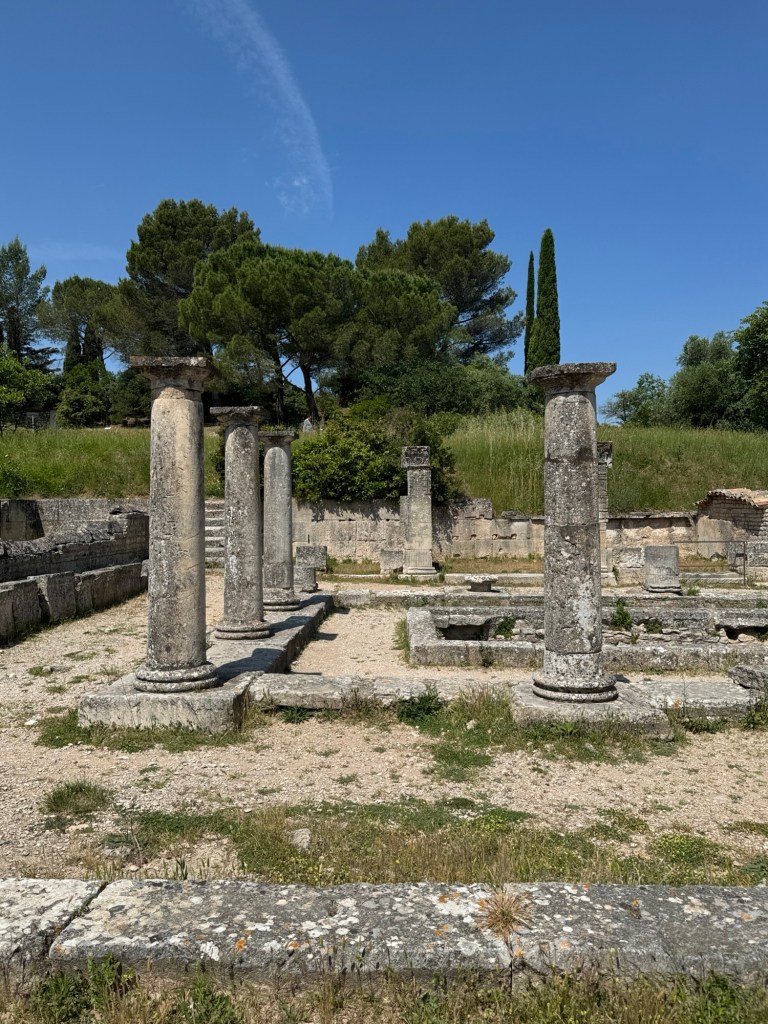
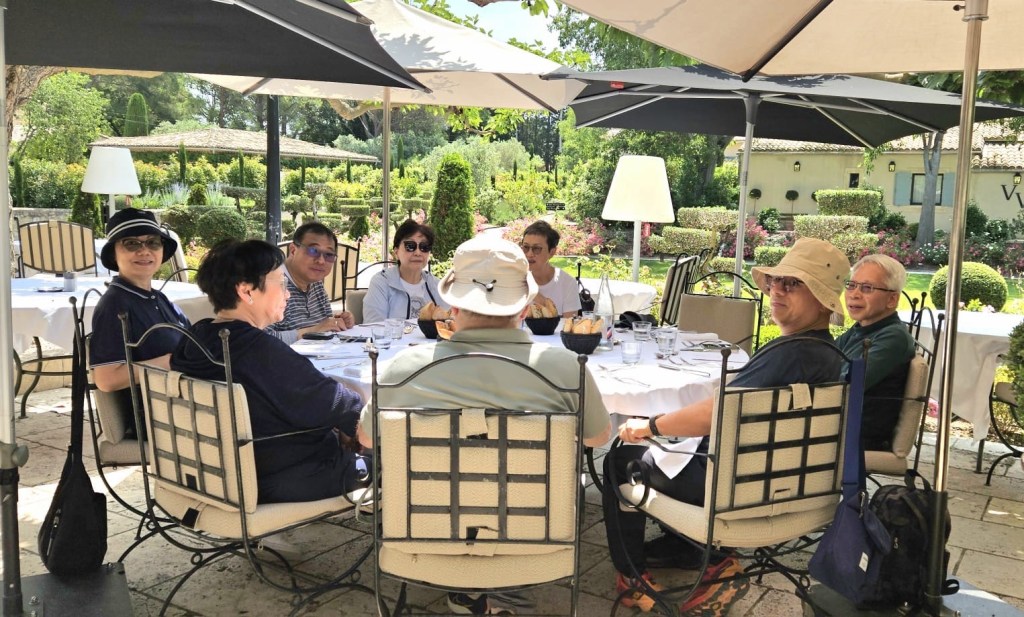
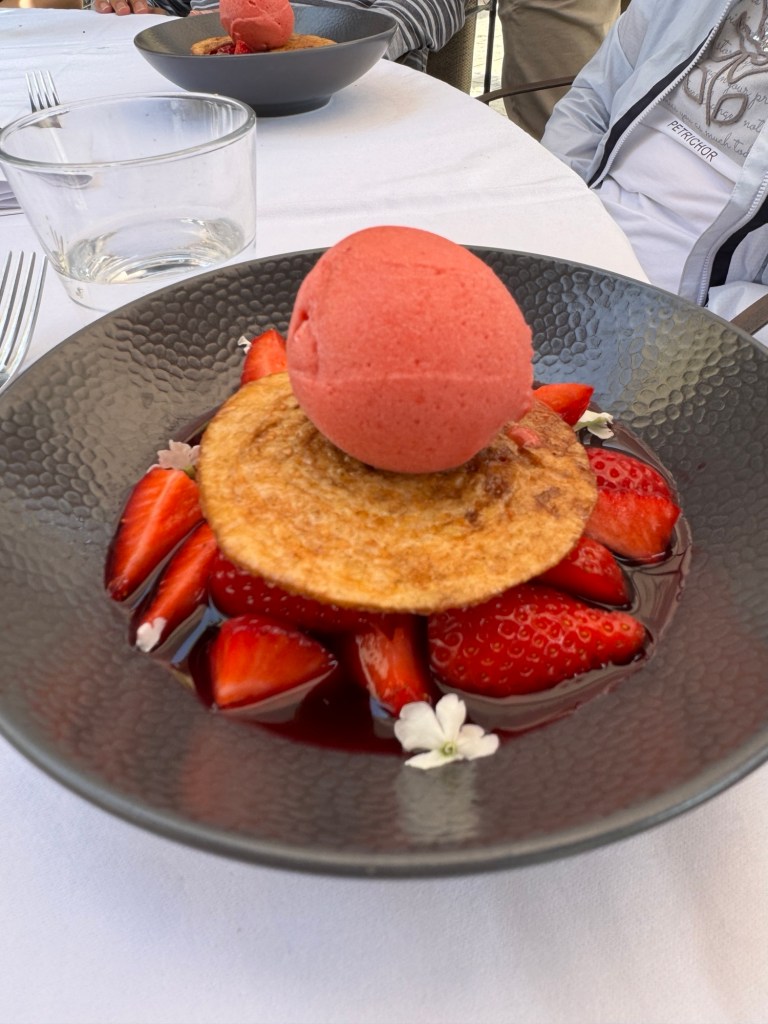
Then we have lunch at Vallon de Valrugues (VV) and then departure to Les Baux de Provence




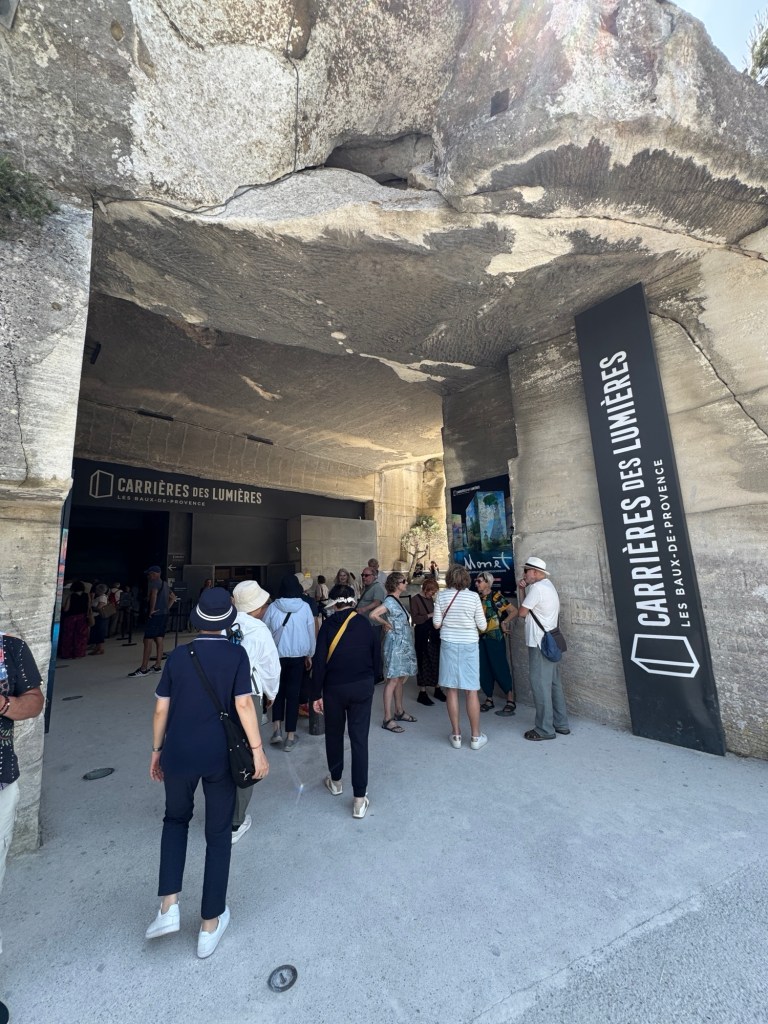
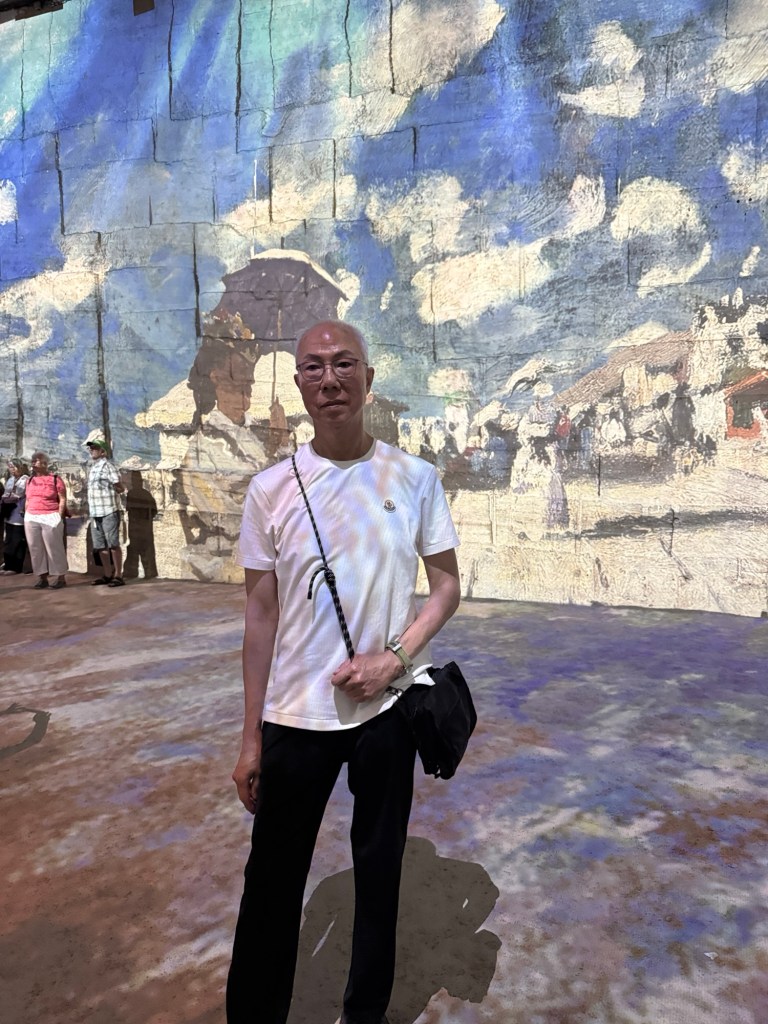
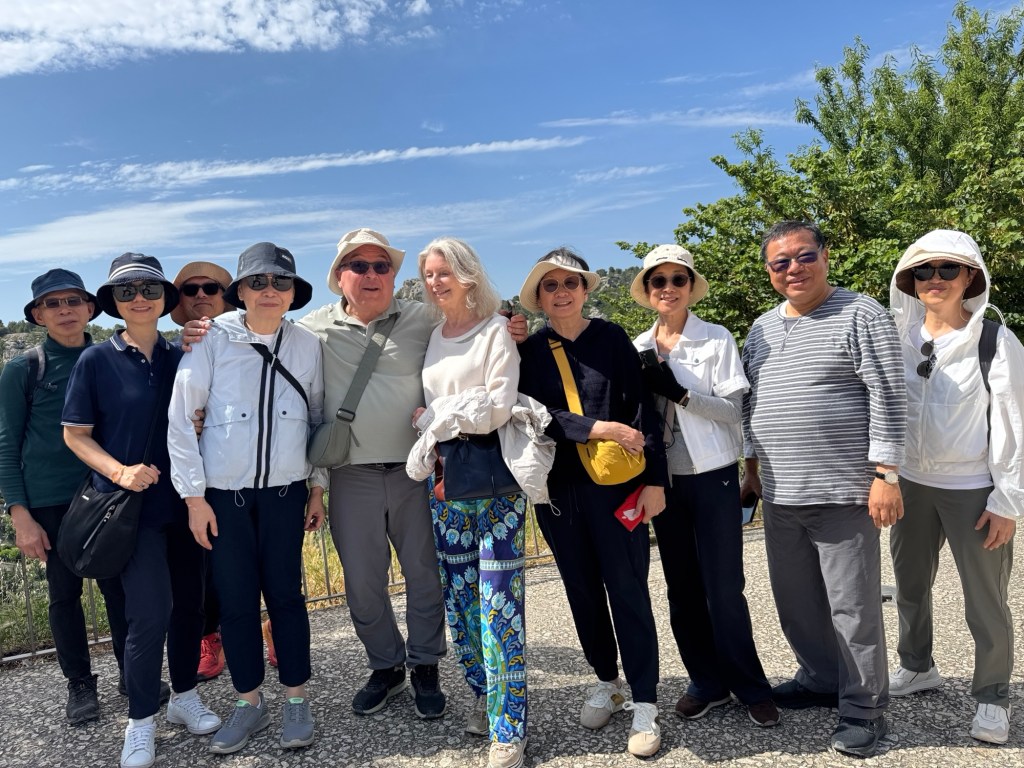
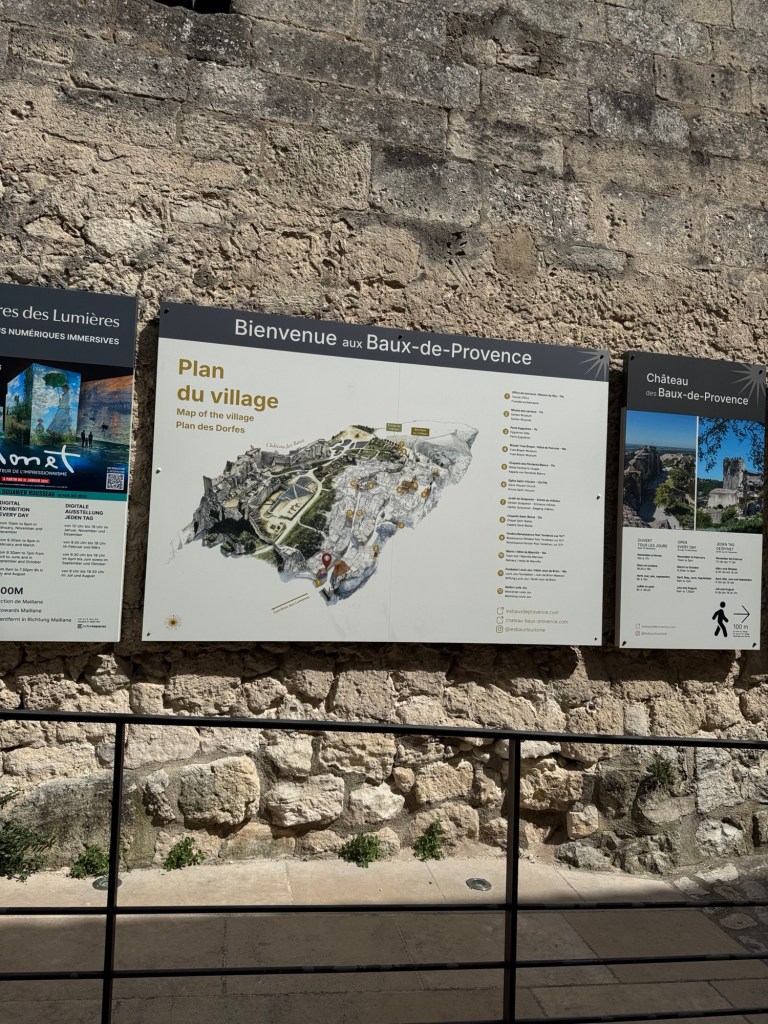
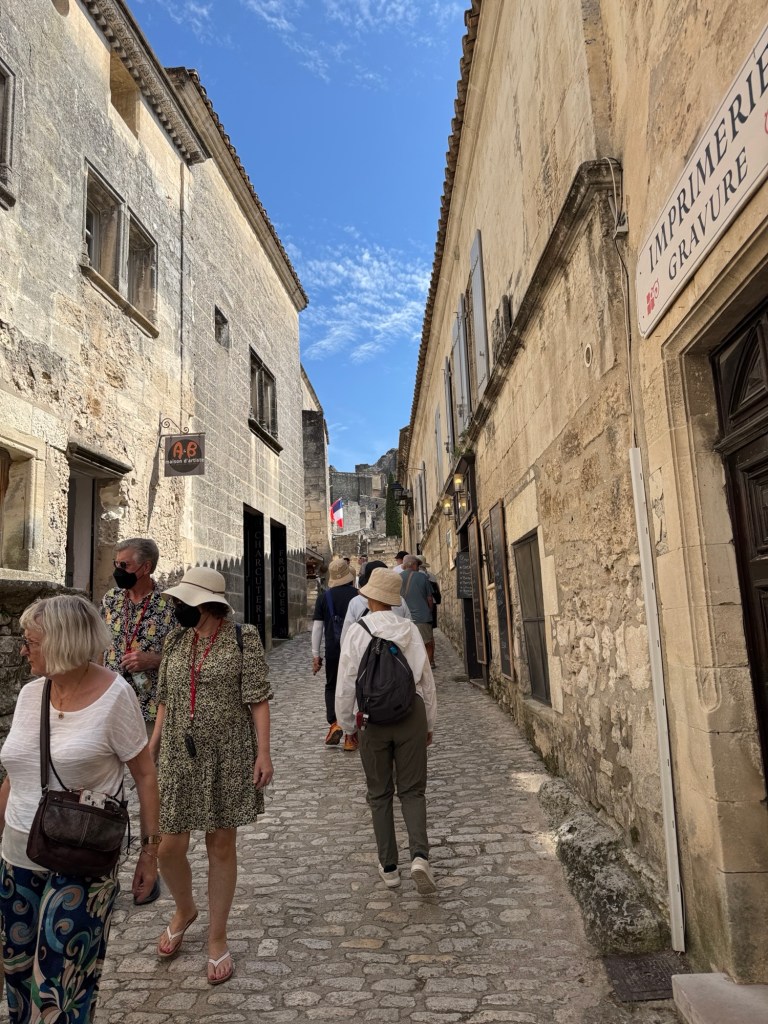
In the afternoon we visited the Carriere des Valrugues to see a light show inside a cave. It is a series of light show of the impressionist artist. We saw Monet and Rousseau this turn and here we met Kiki’s sister and her husband. A fine and sophisticated couple. After the light show Philip took us to visit a hill village, nice view and we enjoyed the short walk very much.

戀戀山城:永遠的普羅旺斯
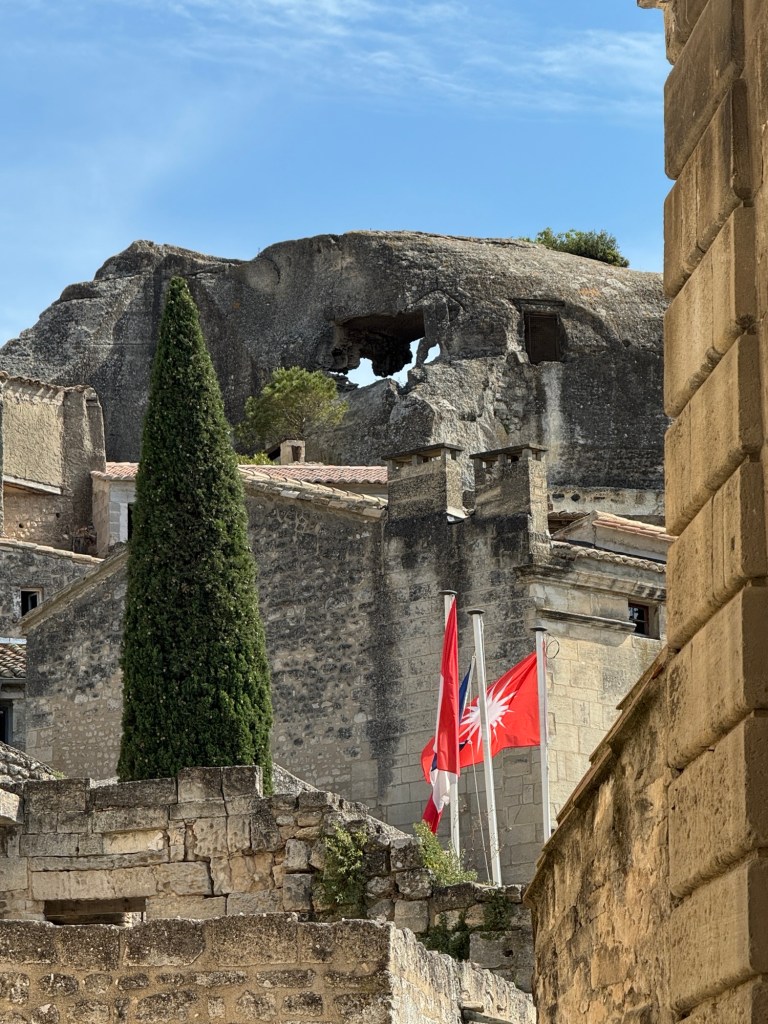
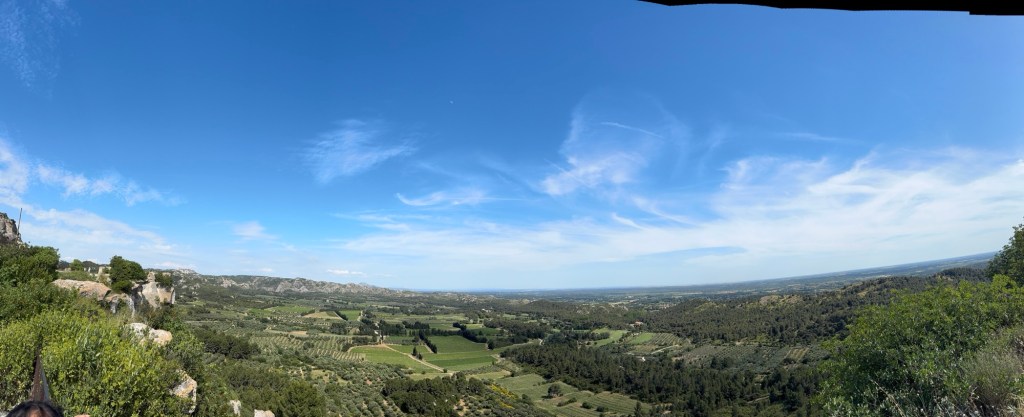
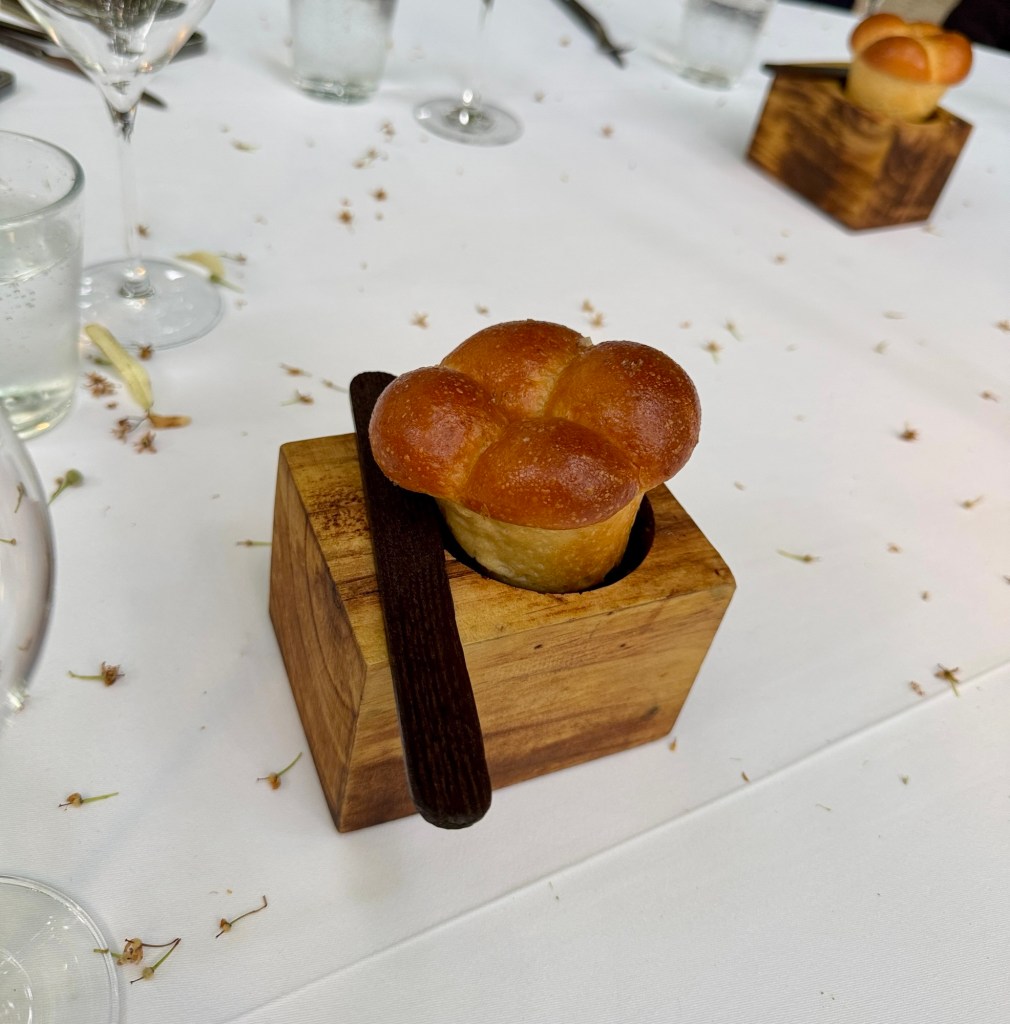
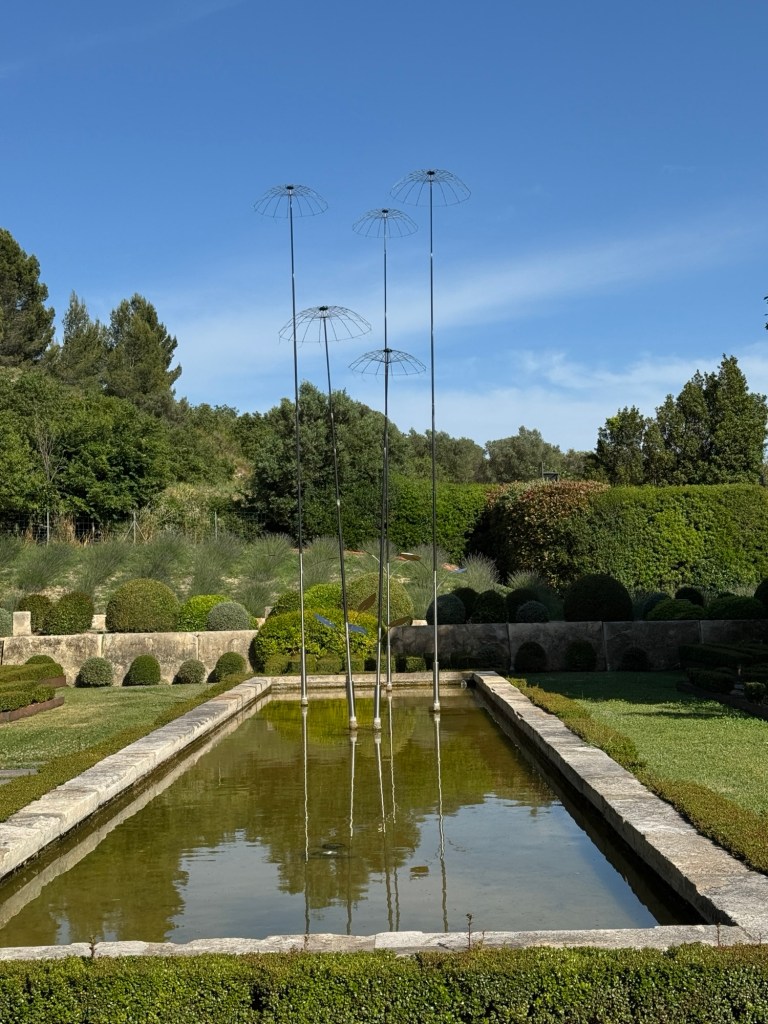
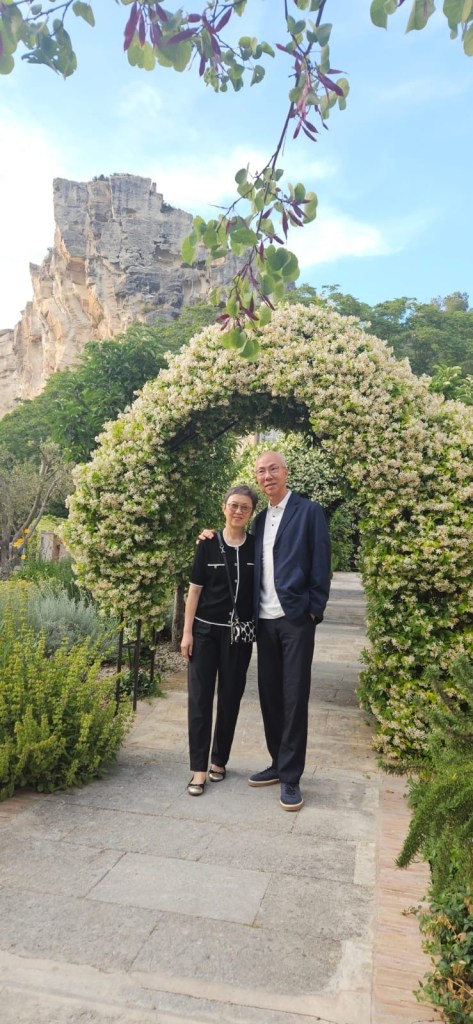
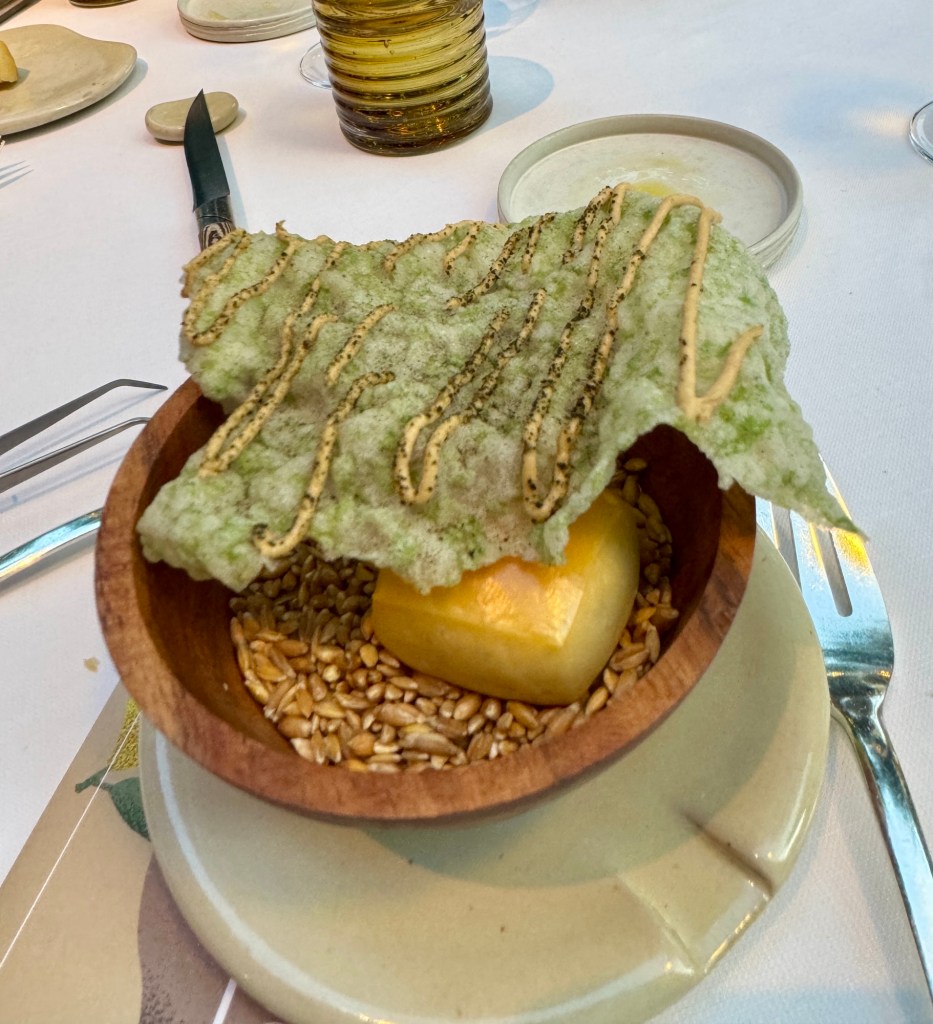
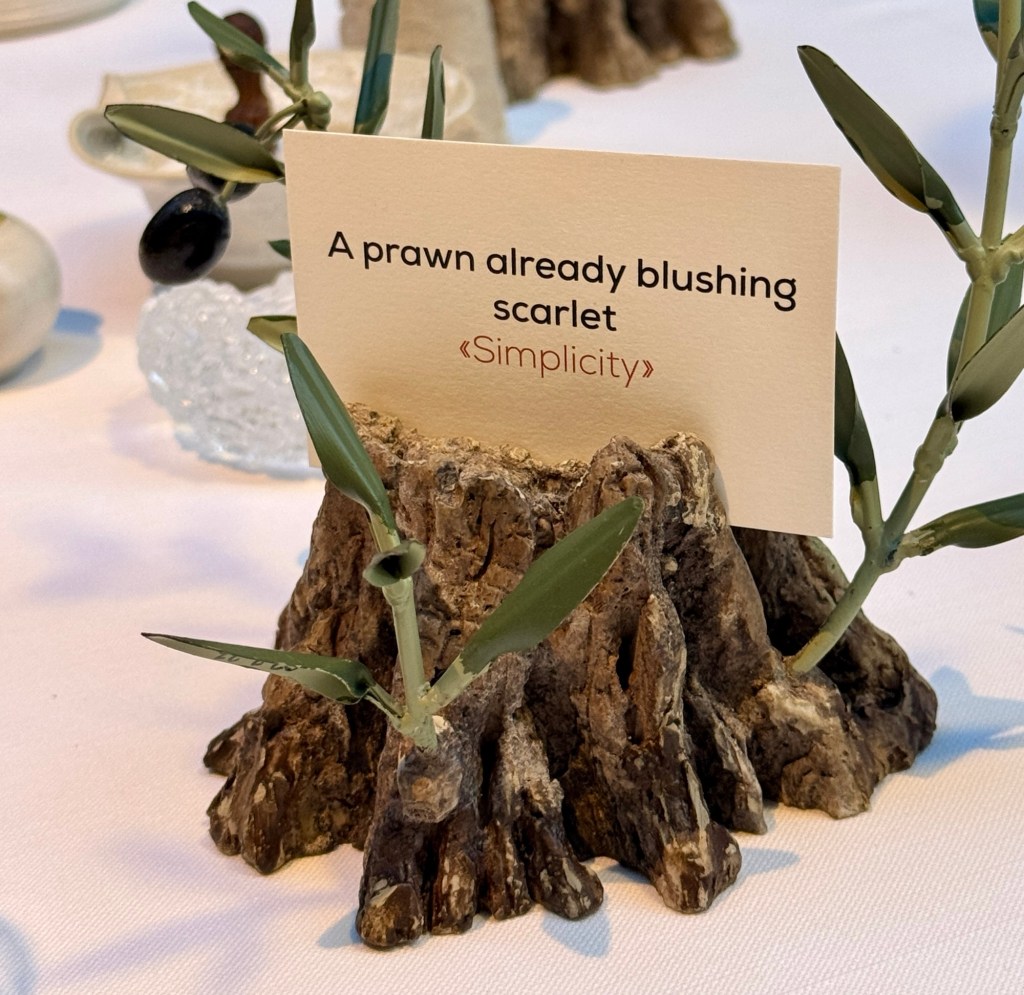
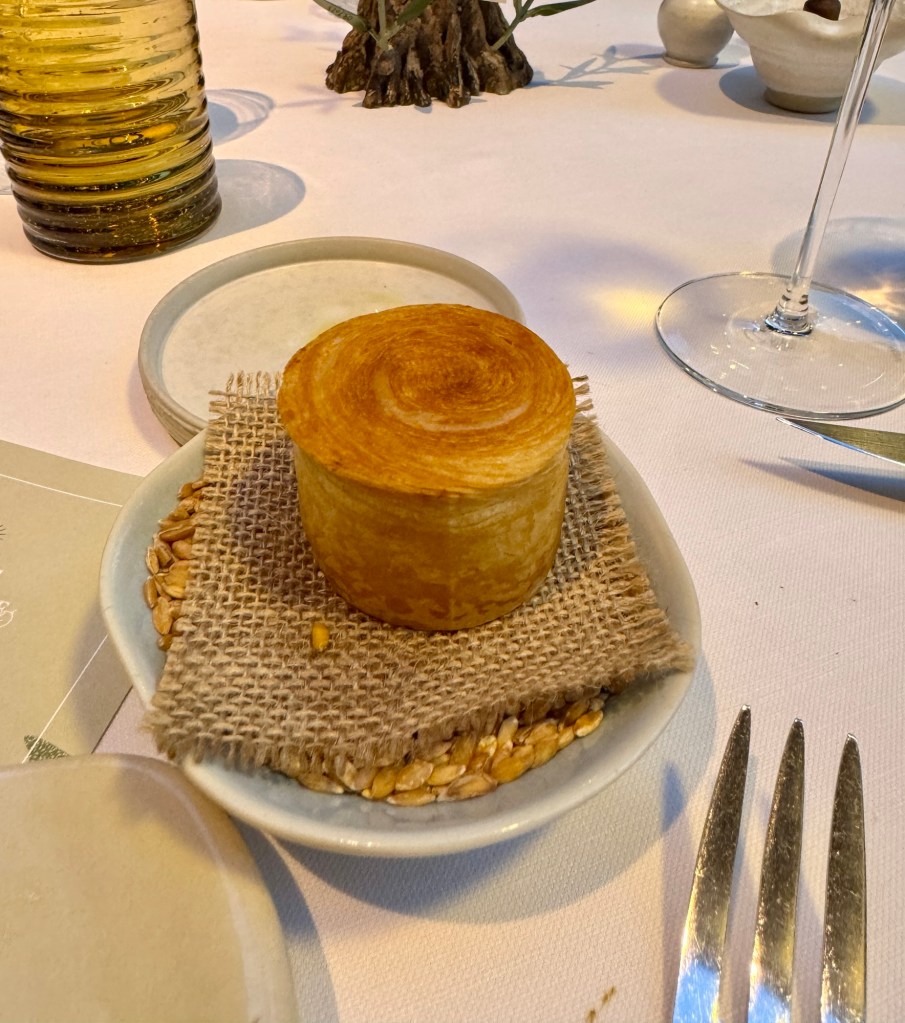
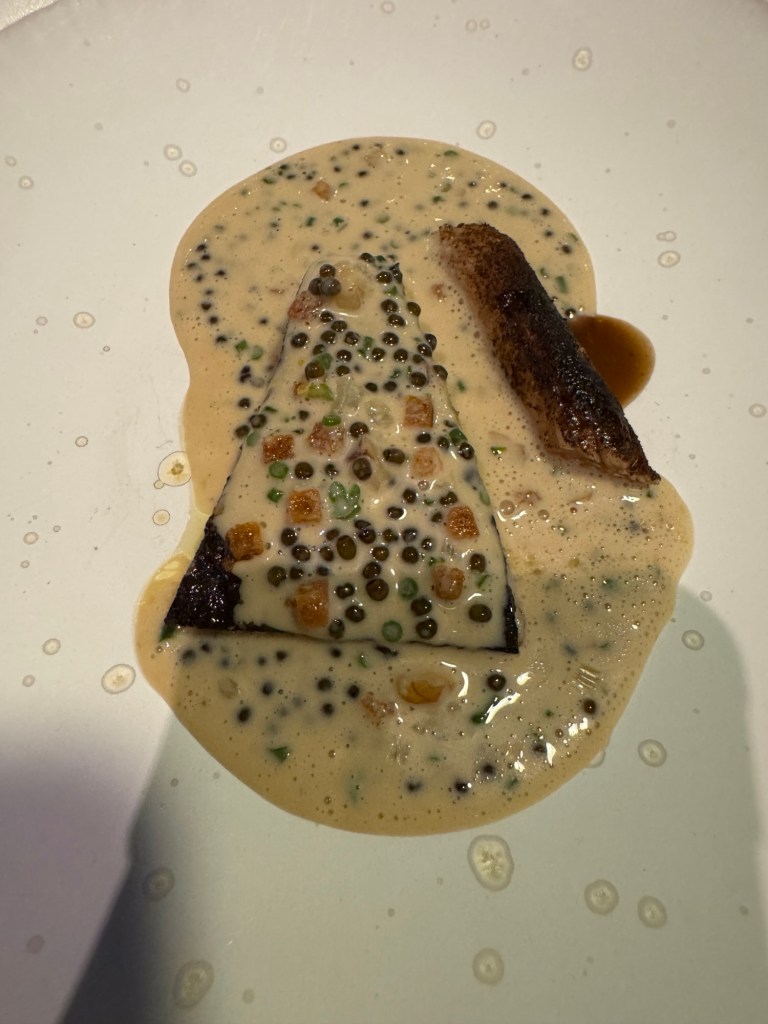
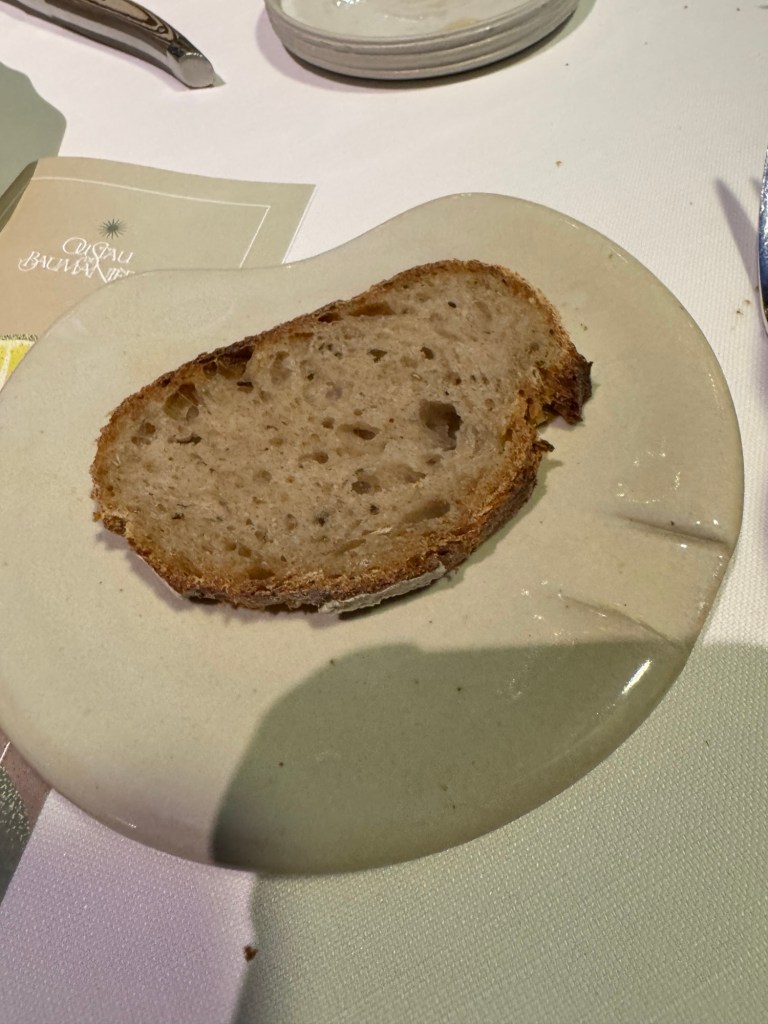
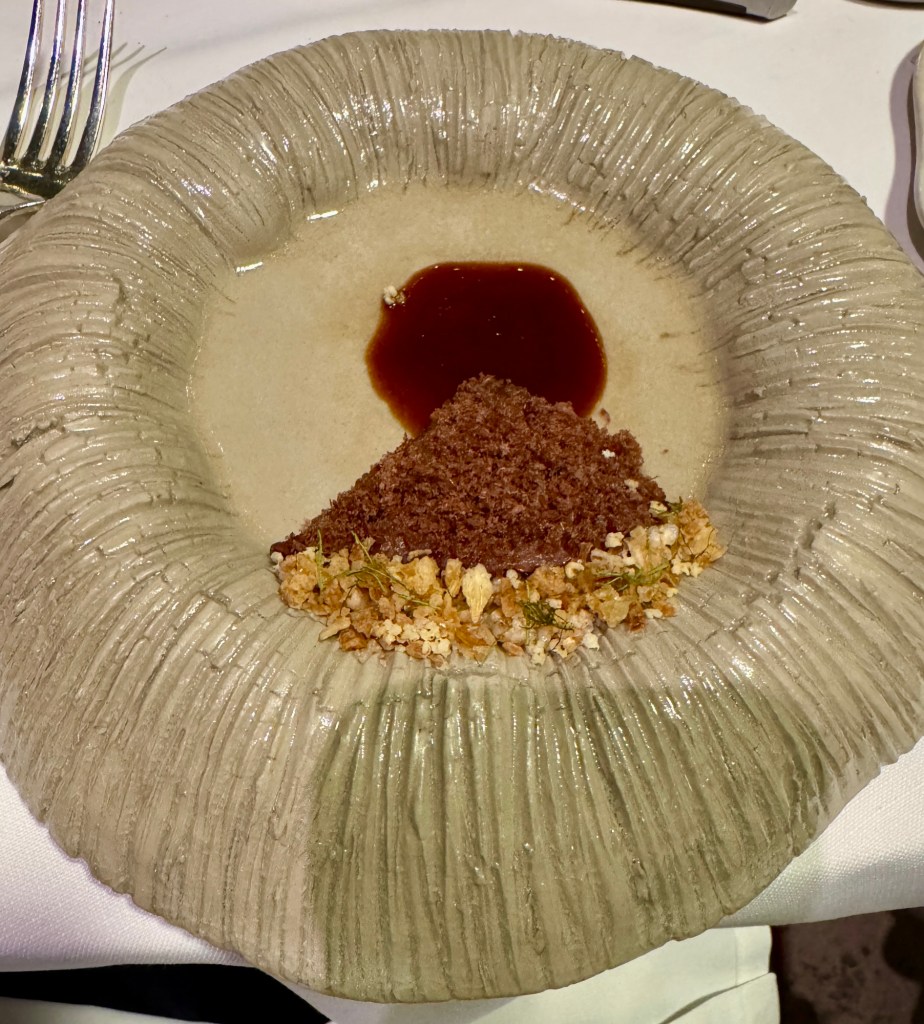
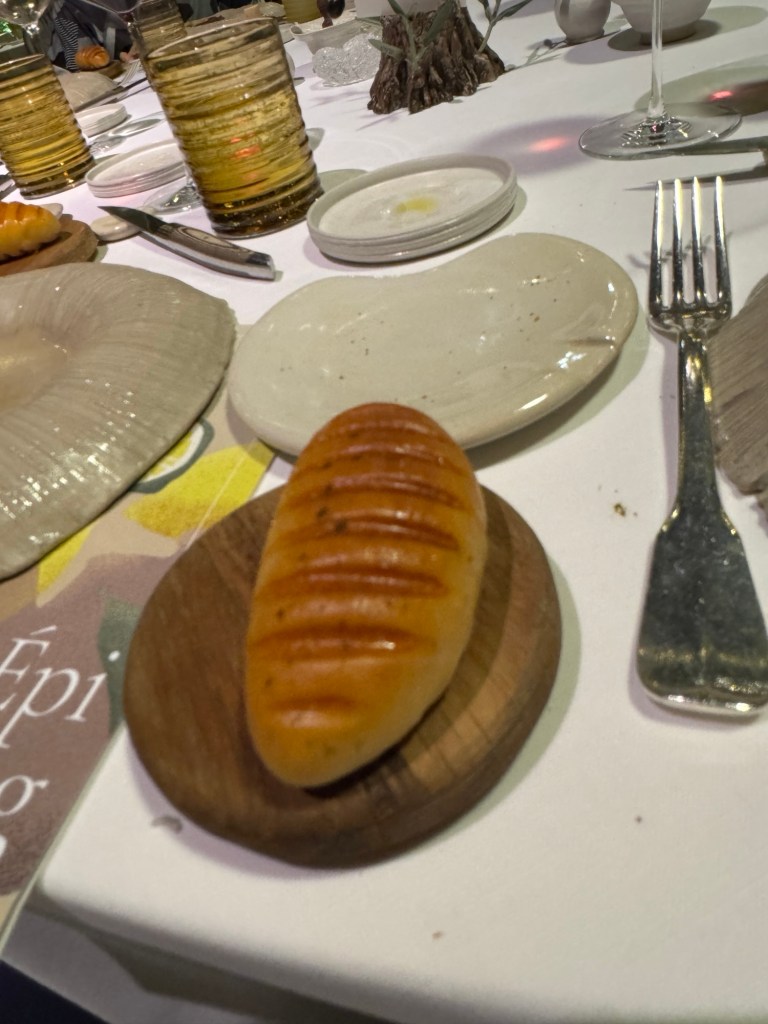
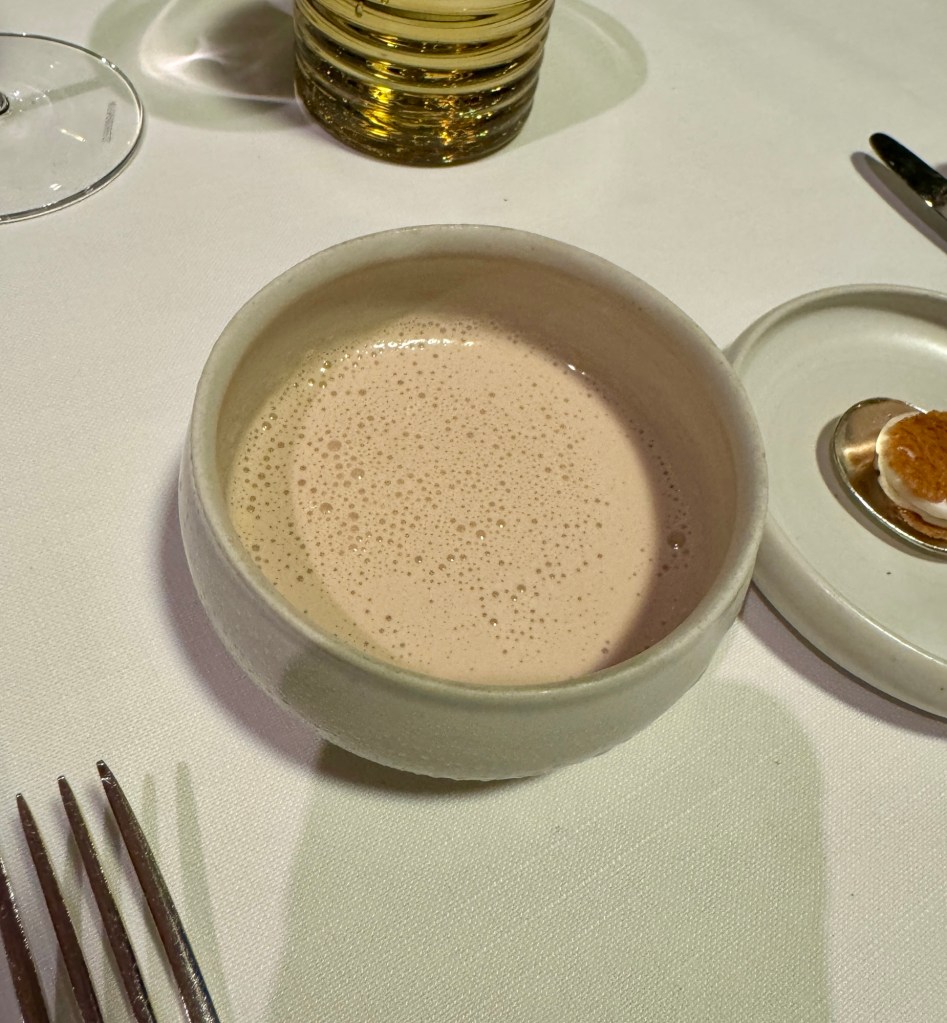
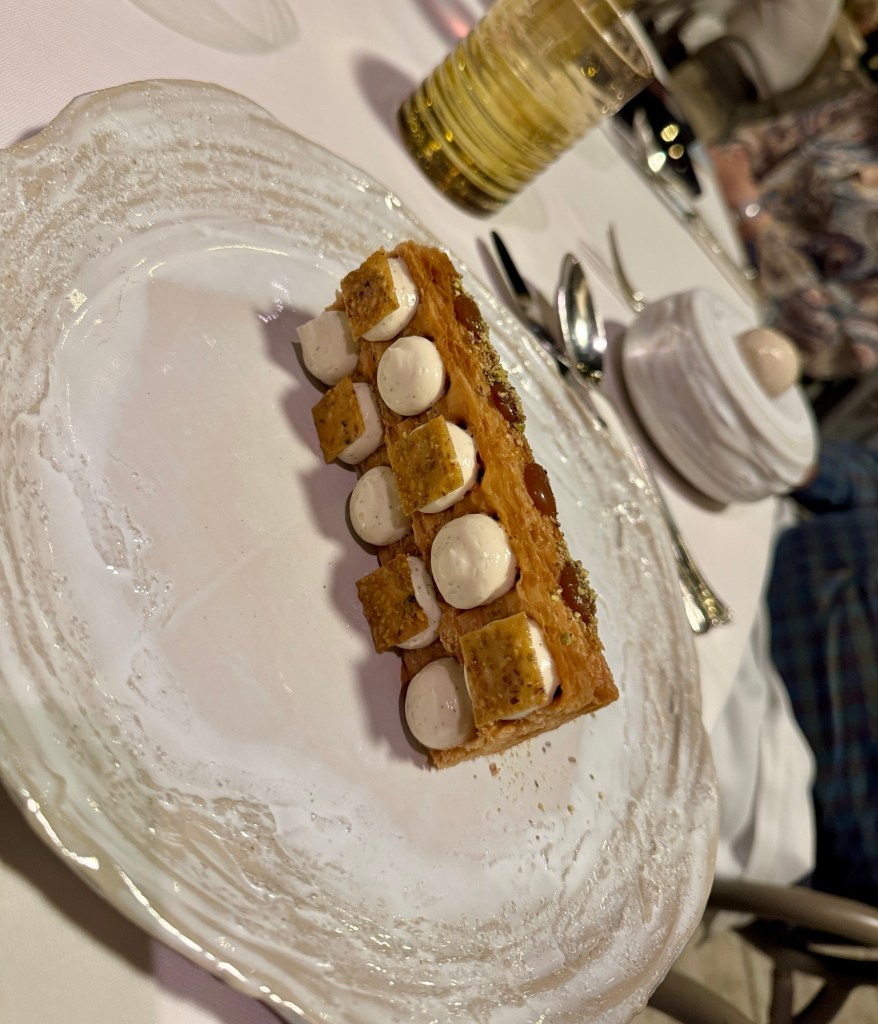
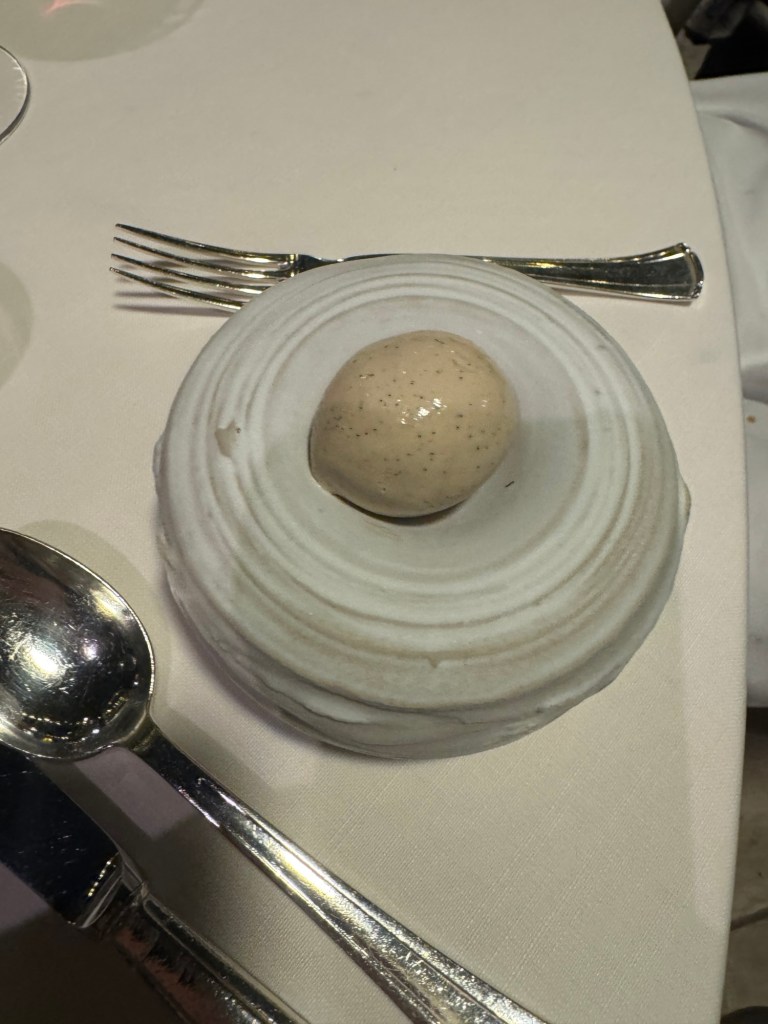
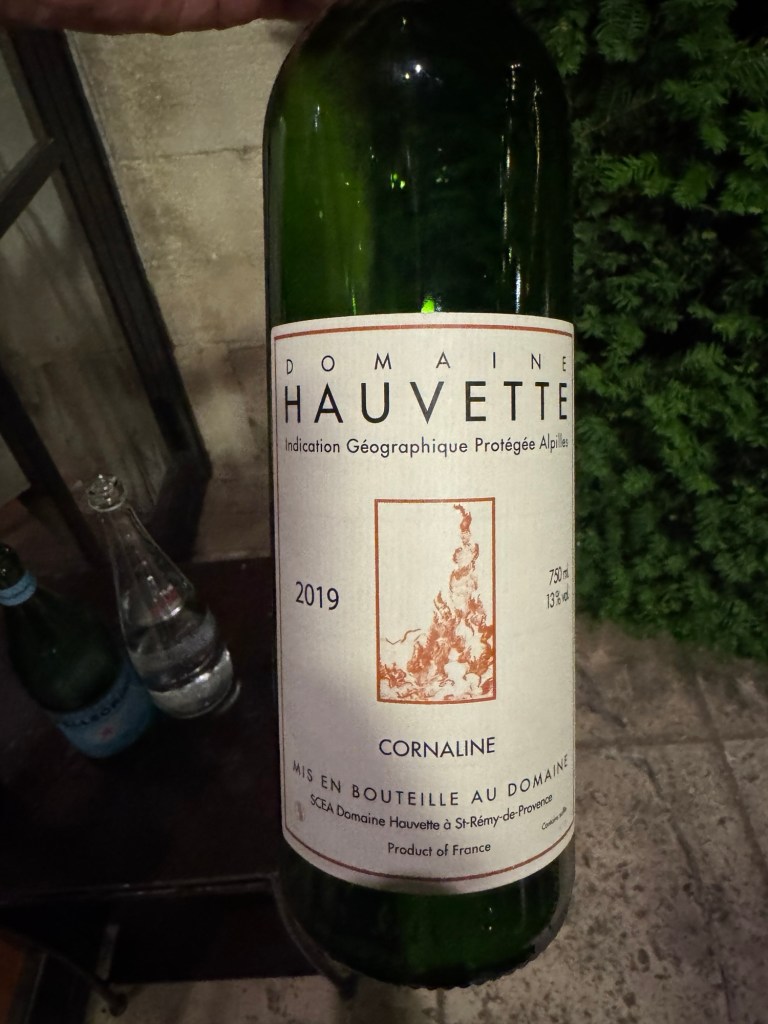
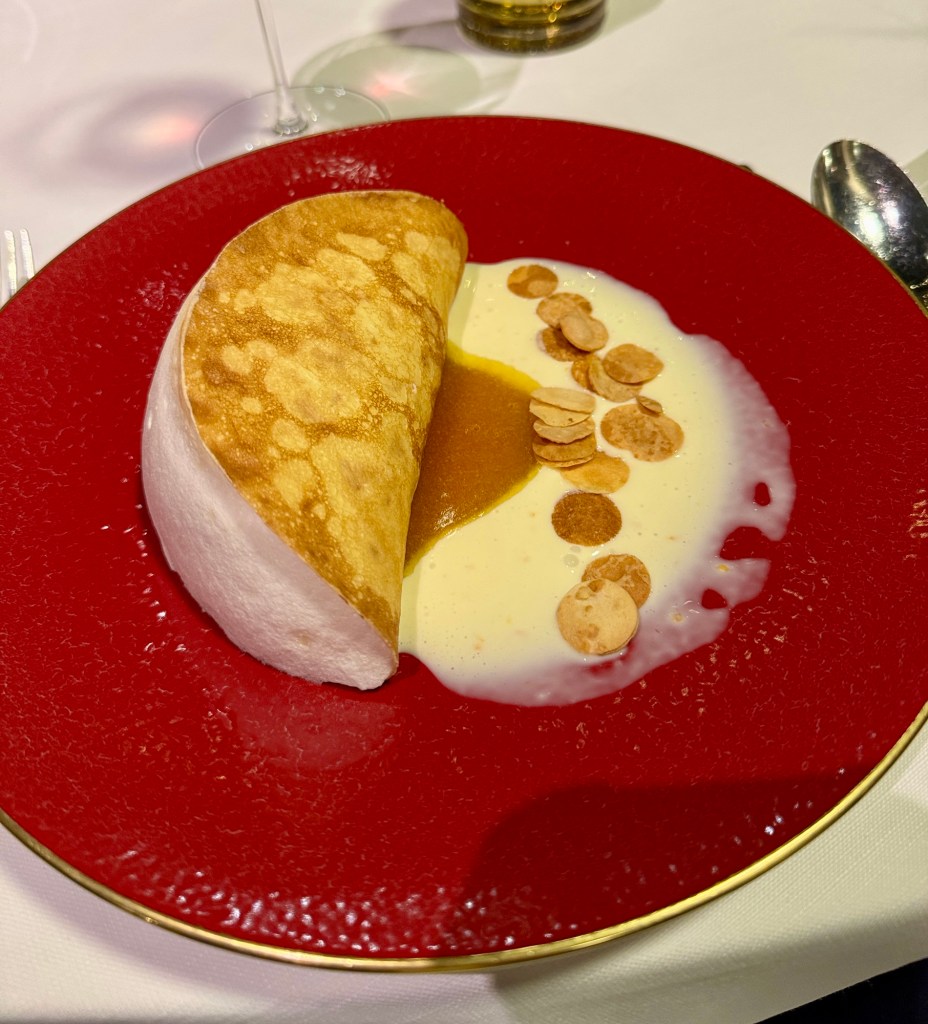
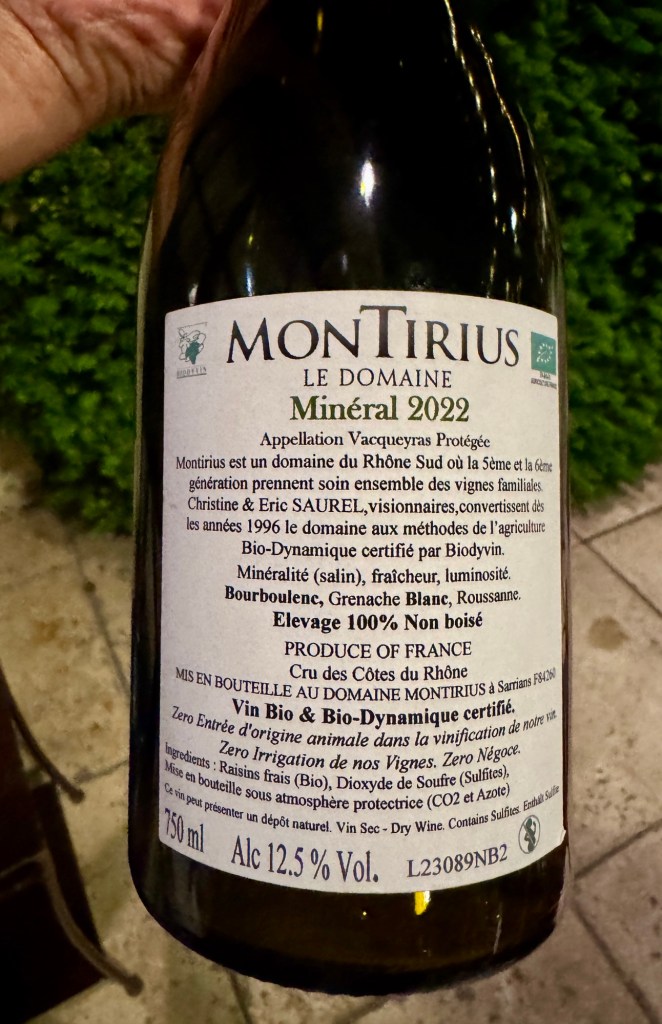
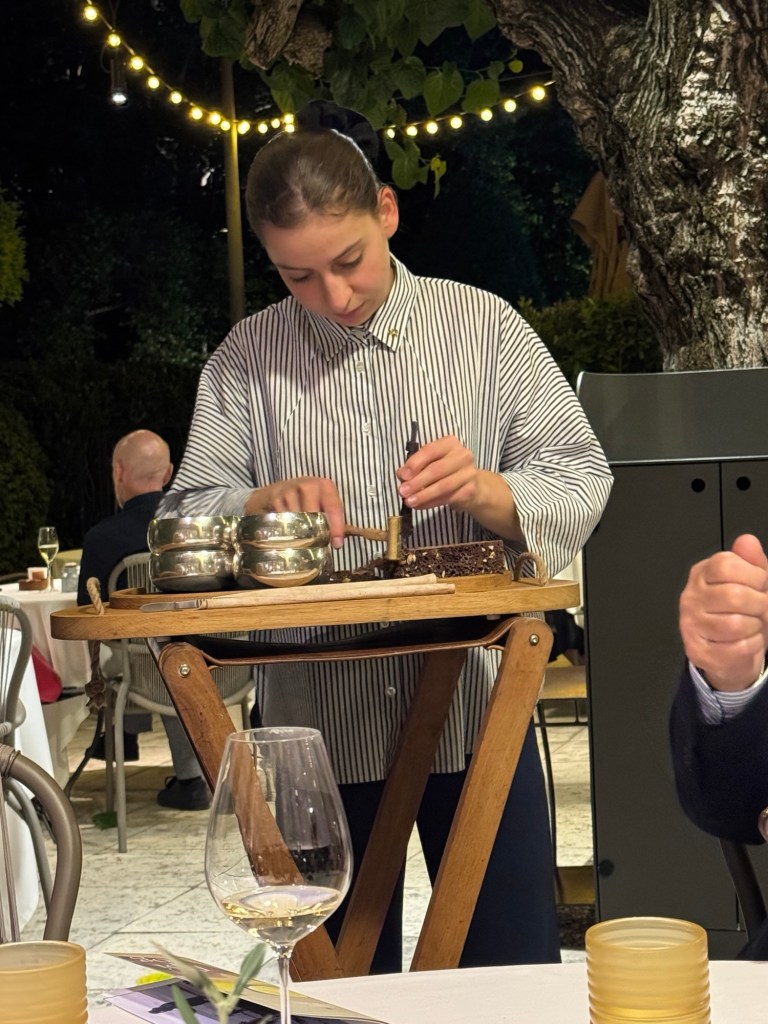
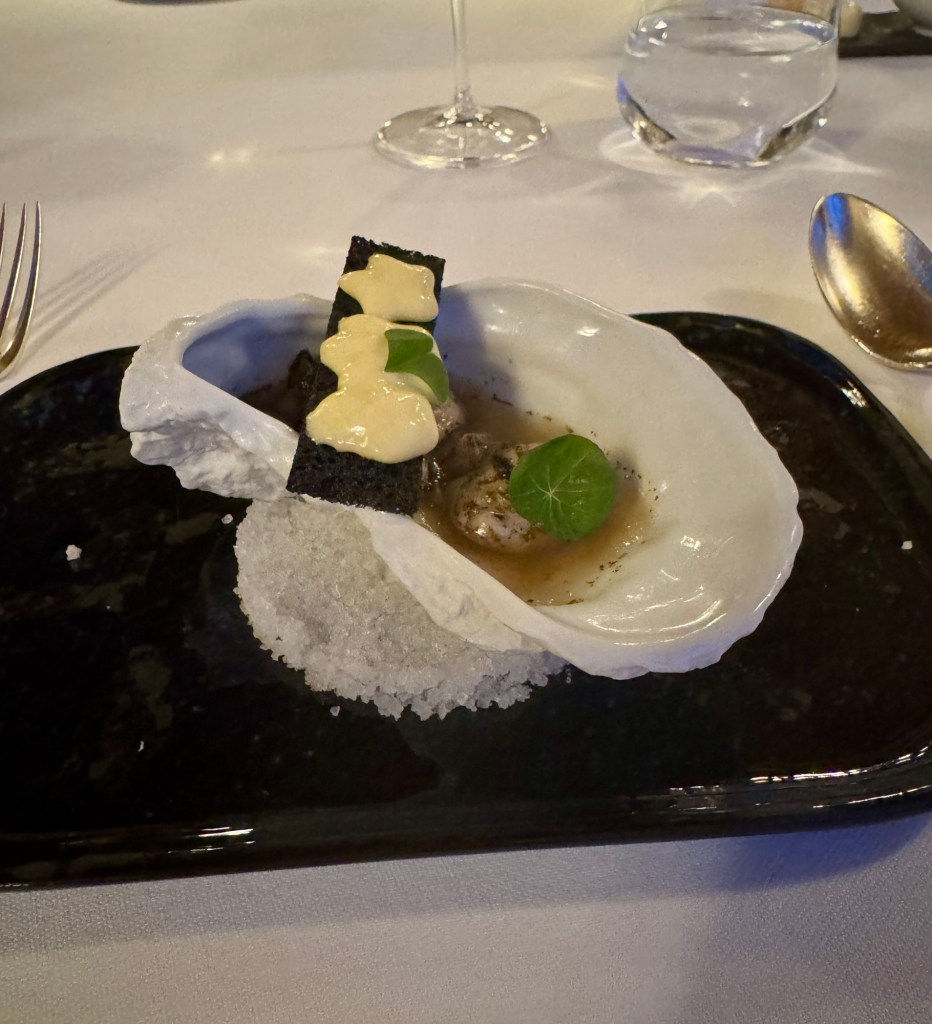
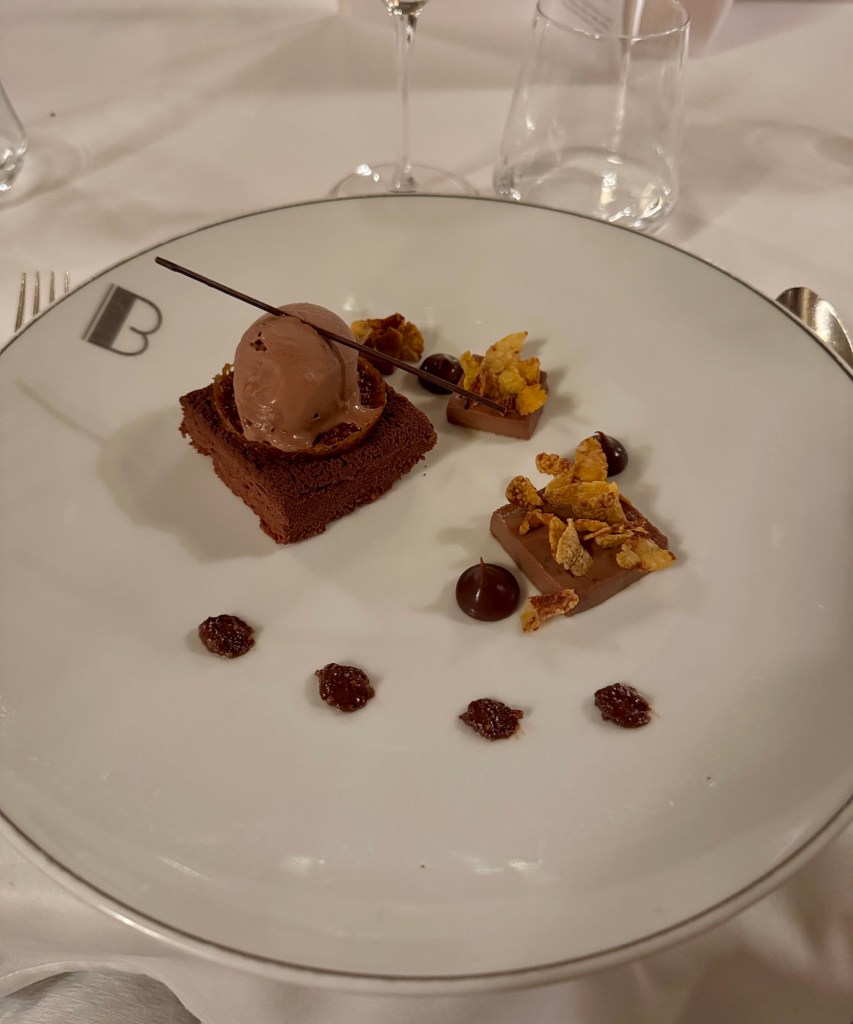
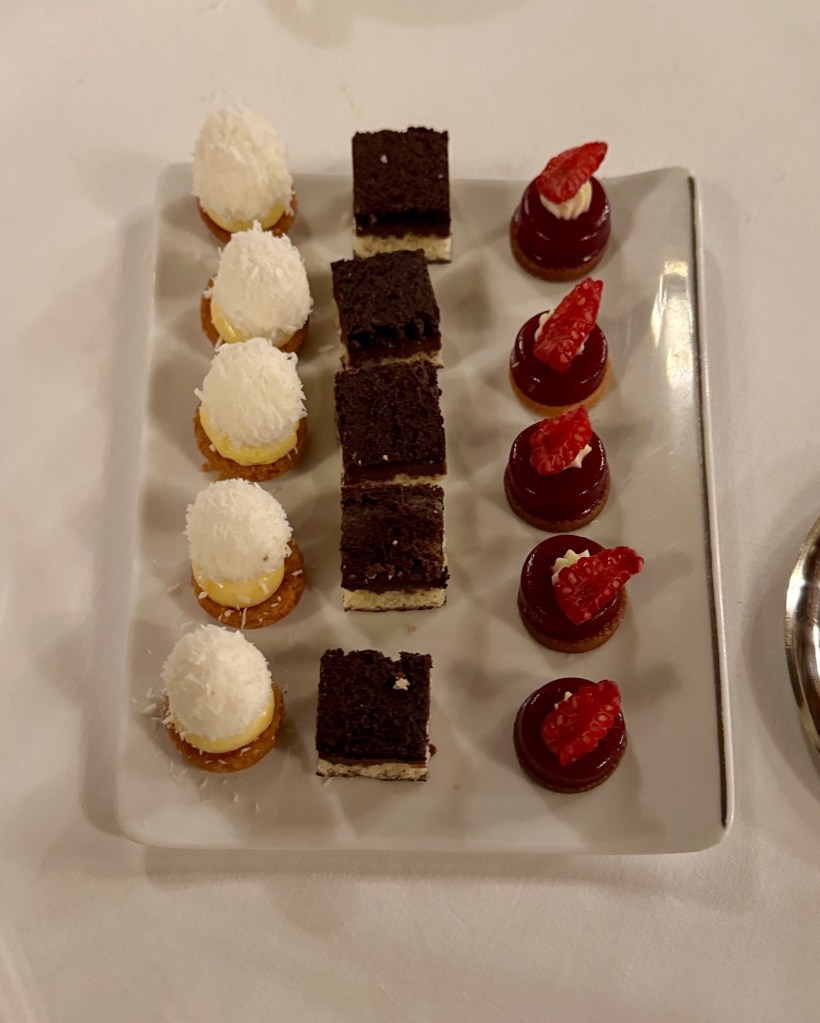
That night we checked into another 5 star hotel, Baumaniere, the same group as the last one that we had a lot of complaints but this one was much better and we were all very satisfied. We had dinner at I’Ousteau de Baumaniere. Although it is run by the hotel but it is not inside and the hotel provided shuttle car to take us there. This 3 star restaurant is very nice with good food. One interesting item is the bread pairing, not the usual wine pairing.


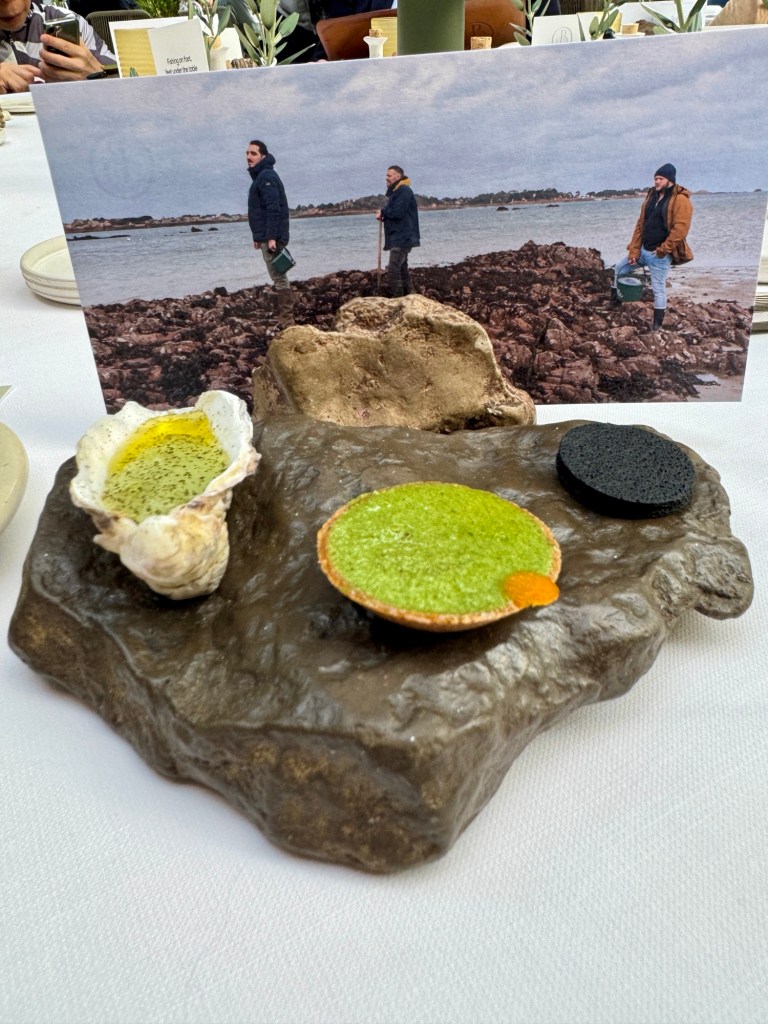
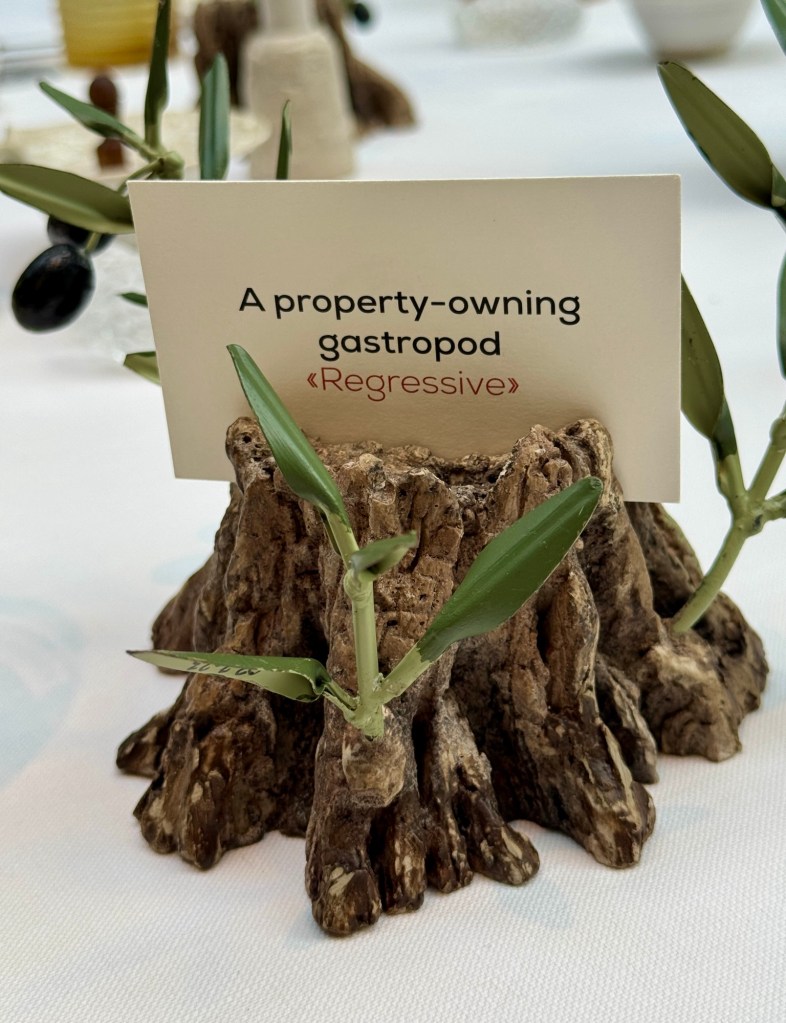


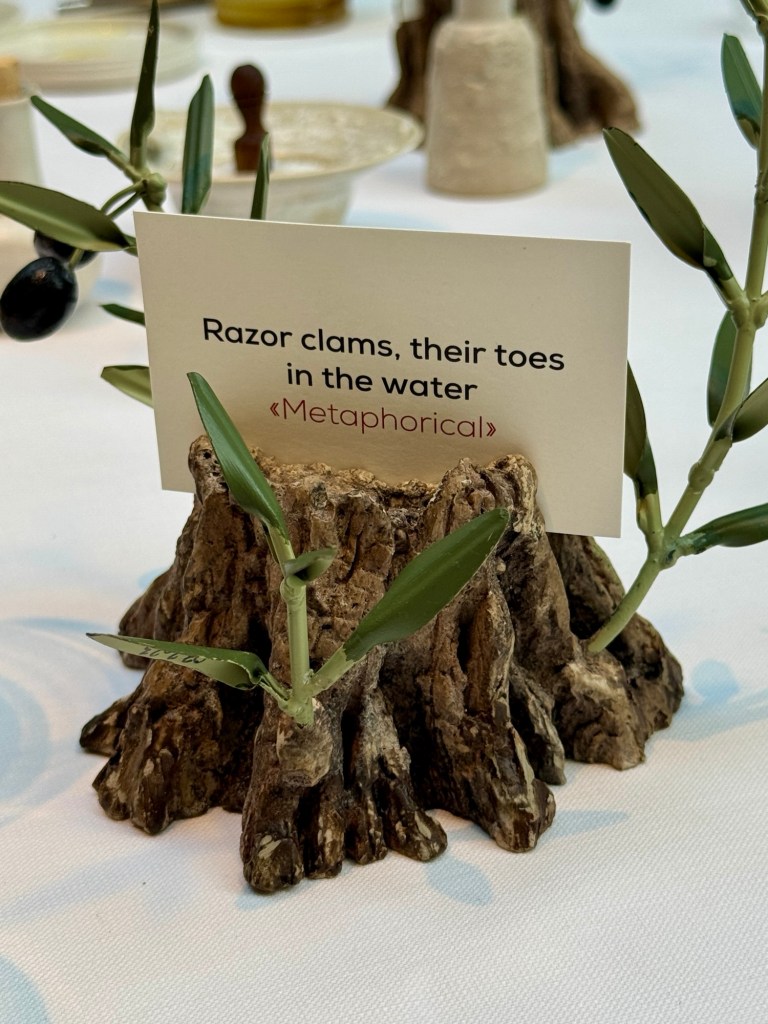
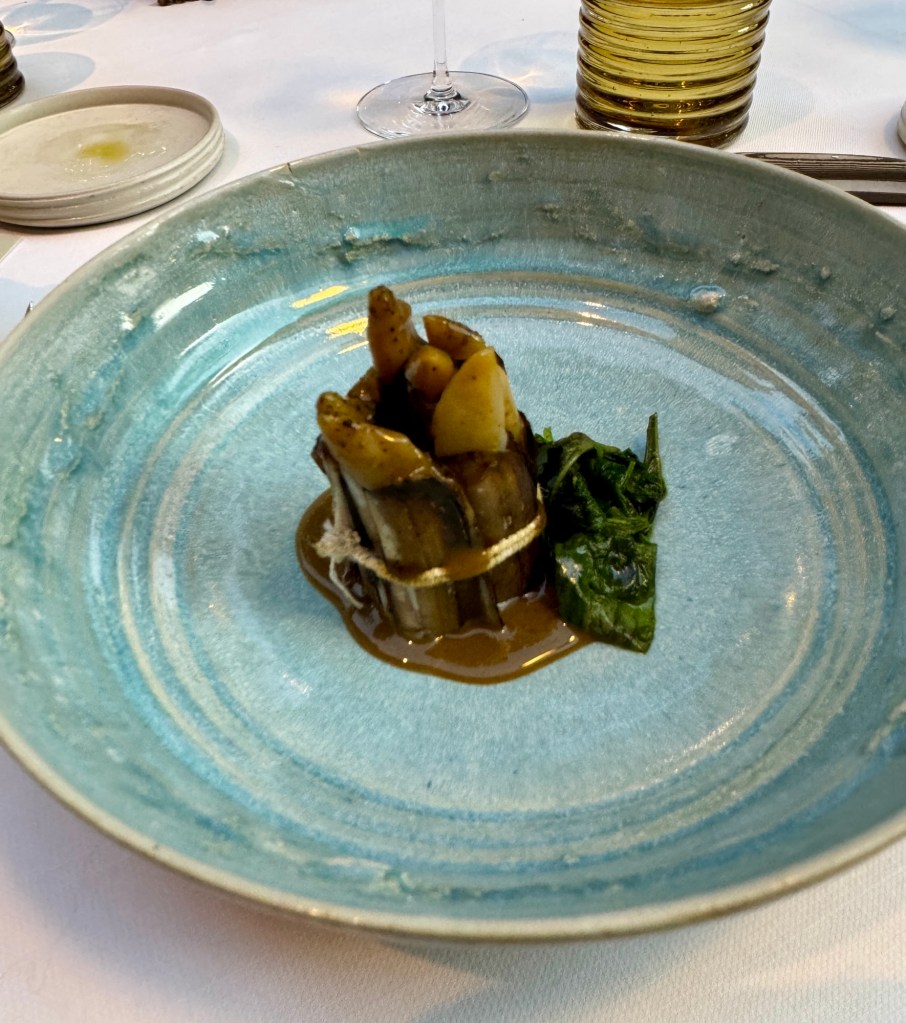







Day 11 Wednesday 4/6
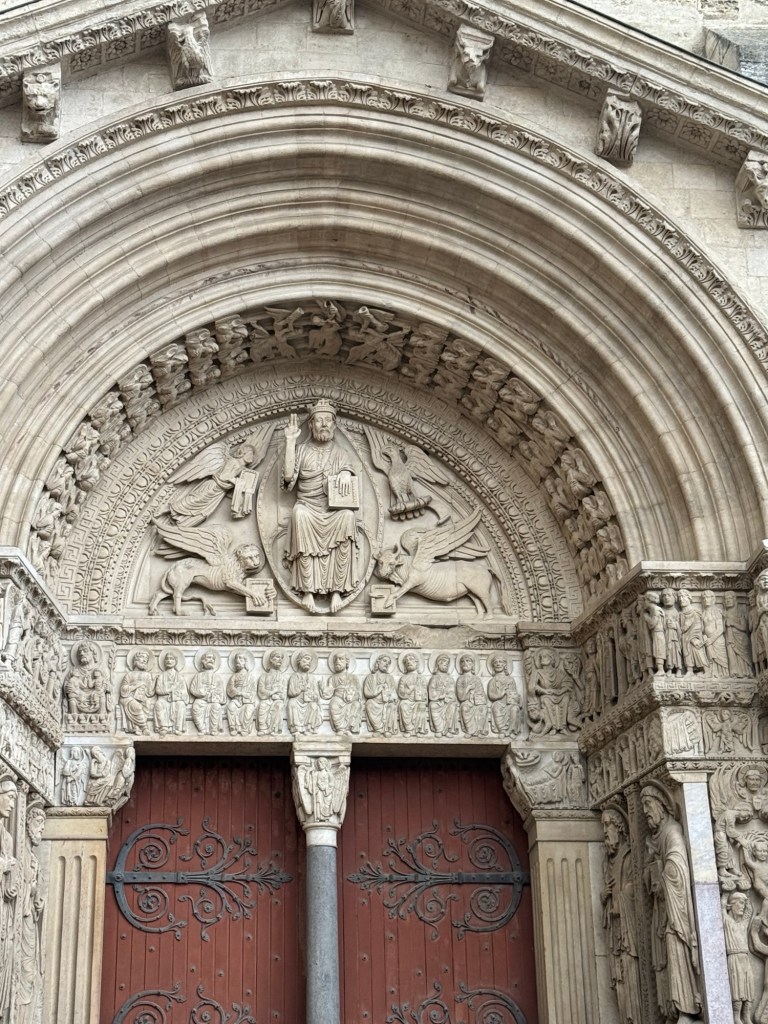
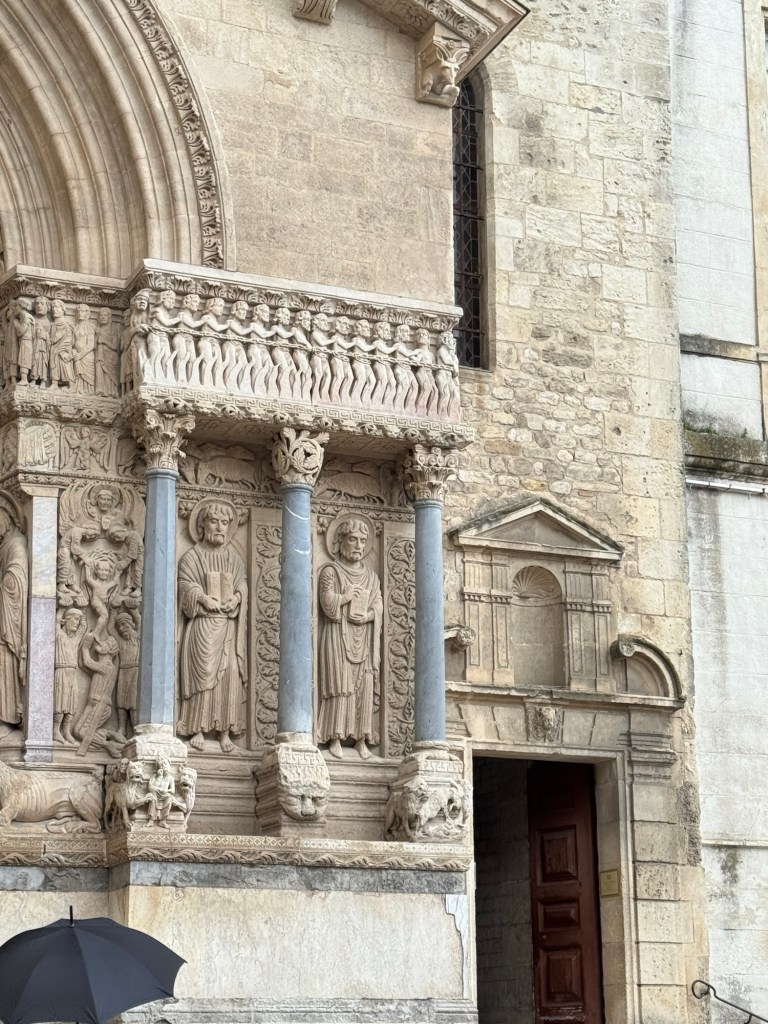
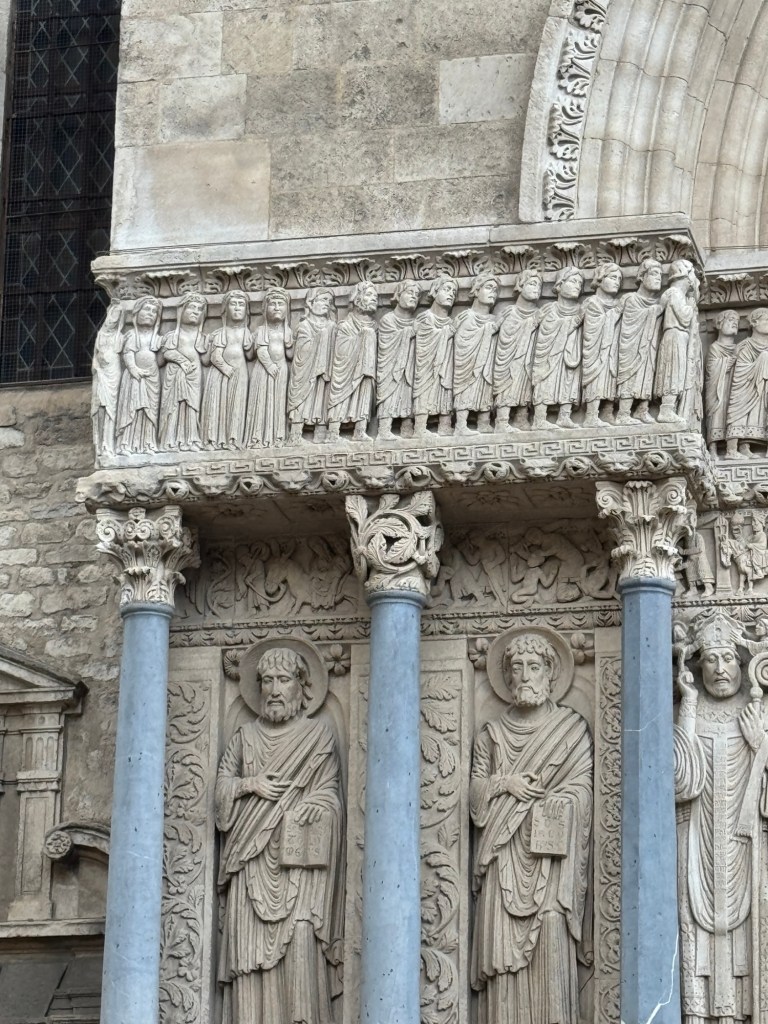
Today we went to Arles, a UNESCO site, nicknamed the Little Rome of the Gauls. First we visited the Church of St Trophime, Arles 12-15 century.


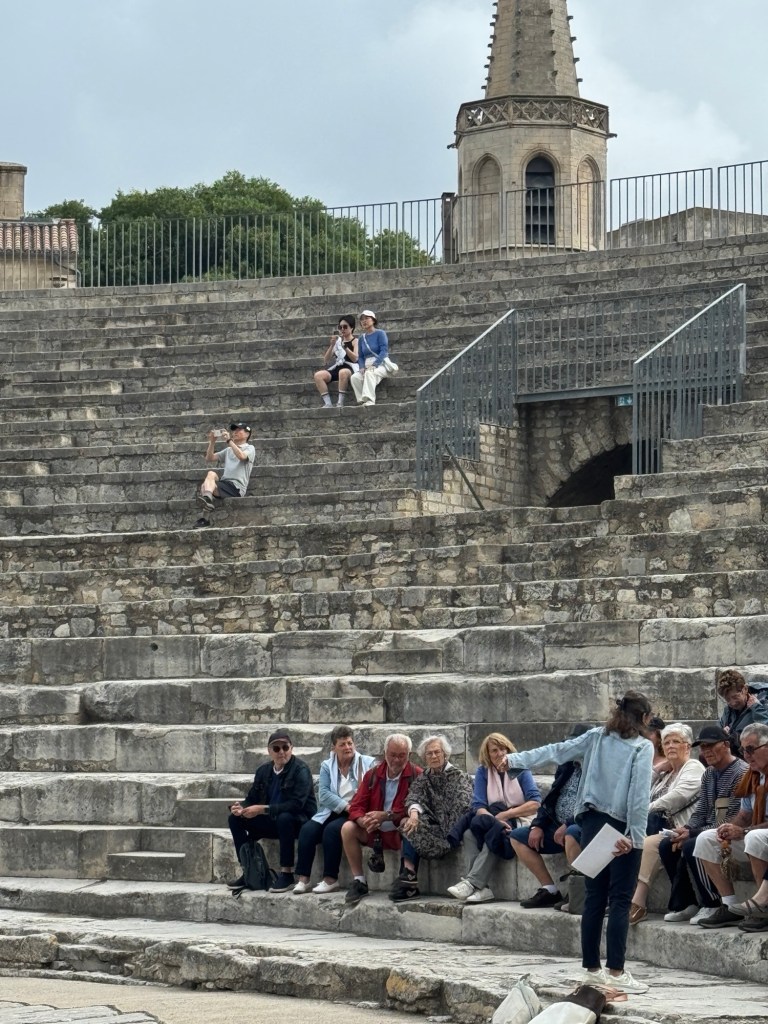
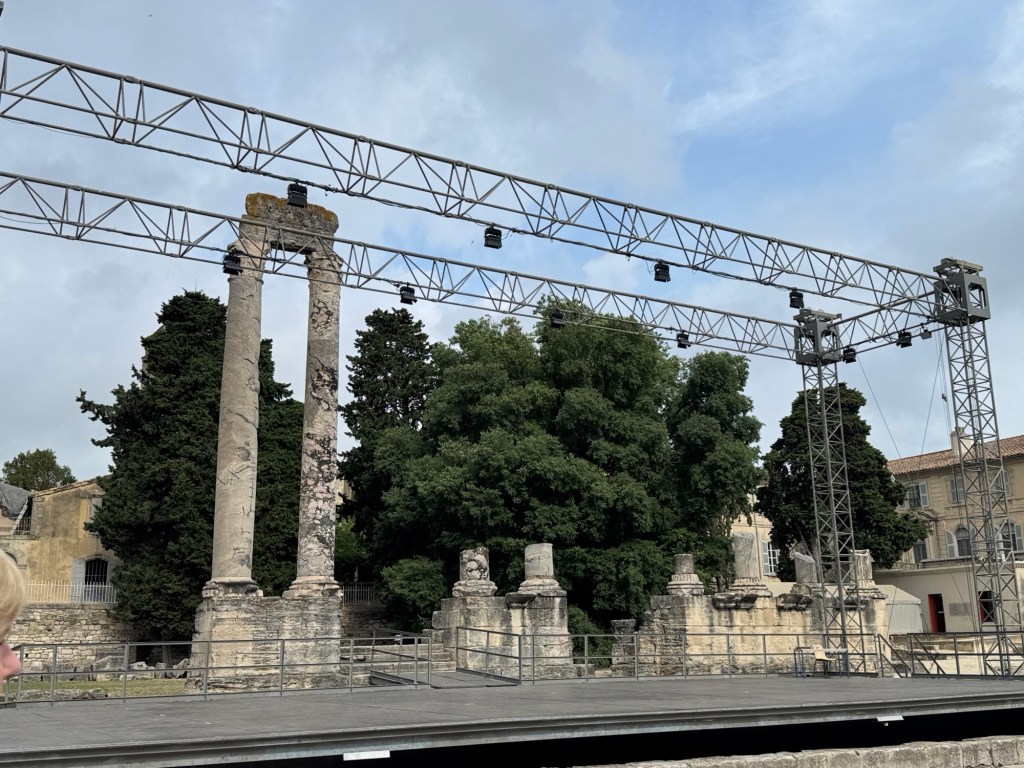
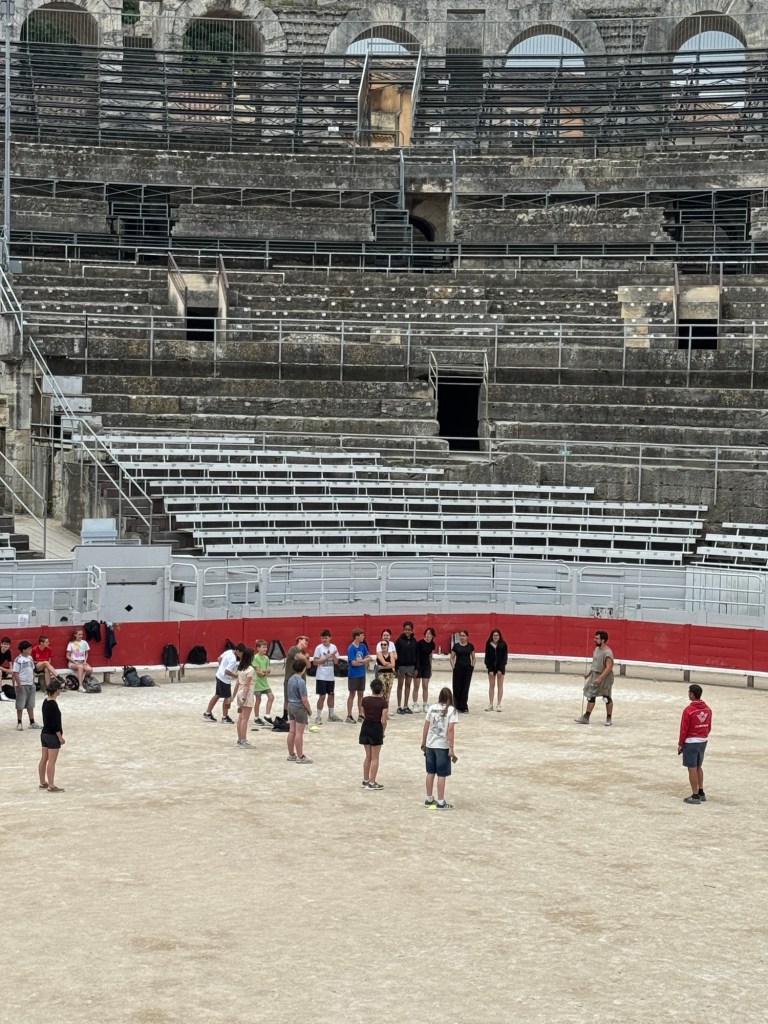
Then we visited the Roman theatre and the Roman amphitheater. Theatre is smaller with a semi circular seating arrangement with a stage, so mainly for theatrical performances. Amphitheater is larger with an elliptical or circular seating surrounding an arena. The arena is often flat sandy area where the events toke place. So amphitheater is for more violent public events such as gladiatorial contests, hunting or public executions.


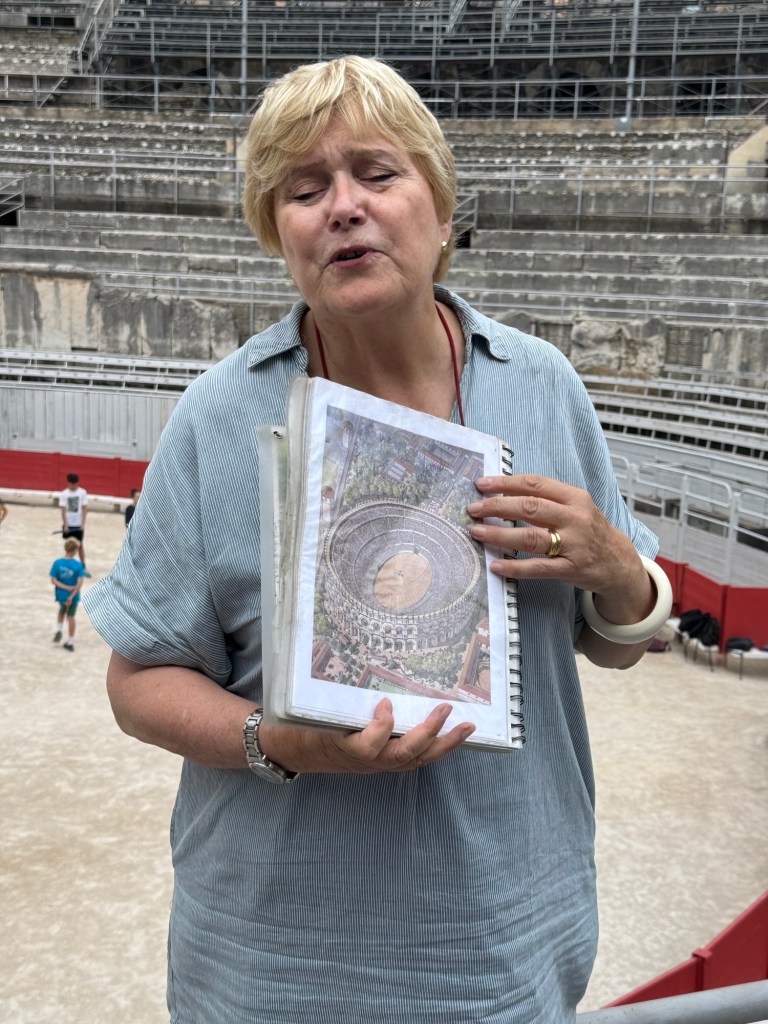
Then we strolled the old town of Arles where Van Gough had spent sometime and cut off his ear in here.
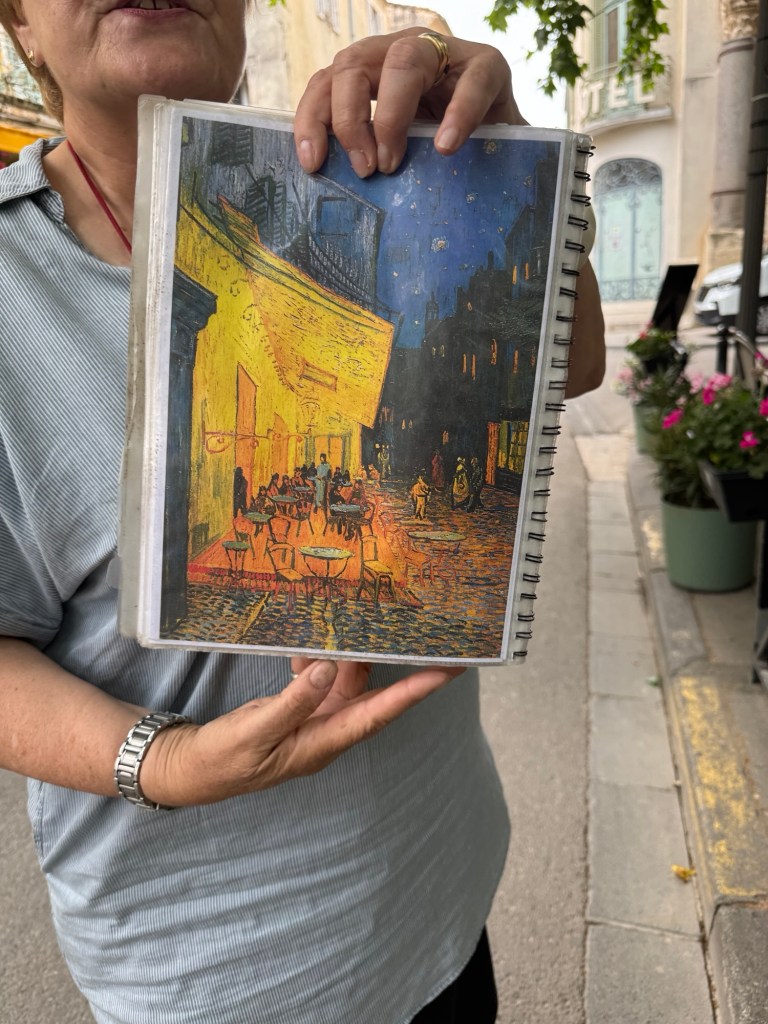
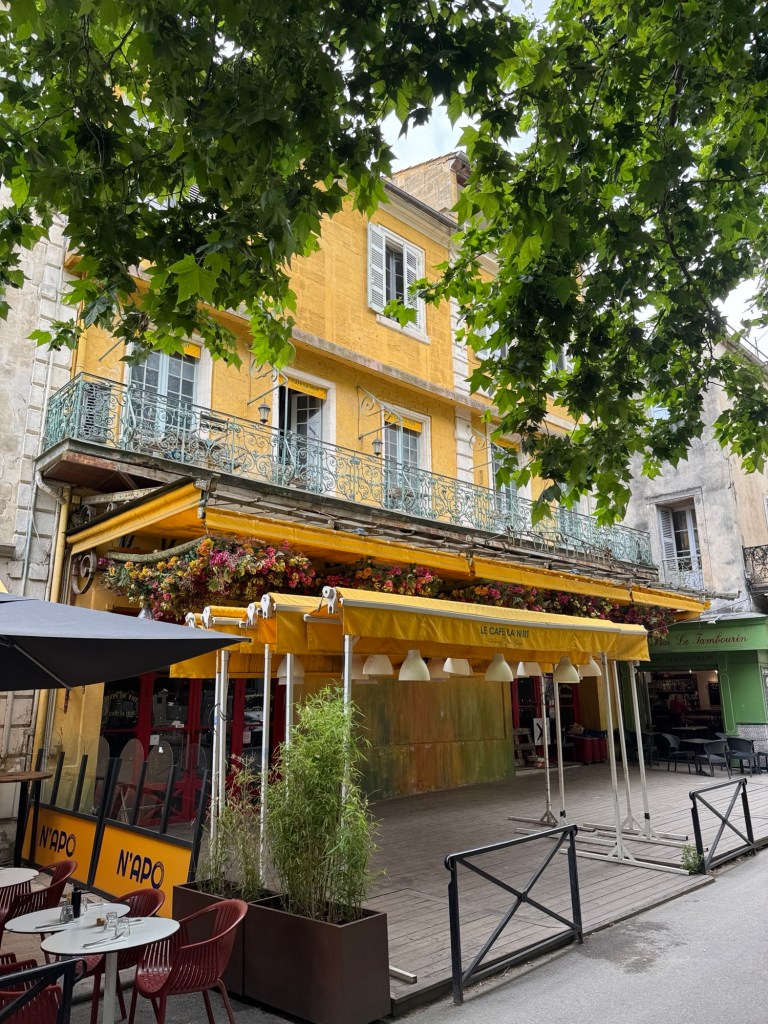

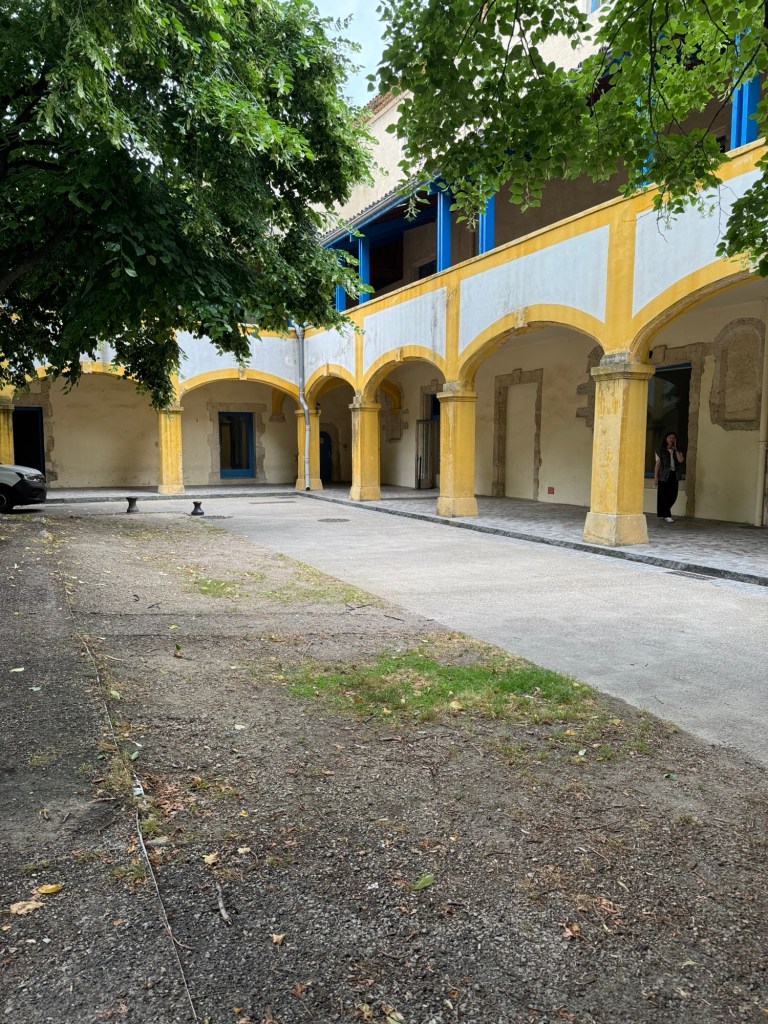
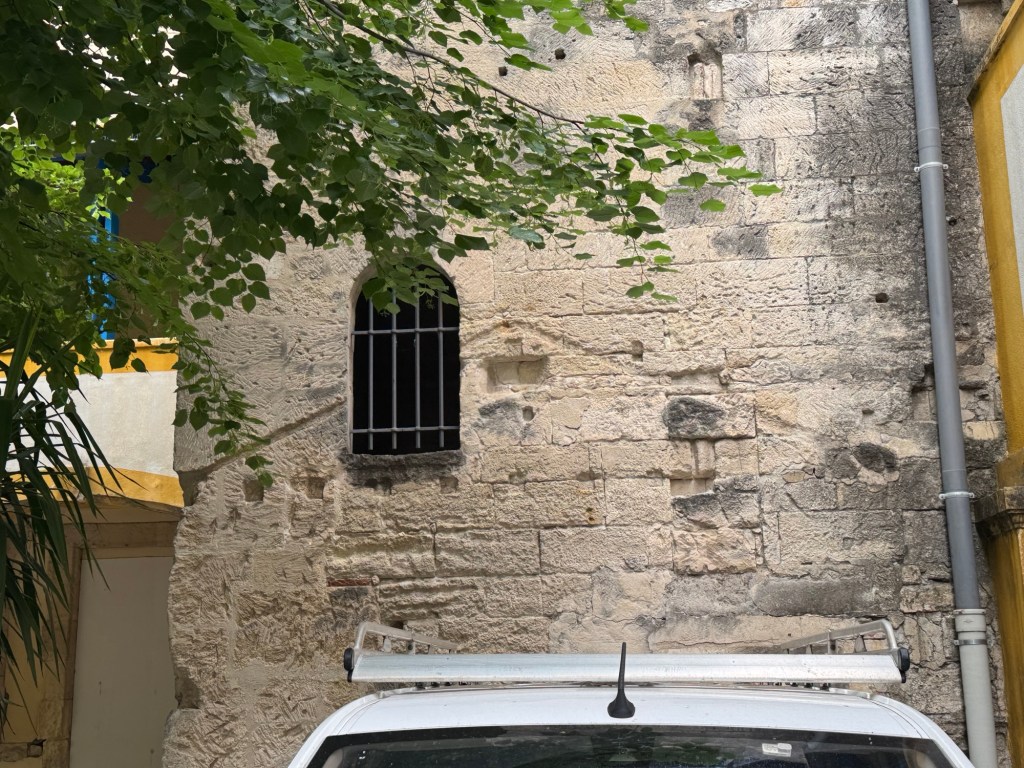
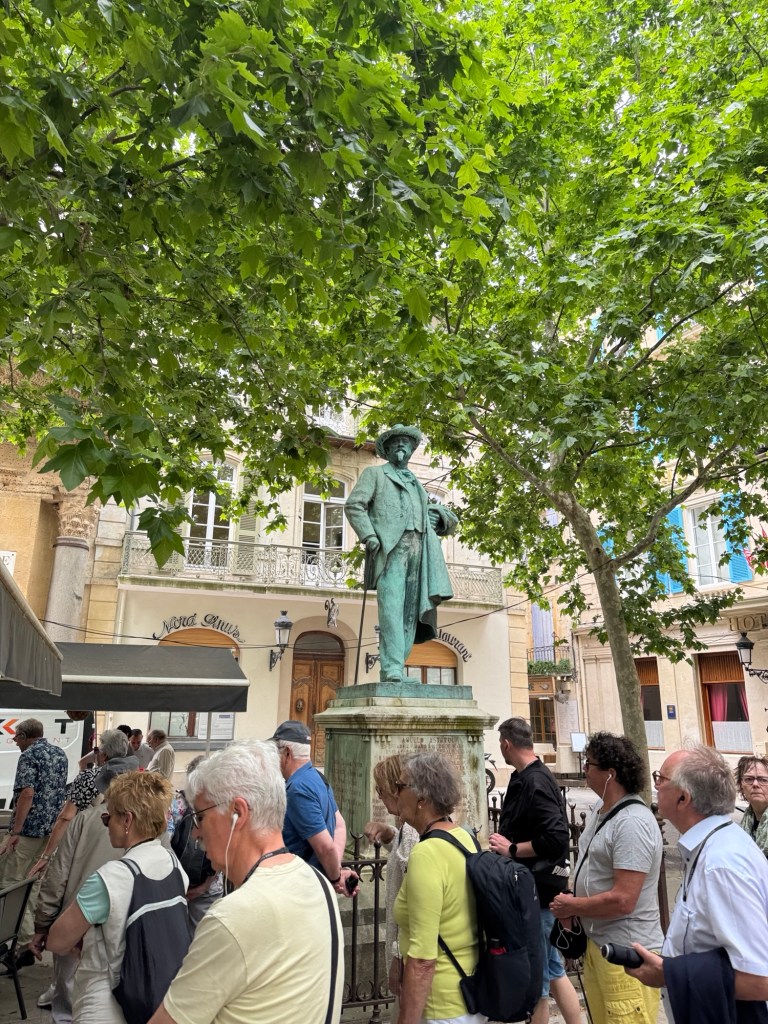
Afterwards we left for Nimes and have lunch at restaurant Au Plaisir Des Halles
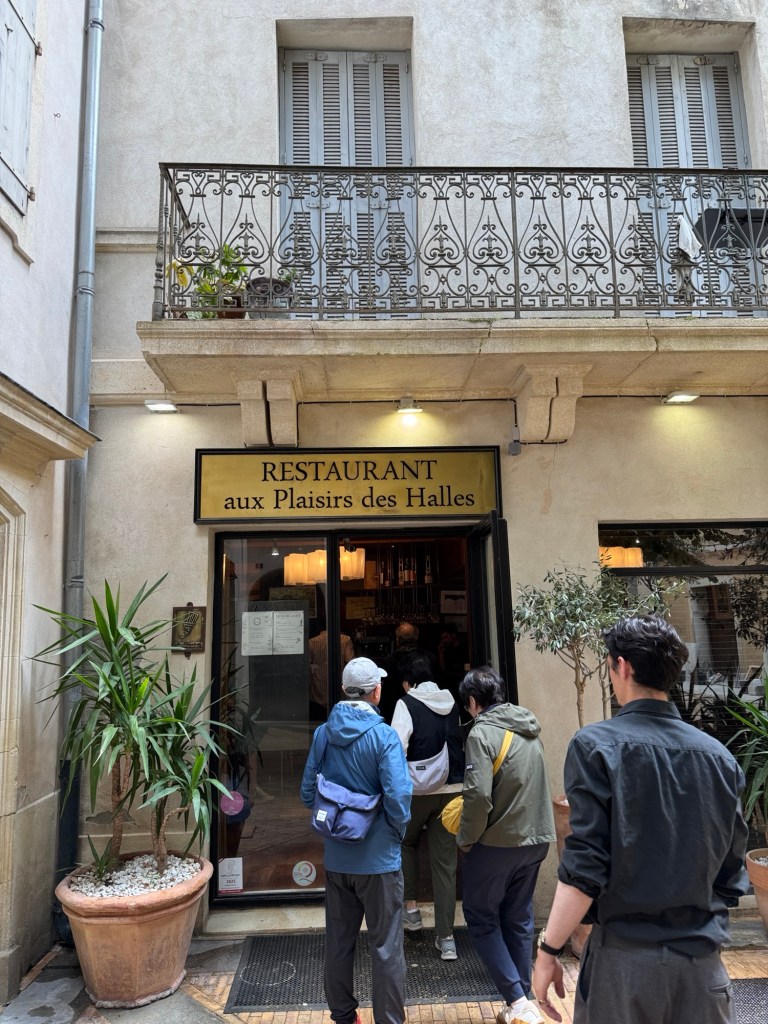
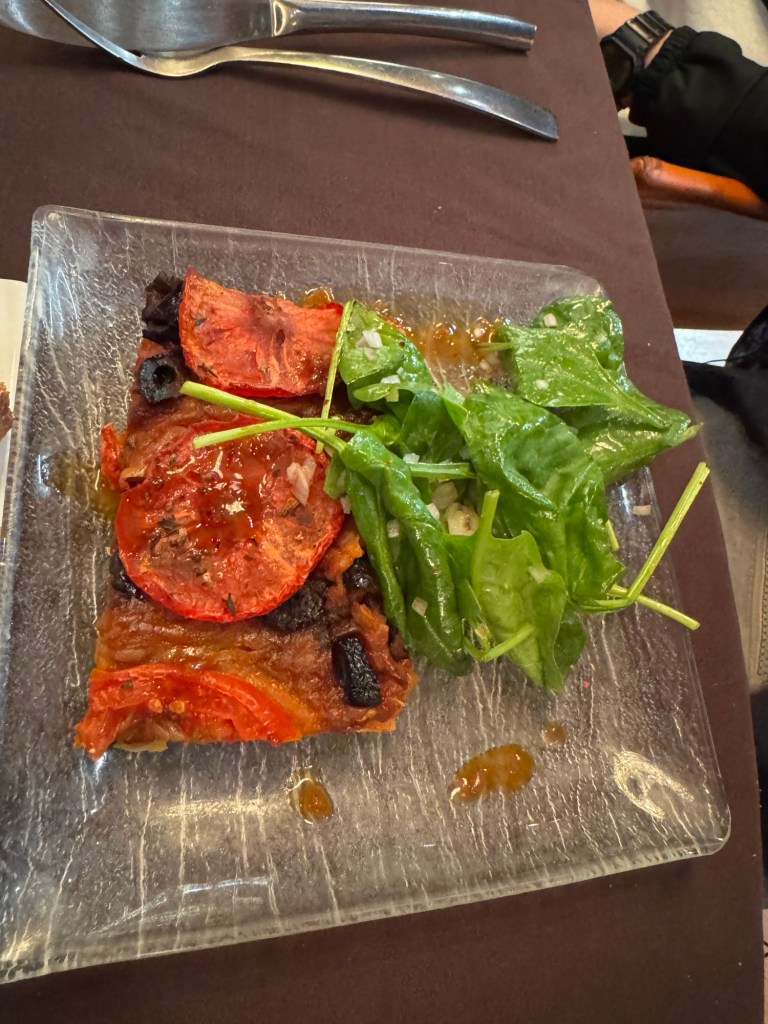

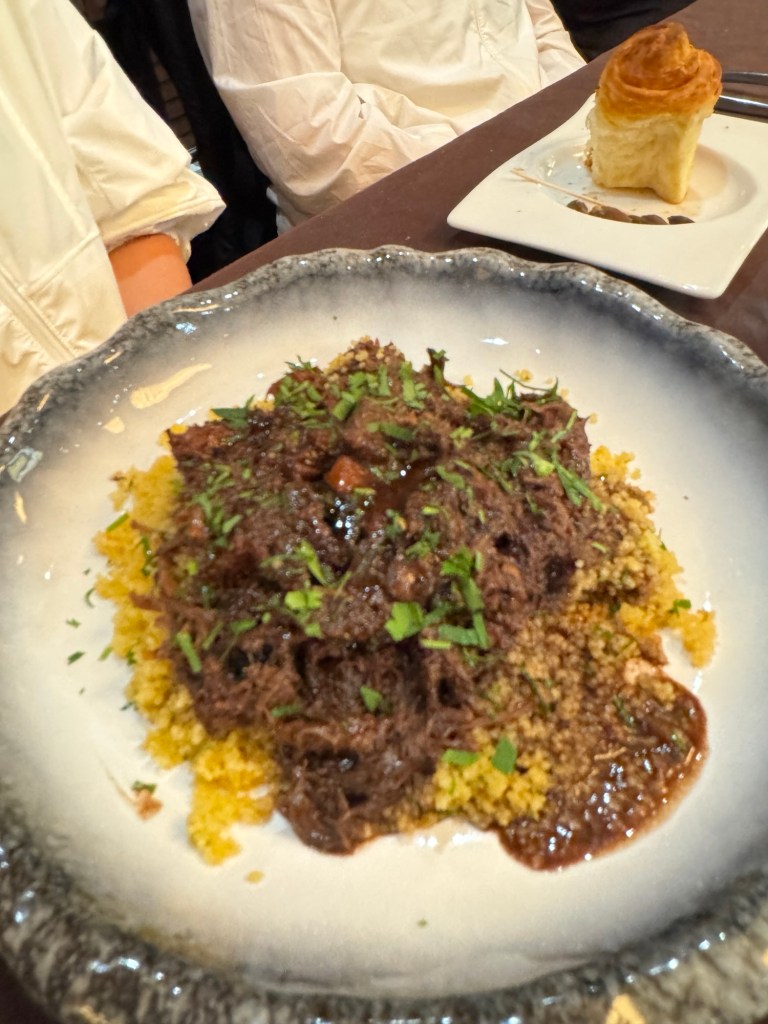
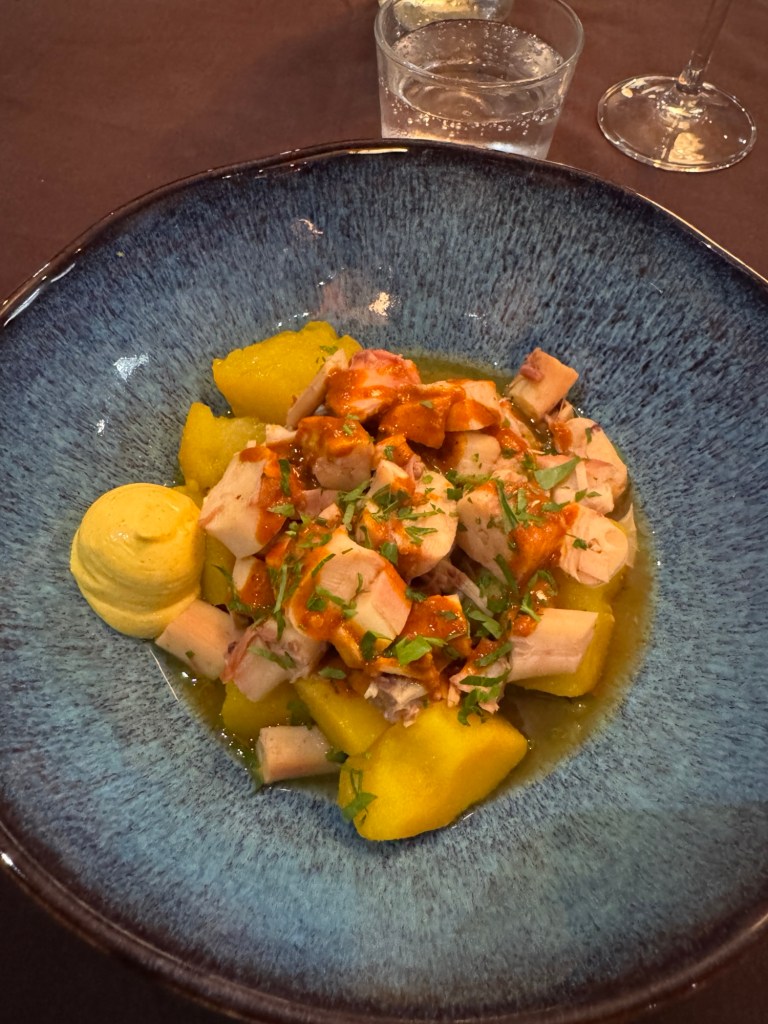

After lunch we met the guide from the morning to start the city tour of Nimes. First we saw the modern statue of Antoninus whose family was here.

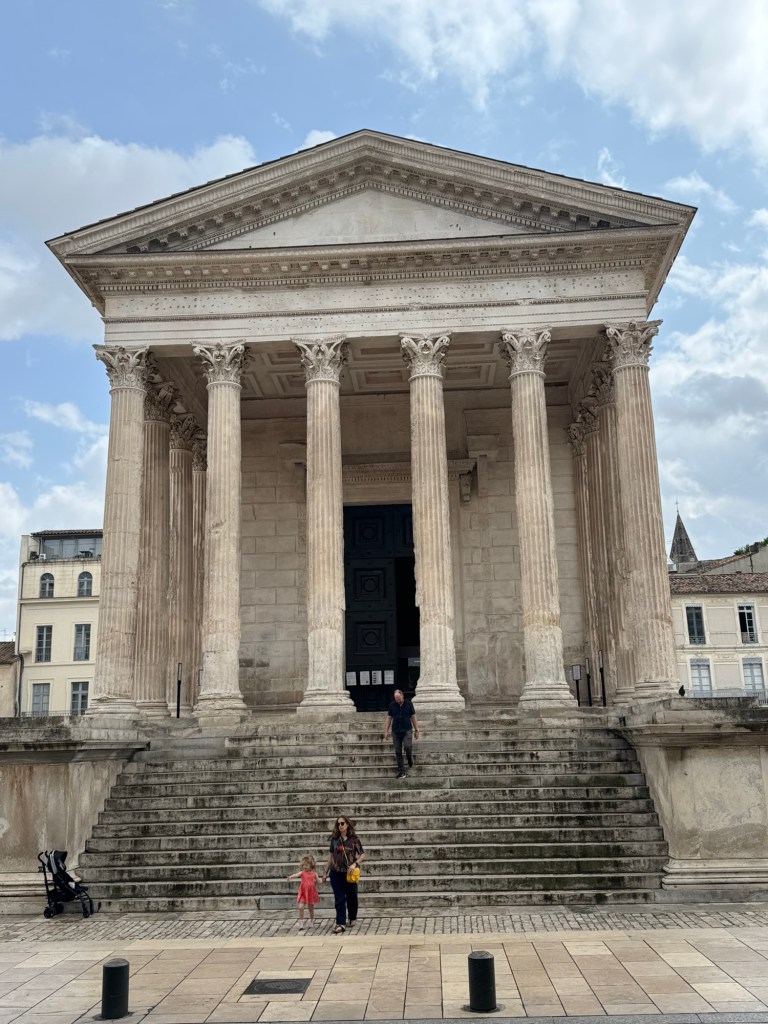
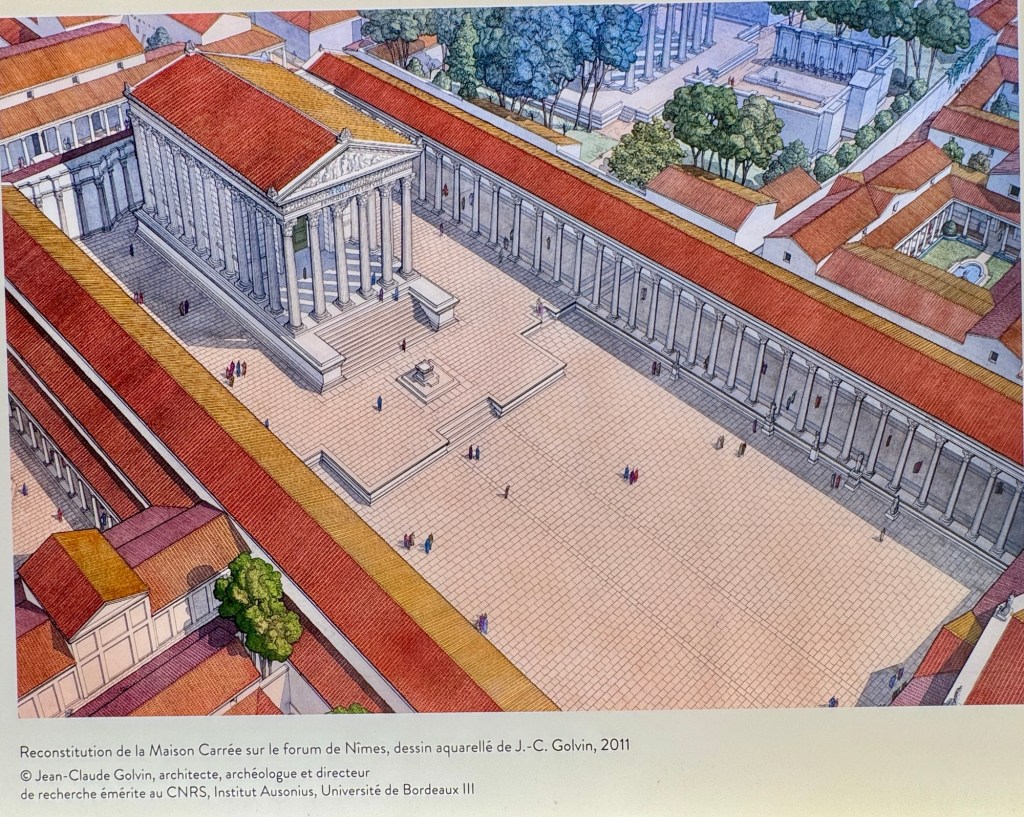
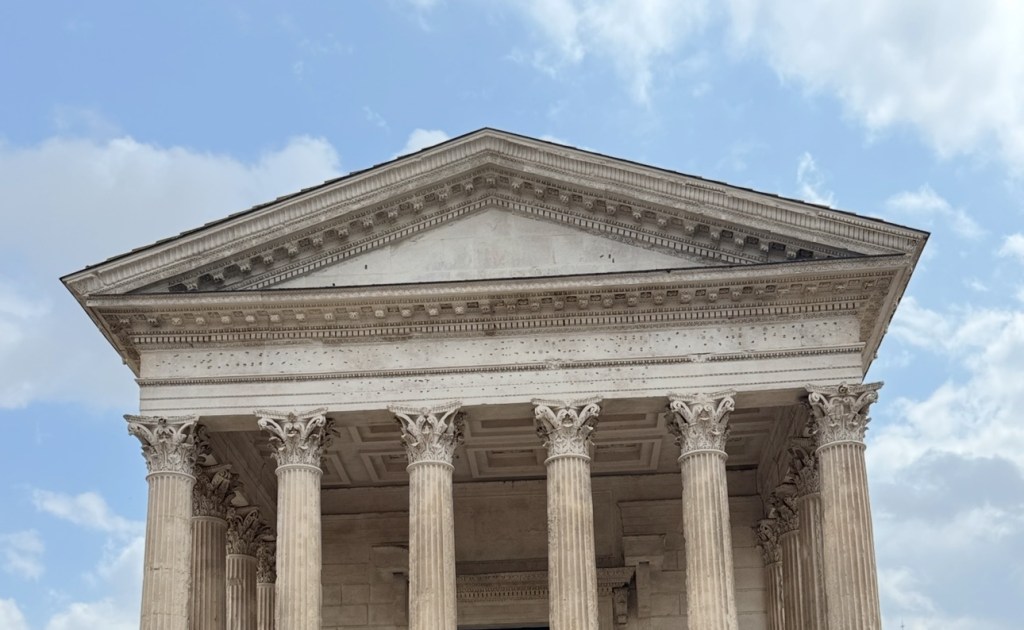
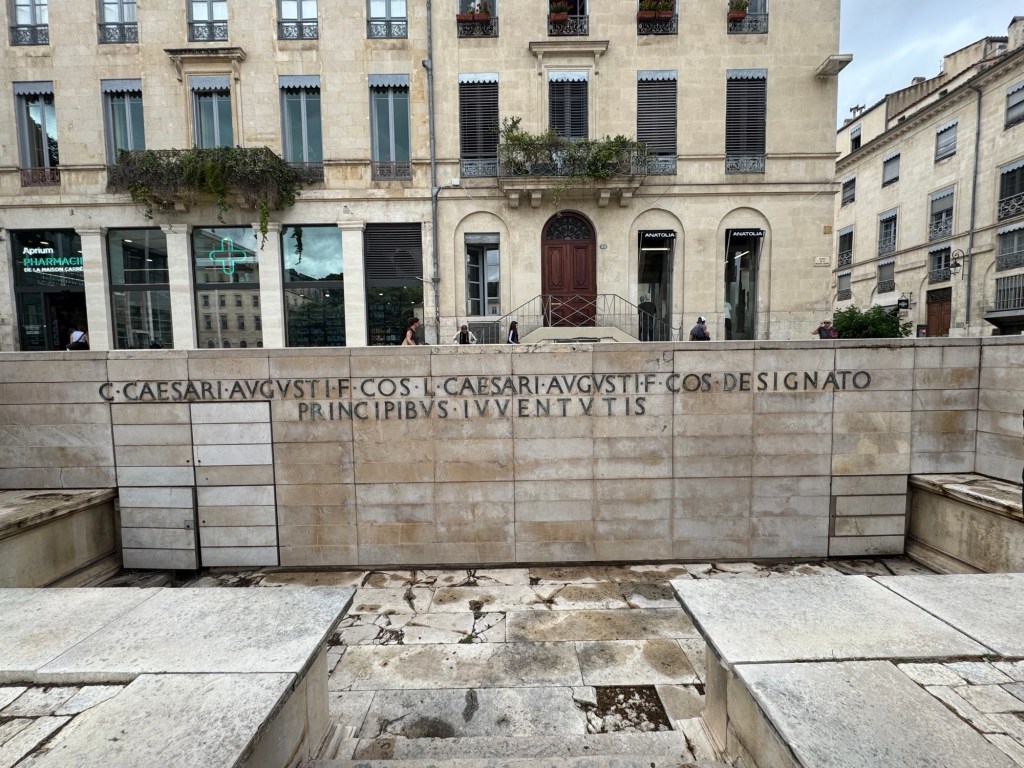
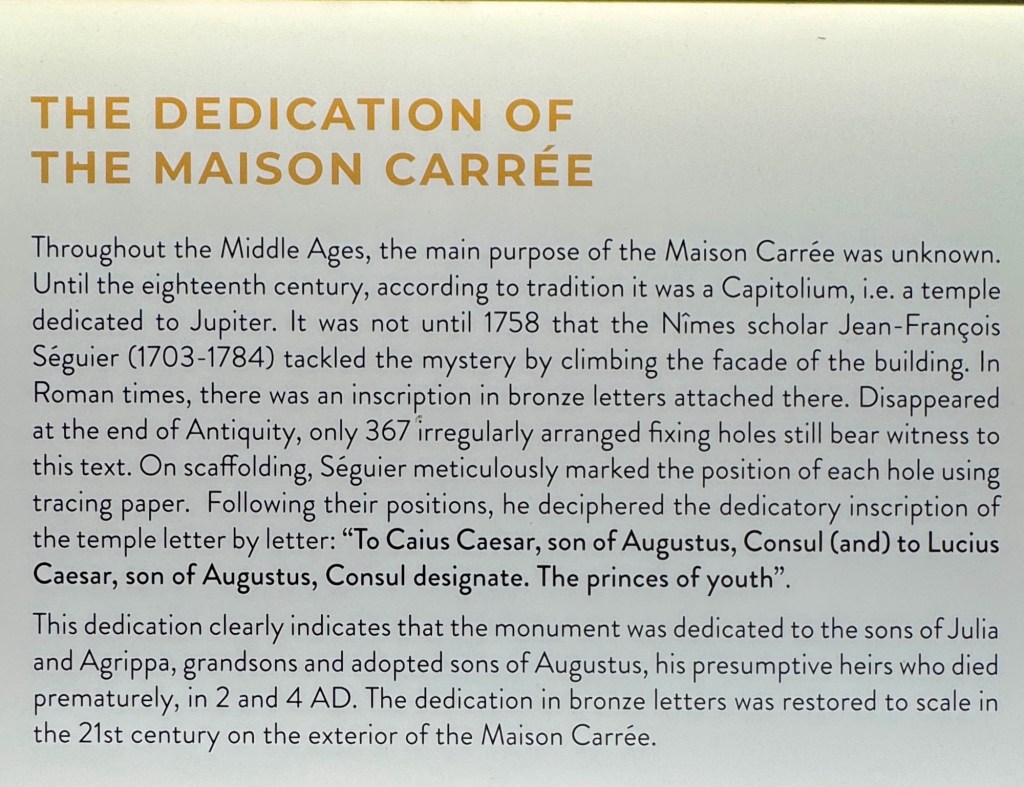
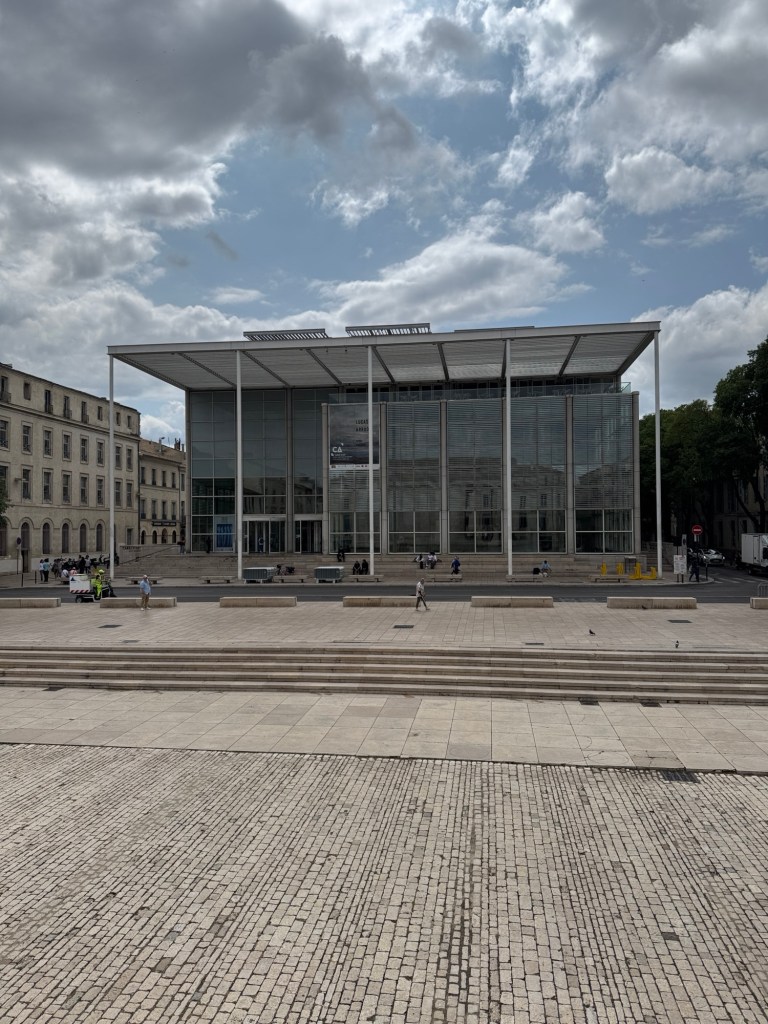


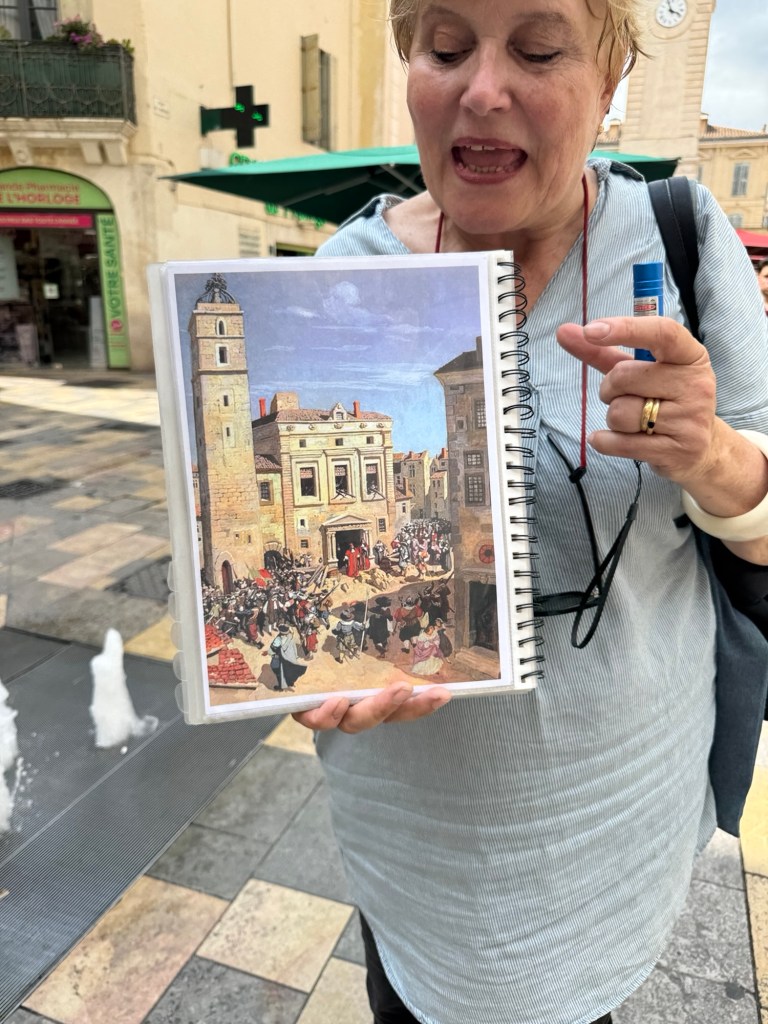
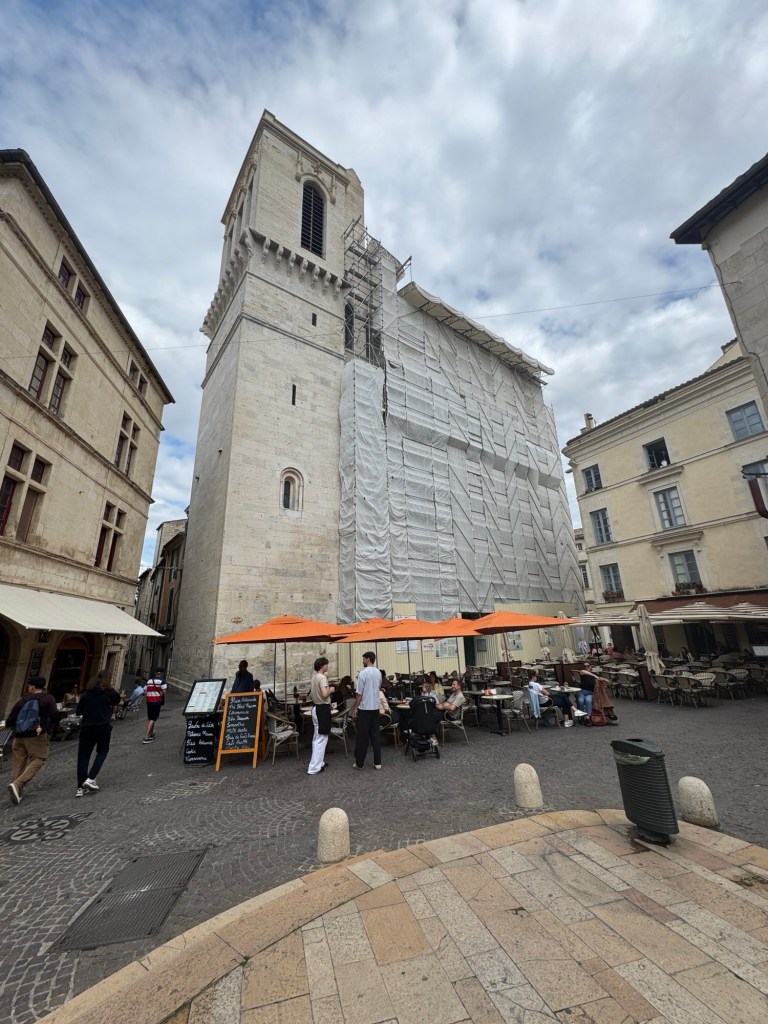

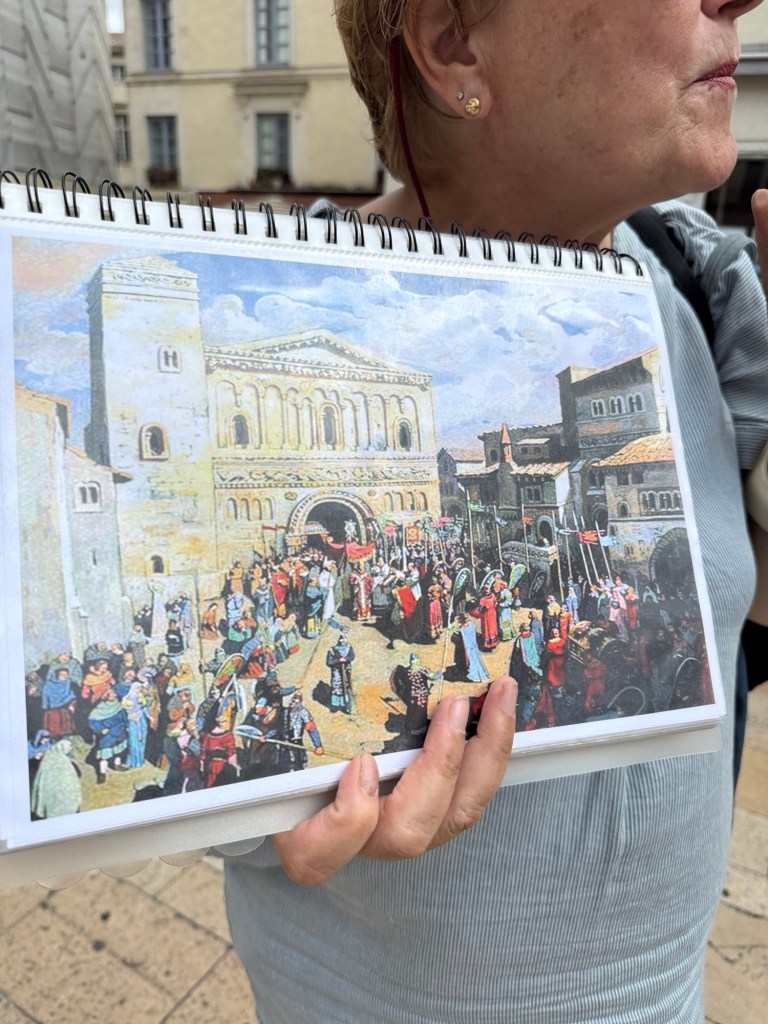

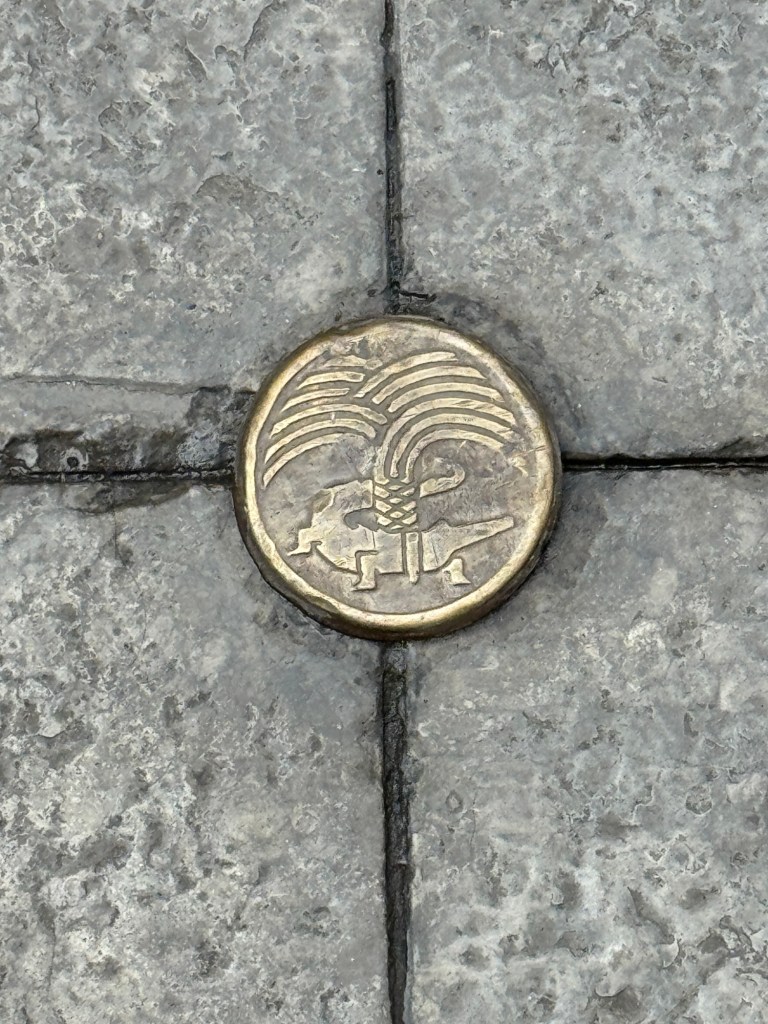
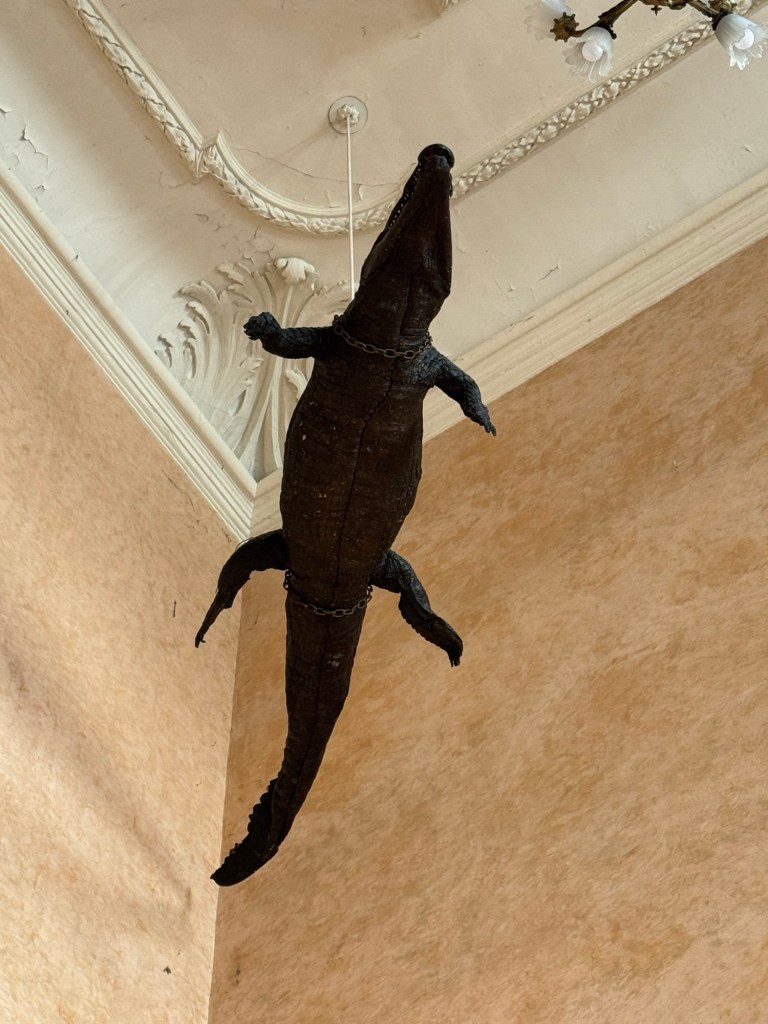
The city of Nîmes, in France, has a unique and interesting symbol: a crocodile chained to a palm tree. This symbol is not a random choice, but rather a representation of Roman history and a local emblem.
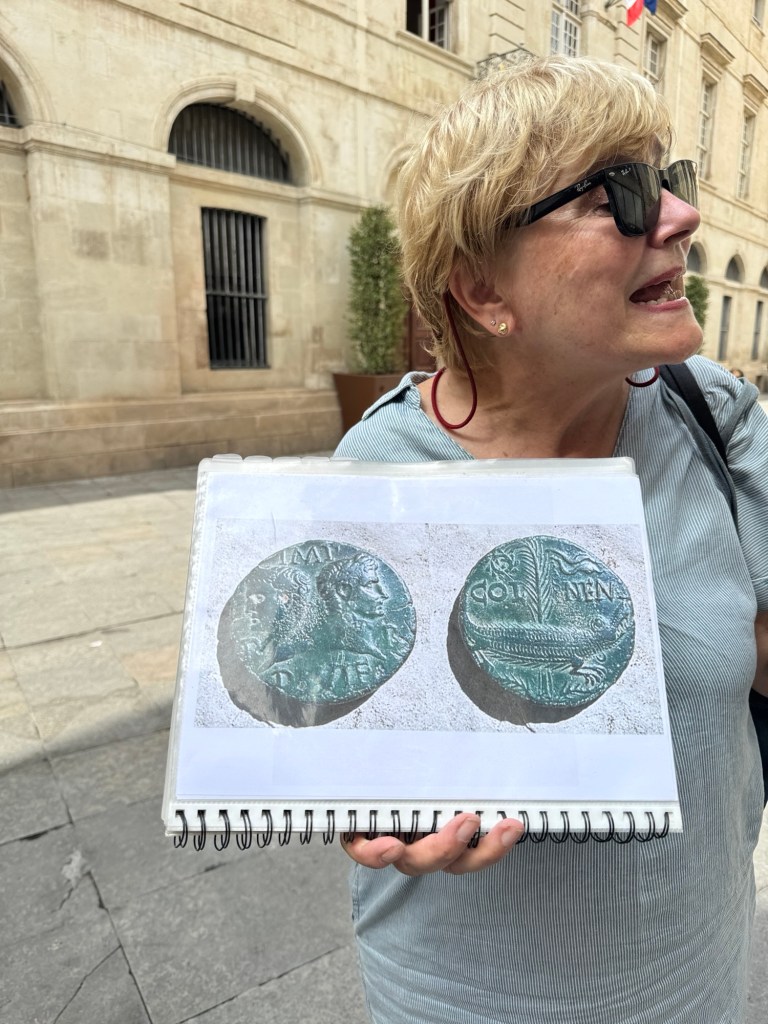
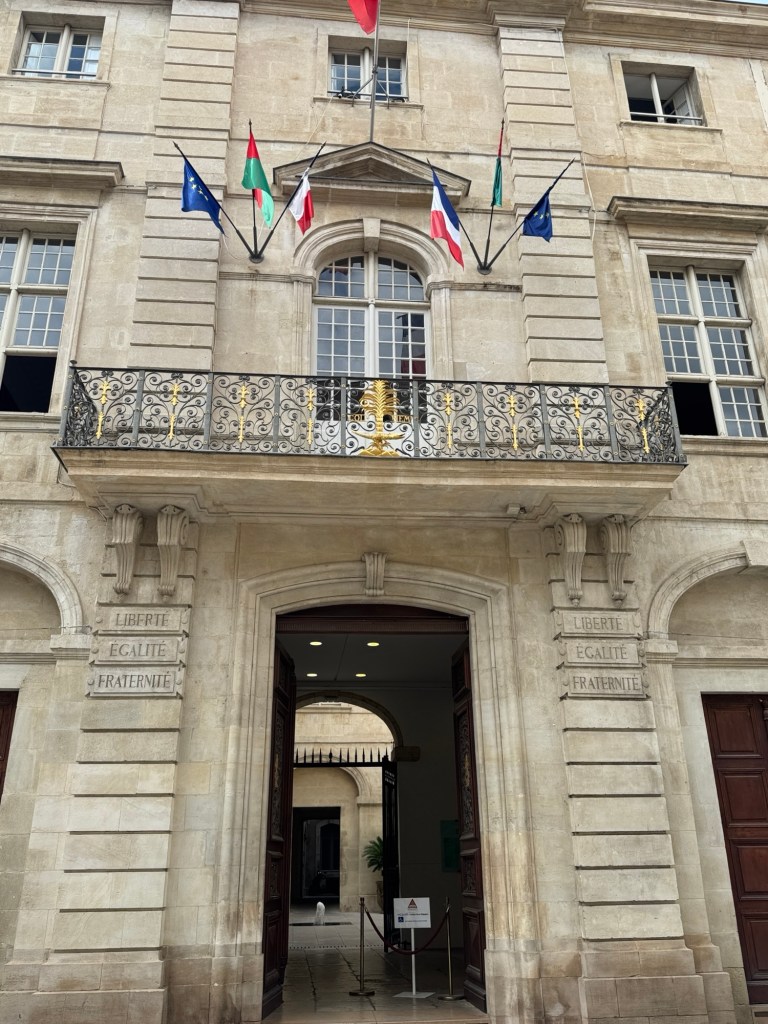
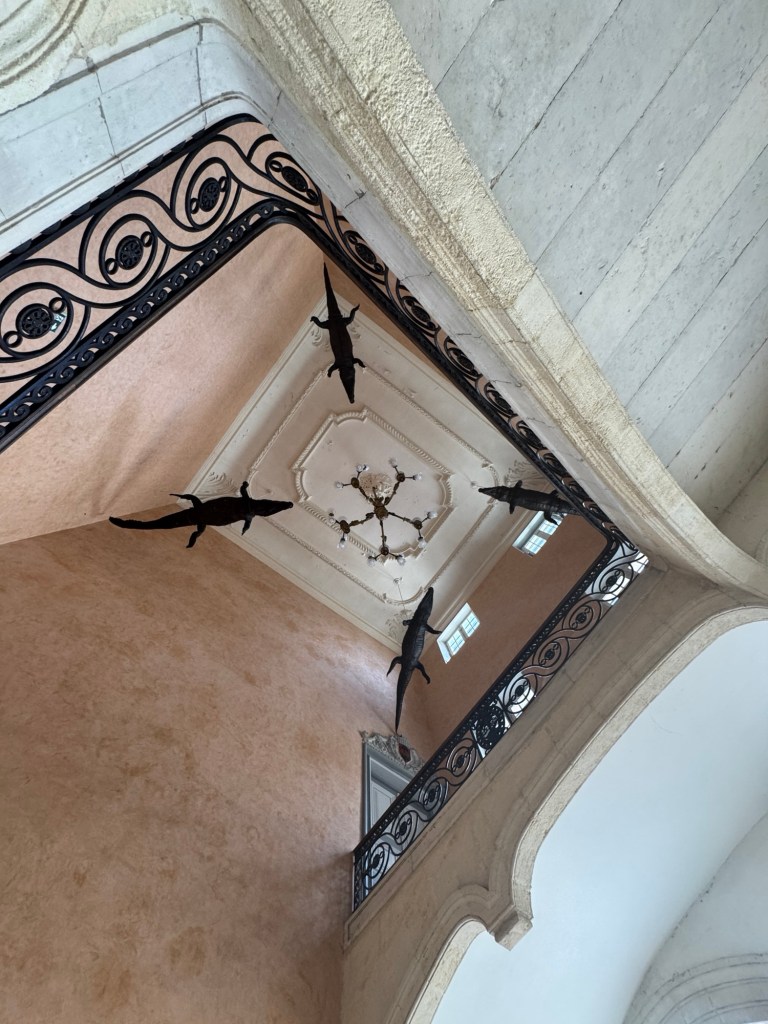
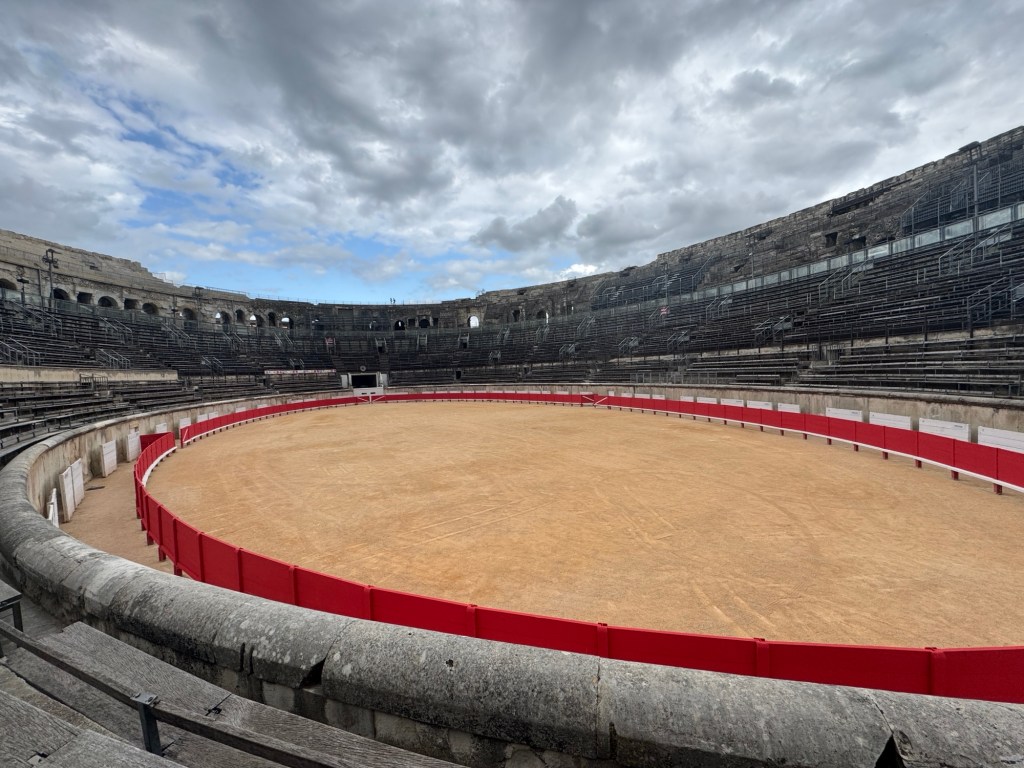
To conclude the city tour we went to the amphitheater of Nimes. It is slightly bigger than the one in Arles.

After leaving Nimes we took a long trip to Carcassonne and checked in to Hotel de la Cite. This hotel was rebuilt from the palace of the bishop and just next to Cathedral of Carcassonne and overlooks the lower town. The whole old town is a UNESCO site and we lived right in a UNESCO site! We had a late dinner before going to our rooms.


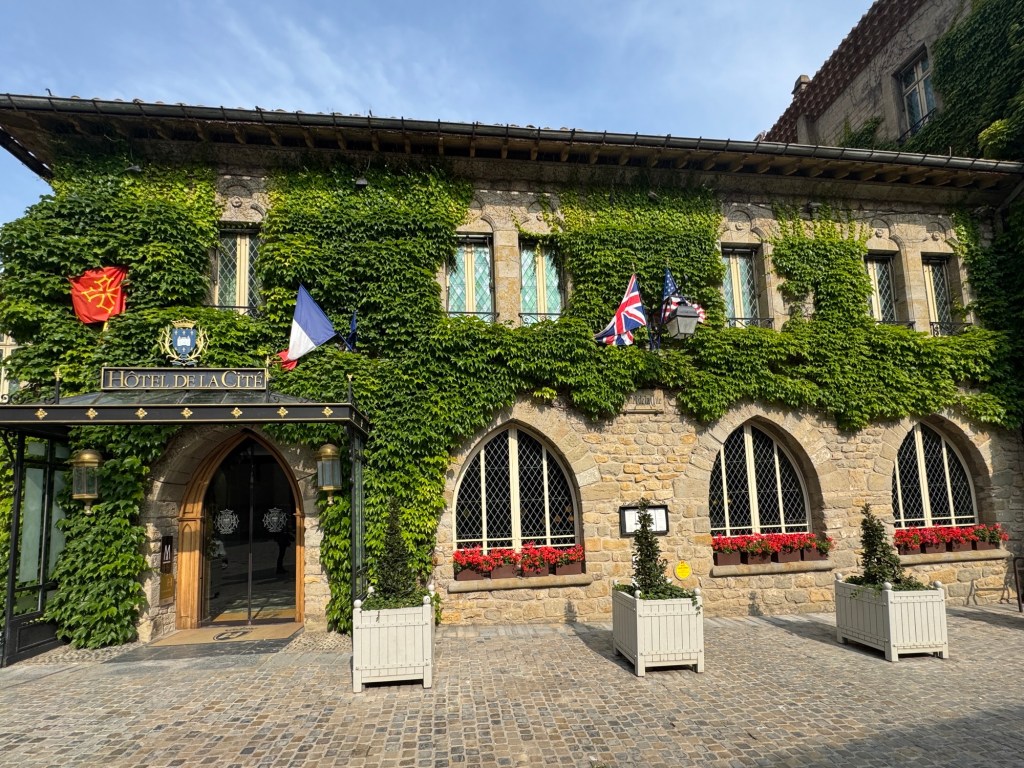
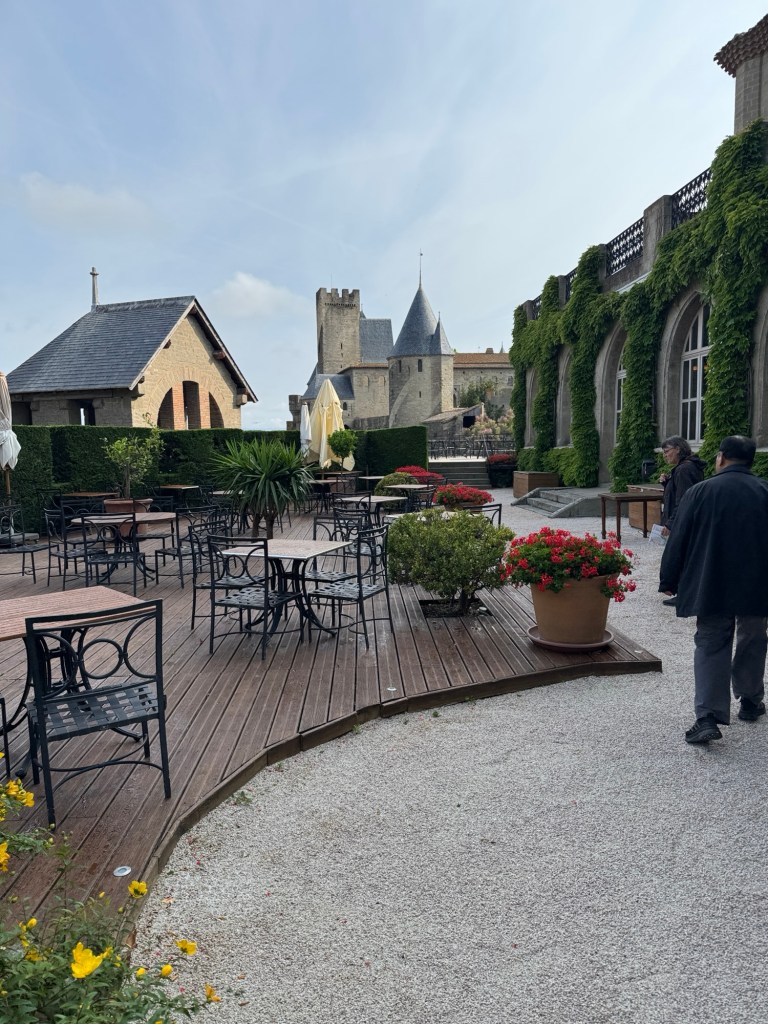
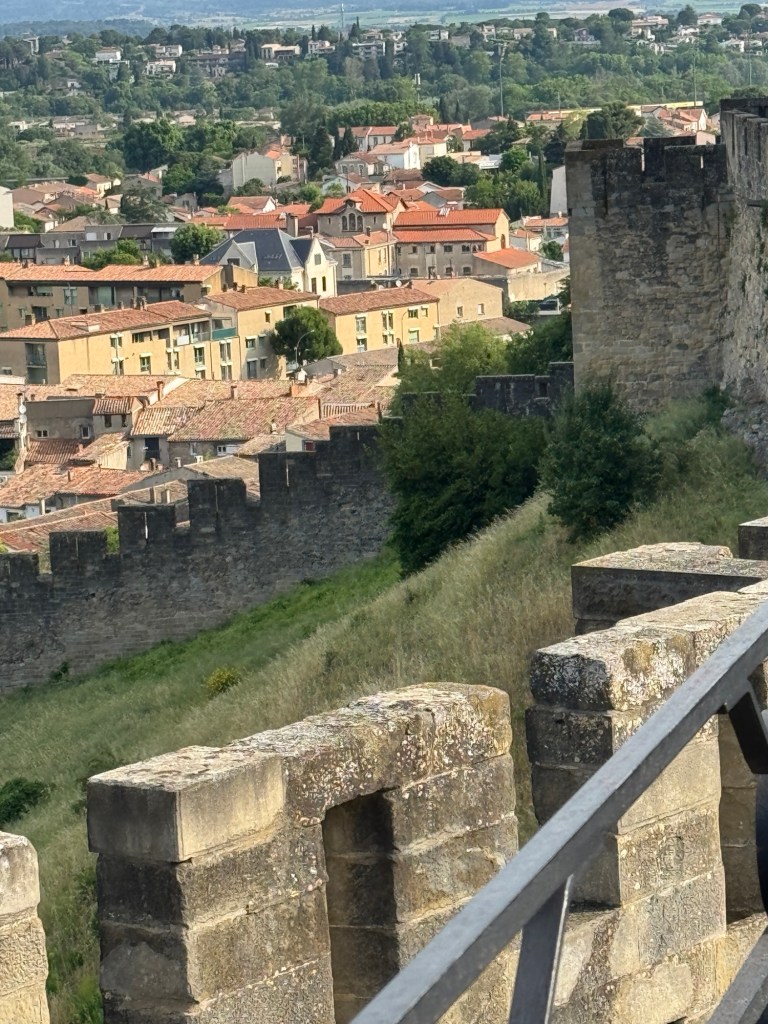
Cathedral Carcassonne
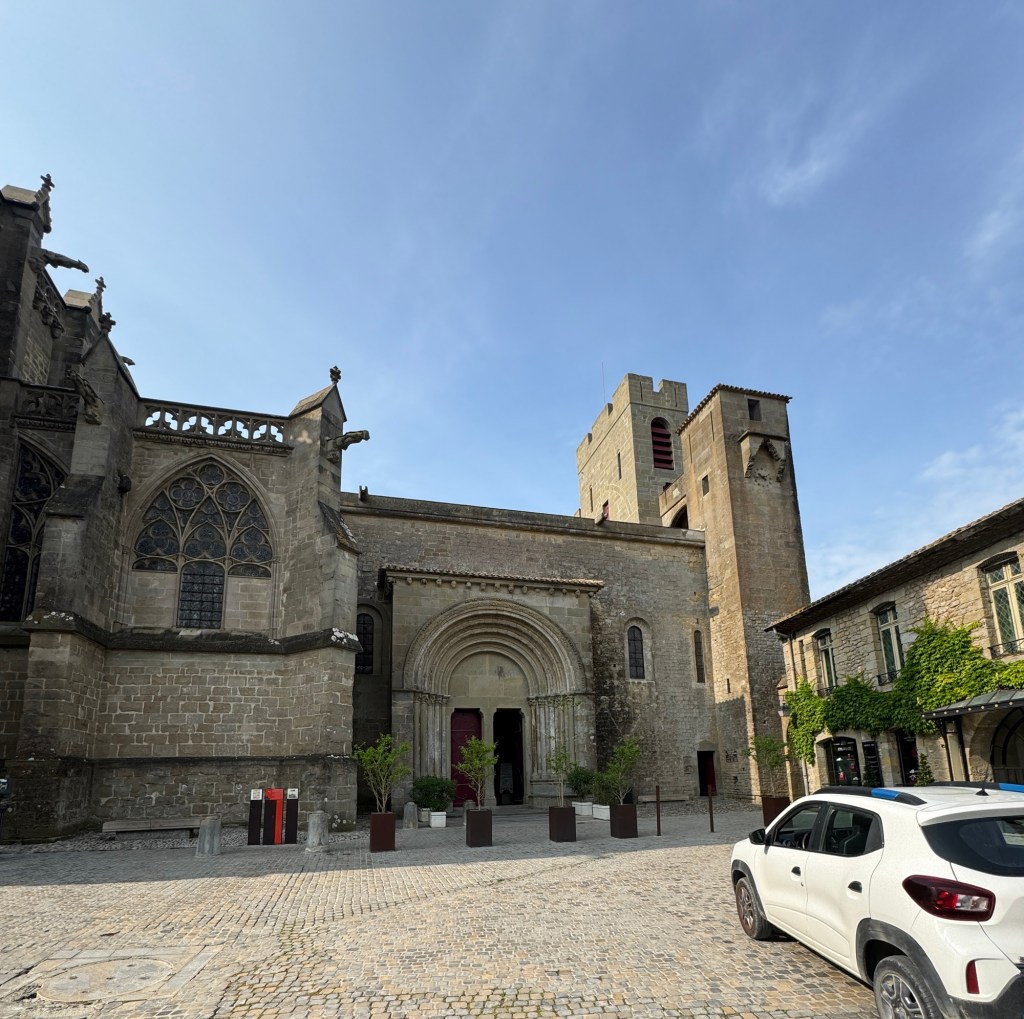

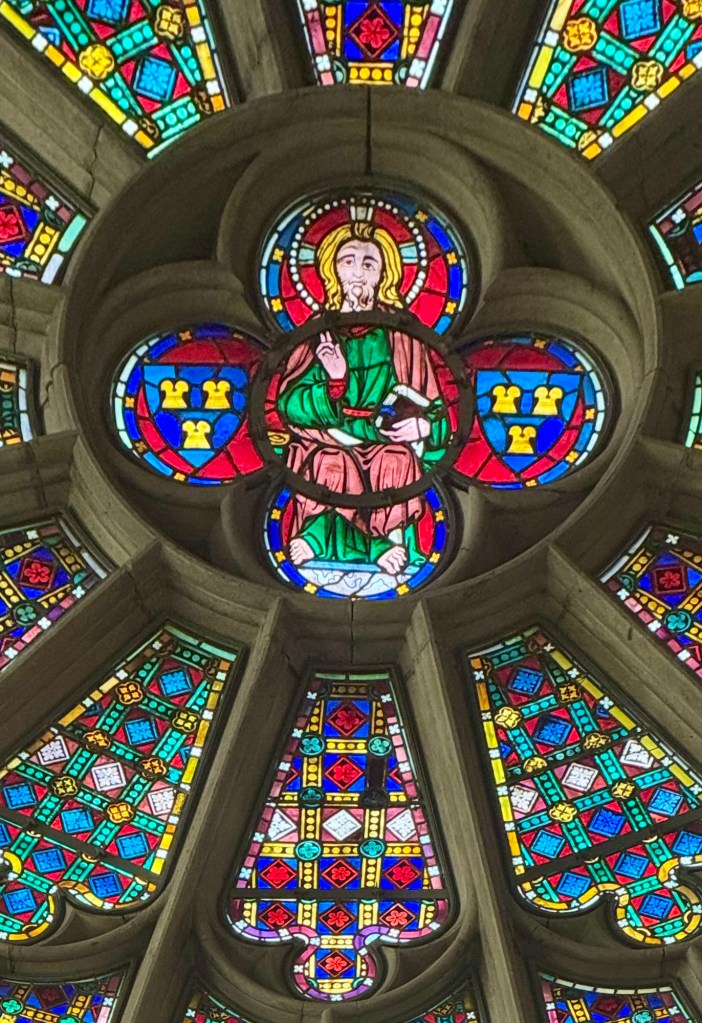
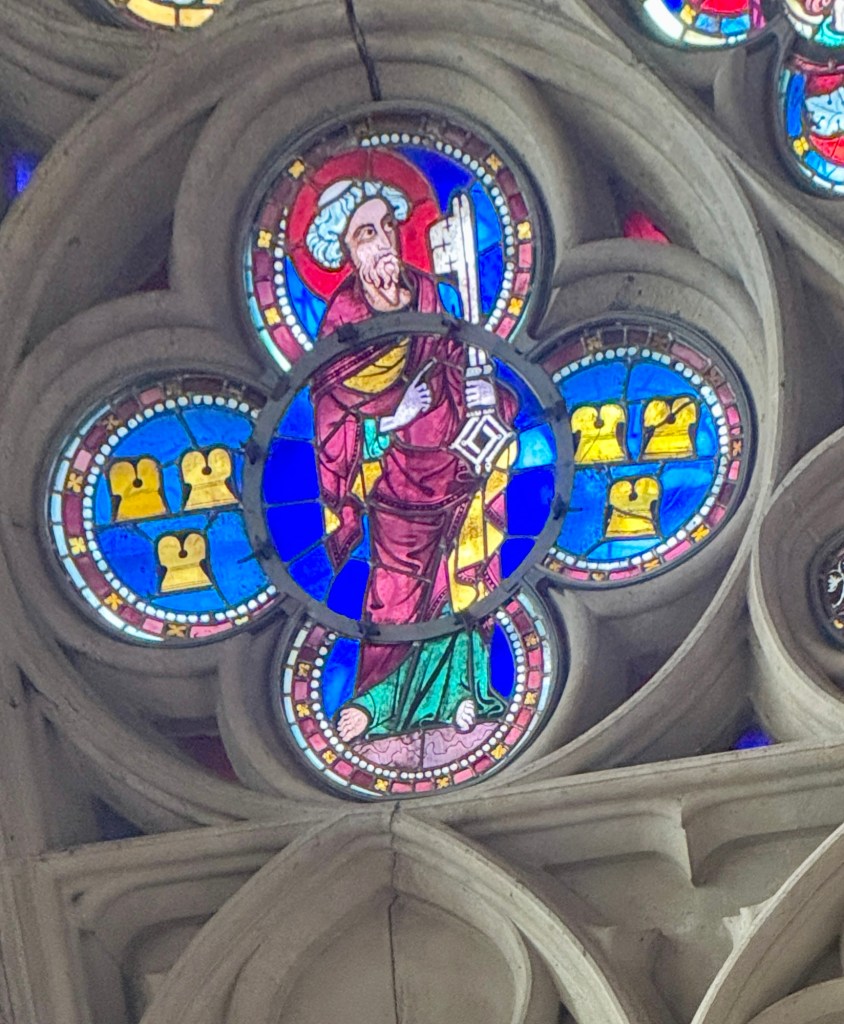
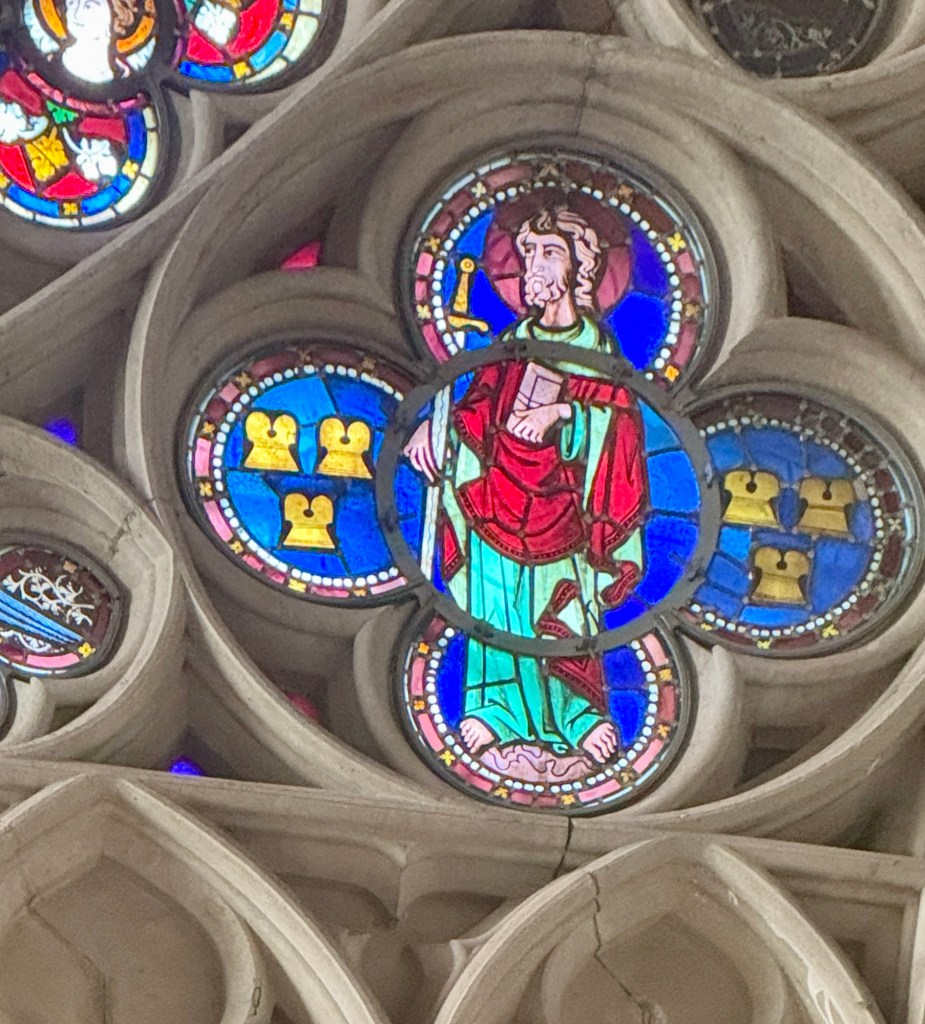
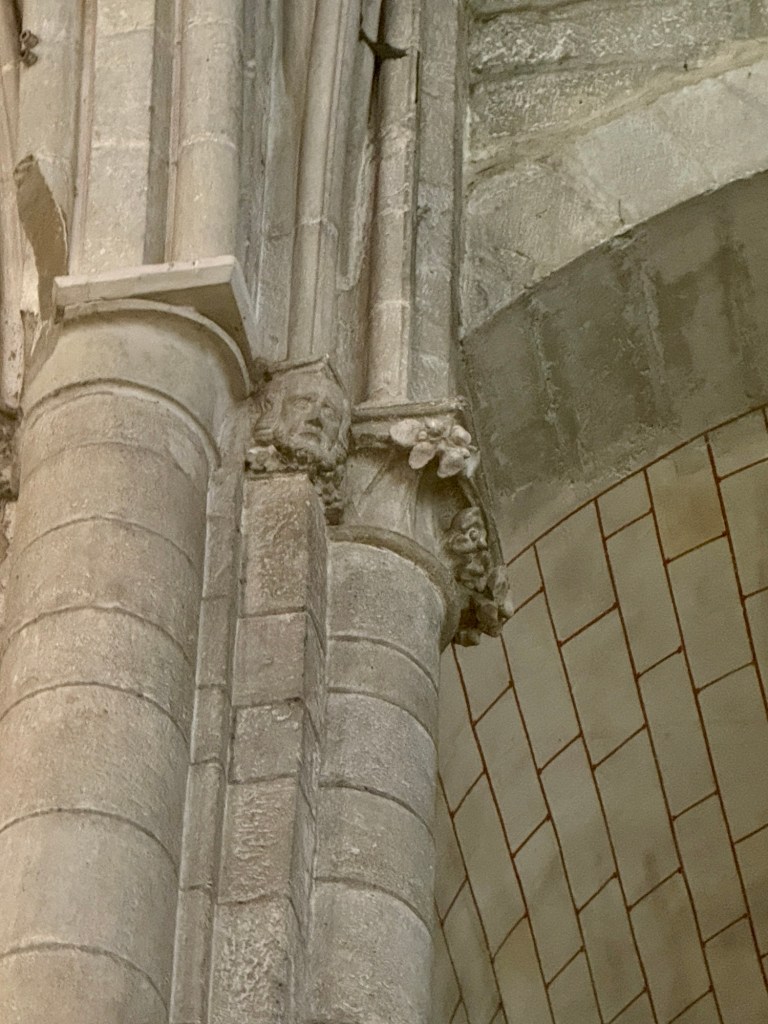
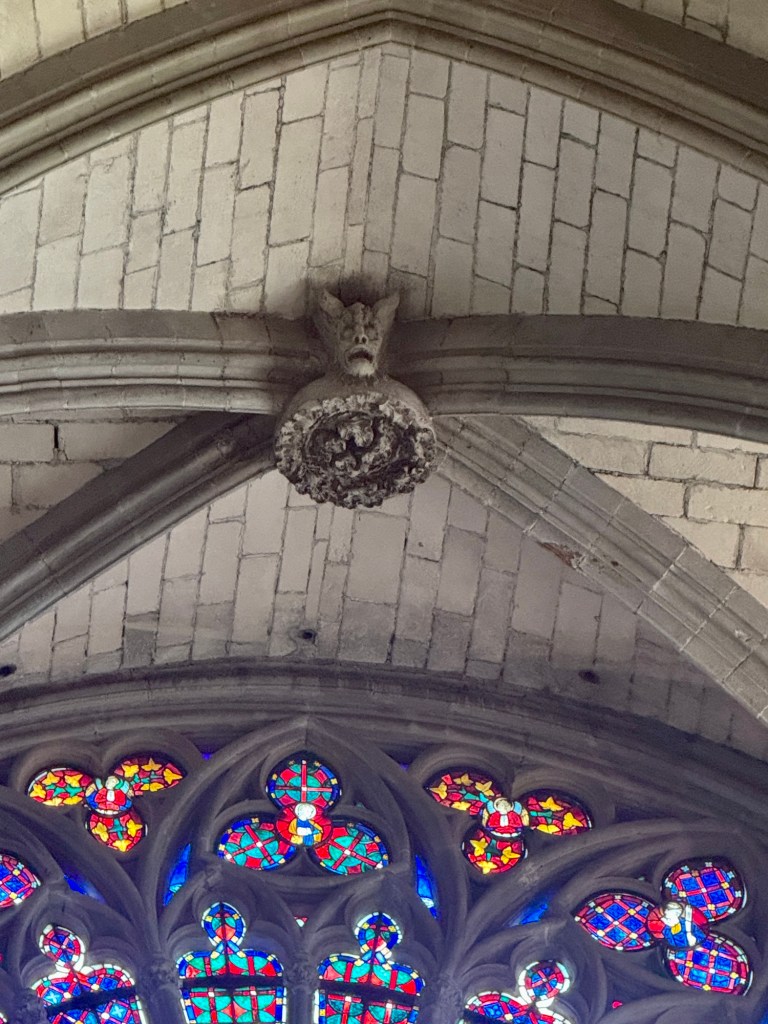
Some glimpses of the old city
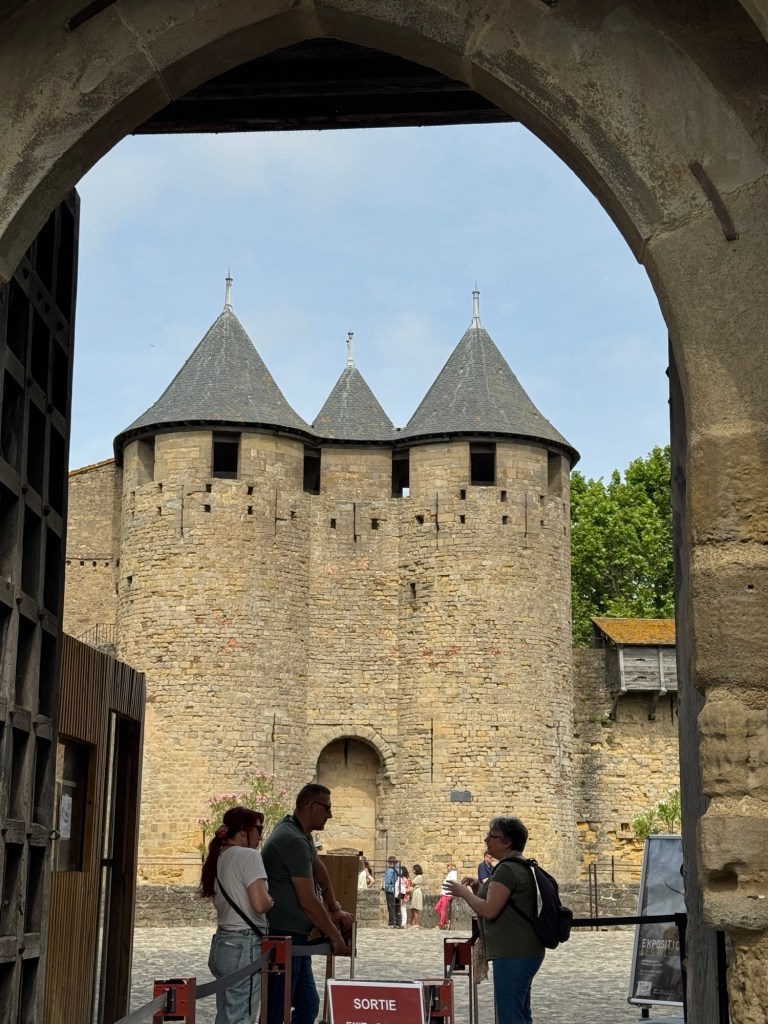
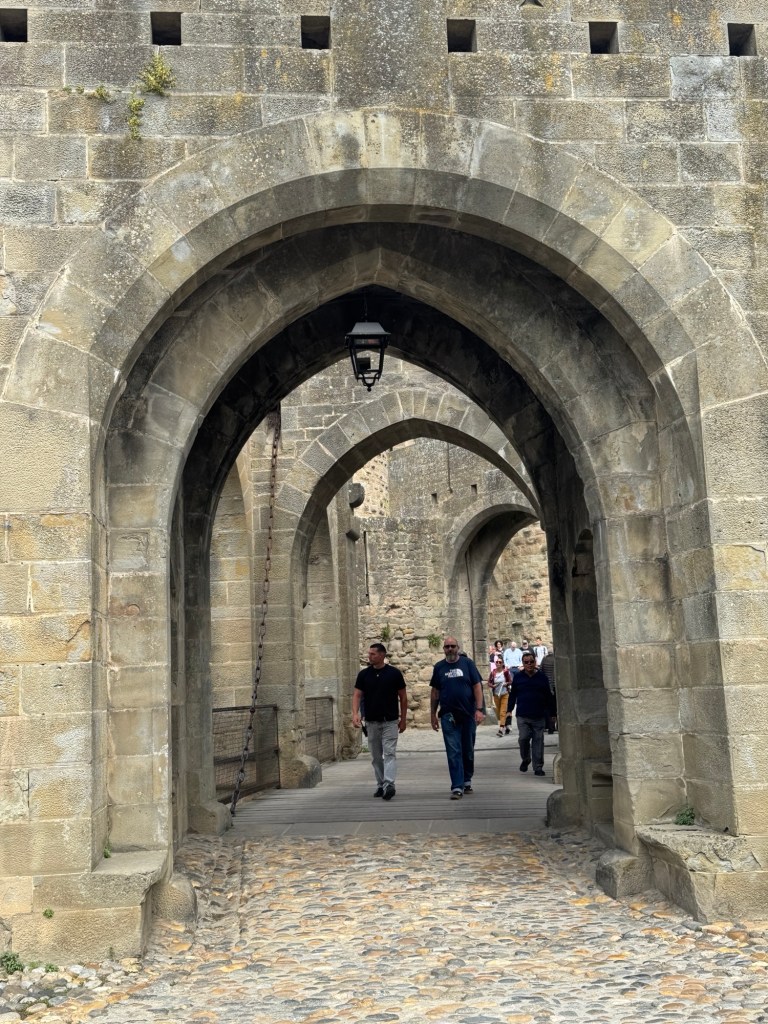
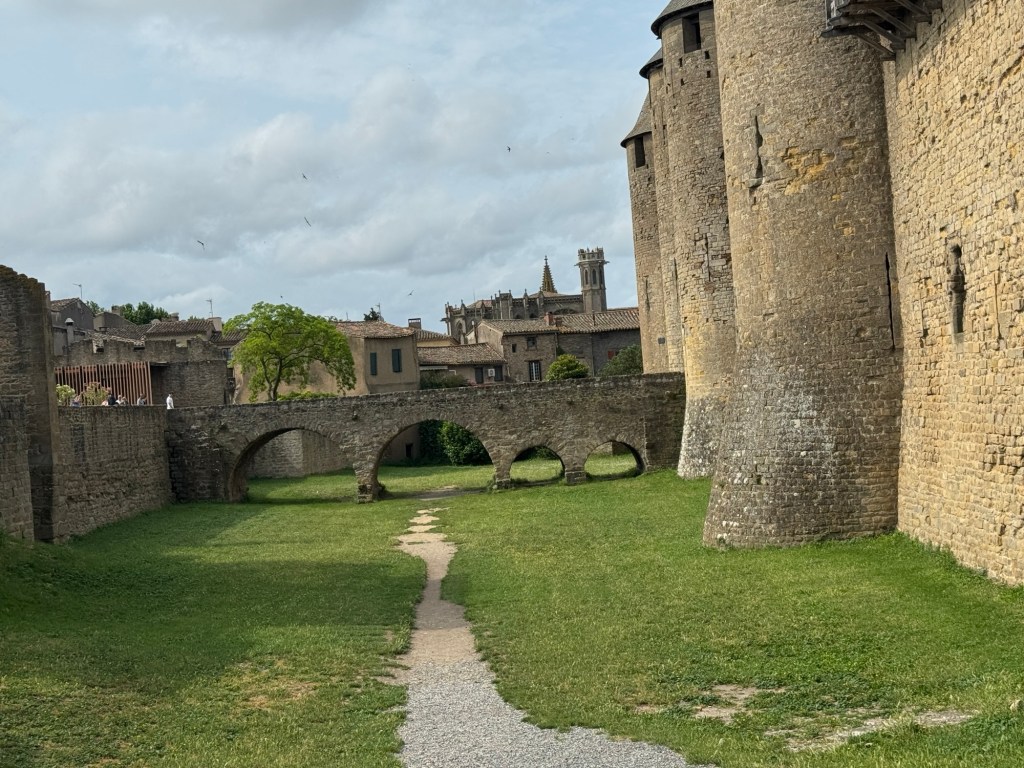

After the city tour we went to Chateau de Pennautier at the heart of AOP Cabarde. After wine tasting we have lunch there.
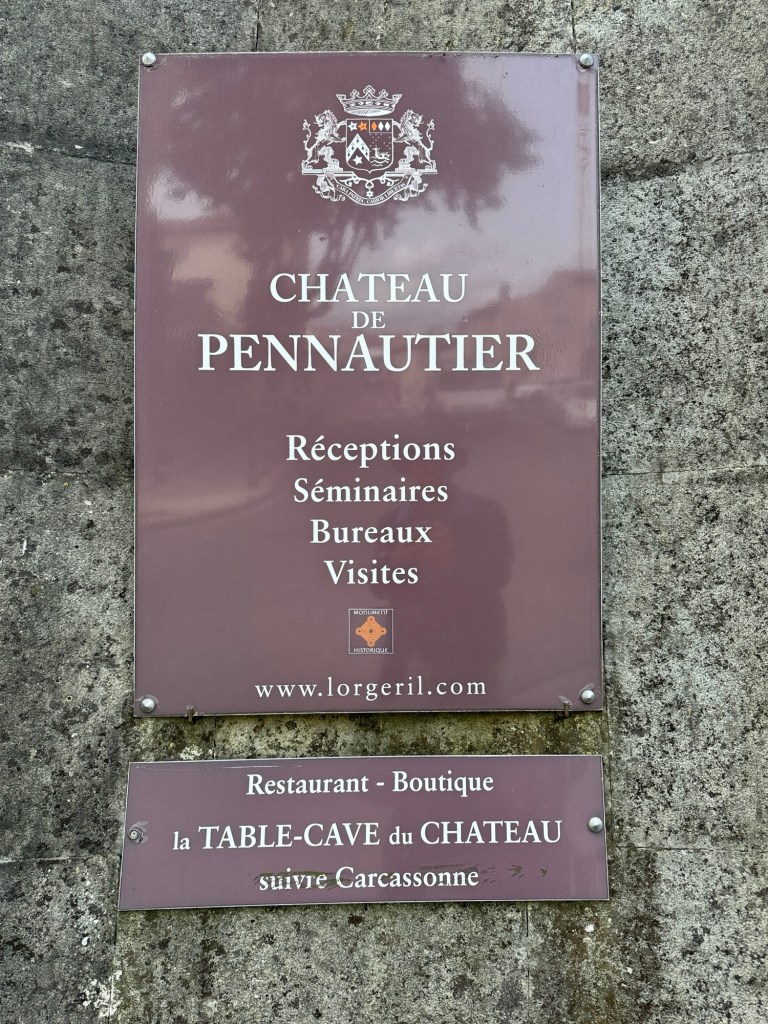


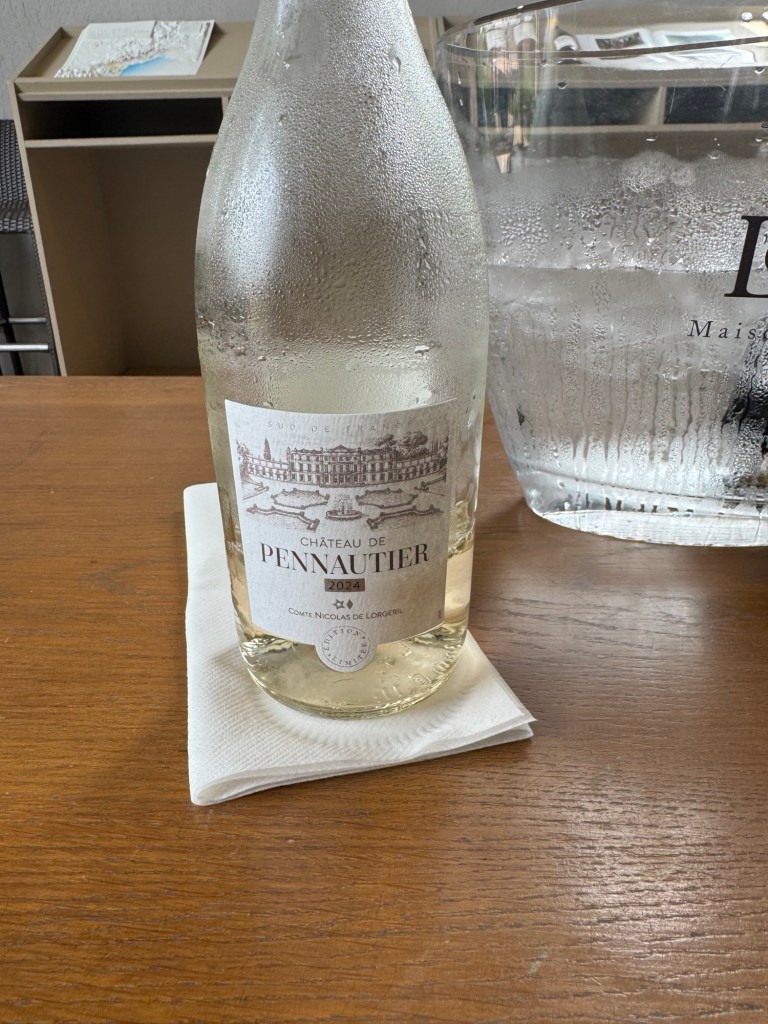
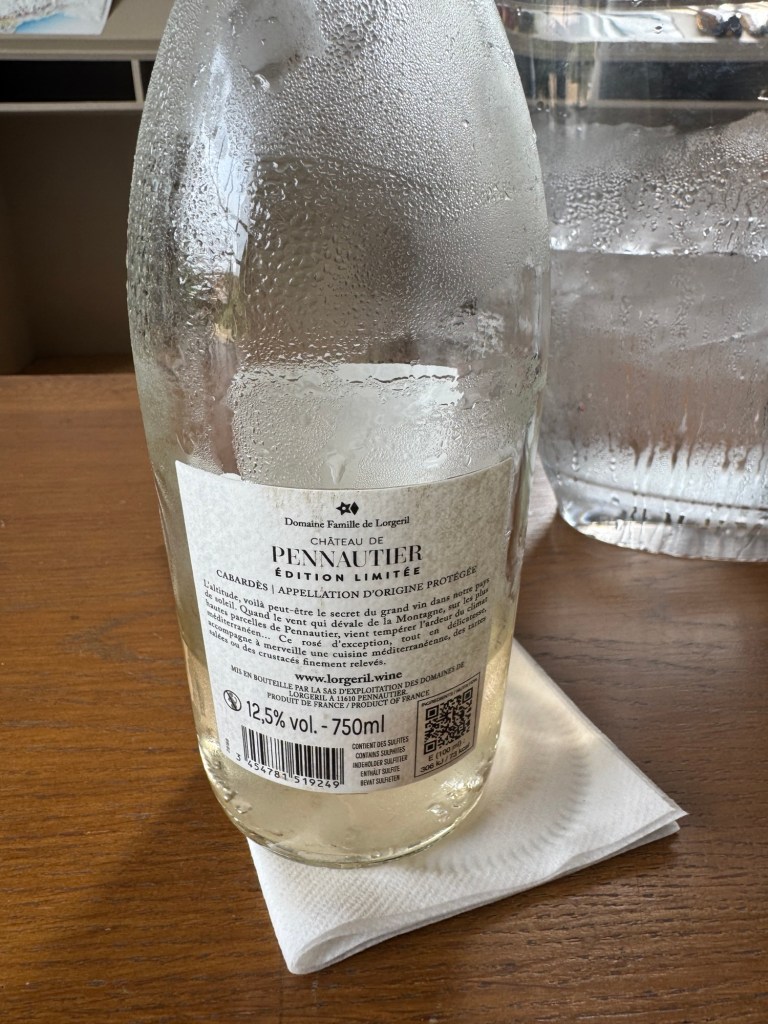


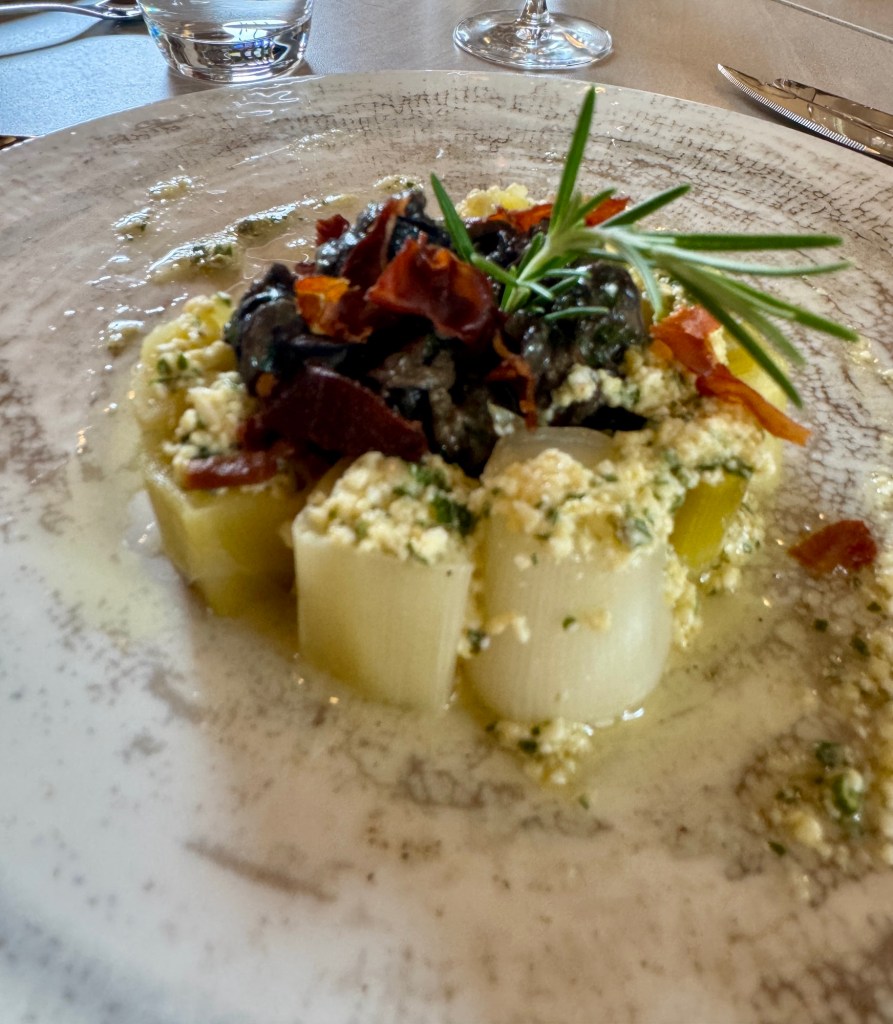



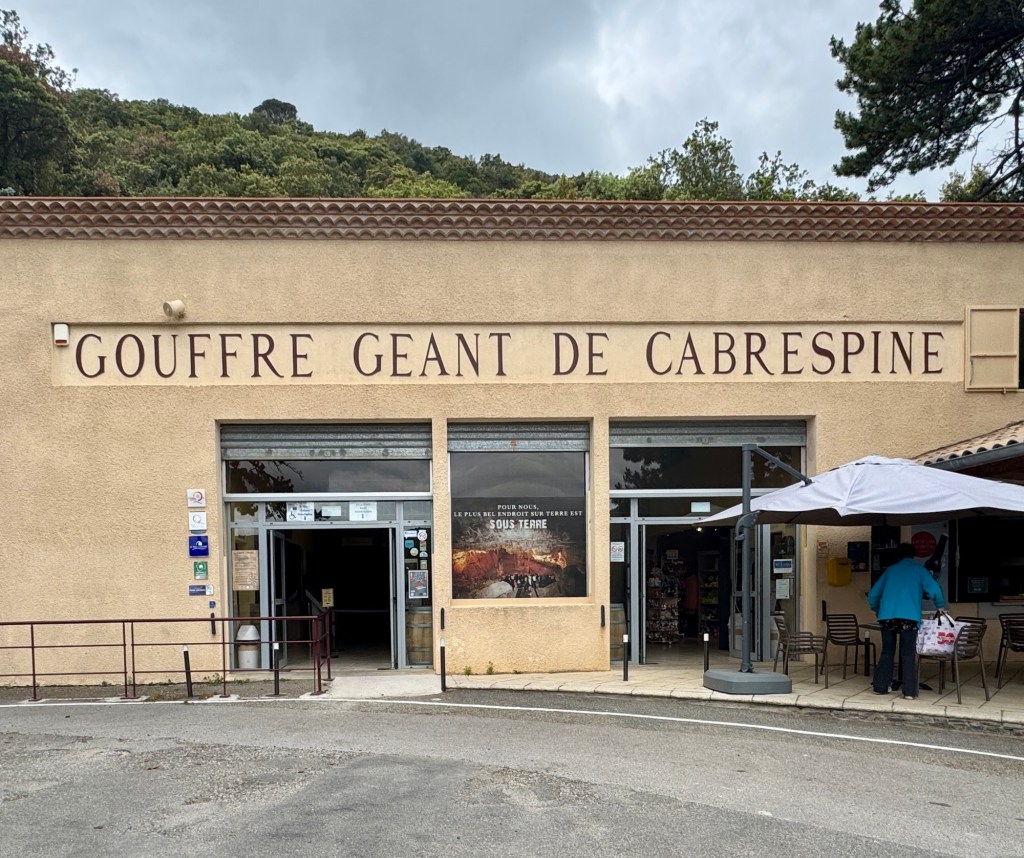
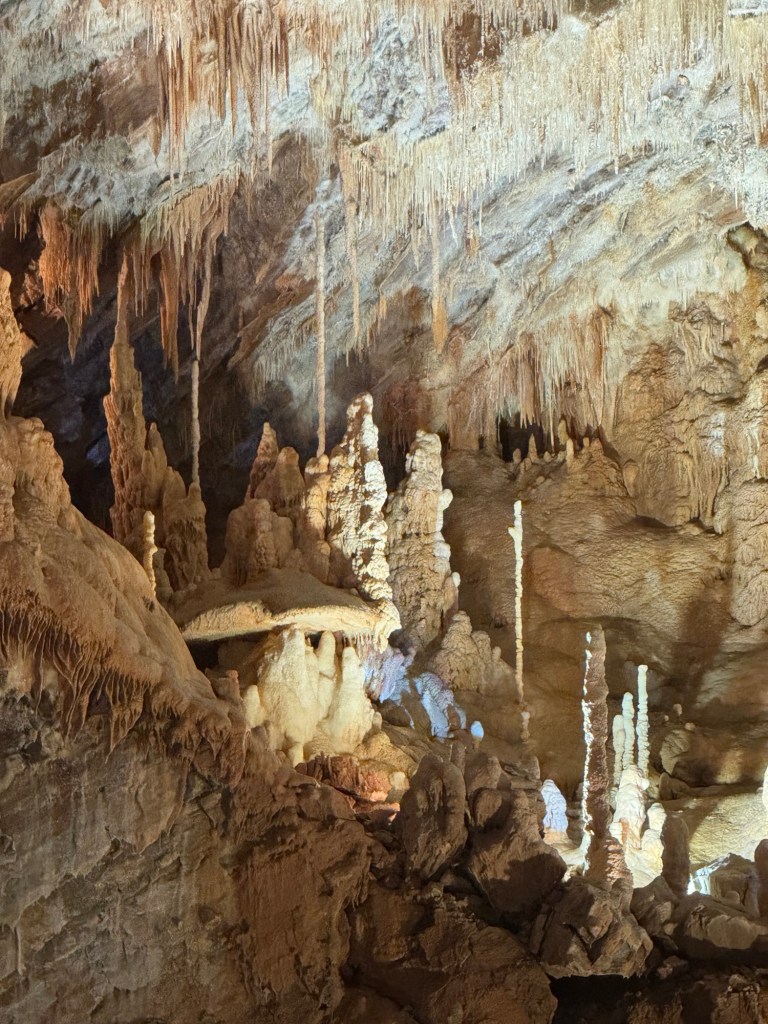
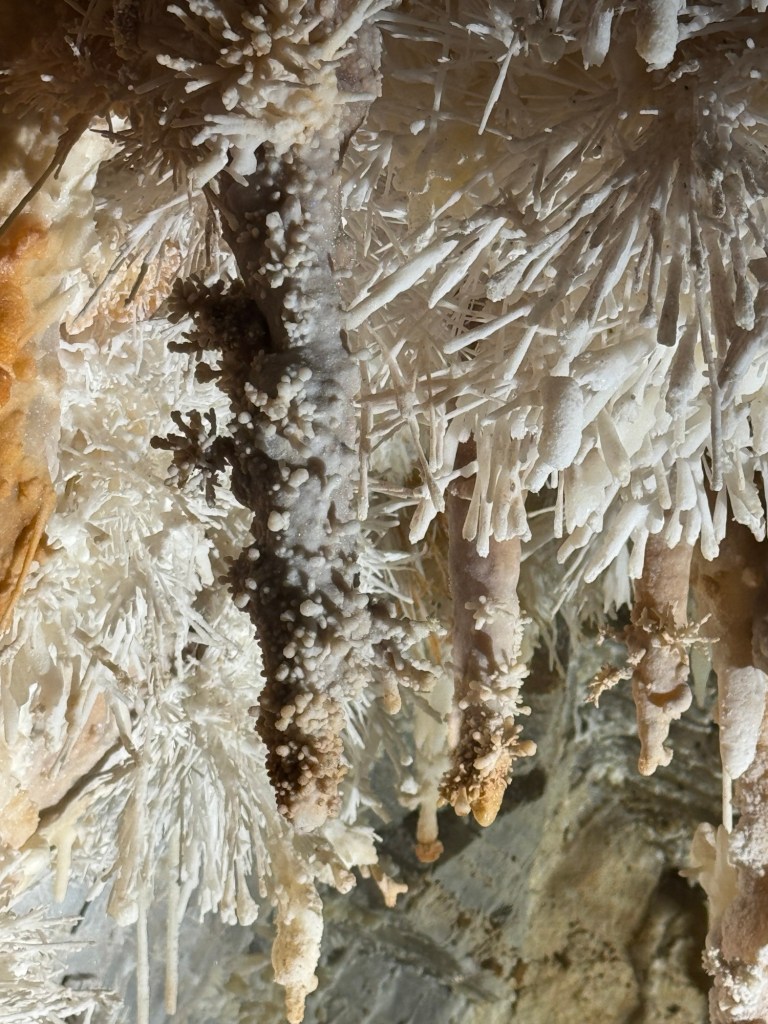
In the afternoon we went to the Gouffre de Cabrespine. It is giant chasm and is one of the ten most beautiful caves in Europe.
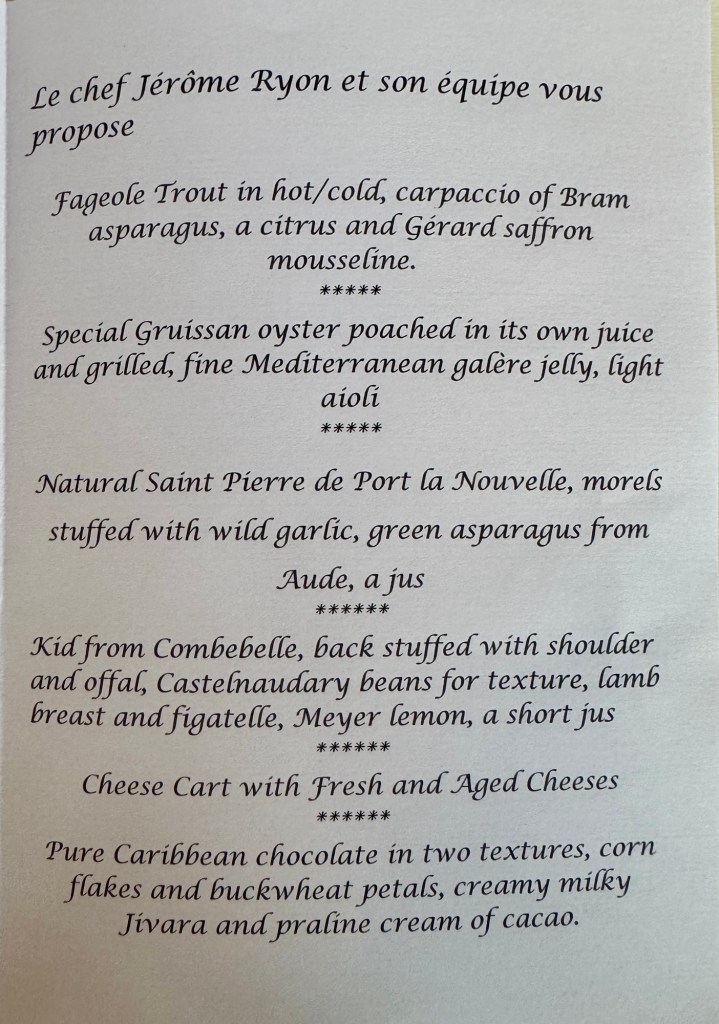
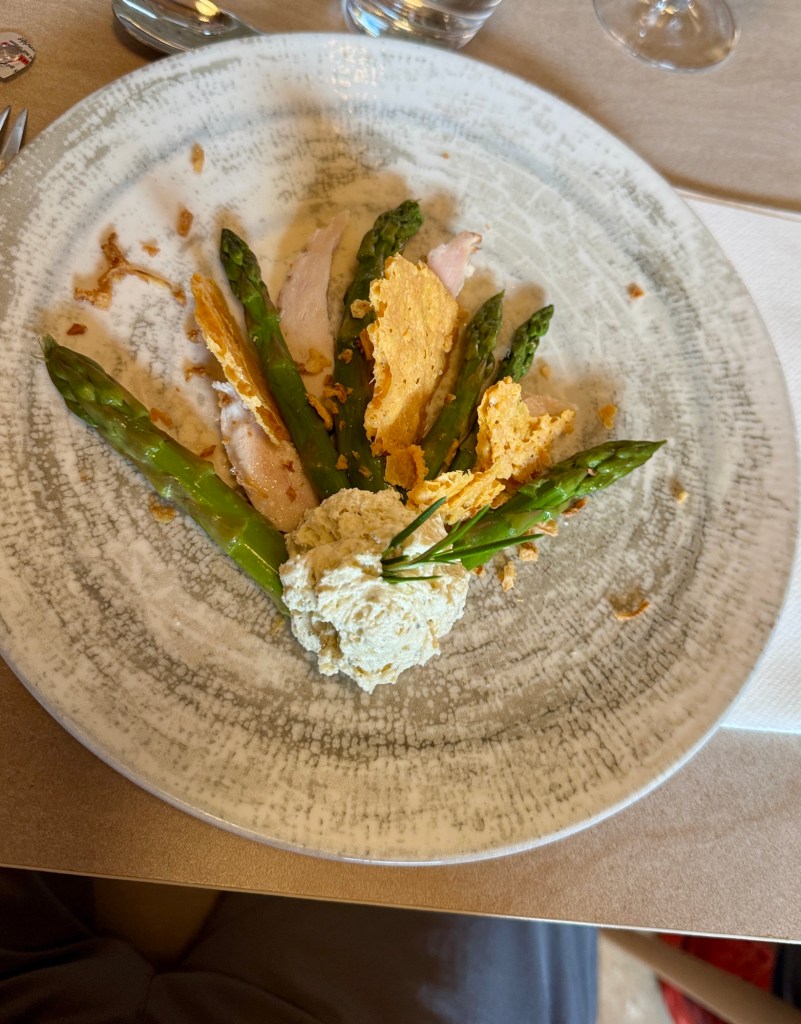
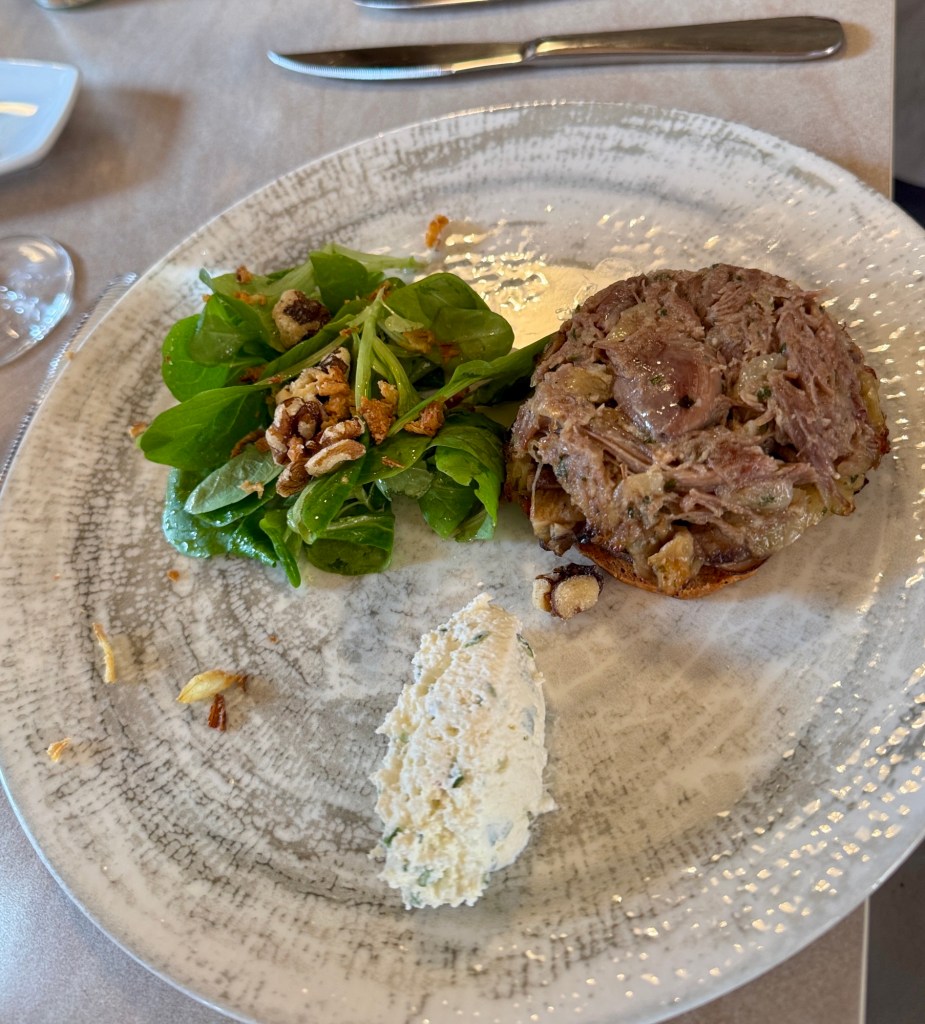
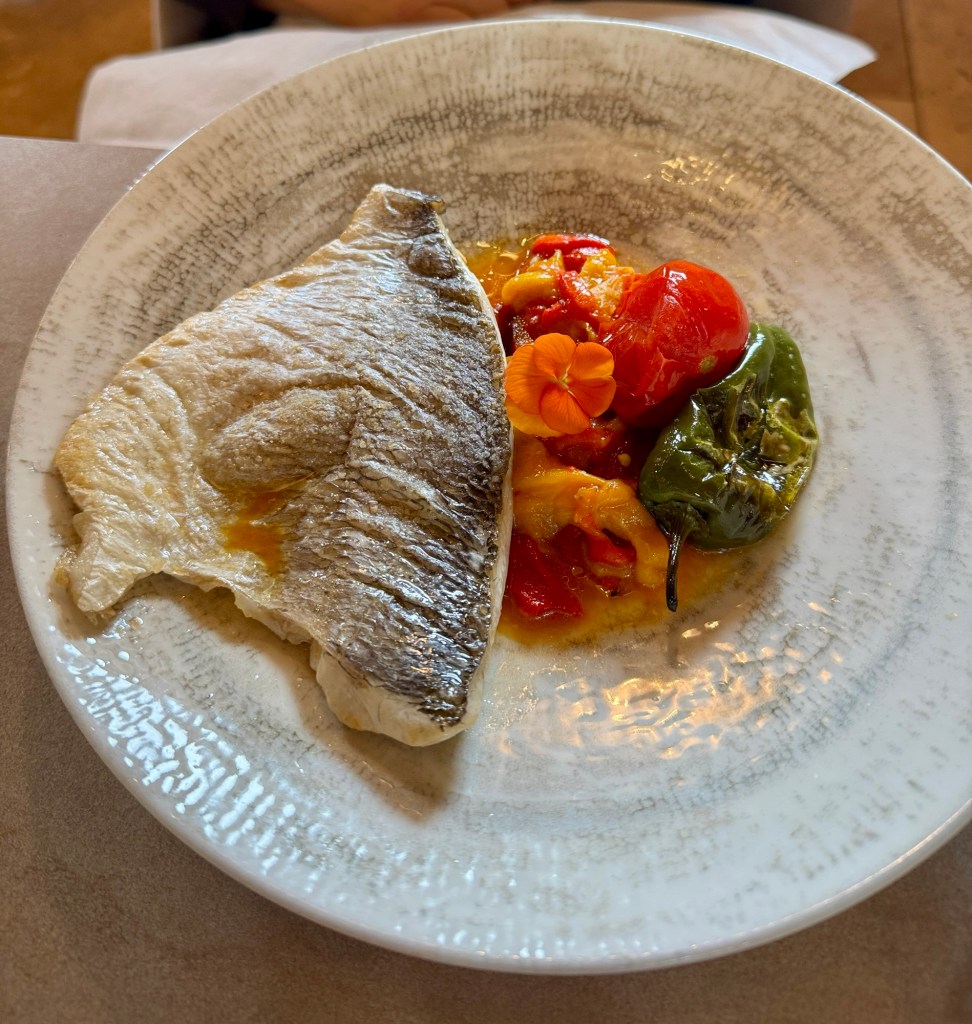
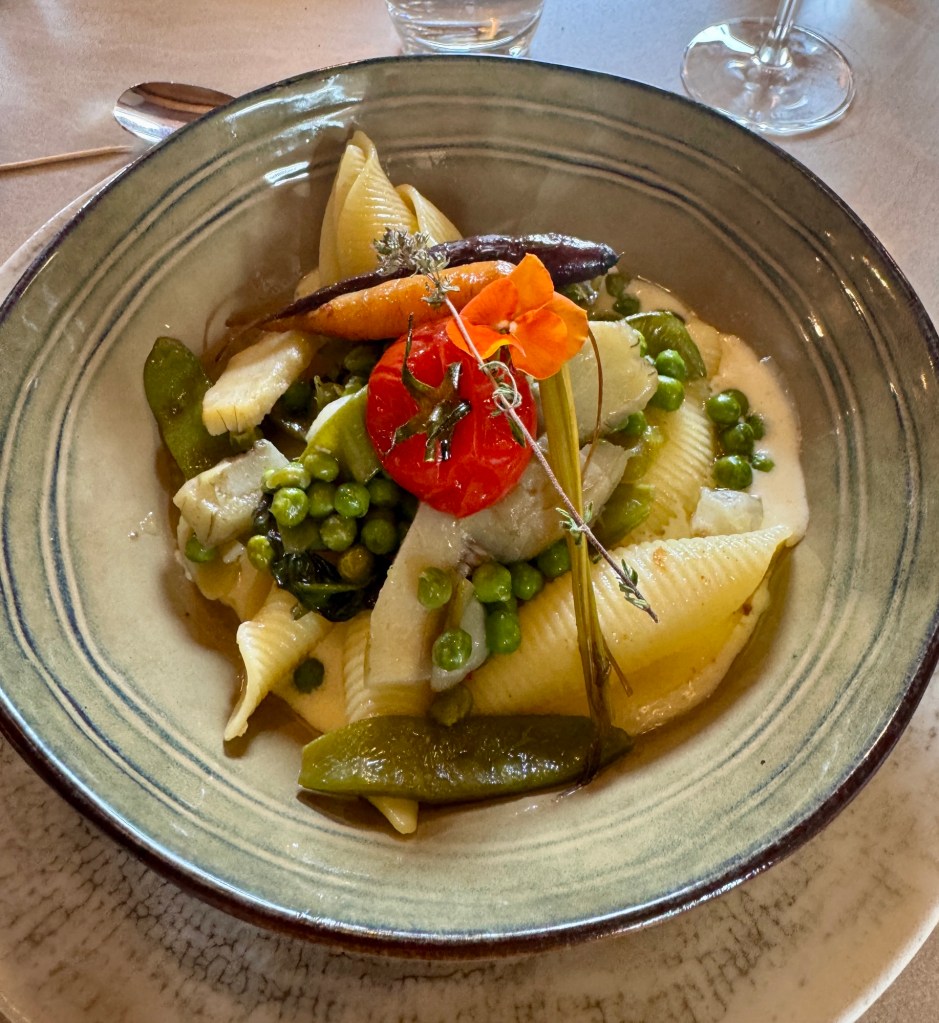
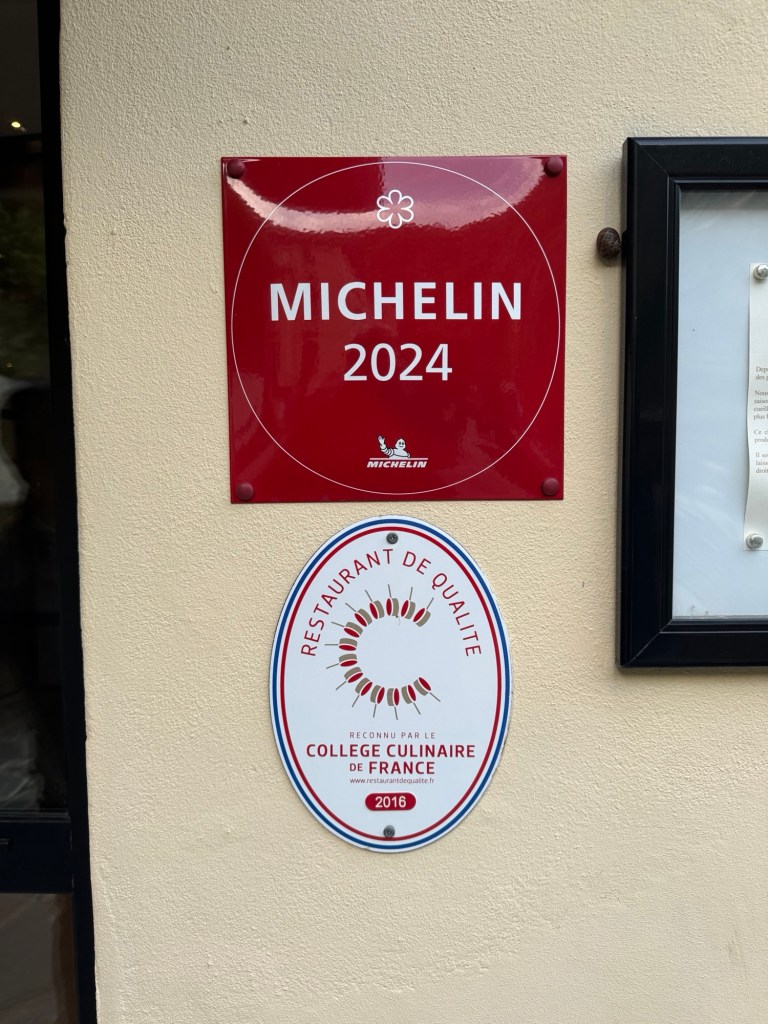
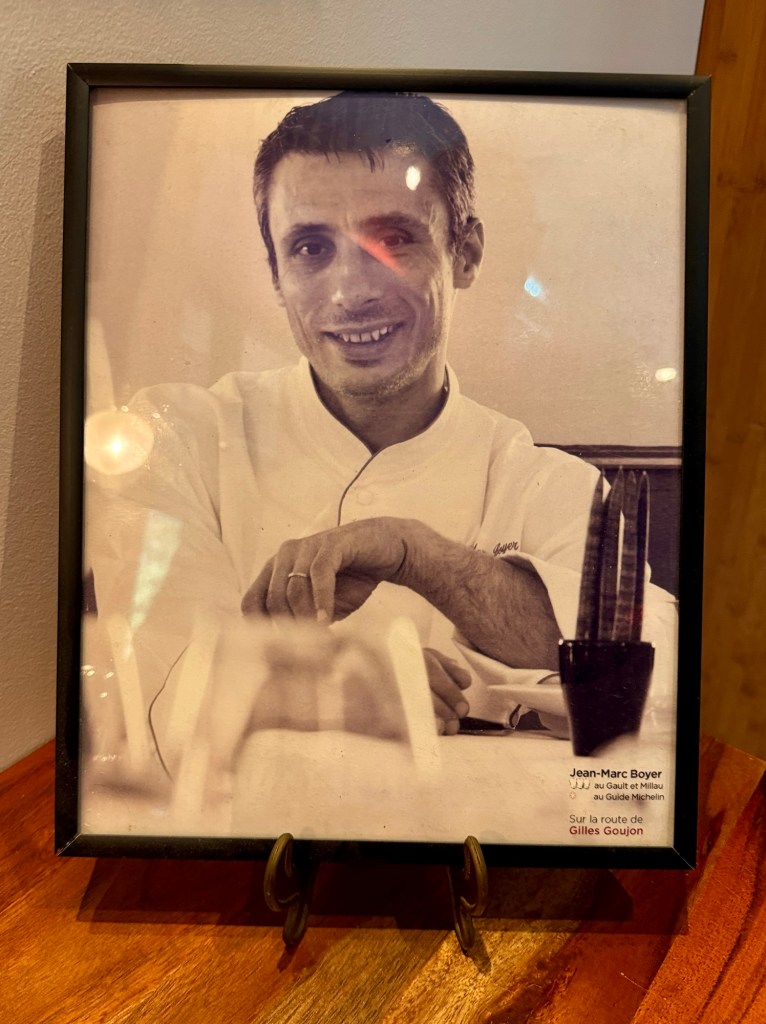
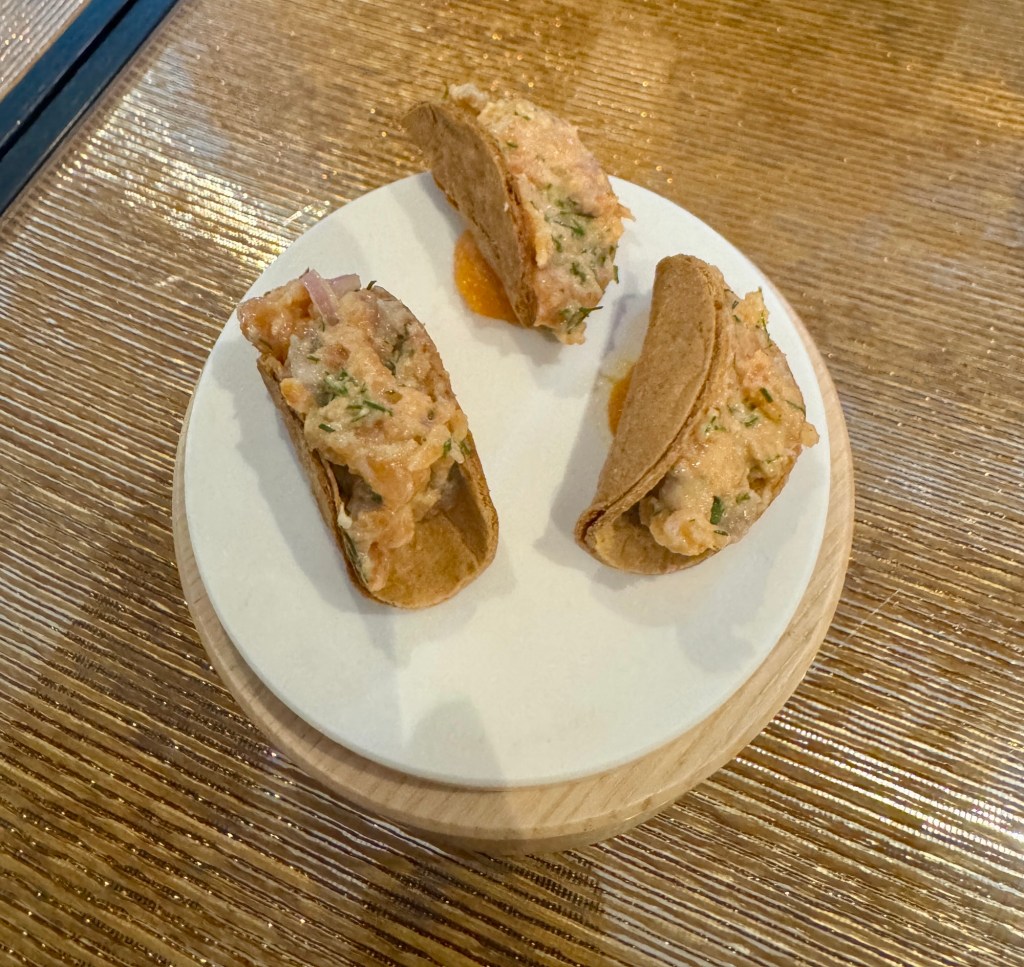
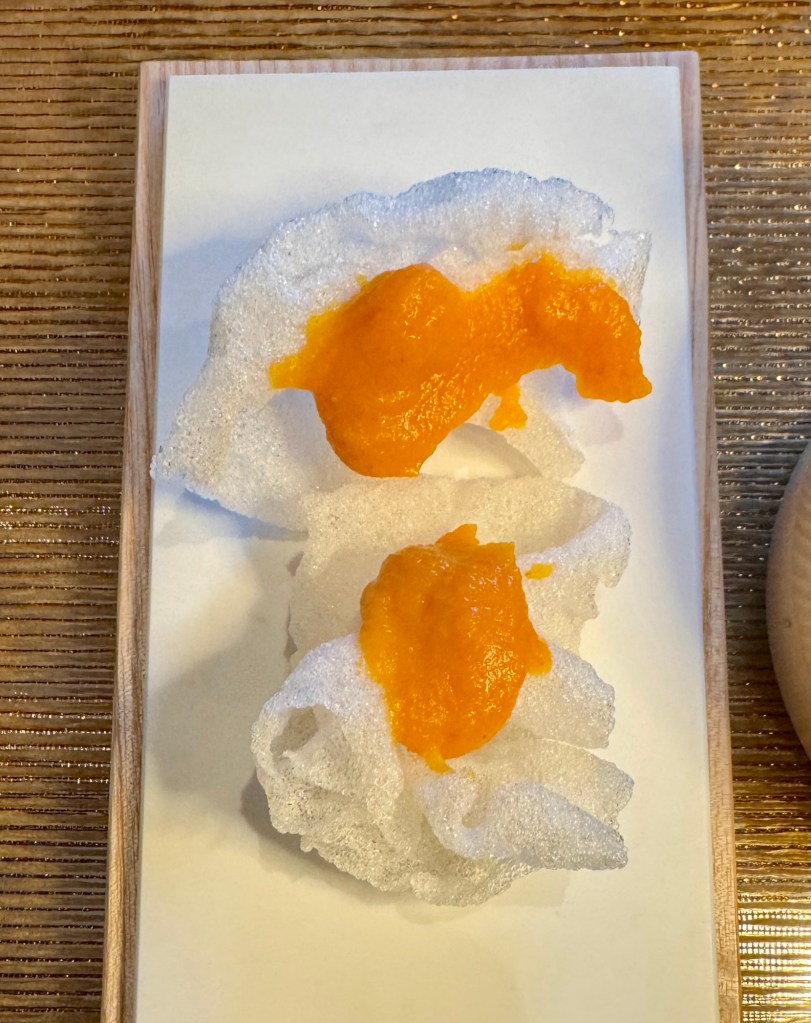
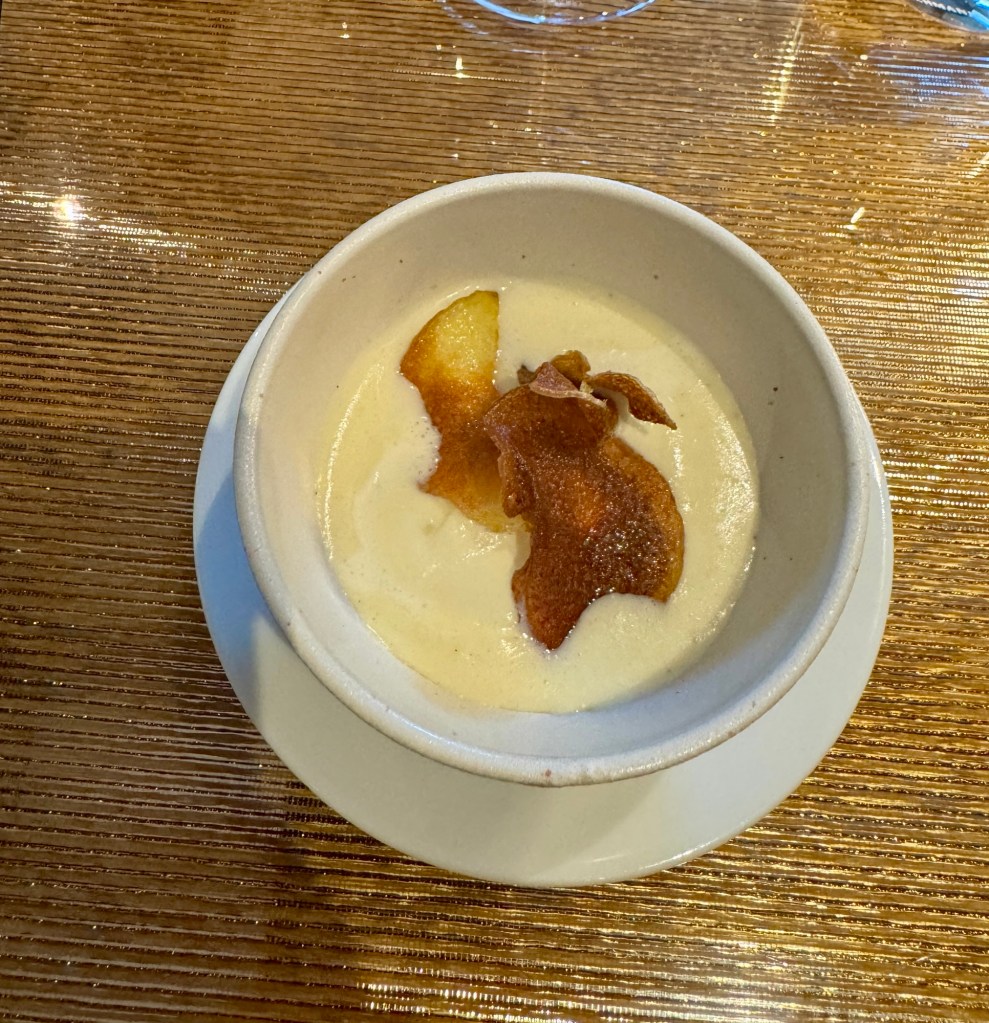
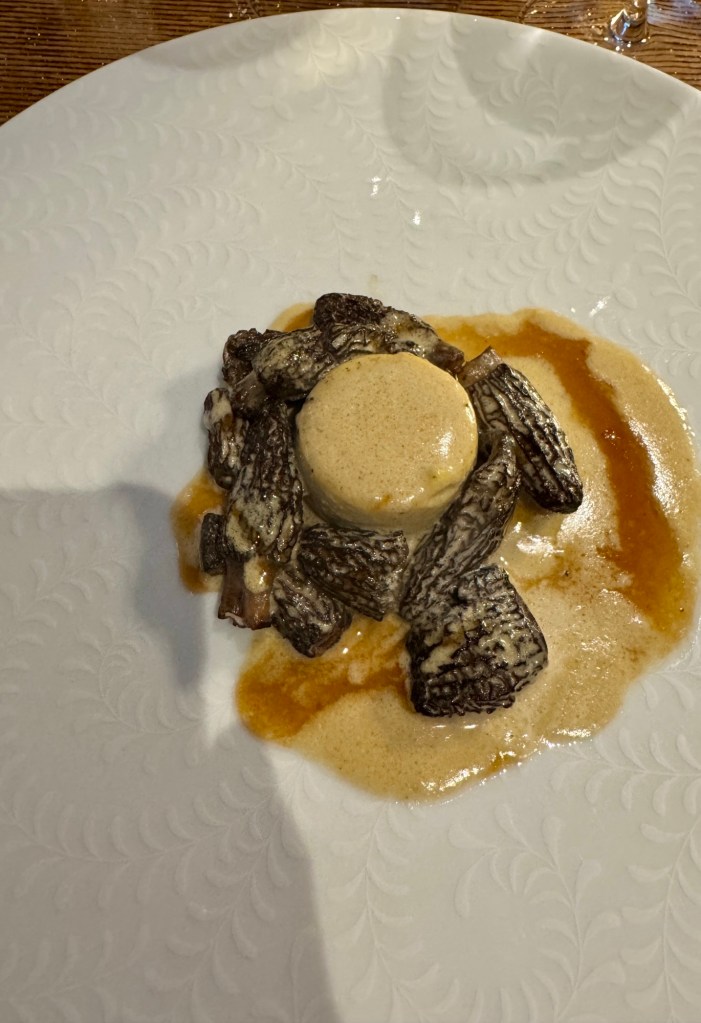
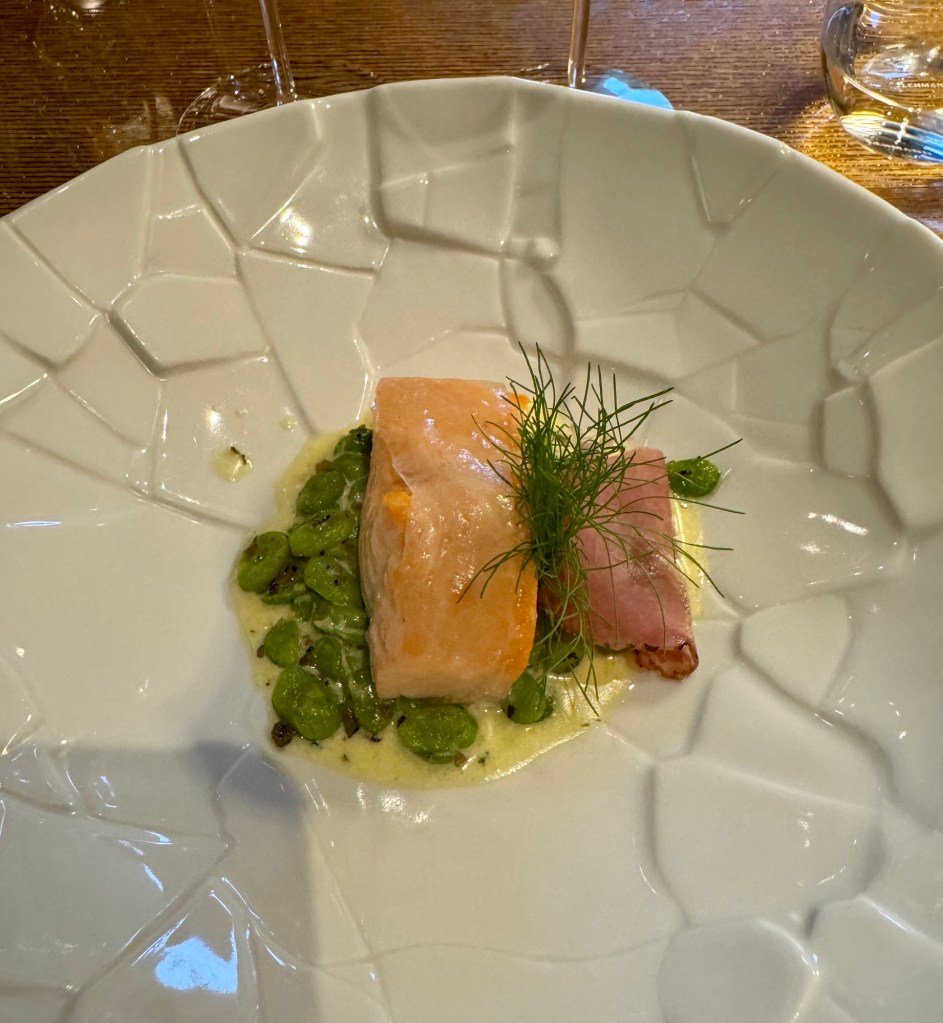
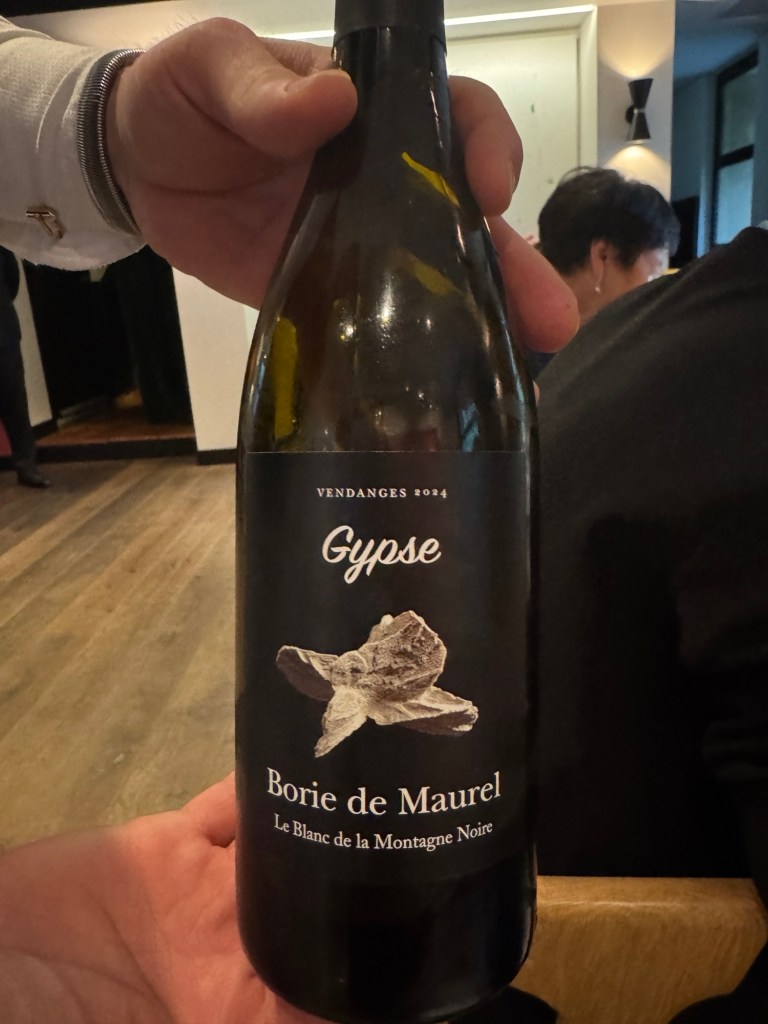
That night we went to a sort of remote village for dinner in a one star restaurant Le Puits du Tresor. Food was great and the chef came to have photos with us.


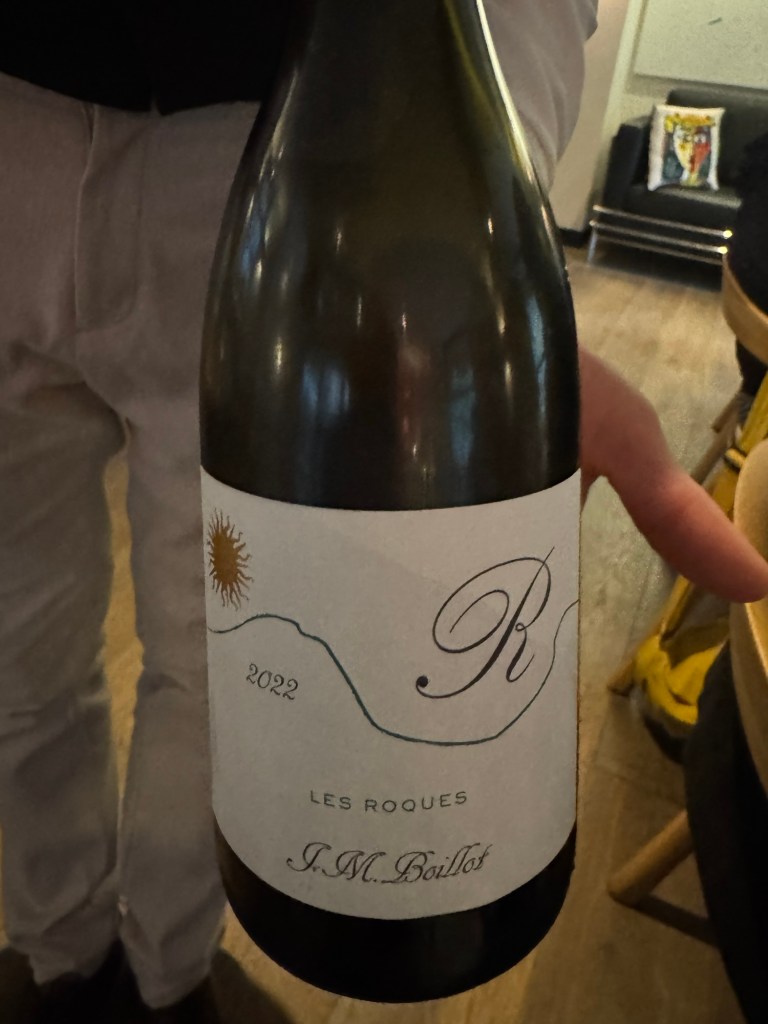
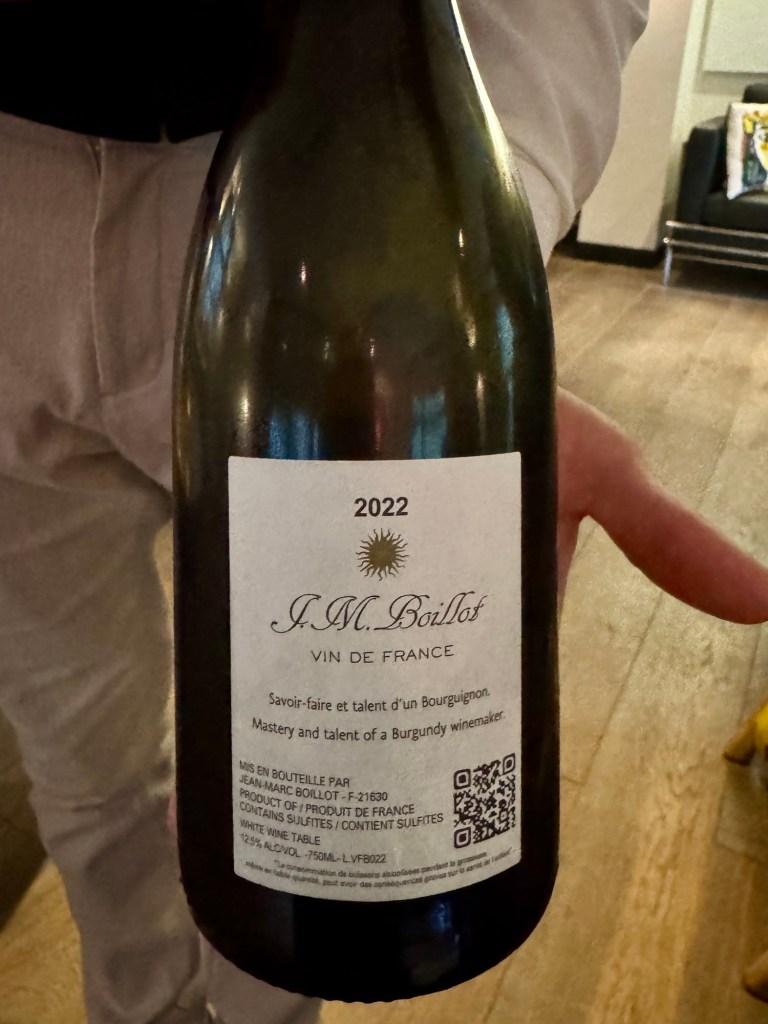

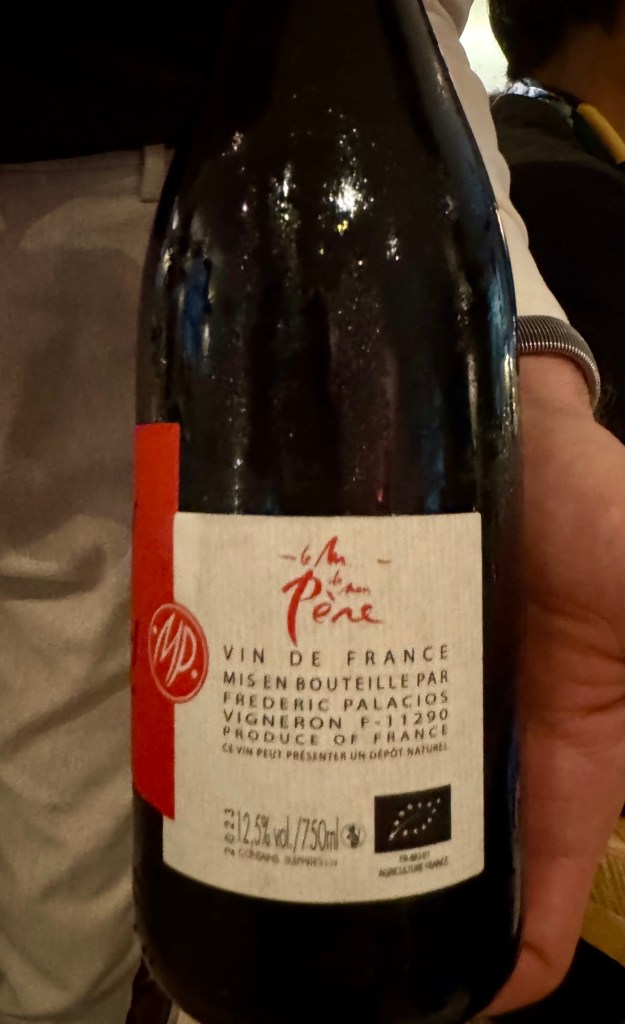
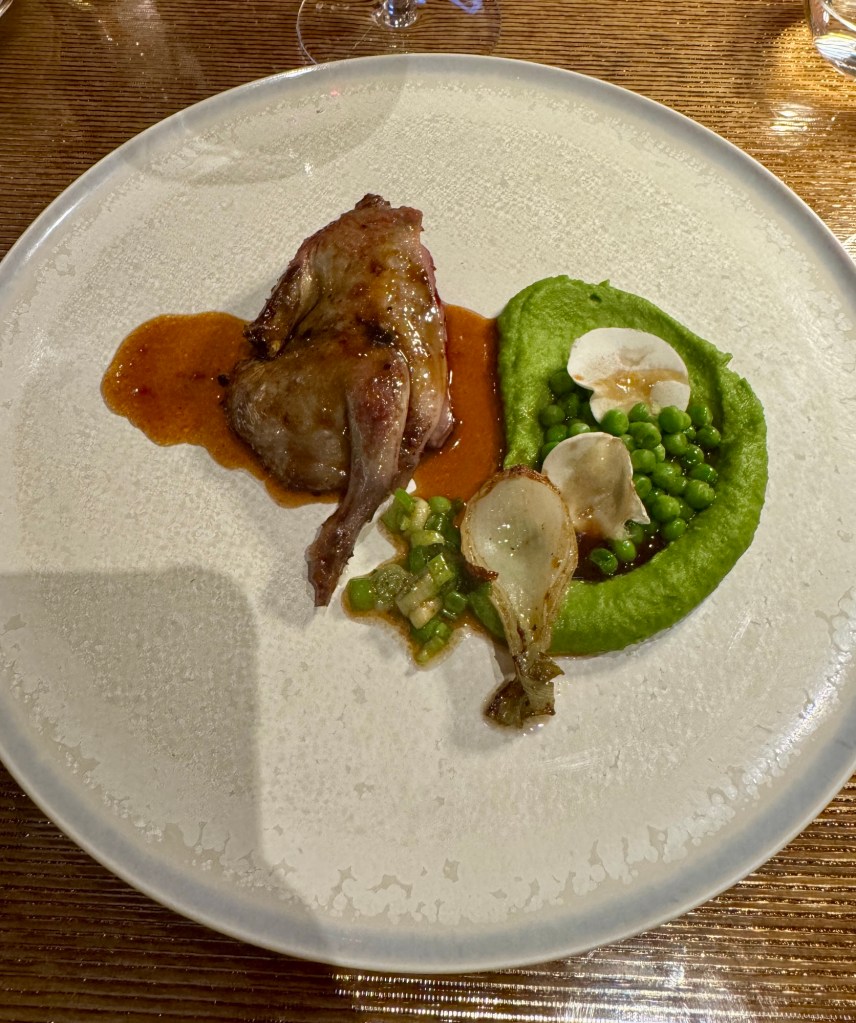
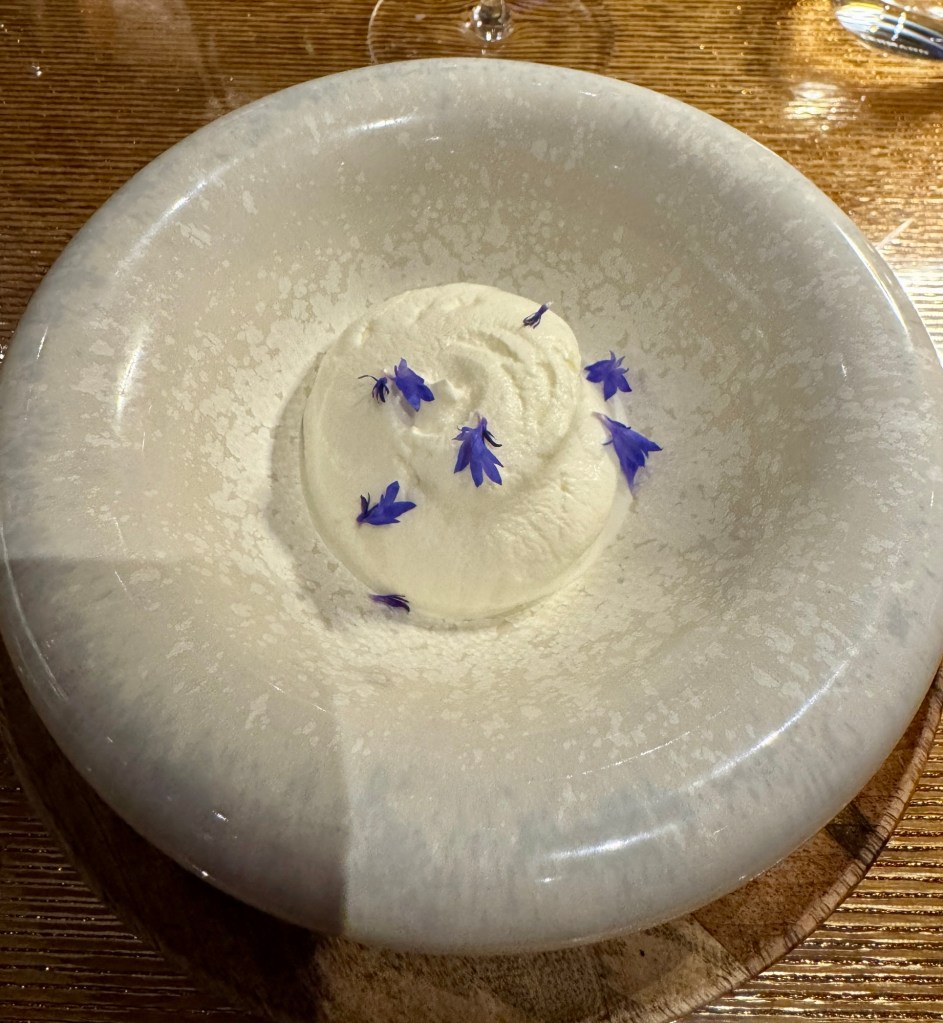
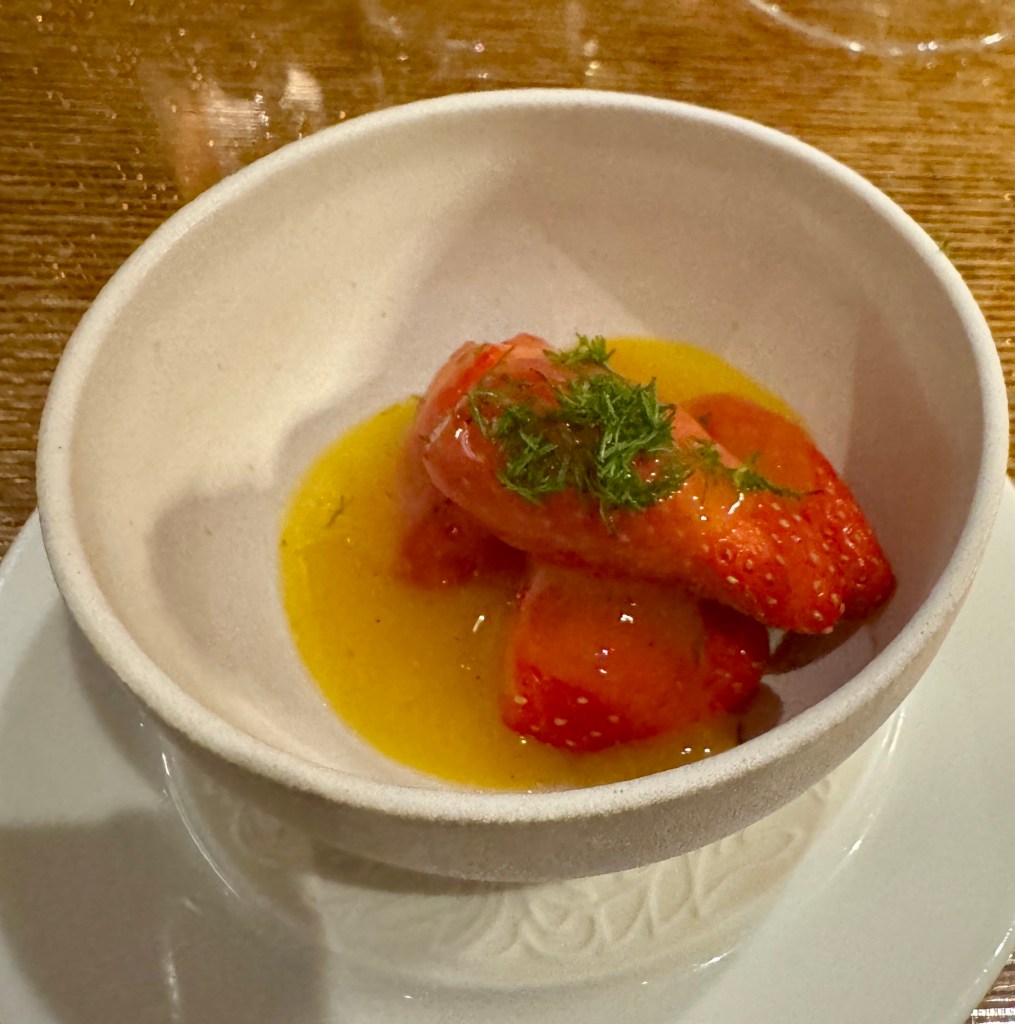
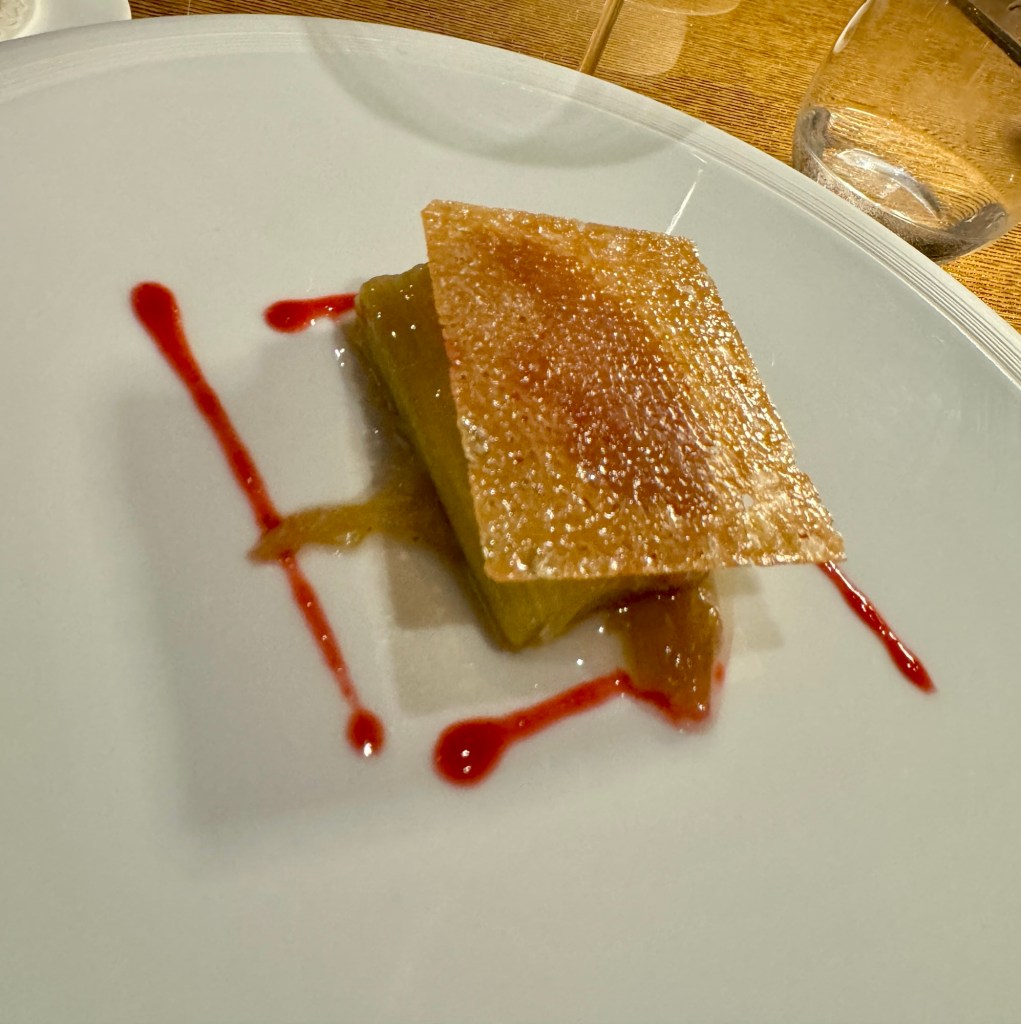
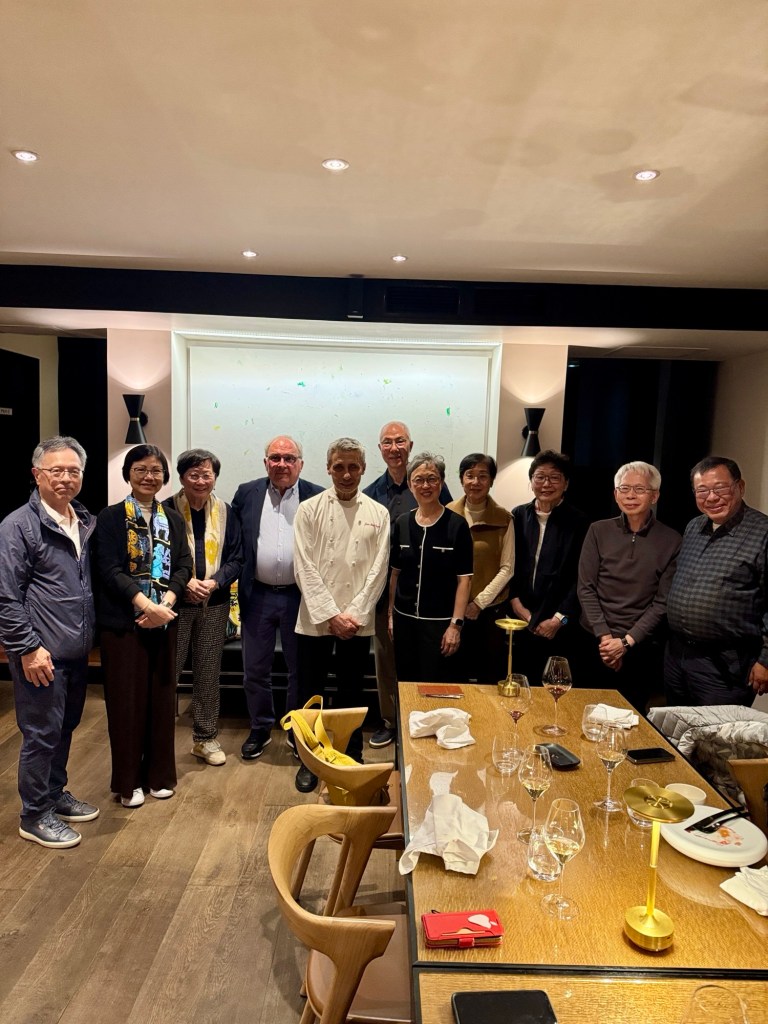
Day 13 Friday 6/6
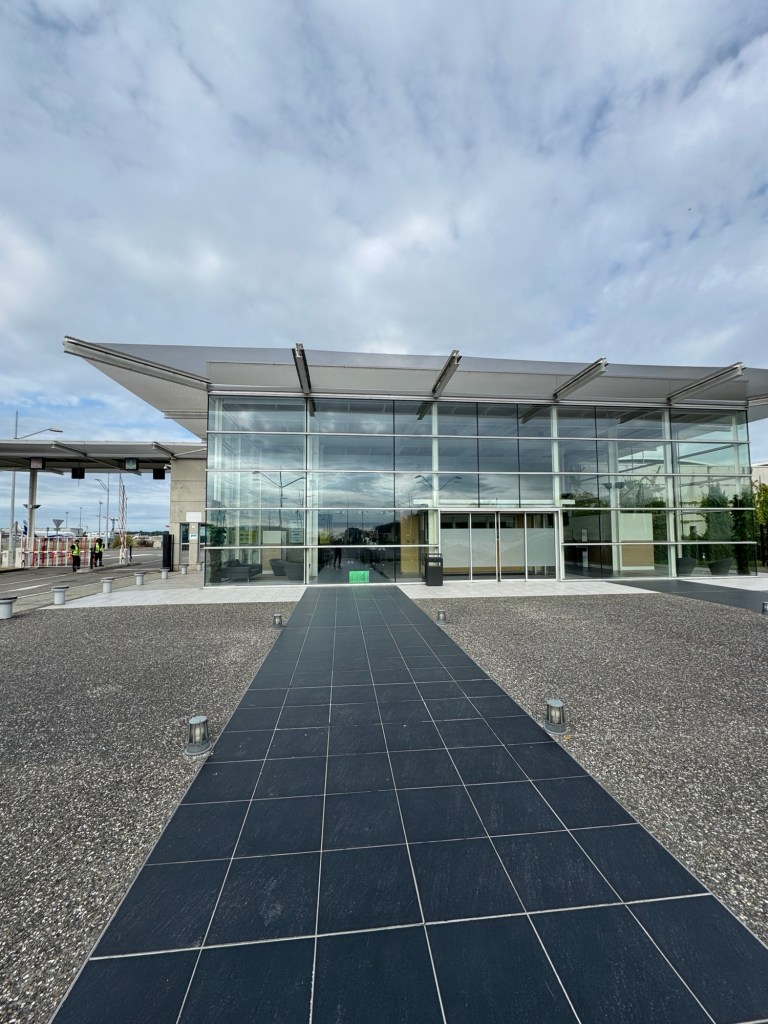
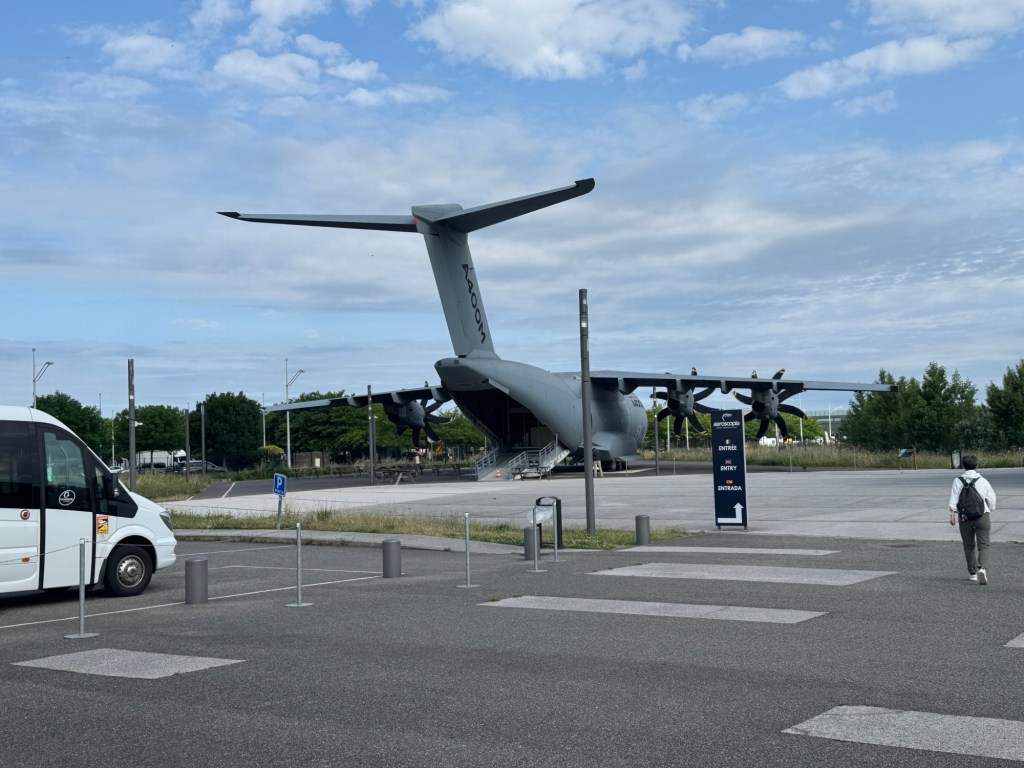
From Carcassonne we went to Toulouse. First stop in the morning was the Airbus factory. It is so huge that it looks like a city per se. 60 % of the people in Toulouse work here and there are over a thousand pilots employed. Such a large scale ‘factory’ is beyond my imagination. We toured the site by a coach but no photos were allowed. Then we watched an assembly line from a room and the guide gave a short talk. We learn some planes now are made from carbon fibre which is stronger and lighter. However it is not an electric conductor so there is no protection from lightning, hence a thin layer of copper is added for this purpose, the theory being known as Faraday cage effect.
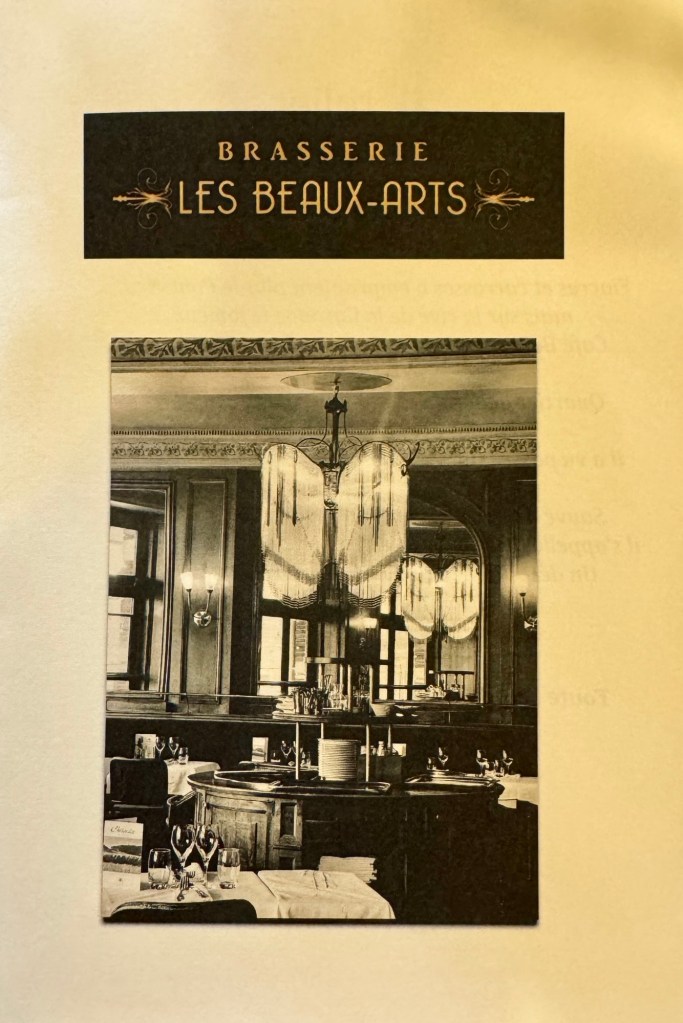
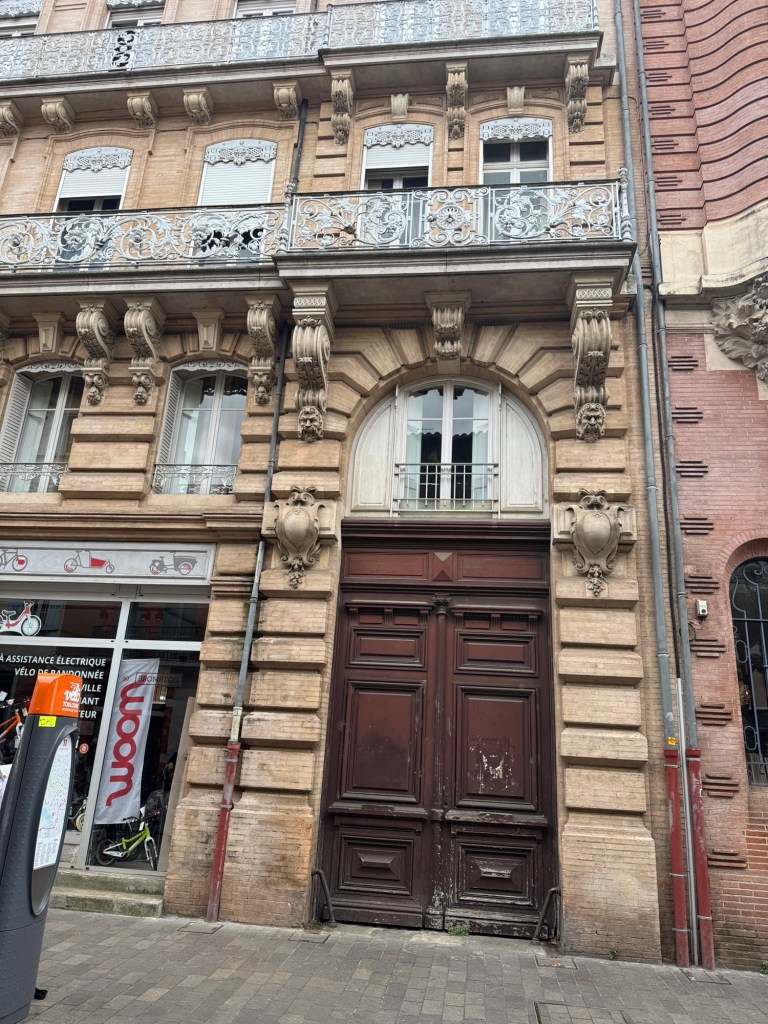
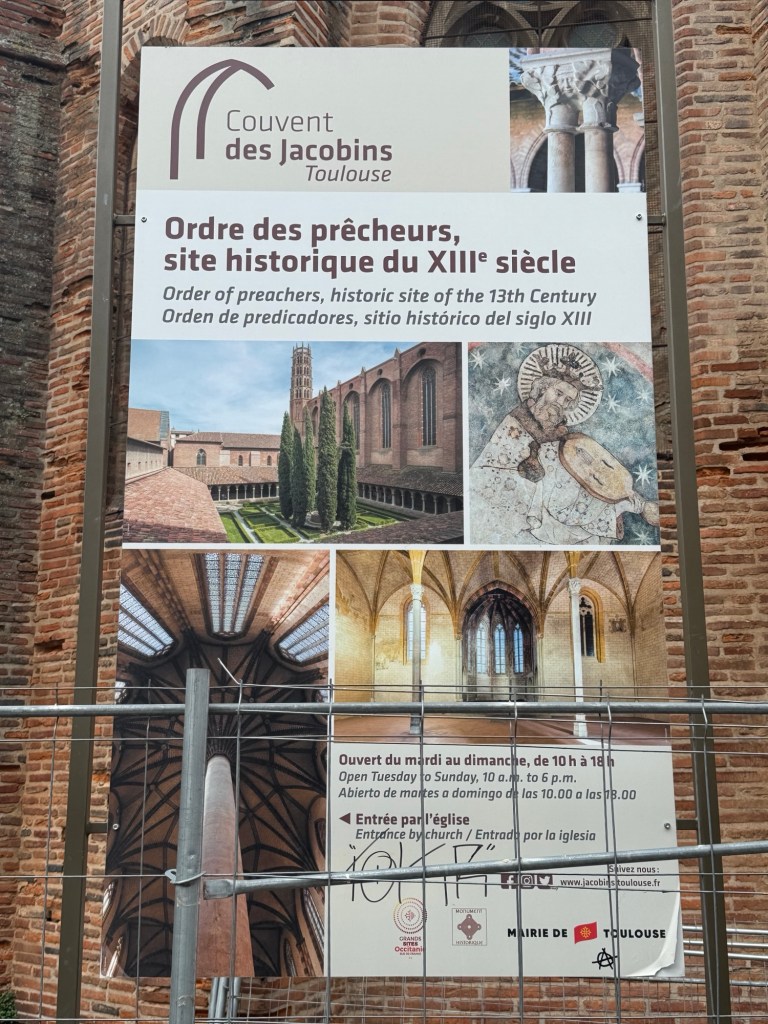
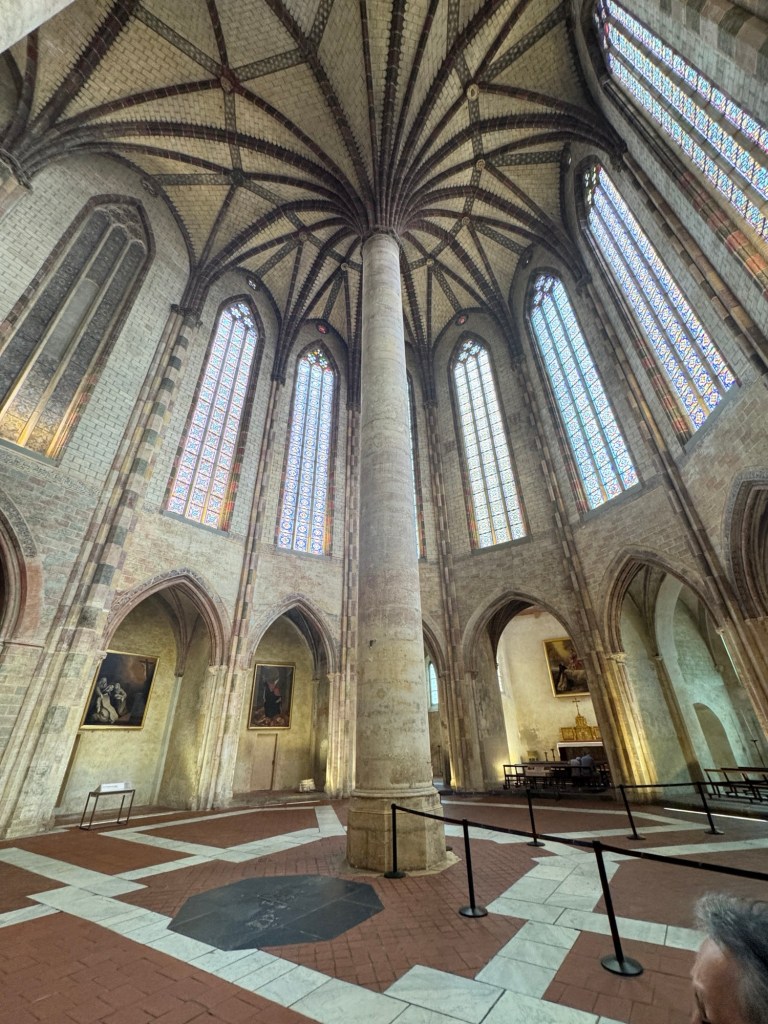
We have lunch in the town known as La Ville Rose, the pink town, because they used pink bricks for the buildings, not stone. It is a well known antique restaurant, La Brasserie des Beaux Arts.
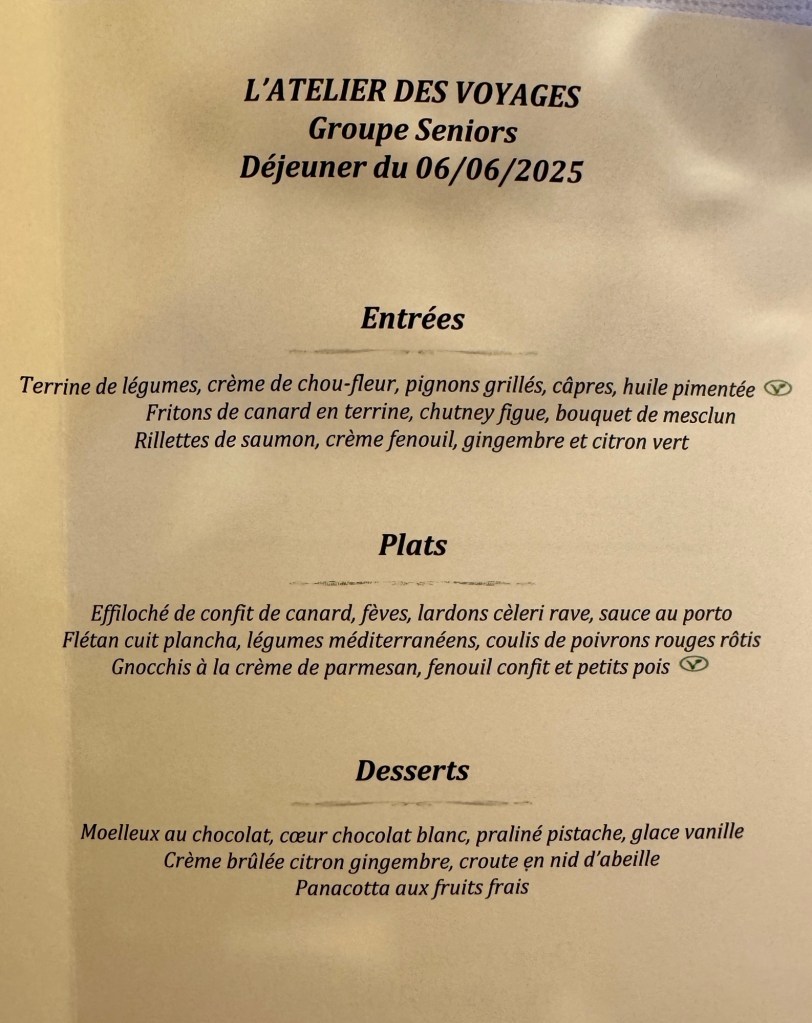
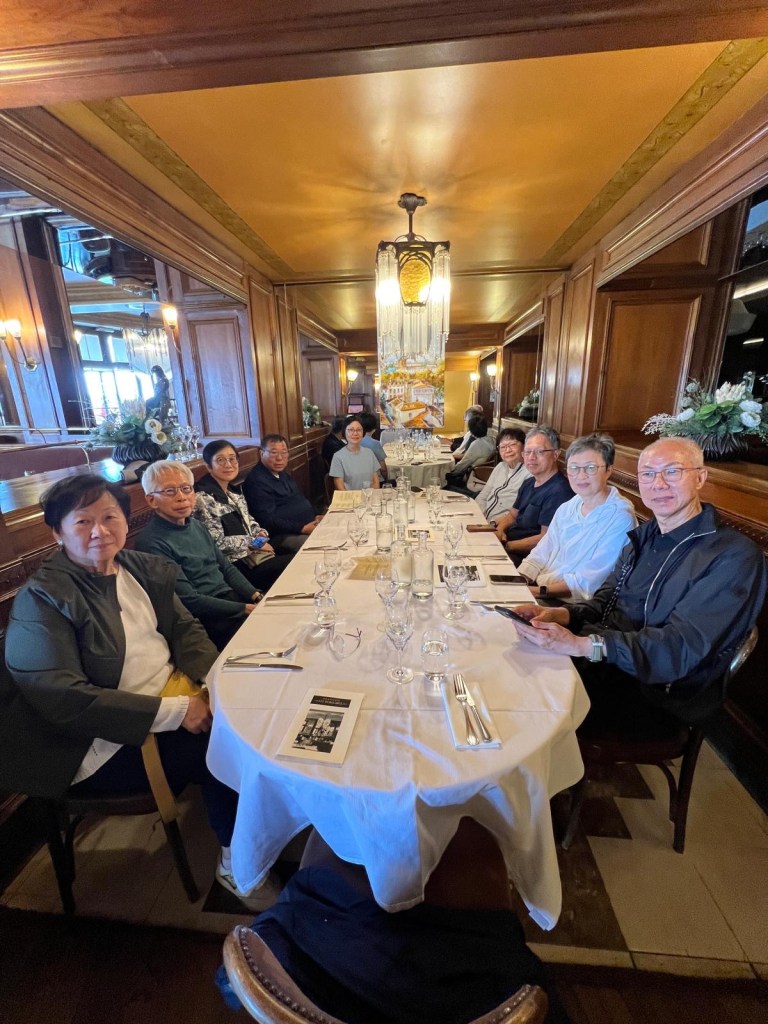
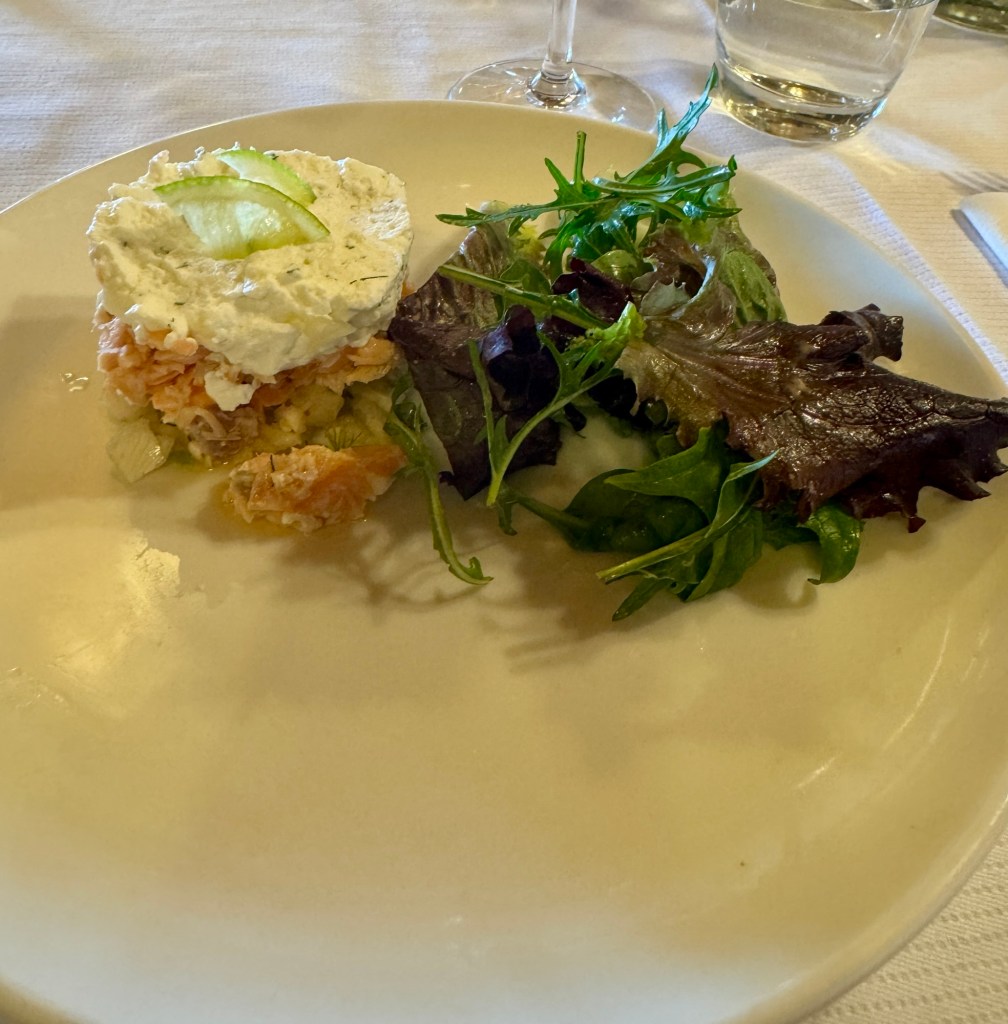
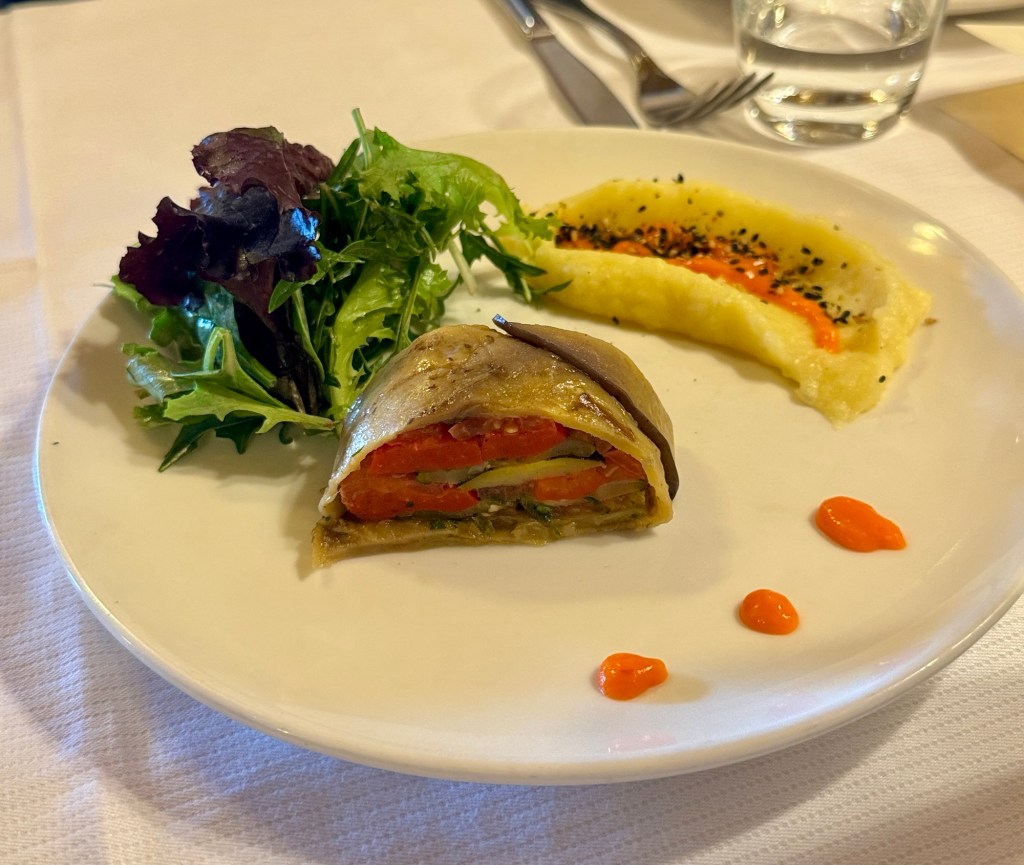

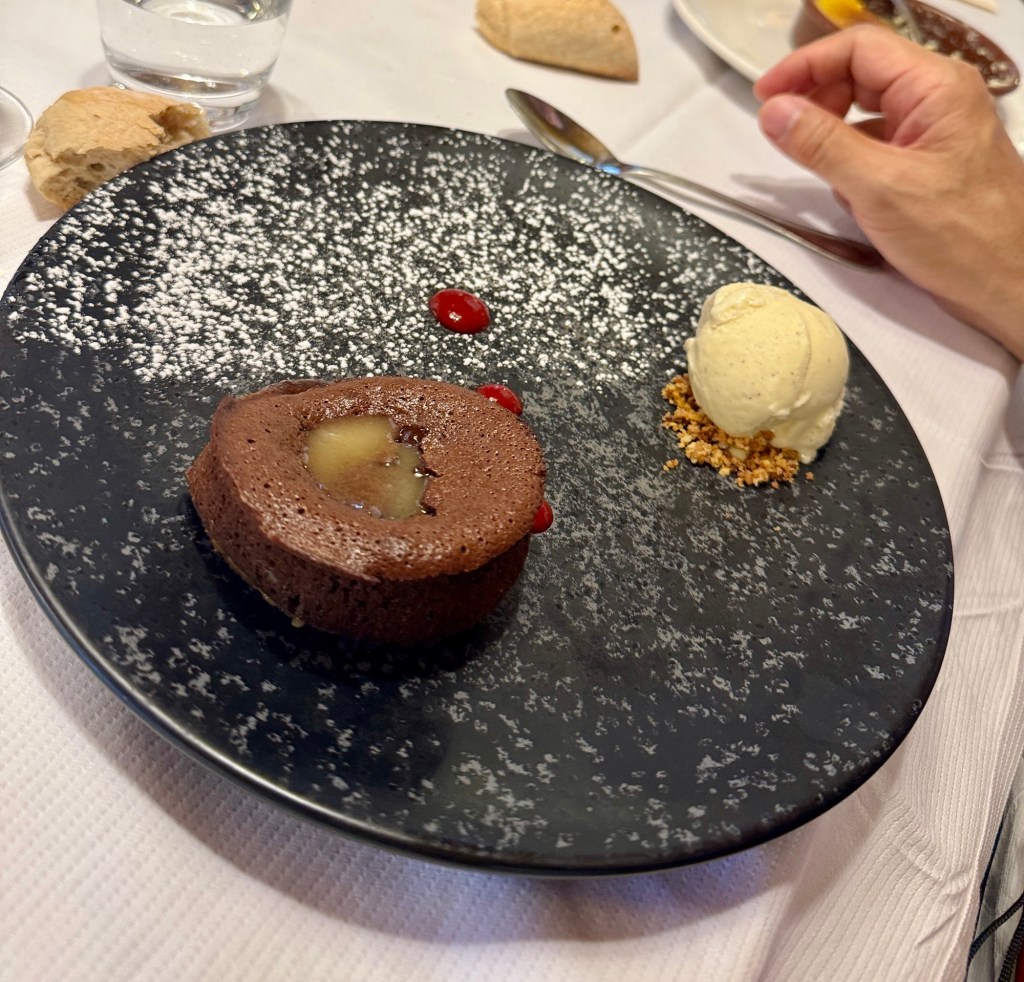
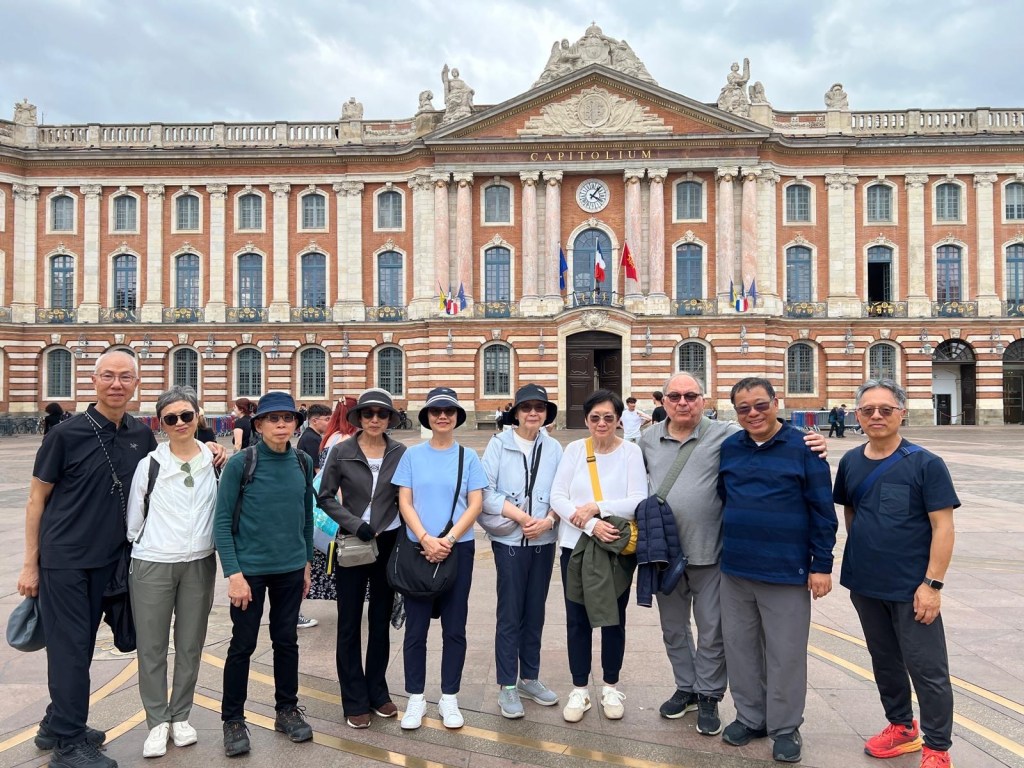
After lunch we met our guide for the tour of the pink city

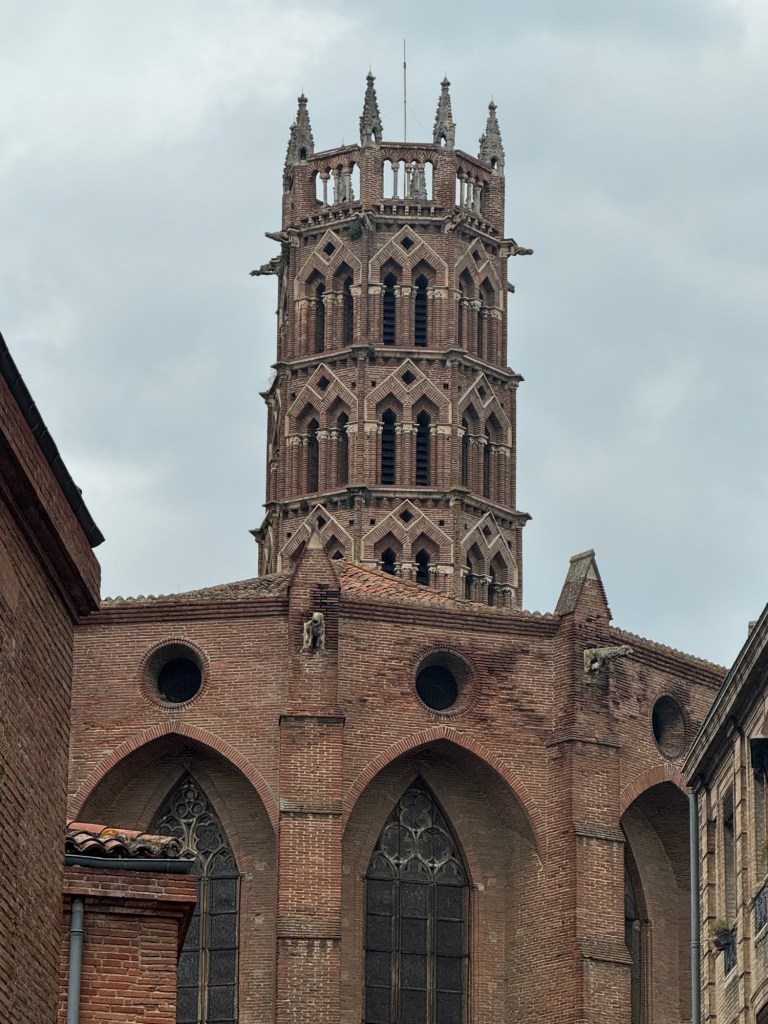
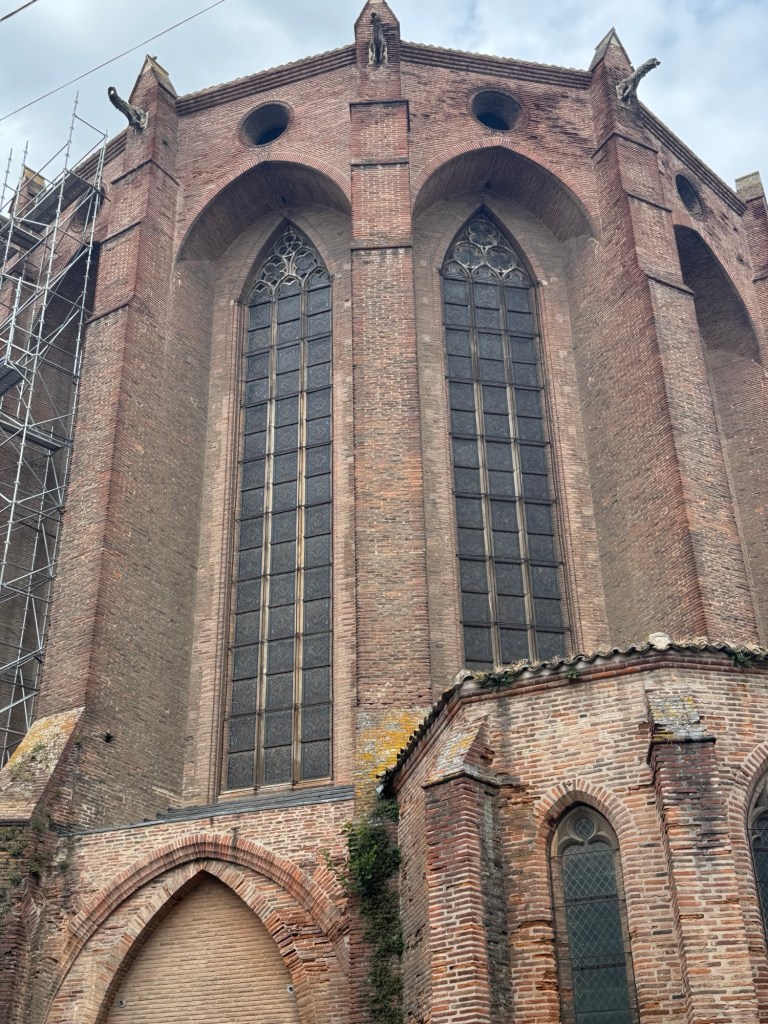

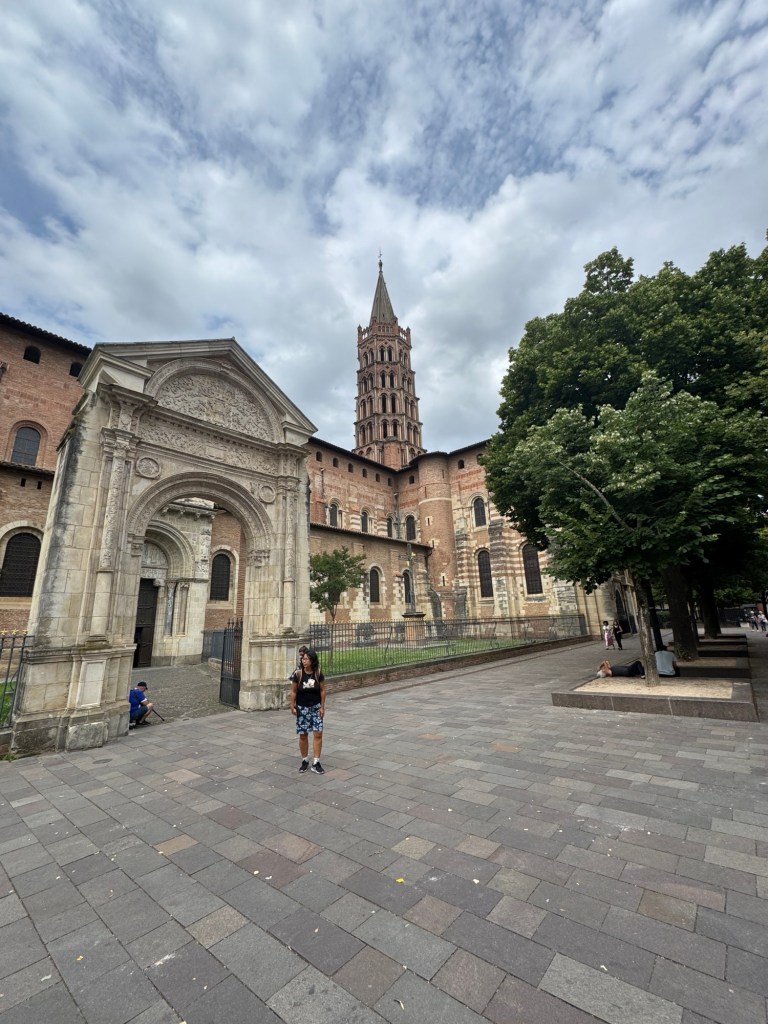
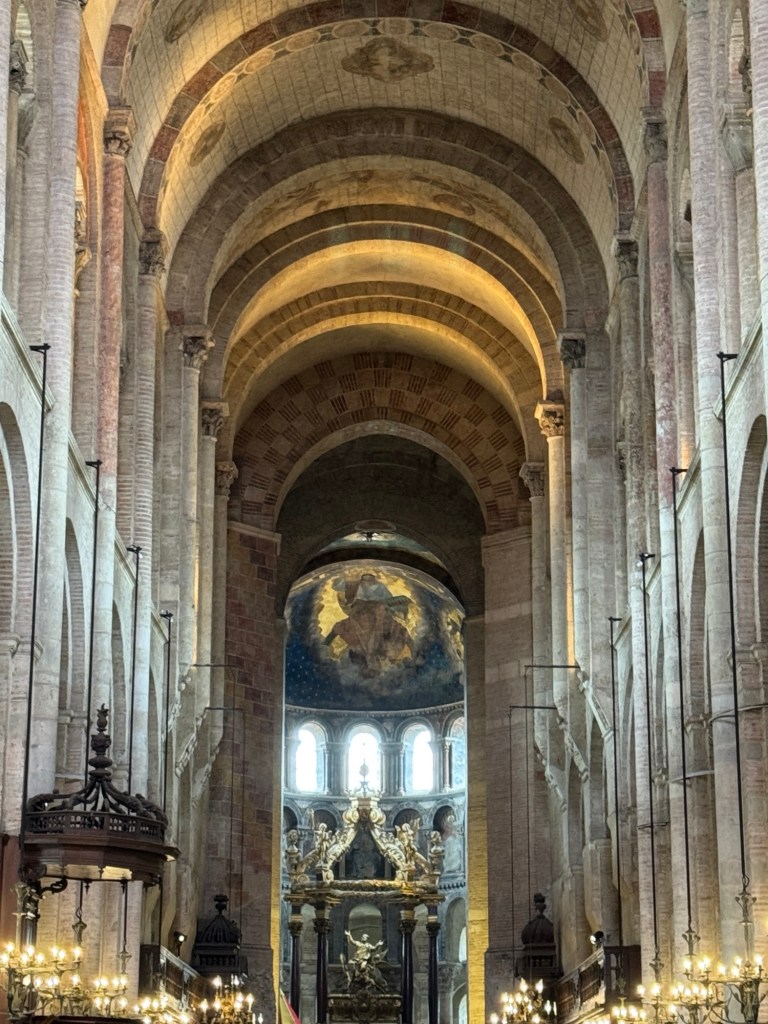
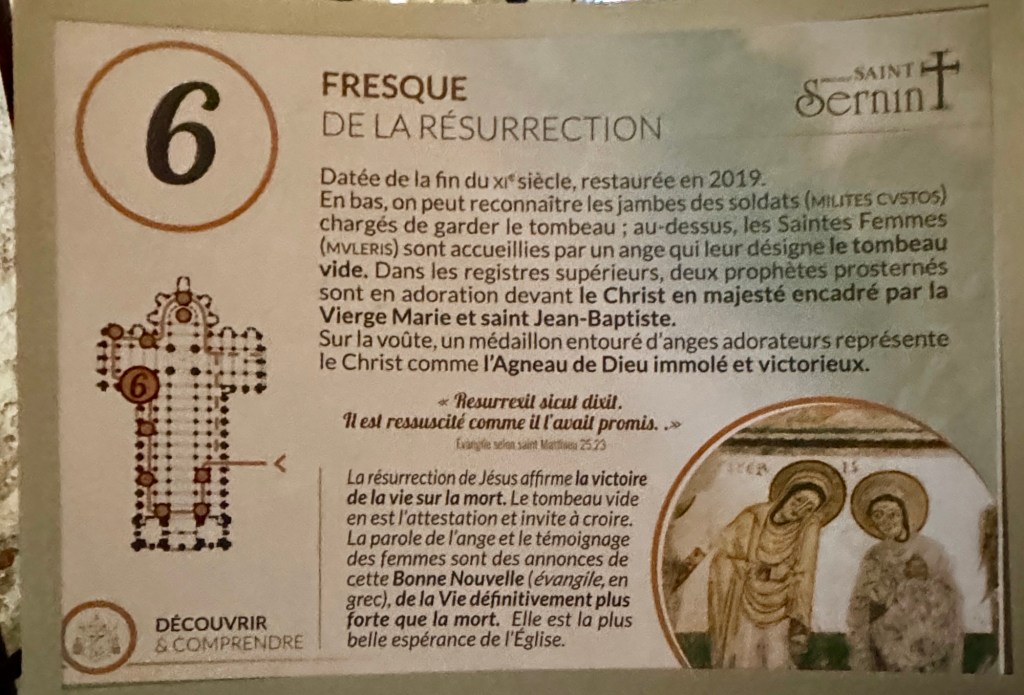
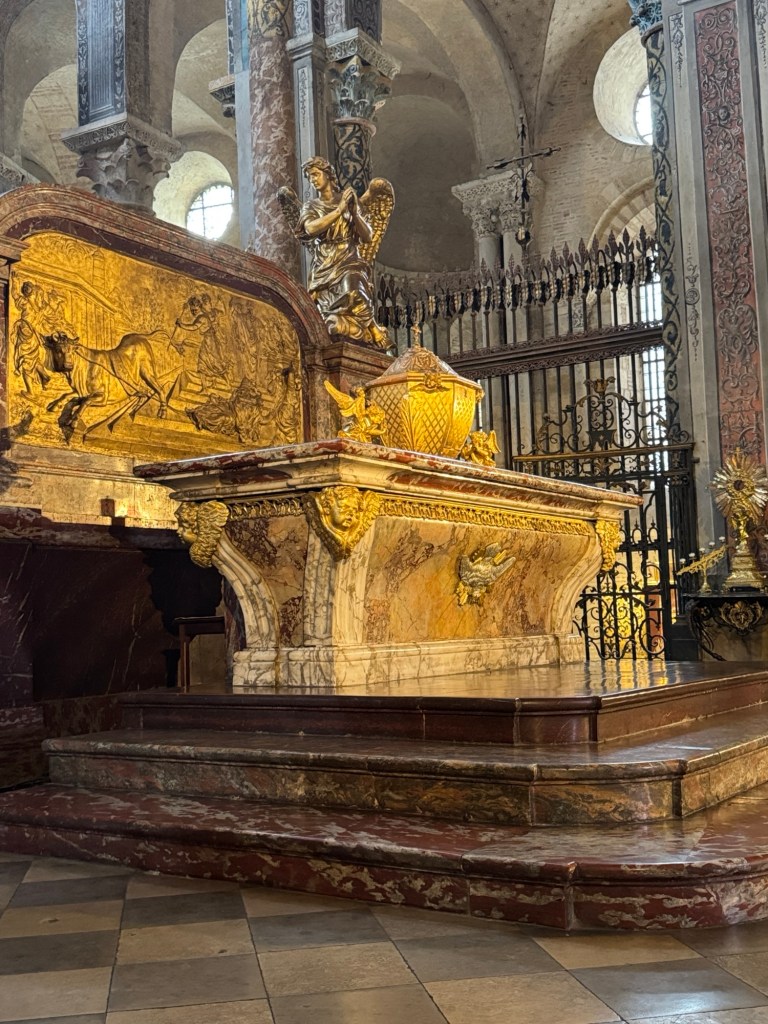
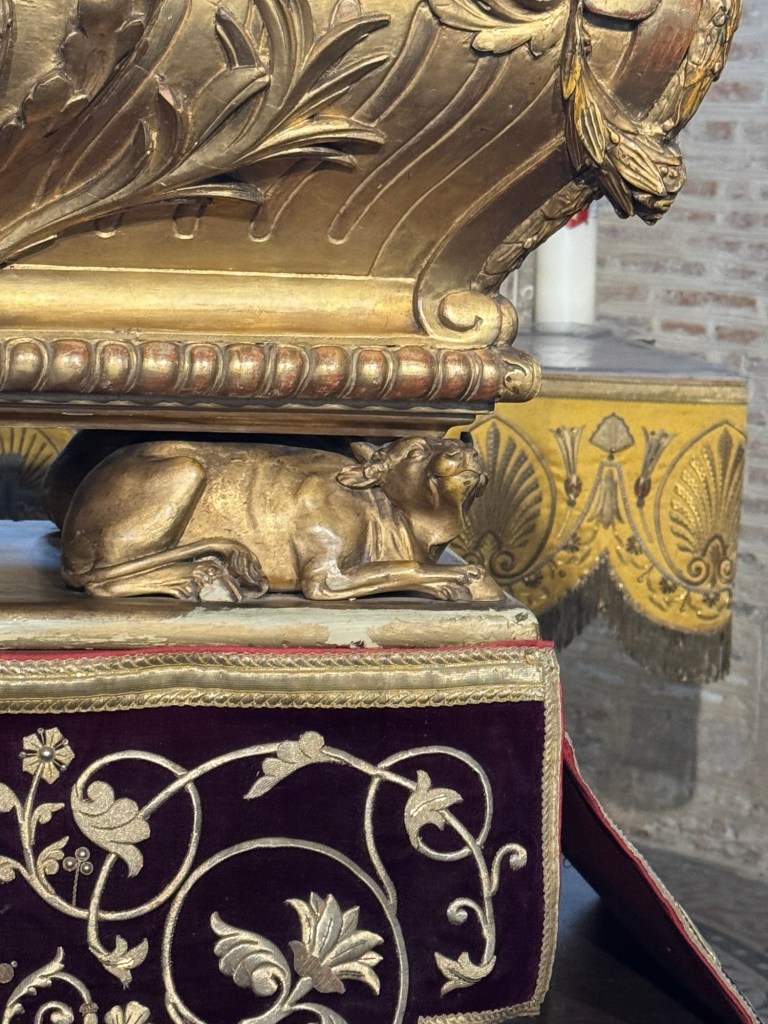
Basilica St Sernin


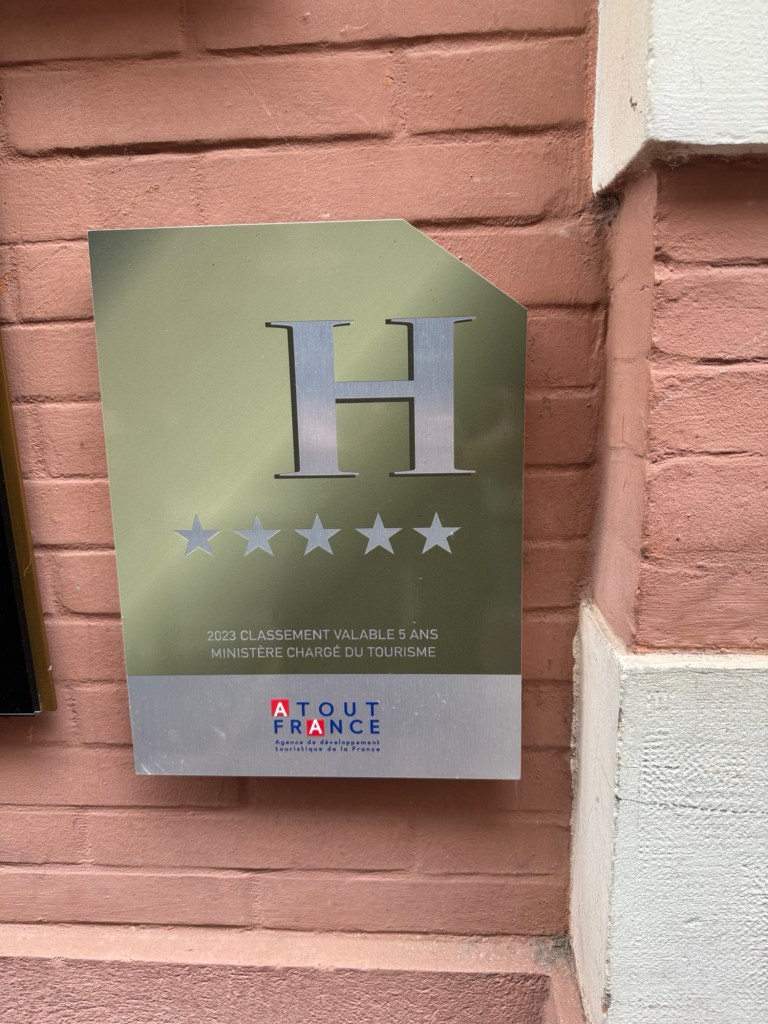
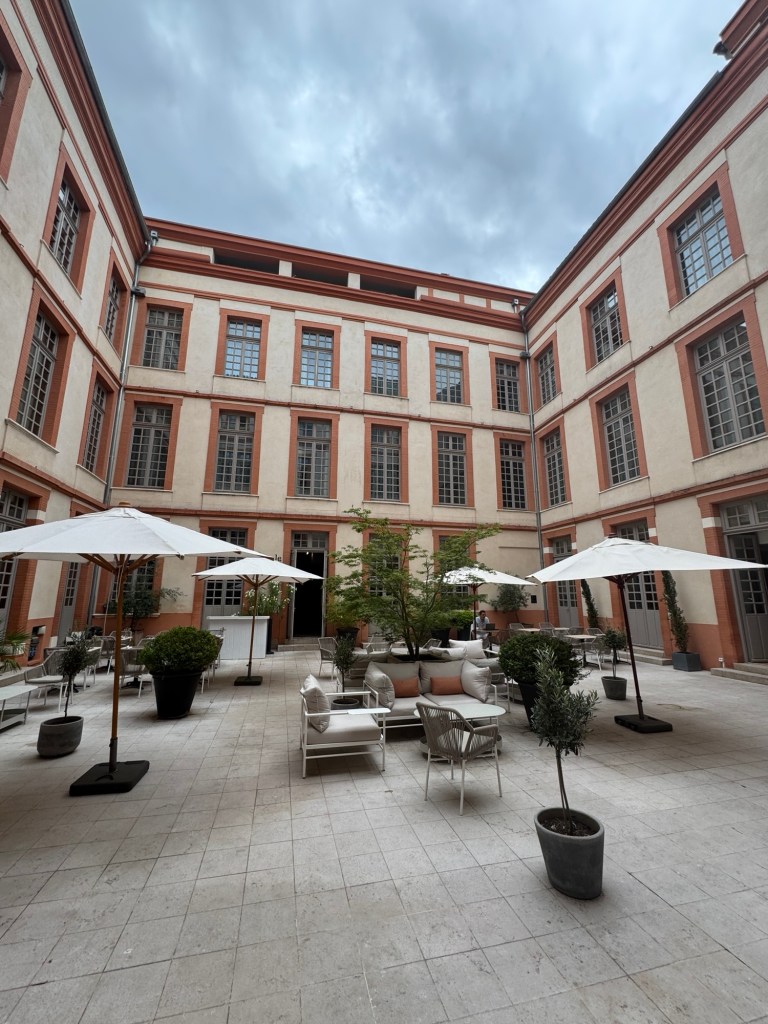
Then we walked to the river side and then checked in our last hotel of this trip. A luxurious 5 star hotel.
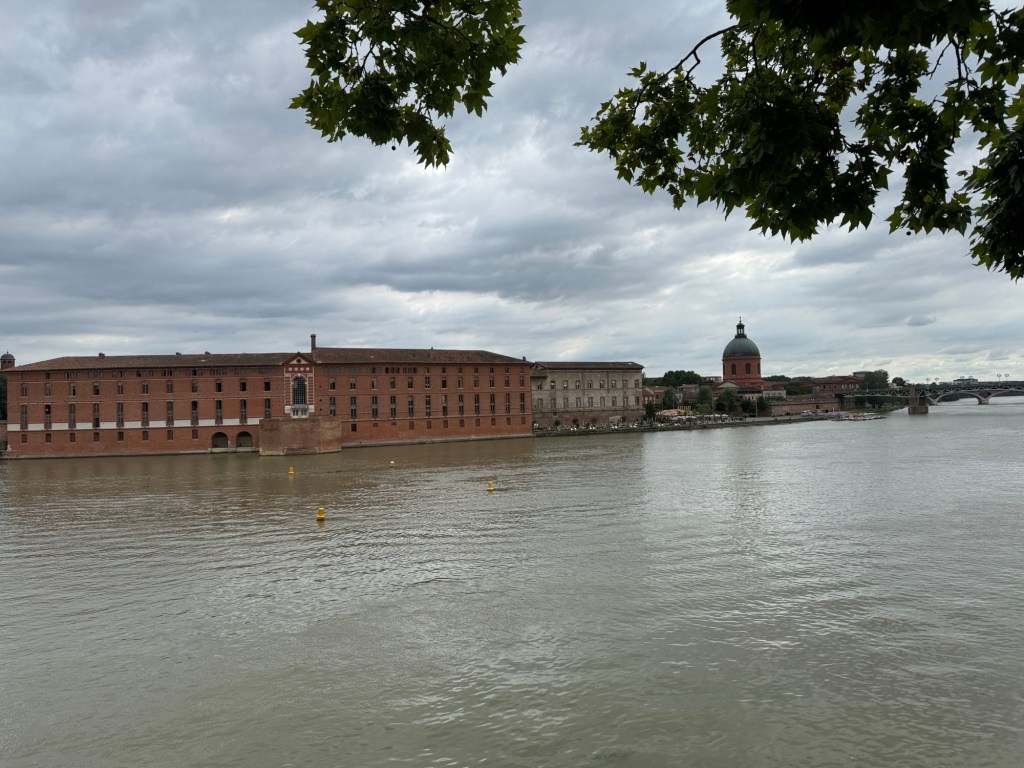
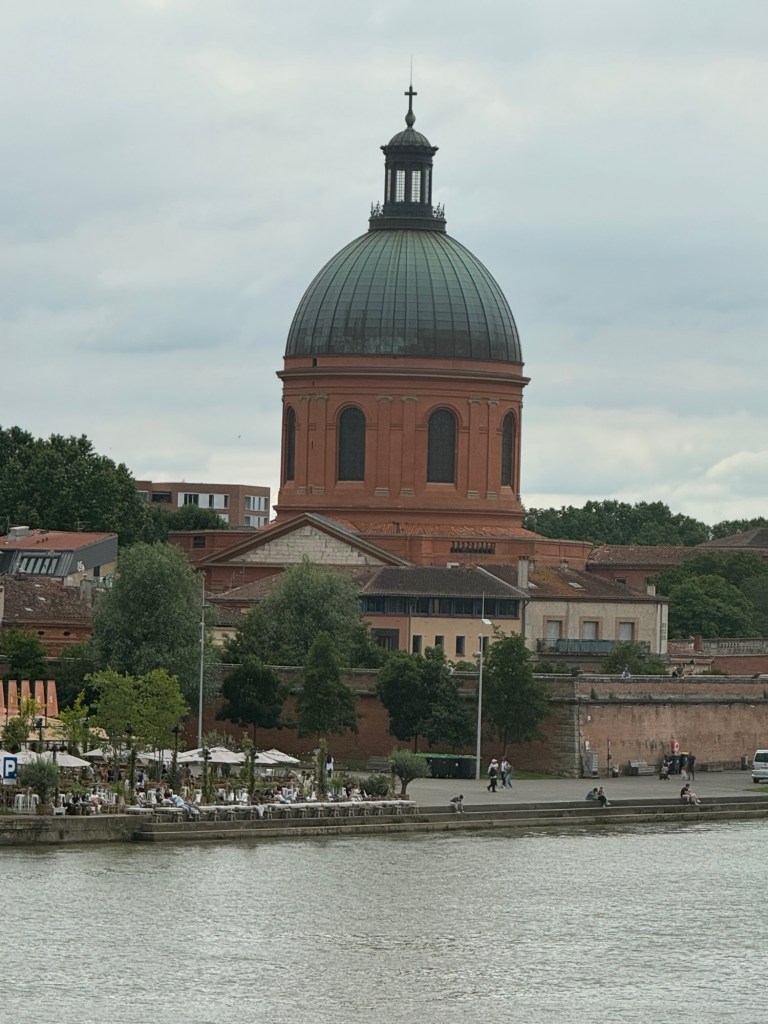
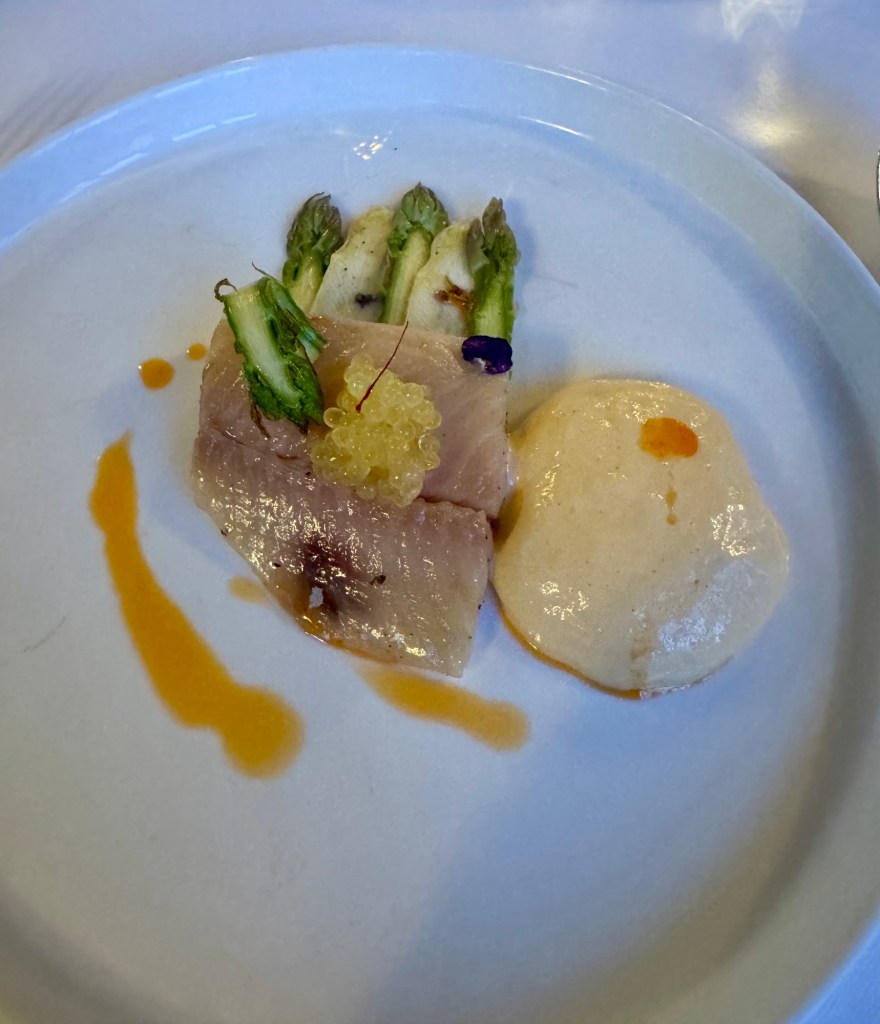
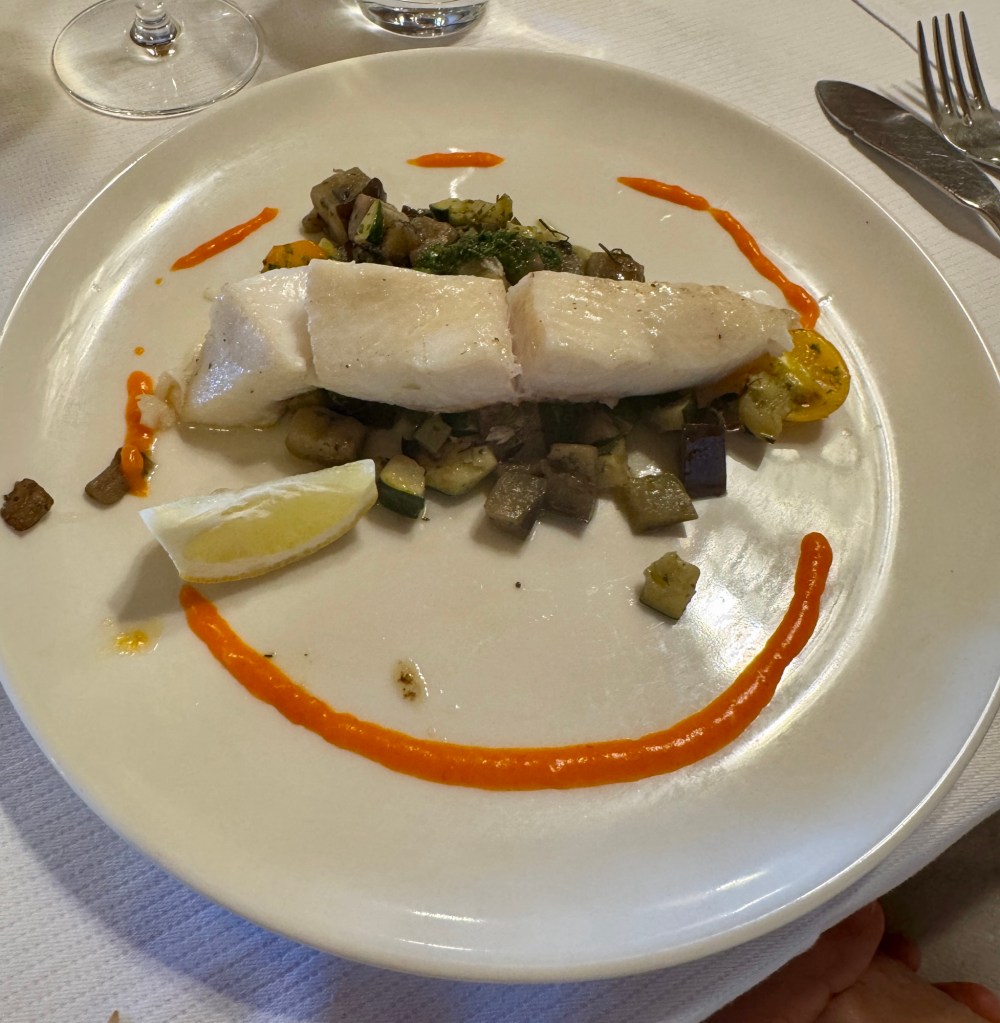
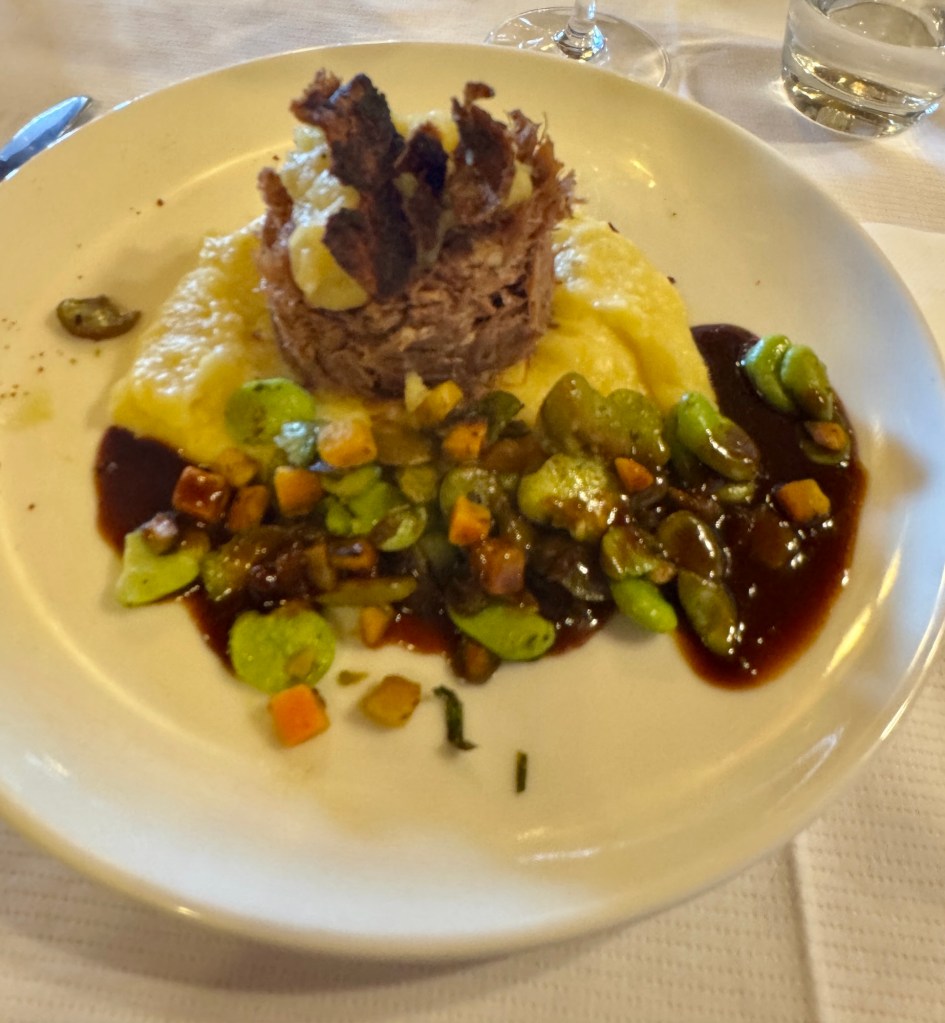
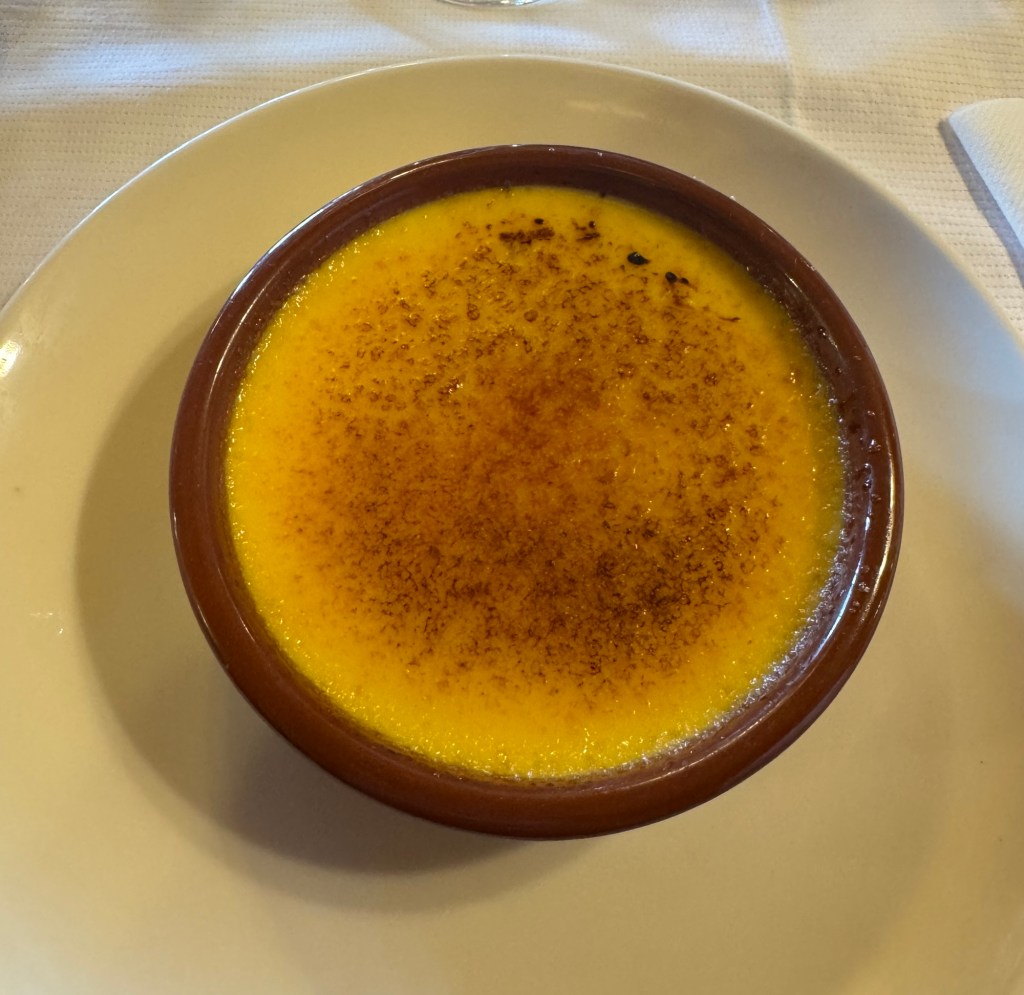
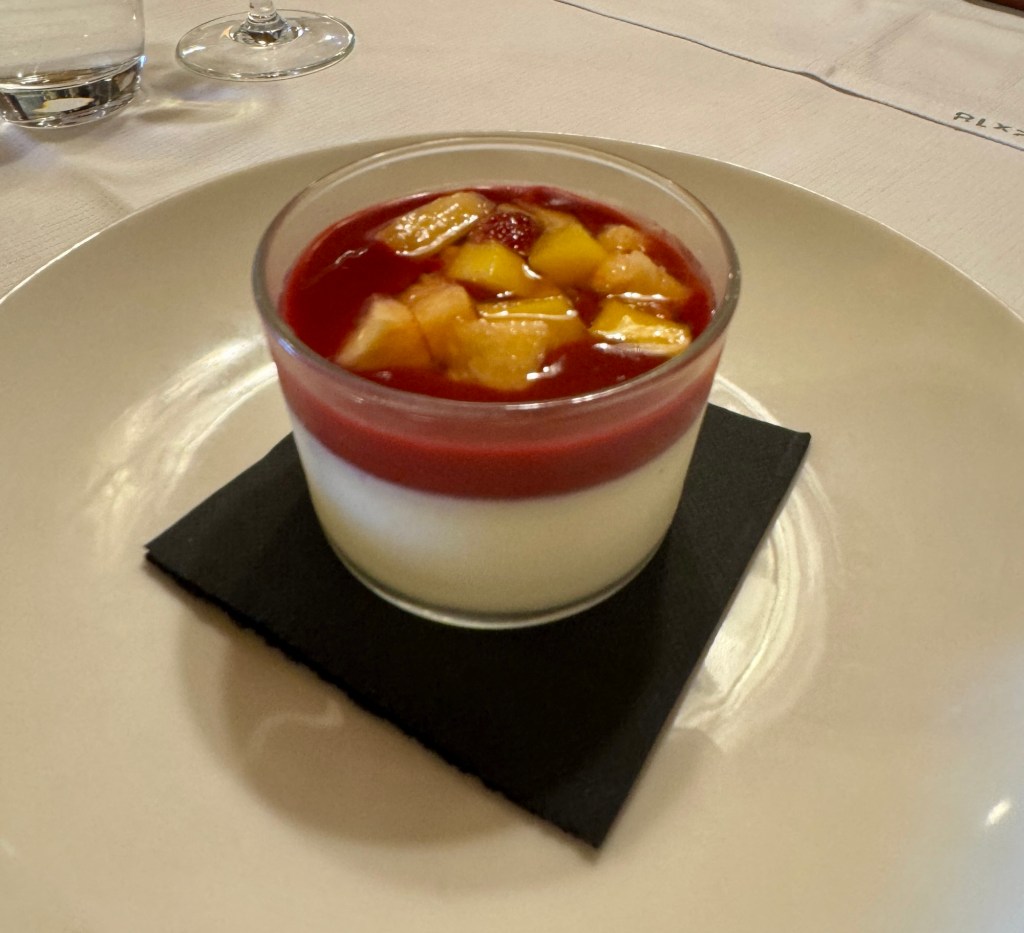
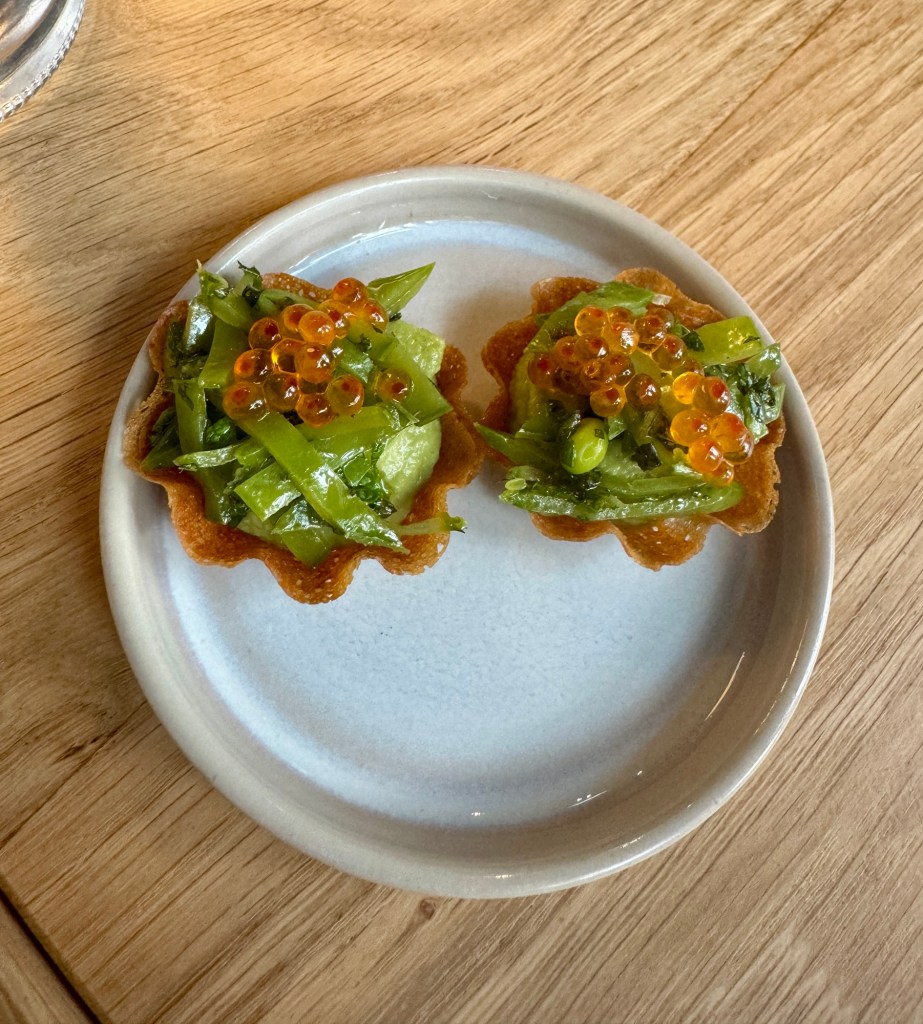
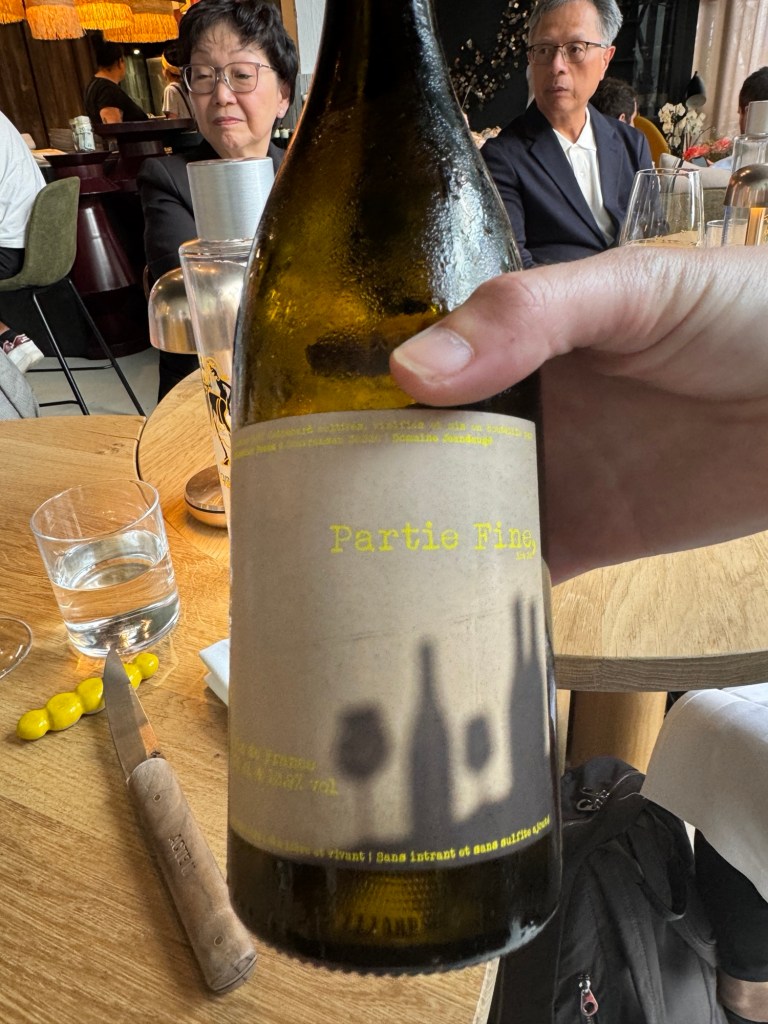
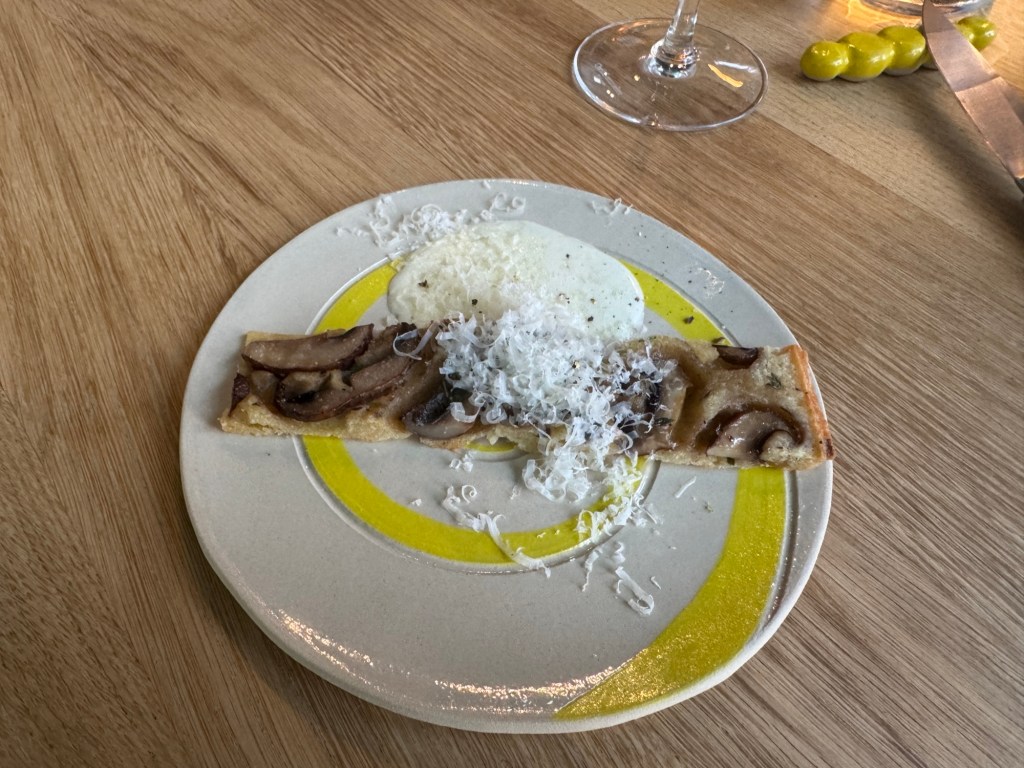
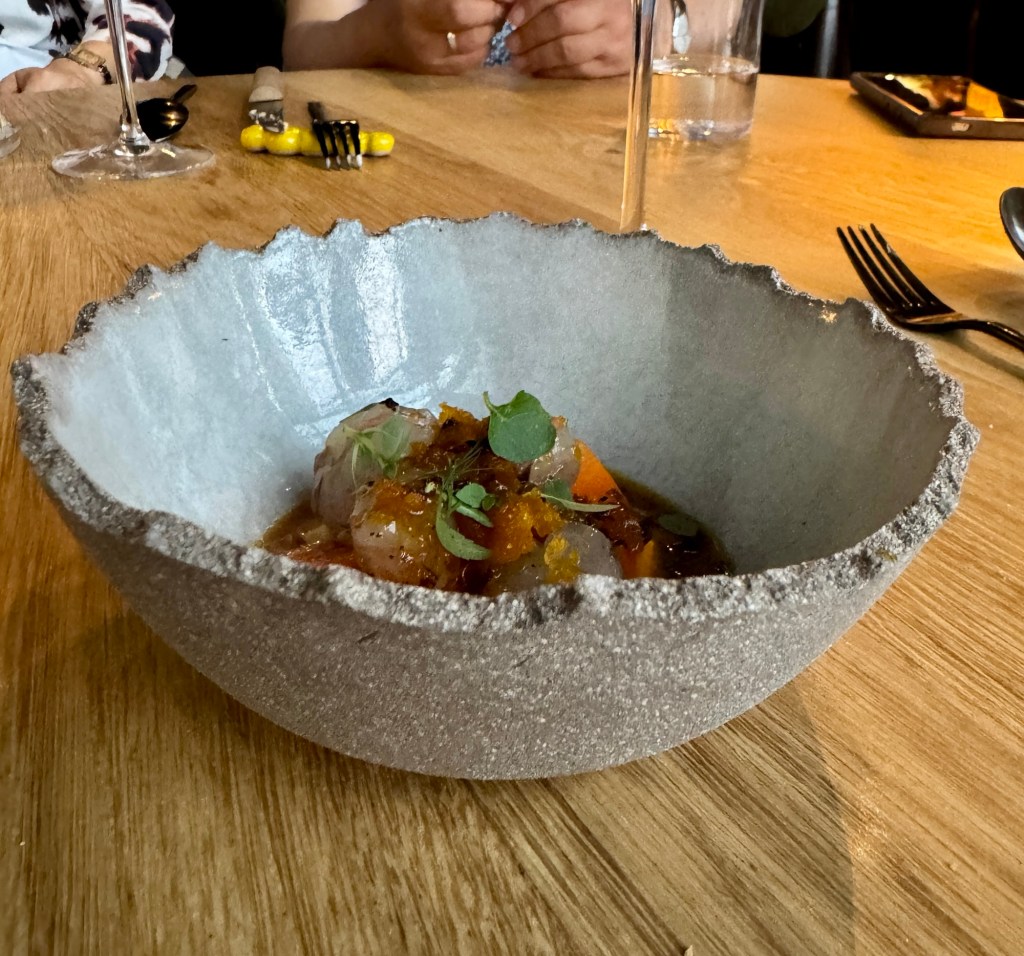
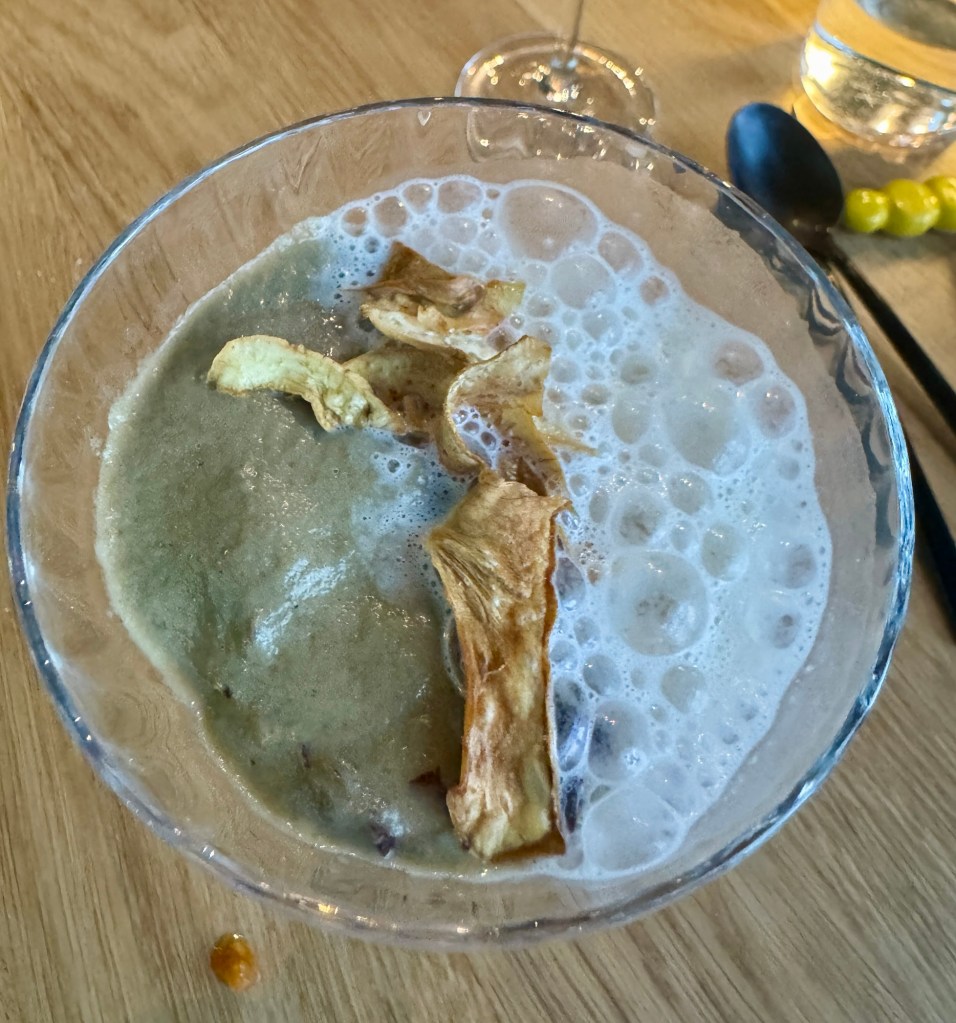
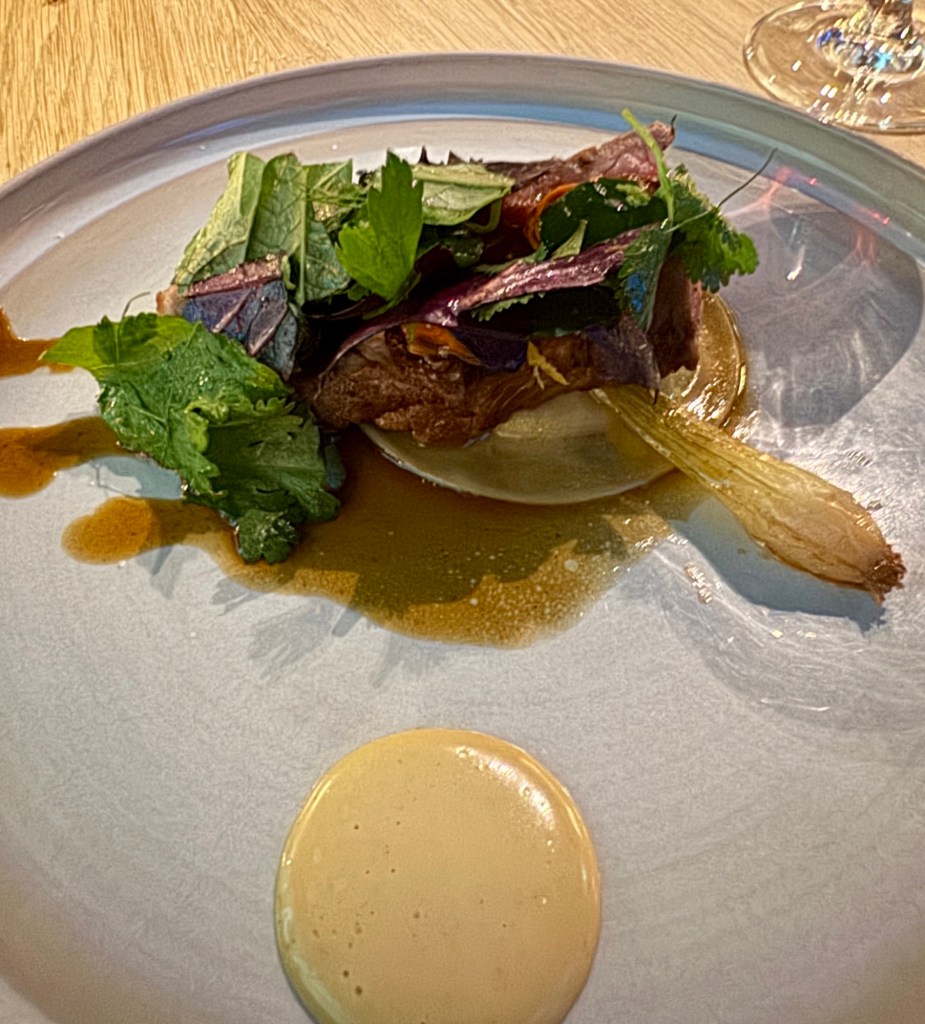
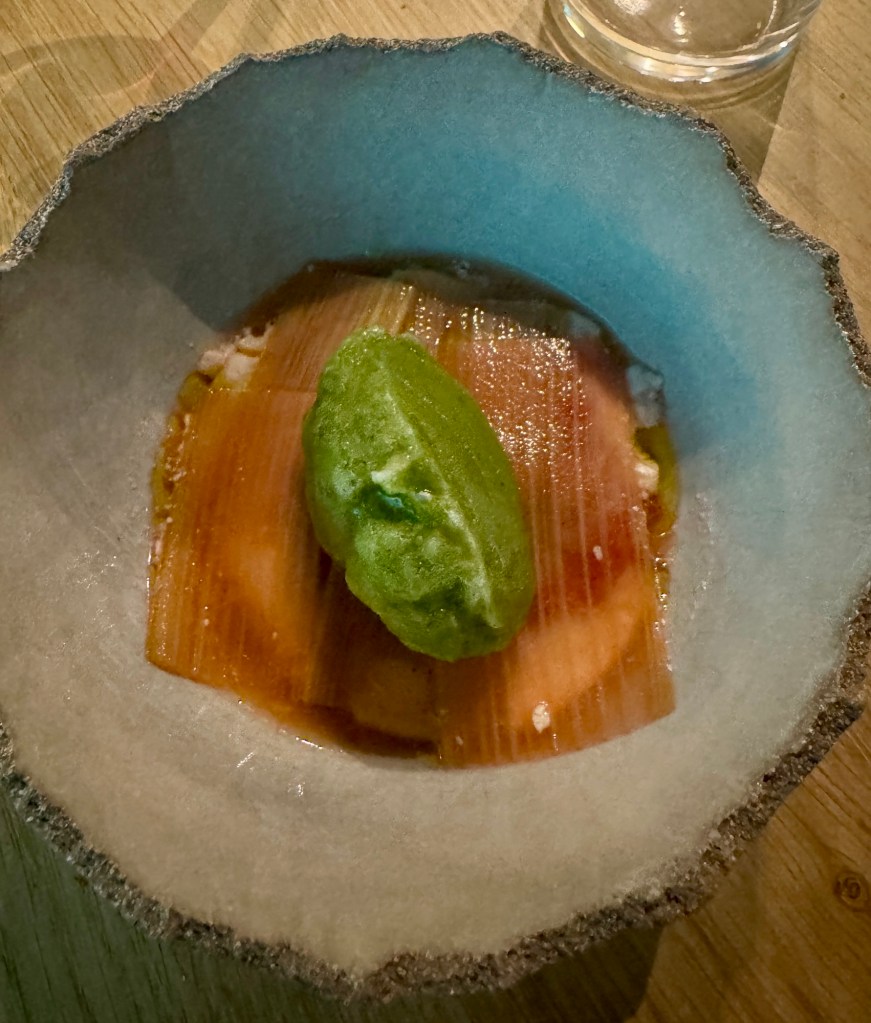
Then we went to restaurant ACTE II, a new one star restaurant with a young chef. Yannick Delpech got his first Michelin Star as he was just 24 and his second at 32 years old. The restaurant was in a quiet suburb, rather like those private kitchens in HK.




Day 14 Thursday 5/6
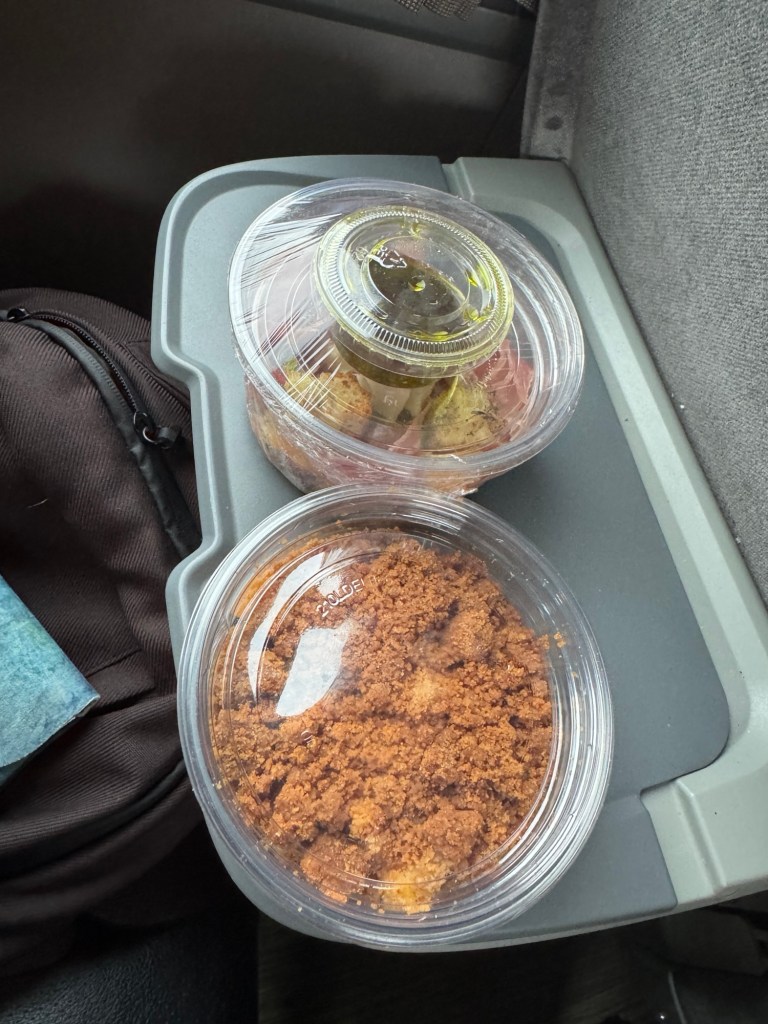
We left after breakfast for a long road trip back to Paris and then we departed and on our own way back. Again we had packed lunch on the road. It was less appealing than the beginning one but after 2 weeks of heavy food, a lighter meal was a good idea. Thank you Kiki so much for all the hard work and thank you everyone for the companionship in this enjoyable trip.

 India mythology